

Koyasu Elementary School by Riken Yamamoto: Innovative Educational Architecture in Yokohama
Koyasu Elementary School in Yokohama by Riken Yamamoto features open terraces, flexible classrooms, natural light, and community-focused, innovative educational architecture.


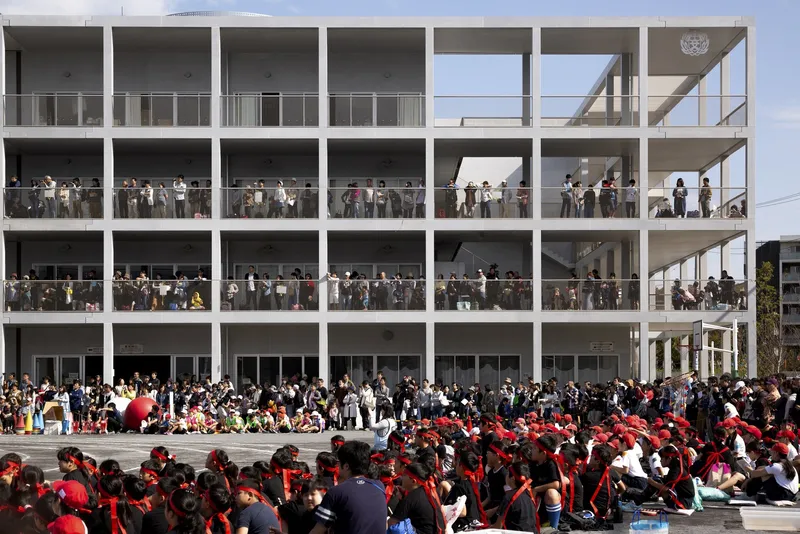
Located in the heart of Yokohama, Japan, Koyasu Elementary School is a striking example of modern educational architecture designed by renowned architect Riken Yamamoto. Completed in 2018, this expansive 15,562 m² school responds to the rapid growth of the local community, accommodating the increasing number of students from nearby residential developments. The project demonstrates a thoughtful integration of spatial design, flexible learning environments, and architectural transparency.
Responding to Community Growth
The construction of large residential complexes nearby led to a significant rise in the local student population. Recognizing the need for a modern, adaptable educational environment, Riken Yamamoto reimagined the traditional school structure to foster both individual learning and community engagement. Every design decision emphasizes inclusivity, interaction, and the importance of nurturing young learners within a dynamic neighborhood context.
Architectural Design and Spatial Flexibility
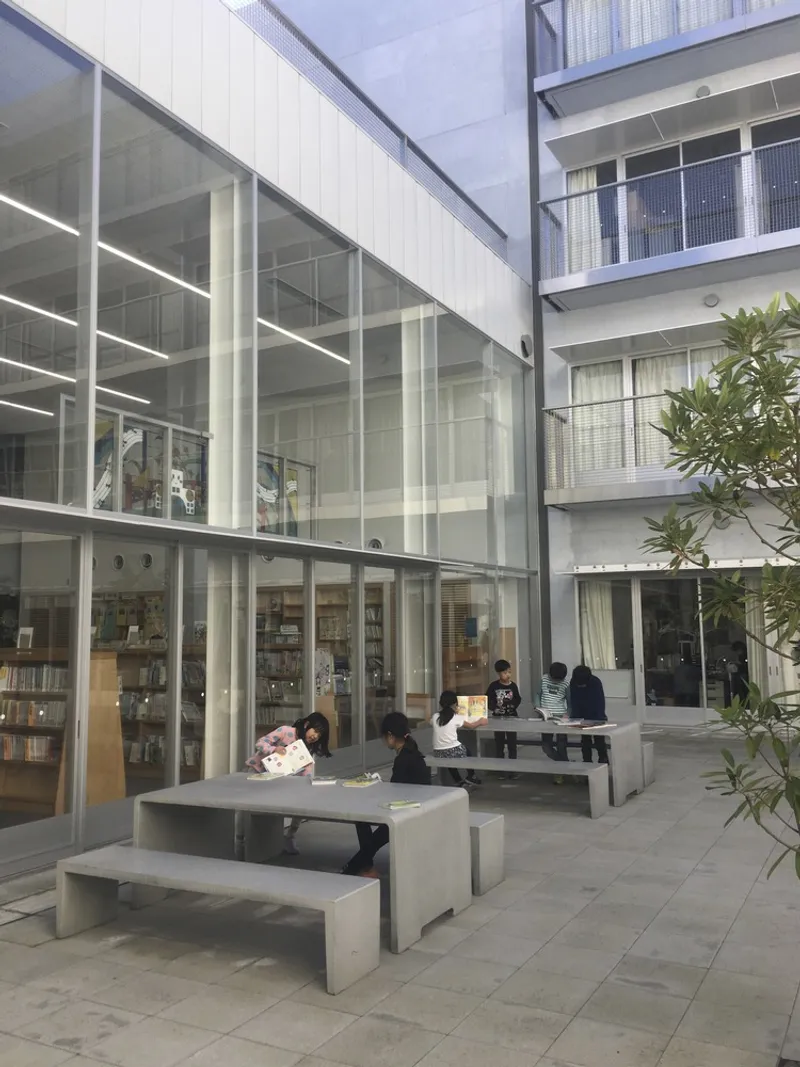
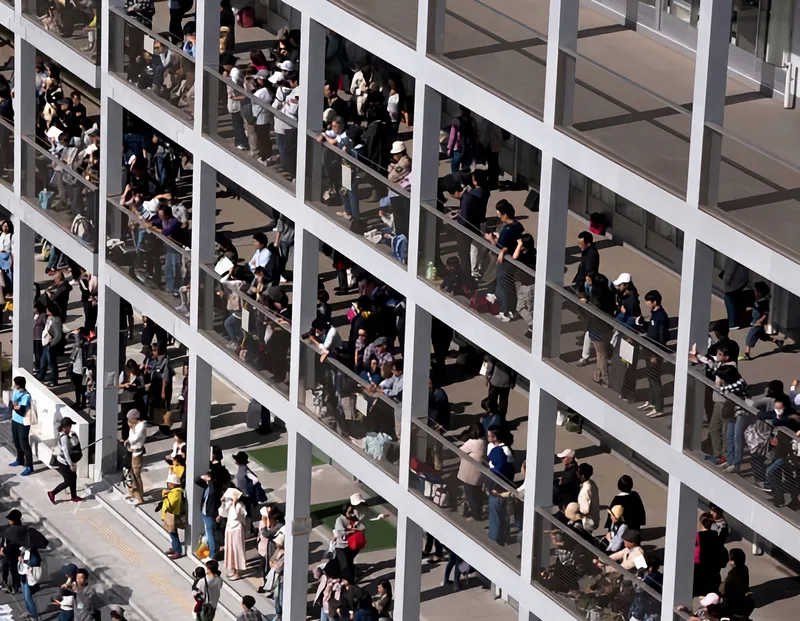
A defining feature of Koyasu Elementary School is its large, undivided terraces that seamlessly connect classrooms throughout the building. These terraces create open, flexible spaces that encourage collaboration and social interaction among students. By allowing unobstructed views into and out of the learning areas, the design cultivates transparency, a sense of openness, and visual connectivity, making every corner of the school feel integrated and alive.
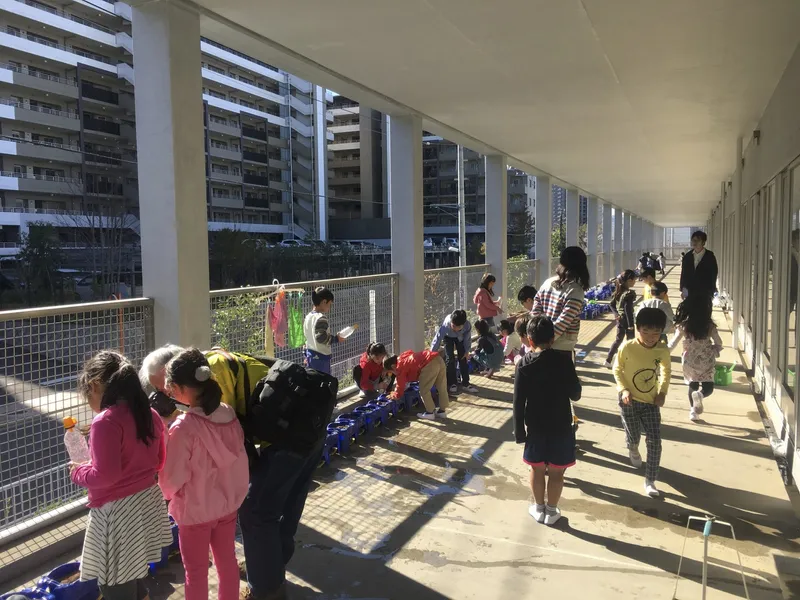
The interior spaces prioritize natural light, with extensive windows framing views of the surrounding cityscape and outdoor areas. Strategic circulation elements, including staircases and communal corridors, enhance student movement while promoting encounters and informal learning opportunities. The design balances functional educational needs with a warm, inviting atmosphere suitable for children from diverse backgrounds.
Sustainability and Community Integration
While emphasizing modern aesthetics, the school also integrates sustainable design principles. Open terraces not only support social and learning activities but also enhance ventilation and daylighting, reducing energy consumption. The architecture fosters a strong connection between students, educators, and the wider community, highlighting how thoughtfully designed public educational spaces can support social cohesion and well-being.
Key Project Details
- Location: Yokohama, Japan
- Architect: Riken Yamamoto
- Lead Architect: Riken Yamamoto
- Structural Engineers: Structure Plan Plus One
- Area: 15,562 m²
- Year Completed: 2018
- Student Capacity: Approximately 1,000
Conclusion
Koyasu Elementary School exemplifies how contemporary educational architecture can respond to urban growth while prioritizing flexibility, interaction, and community engagement. Through innovative design strategies, Riken Yamamoto has created a school that is both functional and inspiring, ensuring that every student feels part of a cohesive, open, and dynamic learning environment.


Popular Articles
Popular articles from the community


David Ortega Stacks a Two-Story Mexico City Penthouse Around a Steel Stair and a Pergola-Shaded Roof Terrace
In Colonia Roma, a 300 m² penthouse uses oak joinery, a planted steel stair and a slatted roof pergola to make a new-build apartment feel like a house.

GROUP A Strips a 1969 Rotterdam Harbor Headquarters to Its Frame and Wraps It in Timber Louvers
In Rotterdam's M4H harbor district, Ferro Offices reuses a 1969 frame, adds one timber storey and reaches BREEAM-NL Outstanding.

Architekt Andreas Gruber Scatters 23 Dark Timber Chalets Across a South Tyrolean Forest Edge
In Molini di Tures, Amonti Chalets breaks a resort into a hamlet of gabled timber houses, with parking, storage and services pushed into the slope.

longwave studio Reorganizes a 112 m² Tainan Apartment Around the Daily Routines of a Family and Two Cats
In Tainan, Taiwan, birch plywood, rust-red furniture and a freestanding plaster wall link arrival, storage, work and family life in one apartment.

Similar Reads
You might also enjoy these articles

Gil Mello Arquitetura Tilts a Single Roof Toward the Waterfalls on a Plateau Above Aiuruoca, Brazil
In Aiuruoca, Minas Gerais, a 200 m² house of local labor and reclaimed poles pairs a low valley veranda with a tall mountain one.

U.GA Architects Wraps an Oval Rooftop Pool in Curved Board-Formed Concrete on Busan's Jeollidan-gil
In Busan's Jeonpo-dong, a 454 m² mixed-use block stacks a neighborhood facility, guest rooms and an oval rooftop pool inside spiraling concrete walls.

Felipe Hess Arquitetos Turns a Blind Stone Wall to the Street and Opens a Brazilian House onto a Courtyard and Canal
A canal-front house in Brazil hides behind painted stone and planting, then opens to an olive-tree courtyard, a reed-ceilinged porch and a curving pool.

David Macias Steps a Doorless Stone and Plaster House Down a Tropical Colombian Hillside
In the humid hills of Colombia, Threshold House replaces the front door with an open void and terraces its 850 m² down the slope instead of fighting it.

Explore School Building Competitions
Discover active competitions in this discipline

Challenge to design public laboratory

Challenge to reimagine the Iron Throne

Photograph architecture without architects

Illustrate the lost glory of Angkor Wat - Render Challenge
Comments (0)
Please login or sign up to add comments
No comments yet. Be the first to comment!