
Masaryčka Building: Zaha Hadid Architects’ Vision for Prague’s Civic and Corporate Hub
The Masaryčka Building by Zaha Hadid Architects in Prague blends offices, retail, and public spaces with sustainable design and transport integration.


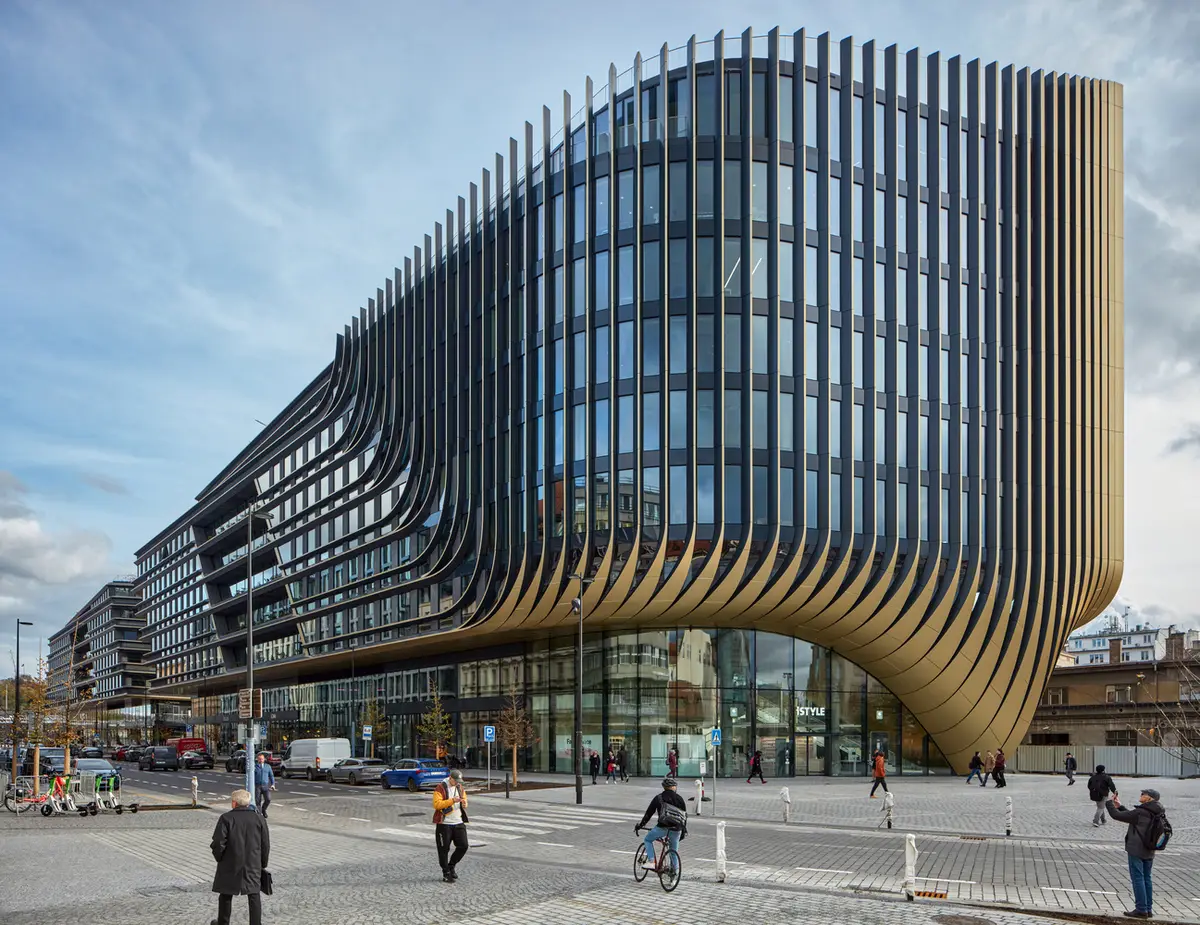
The Masaryčka Building, designed by the renownedZaha Hadid Architects, is redefining Prague’s urban landscape by seamlessly integrating office, retail, and public spaces. Spanning 28,000 square meters, this iconic development responds to the city’s growing corporate sector while enhancing connectivity around the historic Masaryk Railway Station.
Innovative Urban Integration
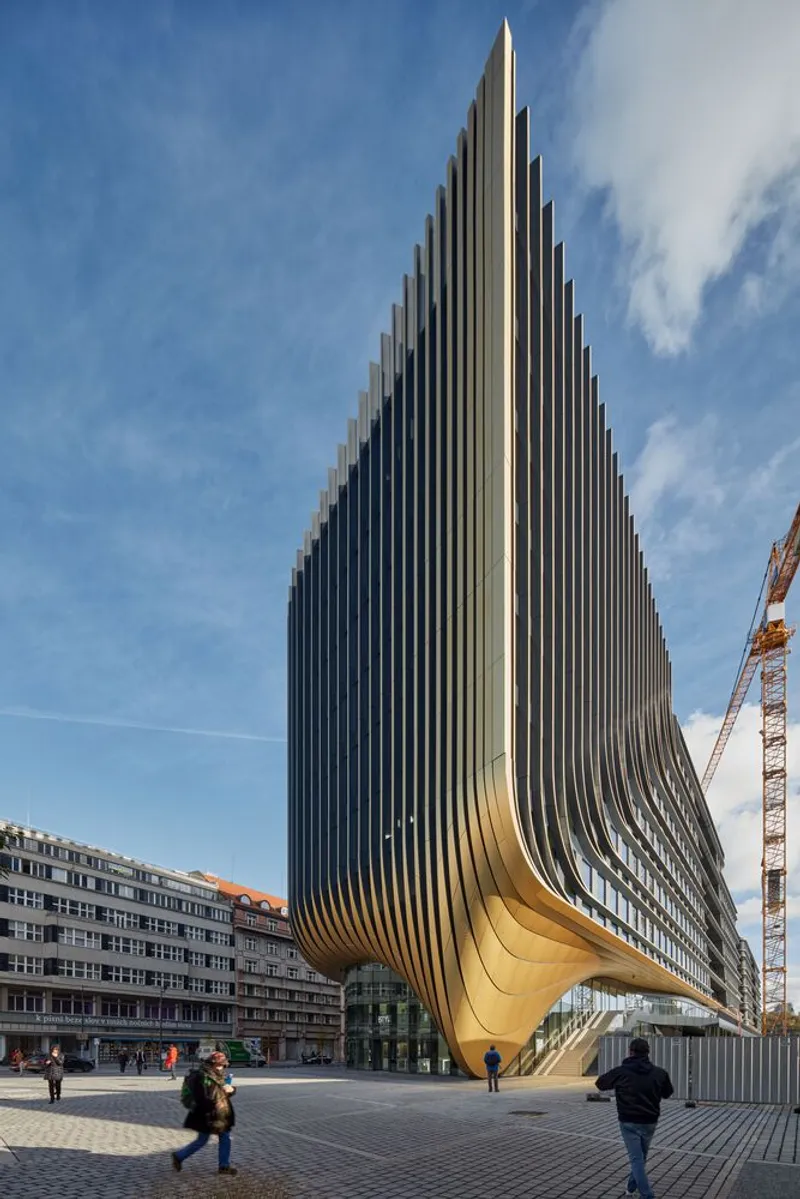
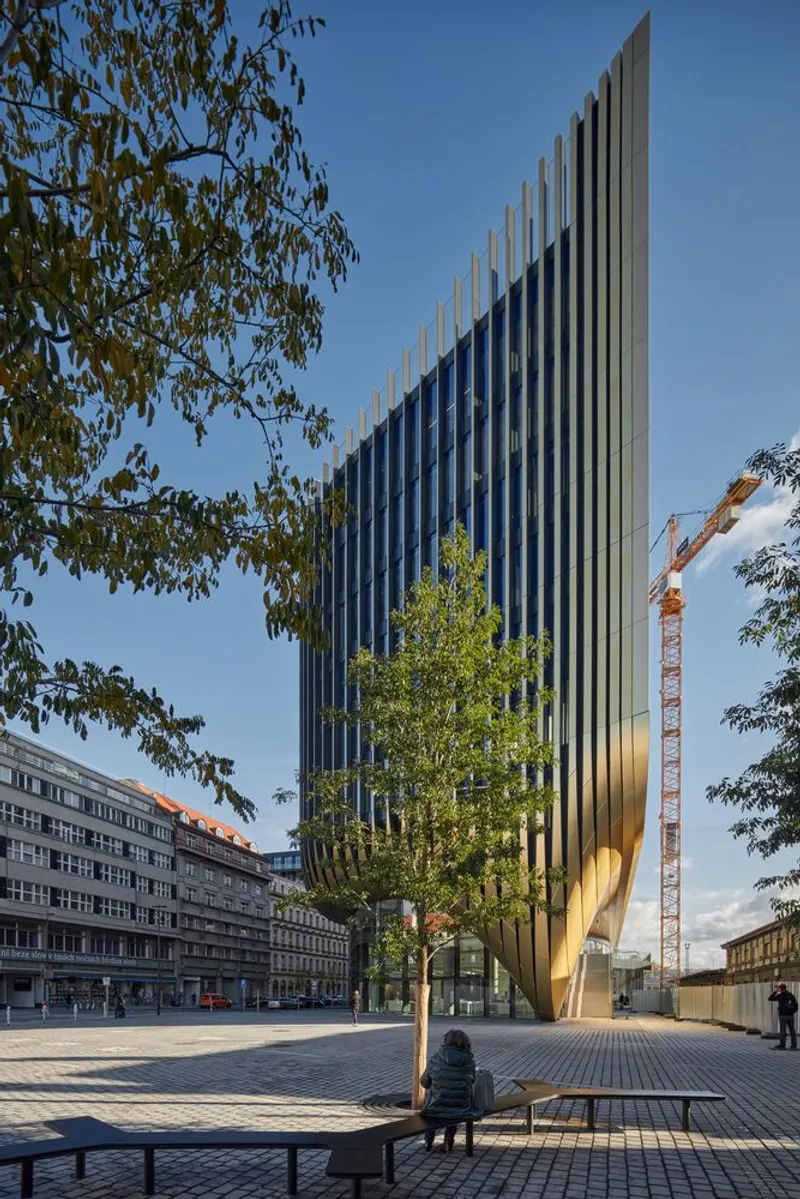
Strategically located between the railway platforms to the south, Na Florenci Street to the north, and the Wilsonova elevated freeway to the east, the Masaryčka Building occupies a previously derelict site abandoned for decades. Its western edge replaces an outdated car park along Havlíčkova Boulevard, introducing a new public square that serves as a welcoming gateway for rail, tram, and bus passengers, including those traveling via the upcoming express rail link to Prague International Airport. Situated just one kilometer east of Old Town Square, the project creates a dialogue with the city’s historic architecture, famously known as the “golden city of 100 spires.”
Architectural Design and Facade
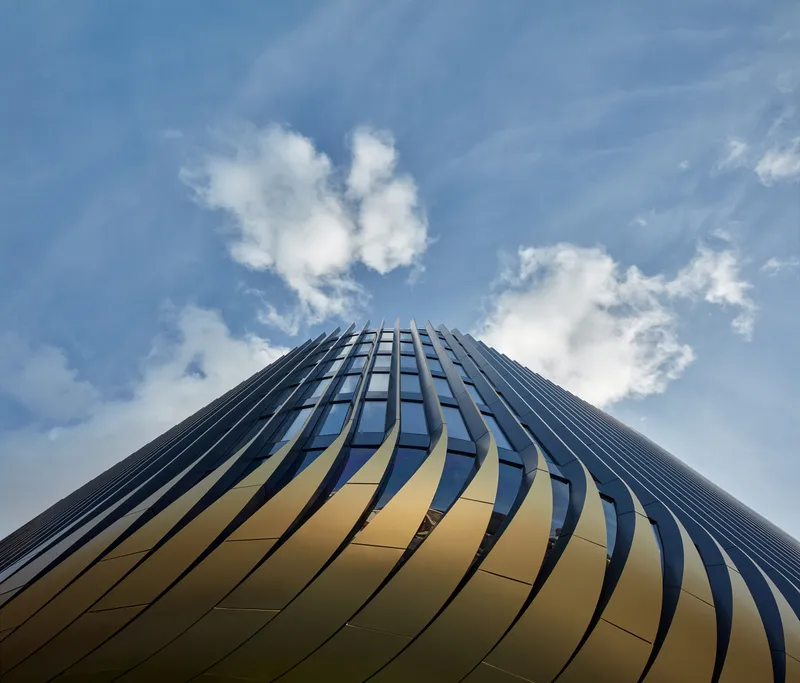
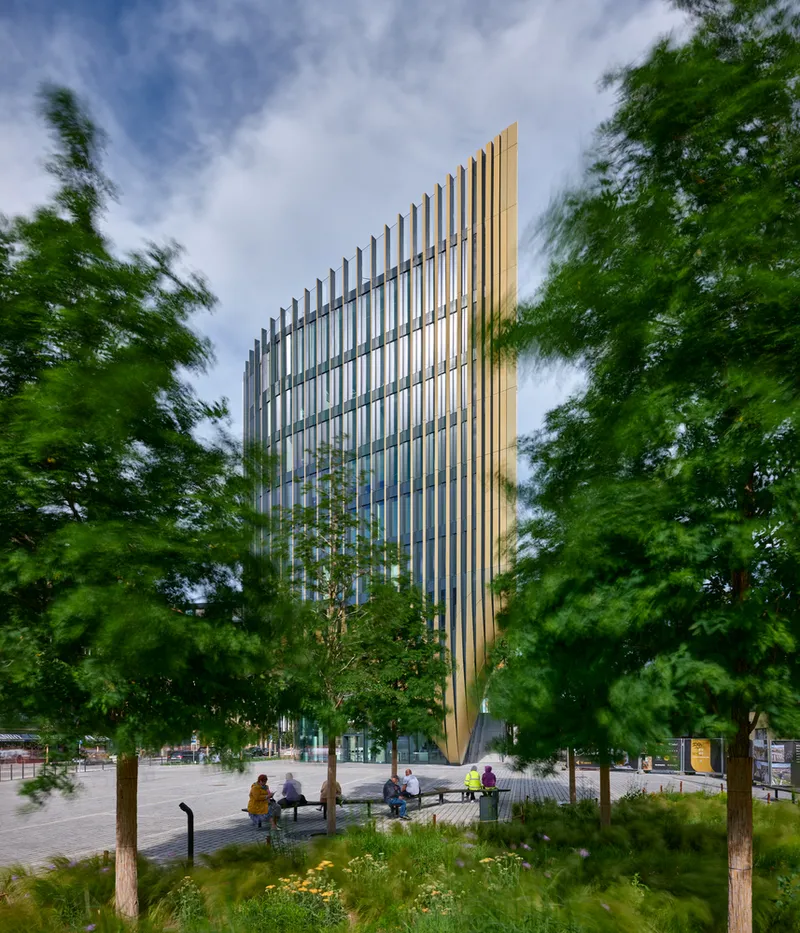
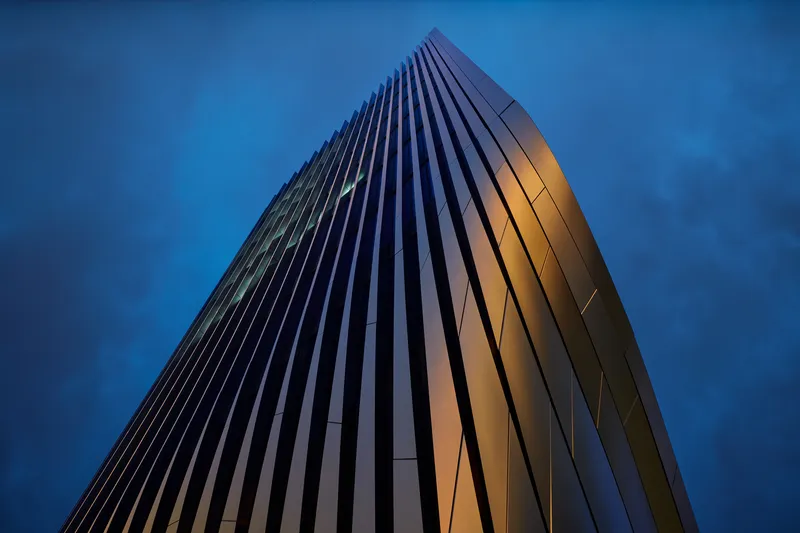
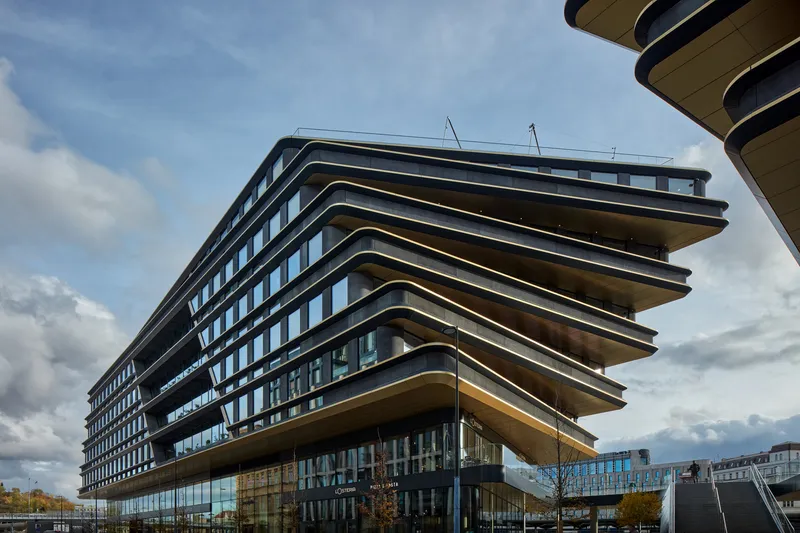
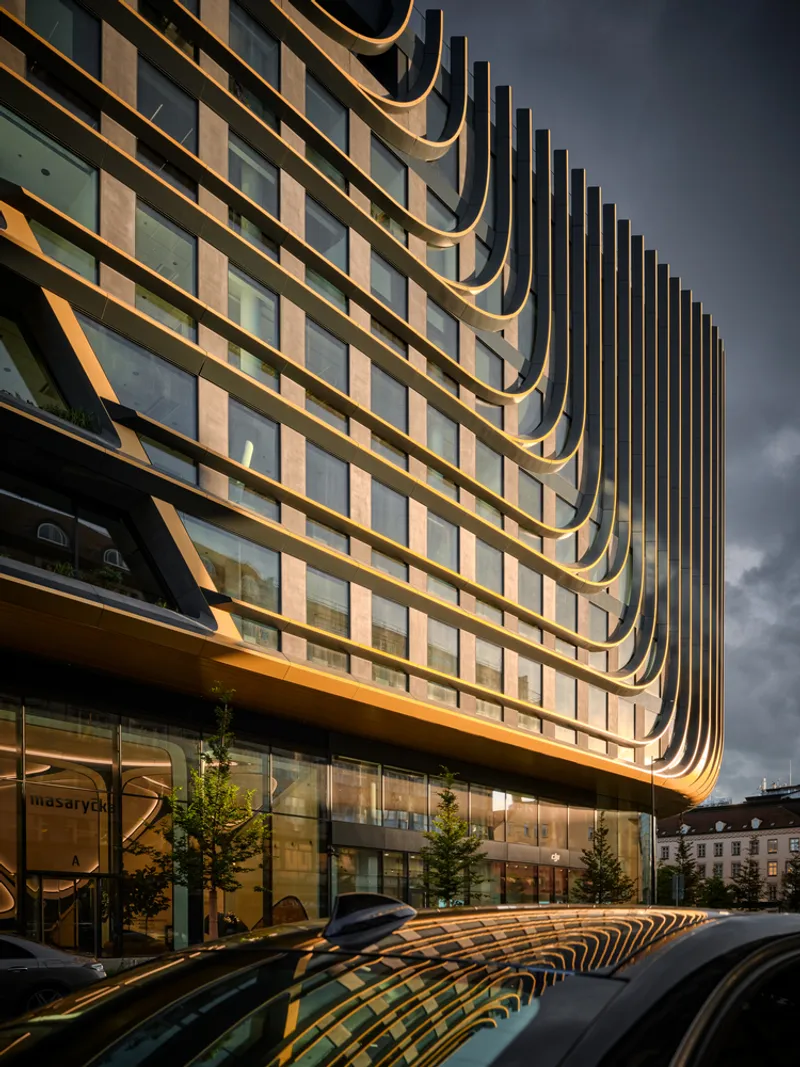
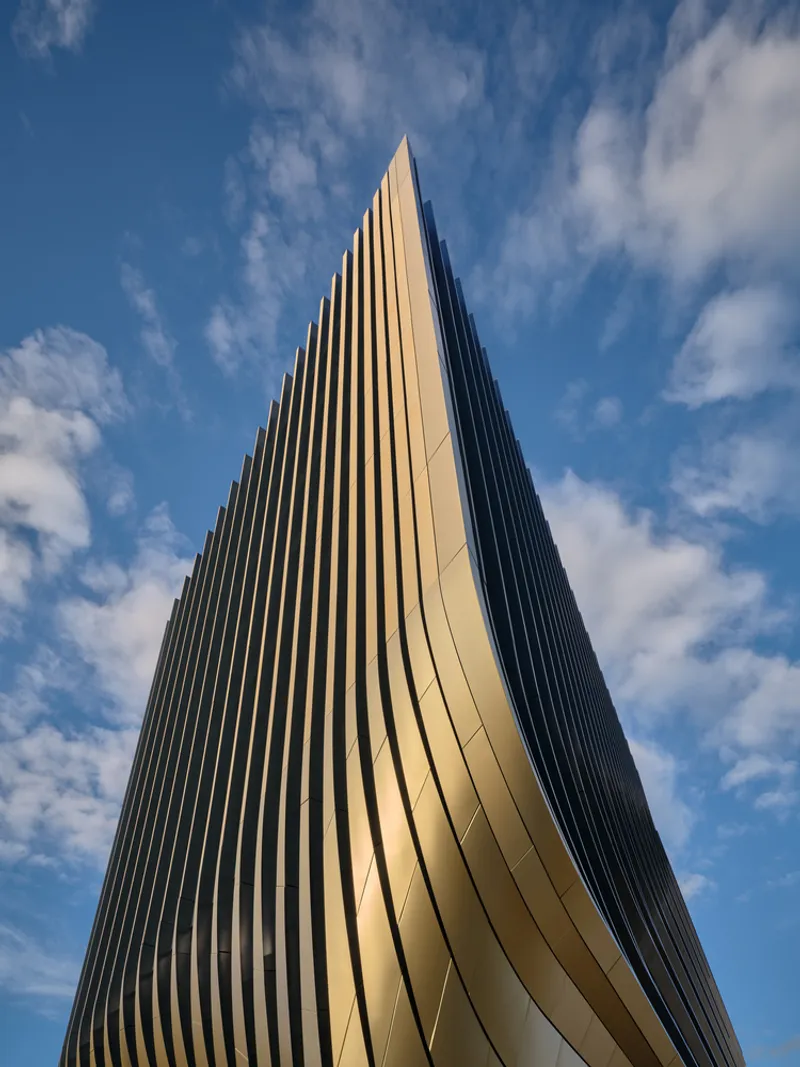
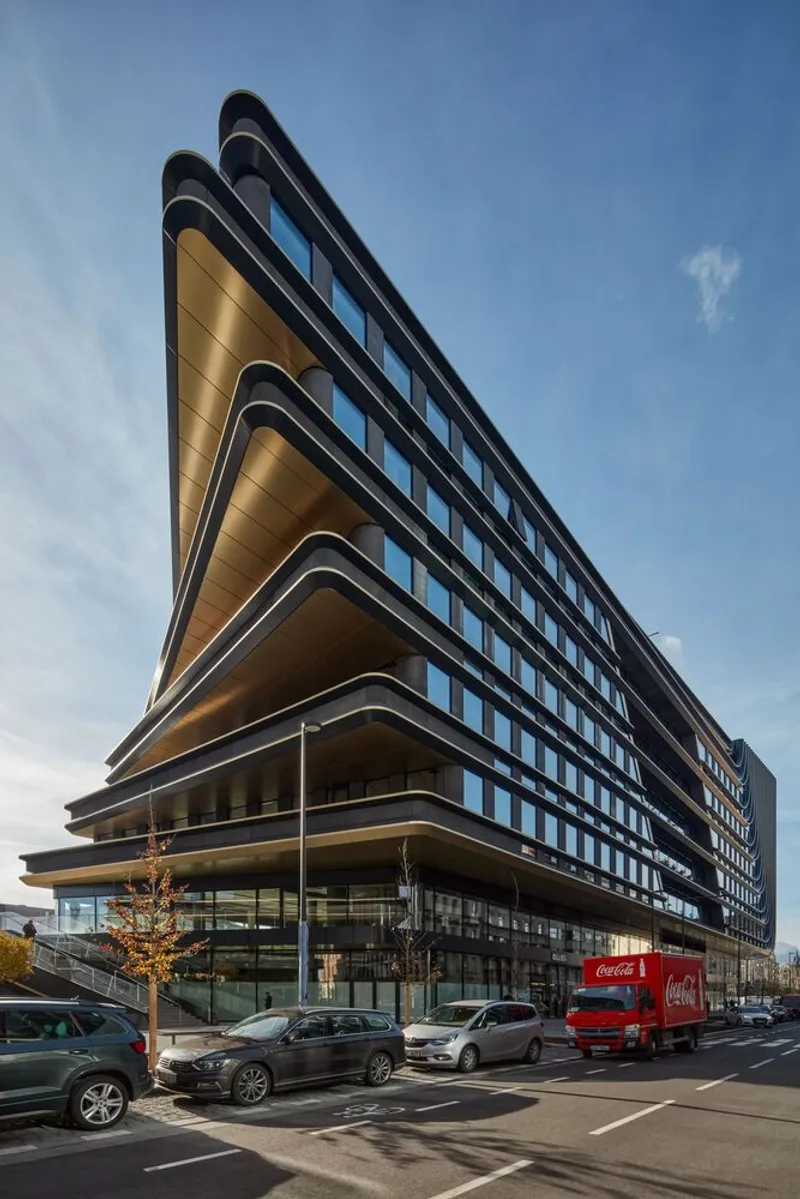
The building’s design consists of seven storeys on the eastern section and nine storeys on the western end, with a fluid, dynamic facade characteristic of Zaha Hadid’s signature style. External fins provide solar shading in the summer, while the building’s horizontal composition gradually transforms into verticality facing the spires of the Old Town. A cascade of terraces divides the two sections, offering each office floor direct access to generous outdoor spaces, and communal roof gardens provide panoramic city views.
Sustainability and LEED Platinum Ambitions
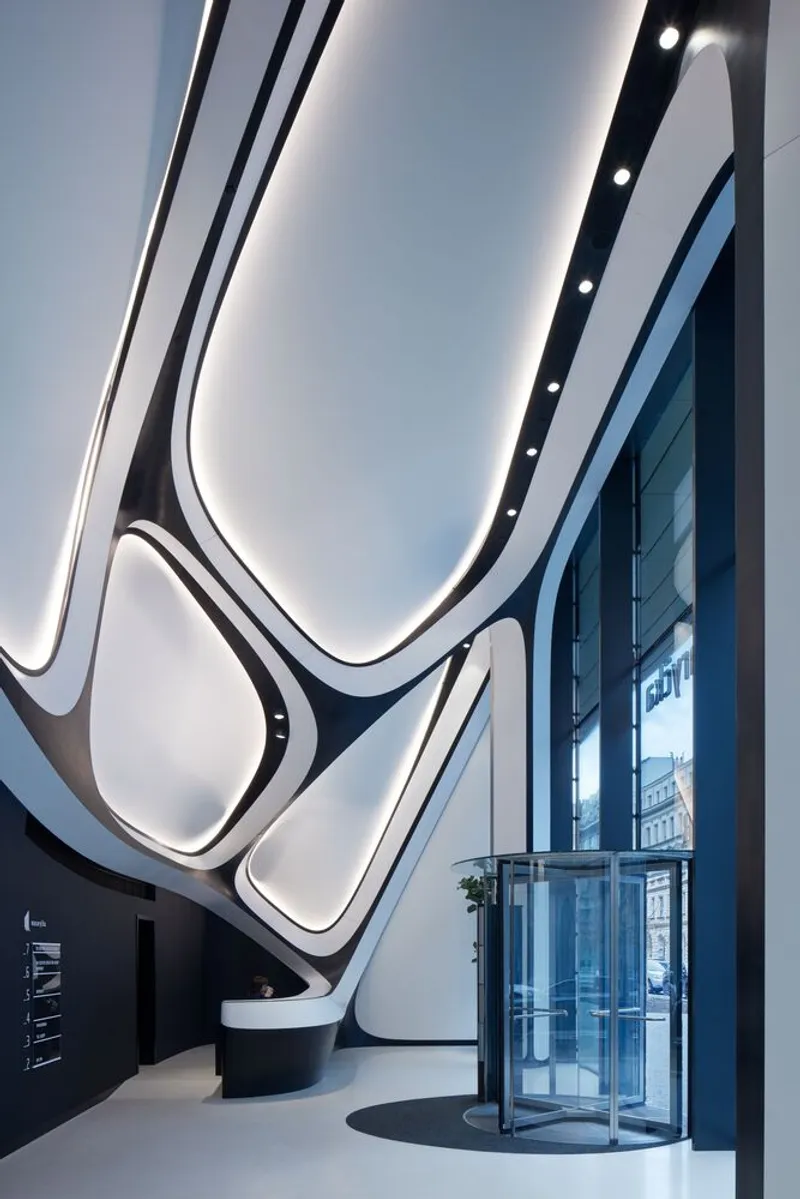
Masaryčka is targeting LEED Platinum certification, incorporating a double-insulated facade that ensures optimal natural light for workspaces and communal areas. The building features hybrid ventilation systems, high-efficiency plants with waste heat recovery, and smart management systems that continuously monitor and adjust environmental controls to minimize energy consumption.
Water efficiency is prioritized through low-flow fixtures, greywater recycling, and rainwater harvesting systems. Landscaping with local plants, shrubs, and trees, including the transformation of Na Florenci into a tree-lined avenue, provides natural cooling, air purification, and enhanced outdoor comfort. Materials and construction methods focus on local sourcing and high recycled content, aligning with the RIBA 2030 Climate Challenge targets for embodied and operational carbon reduction.
Civic Connectivity and Transportation
Masaryčka’s development is closely integrated with the modernization of Masaryk Railway Station, which retains the historic terminus while creating a new public square partially over the tracks. This project enhances pedestrian access to platforms and enables direct transfers to Prague Metro Line B. The station renovation expands tracks from seven to nine, upgrades all platforms, and modernizes power and overhead line systems, transforming it into a fully accessible, multi-modal transport hub.
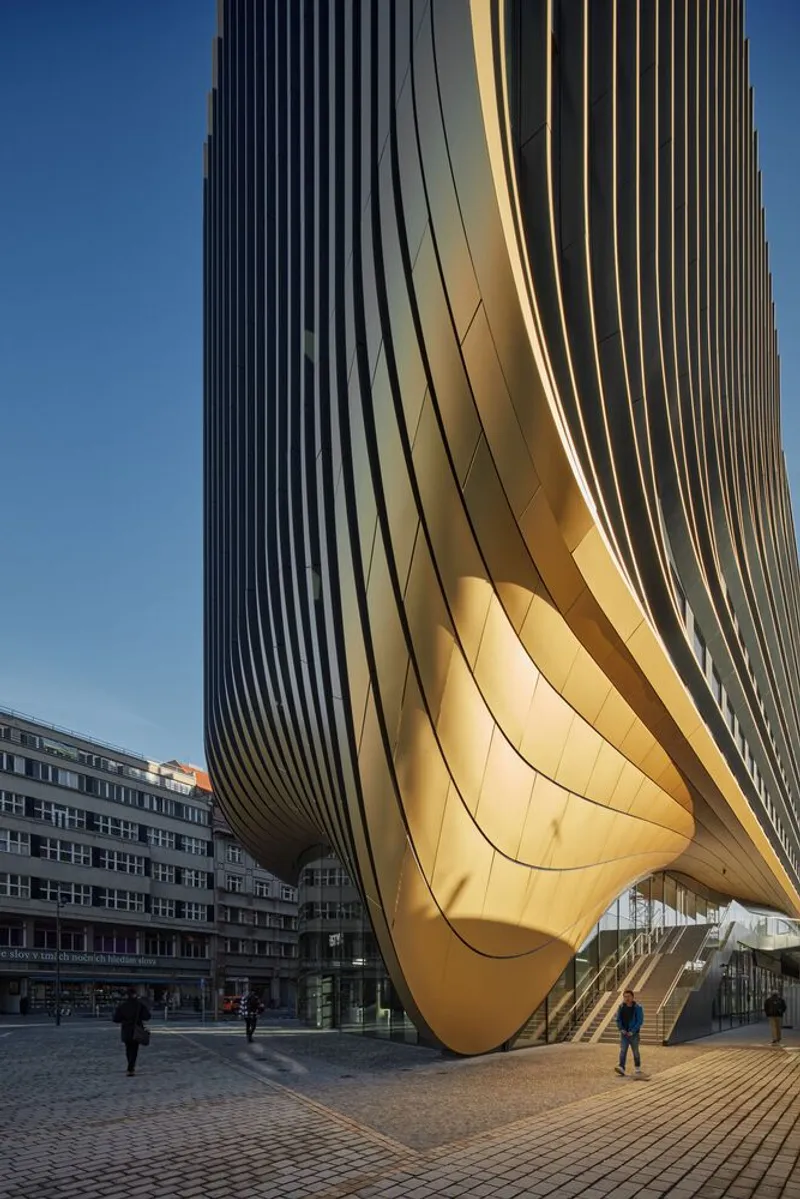
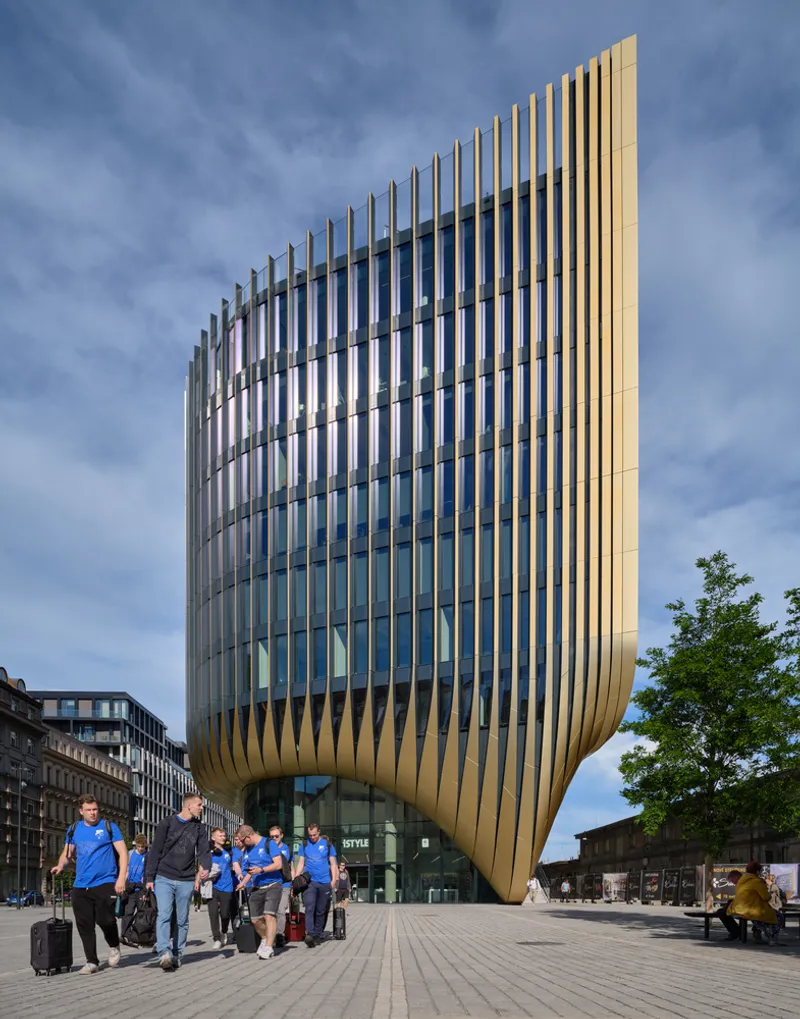
With its visionary design, sustainable strategies, and urban integration, the Masaryčka Building exemplifies the next generation of mixed-use architecture in Prague. It merges corporate functionality, public accessibility, and environmental responsibility, establishing a new benchmark for 21st-century office and civic spaces.
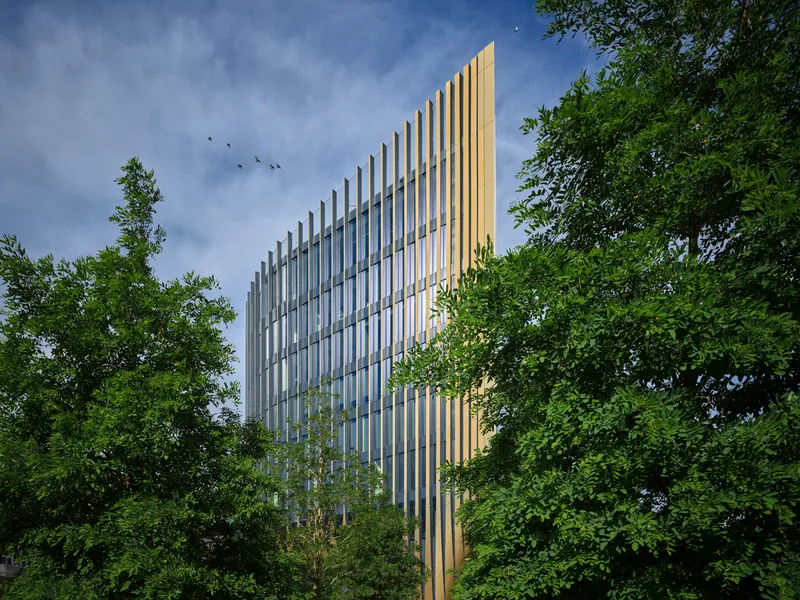
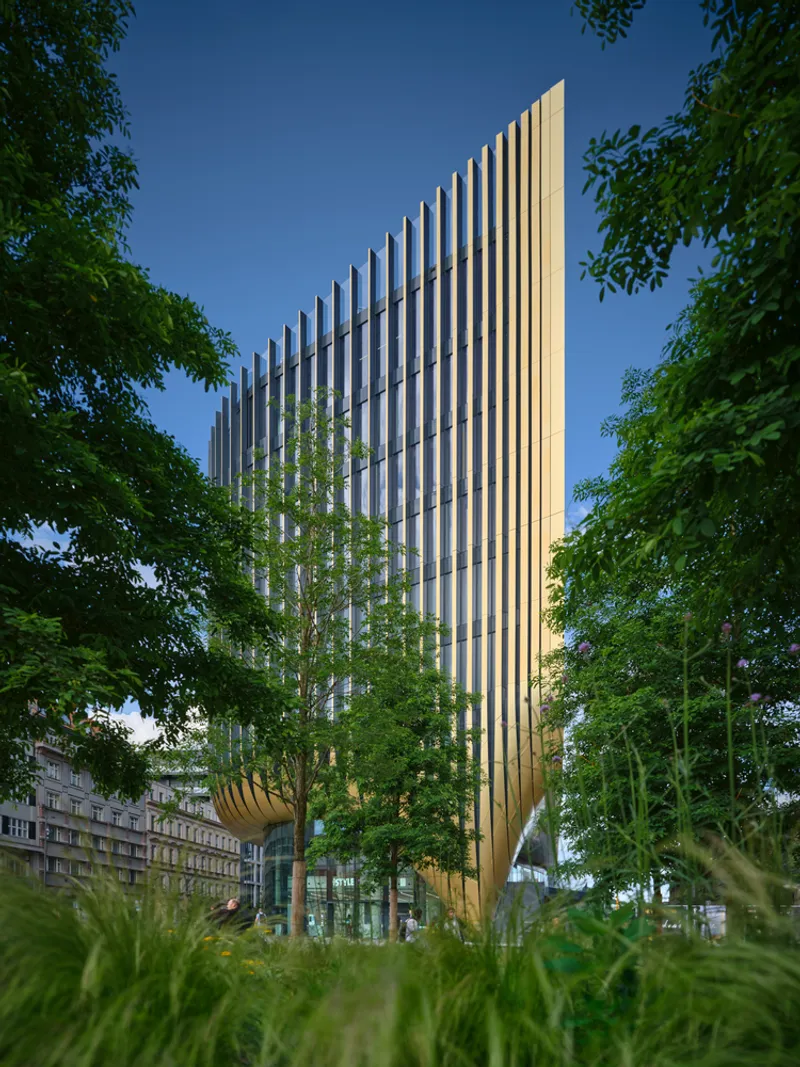
All photographs are works of
BoysPlayNice


Popular Articles
Popular articles from the community

Opera on the Sea: Driftwood Logic Shapes a Timber Opera House on Estonia's Coast
Trevor Orgill's opera house translates the entangled drift of floating timber into a civic building where wood, water, and music converge.


David Ortega Stacks a Two-Story Mexico City Penthouse Around a Steel Stair and a Pergola-Shaded Roof Terrace
In Colonia Roma, a 300 m² penthouse uses oak joinery, a planted steel stair and a slatted roof pergola to make a new-build apartment feel like a house.
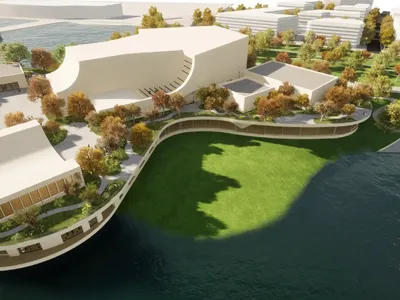
The Amber Palace Opera: A Geological Fiction Surfaces on Tallinn's Baltic Waterfront
Pierre Brillard reimagines a Baltic legend as a public landscape, opera house, and waterfront promenade rooted in Tallinn's coastal identity.
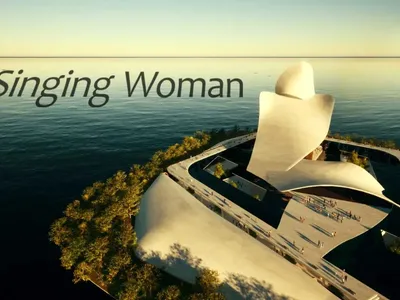
Singing Woman: An Opera House That Performs Before the Curtain Rises
Ovidiu Cristian Pavel's conceptual opera house translates Estonia's choral identity into a sculpted waterfront landmark facing the Baltic Sea.

Similar Reads
You might also enjoy these articles

Cube Design Draws an Ecological Corridor Between Two Shenzhen Hills with the Nankai Building
Beside Shenzhen's container docks, the Nankai Building pairs stacked balconies with a climbing green screen to connect two hillsides across its height.

Praksis A and Studio Sted Bend a Red Timber Cabin Across the Granite of Norway's Southern Coast
On the southern Norwegian coast, a 105 m² cabin follows the rock on slender posts, pairing red cladding outside with pine, brick and plywood within.
David Ortega Stacks a Two-Story Mexico City Penthouse Around a Steel Stair and a Pergola-Shaded Roof Terrace
In Colonia Roma, a 300 m² penthouse uses oak joinery, a planted steel stair and a slatted roof pergola to make a new-build apartment feel like a house.

PARALELA and LB2 Thread a Public Walkway Through the Base of a Las Condes Residential Tower
In Las Condes, Santiago, the Hamlet Building gives its fenceless ground floor to a 70-metre wooded passage linking two streets and the metro.

Explore Office Building Competitions
Discover active competitions in this discipline

Challenge to reimagine the Iron Throne

Photograph architecture without architects

Illustrate the lost glory of Angkor Wat - Render Challenge

Design challenge to reuse E-waste
Comments (0)
Please login or sign up to add comments
No comments yet. Be the first to comment!