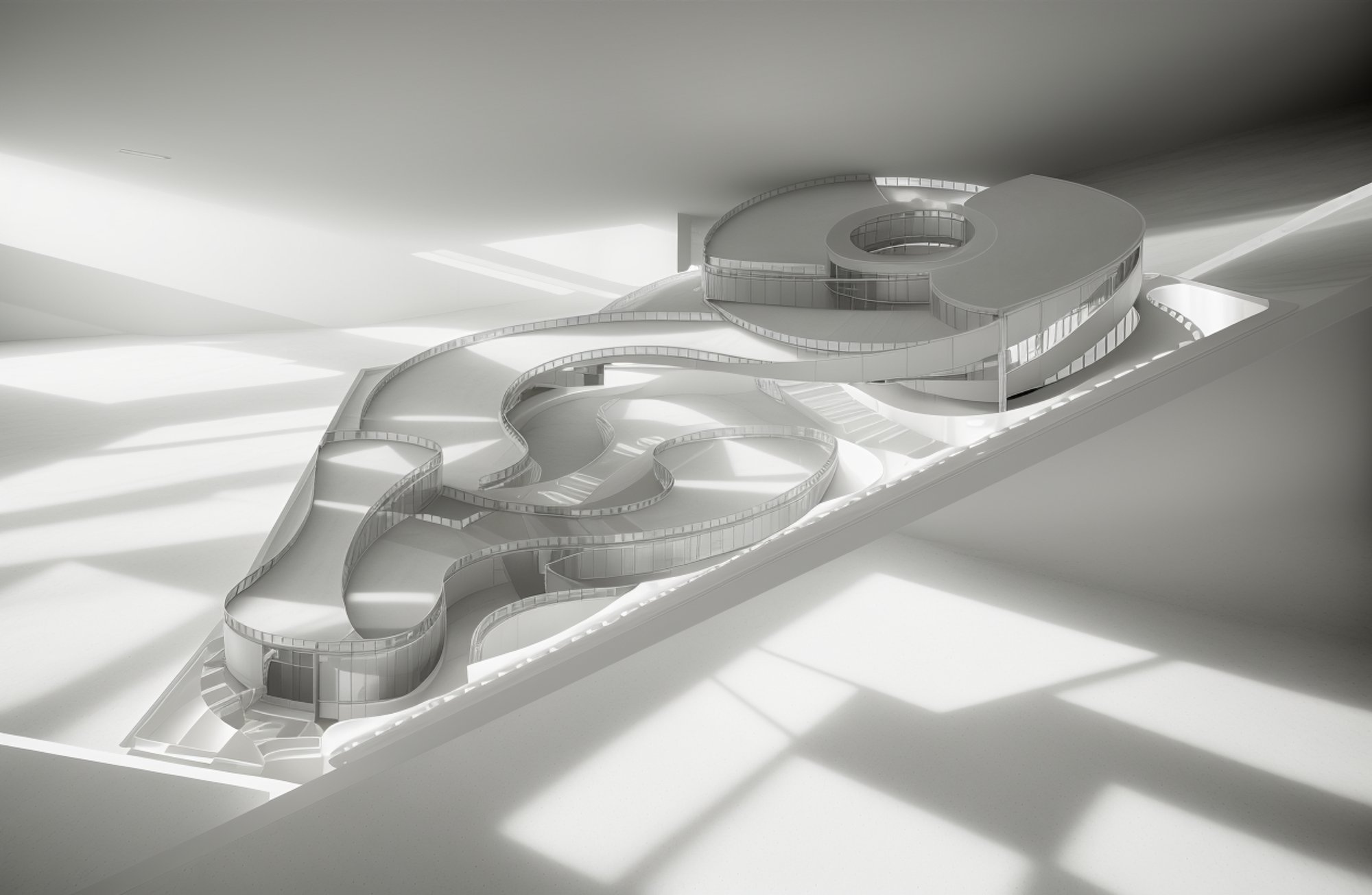
Mental health center design
In this journal, we explain the project design process and how to achieve the design completion
The project design process involves a series of steps and considerations aimed at developing a well-defined plan to achieve project objectives. Here is a brief explanation of the project design process and how to achieve design completion:
1. Define Project Goals and Objectives: Clearly articulate the desired outcomes and purpose of the project. This step involves understanding the project's purpose, identifying key goals, and establishing measurable objectives.
2. Outline Project Scope and Deliverables: Define the boundaries and extent of the project by identifying what is included and excluded. Break down the project into specific deliverables and set clear expectations regarding the desired outcomes.
3. Evaluate and Improve: Assess project outcomes against predefined criteria to determine the project's success. Collect and analyze project data to identify lessons learned and areas for improvement. Incorporate feedback into future project design iterations to enhance efficiency and effectiveness.
By following these steps and leveraging effective project management practices, you can achieve design completion and enhance the likelihood of successful project implementation. It is important to note that project design is an iterative process, and flexibility and adaptability are key to making adjustments as needed throughout the project lifecycle.
Introduction
Designing an mental health center
We are pleased to present the Health Hub Designer, a hub dedicated to promoting wellness, providing valuable information and inspiring people on their journey to a healthier and happier life. With a focus on holistic well-being, the goal of this training center is to motivate and empower clients to take responsibility for their own health and make informed decisions.
What was the concept behind the project?
The design concept of the health promotion center inspired by the brain seems very practical and appropriate. Explain the concept based on the structure of the brain. The brain is divided into two halves, which are called the left hemisphere and the right hemisphere. The left hemisphere is associated with analytical thinking, logic and language processing, while the right hemisphere is associated with creativity, intuition and holistic thinking. By including this part in the design of the health promotion center, it is possible to create spaces that promote different aspects of health.
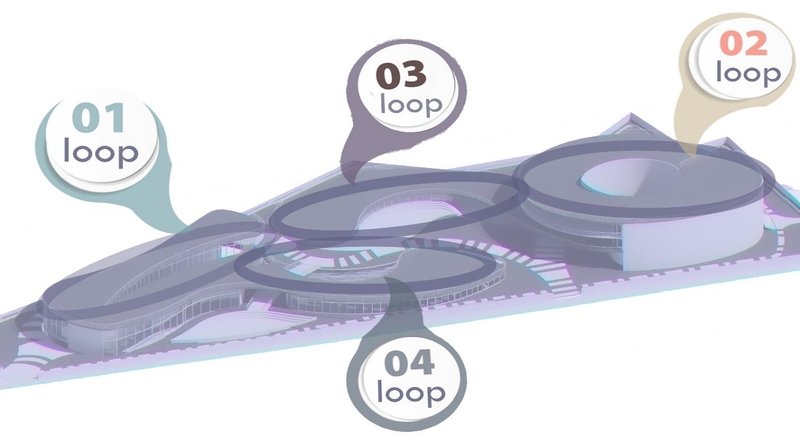
Now let's talk about the four loops of the brain. The brain is made up of different interconnected neural pathways that enable the transmission of information and the coordination of various functions. These pathways can be thought of as loops that work together to facilitate overall brain function. Similarly, in the design of the health promotion center, we We created four interconnected circles or zones that represent different aspects of health and well-being.
1. The circle of physical well-being.
2. Circle of mental well-being.
3. Circle of emotional well-being.
4. Circle of social welfare.
By incorporating these four rings into the design, the health promotion center can provide a holistic approach to health. Each loop can provide distinct activities and services while still being interconnected, reflecting the interconnectedness of different aspects of health. It is important to note that the actual design and layout requires careful planning and consideration of the specific needs and goals of the health promotion center. The goal is to create an environment inspired by the structure and function of the brain to encourage and support people in achieving overall well-being.
Which methods of design investigation?
The health center design method combines functionality, patient-centeredness, safety, and aesthetics to create an environment that supports the delivery of high-quality healthcare services. It is a collaborative and iterative process that considers the unique needs of the facility and aims to provide a positive experience for patients, staff, and visitors. It's essential for the group to anticipate potential issues, communicate effectively, adapt to changes, and seek input from relevant stakeholders. By addressing these challenges, the group can enhance their ability to deliver a successful and impactful health center design project.
How was the programme condensed into final?
The completion of a health center design project that was designed as a group work involves several key steps and considerations. Here's an overview of the process:
1. Final Design Review
2. Presentation and Feedback
3. Project Completion and Handover.
4. Post-Completion Evaluation.
By following these steps and collaborating effectively as a group, the completion of a health center design project can result in the successful realization of a functional, aesthetically pleasing, and patient-centered healthcare facility.
What was the intent behind the organisation of elements across various levels?
Designing the lines of the plan of a health promotion center based on the lines of the human brain can be an interesting and unique approach. This design concept draws inspiration from the intricate and interconnected nature of the brain's neural networks to create a visually stimulating and meaningful space. Here's an explanation of this design concept:
1. Symbolism and Connection
2. Flow and Circulation:
3. Spatial Organization:
4. Visual Impact and Aesthetics:
5. Branding and Identity
It's important to consider that this design concept should be implemented thoughtfully and in a way that aligns with the functional requirements and user needs of the health promotion center. The lines of the human brain should enhance the overall user experience, promote a sense of well-being, and support the goals of the center in promoting health and wellness
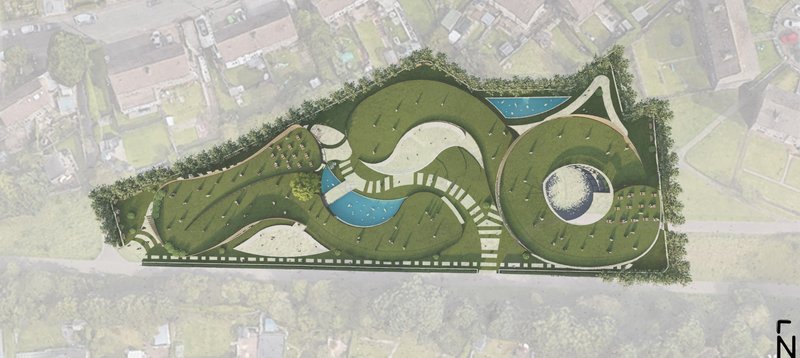
In conclusion, the design concept of incorporating the lines of the human brain into the plan of a health center offers several benefits and considerations. By symbolizing connection, emphasizing flow and circulation, influencing spatial organization, creating visual impact, and contributing to branding and identity, this design approach can enhance the overall user experience and promote a holistic approach to health and wellness. However, it is crucial to implement this concept thoughtfully, ensuring it aligns with the functional requirements and user needs of the health center. By striking the right balance between aesthetics and functionality, the design can create a visually stimulating and meaningful space that supports the center's mission of promoting health and well-being.
Thanks for your attention.