Möbius House Architecture: A Landmark of Parametric Design by UNStudio
The article explores the innovative Möbius House by UNStudio, blending parametric design with a dynamic, fluid architectural language.


The Möbius House in Het Gooi, The Netherlands, designed by Dutch architect Ben van Berkel of UNStudio, is a striking example of architectural innovation that redefines the boundaries of design through parametric and topological concepts. This exceptional project, completed in 1998, combines the theoretical idea of the Möbius loop with practical, functional architecture, creating a space that challenges traditional forms and processes. The Möbius House is celebrated as a pioneering model of modern architecture, seamlessly integrating the dynamic needs of a family with an ever-evolving spatial experience.
The Inspiration Behind Möbius House
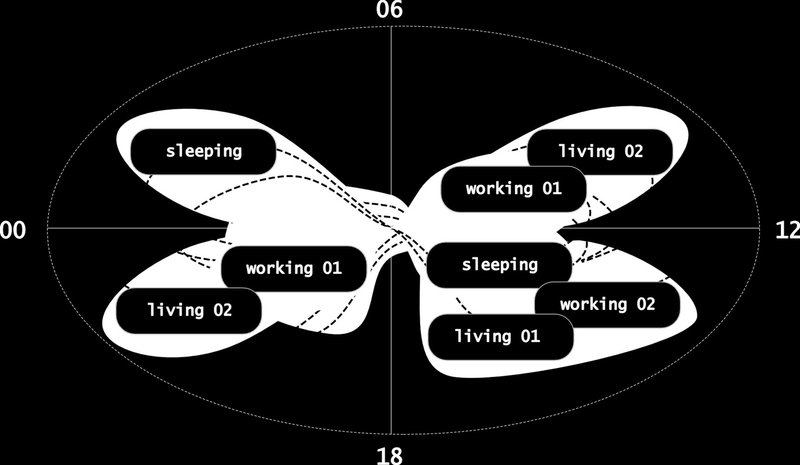
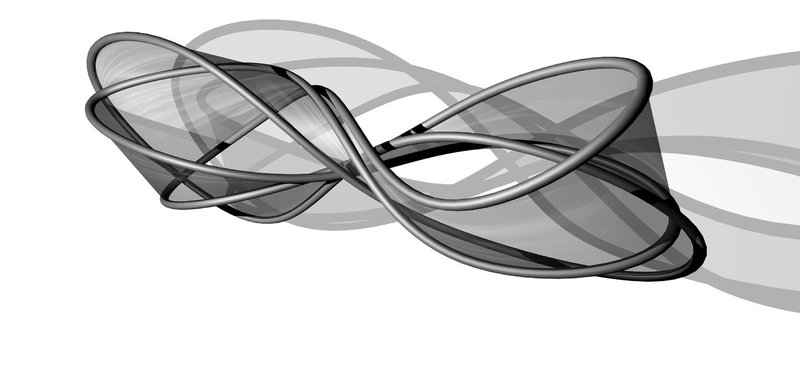
The journey to creating the Möbius House began when a young couple from Amsterdam sought to build a private home unlike any other. Their goal was not just to construct a house, but to create a new architectural language—one that would be seen as a reference for the future of design. The inspiration behind the project was drawn from the Möbius loop, a single-sided surface with no boundaries, which symbolized the couple’s lifestyle and desire for a home that could integrate both the living and working aspects of their day-to-day life.
Van Berkel's connection to mathematics and science played a critical role in shaping the Möbius House design. His interest in complexity theory, chaos theory, and topological surfaces, alongside the potential of parametric design, led to the development of a house that was as dynamic as it was functional. The Möbius loop allowed the design to transcend traditional boundaries, creating a fluid circulation system within the house and a connection between the interior and exterior that was innovative for its time.
The Design: Parametric and Topological Principles
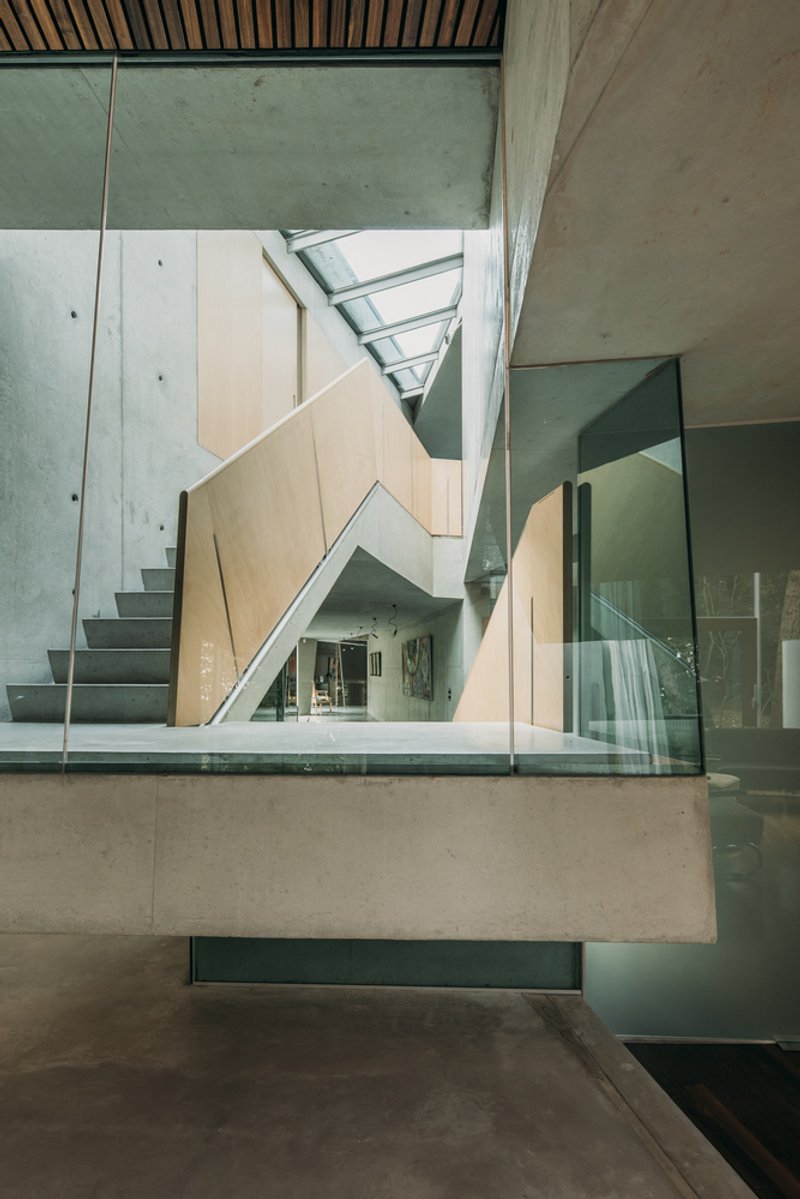
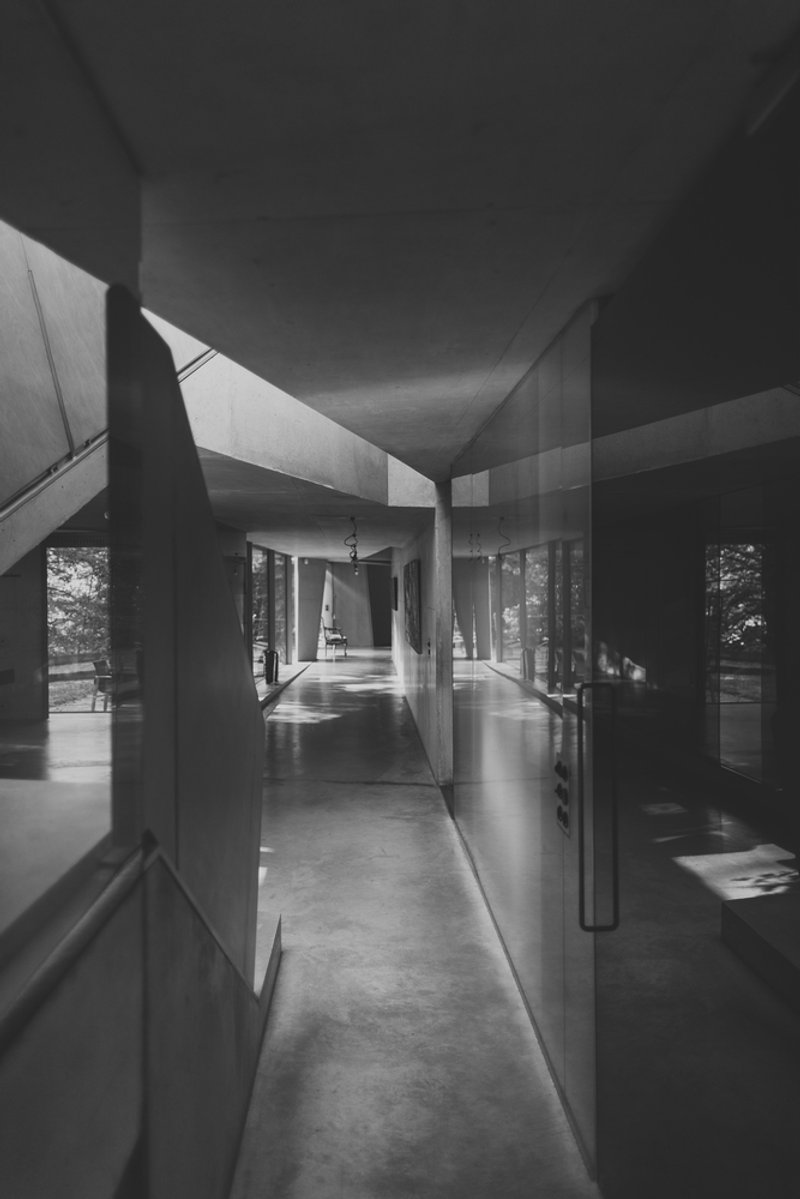
At its core, the Möbius House is built around a continuous, flowing structure that responds to the inhabitants' needs, creating dynamic spaces that never feel static. The design embodies a loop that twists and inverts, merging the boundaries of interior and exterior. This parametric design concept allows for a seamless transition between different spaces—such as areas for work, sleep, play, socializing, and solitary reflection. By twisting the architecture like a Möbius strip, Van Berkel merged these spaces into a unified and fluid whole, without rigid walls or traditional boundaries.
Instead of separate, clearly defined rooms, the Möbius House uses subtle variations in ceiling height and spatial ambiguity to distinguish areas. Some areas have higher ceilings for dynamic interactions, while others feature dropped ceilings to promote solitude and reflection. This approach to design creates an environment where the house becomes not just a “machine for living” but a responsive, interactive space where the residents can continually experience and explore new facets of their lives.
Materiality and Aesthetics of Möbius House Architecture
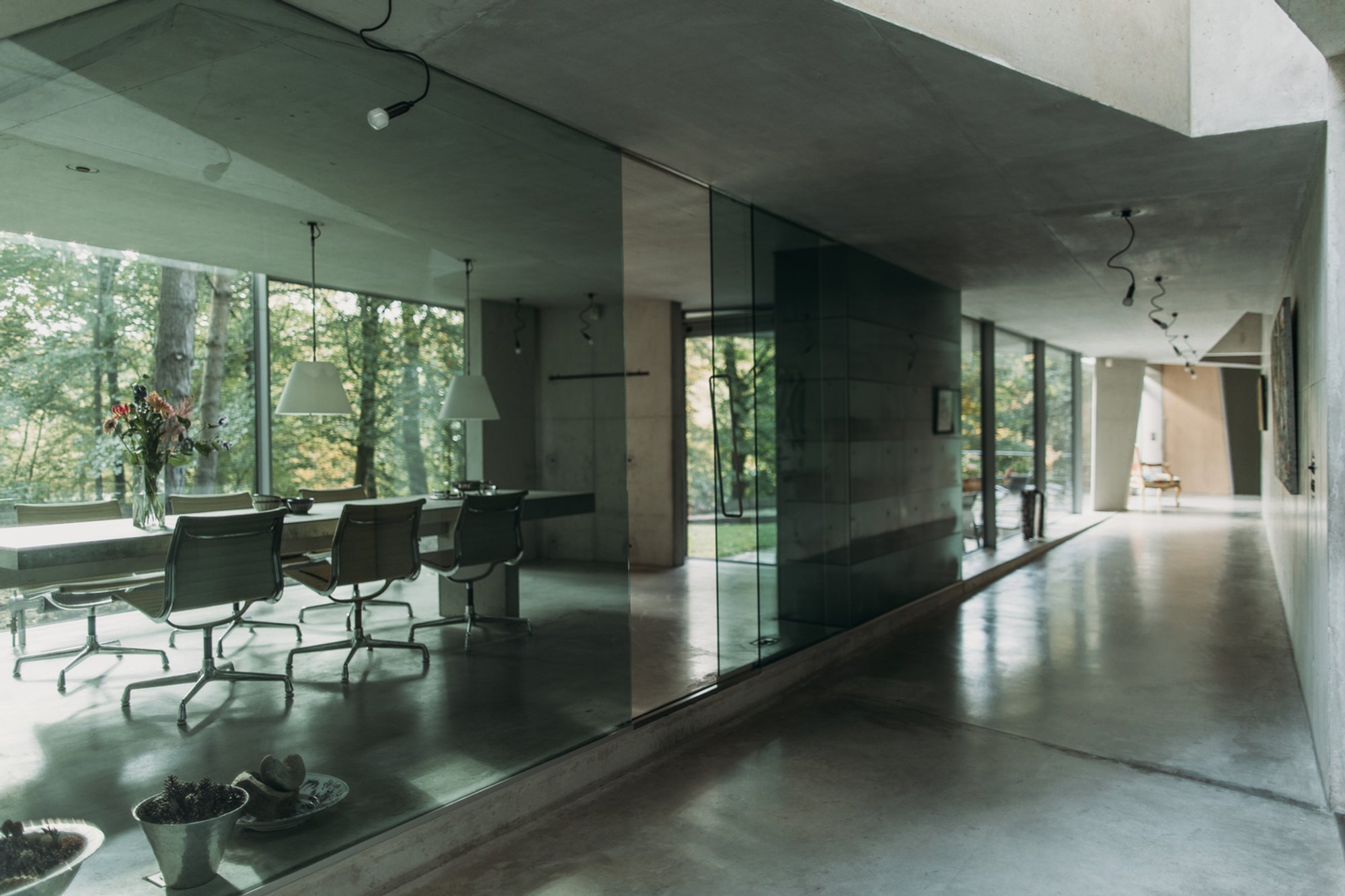
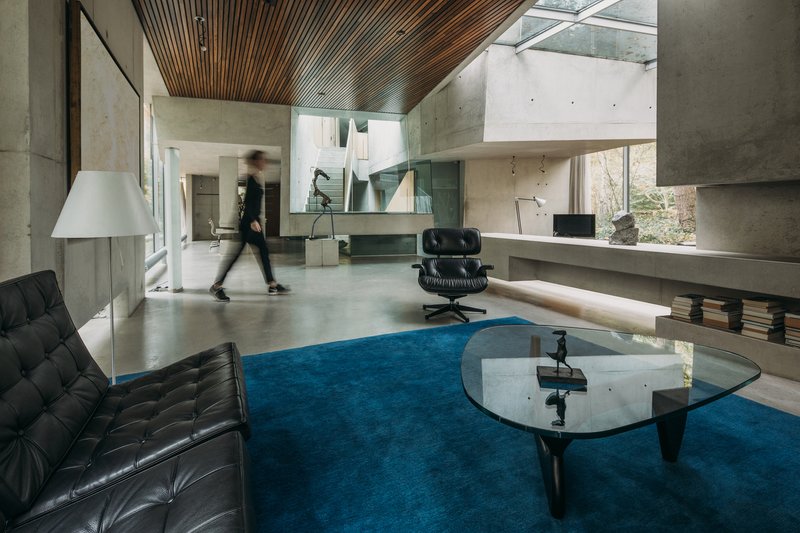
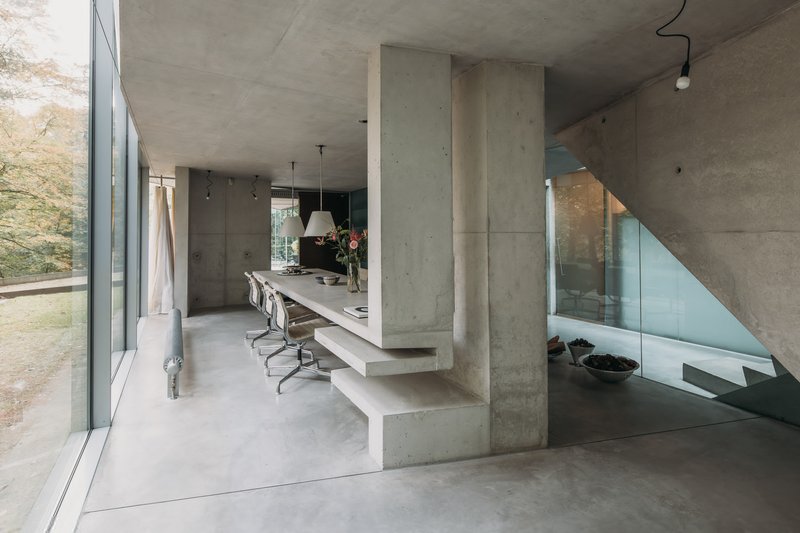
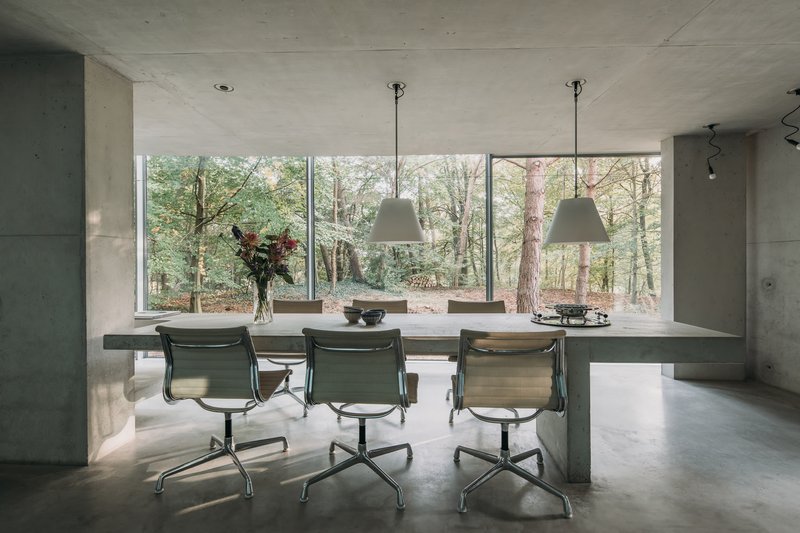
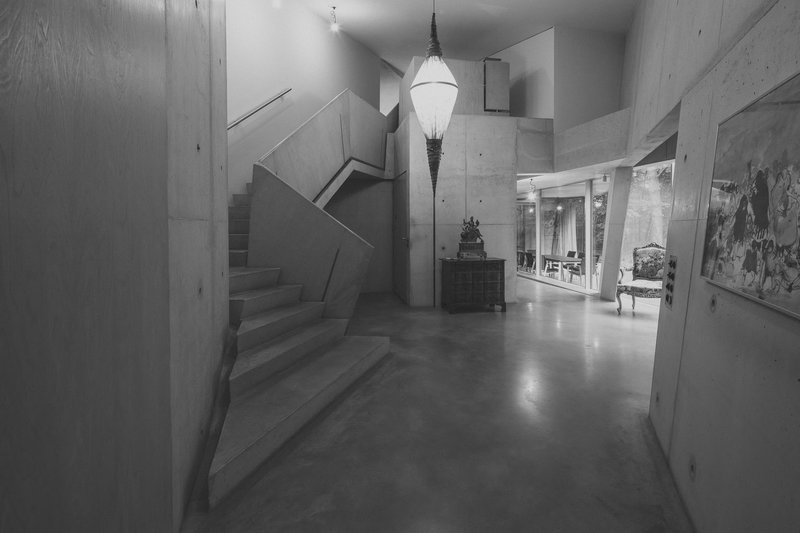
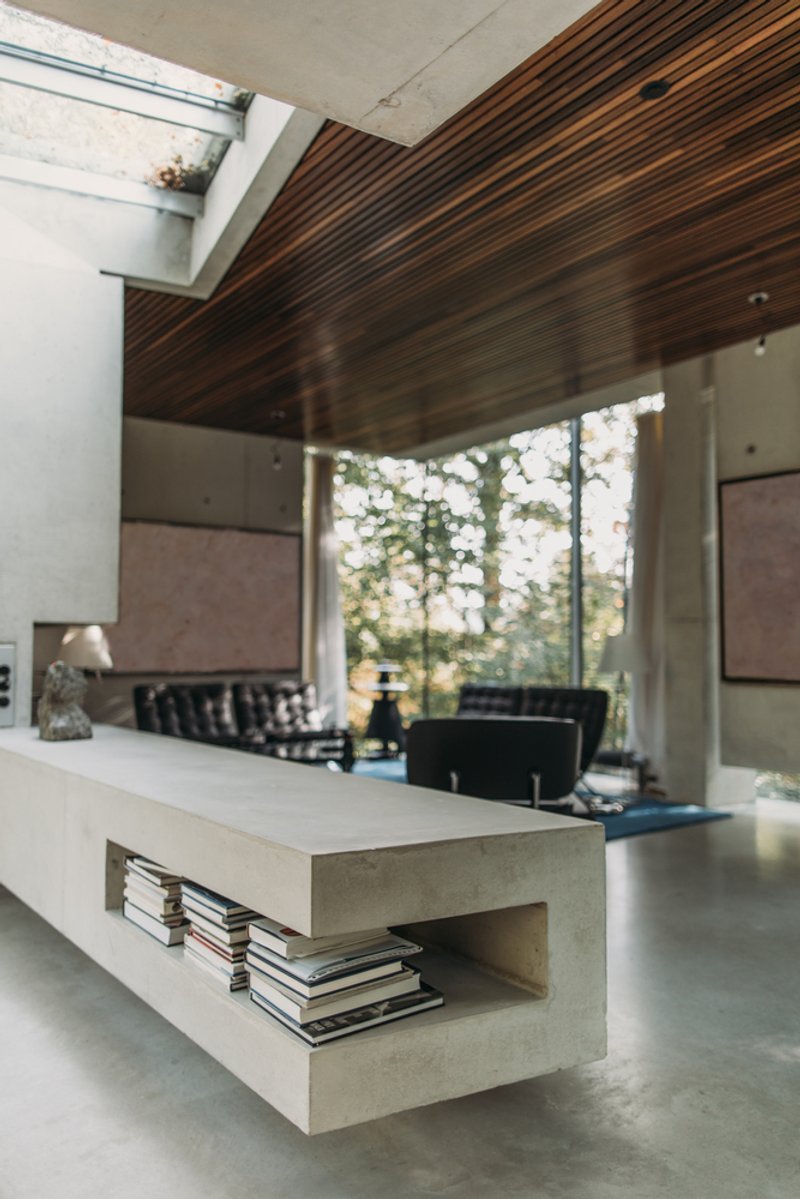
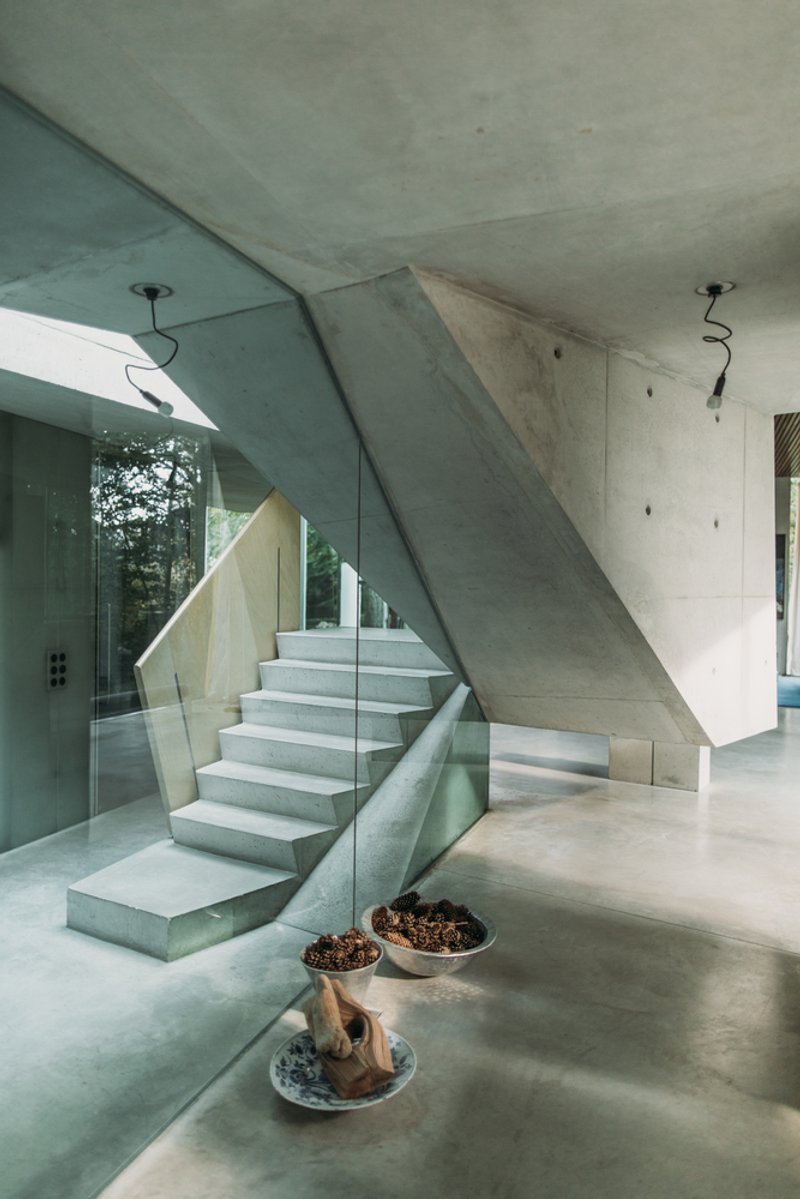
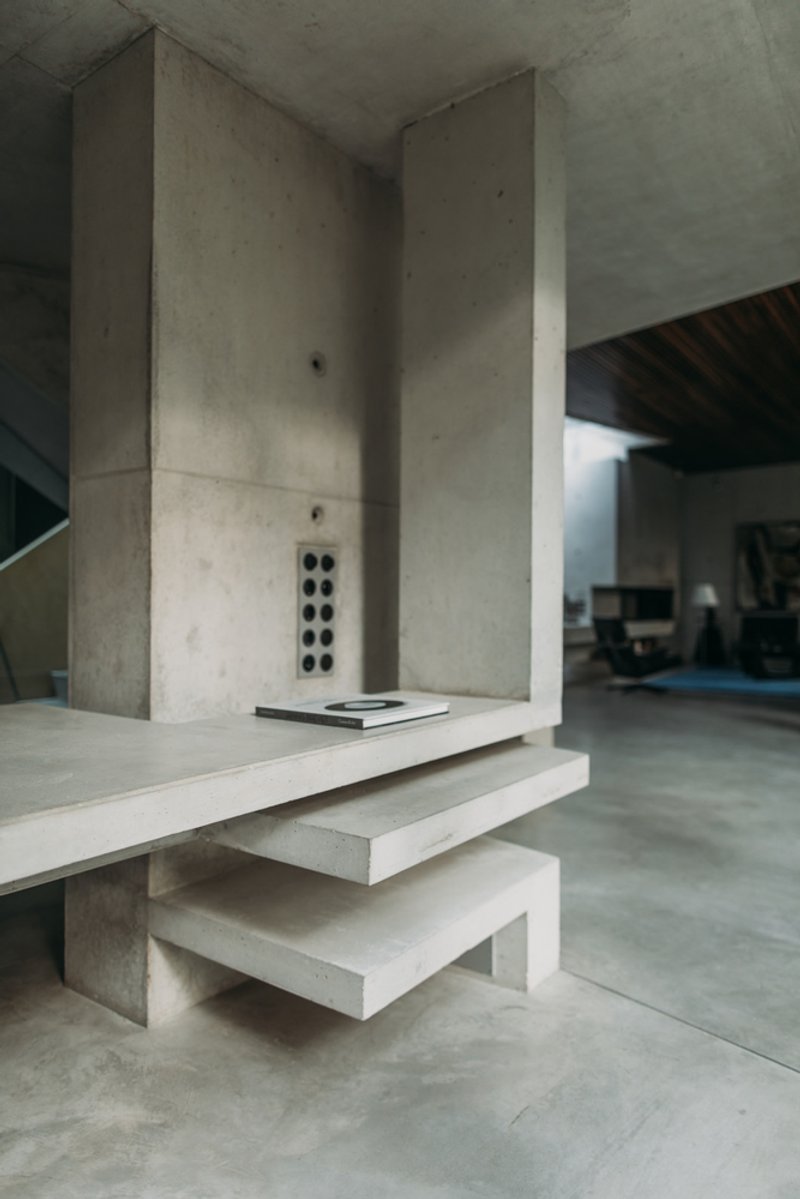
The aesthetic of the Möbius House is minimalistic yet bold, relying heavily on the interplay between concrete and glass. The use of these materials is central to the architectural expression, where concrete serves to ground the house within its natural setting, and glass allows for a transparency that invites the landscape inside. The material choices reflect the dynamic nature of the design, contrasting the solid weight of the concrete with the lightness of the glass, which visually communicates a sense of movement and fluidity.
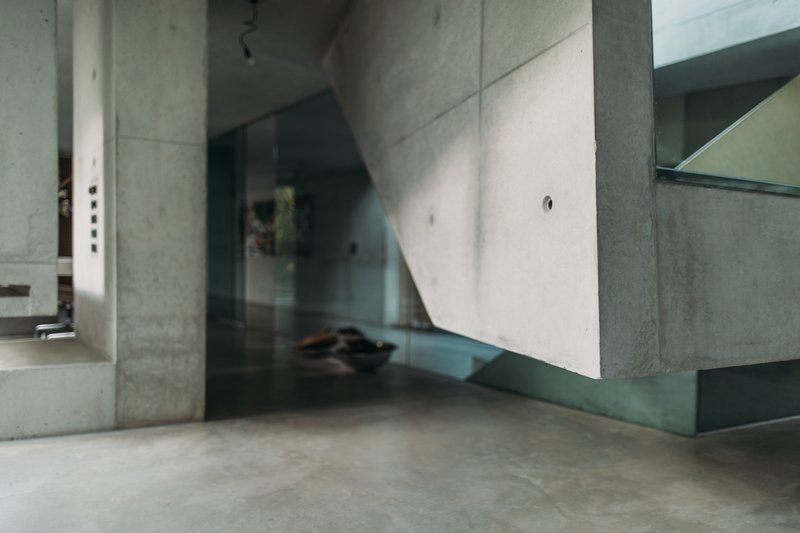
One of the most striking aspects of the house is its cantilevered elements, which extend dramatically over the entryway and other parts of the house. These cantilevers create moments of suspension that invite the residents to step out into the landscape and blur the lines between the built environment and nature. This sculptural architecture draws attention to the relationship between the house’s physical structure and its surrounding environment, a key concept in the Möbius House design.
The Impact of 3D Computer Modeling on Möbius House Architecture
The Möbius House also stands as a landmark in the use of 3D computer modeling in architecture. While the first sketches of the house were hand-drawn, by 1995 the design process transitioned to computer-aided design (CAD). This shift was pivotal in realizing the complex forms and geometric transformations of the Möbius loop. Van Berkel’s exposure to digital design tools, particularly during his time teaching at Columbia University, provided him with the opportunity to explore new parametric methods that would later define the architectural language of UNStudio.
The integration of parametric design was groundbreaking, allowing the architects to manipulate digital models with greater precision, testing how forms could change in response to certain variables. This computational design process enabled the Möbius House to evolve from a conceptual idea into a tangible architectural experience, pushing the boundaries of what could be achieved through digital design.
The Legacy of Möbius House Architecture
The Möbius House remains a symbol of architectural innovation, encapsulating the potential of new technologies in design, the fusion of art and science, and a forward-thinking approach to creating spaces that adapt to the fluid nature of human life. Its seamless integration of the interior with the exterior, coupled with its emphasis on fluid spatial dynamics, sets it apart as one of the most influential architectural projects of the late 20th century.
Ben van Berkel’s Möbius House is more than just a private residence; it is a manifesto for a new era of architecture—an era in which parametric design, topological thinking, and dynamic spatial planning define the built environment. The house not only redefined the way architecture could respond to human needs but also set the stage for the evolution of digital design in architecture. As such, the Möbius House continues to inspire architects and designers around the world, marking an important milestone in the history of contemporary architecture.
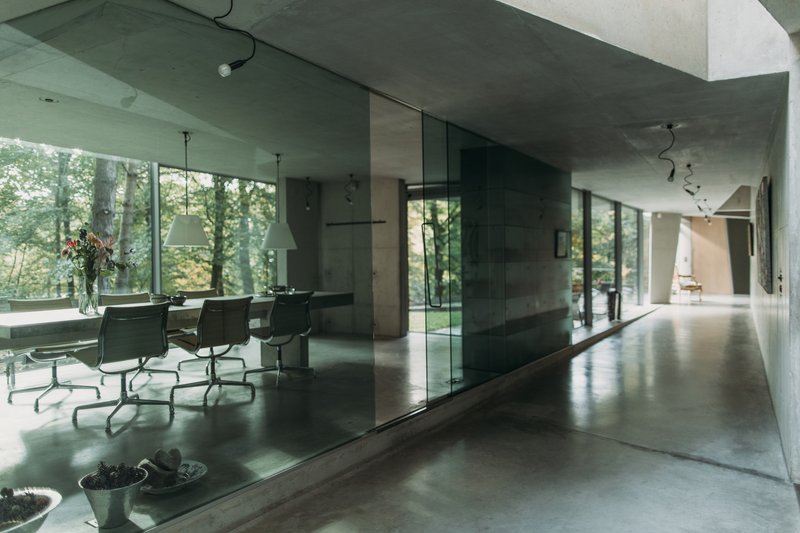
All photographs are work of Christian Richters, Eva Bloem