
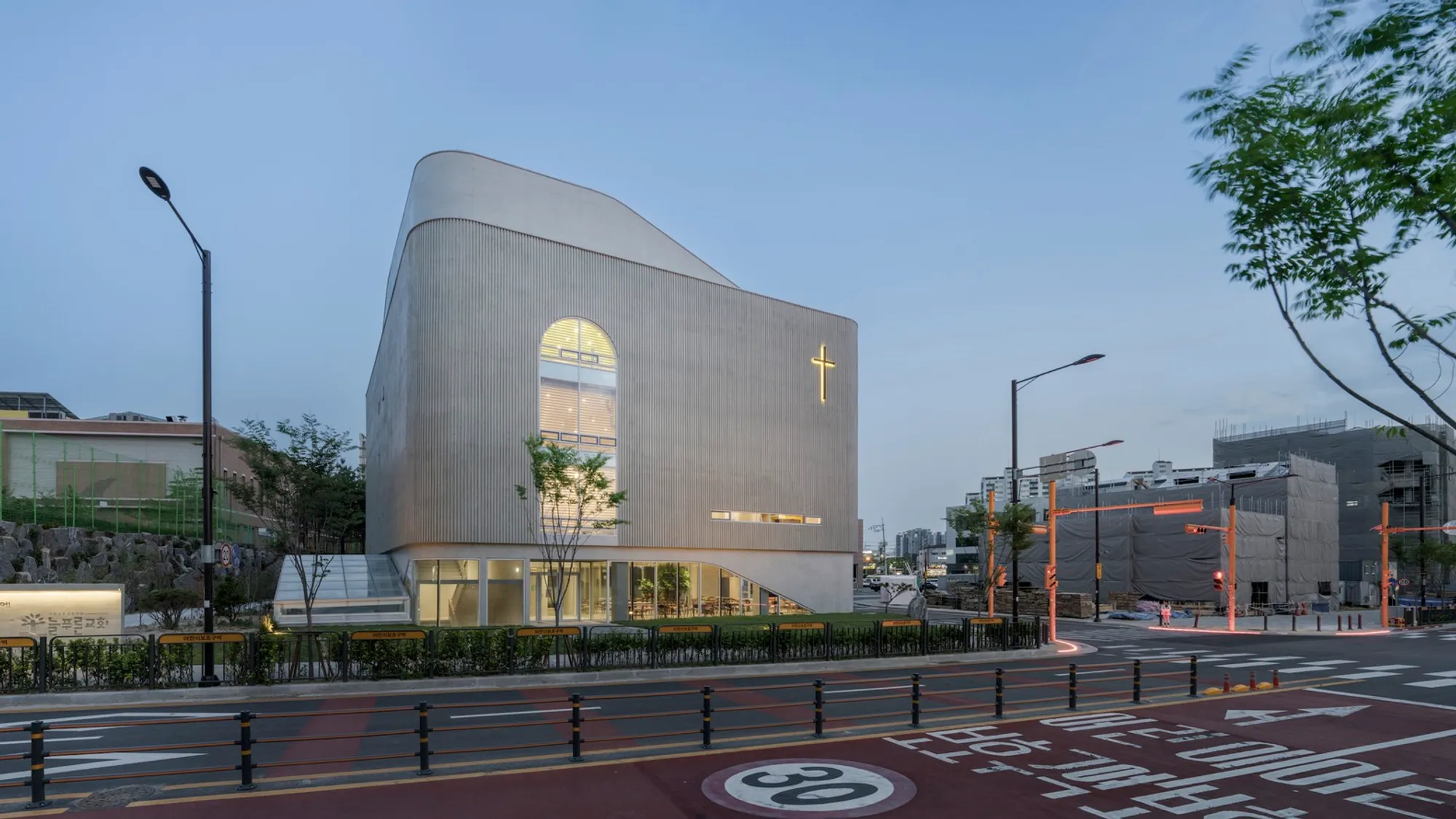
Modern Church Architecture: A Deep Dive into Evergreen Church by Kode Architects
This article explores the Evergreen Church by Kode Architects, highlighting its modern church architecture and integration into the urban landscape.


Modern church architecture blends contemporary design principles with the traditional and spiritual functions of religious buildings. The Evergreen Church in Hwaseong-si, South Korea, designed by Kode Architects, serves as a prime example of how modern design can articulate the evolving needs and aesthetic values of today's religious communities.
Architectural Concept of Evergreen Church
Integrating into the Urban Landscape
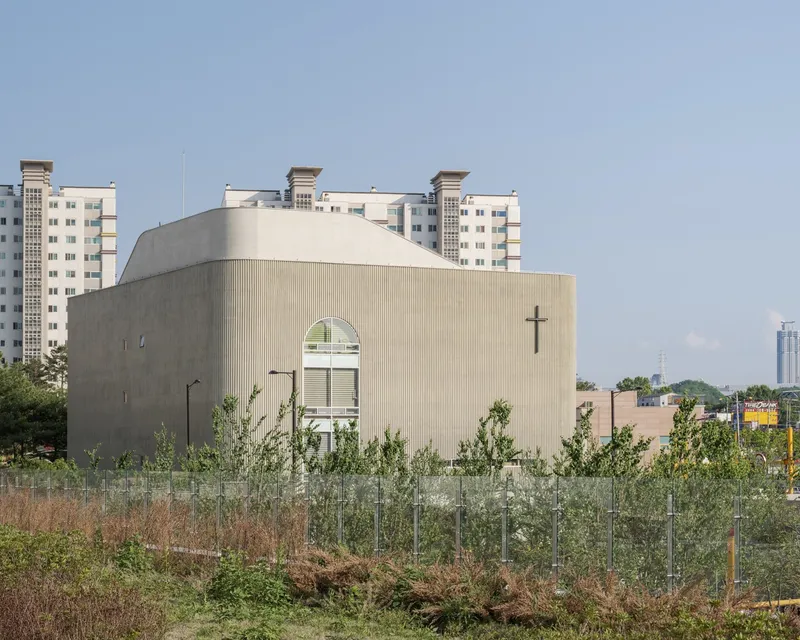
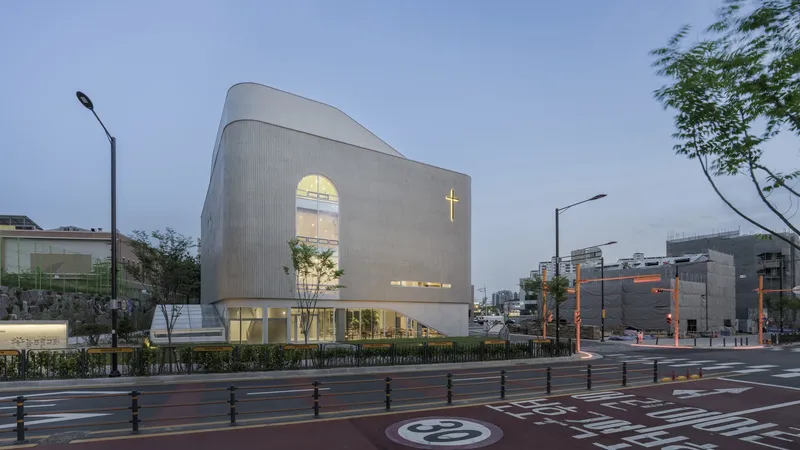
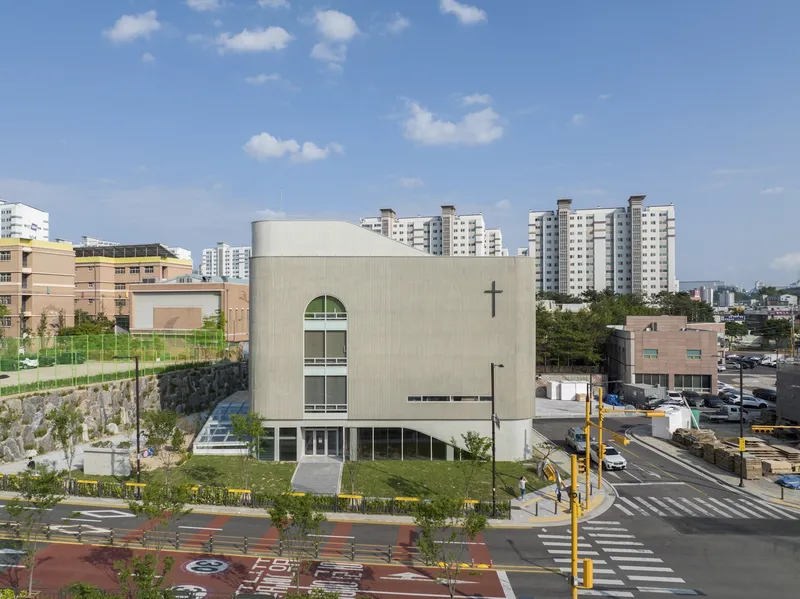
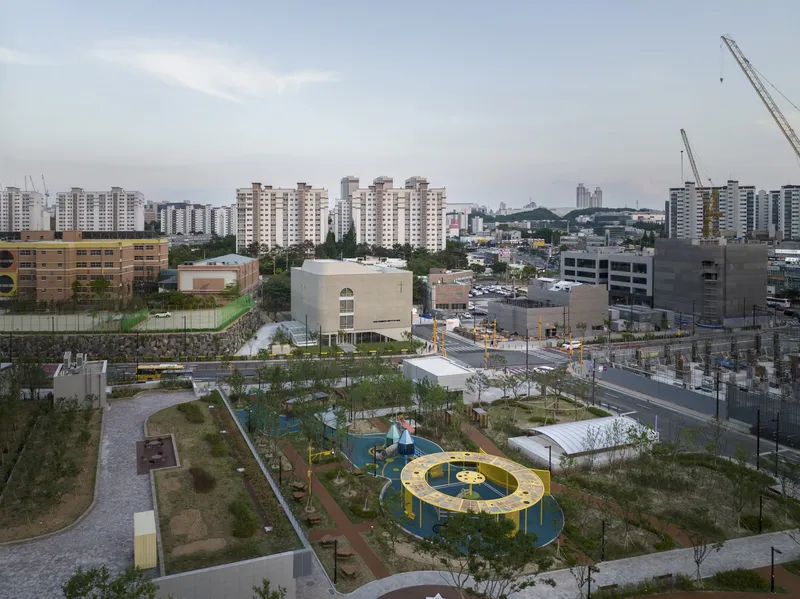
Evergreen Church was conceived with the foresight of becoming a part of the newly developing urban landscape of Banwol-dong. The architects focused on creating a building that would harmonize with the future cityscape, posing questions about the church's role in a modern urban setting and how it should visually communicate with its environment.
Design and Material Selection
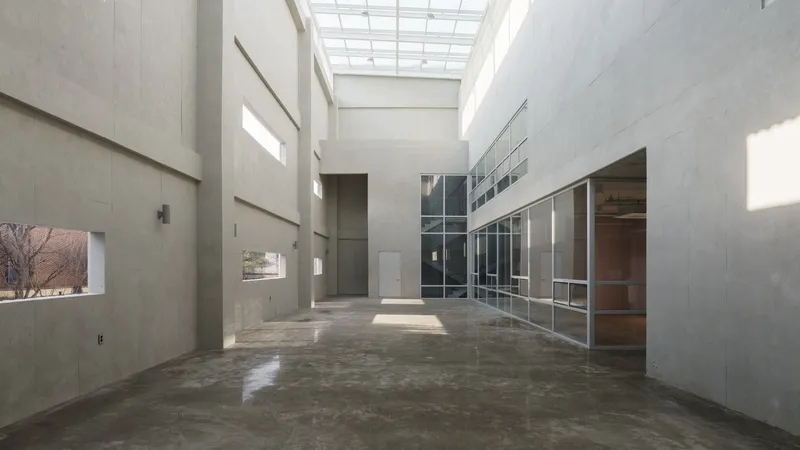
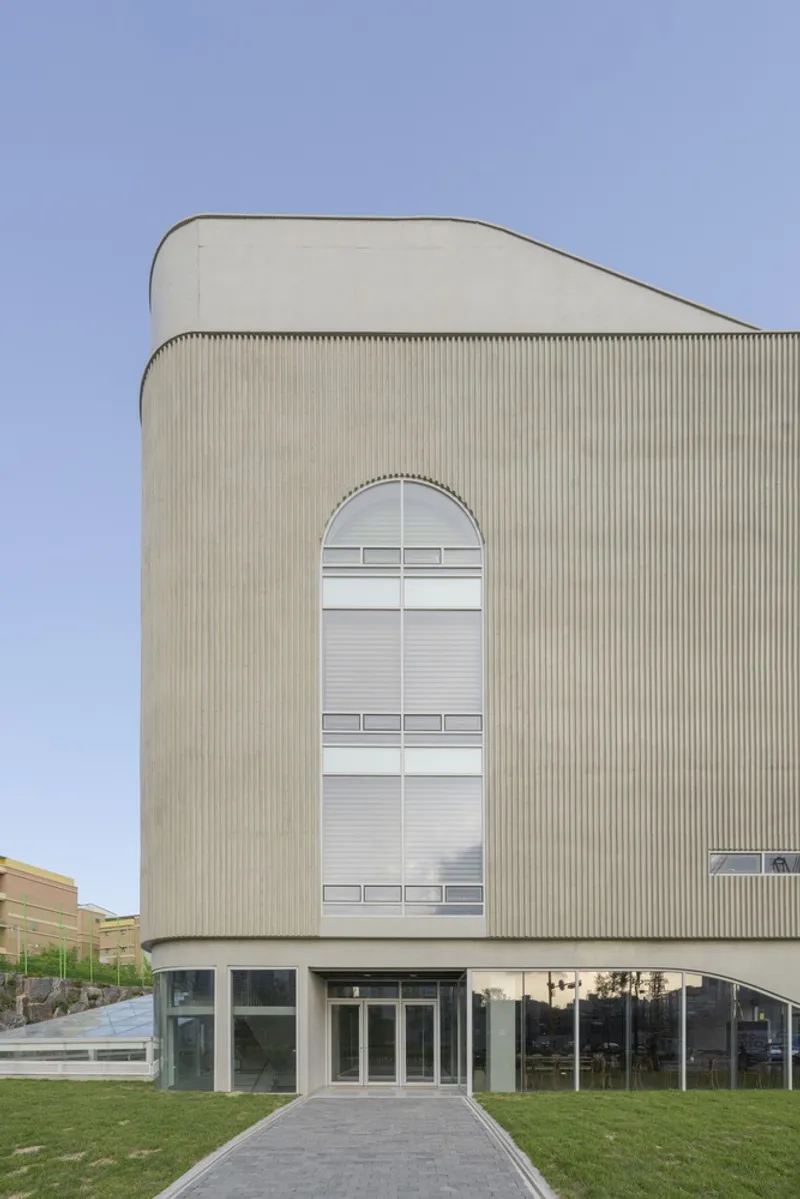
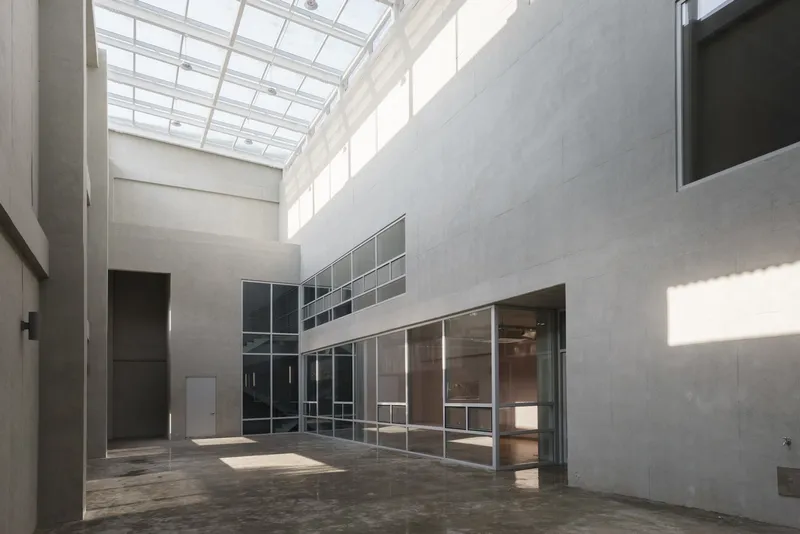
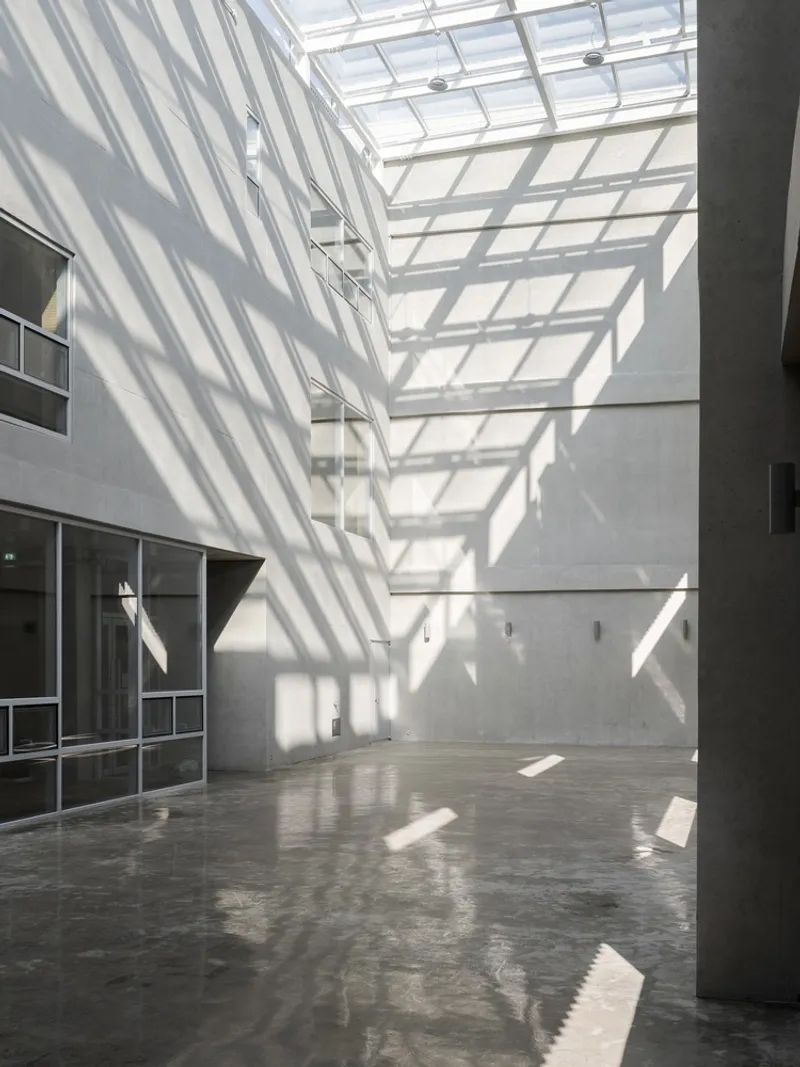
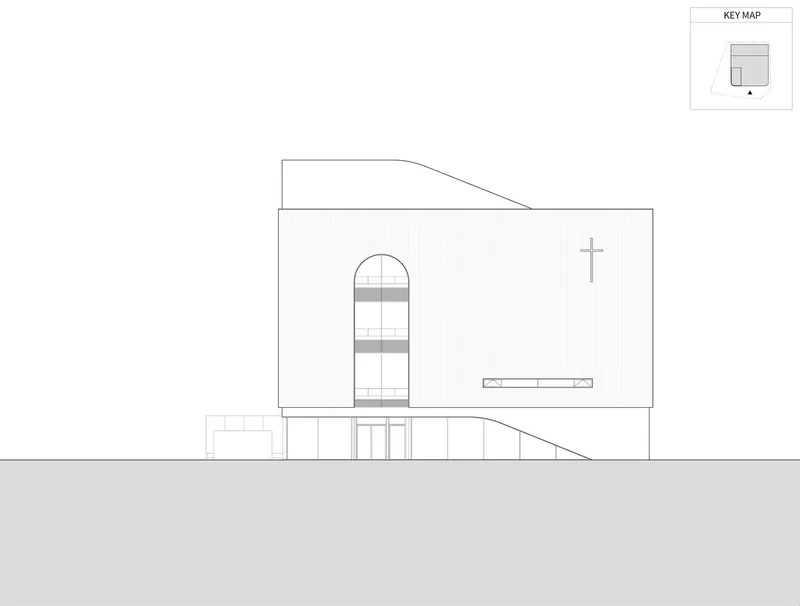
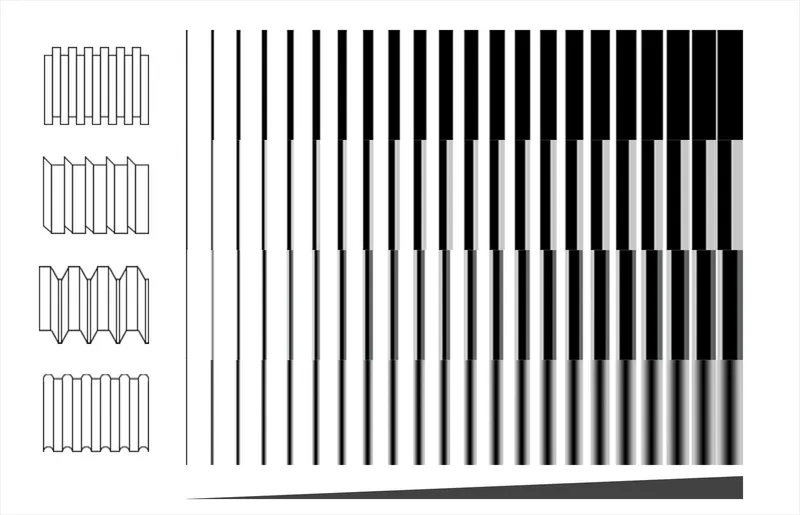
The church's simple yet striking design utilizes ribbed concrete to create a textured exterior that plays with light and shadow, enhancing the building's presence and symbolic nature without overwhelming its urban surroundings. This choice of material not only respects the aesthetic of the neighborhood but also adds a contemporary edge to the church's architecture.
Functional Layout and Community Focus
Spatial Organization for Varied Use
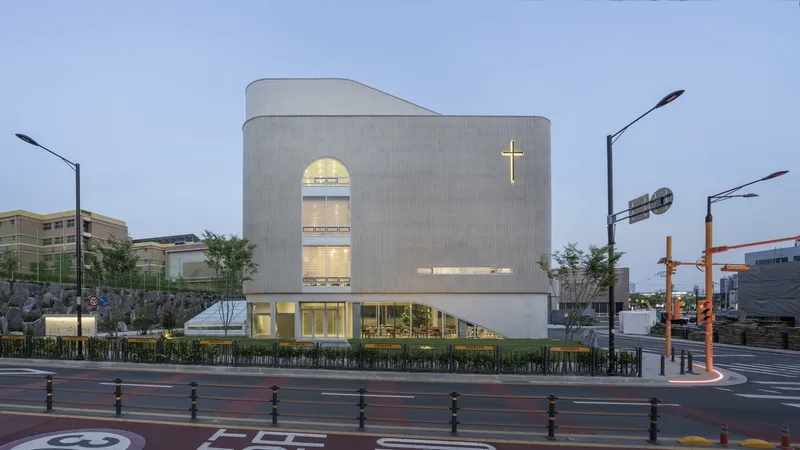
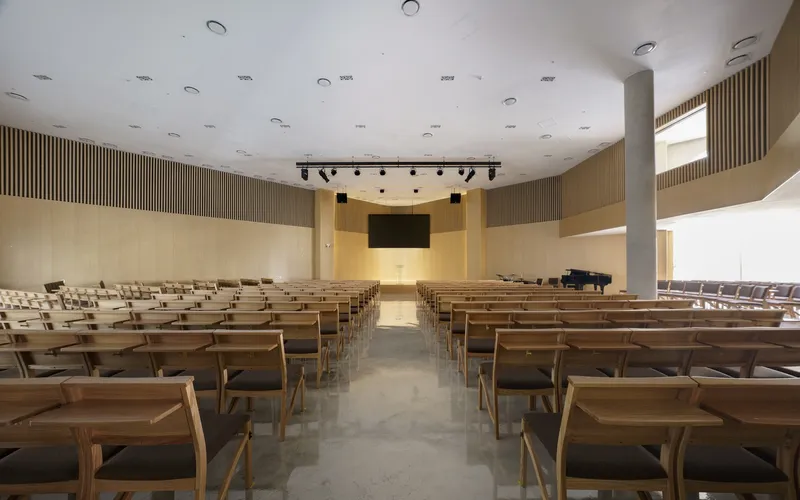
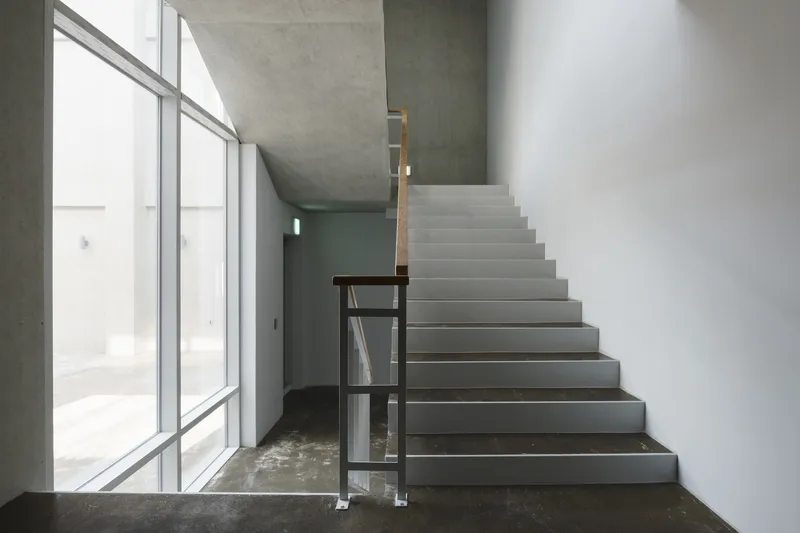
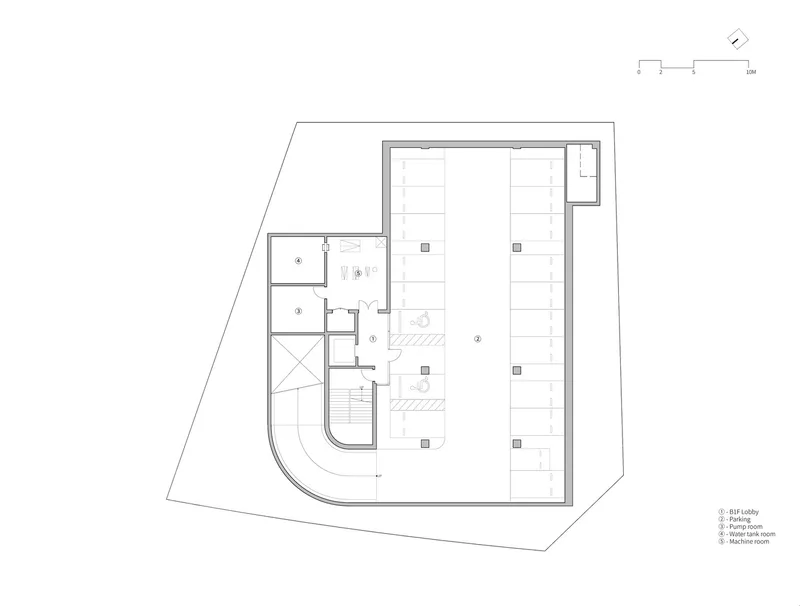
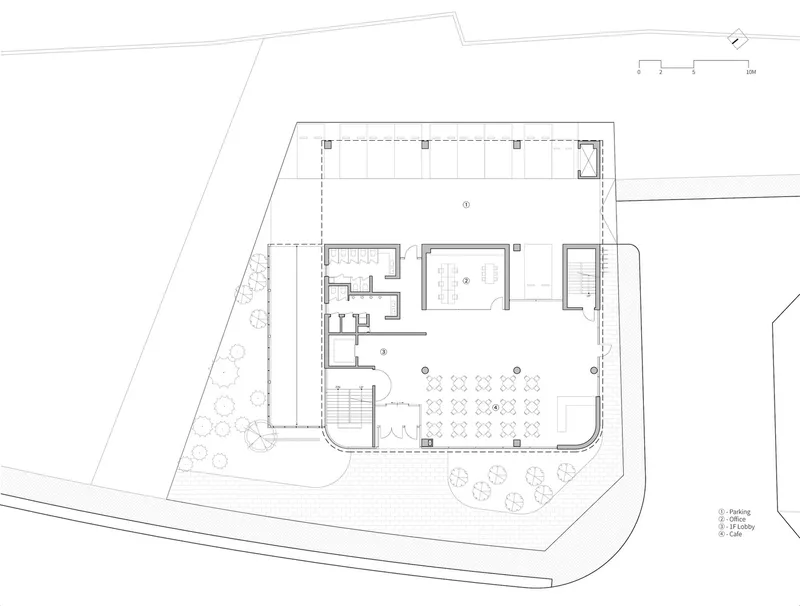
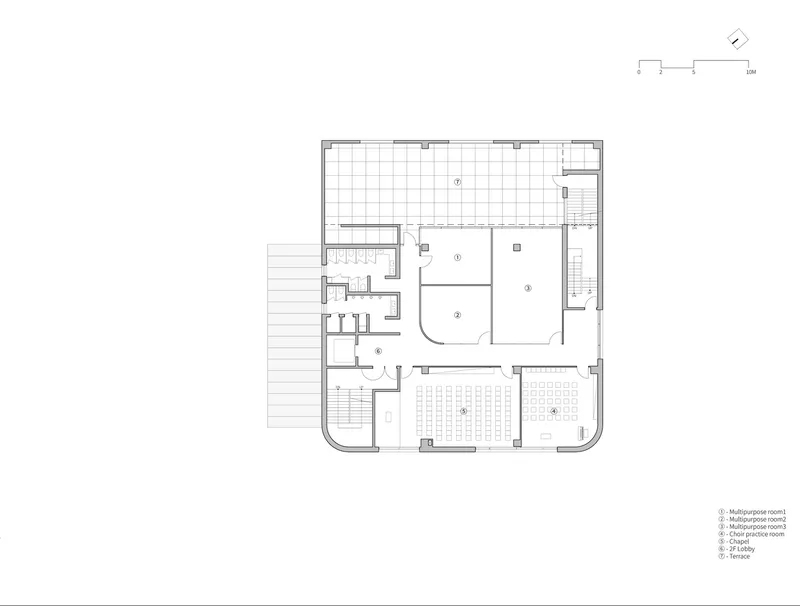
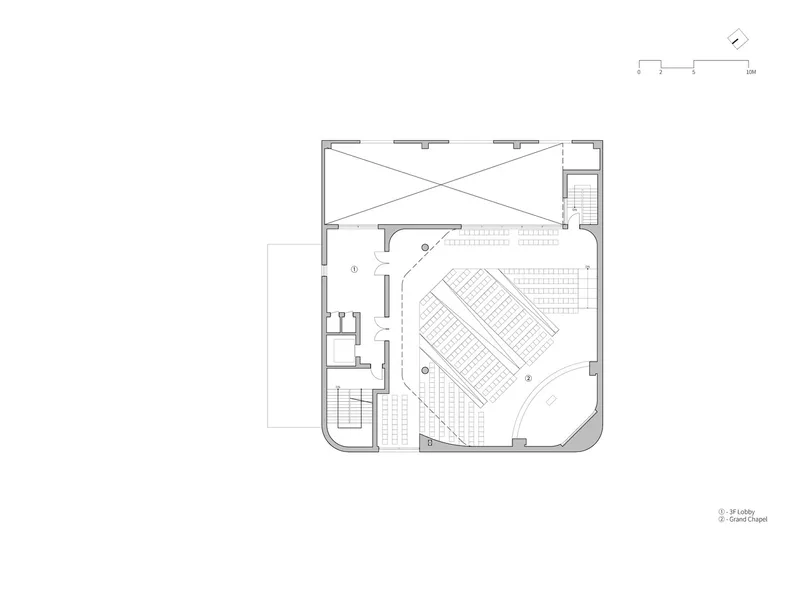
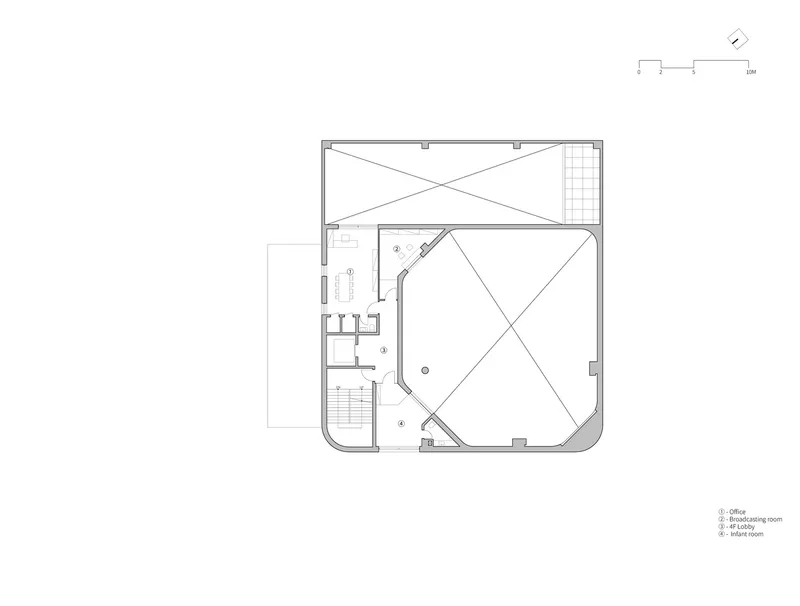
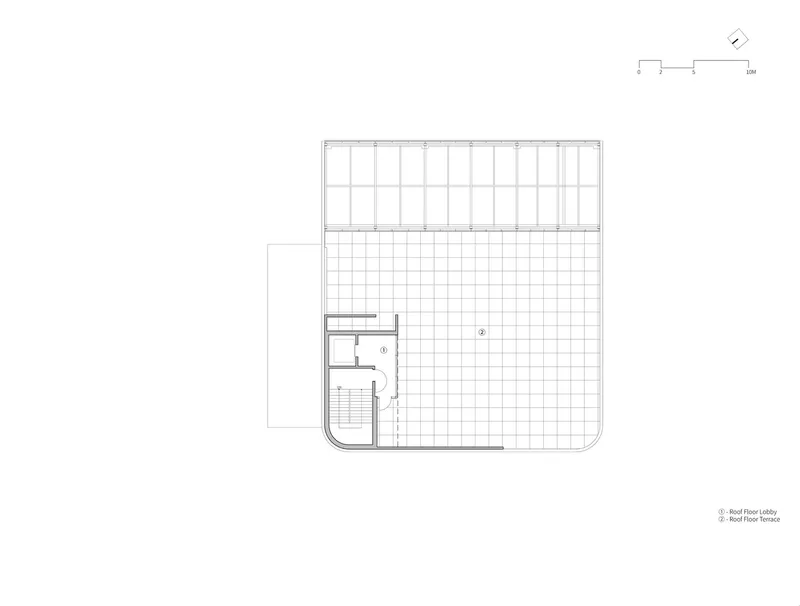
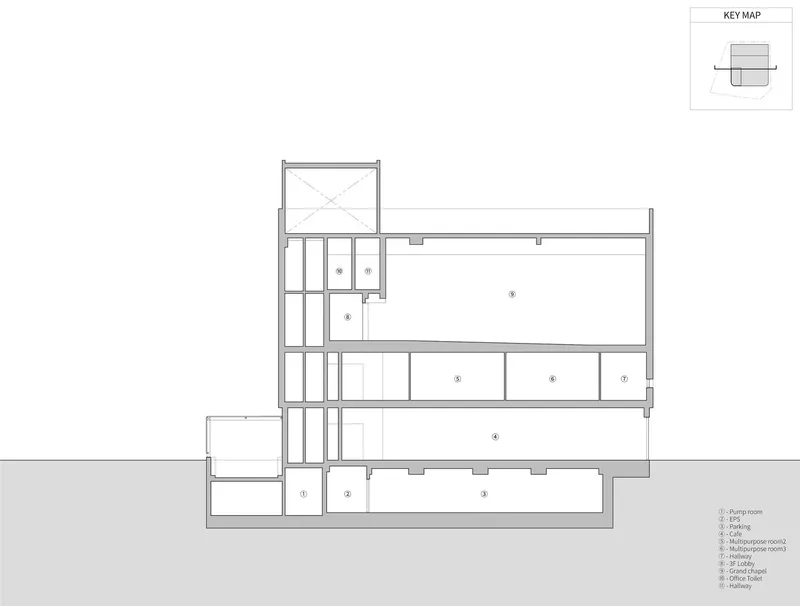
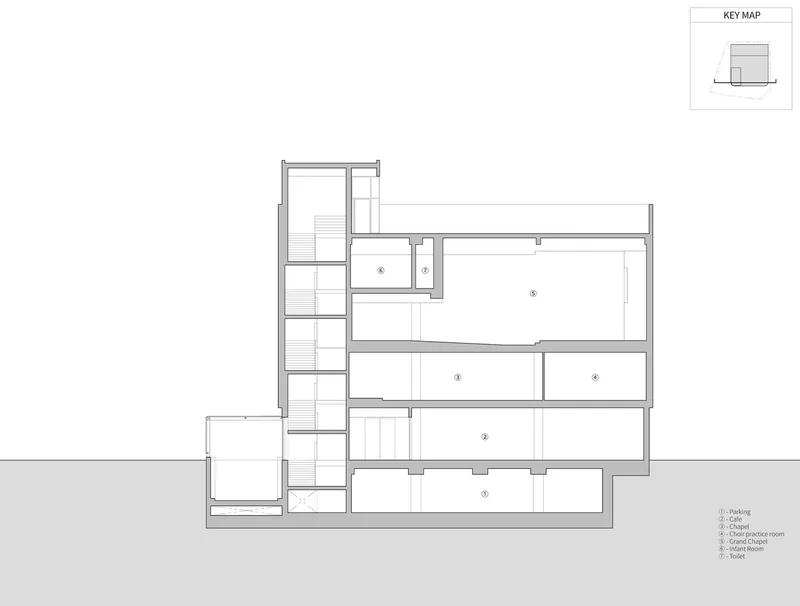
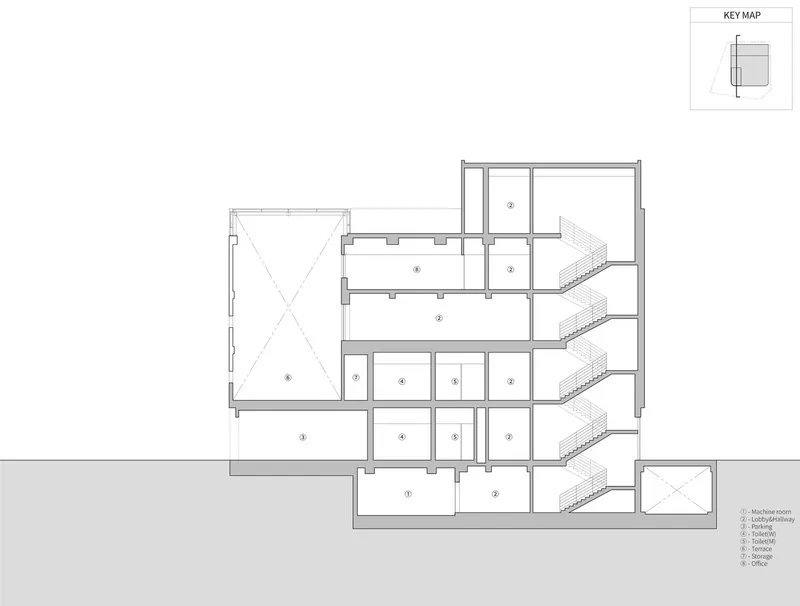
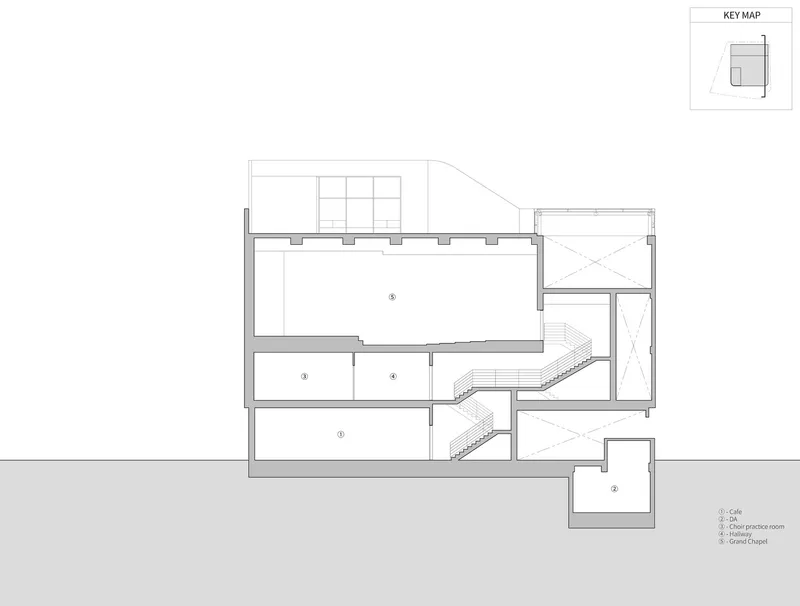
The church is not just a place for worship but also a hub for community interaction, accommodating various activities from daily gatherings to larger congregational events. The design includes multiple floors with specific functional zones, including a basement and several above-ground levels that cater to both religious and social functions.
Accessibility and Environmental Considerations
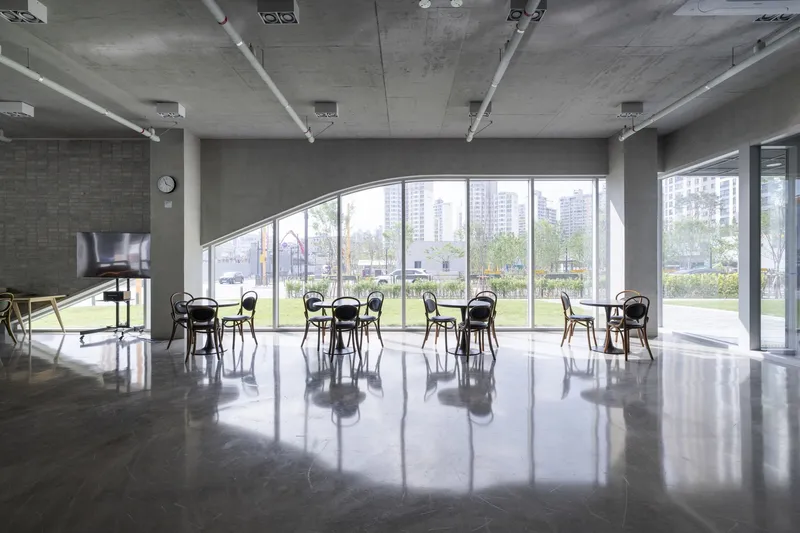
Located at a busy crossroads, the church is designed to be accessible by both foot and vehicle, with considerations for its impact on the local environment. Strategic placement of windows and skylights maximizes natural lighting, reducing the building's energy use and enhancing its sustainability.
Challenges and Architectural Solutions
Balancing Symbolism with Simplicity
One of the major challenges was to design a religious structure that would be significant yet not dominate its newly forming urban context. Kode Architects achieved this through minimalist material use and a design that emphasizes openness and transparency, particularly at the pedestrian level where the interaction is most frequent.
Constructive Innovations
The use of modular metal plate formwork in constructing the rib concrete facades allowed for precise and economical building, showcasing an innovative approach to traditional concrete construction techniques. This method ensured the church's aesthetic and functional qualities were maintained while adhering to budget constraints.
The Role of Modern Church Architecture
Evergreen Church by Kode Architects exemplifies how modern church architecture can respect and enhance the urban fabric, offering a space for worship that is both reflective and integrated with its community. By employing minimalist design techniques and focusing on environmental sustainability, the project sets a benchmark for future religious architecture in urban settings.
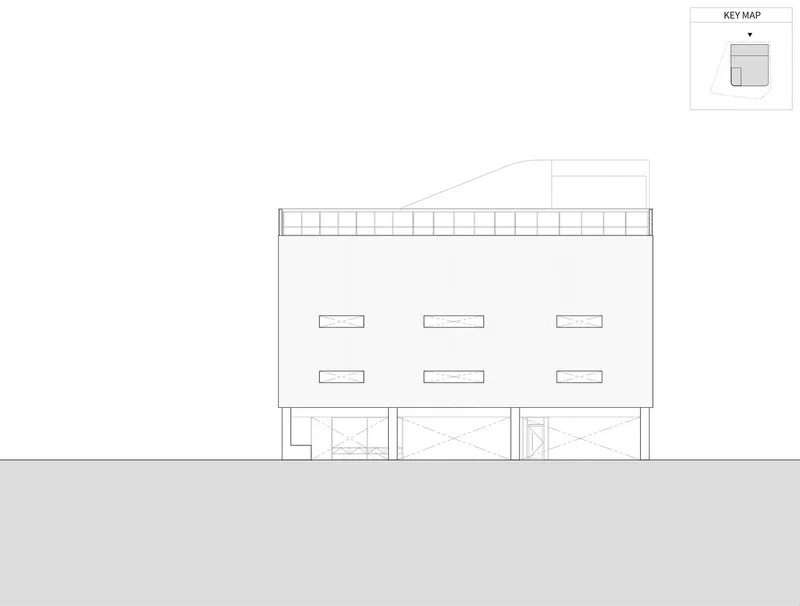
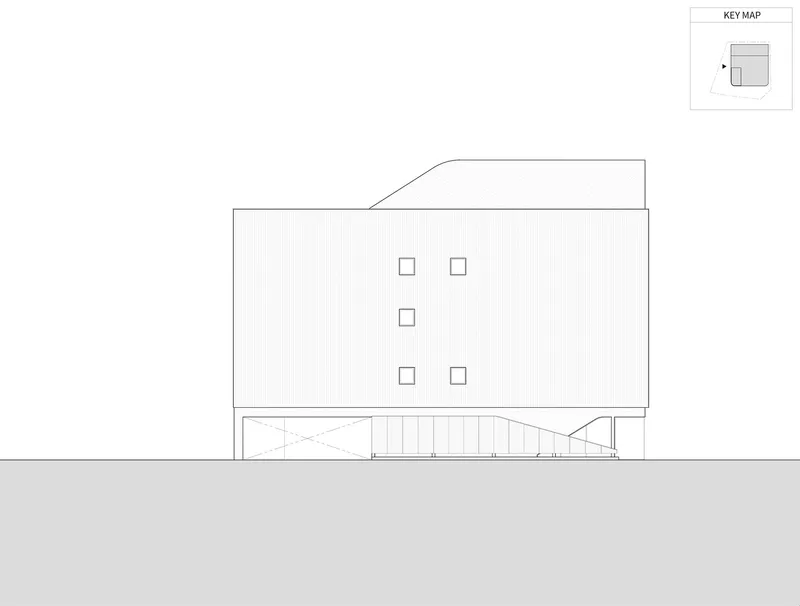
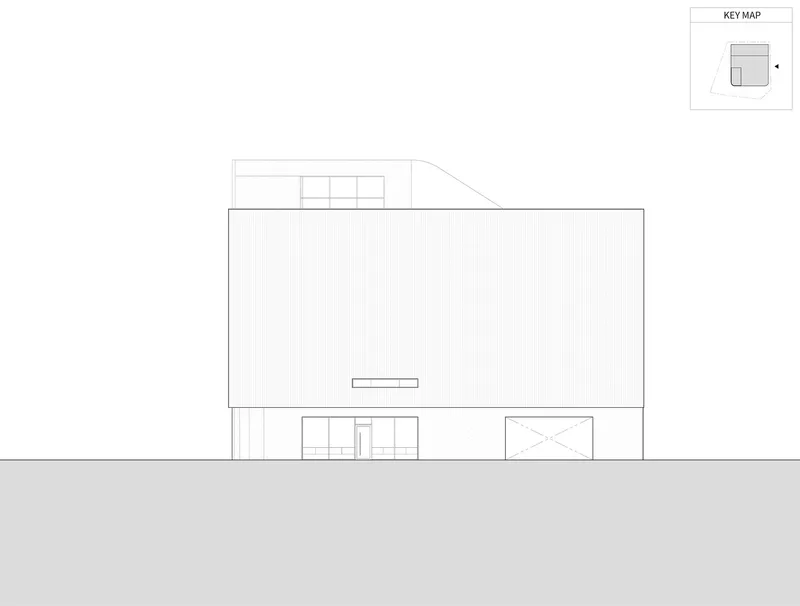
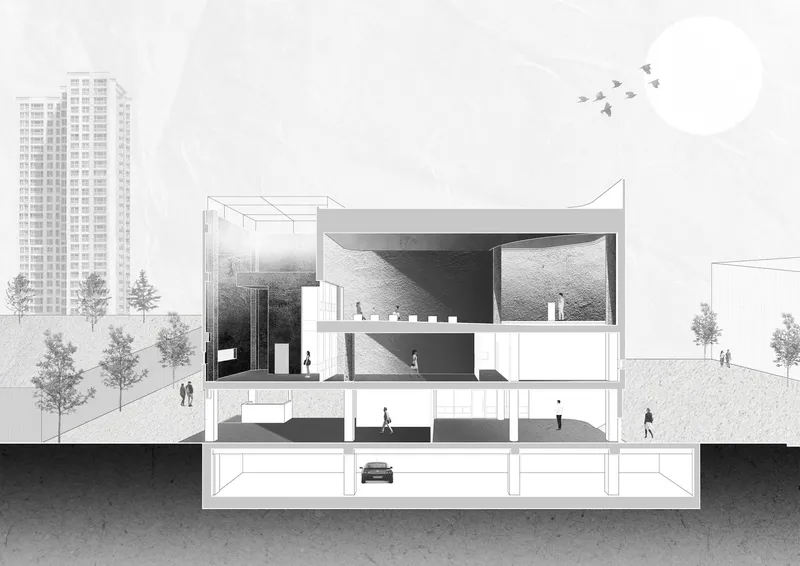
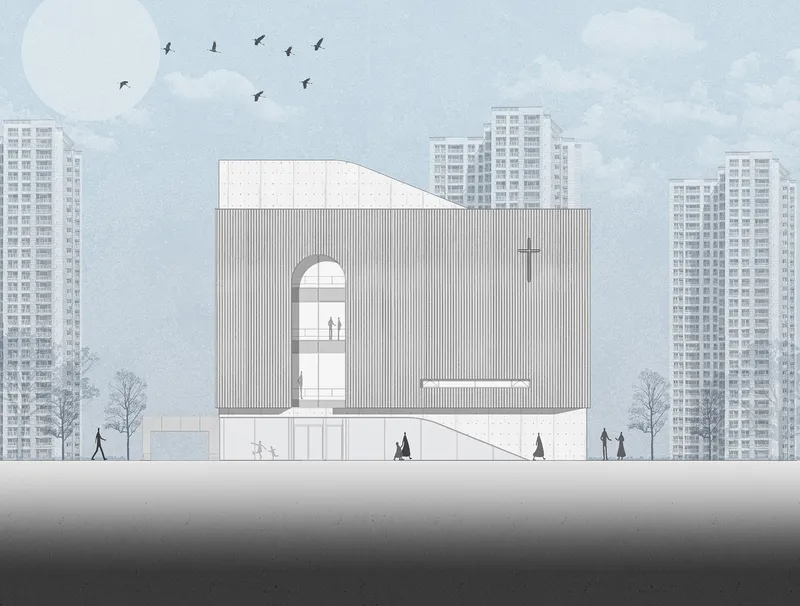
All photographs are work of GUUIJIN




Popular Articles
Popular articles from the community


The Earth Pod: 3D Printed Homes for Resilient Refugee Communities
The Earth Pod reimagines refugee housing through 3D printed homes made from clay, combining resilience, self-sufficiency, and rapid shelter.

Hill & Cross Opera: Sculptural Opera House Architecture Shaped by Tallinn’s Landscape and Identity
Hill & Cross Opera reimagines opera house architecture in Tallinn through its sculptural hill, civic plaza, glass wave and a luminous cross.

Play: Fragments of Their World
Familiar architecture becomes modular playground design, creating safe spaces where displaced children can learn, connect, imagine and play.

The Musturak Paradise: Senior Living Architecture for a Connected Future in Temara, Morocco
The Musturak Paradise reimagines senior living architecture in Temara via private homes, social spaces, culture, community, and shared care.

Similar Reads
You might also enjoy these articles

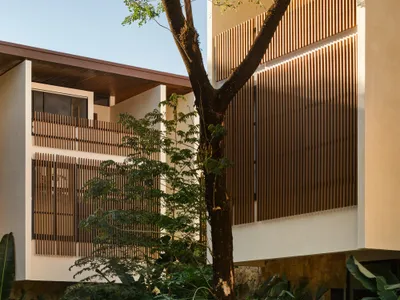
FAMM Arquitectura Organizes Ten Villas Around Courtyards and Jungle in Nosara, Costa Rica
El Molino pairs two elongated volumes with deep overhangs and timber louvers to build a compact coastal community five minutes from the beach.
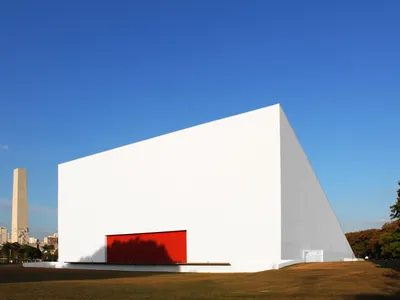
Oscar Niemeyer's Ibirapuera Park Pavilions Define São Paulo's Cultural Identity in Concrete and Curve
A constellation of modernist volumes set within São Paulo's most important urban park, conceived for the city's 400th anniversary in 1954.
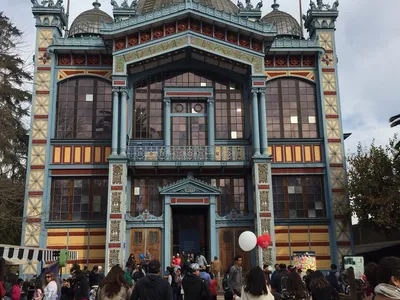
How Henri Picq's 1889 Paris Pavilion Traveled 11,000 Kilometers to Become Santiago's Artequín Museum
A prefabricated iron and glass pavilion built for the Paris Universal Exposition found a second life as a children's art museum in Chile.
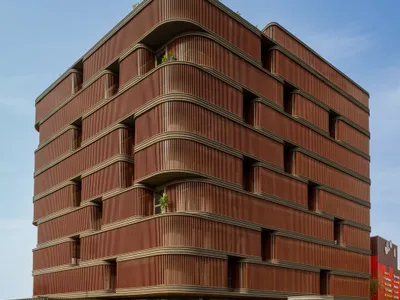
Sanjay Puri Architects Wraps a Jaipur Office Tower in Capsule-Shaped Green Buffers
A nine-level climate-responsive workplace near Jaipur Airport uses stacked planter terraces and aluminium screens to fight 40°C heat.


Explore Architecture Competitions
Discover active competitions in this discipline



Challenge to reimagine the Iron Throne


Photograph architecture without architects


Illustrate the lost glory of Angkor Wat - Render Challenge


Design challenge to reuse E-waste
Comments (0)
Please login or sign up to add comments
No comments yet. Be the first to comment!