

Modern Minimalist Architecture Design: A Case Study of Project Conservatory
An exploration of modern minimalist architecture design through Project Conservatory, showcasing timeless, adaptable, and sustainable architectural principles.


In the ever-evolving world of architecture, modern minimalist architecture design has emerged as a leading trend, redefining the concept of simplicity and purpose. One standout example of this design philosophy is the Project Conservatory by Kee Yen Architects, located in the heart of Kuala Lumpur, Malaysia. Completed in 2023, this project offers a thoughtful blend of functionality, adaptability, and artistic expression.
What is Modern Minimalist Architecture Design?
Modern minimalist architecture design focuses on the principle of "less is more." It emphasizes clean lines, open spaces, and a seamless connection between form and function. This style removes unnecessary ornamentation, leaving behind a refined aesthetic that is both timeless and practical. Materials, textures, and natural elements take center stage, often celebrating the raw beauty of structural components.

Project Conservatory: A Testament to Minimalist Architecture
Project Conservatory
Designed by renowned architect Lim Kee Yen, the Project Conservatory reimagines urban living. Spanning 2300 m², this home embraces the ethos of minimalism, offering a "blank slate" for its occupants to bring life to its spaces. Initially conceptualized before the pandemic, the structure's completion in 2023 serves as a reminder of resilience and adaptability in design.

Key Features of Modern Minimalism in the Project Conservatory
1. Open and Adaptable Spaces
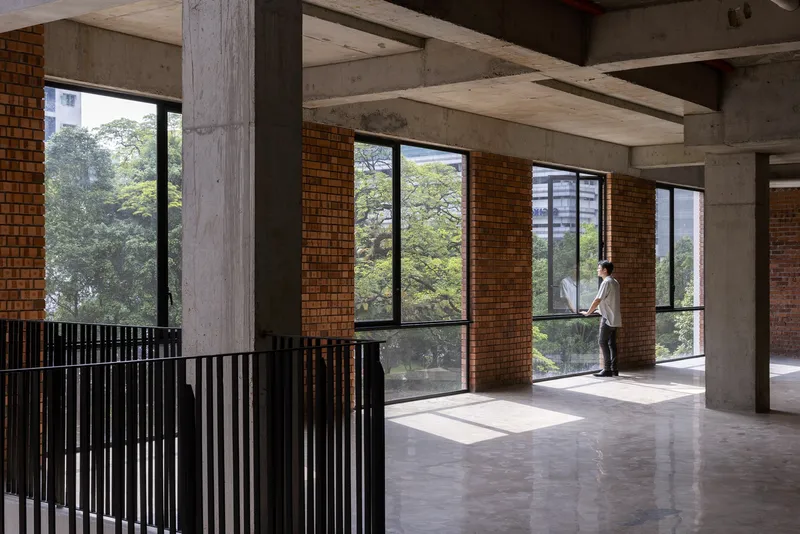
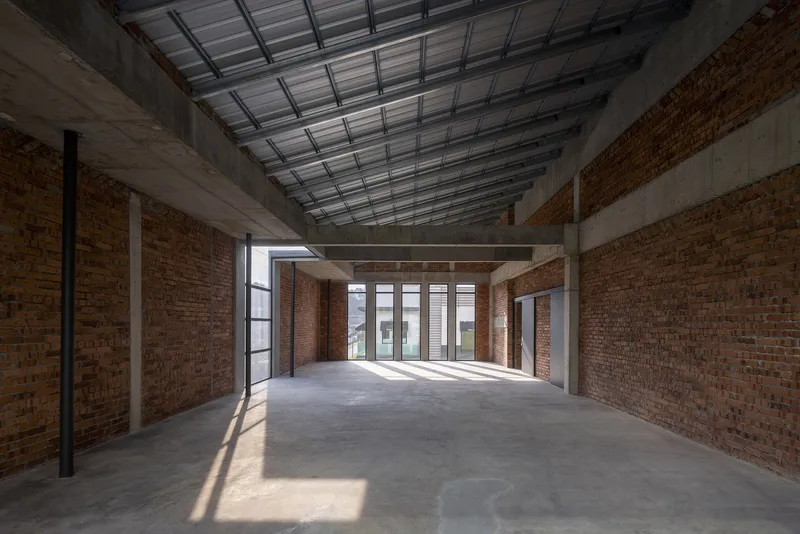
One of the standout elements of Project Conservatory is its deliberately unfurnished interiors. The design embraces voids—unoccupied spaces that invite creativity and flexibility. This approach ensures the home evolves alongside its inhabitants' changing needs.
2. Materiality and Texture
The material palette is a defining feature, showcasing:
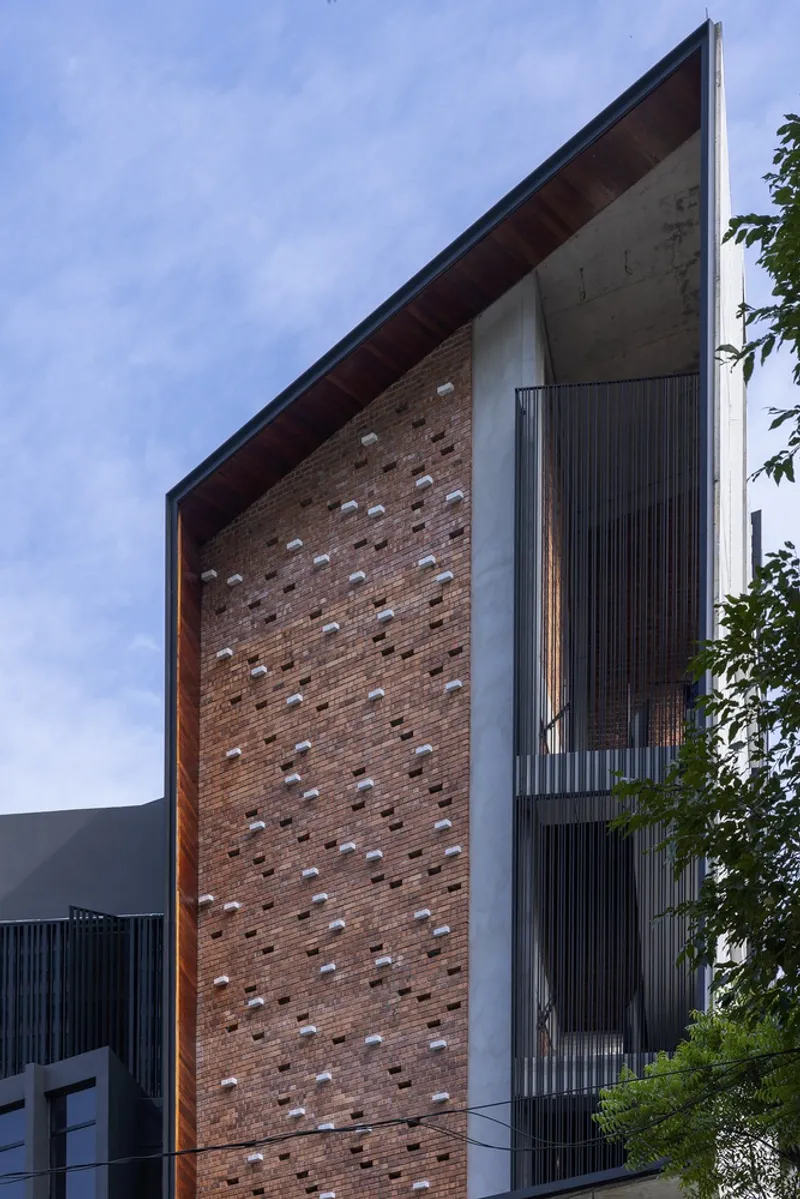
- Fair-faced bricks for an earthy, tactile aesthetic.
- Bare-concrete surfaces that enhance the industrial-modern vibe.
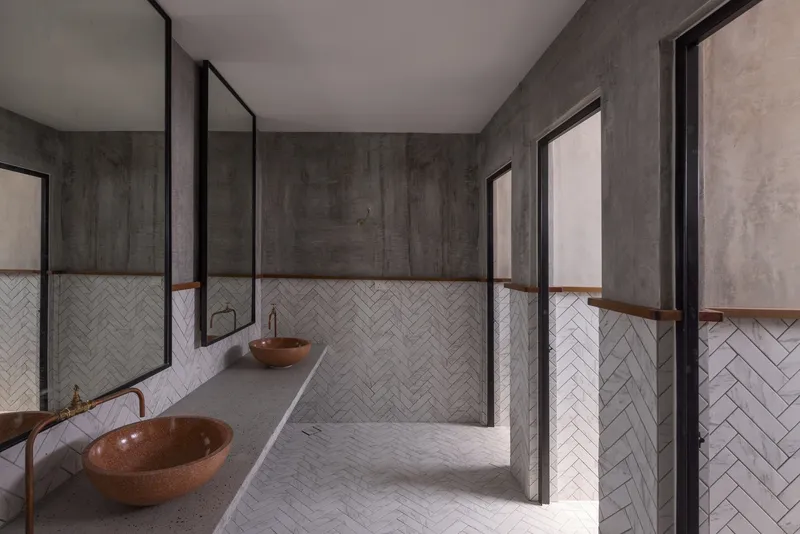
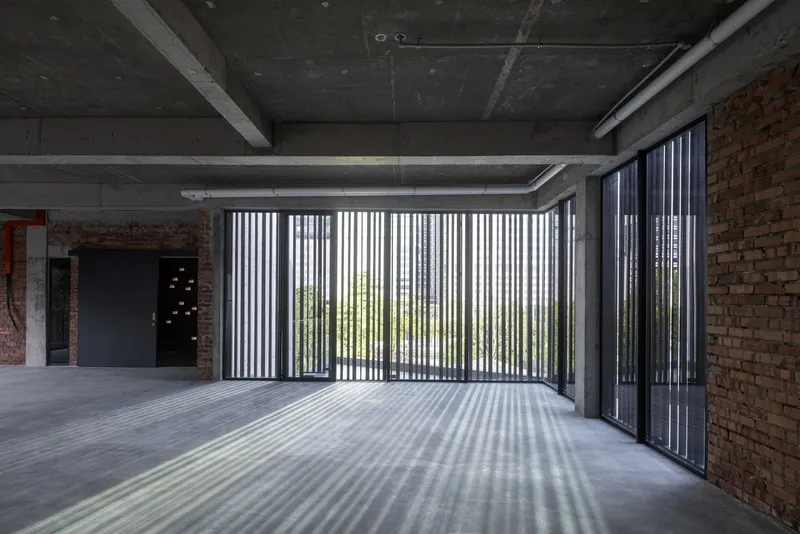
- Polished concrete floors and metal screens for a harmonious balance of rawness and refinement.
These materials are selected for their durability and ability to age gracefully, underscoring the timeless nature of minimalist architecture.
3. Geometric Elegance and Shadows
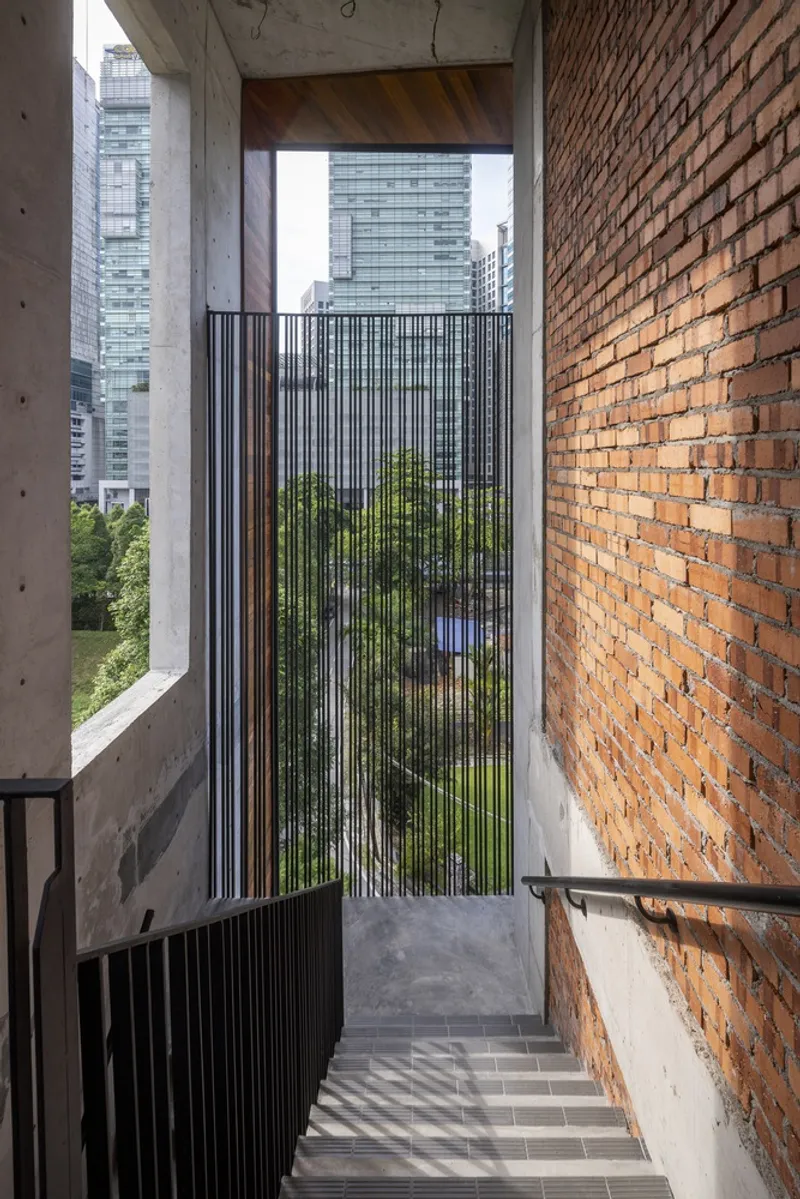
The roof spaces are an architectural highlight, designed as a symphony of hollow metal structures, ventilation blocks, and concrete forms. The interplay of light and shadow transforms these geometric forms into living artwork, evolving throughout the day.

The Philosophy Behind Minimalist Design
Celebration of Voids
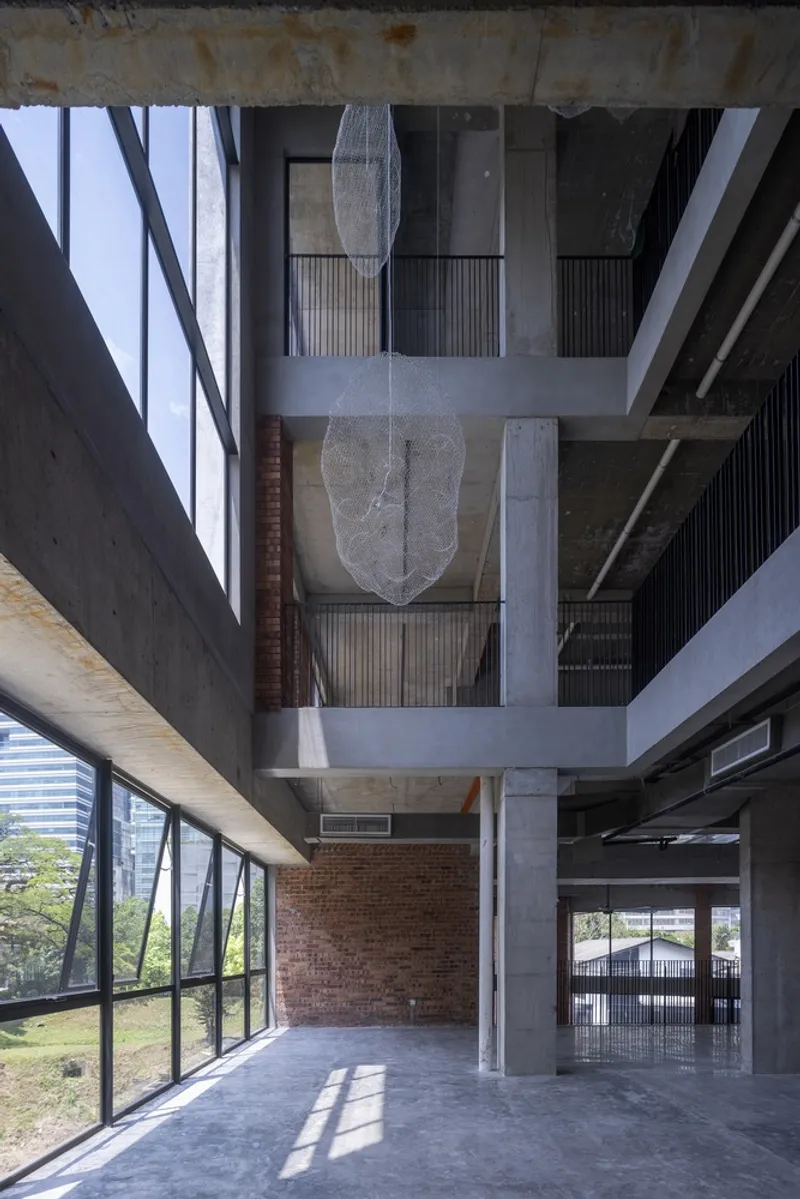
At its core, modern minimalist architecture design is about creating space for life. The "voids" in Project Conservatory serve as more than just empty spaces—they are opportunities for personal reflection, creativity, and adaptability.
Harmony Between Form and Function
Every element of the Project Conservatory is carefully curated to balance aesthetics with practicality. This harmony aligns with the minimalist philosophy of ensuring that every material and structural decision serves a purpose.
Timelessness in Design
Unlike fleeting architectural trends, minimalist designs like Project Conservatory focus on timelessness. By emphasizing raw materials and clean lines, the structure transcends time, maintaining relevance in an ever-changing world.

Why Modern Minimalist Architecture Design is Popular Today
1. Connection to Nature
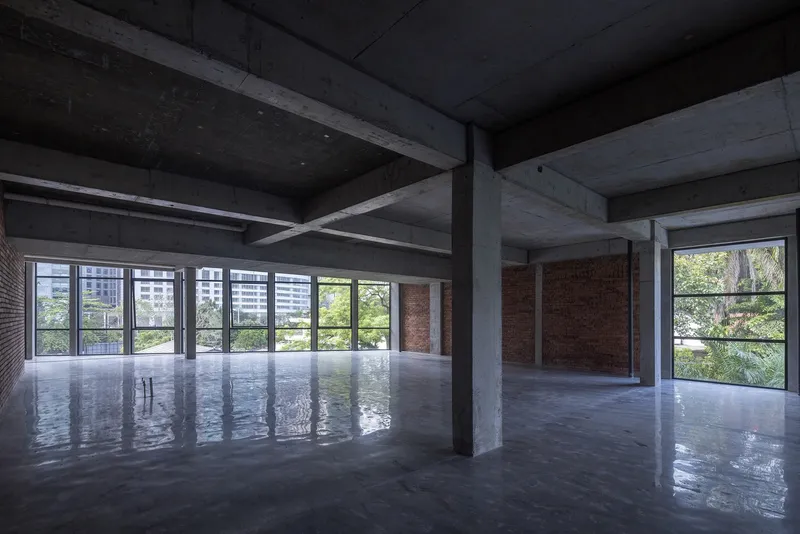
Minimalist architecture often incorporates natural materials and open designs that invite light and air. In the Project Conservatory, large voids and geometric roof structures provide natural ventilation and lighting.
2. Sustainability
Reducing excess in design naturally leads to sustainability. Minimalist buildings like the Conservatory prioritize energy efficiency through passive cooling and natural ventilation, reducing their environmental footprint.
3. Flexibility and Personalization
Unfurnished or adaptable spaces, as seen in the Conservatory, allow inhabitants to mold their environment to suit their personal preferences, making minimalist homes highly versatile.

Lessons from Project Conservatory for Modern Minimalist Architecture Design
If you are inspired by modern minimalist architecture, here are key takeaways from Project Conservatory:
1. Prioritize Quality Over Quantity
Focus on materials and elements that add value and longevity to your design.
2. Embrace the Power of Voids
Allow spaces to breathe and evolve, creating a sense of openness and adaptability.
3. Balance Form with Function
Ensure every design choice serves both aesthetic and practical purposes, resulting in a harmonious living experience.
The Future of Modern Minimalist Architecture Design
Project Conservatory by Kee Yen Architects stands as a beacon of modern minimalist architecture design, showcasing the beauty of simplicity, adaptability, and thoughtful materiality. As the world moves toward more sustainable and human-centric living spaces, projects like this remind us of the timeless appeal of minimalist design.
Whether you're an architect, homeowner, or design enthusiast, the principles demonstrated in this project offer valuable insights into creating spaces that resonate with both functionality and soul.

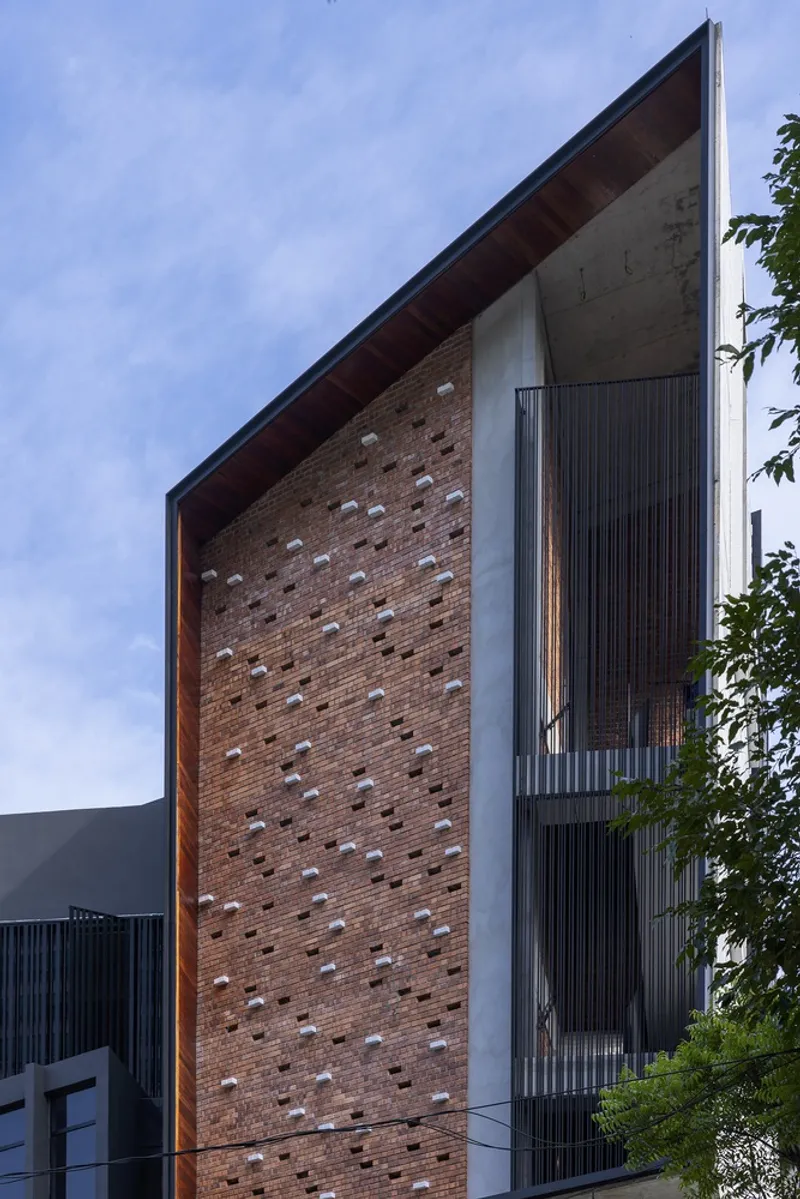
All Photographs are work of Pixelaw Photography


Popular Articles
Popular articles from the community


The Amber Palace Opera: A Geological Fiction Surfaces on Tallinn's Baltic Waterfront
Pierre Brillard reimagines a Baltic legend as a public landscape, opera house, and waterfront promenade rooted in Tallinn's coastal identity.
Faces of the Soviet Avant-Garde: Turning Moscow's Street Names into an Open-Air Museum
A network of sculptural installations across a Moscow residential district transforms forgotten architect names into spatial encounters with cultural memor

Extended Shell: Retrofitting Kolkata's Balconies as Living Urban Thresholds
A modular retrofit system recovers the social and environmental intelligence of Kolkata's historic verandas for contemporary Park Street residents.

Cloaked Colonization: A Mobile Underwater Habitat That Moves Like a Fish
Micah Abaya's shortlisted EHC Pacific entry reimagines ocean settlement as a dispersed network of self-sustaining architectural organisms.

Similar Reads
You might also enjoy these articles


Hodi-Mandai Geram
Project Function: Preservation and revitalization of the Intangible heritage and socio-spatial identity of the Hodi by Housing, Cultural Memory Center, Sacred Grove, landscape, local tourism economy


Olio Towers: A Mid-Rise for Performers That Fuses Housing, Rehearsal, and Stage
Located blocks from Houston's Theater District, this modular tower stacks living units around a central performance atrium.

Oasis: Modular Green Housing Carved into Dhaka's Urban Fabric
A shortlisted Plugin Housing entry reclaims unauthorized settlements in Dhaka with stepped concrete volumes, green roofs, and ventilation-driven design.

Black Hole: A Floating Megastructure for the Post-Physical Era
Emiliano Mazzarotto envisions a spherical, self-scaling arena where e-sports, digital hotels, and holographic stadiums replace traditional public space.

Explore Conservation Architecture Competitions
Discover active competitions in this discipline

Challenge to reimagine the Iron Throne

Photograph architecture without architects

Illustrate the lost glory of Angkor Wat - Render Challenge

Design challenge to reuse E-waste
Comments (0)
Please login or sign up to add comments
No comments yet. Be the first to comment!