Modern Sustainable Housing Architecture: The Alma Street Housing Project
The article explores the Alma Street Housing project, showcasing modern sustainable housing architecture through diverse, eco-friendly urban design.


Alma Street Housing
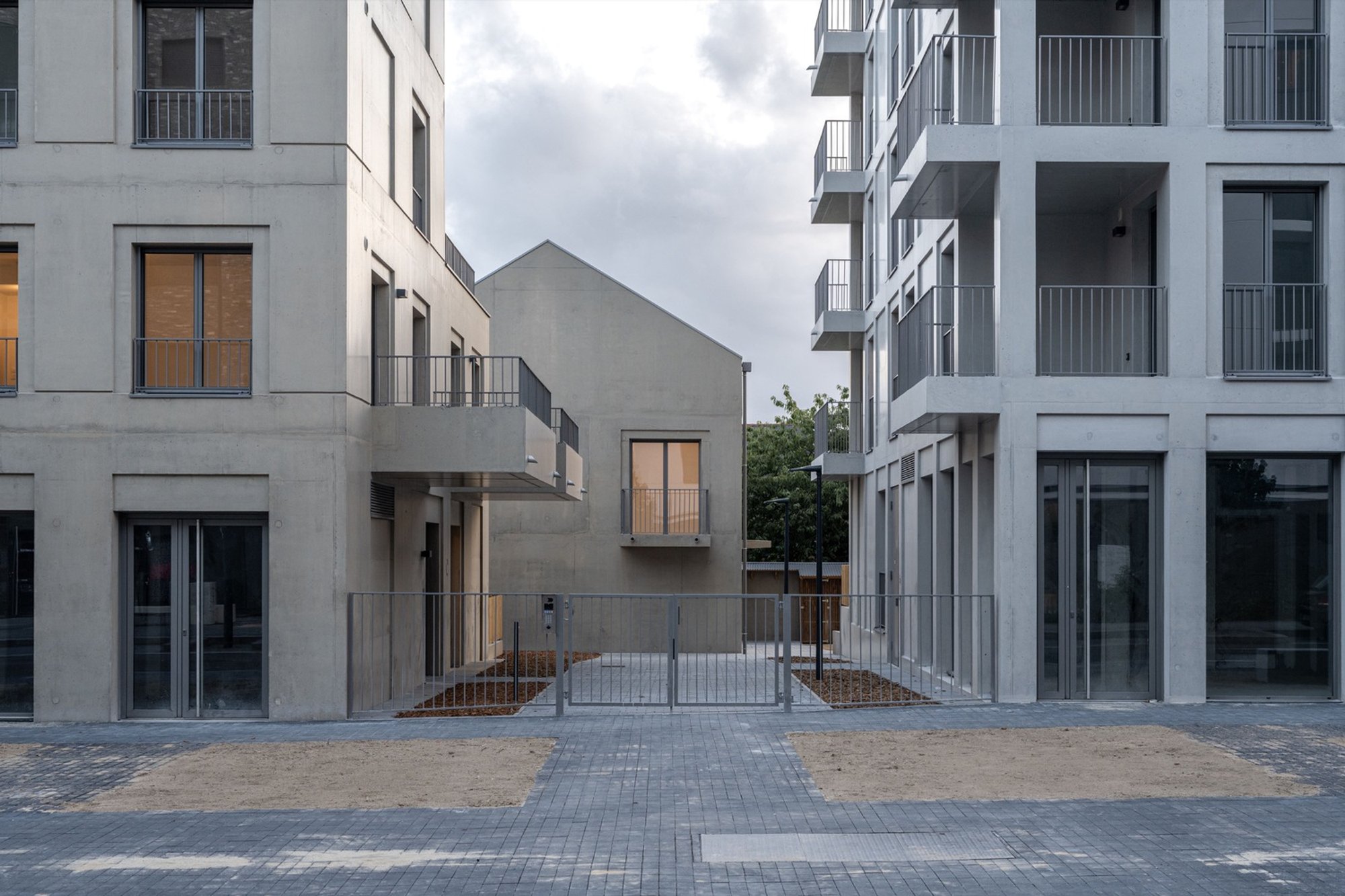
In the heart of Rennes, France, the Alma Street Housing project exemplifies the principles of modern sustainable housing architecture. Designed by the renowned firm palast and led by architect Mickael Papin, this 3000 m² residential development represents a harmonious blend of urban integration, aesthetic diversity, and eco-conscious design.
Completed in 2023, this innovative project sets a benchmark for contemporary urban living. It offers a variety of housing types and adapts seamlessly to its surroundings, all while embracing sustainable practices.
Urban Integration: A Neighborhood Redefined
Understanding the Context
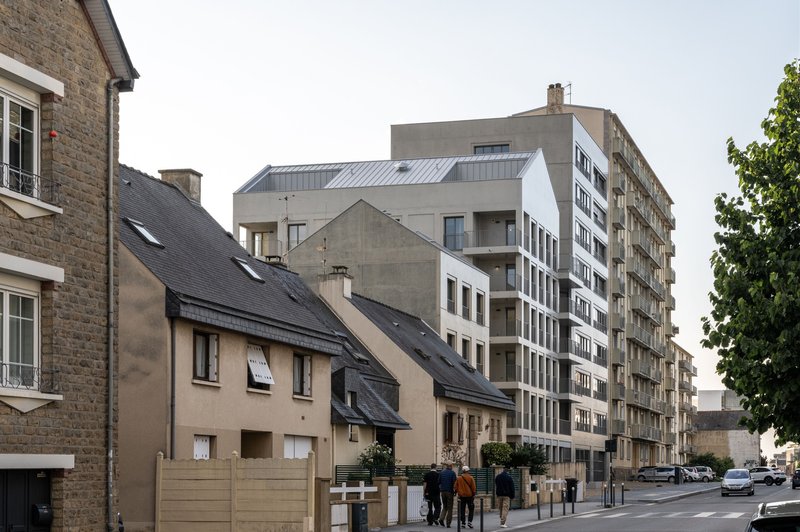
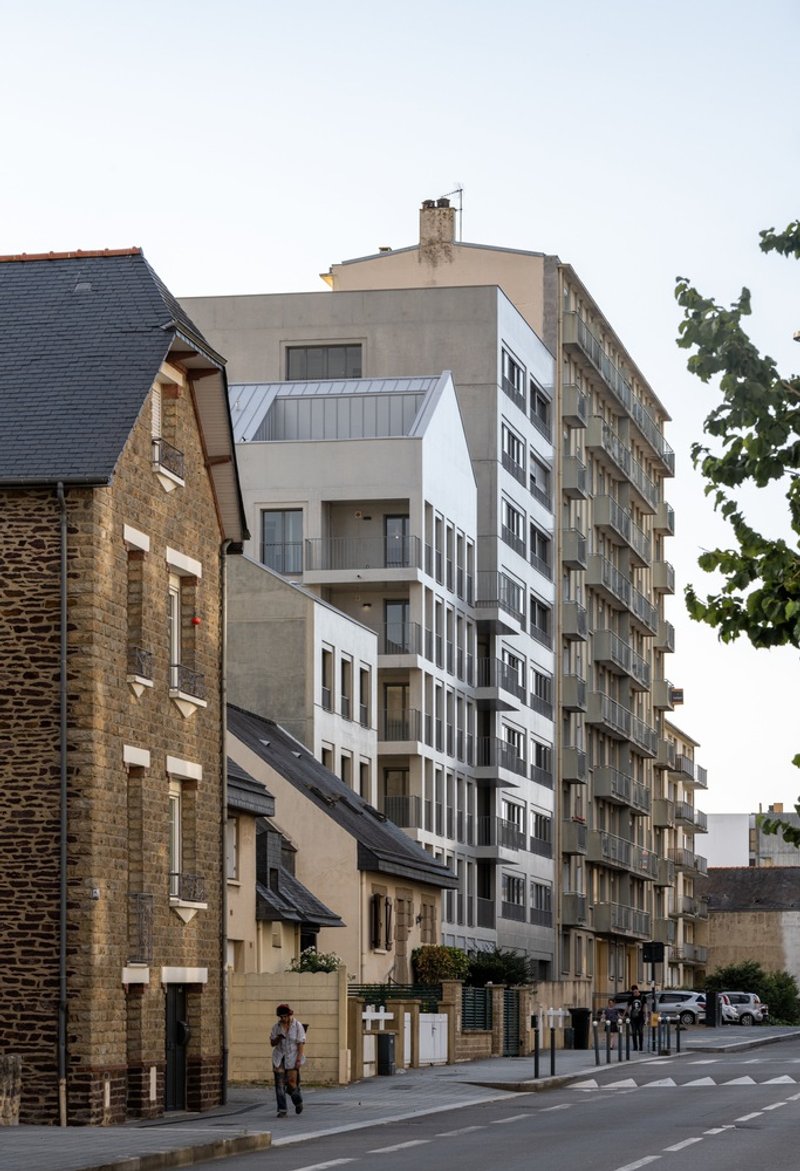
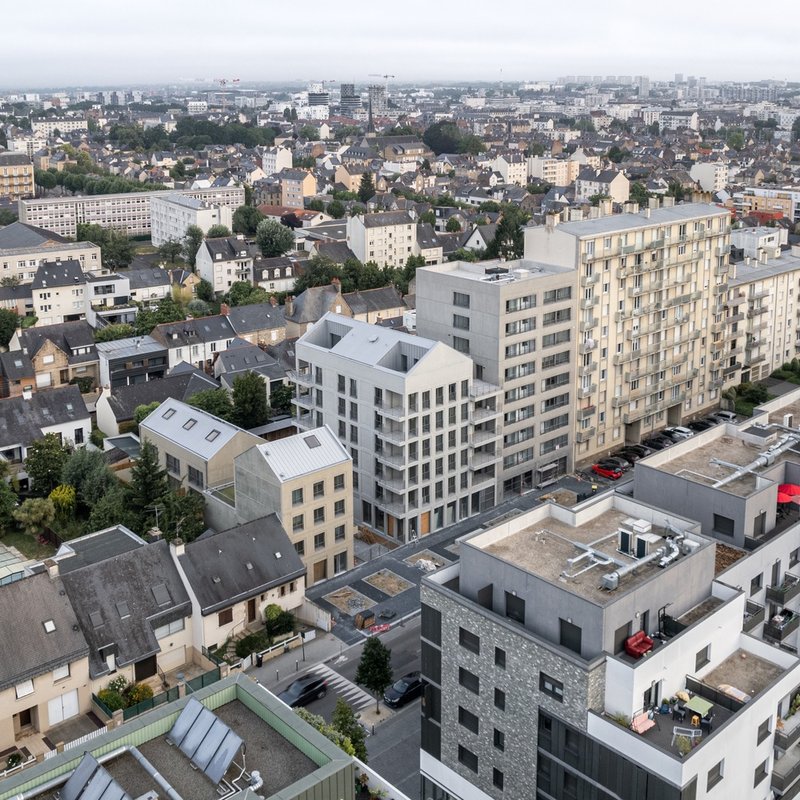
One of the key challenges faced by the Alma Street Housing project was creating a smooth transition between the varying densities and forms of its neighboring urban landscape. To address this, the architects employed a "strip sequence" design strategy. This approach:
- Reflects the historical subdivision of the block.
- Preserves the collective memory of the area.
- Introduces a dynamic yet harmonious skyline through the interplay of volumes.
Enhancing the Skyline
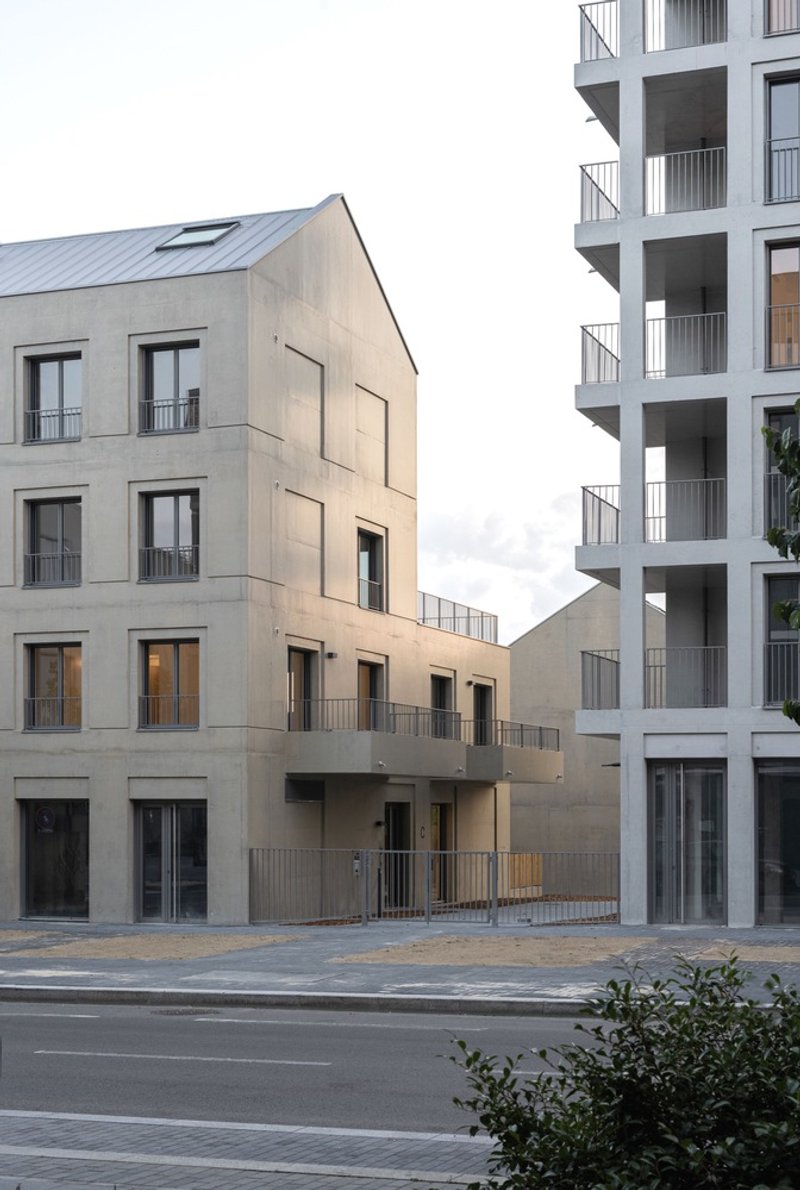
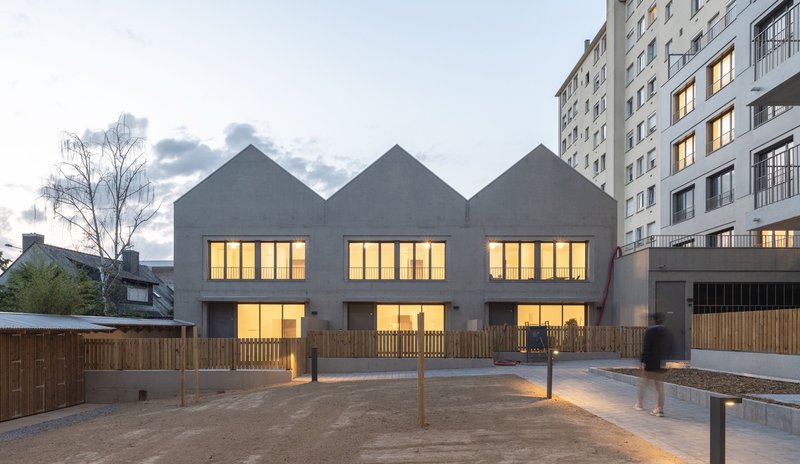
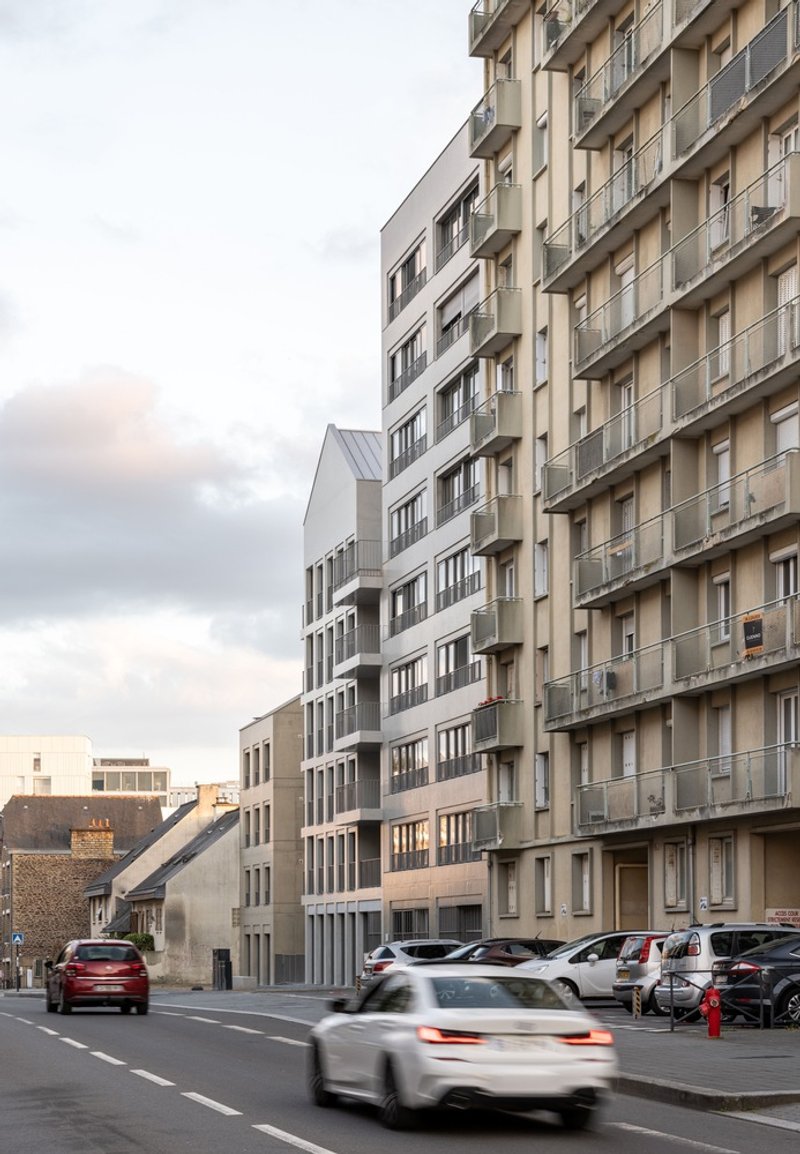
The five distinct buildings feature varying heights and designs, creating a skyline that is both visually appealing and functional. This arrangement fosters a natural evolution of the neighborhood, integrating traditional elements with modern design.
Architectural Features of Alma Street Housing
A Celebration of Diversity
At the core of this project lies the principle of diversity. Alma Street Housing offers a variety of residential units tailored to different lifestyles:
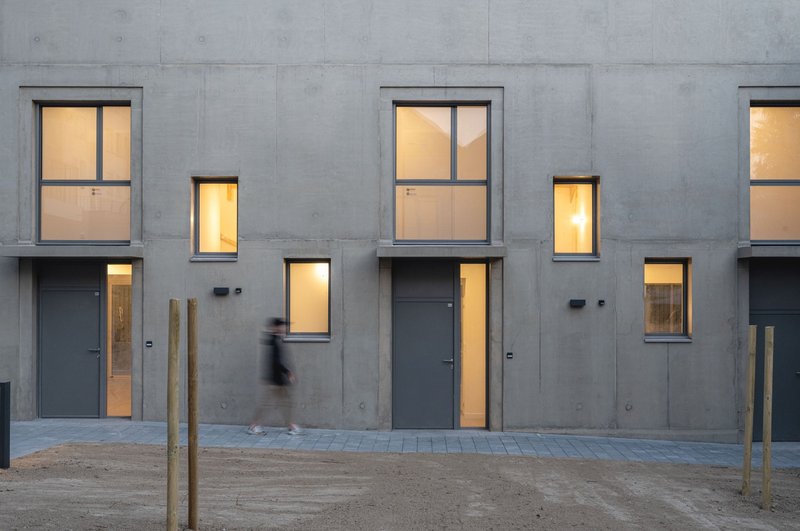
- Triplex homes with private gardens.
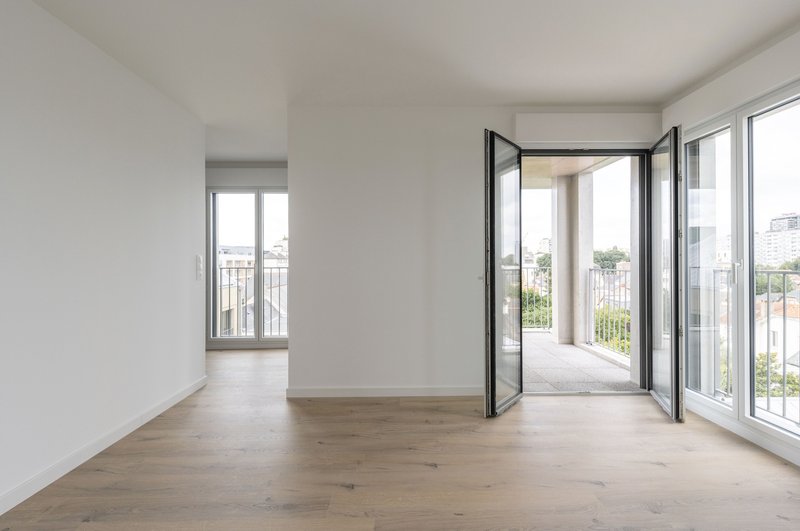
- Crossing apartments equipped with winter gardens.
- Duplexes featuring expansive rooftop terraces.
Material Innovation
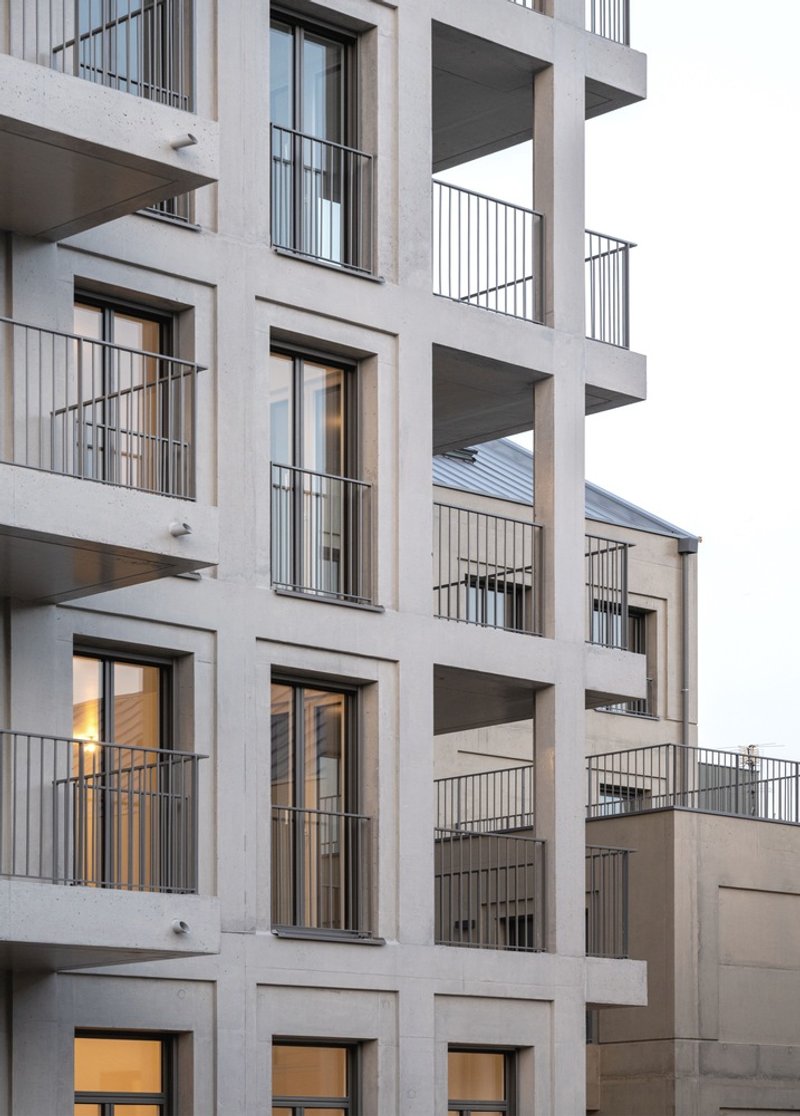
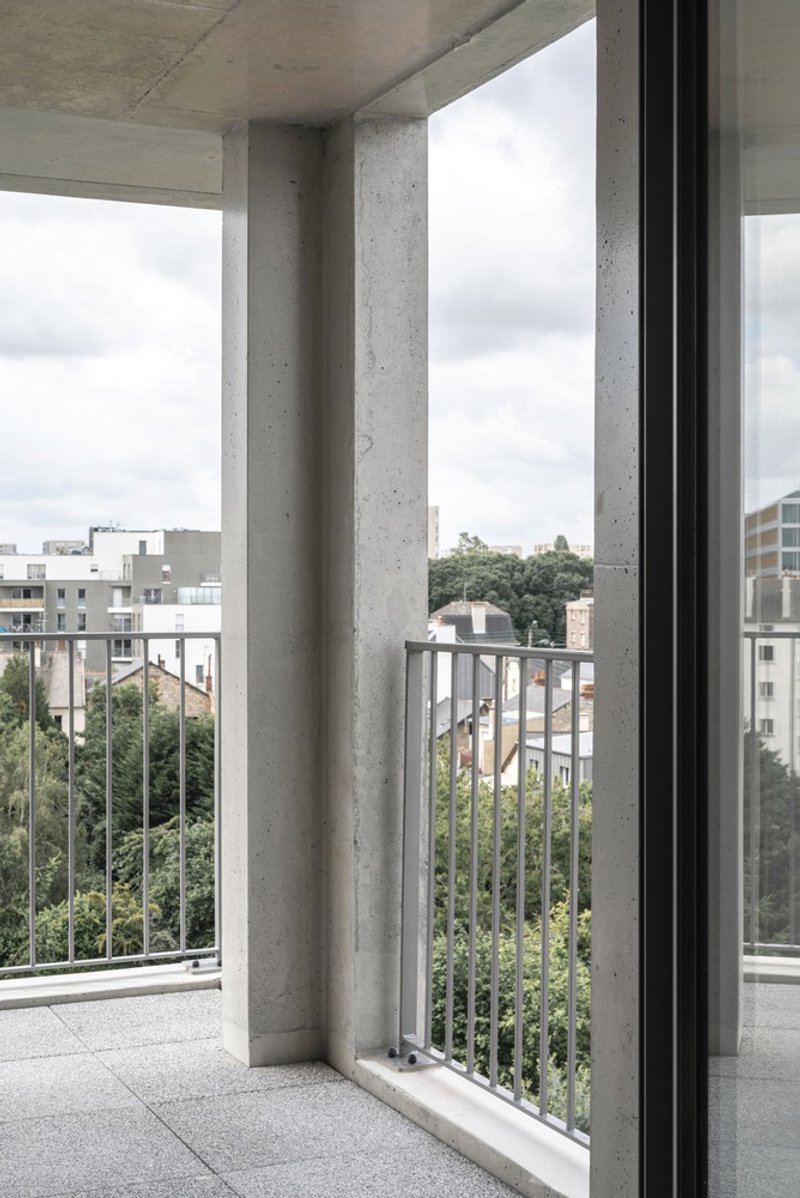
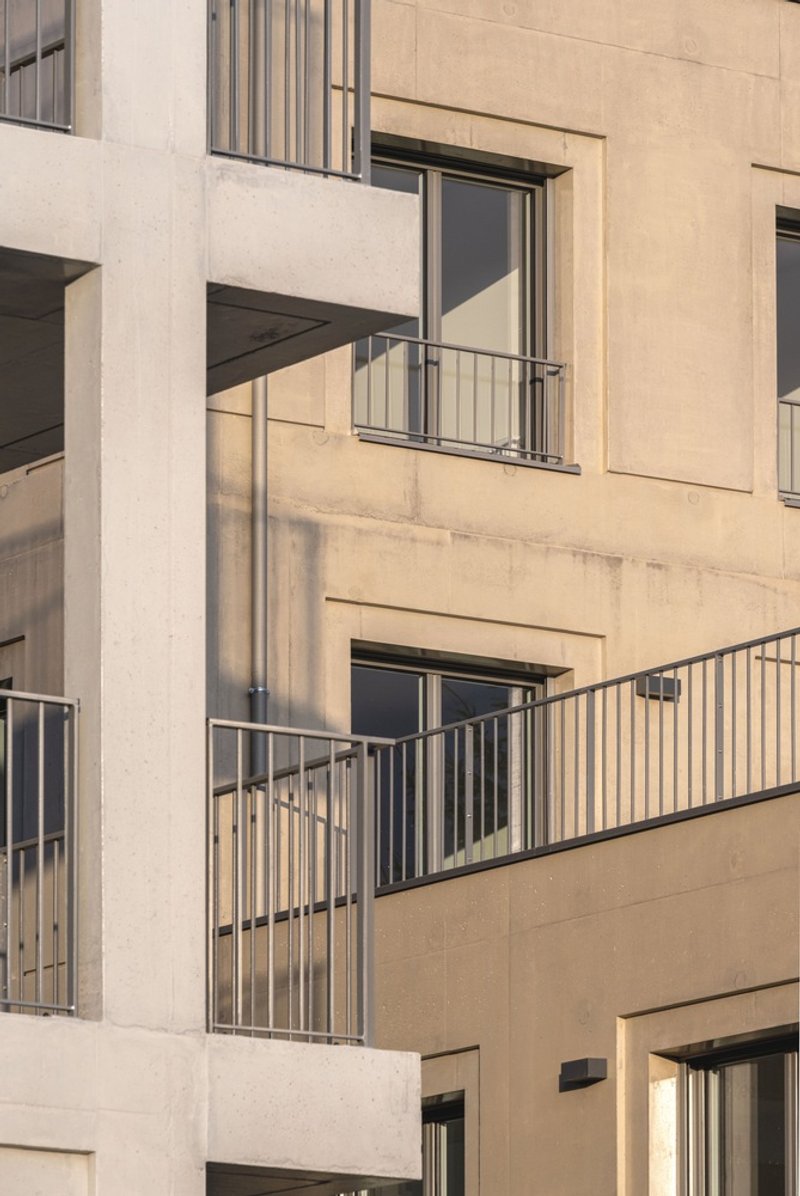
The construction primarily uses exposed concrete, enhanced with varying intensities of lasure finish. This not only ensures durability but also adds texture and character to the facades.
Sustainability in Modern Housing
Designing for Sustainability
The Alma Street Housing project demonstrates how modern sustainable housing architecture can seamlessly blend with urban environments. Key sustainability features include:
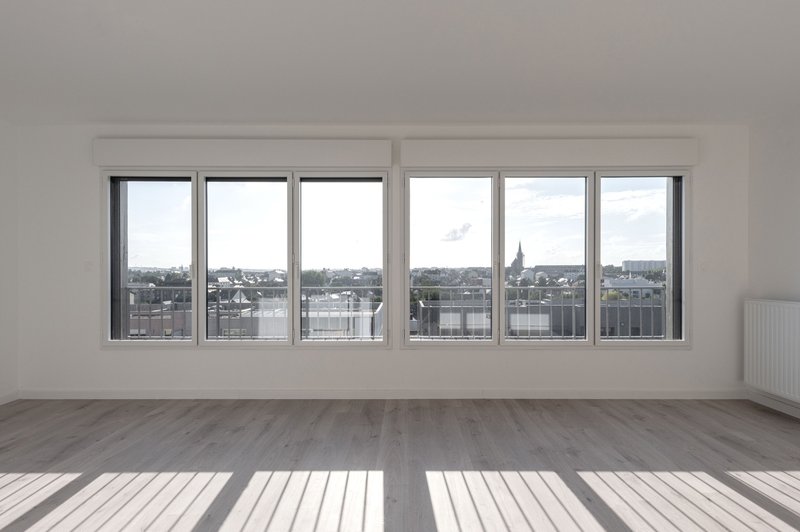
- Double-Oriented Apartments: 90% of the units are designed to optimize natural light and cross-ventilation, reducing reliance on artificial energy sources.
- Generous Outdoor Spaces: All units come with spacious balconies, gardens, or terraces, encouraging a connection with nature.
Community-Centric Design
By offering a mix of housing typologies and communal spaces, the project fosters a sense of community while catering to diverse needs. This approach aligns with sustainable urban development goals.
Visual and Spatial Harmony
Unique Façade Designs
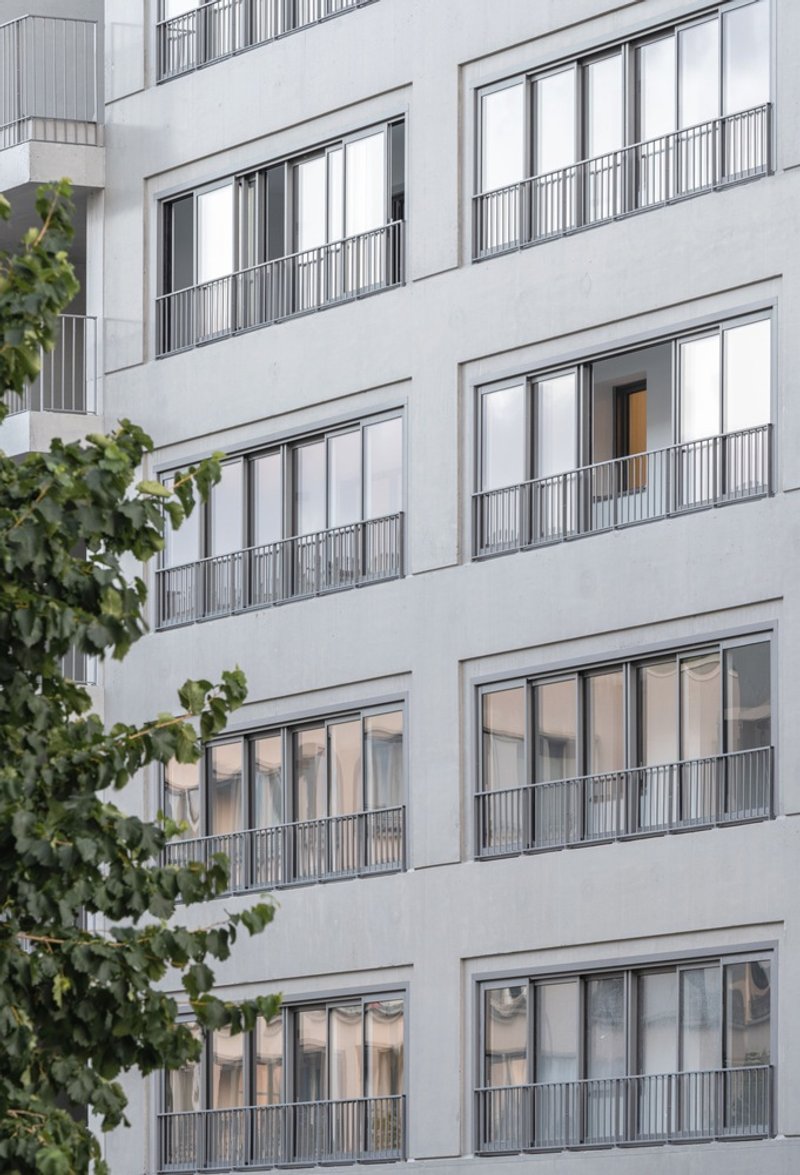
Each of the five buildings in the complex boasts a unique façade, characterized by its typology of windows, color palette, and exterior finishes. This thoughtful design ensures:
- Visual distinction between structures.
- A cohesive yet diverse architectural identity.
Preserving Collective Memory
The juxtaposition of full and empty spaces mirrors the historical layout of the block, preserving its urban trace. This balance between old and new is a hallmark of the project’s design philosophy.
Alma Street Housing as a Model of Modern Architecture
The Alma Street Housing project by palast is a stellar example of how modern sustainable housing architecture can redefine urban living. Its emphasis on diversity, sustainability, and urban integration demonstrates the potential of architecture to enhance community life while addressing contemporary challenges.
As cities continue to grow, projects like this serve as a blueprint for architects and urban planners worldwide. By prioritizing both aesthetic appeal and ecological responsibility, Alma Street Housing sets a new standard for sustainable urban housing.
All Photographs are work of Simon Guesdon