
Multi-Generational House Design: Balancing Tradition and Modernity
Explore the design of multi-generational homes, blending tradition and modernity, as showcased in Vietnam's innovative Grand House.


Multi-Generational Living
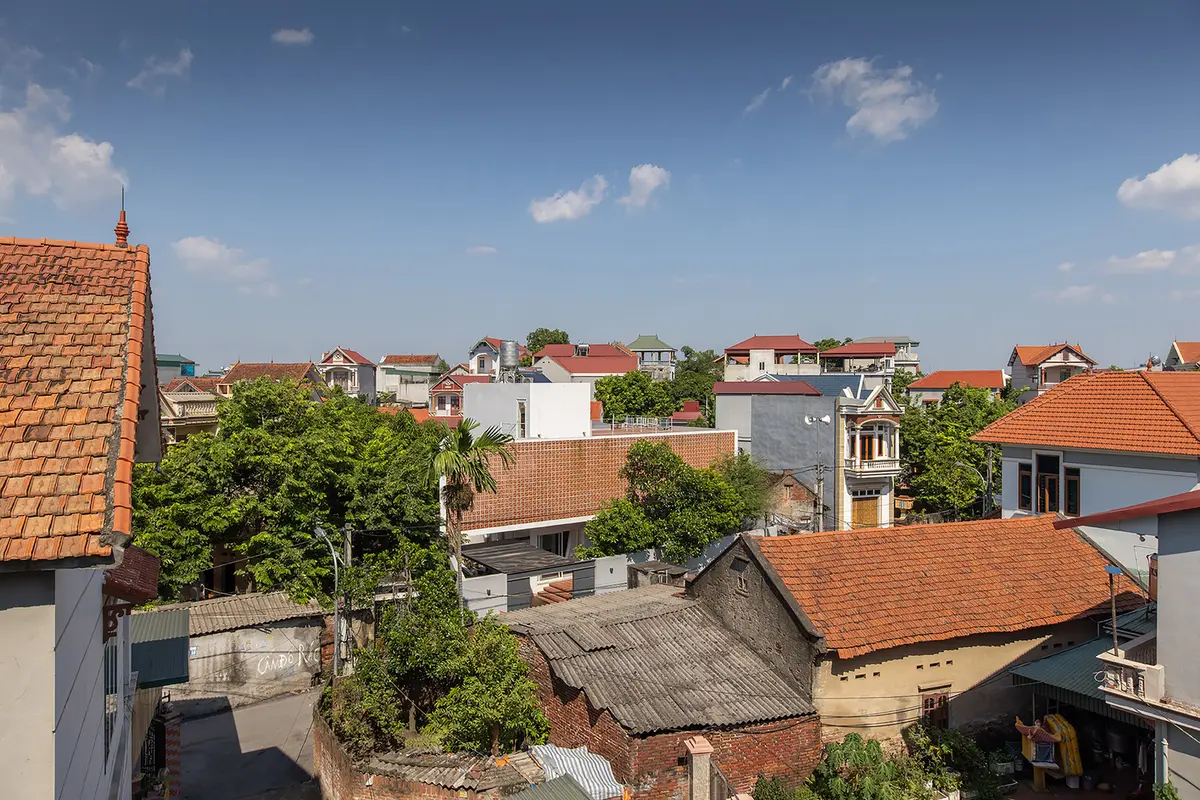
As urbanization reshapes the fabric of cities, many families are rediscovering the value of returning to their hometowns to reconnect with their roots. Multi-generational house design has emerged as a powerful architectural solution, allowing extended families to coexist while maintaining privacy and individuality. The Grand House by Km Architecture Office exemplifies this approach, blending contemporary design with traditional elements to create a shared home for siblings, aging parents, and their descendants.
The Concept Behind The Grand House
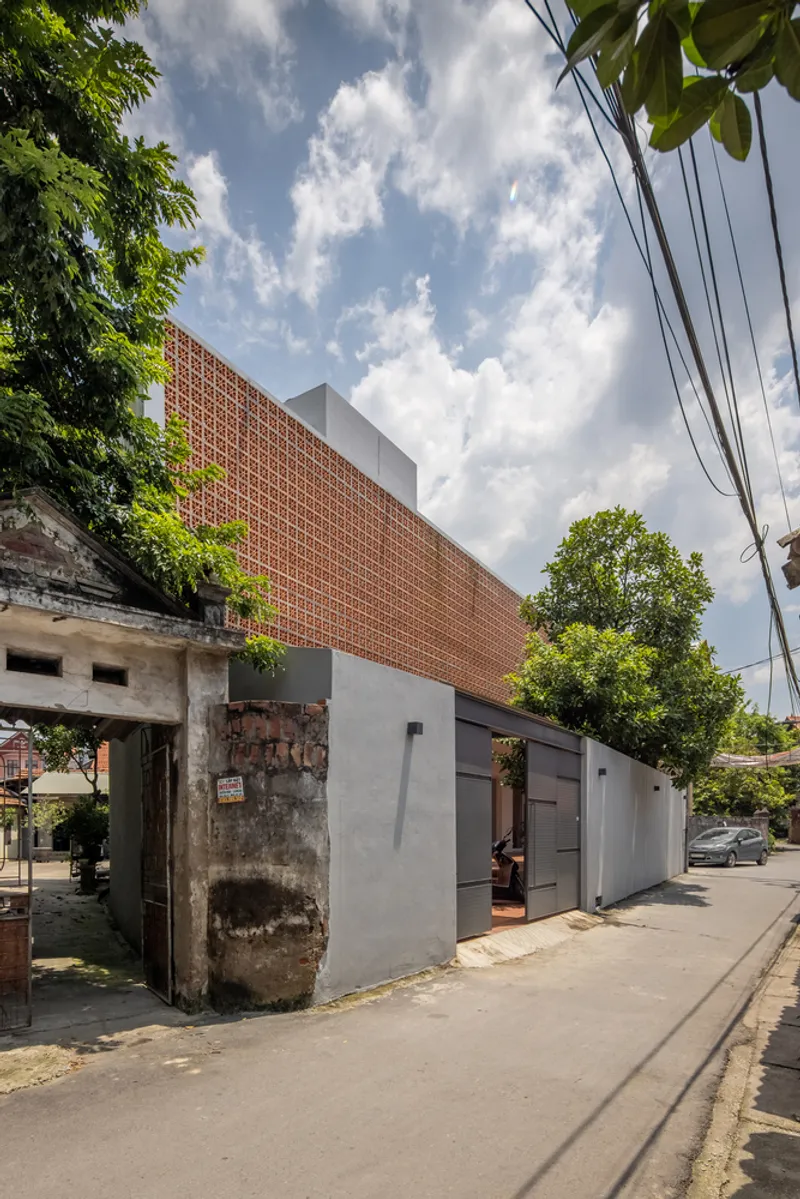
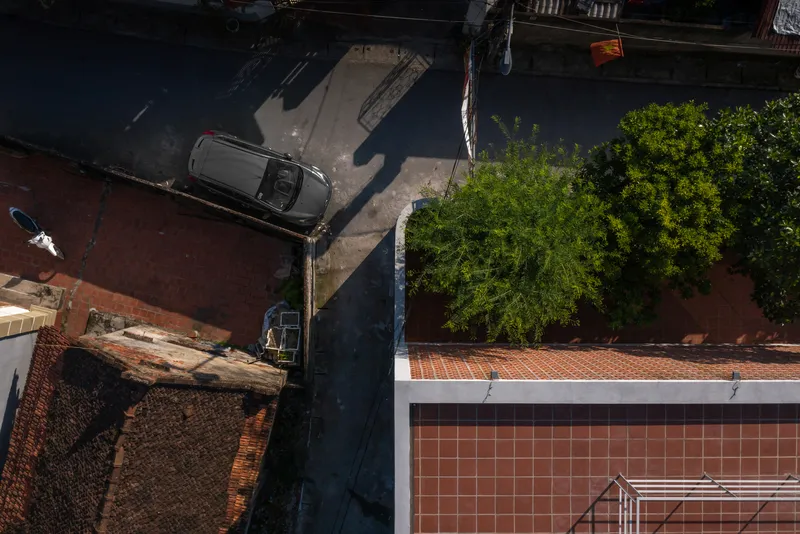
Located in Vĩnh Tường, Vietnam, The Grand House addresses the emotional and practical needs of a multi-generational family. This 200 m² structure, completed in 2022, embodies the seamless integration of modern architecture with cultural traditions. The lead architect, Tran Minh Phuoc, prioritized a harmonious balance between openness and privacy to create a space that feels both contemporary and familiar.

Key Features of The Grand House
1. Central Courtyard: The Heart of the Home
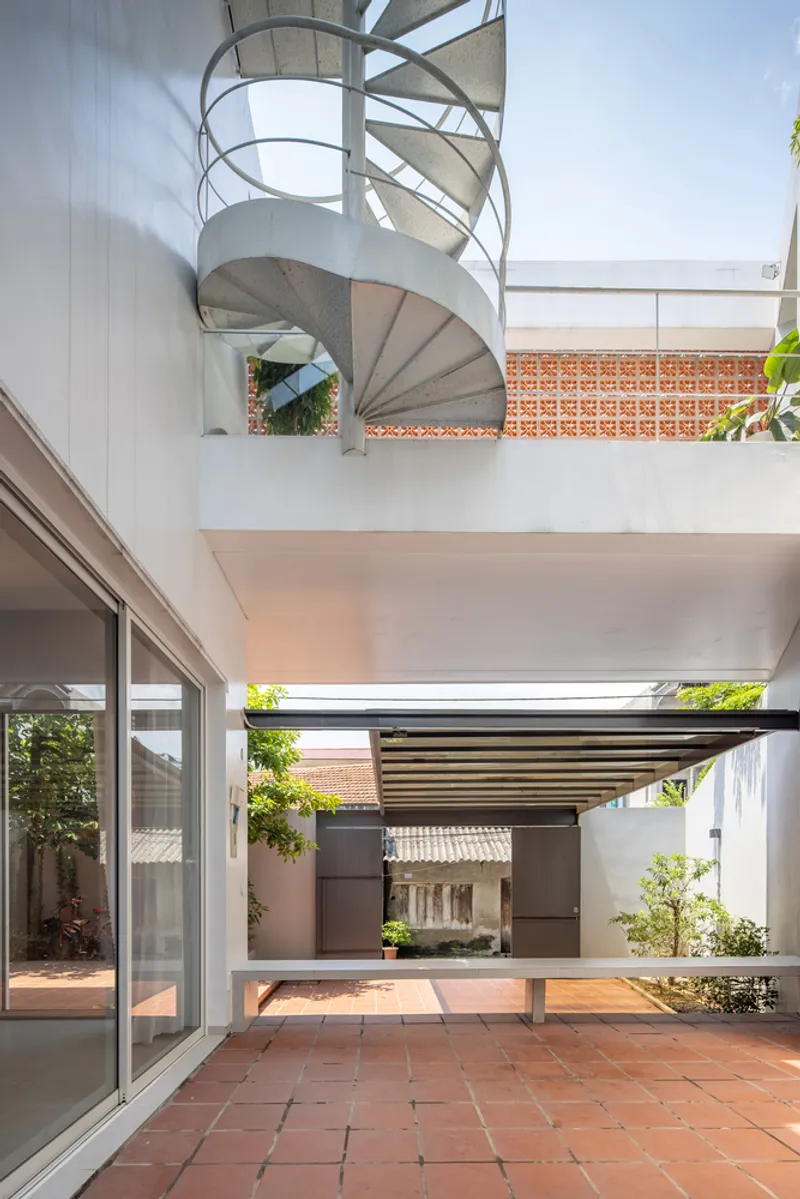
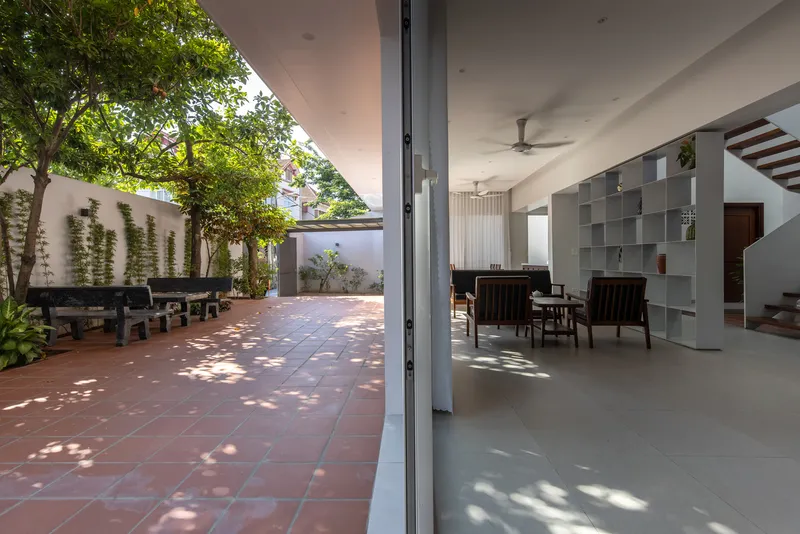
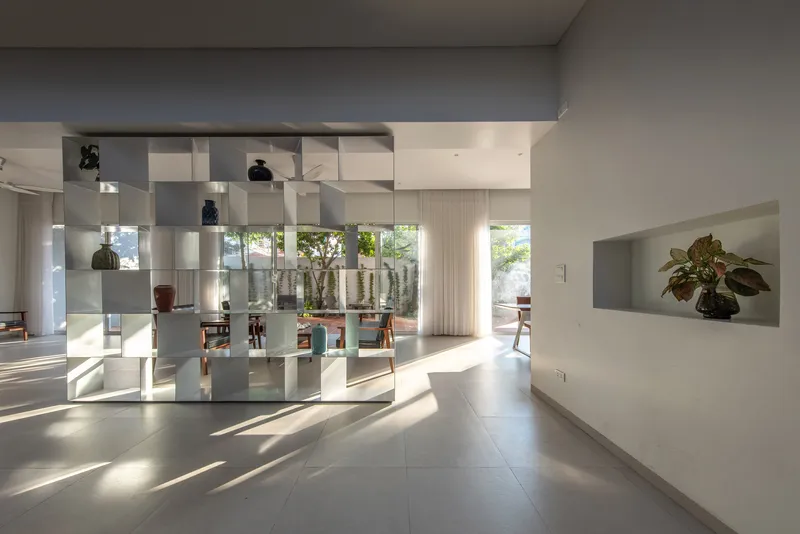
A defining feature of The Grand House is its central courtyard, which connects indoor and outdoor spaces. This versatile area serves multiple purposes:
- Daily Use: A reception area for guests and family gatherings.
- Festive Celebrations: During events like Lunar New Year, the courtyard transforms into an expansive communal space for traditions such as making Chung cakes.
2. Double-Layered Structure for Climate Adaptation
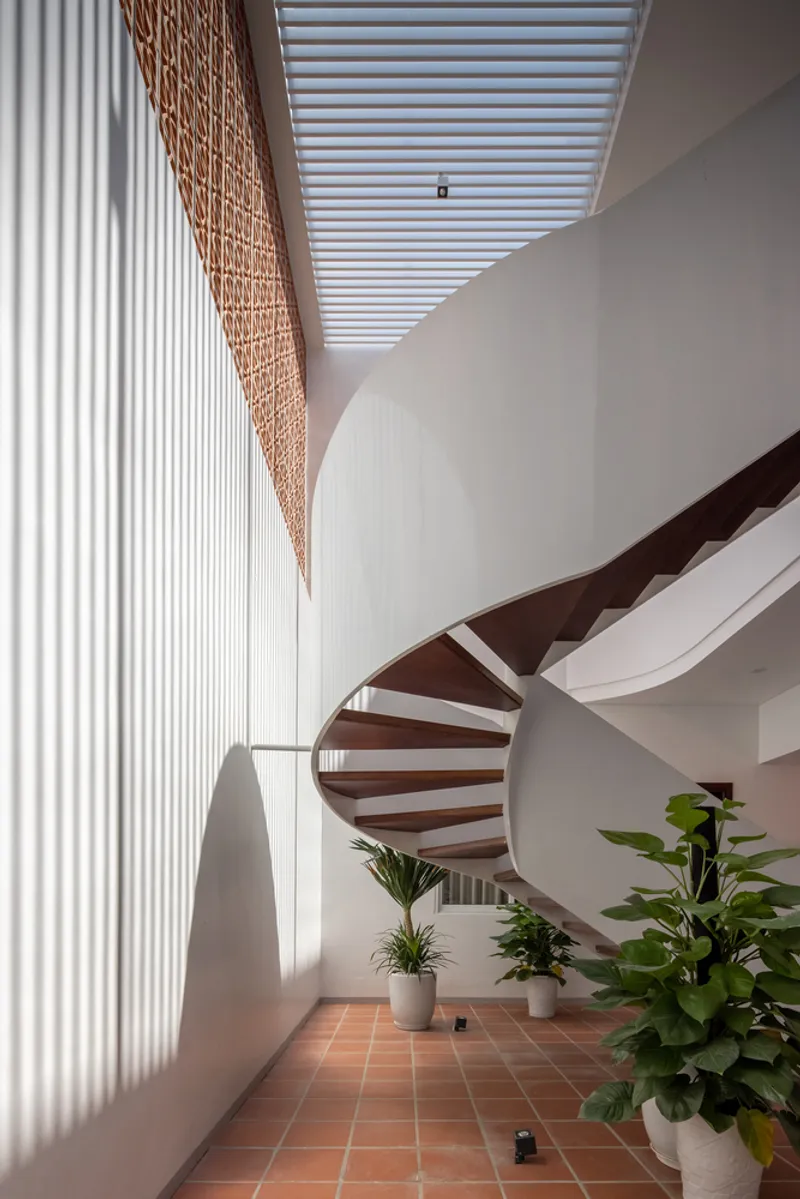
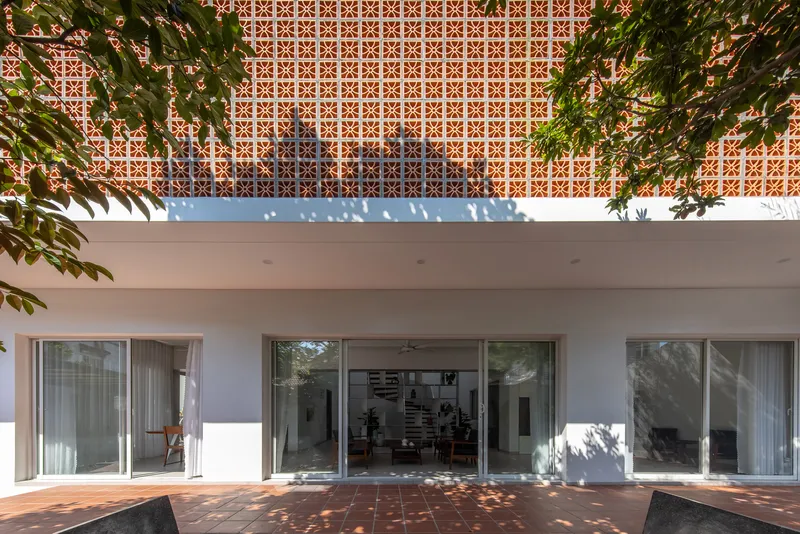
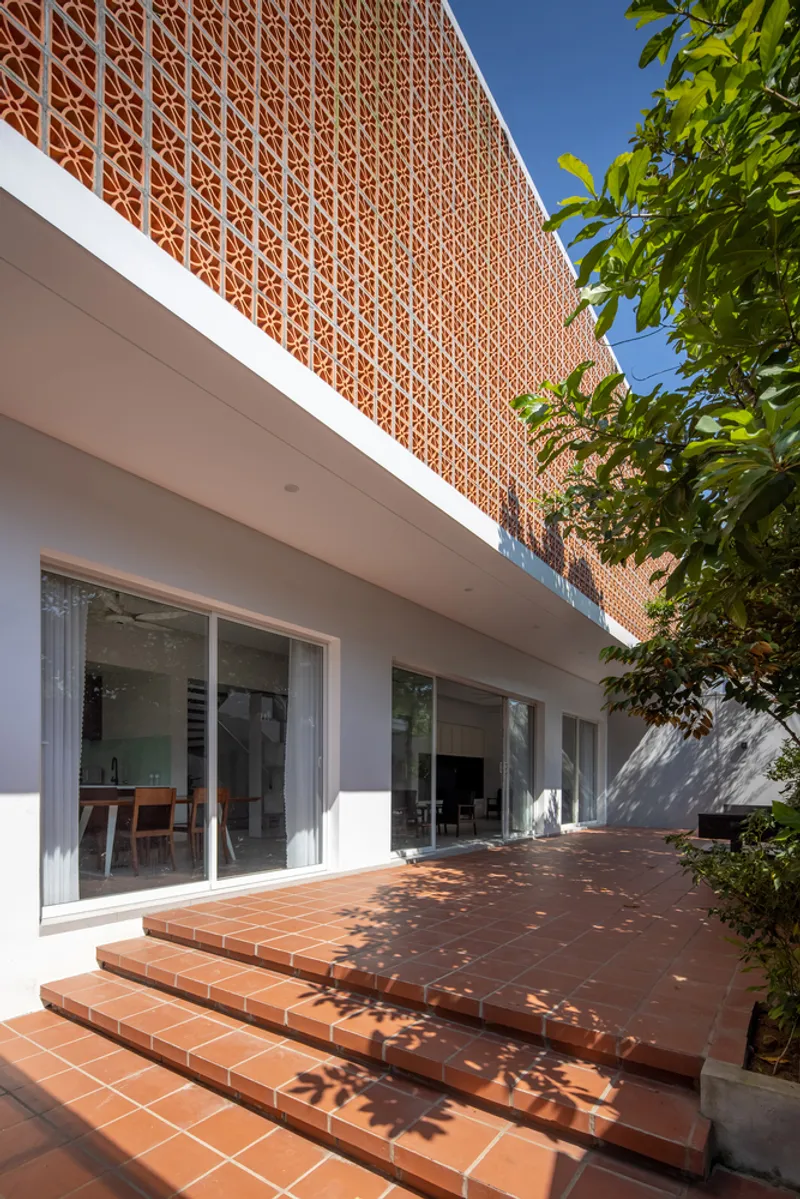
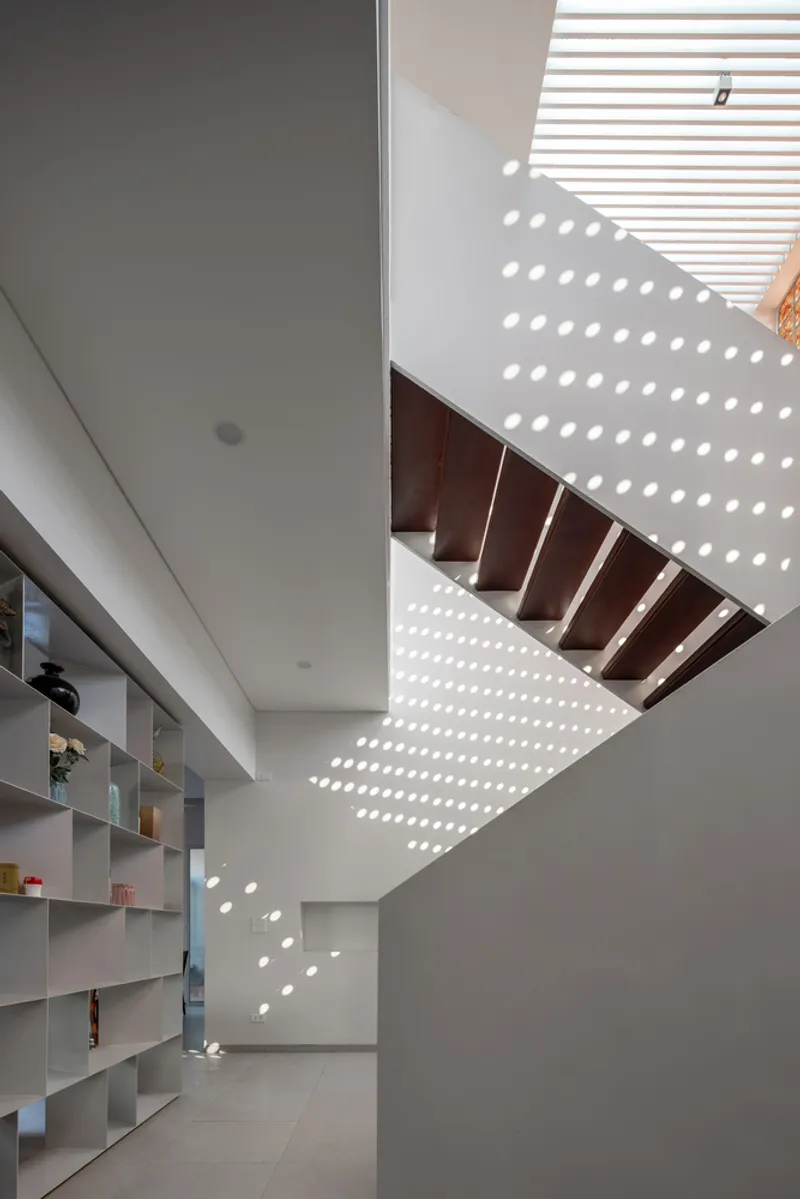
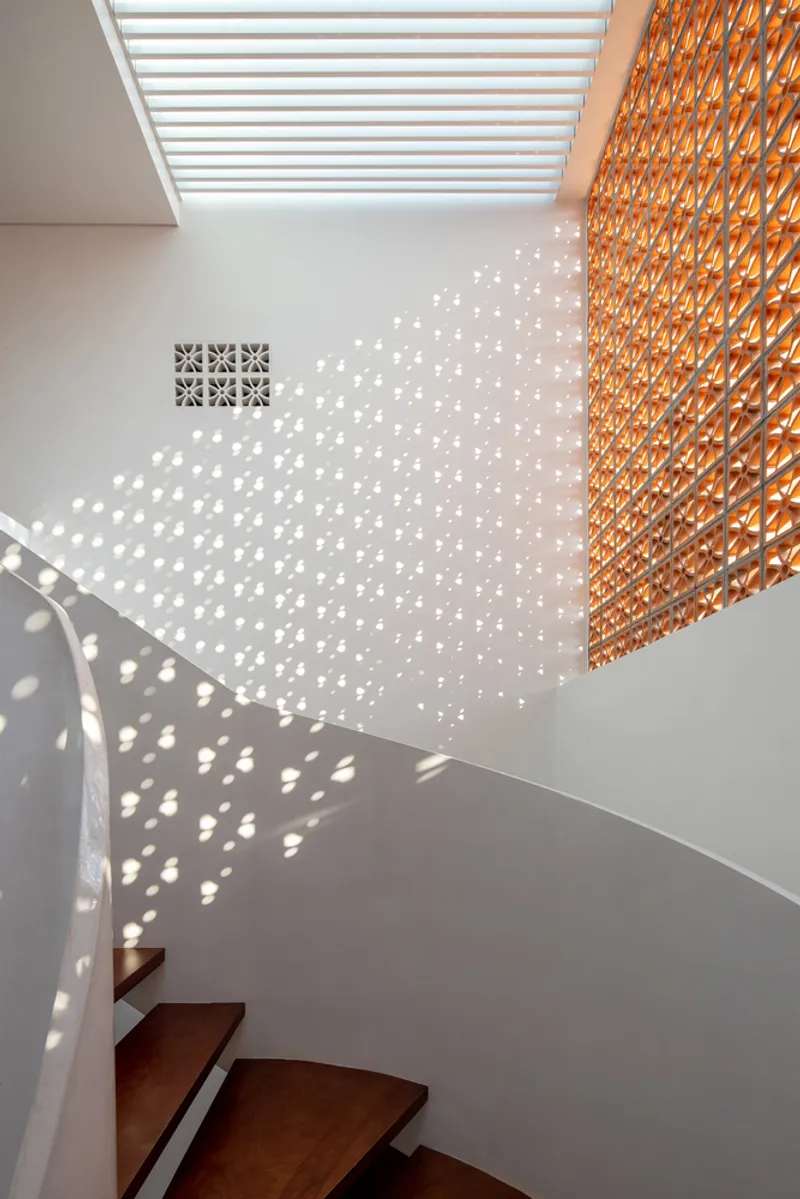
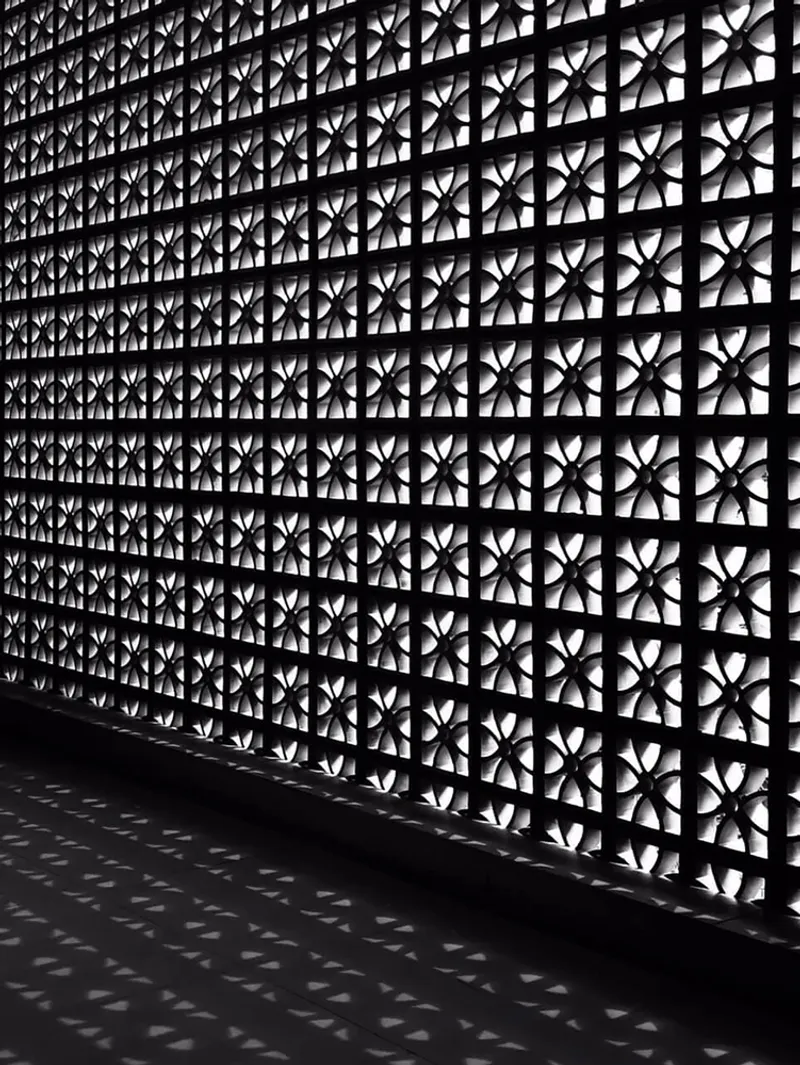
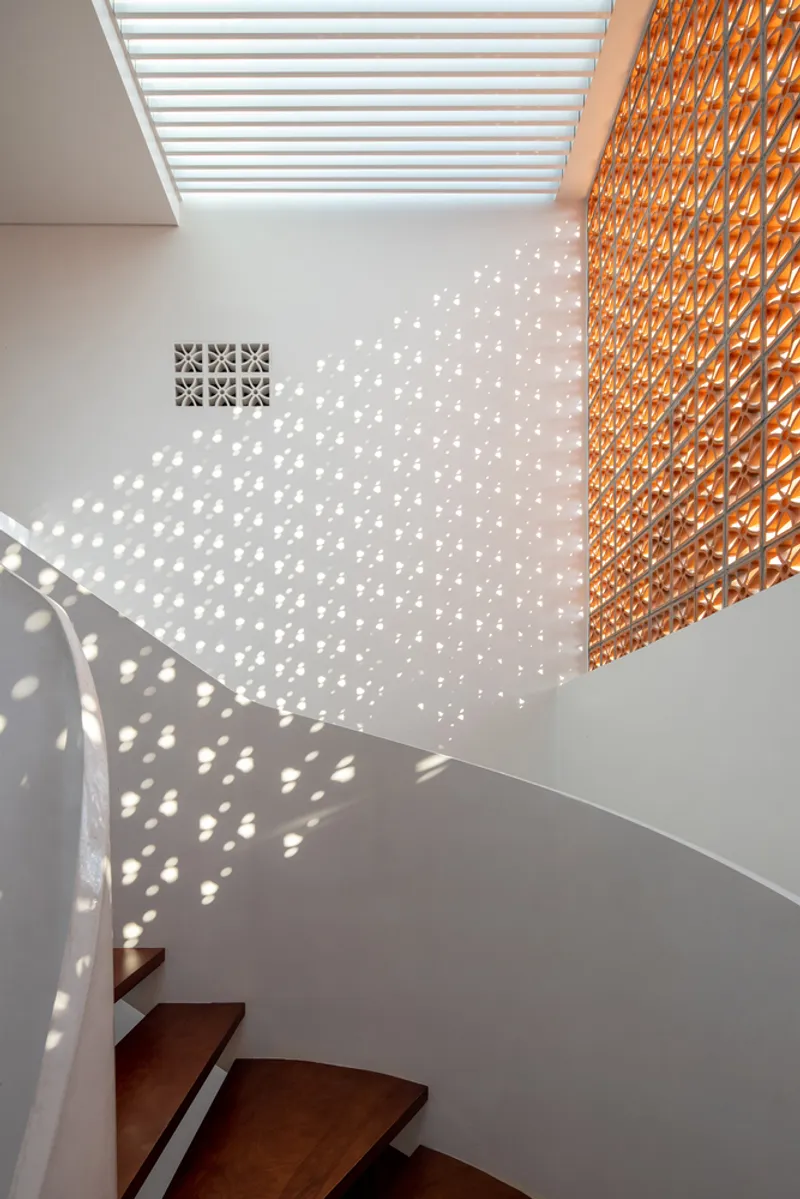
To address Vietnam's tropical climate, the house employs a double-layer structure with large sunshade panels. These panels provide effective shading, particularly on the west-facing façade, while harmonizing with the surrounding landscape.
3. Spaces Designed for Privacy and Togetherness
The Grand House skillfully balances shared and private spaces:
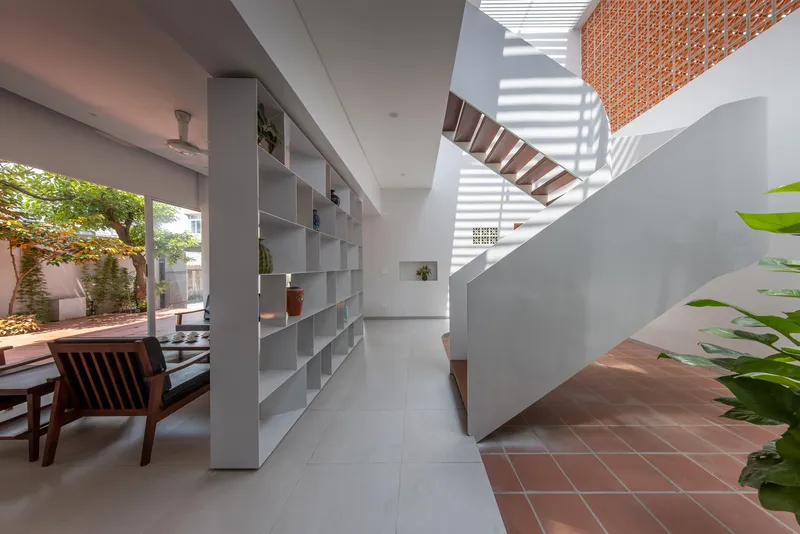
- A central staircase creates a focal point, doubling as a playful area for children.
- Upstairs, a worship space preserves ancestral traditions, flanked by bedrooms for family members returning home.
4. Modern Materials with a Timeless Appeal
The use of white-toned ceramic tiles and locally inspired materials ensures that the house feels contemporary yet rooted in its environment. The simple, durable finishes withstand harsh weather conditions while blending seamlessly with the surroundings.
The Philosophy of Multi-Generational House Design
The Grand House is more than just a residence—it is a living testament to the harmony between tradition and modernity. By incorporating familiar spaces like verandas and courtyards into a minimalist design, the architects honor cultural roots while meeting the needs of today's families.
Why Multi-Generational Homes Are Trending
- Strengthening Family Bonds: Shared living spaces encourage meaningful interactions among family members.
- Cost Efficiency: Consolidating housing needs for multiple generations reduces overall expenses.
- Cultural Significance: For many families, staying connected to ancestral traditions is a source of pride and comfort.
Lessons from The Grand House
The success of The Grand House offers valuable insights for architects and homeowners:
- Prioritize Flexibility: Spaces should serve multiple purposes, adapting to both daily life and special occasions.
- Respect Tradition: Incorporating cultural elements into modern designs fosters a sense of belonging.
- Consider Sustainability: Climate-responsive features like sunshades and durable materials ensure long-term comfort and efficiency.
Multi-generational house design is a growing trend that celebrates the essence of family and heritage. Projects like The Grand House demonstrate how thoughtful architecture can bridge the gap between the past and the present, creating spaces that are both functional and meaningful.
Whether you're designing a home for your extended family or seeking inspiration for your next project, the principles of multi-generational living—flexibility, tradition, and sustainability—are timeless.
All Photographs are work ofHoang Le


Popular Articles
Popular articles from the community

Opera on the Sea: Driftwood Logic Shapes a Timber Opera House on Estonia's Coast
Trevor Orgill's opera house translates the entangled drift of floating timber into a civic building where wood, water, and music converge.
Faces of the Soviet Avant-Garde: Turning Moscow's Street Names into an Open-Air Museum
A network of sculptural installations across a Moscow residential district transforms forgotten architect names into spatial encounters with cultural memor
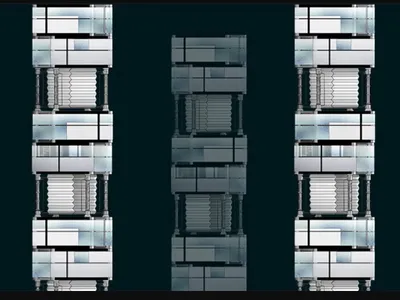
Tsunami Convergenics: Turning Catastrophic Ocean Forces into Underwater Housing Infrastructure
A speculative underwater settlement off the coast of Onagawa, Japan, treats tsunamis and typhoons as energy sources rather than threats.
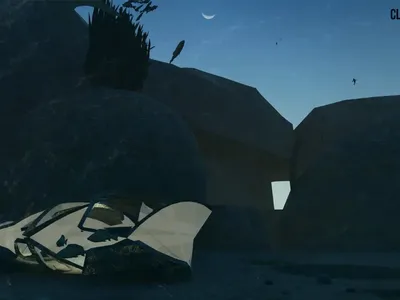
Cloaked Colonization: A Mobile Underwater Habitat That Moves Like a Fish
Micah Abaya's shortlisted EHC Pacific entry reimagines ocean settlement as a dispersed network of self-sustaining architectural organisms.

Similar Reads
You might also enjoy these articles

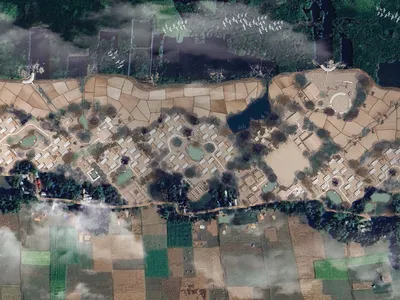
Hodi-Mandai Geram
Project Function: Preservation and revitalization of the Intangible heritage and socio-spatial identity of the Hodi by Housing, Cultural Memory Center, Sacred Grove, landscape, local tourism economy

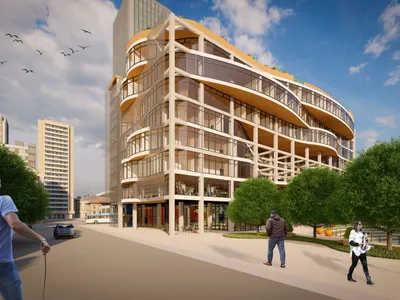
Olio Towers: A Mid-Rise for Performers That Fuses Housing, Rehearsal, and Stage
Located blocks from Houston's Theater District, this modular tower stacks living units around a central performance atrium.
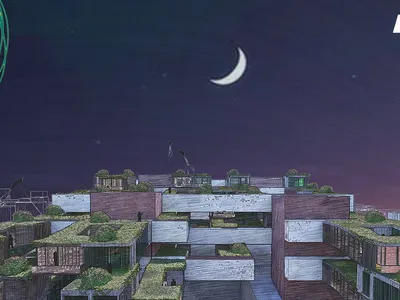
Oasis: Modular Green Housing Carved into Dhaka's Urban Fabric
A shortlisted Plugin Housing entry reclaims unauthorized settlements in Dhaka with stepped concrete volumes, green roofs, and ventilation-driven design.
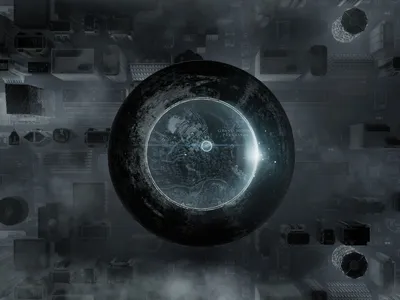
Black Hole: A Floating Megastructure for the Post-Physical Era
Emiliano Mazzarotto envisions a spherical, self-scaling arena where e-sports, digital hotels, and holographic stadiums replace traditional public space.

Explore Intergenerational Competitions
Discover active competitions in this discipline

Challenge to reimagine the Iron Throne

Photograph architecture without architects

Illustrate the lost glory of Angkor Wat - Render Challenge

Design challenge to reuse E-waste
Comments (0)
Please login or sign up to add comments
No comments yet. Be the first to comment!