

Multi-Tenant Building Architecture Design: A Deep Dive into LATTICE in Fukuoka by SAKO Architects
Exploring the innovative design of LATTICE in Fukuoka, a multi-tenant building by SAKO Architects.


Multi-Tenant Building Architecture Design
In the heart of Fukuoka, Japan, the LATTICE multi-tenant building emerges as a beacon of innovative architecture. Designed by the renowned SAKO Architects, this structure is a prime example of how multi-tenant building architecture design can blend functionality with aesthetic appeal. Spanning an area of 666 m² and completed in 2022, the building showcases a unique approach to urban architectural challenges.

Architectural Vision and Design Strategy
The Conceptual Framework
The LATTICE building is strategically located just a three-minute walk from the nearest subway station, nestled among a row of residential buildings. This placement is intentional, designed to integrate seamlessly into the urban fabric while standing out as a modern landmark.


Innovative Use of Space
SAKO Architects approached the design with the neighboring residential building in mind, ensuring the north elevation would become a dynamic "scenery" for decades. The solution? A 20-meter-long fair-faced reinforced concrete (RC) wall, ingeniously divided into 875-mm squares to scale down the elevation and alleviate any oppressive feelings.

Unique Formwork and Texture
The architectural texture is varied through the use of three different types of formwork: vertical stripes, horizontal stripes, and undulate patterns. This technique not only adds visual interest but also encourages the facade to evolve over time, with the checkered pattern becoming more pronounced as the surface ages.


Architectural Details and Features
Grounding and Openness
Occupied by medical tenants, the second and third floors prioritize grounding over openness. The placement of the staircase on the facade, shielded by 8mm square aluminum, mirrors the exterior tiles of adjacent buildings, fostering continuity. This thoughtful detail is anticipated to be enveloped by ivy in the future, transforming the staircase into a verdant facade.

Sustainable Design Elements
The LATTICE building's design incorporates elements that allow it to blend with its surroundings while standing as a testament to sustainable architecture. The anticipated greenery covering the staircase not only enhances the building's aesthetic but also contributes to its ecological footprint.


A Model for Future Multi-Tenant Buildings
The LATTICE in Fukuoka by SAKO Architects exemplifies the potential of multi-tenant building architecture design to create structures that are both functional and visually striking. Through innovative design strategies and a keen attention to detail, this building sets a new standard for multi-tenant architecture, proving that practicality and beauty can coexist in urban environments.
As we continue to explore the boundaries of architectural design, the LATTICE building serves as a source of inspiration for architects and designers worldwide, encouraging a thoughtful approach to urban development and the creation of spaces that positively impact their communities and the environment.


All photographs are work of Yousuke Harigane


Popular Articles
Popular articles from the community

Cloaked Colonization: A Mobile Underwater Habitat That Moves Like a Fish
Micah Abaya's shortlisted EHC Pacific entry reimagines ocean settlement as a dispersed network of self-sustaining architectural organisms.
Faces of the Soviet Avant-Garde: Turning Moscow's Street Names into an Open-Air Museum
A network of sculptural installations across a Moscow residential district transforms forgotten architect names into spatial encounters with cultural memor
Opera by the Sea Estonia: Three Shells Dissolving Architecture into Tallinn's Coastline
A winning opera house proposal replaces monumental form with interconnected shells that blur the boundary between building, park and Baltic Sea.
Extended Shell: Retrofitting Kolkata's Balconies as Living Urban Thresholds
A modular retrofit system recovers the social and environmental intelligence of Kolkata's historic verandas for contemporary Park Street residents.

Similar Reads
You might also enjoy these articles

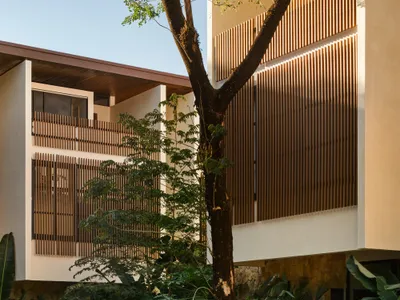
FAMM Arquitectura Organizes Ten Villas Around Courtyards and Jungle in Nosara, Costa Rica
El Molino pairs two elongated volumes with deep overhangs and timber louvers to build a compact coastal community five minutes from the beach.
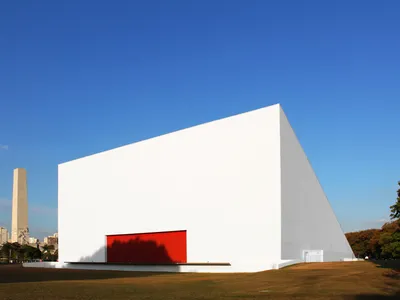
Oscar Niemeyer's Ibirapuera Park Pavilions Define São Paulo's Cultural Identity in Concrete and Curve
A constellation of modernist volumes set within São Paulo's most important urban park, conceived for the city's 400th anniversary in 1954.
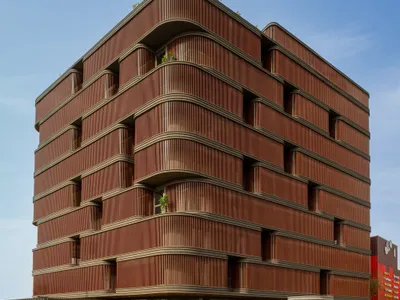
Sanjay Puri Architects Wraps a Jaipur Office Tower in Capsule-Shaped Green Buffers
A nine-level climate-responsive workplace near Jaipur Airport uses stacked planter terraces and aluminium screens to fight 40°C heat.
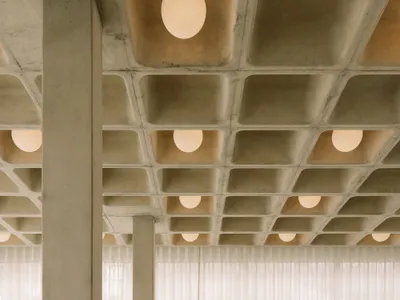
RHO Converts a Berlin Spree-Side Industrial Courtyard into Enkime's 1,000 m² Agency Headquarters
A social media agency's new home in Charlottenburg trades glossy branding for concrete waffle ceilings, glazed tile, and sheer curtains.

Comments (0)
Please login or sign up to add comments
No comments yet. Be the first to comment!