
New York State Equal Rights Heritage Center: Celebrating History and Social Progress
The New York State Equal Rights Heritage Center in Auburn celebrates social justice history with interactive exhibits, brick architecture, and community-focused design.


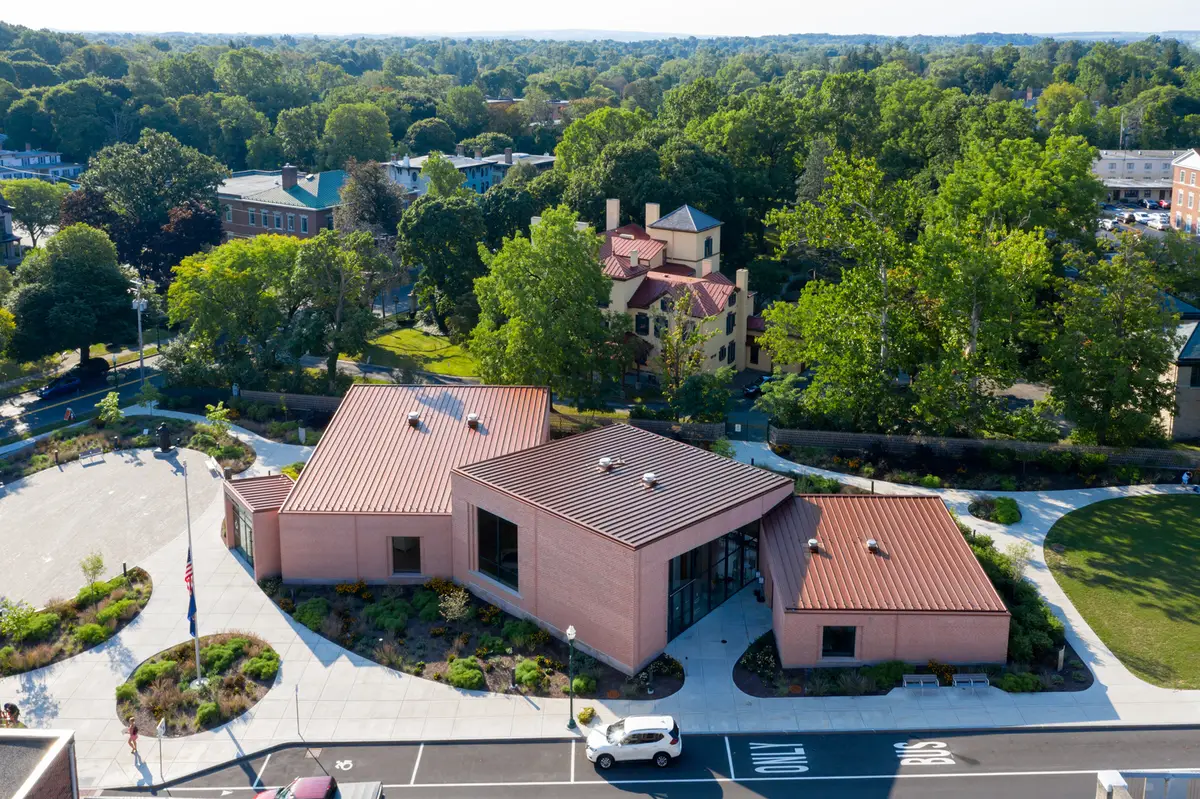
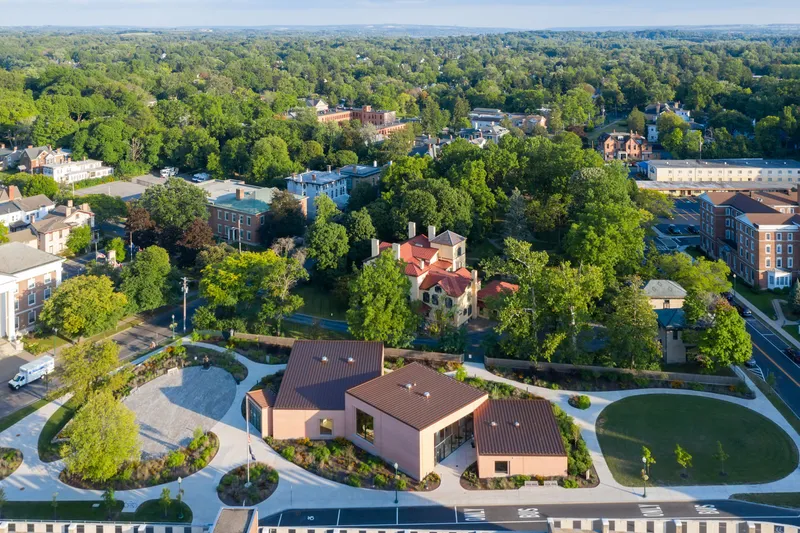
The New York State Equal Rights Heritage Center, designed by nArchitects, stands as a landmark of historical recognition and social advocacy in Auburn, New York. Completed in 2018, this 7,500-square-foot cultural center serves as a hub for education, remembrance, and community engagement, celebrating New York State’s rich history of promoting social justice, equal rights, and progressive reform.
A Tribute to Social Justice and Equality
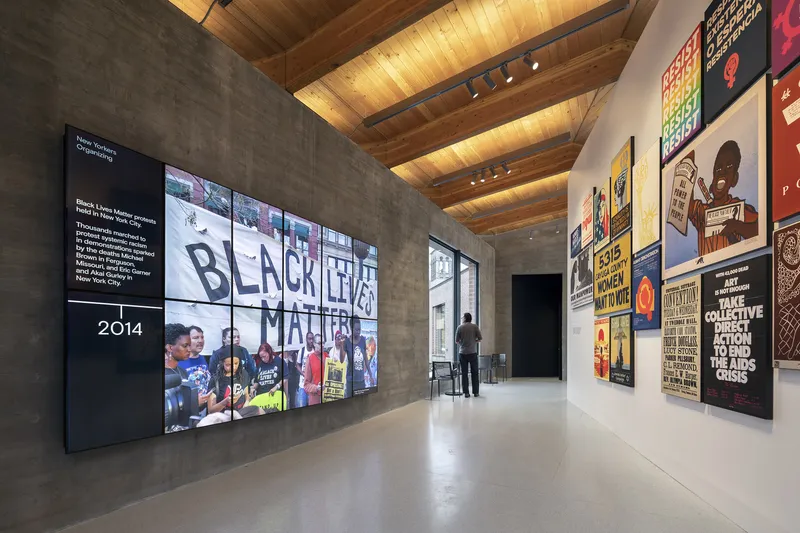
Commissioned by the City of Auburn and the New York State Office of Parks, Recreation and Historic Preservation, the Heritage Center is dedicated to highlighting pivotal moments in the state’s history. Its permanent exhibitions focus on key social movements, including abolition, the Underground Railroad, women’s suffrage, and LGBTQ+ rights. The Center encourages visitors to explore the broader context of equal rights, linking Auburn’s heritage with other significant historical sites across New York State.
According to Rose Harvey, Commissioner of the New York State Office of Parks, Recreation and Historic Preservation, “The Equal Rights Heritage Center exemplifies New York State’s commitment to educating the public, honoring trailblazers, and inspiring future generations to champion equality and justice.”
Thoughtful Architectural Design
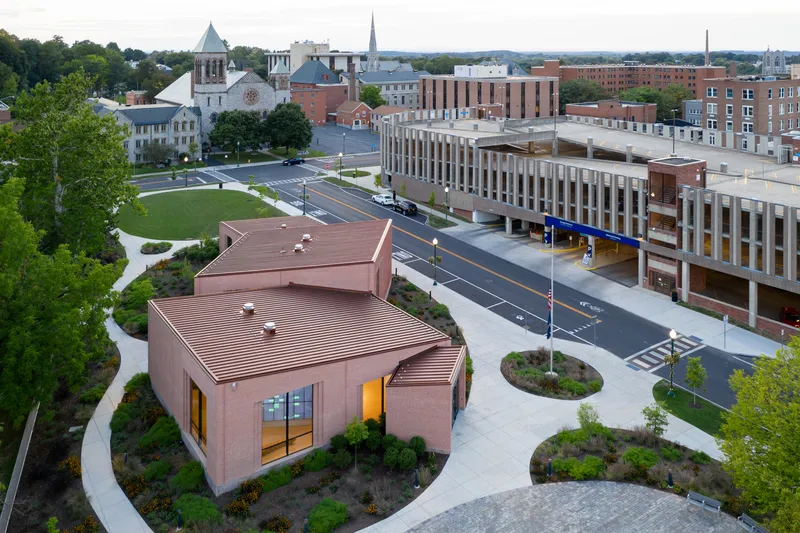
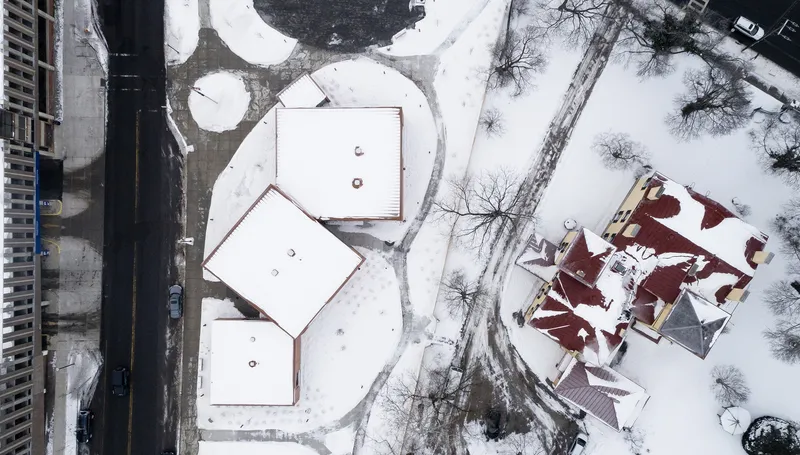
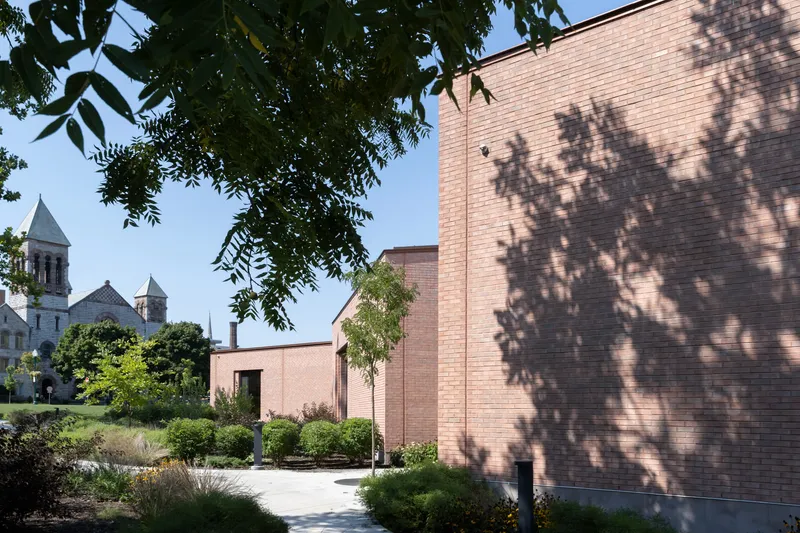
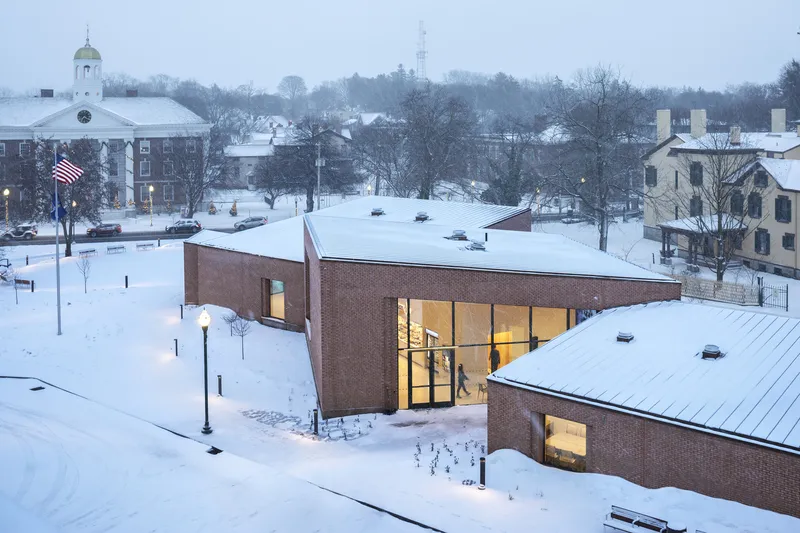
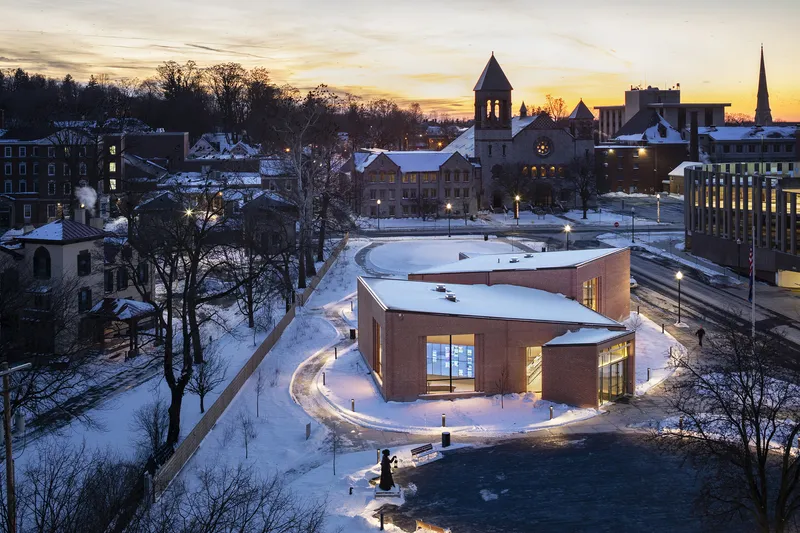
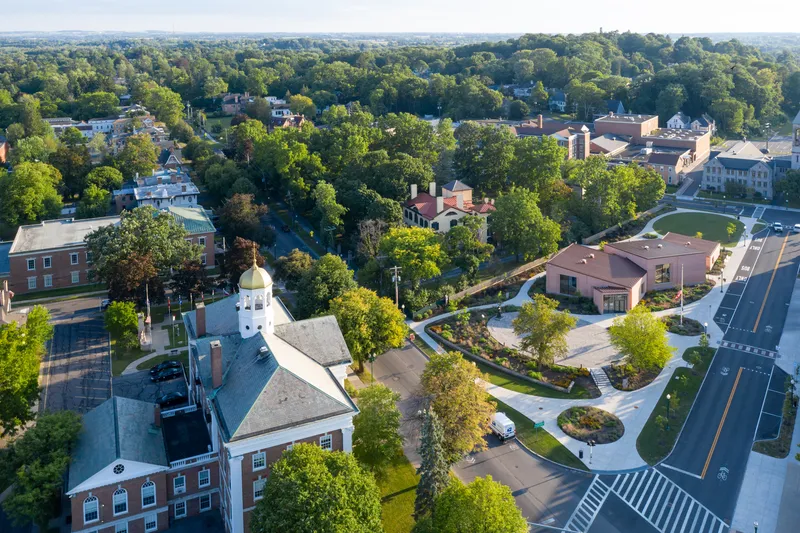
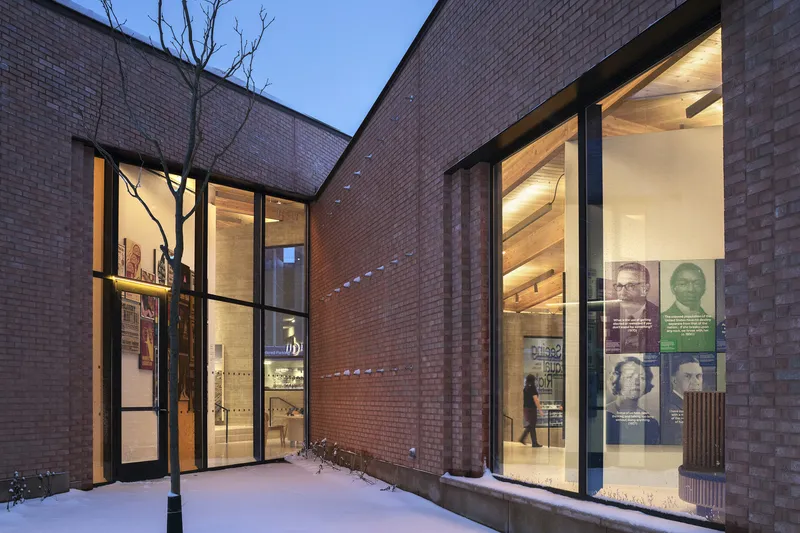
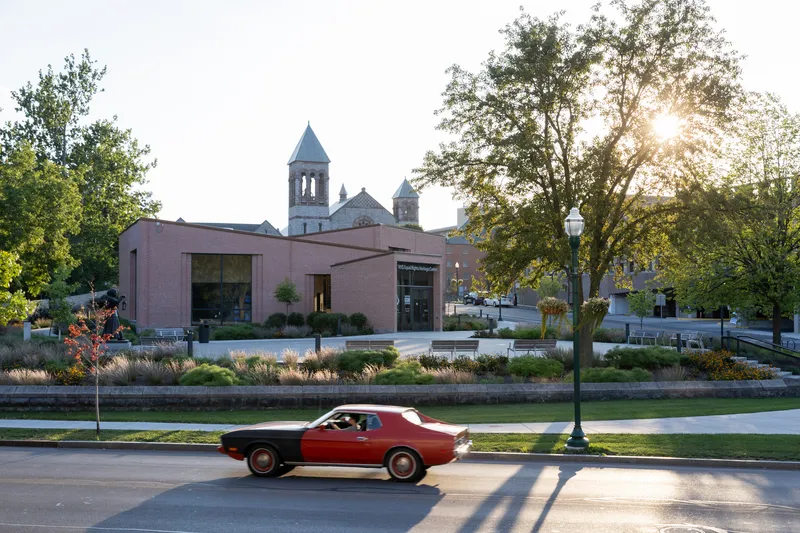
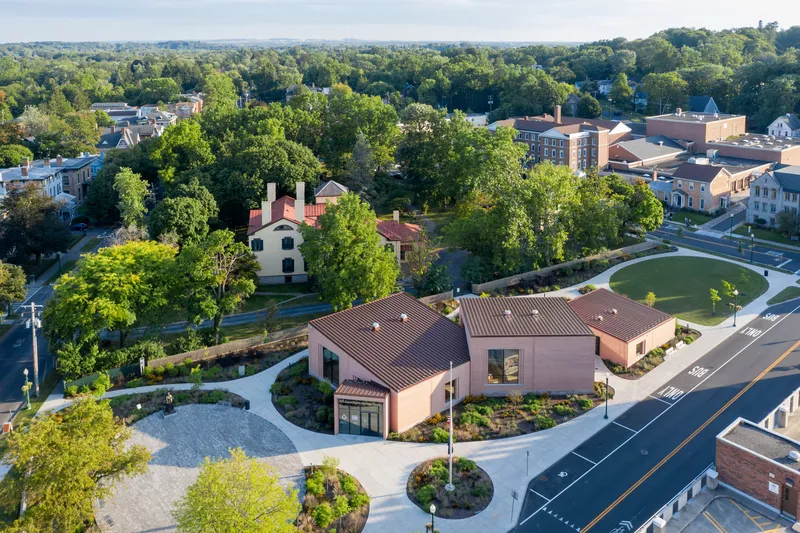
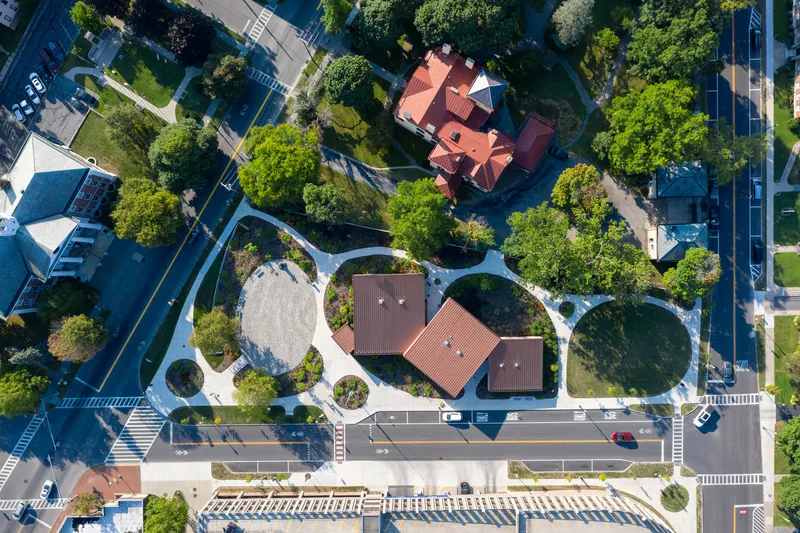
nArchitects approached the design with a focus on blending contemporary architecture with Auburn’s historic urban fabric. The one-story building features angled brick volumes and large, proportioned glazing that echoes adjacent rooflines, integrating seamlessly with nearby landmarks such as the Seward House Museum, Memorial City Hall, and Westminster Church. The interplay of brickwork, rotated volumes, and framed views creates dynamic connections between the built environment and the surrounding landscape.
The building also balances its civic and cultural functions with community accessibility, housing a Taste NY store, public restrooms, and offices for both the Auburn Historic & Cultural Sites Commission and the local Business Improvement District.
Interactive Exhibitions and Visitor Engagement
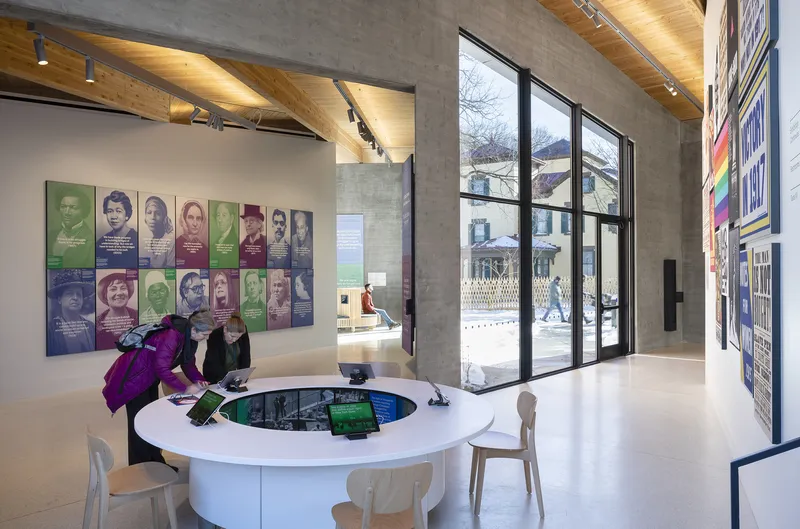
Collaboration with MTWTF brought the Center’s exhibitions to life through immersive, interactive elements. Highlights include:
- The Social Justice Table: A circular video display showcasing legislative milestones in social progress.
- Animated maps and video timelines: Engaging storytelling methods for visitors to understand historical movements.
- Interactive games, portraits, speeches, and political posters: Bringing history to life for diverse audiences.
These features make the Heritage Center both an educational destination and a participatory experience, bridging history with contemporary social consciousness.
Materiality and Detailing
The Center’s material palette emphasizes durability, elegance, and local craftsmanship. Key materials include Terrazzo Flooring by Terroxy Resin Systems, Bobrick Washroom Equipment, Corian and Formica surfaces, and Glen-Gery brickwork, ensuring a timeless aesthetic that honors Auburn’s historical context while offering modern functionality.
Lighting design by Lumen Architecture and engineering by Silman (structural) and OLA Consulting Engineers (MEP) contribute to a thoughtful, sustainable, and welcoming environment for visitors.
A Cultural Landmark in Auburn
By connecting architectural design with historic storytelling, the New York State Equal Rights Heritage Center exemplifies how cultural spaces can educate, inspire, and celebrate community heritage. Visitors leave not only with a deeper understanding of New York State’s social justice legacy but also with an appreciation for the thoughtful integration of history, architecture, and public engagement.
All photographs are works of
James Ewing


Popular Articles
Popular articles from the community


LT2A and OPEN Architectes Thread a Brick and Glass High School Through a Wooded Belgian Campus
In Braine-l'Alleud, a 3,000 m² wing for Collège Cardinal Mercier pairs pale brick with a glazed colonnade, deferring to a small chapel and a dense wood.

Architekt Andreas Gruber Scatters 23 Dark Timber Chalets Across a South Tyrolean Forest Edge
In Molini di Tures, Amonti Chalets breaks a resort into a hamlet of gabled timber houses, with parking, storage and services pushed into the slope.

David Macias Steps a Doorless Stone and Plaster House Down a Tropical Colombian Hillside
In the humid hills of Colombia, Threshold House replaces the front door with an open void and terraces its 850 m² down the slope instead of fighting it.

U.GA Architects Wraps an Oval Rooftop Pool in Curved Board-Formed Concrete on Busan's Jeollidan-gil
In Busan's Jeonpo-dong, a 454 m² mixed-use block stacks a neighborhood facility, guest rooms and an oval rooftop pool inside spiraling concrete walls.

Similar Reads
You might also enjoy these articles

Gil Mello Arquitetura Tilts a Single Roof Toward the Waterfalls on a Plateau Above Aiuruoca, Brazil
In Aiuruoca, Minas Gerais, a 200 m² house of local labor and reclaimed poles pairs a low valley veranda with a tall mountain one.
U.GA Architects Wraps an Oval Rooftop Pool in Curved Board-Formed Concrete on Busan's Jeollidan-gil
In Busan's Jeonpo-dong, a 454 m² mixed-use block stacks a neighborhood facility, guest rooms and an oval rooftop pool inside spiraling concrete walls.

Felipe Hess Arquitetos Turns a Blind Stone Wall to the Street and Opens a Brazilian House onto a Courtyard and Canal
A canal-front house in Brazil hides behind painted stone and planting, then opens to an olive-tree courtyard, a reed-ceilinged porch and a curving pool.
David Macias Steps a Doorless Stone and Plaster House Down a Tropical Colombian Hillside
In the humid hills of Colombia, Threshold House replaces the front door with an open void and terraces its 850 m² down the slope instead of fighting it.

Explore Cultural Architecture Competitions
Discover active competitions in this discipline

Challenge to reimagine the Iron Throne

Photograph architecture without architects

Illustrate the lost glory of Angkor Wat - Render Challenge

Bring back Drive In's
Comments (0)
Please login or sign up to add comments
No comments yet. Be the first to comment!