

Powerhouse Castle Hill: A Benchmark in Museum Architecture Design
The article explores the innovative design and multifunctional aspects of Powerhouse Castle Hill, a museum facility by Lahznimmo Architects.


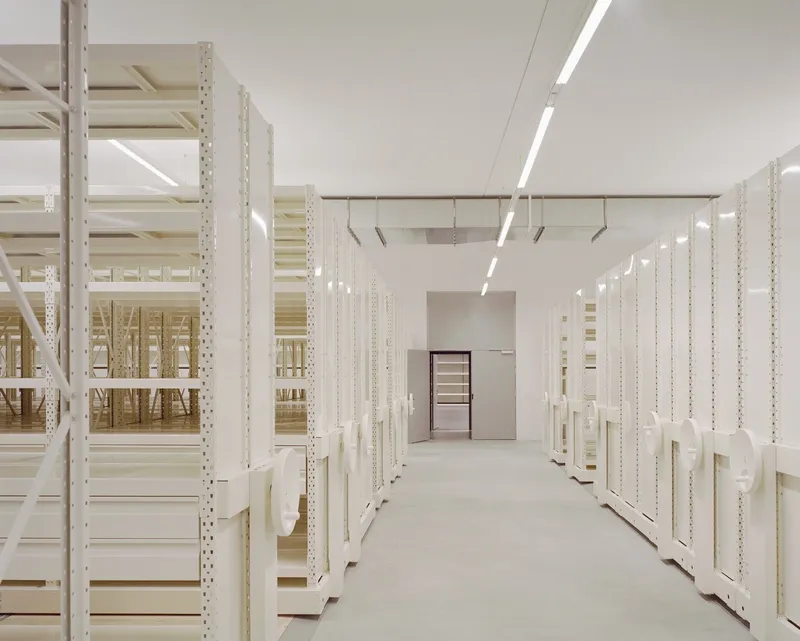
In the evolving landscape of museum design, the Powerhouse Castle Hill project stands as a hallmark of innovative architectural strategy, executed by Lahznimmo Architects. This new facility in Castle Hill, Australia, not only serves as a cutting-edge storage and research hub for the Powerhouse Collection but also offers flexible spaces for public engagement and education. It is a prime example of modern museum architecture design, integrating functionality with public accessibility and architectural aesthetics.


The Design and Architecture of Powerhouse Castle Hill
Concept and Planning
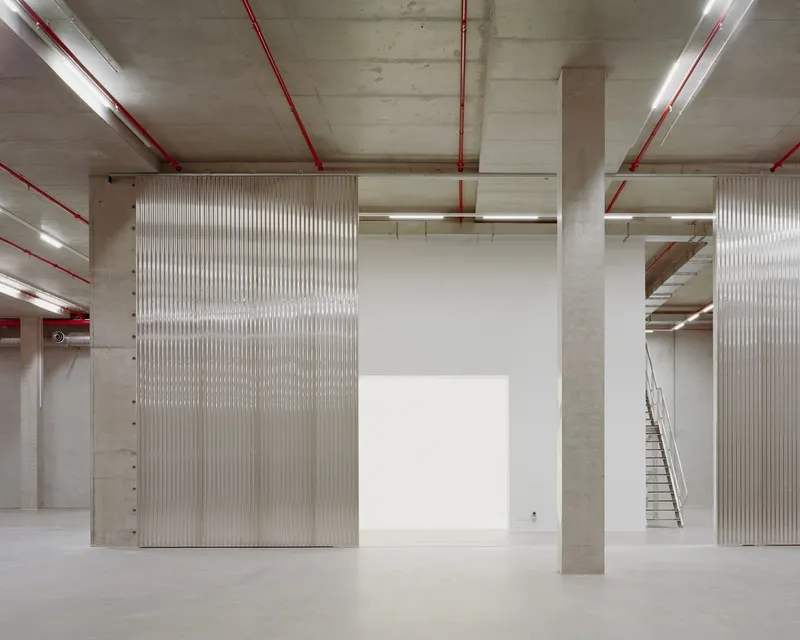
The Powerhouse Castle Hill is conceived as more than just a storage facility; it's a multifaceted educational space that reflects the dynamic nature of museum collections and their role within the community. The architects, Lahznimmo Architects, were tasked with creating a building that could accommodate a variety of functions – from conservation laboratories and archives to public program areas and exhibition spaces.


Architectural Features
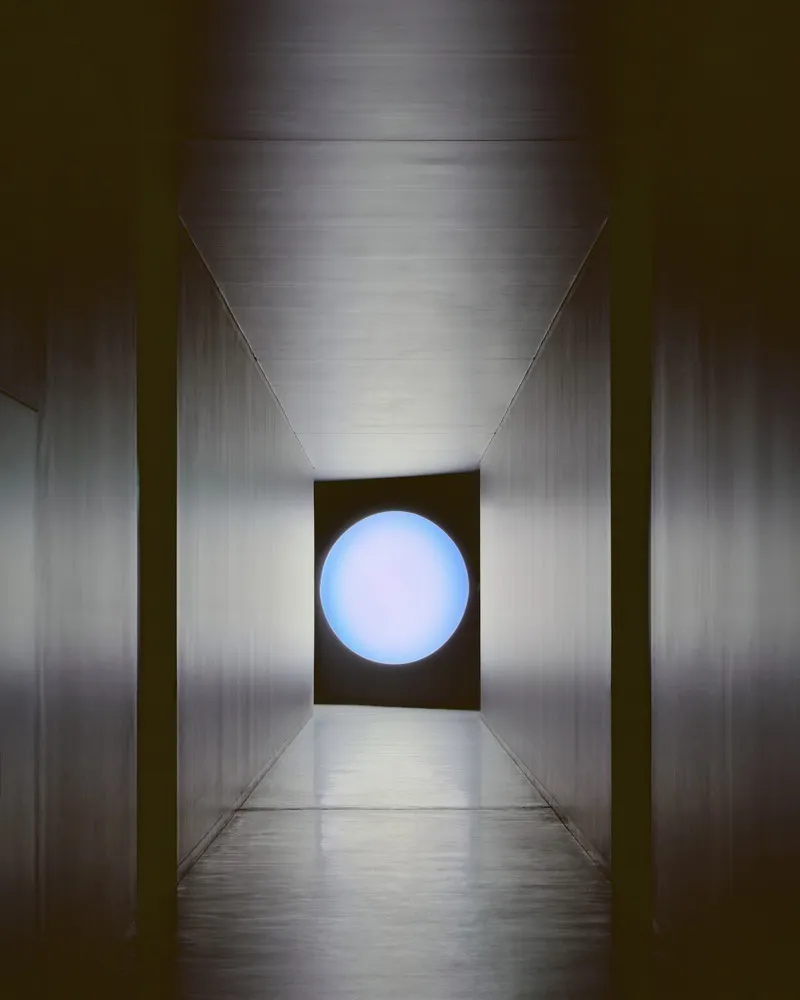
The design of the building is a thoughtful response to its context and the needs of its users. It spans 9,000 square meters and aligns north-south to complement the existing site layout. A significant feature is the division between the storage facilities and the public areas, facilitated by an east-west accessway. This not only enhances the functionality of the space but also encourages public movement throughout the site.
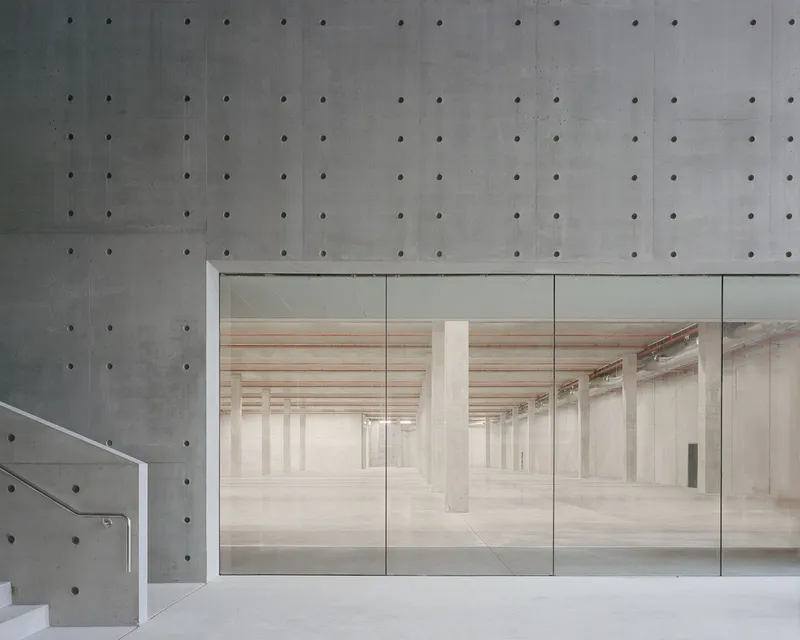
The exterior of Powerhouse Castle Hill is characterized by its minimalist aesthetic, utilizing materials such as mill finish aluminium and off-form concrete. These choices reflect the building’s utilitarian purpose while harmonizing with its industrial surroundings. The corrugated aluminum skin, a nod to the traditional industrial shed, combines durability with a distinctive visual identity.

Sustainable Practices and Energy Efficiency
Sustainability is a core element of the design. The building incorporates a 100 kW roof-mounted photovoltaic system and utilizes rainwater for greywater purposes. These features, along with the careful choice of materials and the building's thermal design, highlight Lahznimmo Architects' commitment to environmentally responsible design.


The Role of Powerhouse Castle Hill in Museum Architecture Design
Powerhouse Castle Hill redefines the concept of a museum storage facility. By integrating public spaces and educational facilities, it challenges the traditional notion that museum archives should be hidden from public view. The transparent approach to the storage and conservation areas invites the public to engage directly with the museum’s work, fostering a deeper connection between the institution and its audience.
The Powerhouse Castle Hill by Lahznimmo Architects represents a significant advancement in museum architecture design. It exemplifies how modern architecture can support the evolving role of museums in society, providing spaces not just for preservation, but also for education and public engagement. As such, Powerhouse Castle Hill sets a new standard for museum design, one that prioritizes transparency, sustainability, and community involvement.

All photographs are work of Rory Gardiner


Popular Articles
Popular articles from the community


U.GA Architects Wraps an Oval Rooftop Pool in Curved Board-Formed Concrete on Busan's Jeollidan-gil
In Busan's Jeonpo-dong, a 454 m² mixed-use block stacks a neighborhood facility, guest rooms and an oval rooftop pool inside spiraling concrete walls.

GROUP A Strips a 1969 Rotterdam Harbor Headquarters to Its Frame and Wraps It in Timber Louvers
In Rotterdam's M4H harbor district, Ferro Offices reuses a 1969 frame, adds one timber storey and reaches BREEAM-NL Outstanding.

Architekt Andreas Gruber Scatters 23 Dark Timber Chalets Across a South Tyrolean Forest Edge
In Molini di Tures, Amonti Chalets breaks a resort into a hamlet of gabled timber houses, with parking, storage and services pushed into the slope.

Juan García Correa, John González and Claudia Rueda Sink a Circular Amphitheater into a Manizales Engineering Building
On the La Nubia campus in Manizales, Colombia, the S1 Building folds labs and offices into a hillside of ramped lawns that double as a campus route.

Similar Reads
You might also enjoy these articles

Gil Mello Arquitetura Tilts a Single Roof Toward the Waterfalls on a Plateau Above Aiuruoca, Brazil
In Aiuruoca, Minas Gerais, a 200 m² house of local labor and reclaimed poles pairs a low valley veranda with a tall mountain one.
U.GA Architects Wraps an Oval Rooftop Pool in Curved Board-Formed Concrete on Busan's Jeollidan-gil
In Busan's Jeonpo-dong, a 454 m² mixed-use block stacks a neighborhood facility, guest rooms and an oval rooftop pool inside spiraling concrete walls.

Felipe Hess Arquitetos Turns a Blind Stone Wall to the Street and Opens a Brazilian House onto a Courtyard and Canal
A canal-front house in Brazil hides behind painted stone and planting, then opens to an olive-tree courtyard, a reed-ceilinged porch and a curving pool.

David Macias Steps a Doorless Stone and Plaster House Down a Tropical Colombian Hillside
In the humid hills of Colombia, Threshold House replaces the front door with an open void and terraces its 850 m² down the slope instead of fighting it.

Explore Exhibition Design Competitions
Discover active competitions in this discipline

Challenge to reimagine the Iron Throne

Photograph architecture without architects

VR headsets Storefront design competition

Illustrate the lost glory of Angkor Wat - Render Challenge
Comments (0)
Please login or sign up to add comments
No comments yet. Be the first to comment!