
Retail, Auxiliary, and Dining (RAD) Center at the University of Houston: A Landmark in Mass Timber University Architecture
This article explores the RAD Center at the University of Houston, a groundbreaking example of mass timber university architecture and sustainability.


Introduction to the RAD Center
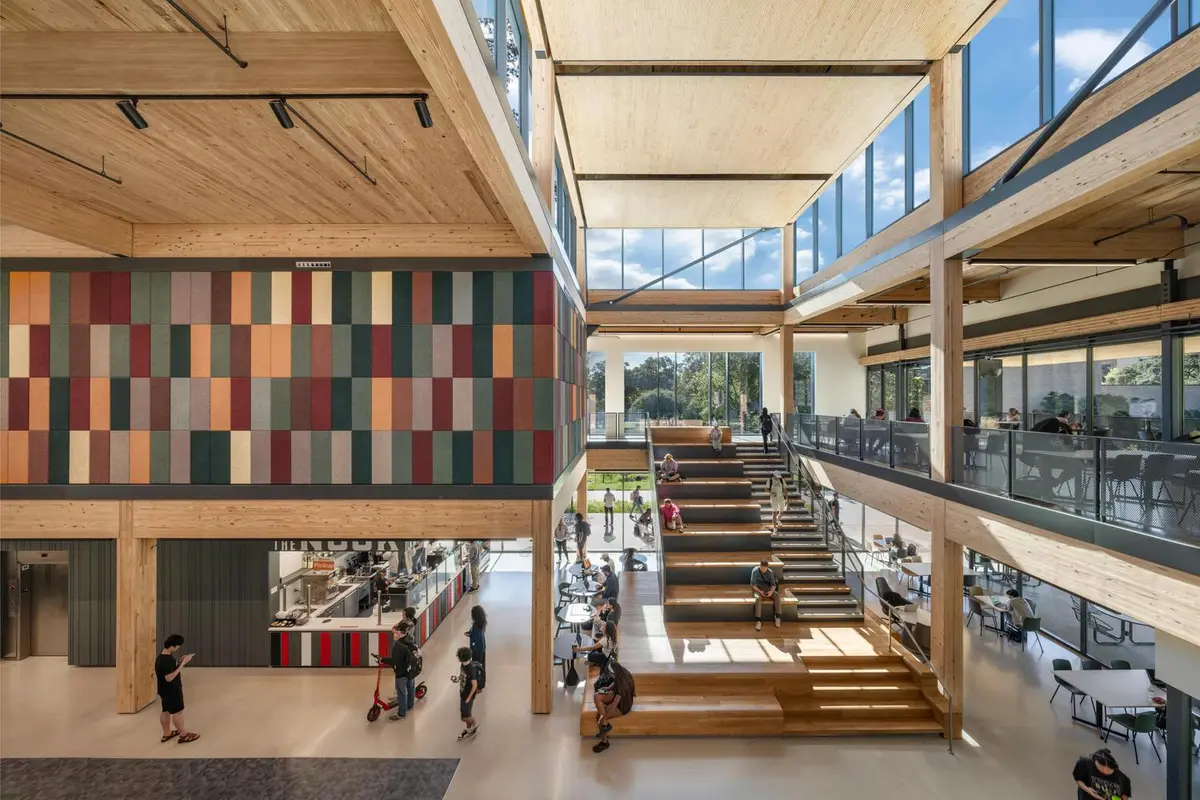
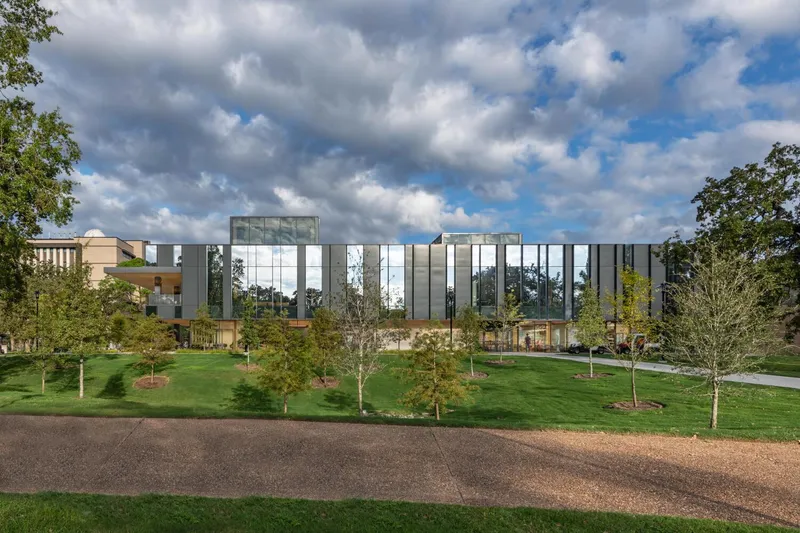
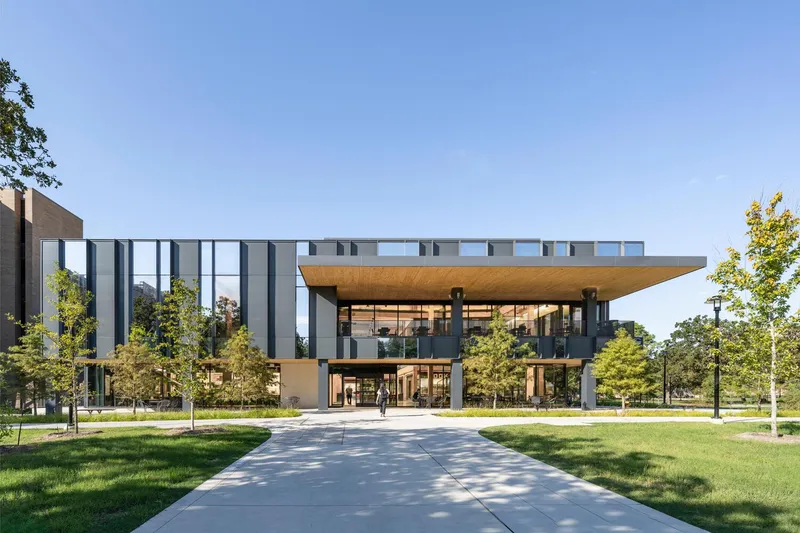
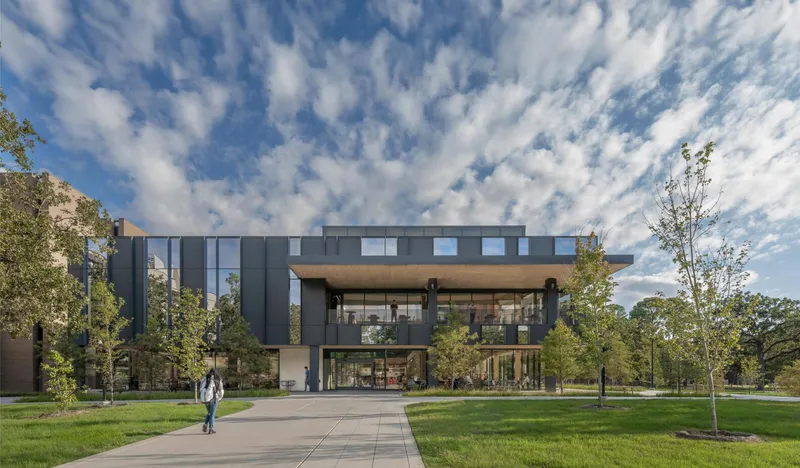
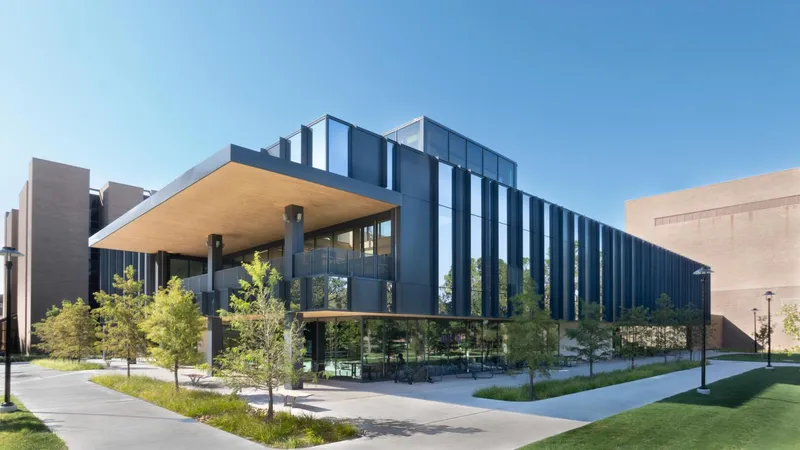
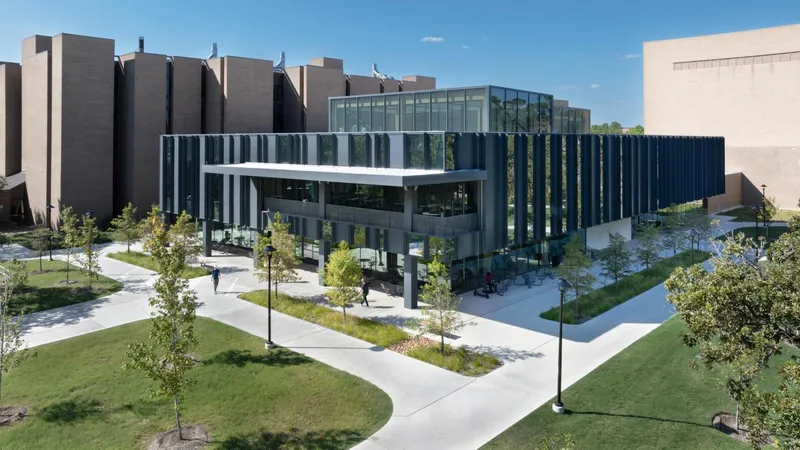
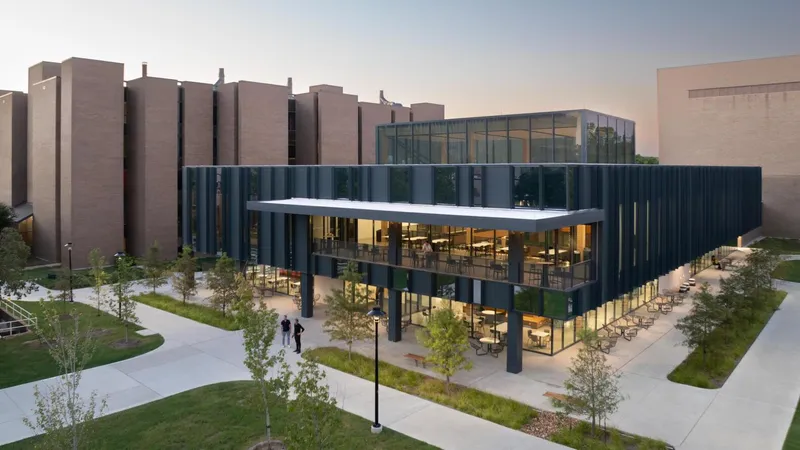
The Retail, Auxiliary, and Dining (RAD) Center at the University of Houston, designed by Perkins&Will, marks a major milestone in mass timber university architecture. Completed in 2024, this 41,000-square-foot facility is the university’s first mass timber project and a shining example of sustainable, high-performance design. Located in Houston, Texas, the RAD Center replaces a previously existing underground dining facility that was devastated by Hurricane Harvey in 2017.
The Concept of a “Third Place” on Campus
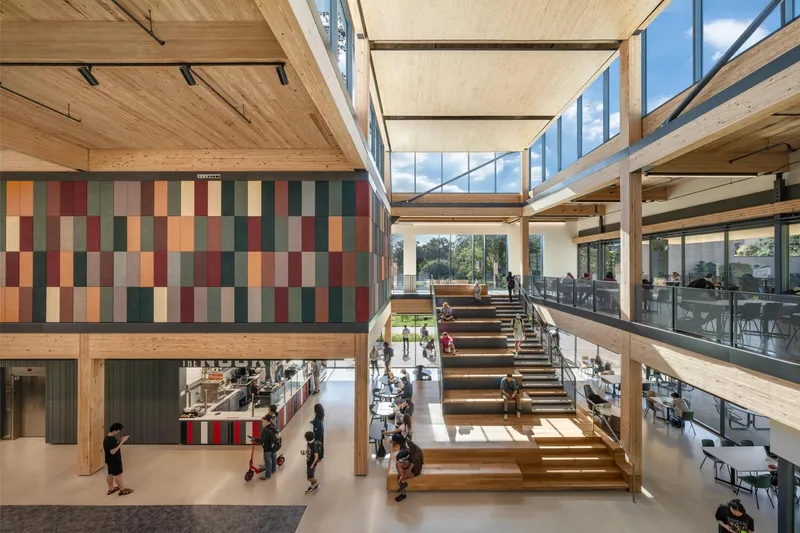
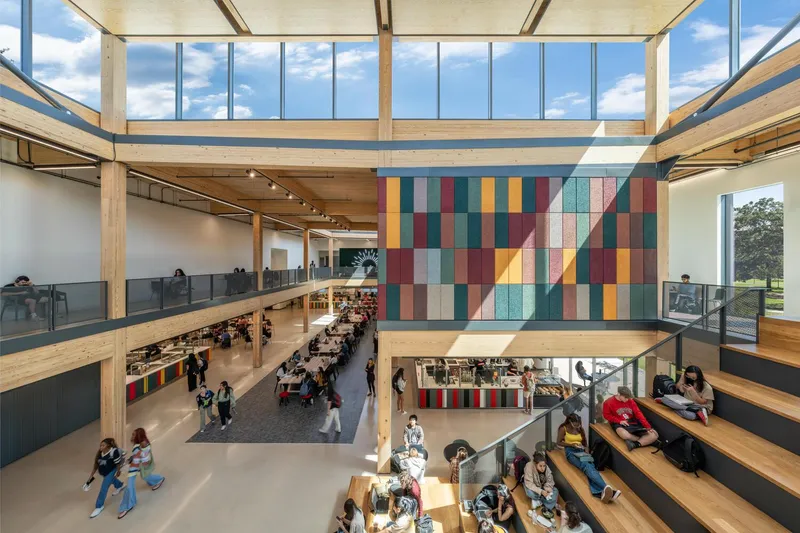
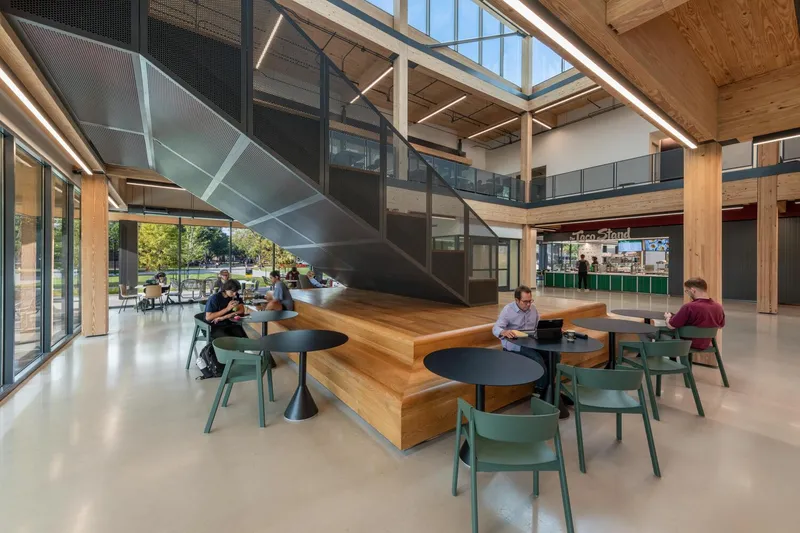
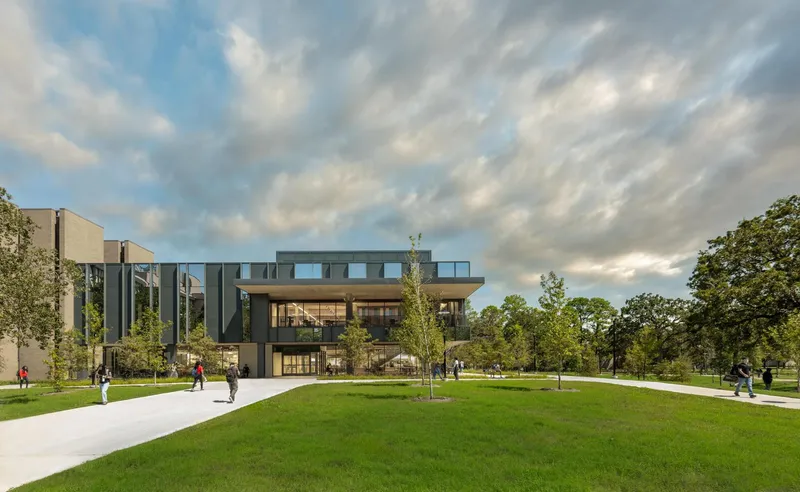
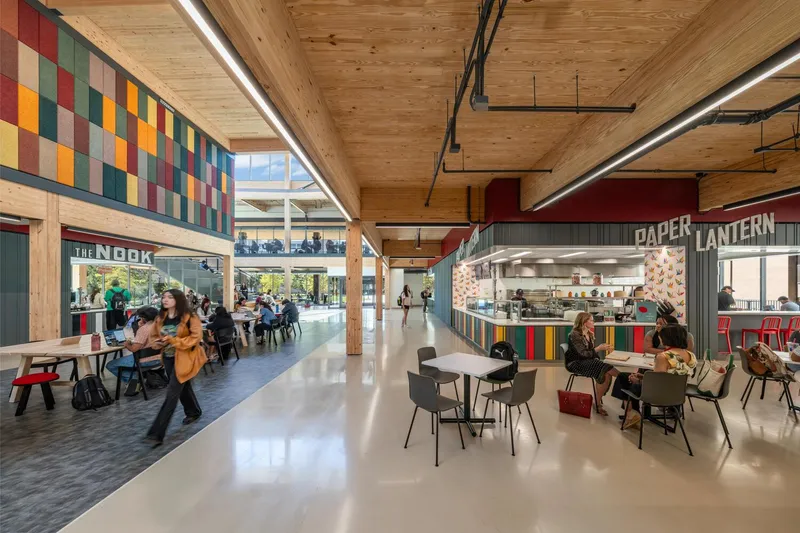
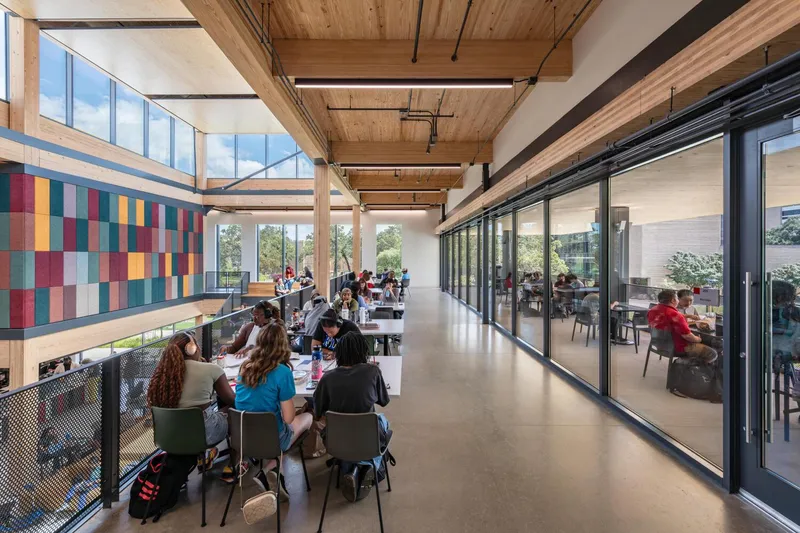
More than just a building, the RAD Center was envisioned as a “third place”—a welcoming environment beyond home and classroom where students, faculty, and visitors can gather, connect, and relax. Its two-story structure offers 400 guest seats, including outdoor patio spaces on both levels, that provide panoramic views of the surrounding woodlands. This design fosters social engagement and enhances the campus experience by creating a vibrant hub of activity.
Embracing Nature with Mass Timber Design
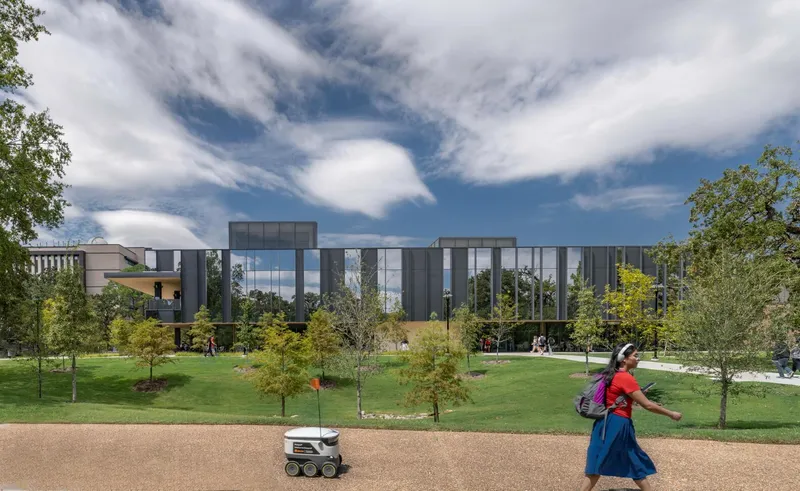
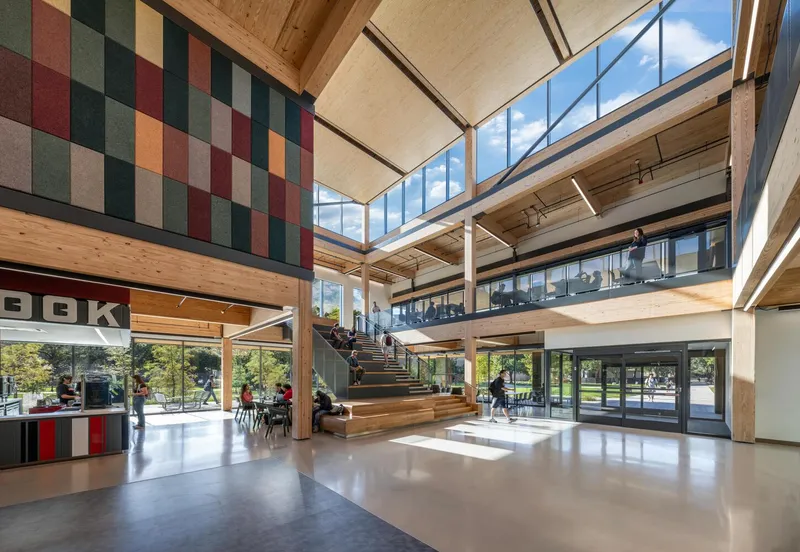
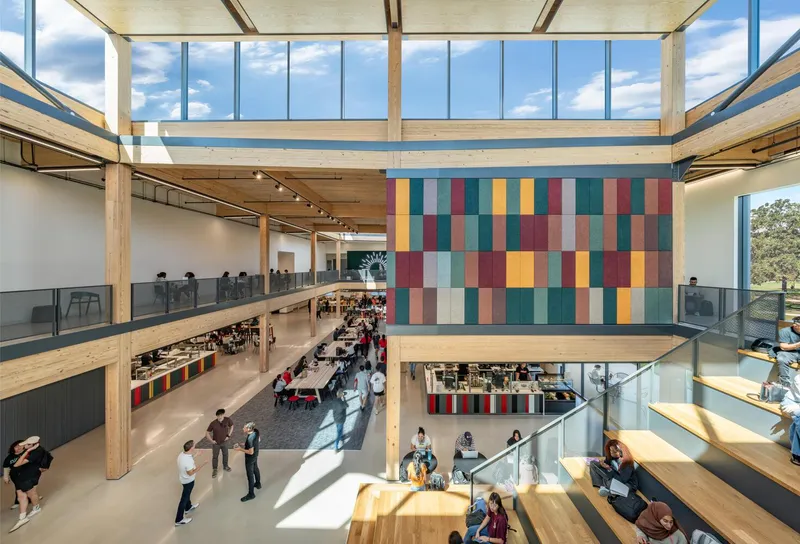
One of the most striking elements of the RAD Center is its embrace of mass timber construction, making it a pioneer in mass timber university architecture. The design draws direct inspiration from the campus’s lush woodlands, with exposed timber elements that bring warmth, texture, and a natural aesthetic to the building. Large, multilayered solid wood panels not only deliver visual appeal but also create a strong connection between the built environment and nature. Upper-story glass walls flood the interiors with natural light, further blurring the boundaries between indoor and outdoor spaces.
Sustainable Innovation and Energy Efficiency
The RAD Center stands as a testament to Perkins&Will’s commitment to sustainability, aligning with the AIA 2030 Commitment for carbon-neutral design. Achieving an impressive 84% reduction in predicted energy use intensity compared to similar buildings, the project integrates high-performance design strategies and energy-efficient systems that push the boundaries of sustainable architecture. These measures help the University of Houston contribute meaningfully to global efforts toward climate action and carbon neutrality in the building sector.
A Dynamic Mix of Retail and Dining Spaces
Inside the RAD Center, students and visitors can explore six diverse food concepts, a cozy coffee shop, and a convenience store—all designed to cater to a variety of tastes and preferences. The dining spaces are designed with flexibility and comfort in mind, offering not just meals but meaningful experiences in an atmosphere that celebrates the beauty of wood and light.
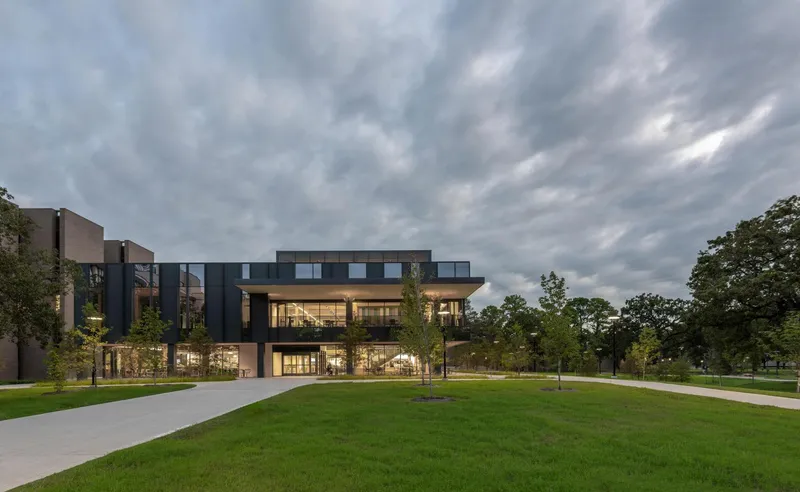
The Future of Campus Architecture
The Retail, Auxiliary, and Dining Center at the University of Houston sets a new standard for mass timber university architecture, demonstrating how thoughtful design, sustainability, and community-focused spaces can come together to reshape the future of campus environments. As universities across the nation seek to create more resilient, sustainable, and engaging campuses, the RAD Center stands as an inspiring model of what’s possible when architecture and environmental stewardship go hand in hand.
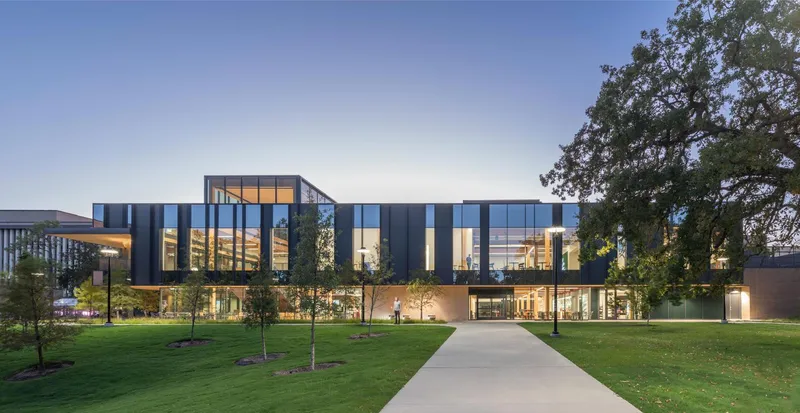
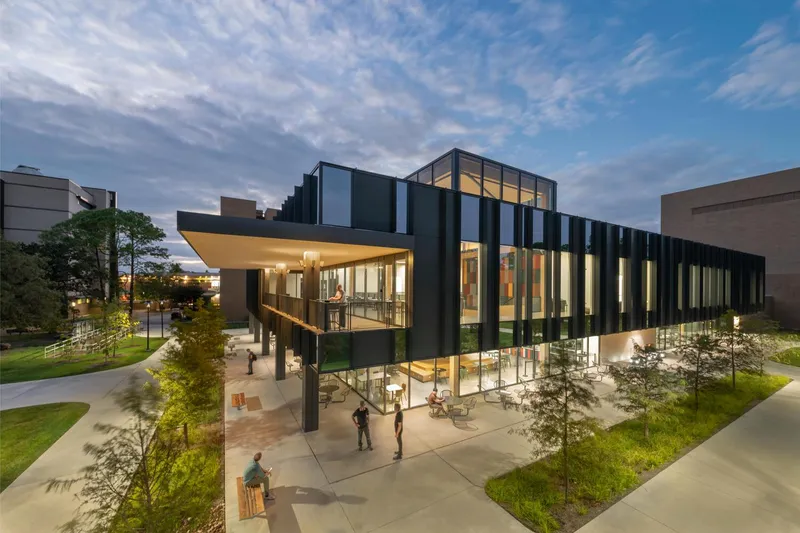
All Photographs are works of James Steinkamp


Popular Articles
Popular articles from the community


longwave studio Reorganizes a 112 m² Tainan Apartment Around the Daily Routines of a Family and Two Cats
In Tainan, Taiwan, birch plywood, rust-red furniture and a freestanding plaster wall link arrival, storage, work and family life in one apartment.

David Macias Steps a Doorless Stone and Plaster House Down a Tropical Colombian Hillside
In the humid hills of Colombia, Threshold House replaces the front door with an open void and terraces its 850 m² down the slope instead of fighting it.

David Ortega Stacks a Two-Story Mexico City Penthouse Around a Steel Stair and a Pergola-Shaded Roof Terrace
In Colonia Roma, a 300 m² penthouse uses oak joinery, a planted steel stair and a slatted roof pergola to make a new-build apartment feel like a house.

LT2A and OPEN Architectes Thread a Brick and Glass High School Through a Wooded Belgian Campus
In Braine-l'Alleud, a 3,000 m² wing for Collège Cardinal Mercier pairs pale brick with a glazed colonnade, deferring to a small chapel and a dense wood.

Similar Reads
You might also enjoy these articles

Gil Mello Arquitetura Tilts a Single Roof Toward the Waterfalls on a Plateau Above Aiuruoca, Brazil
In Aiuruoca, Minas Gerais, a 200 m² house of local labor and reclaimed poles pairs a low valley veranda with a tall mountain one.

U.GA Architects Wraps an Oval Rooftop Pool in Curved Board-Formed Concrete on Busan's Jeollidan-gil
In Busan's Jeonpo-dong, a 454 m² mixed-use block stacks a neighborhood facility, guest rooms and an oval rooftop pool inside spiraling concrete walls.

Felipe Hess Arquitetos Turns a Blind Stone Wall to the Street and Opens a Brazilian House onto a Courtyard and Canal
A canal-front house in Brazil hides behind painted stone and planting, then opens to an olive-tree courtyard, a reed-ceilinged porch and a curving pool.
David Macias Steps a Doorless Stone and Plaster House Down a Tropical Colombian Hillside
In the humid hills of Colombia, Threshold House replaces the front door with an open void and terraces its 850 m² down the slope instead of fighting it.

Explore Architecture Competitions
Discover active competitions in this discipline

Challenge to reimagine the Iron Throne

Photograph architecture without architects

Illustrate the lost glory of Angkor Wat - Render Challenge

Design challenge to reuse E-waste
Comments (0)
Please login or sign up to add comments
No comments yet. Be the first to comment!