
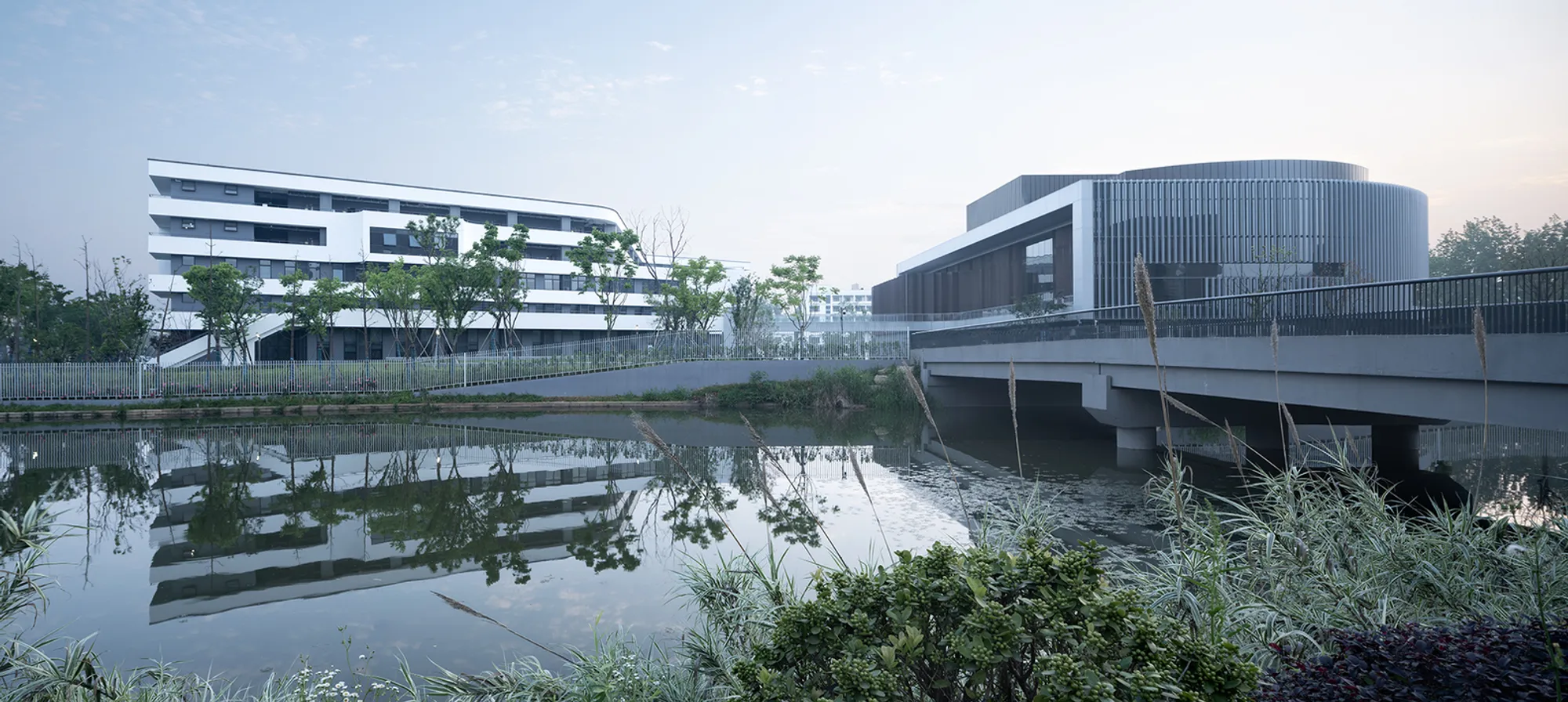
Revitalizing Educational Spaces: Cultural Heritage Campus Design at Shaoxing Art School
Explore Shaoxing Art School's transformation, a masterclass in blending modern architecture with cultural heritage in educational campus design.


Explore the transformative journey of Shaoxing Art School, a prime example of Cultural Heritage Campus Design, where tradition meets contemporary architectural innovation by UAD.


Historical Context and Vision
Legacy and Renewal
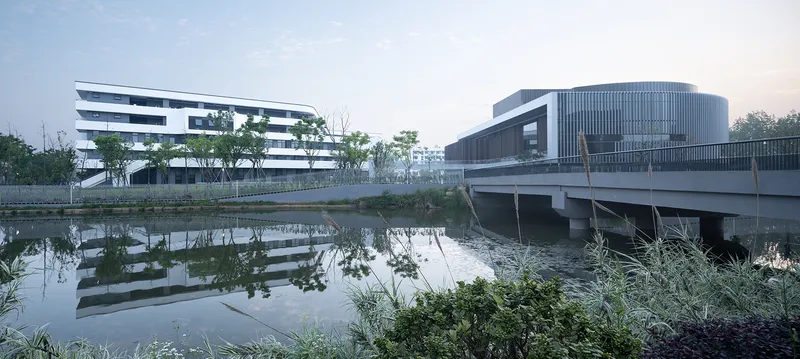
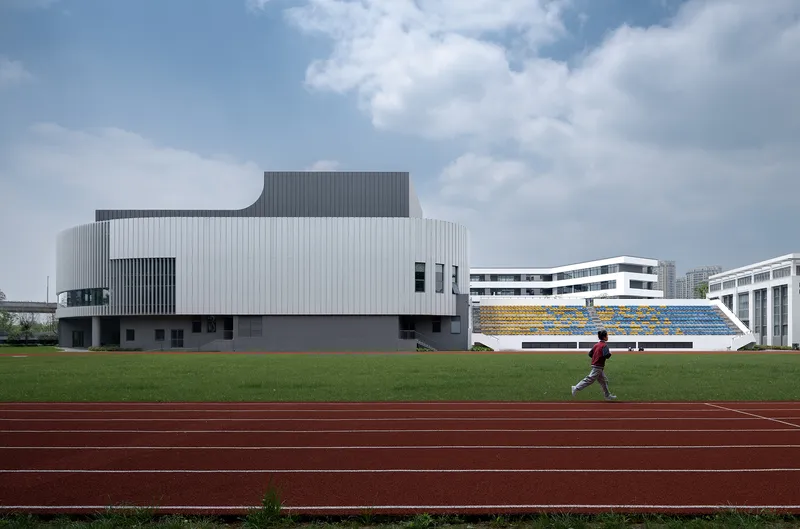
Shaoxing Art School, with its deep cultural roots in the Jiangnan region of China, showcases a commitment to preserving and revitalizing its educational spaces while honoring its rich heritage.

Design Objectives
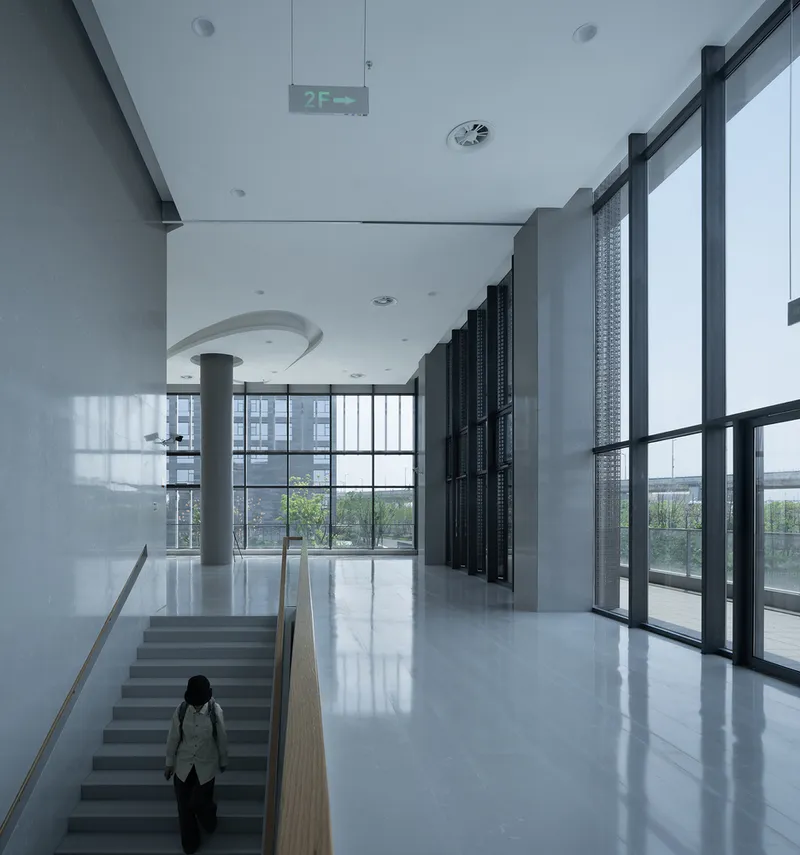
The project aimed to expand and modernize the school facilities to support advanced educational needs and integrate the school with the newly established Shaoxing Performing Arts Group, fostering synergy and resource sharing.

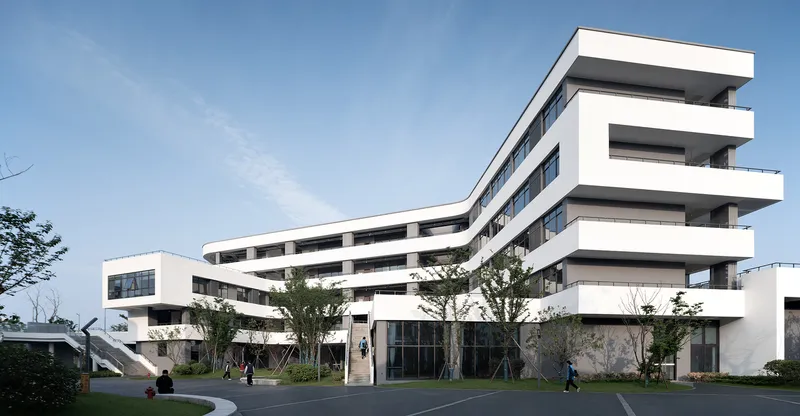
Architectural Strategy and Execution
Integrating New Structures with the Old
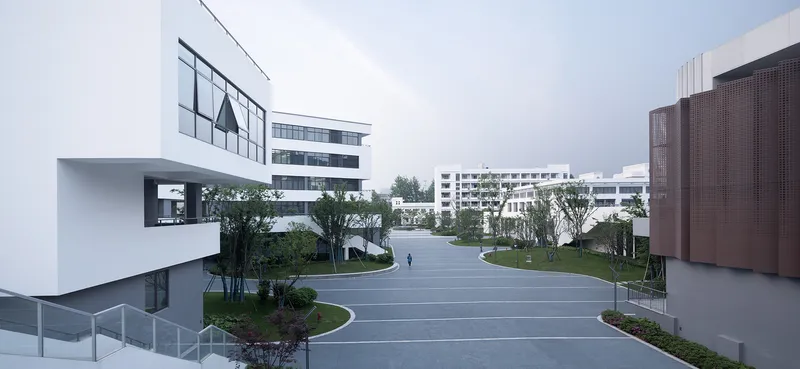
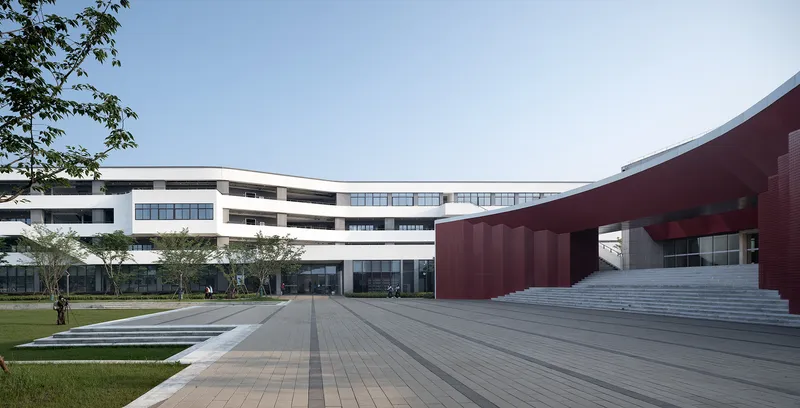
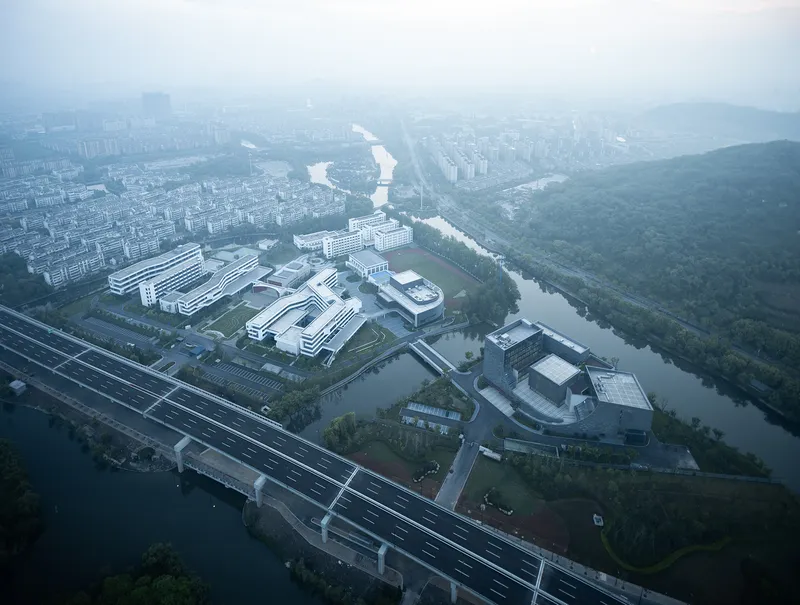
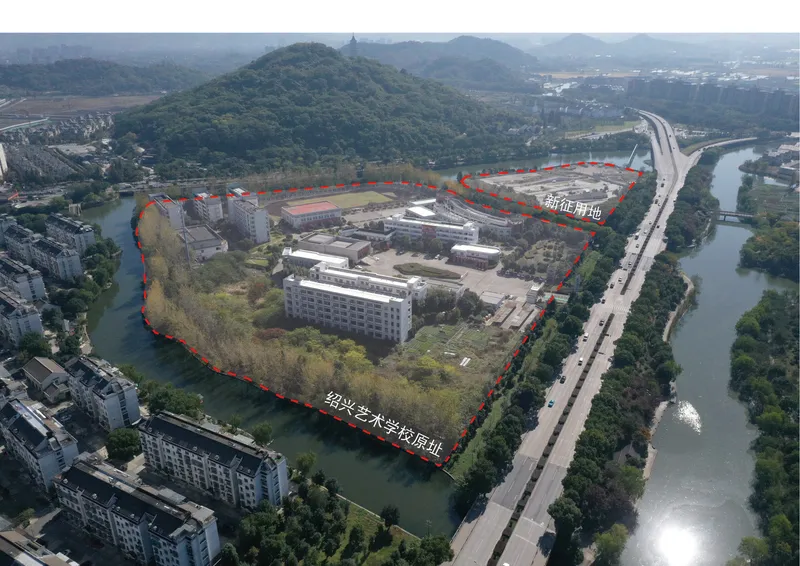
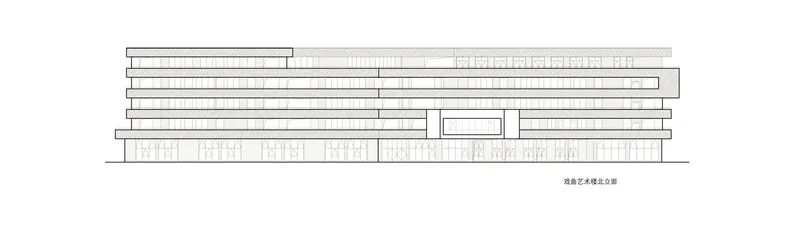
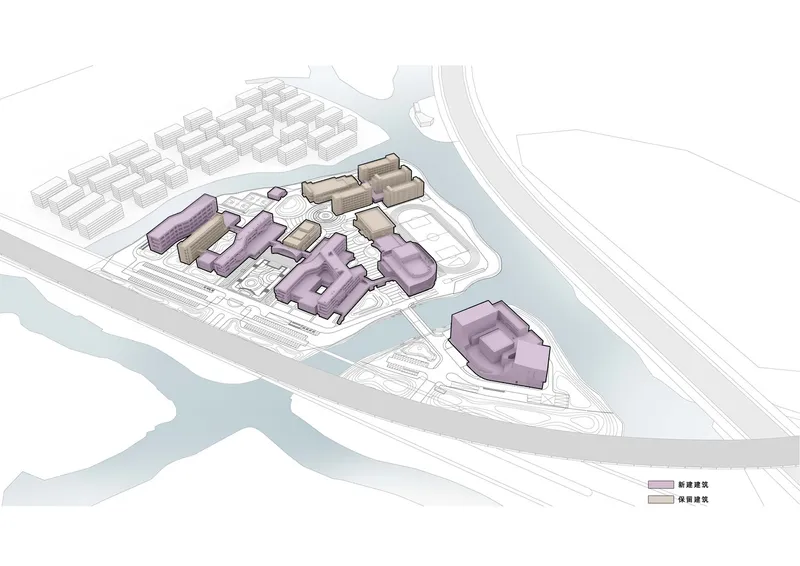
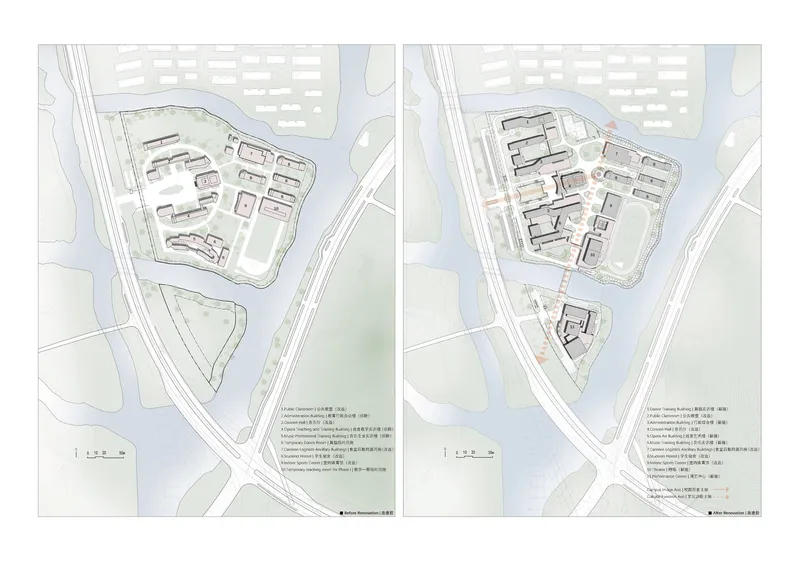
Key to the school’s expansion was the harmonious integration of new buildings with the existing campus layout. This approach maintained the school's historical essence while introducing modern functionalities.


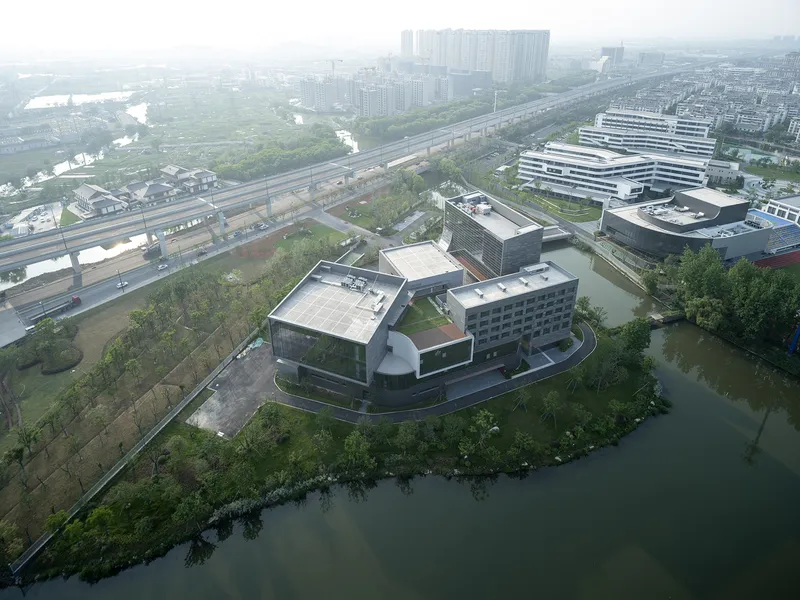
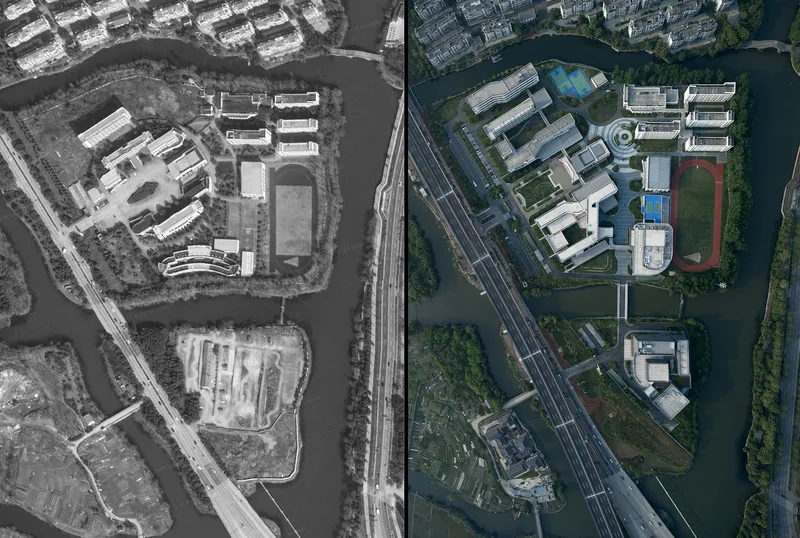
Sustainability and Cultural Echoes
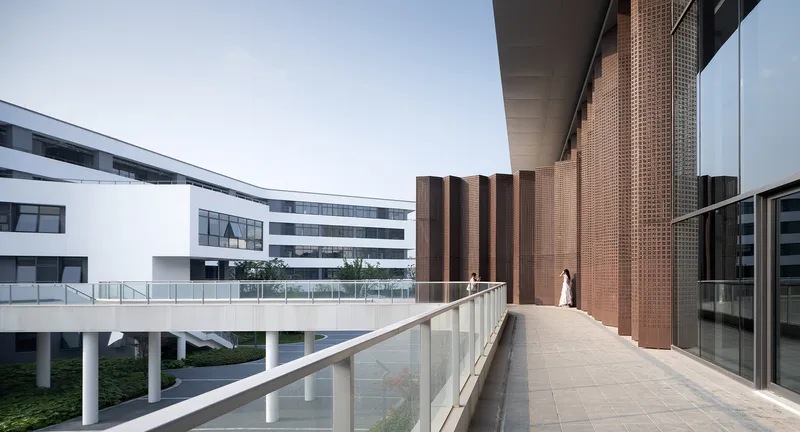
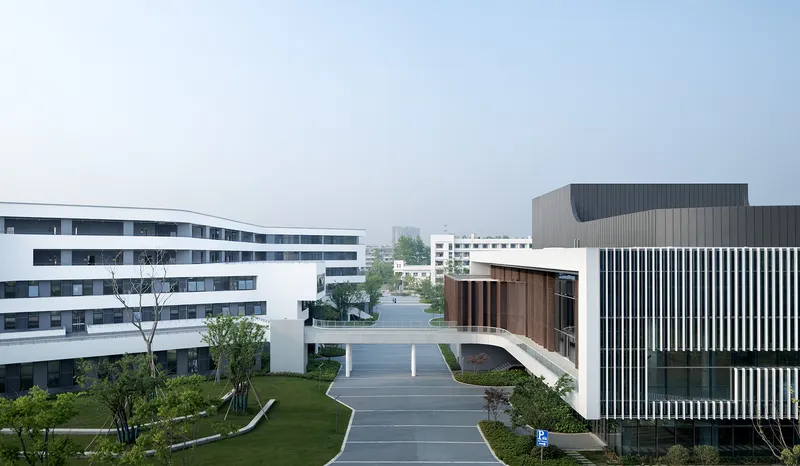
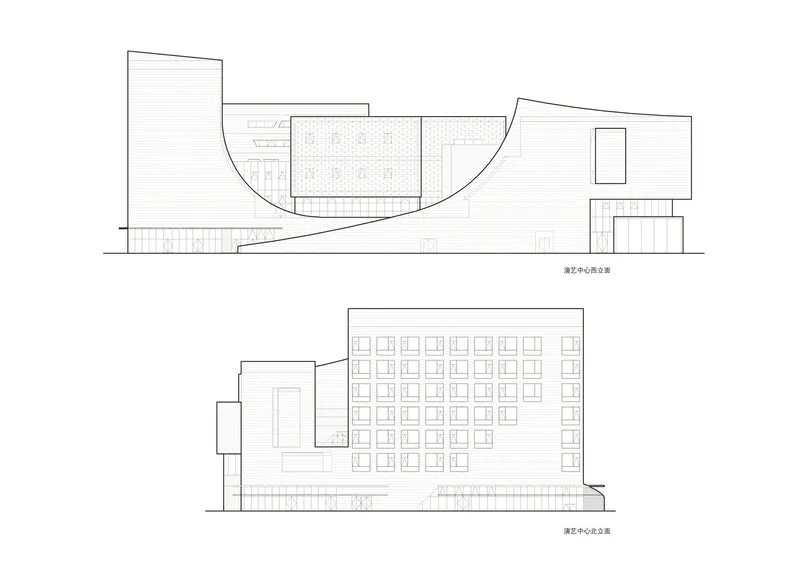
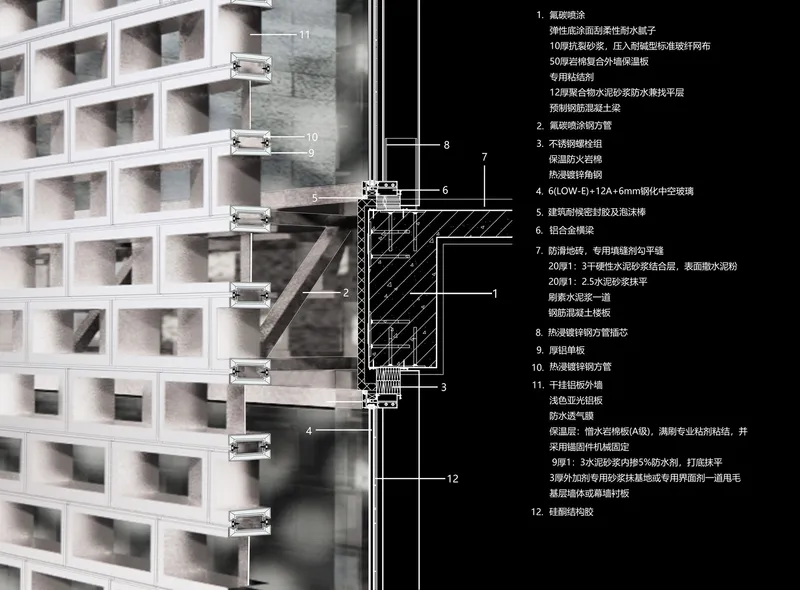
The design incorporates elements that reflect the local architectural heritage, such as the use of traditional Shaoxing lattice windows in new structures, blending them seamlessly with modern materials and technologies.

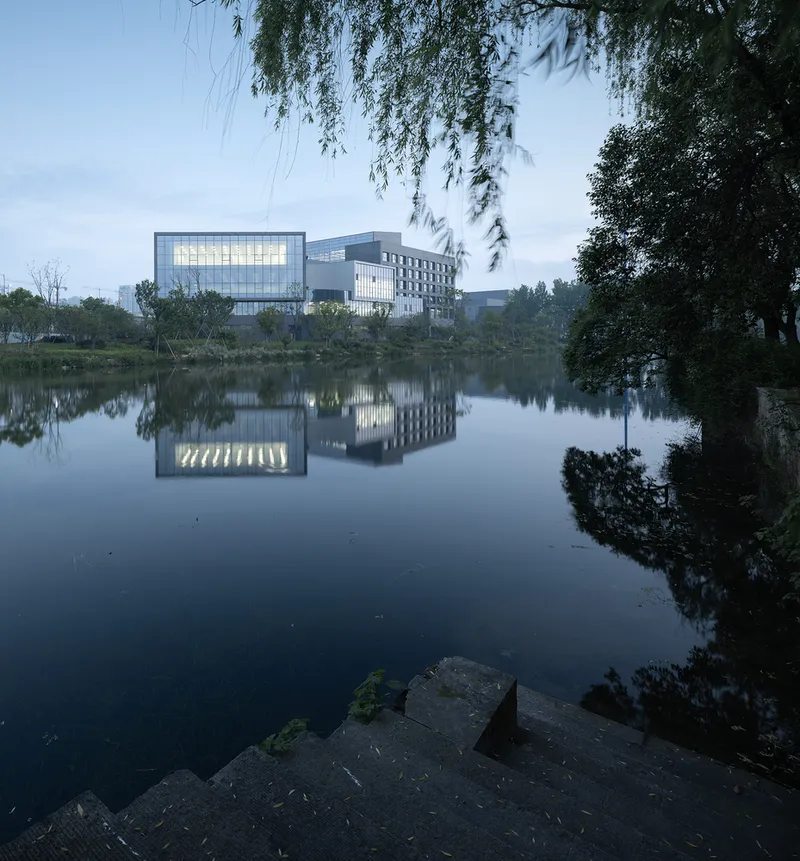


Key Features of the Campus Design
Spatial Redesign and Connectivity
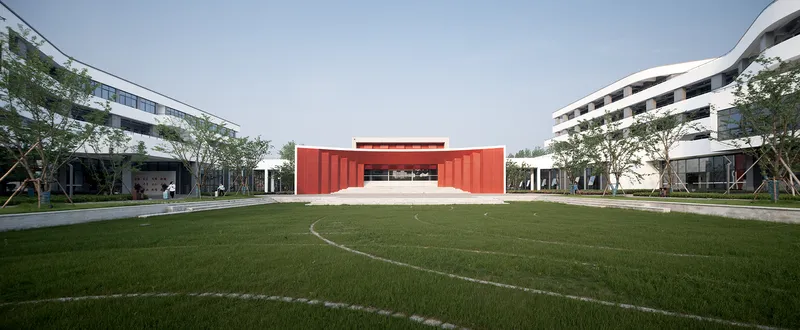
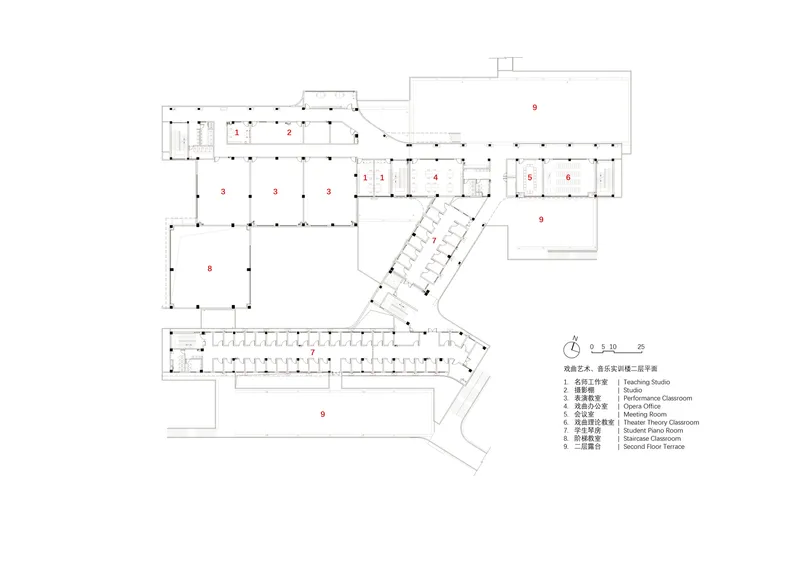
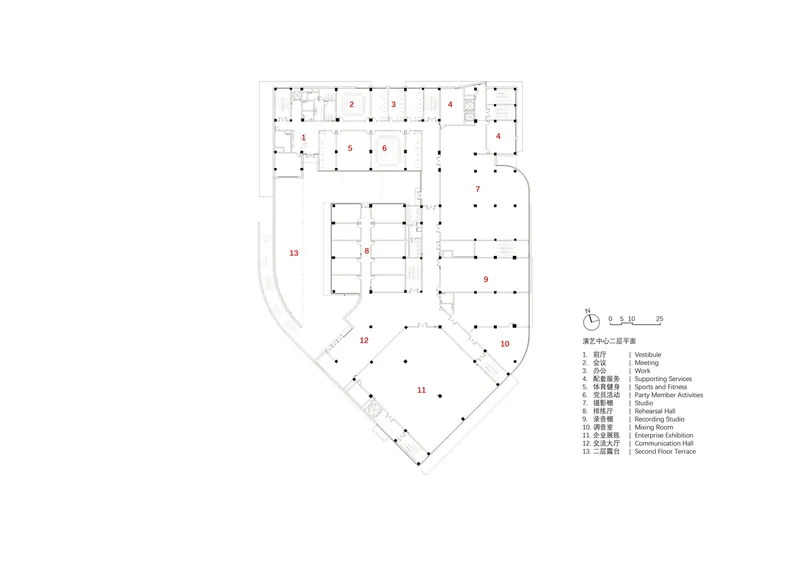
The campus redesign emphasizes open, fluid spaces that encourage interaction among students and faculty, fostering a vibrant educational environment. This is achieved through strategically placed courtyards, platforms, and connecting vestibules.


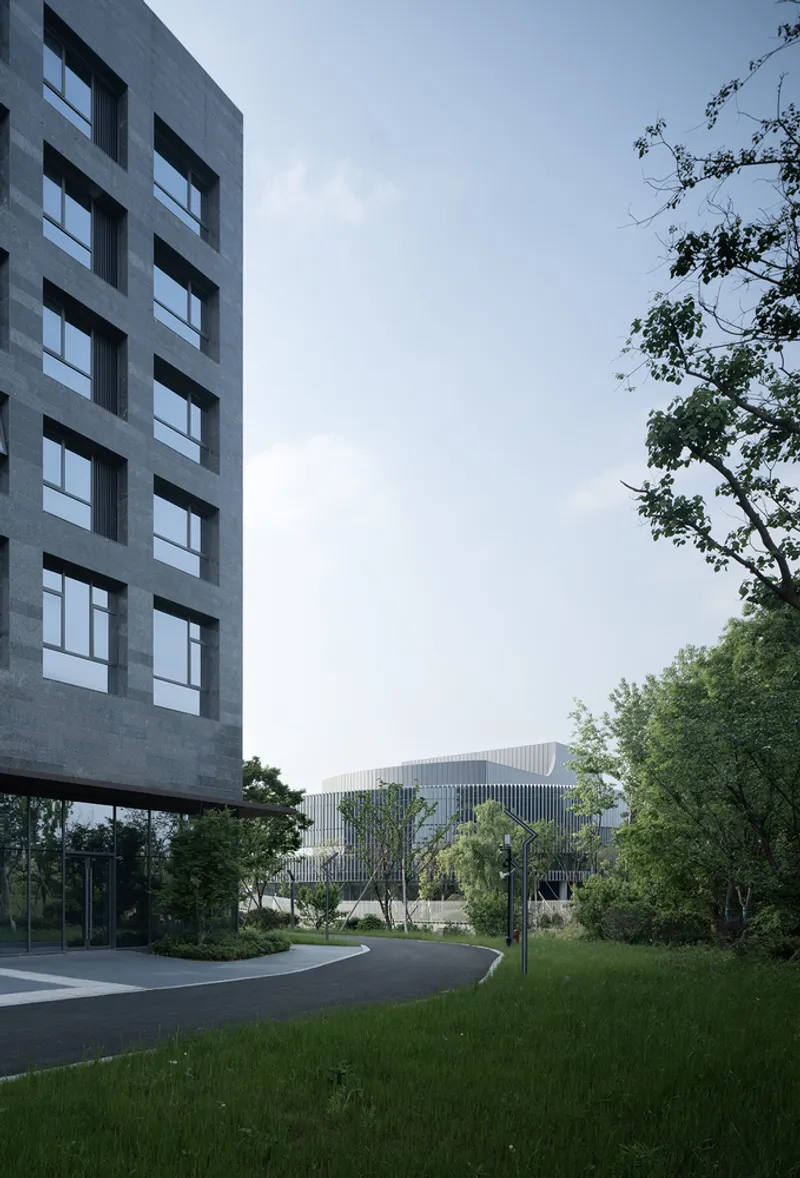
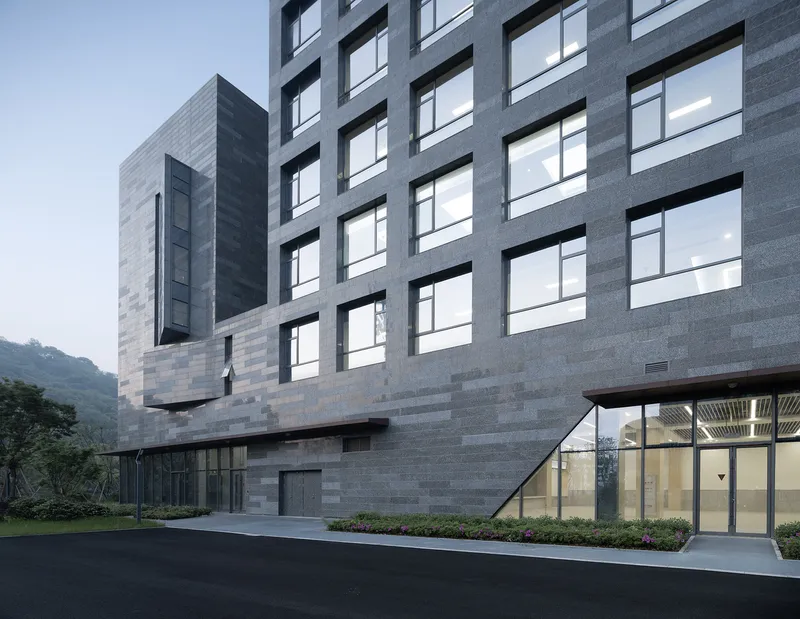
The Role of Nature and Culture in Design
The layout respects the natural topography and local vegetation, integrating cultural elements such as the Jiangnan water town features, which are pivotal in Cultural Heritage Campus Design.
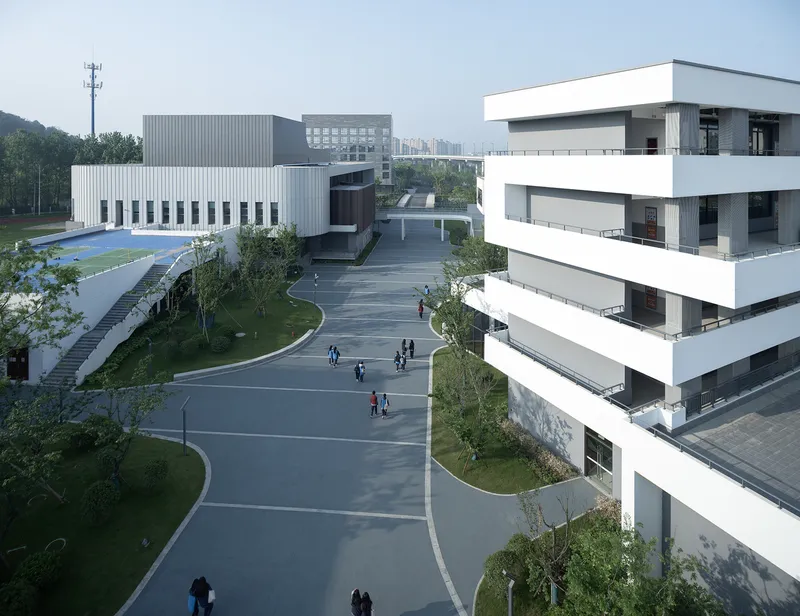

Impact on Education and Community
Enhanced Learning Environments
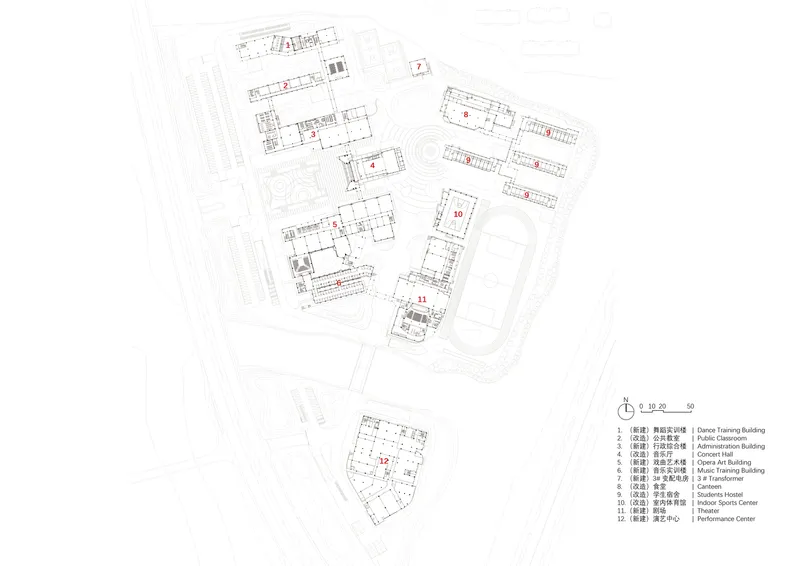
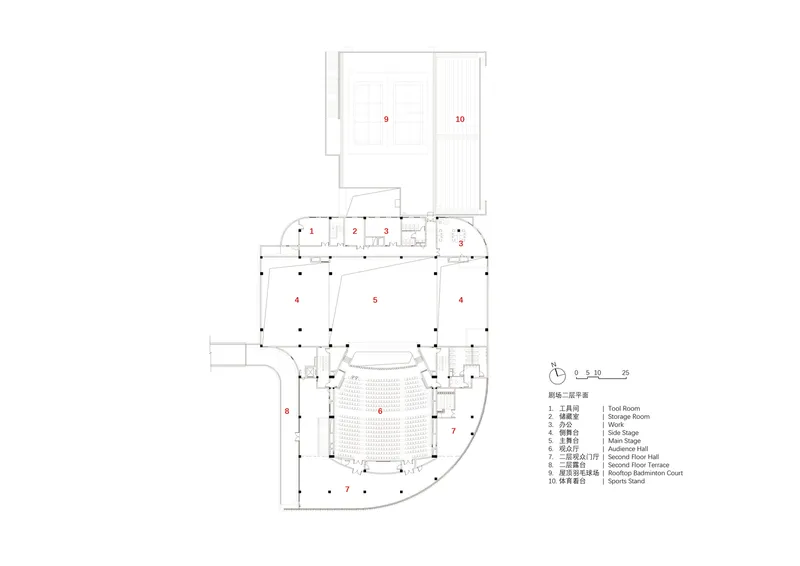
The new design supports diverse learning activities, from traditional Chinese opera to contemporary music and dance, providing students with spaces that are both inspiring and functional.

Community Engagement and Cultural Preservation
The school serves as a cultural hub, engaging the community and preserving local artistic traditions, thereby enriching the educational experience and ensuring the longevity of regional cultural practices.




The transformation of Shaoxing Art School stands as a benchmark in Cultural Heritage Campus Design, demonstrating how educational institutions can embrace modern architecture while respecting and revitalizing their heritage. This project not only enhances the educational landscape but also serves as a custodian of cultural heritage, making it a model for future campus designs worldwide.

All photographs are work of Zhao Qiang



Popular Articles
Popular articles from the community


Co-life: Sustainable Architecture for Age-Friendly Community Living
Co-life reimagines sustainable architecture for seniors through courtyards, rammed earth, shared gardens, and spaces designed for belonging.

Hill & Cross Opera: Sculptural Opera House Architecture Shaped by Tallinn’s Landscape and Identity
Hill & Cross Opera reimagines opera house architecture in Tallinn through its sculptural hill, civic plaza, glass wave and a luminous cross.
EW PARK: Sustainable Architecture Reimagines the Future of Urban Parking
EW PARK reimagines city parking as a modular wooden tower combining automation, solar energy, electric mobility, and adaptable urban design.

The Ocean Hive: Sustainable Architecture for a Self-Sufficient Civilization at Sea
The Ocean Hive imagines sustainable architecture at sea, where modular habitats, algae, wave power and ocean waste sustain a growing colony.


Similar Reads
You might also enjoy these articles


Hodi-Mandai Geram
Project Function: Preservation and revitalization of the Intangible heritage and socio-spatial identity of the Hodi by Housing, Cultural Memory Center, Sacred Grove, landscape, local tourism economy


Olio Towers: A Mid-Rise for Performers That Fuses Housing, Rehearsal, and Stage
Located blocks from Houston's Theater District, this modular tower stacks living units around a central performance atrium.

Oasis: Modular Green Housing Carved into Dhaka's Urban Fabric
A shortlisted Plugin Housing entry reclaims unauthorized settlements in Dhaka with stepped concrete volumes, green roofs, and ventilation-driven design.

Black Hole: A Floating Megastructure for the Post-Physical Era
Emiliano Mazzarotto envisions a spherical, self-scaling arena where e-sports, digital hotels, and holographic stadiums replace traditional public space.

Explore School of Design and Arts Competitions
Discover active competitions in this discipline



Challenge to design public laboratory


Challenge to reimagine the Iron Throne


Photograph architecture without architects


Illustrate the lost glory of Angkor Wat - Render Challenge
Comments (0)
Please login or sign up to add comments
No comments yet. Be the first to comment!