

ROKUSHO Restaurant by Inrestudio: A Masterpiece of Restaurant Architecture Design in Ho Chi Minh City
This article explores how ROKUSHO Restaurant transforms urban space through innovative restaurant architecture design and sculptural materiality.


Introduction to ROKUSHO Restaurant
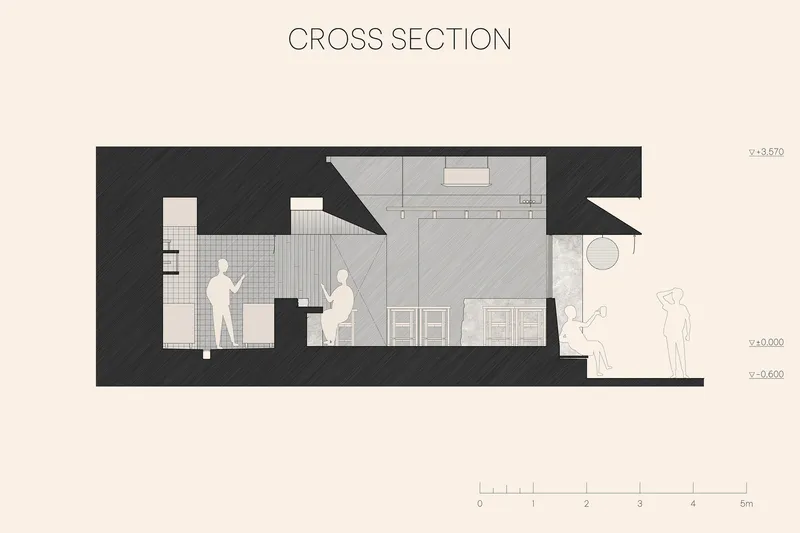
Inrestudio’s ROKUSHO Restaurant, an izakaya located in the bustling heart of Ho Chi Minh City, Vietnam, redefines restaurant architecture design by transforming an ordinary ground-floor space into an atmospheric, sculptural dining experience. Measuring 188 m², the site’s original flat and featureless layout posed a challenge—one the architects overcame by introducing bold architectural interventions. Completed in 2024 under the direction of lead architect Kosuke Nishijima, the project is a remarkable example of how materiality, form, and light can converge to shape a distinctive dining environment.


Reinventing Anonymous Space through Concrete Forms
The design centers around cast-in-place concrete masses that reshape the interior and anchor the restaurant’s identity. These waist-high forms are not mere decorative features but essential architectural elements that redefine how visitors experience the space. Even if ROKUSHO undergoes future renovations, these concrete installations are intended to remain, embedding a sense of historical layering into the architecture. The concrete walls, benches, counters, and parapets form the physical and conceptual backbone of the restaurant, offering permanence and a sculptural presence that distinguishes it from other contemporary dining spaces.


Street Presence and Exterior Architectural Strategy
Facing the street, the long concrete parapet wall stretches seamlessly across the building’s façade. This design move not only marks the boundary between inside and outside but also invites interaction, incorporating outdoor seating integrated directly into the concrete wall. The continuity between exterior and interior strengthens the relationship between the public street and the intimate restaurant interior, reflecting a thoughtful approach to restaurant architecture design where public life and private experience blend naturally.


A Sculptural and Textural Interior
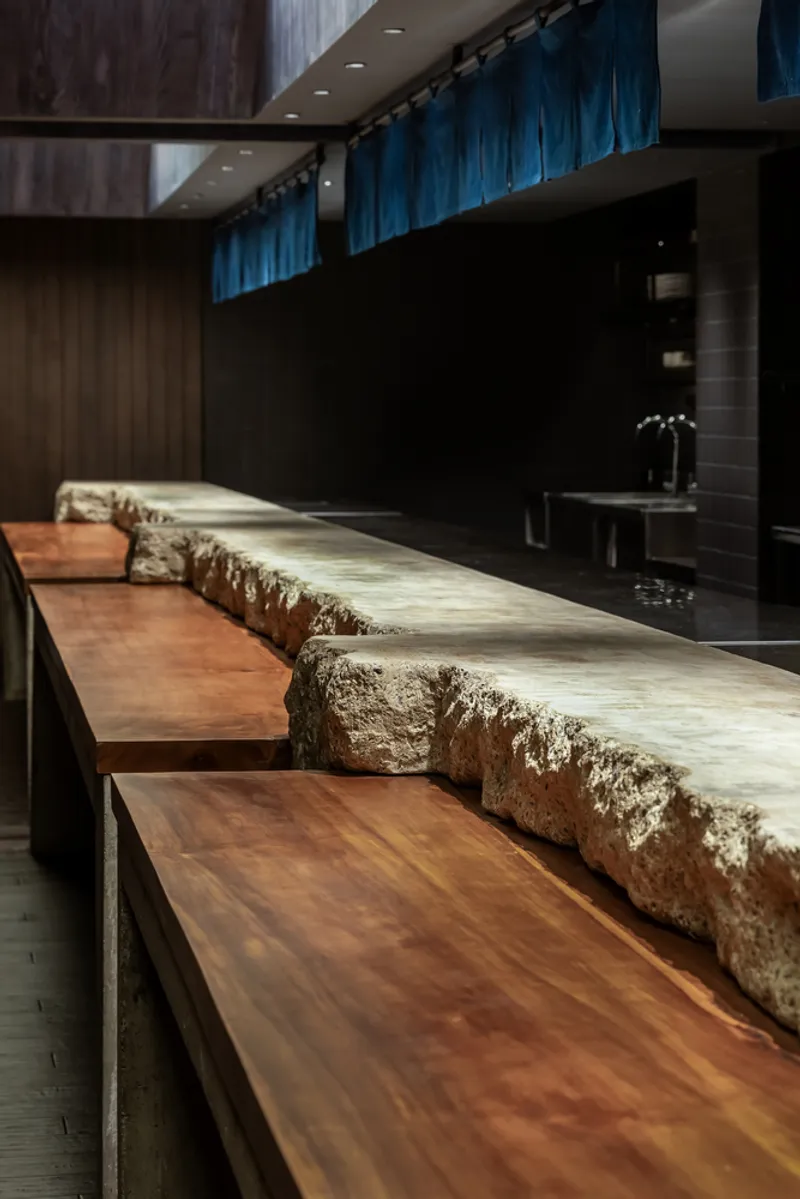
Inside, visitors encounter a massive rear concrete structure that spans the full width of the back wall. This isn’t a uniform mass; its textures shift between smooth, geometric cast-in finishes and hand-chiseled rough surfaces, reminiscent of ancient rock-cut temples. The three key counters—the reception, bar, and kitchen—appear like monolithic sculptures carved from stone. These elements serve as the spatial anchors, giving the restaurant a raw, timeless character that contrasts beautifully with the refined culinary experience it hosts.



Lighting Design and the Atmosphere of Floating Roofs
Suspended above the interior counters are three floating indigo-colored roofs that bring an ethereal dimension to the restaurant. During the daytime, these roofs assert their presence with rich color and bold form. As night falls, they recede into the darkness, allowing soft, diffused lighting to take over. This delicate balance between form and light crafts a calm, relaxed atmosphere, reminiscent of traditional Japanese alleys and street stalls. It’s an architectural approach that combines cutting-edge material and spatial design with the nostalgia and warmth of time-honored dining environments.



Blending Functionality with Emotional Experience
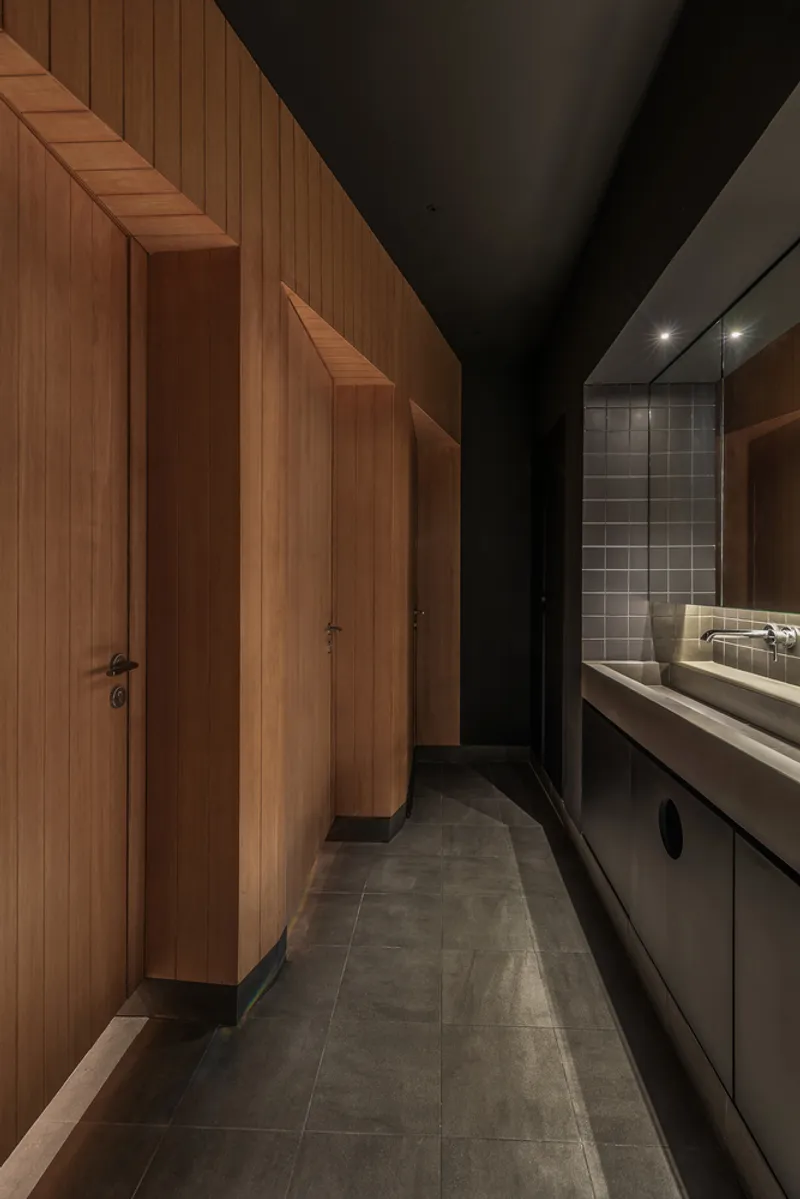
At its heart, the architecture of ROKUSHO Restaurant is about more than aesthetics or functionality—it is about creating an emotional connection. The interplay between massive concrete forms, floating roofs, and intimate lighting evokes feelings of approachability and warmth. Patrons are not just eating in a beautifully designed space; they are immersed in a sensory journey that balances bold architectural moves with a deeply human touch. This balance is a hallmark of successful restaurant architecture design, making ROKUSHO a standout project in the contemporary dining scene of Ho Chi Minh City.


A Lasting Statement in Restaurant Architecture Design
ROKUSHO Restaurant by Inrestudio is a brilliant example of how architectural interventions can elevate a commercial dining space into an immersive cultural and spatial experience. By transforming a bland office building shell into a sculptural, layered, and emotionally resonant environment, the architects have set a new benchmark for restaurant architecture design. This project not only enhances the urban fabric of Ho Chi Minh City but also demonstrates how thoughtful architecture can create lasting meaning for both current and future users.

All Photographs are works of Paul Phan




Popular Articles
Popular articles from the community


Conexión: Biophilic Design Reimagines High-Rise Living in Hong Kong
Conexión reimagines high-rise living in Hong Kong through biophilic design, green facades, shared spaces, daylight, water and nature within.

Co-life: Sustainable Architecture for Age-Friendly Community Living
Co-life reimagines sustainable architecture for seniors through courtyards, rammed earth, shared gardens, and spaces designed for belonging.

Co-Life: Senior Housing Design That Reconnects Older Adults With the City
Co-Life reimagines senior housing design through healing gardens, shared streets, workshops, and a sustainable community across generations.
AL-JANNAH: Sustainable Architecture and Permaculture for Afghan Widows
AL-JANNAH uses sustainable architecture and permaculture to create resilient oasis of housing, learning, work and renewal for Afghan widows.


Similar Reads
You might also enjoy these articles

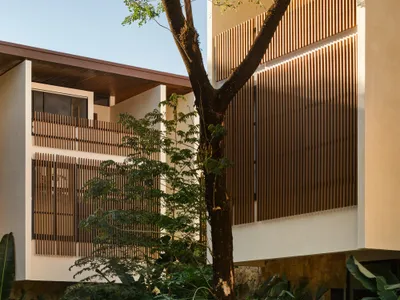
FAMM Arquitectura Organizes Ten Villas Around Courtyards and Jungle in Nosara, Costa Rica
El Molino pairs two elongated volumes with deep overhangs and timber louvers to build a compact coastal community five minutes from the beach.
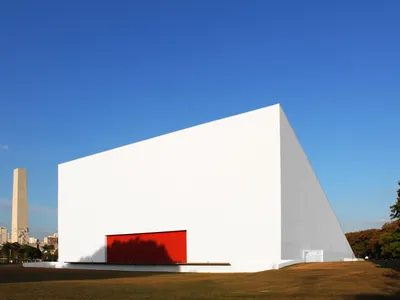
Oscar Niemeyer's Ibirapuera Park Pavilions Define São Paulo's Cultural Identity in Concrete and Curve
A constellation of modernist volumes set within São Paulo's most important urban park, conceived for the city's 400th anniversary in 1954.
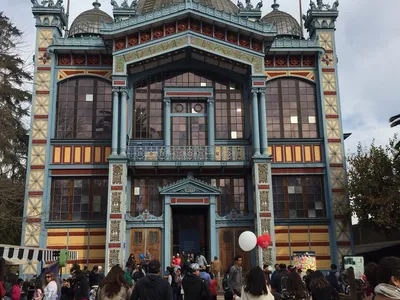
How Henri Picq's 1889 Paris Pavilion Traveled 11,000 Kilometers to Become Santiago's Artequín Museum
A prefabricated iron and glass pavilion built for the Paris Universal Exposition found a second life as a children's art museum in Chile.
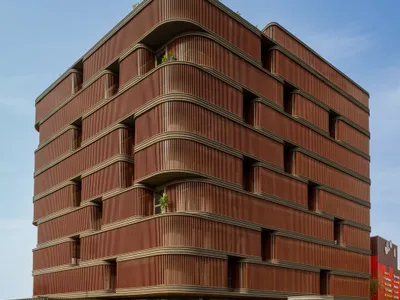
Sanjay Puri Architects Wraps a Jaipur Office Tower in Capsule-Shaped Green Buffers
A nine-level climate-responsive workplace near Jaipur Airport uses stacked planter terraces and aluminium screens to fight 40°C heat.


Explore Architecture Competitions
Discover active competitions in this discipline



Challenge to reimagine the Iron Throne


Photograph architecture without architects


Illustrate the lost glory of Angkor Wat - Render Challenge


Design challenge to reuse E-waste
Comments (0)
Please login or sign up to add comments
No comments yet. Be the first to comment!