
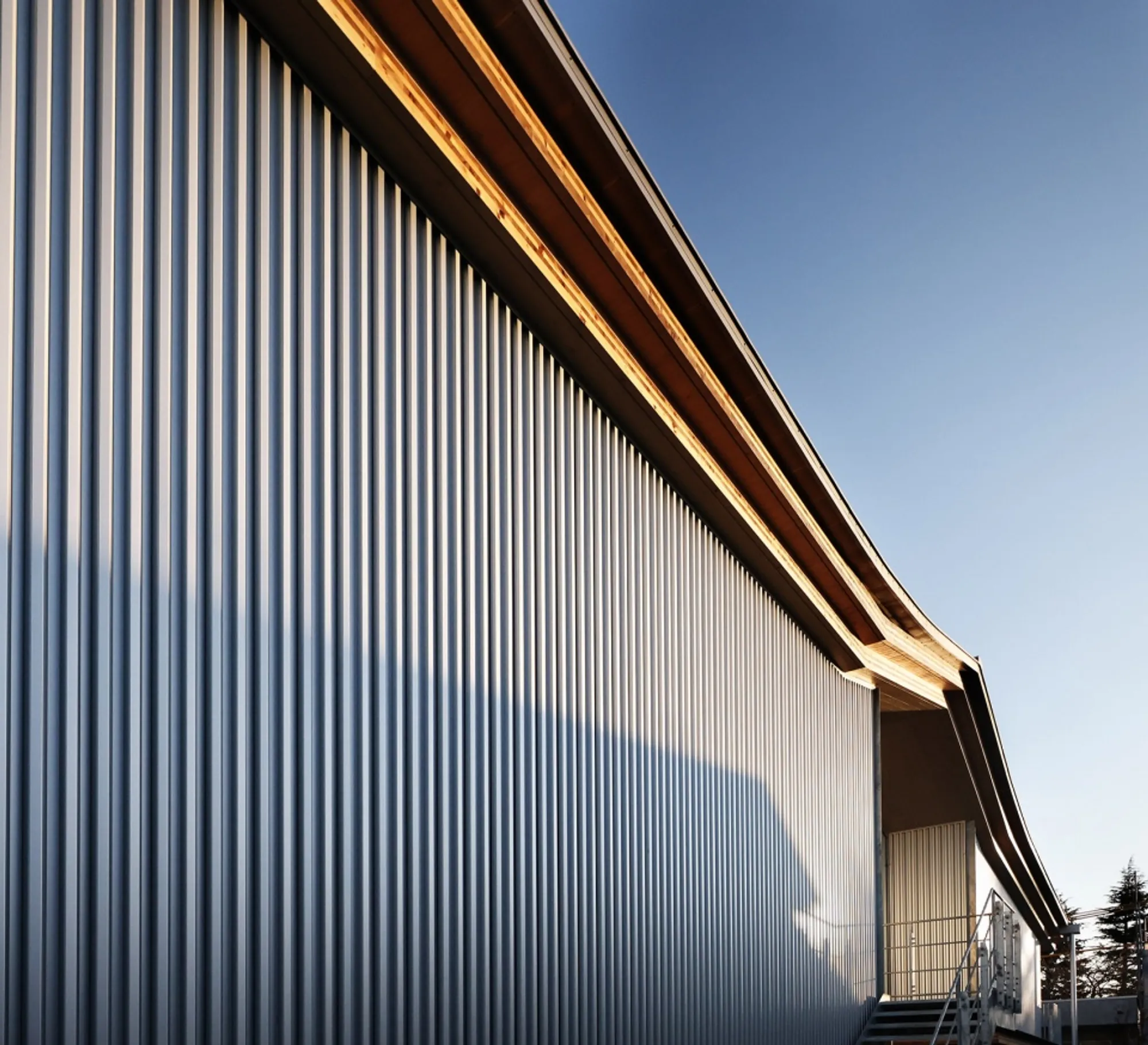
Showa Gakuin Elementary School West Wing: A Sustainable and Innovative Educational Facility
How does Showa Gakuin Elementary School West Wing promote sustainability through its design?
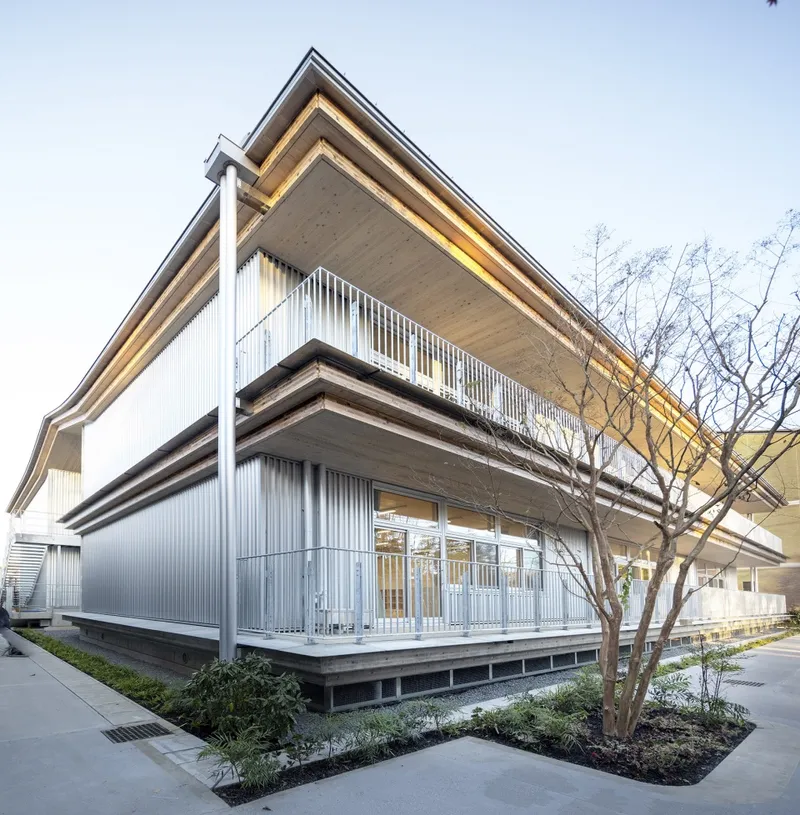
Showa Gakuin Elementary School West Wing is a stunning example of contemporary educational facilities, using innovative construction methods and incorporating sustainable design practices. The school is an expansion of an existing school in Japan, designed to accommodate an increasing number of students. It is a collaboration between Nikken Sekkei, a renowned architectural firm, and Nikken Wood Lab, a department of Nikken Sekkei specializing in the research and development of wooden architecture and wood structures.
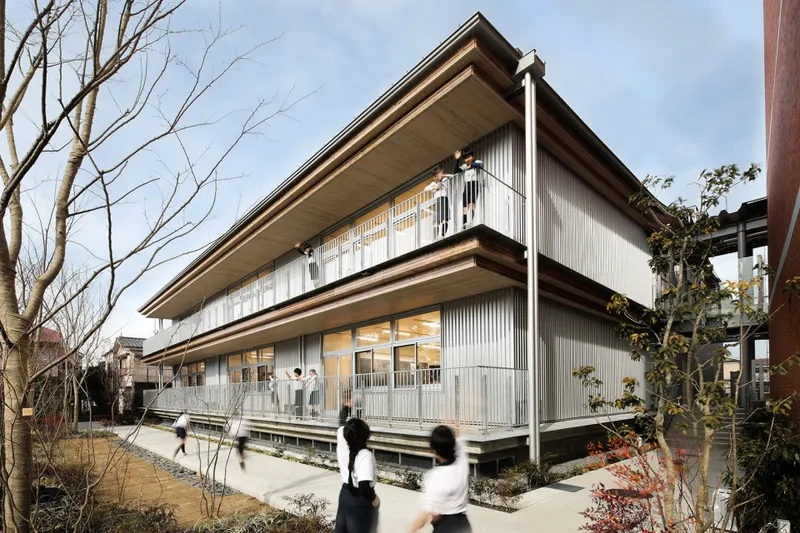
Promoting Sustainability through Design
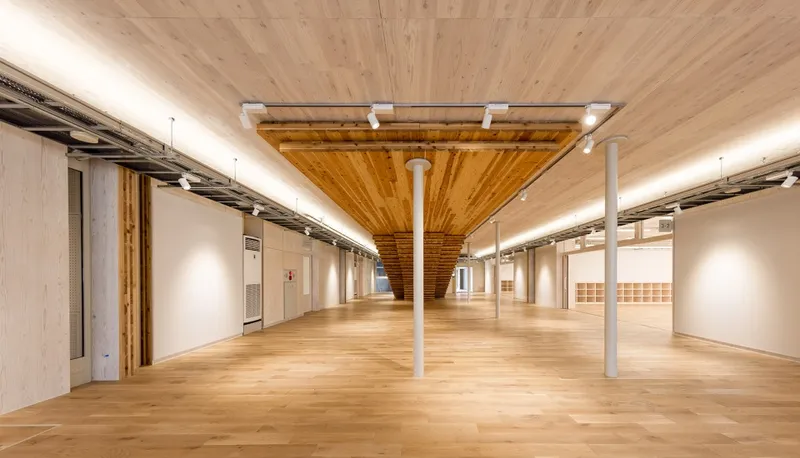
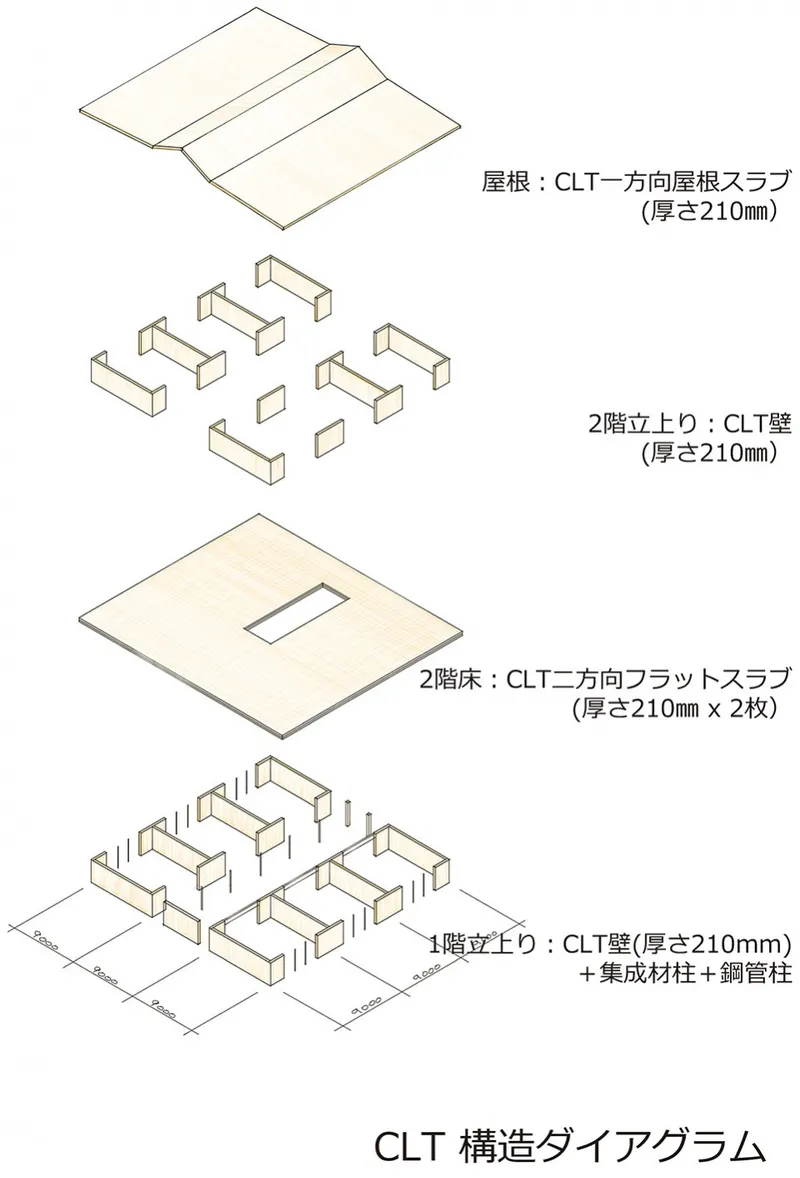
The school's design incorporates the relationship between nature and education, promoting students' exploration and creativity while being mindful of the environment. The use of two-way CLT flat slabs made from domestic wood and a lean design eliminated the need for compartment walls, providing a flexible and expansive space. The school also contributes to the realization of carbon neutrality by reducing its carbon footprint and promoting forest resource protection.
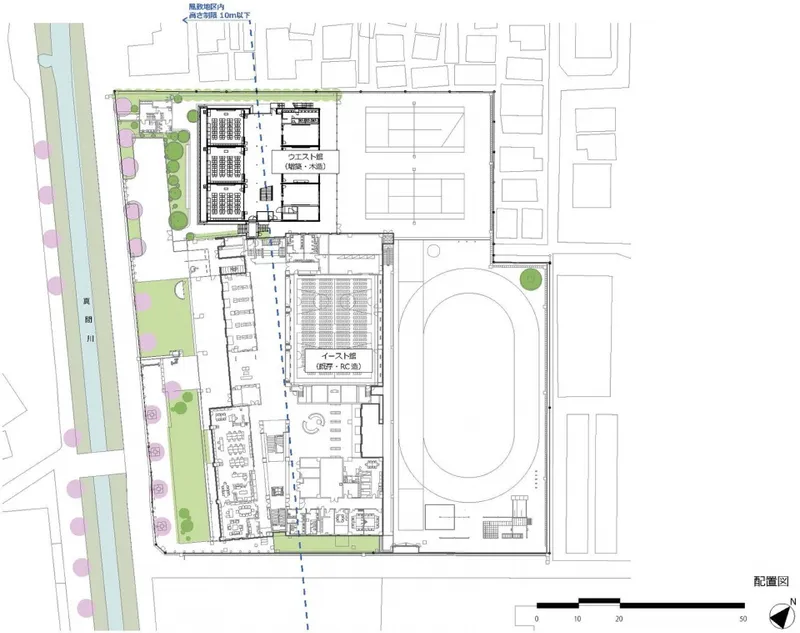
The key features of the Showa Gakuin Elementary School West Wing:
Sustainable Design
The Showa Gakuin Elementary School West Wing is a sustainable educational facility that focuses on reducing its carbon footprint and promoting forest resource protection. The school uses innovative construction methods, such as two-way CLT flat slabs made from domestic wood, and a lean design that eliminates the need for compartment walls, providing a flexible and expansive space.
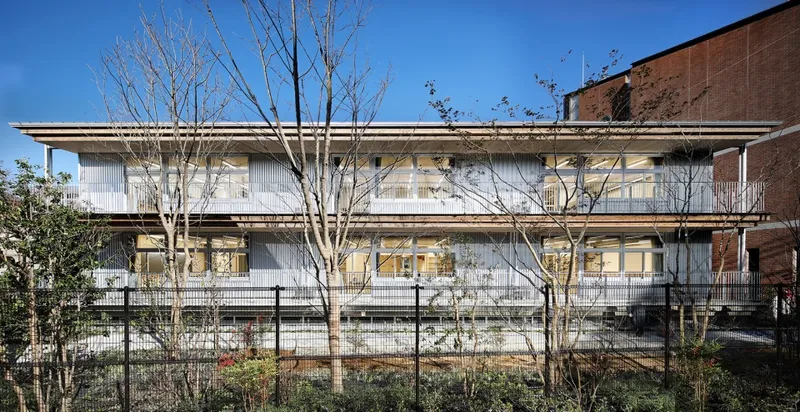
Innovative Construction Methods
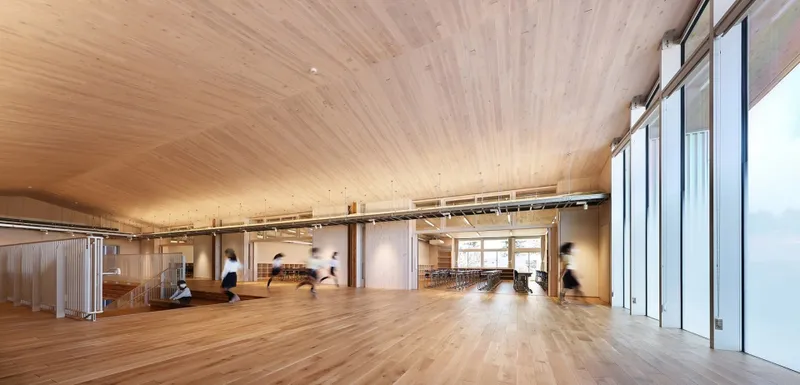
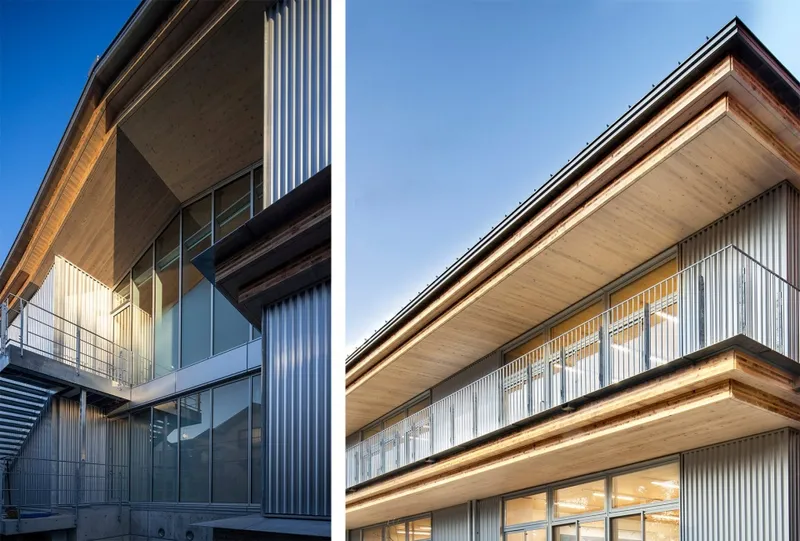
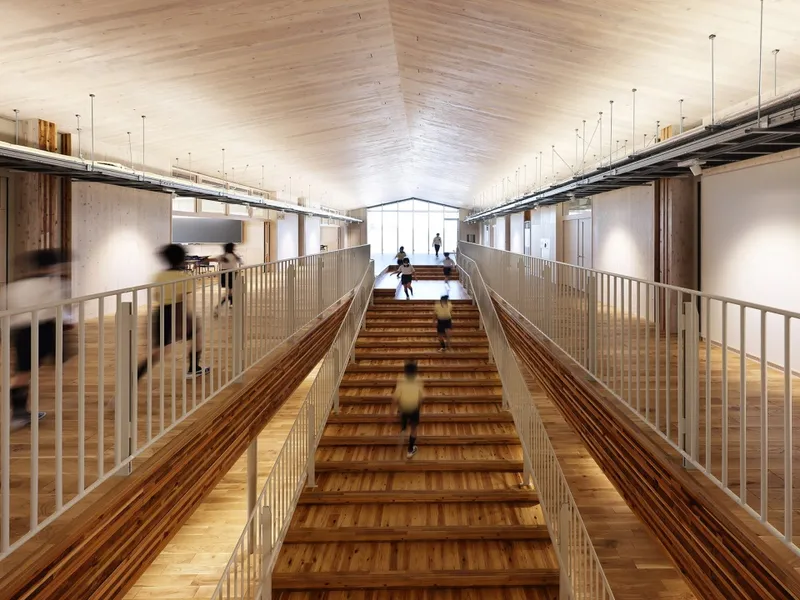
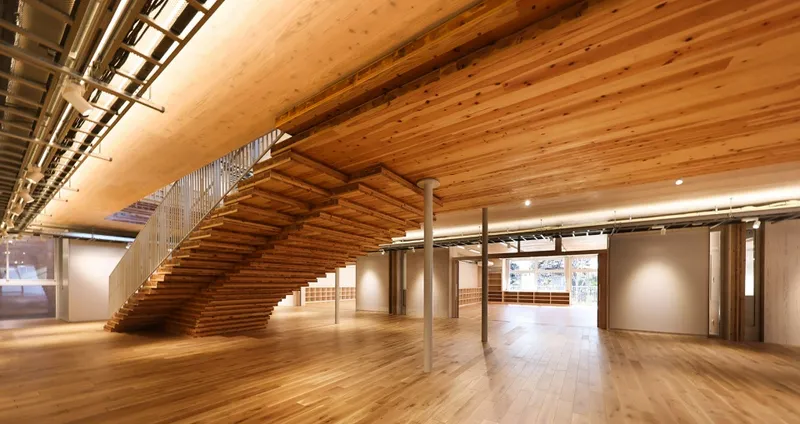
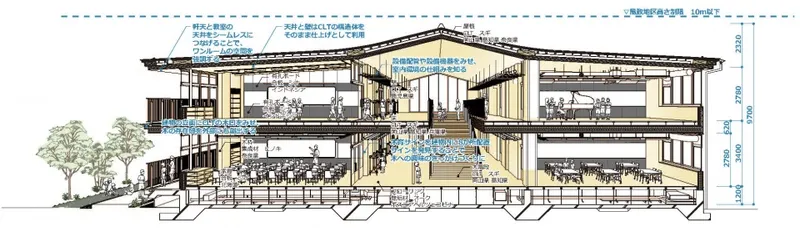
The Showa Gakuin Elementary School West Wing uses innovative construction methods, such as the two-way CLT flat slab method, requiring no beams, and allowing for minimal floor-to-floor height and total building height while maintaining the same ceiling height as the existing school. The use of CLT also reduced the weight of the structure and minimized its load on the foundation, shortening the construction period.
Stunning Design Features
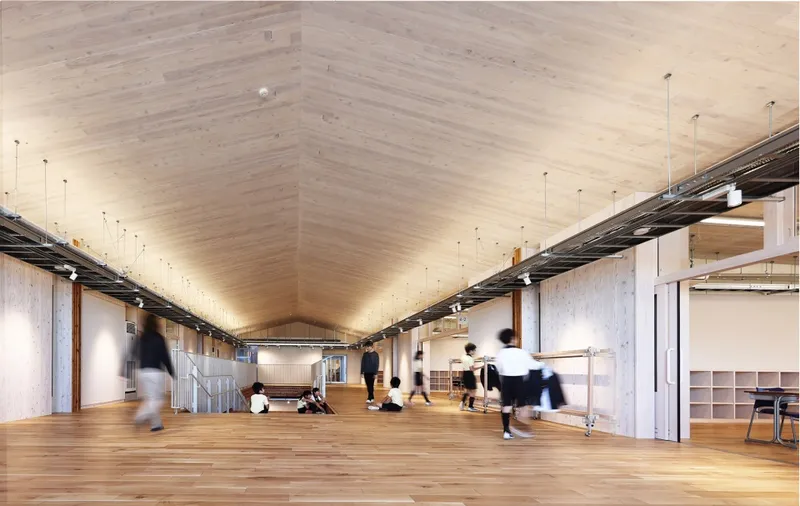
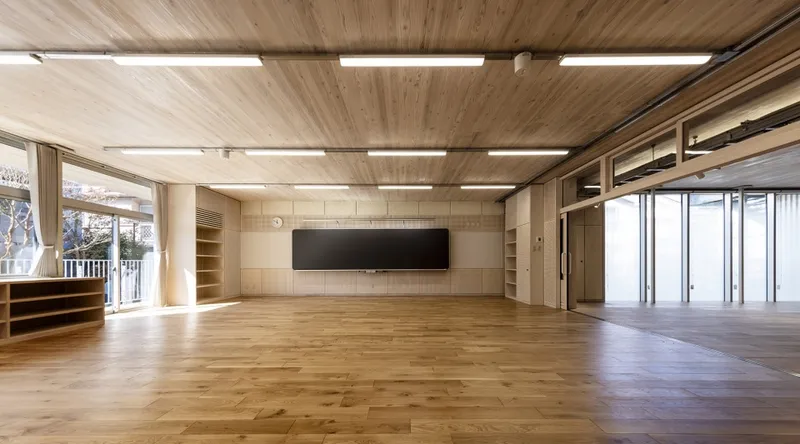
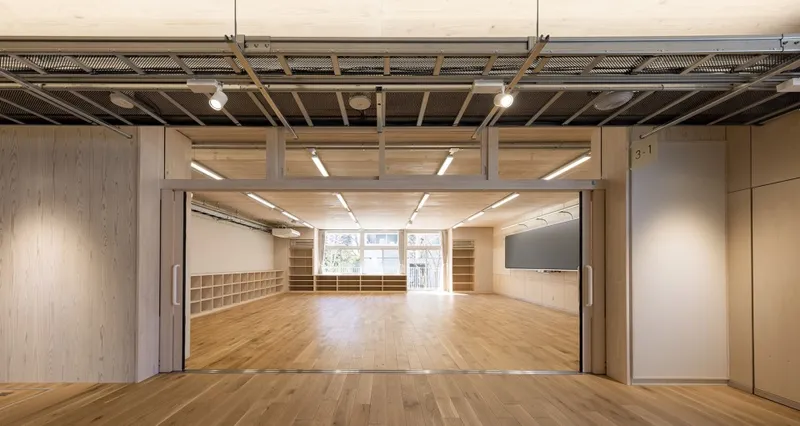
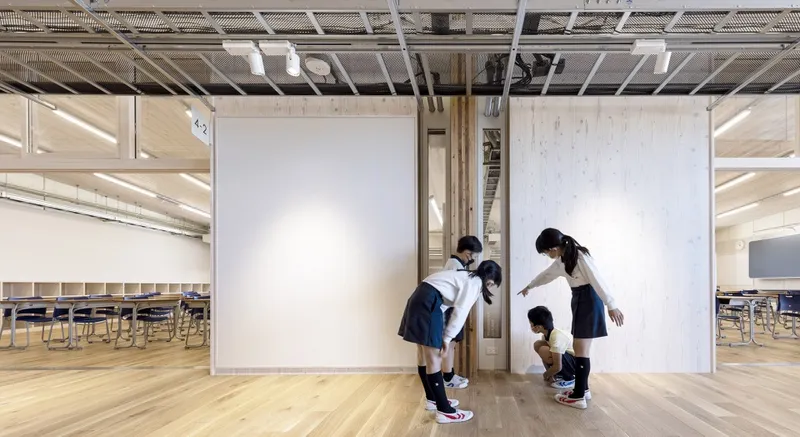
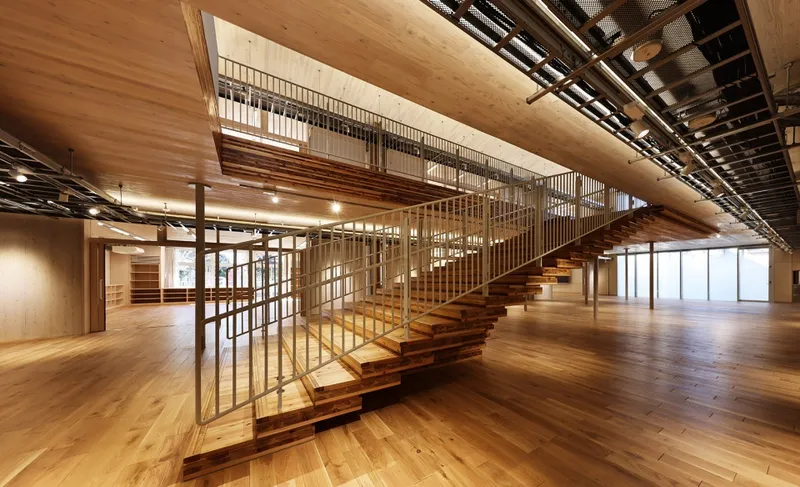
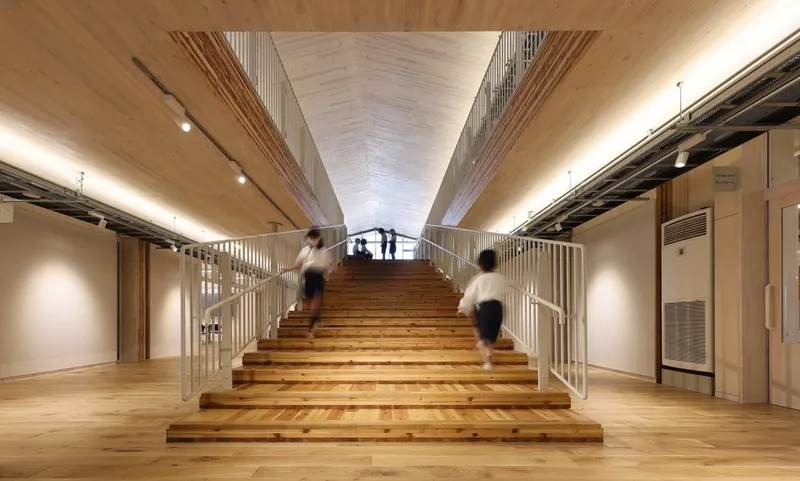
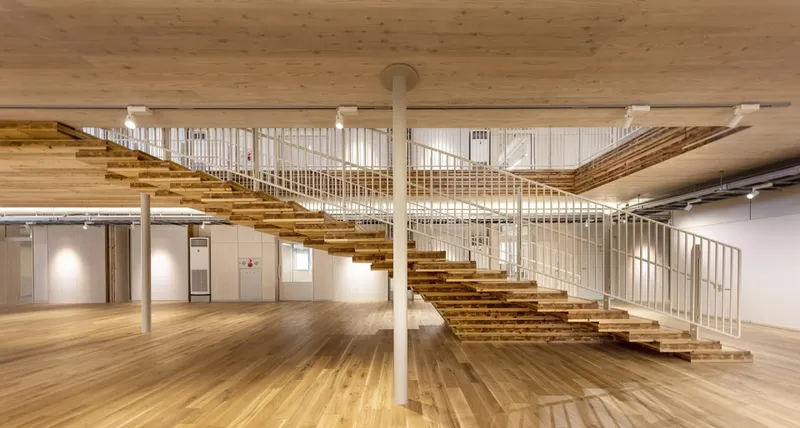
The Showa Gakuin Elementary School West Wing features stunning design features that promote students' exploration and creativity. Exposed CLT was employed for the interior, creating a seamless composition that transcends the functions of the building. Various parts of the building feature carefully designed CLT details that create phenomenal light and shadow effects and emphasize the timber's three-dimensionality.
Environmental Consciousness
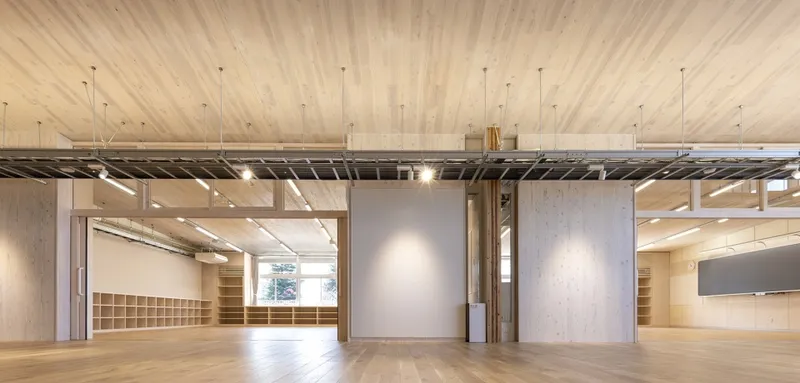
The Showa Gakuin Elementary School West Wing contributes to the realization of carbon neutrality by reducing its carbon footprint and promoting forest resource protection. The building's lean design, fully exposed structure, and labeling of each element's species, origin of the wood, and equipment function raise awareness of environmental and forestry issues.
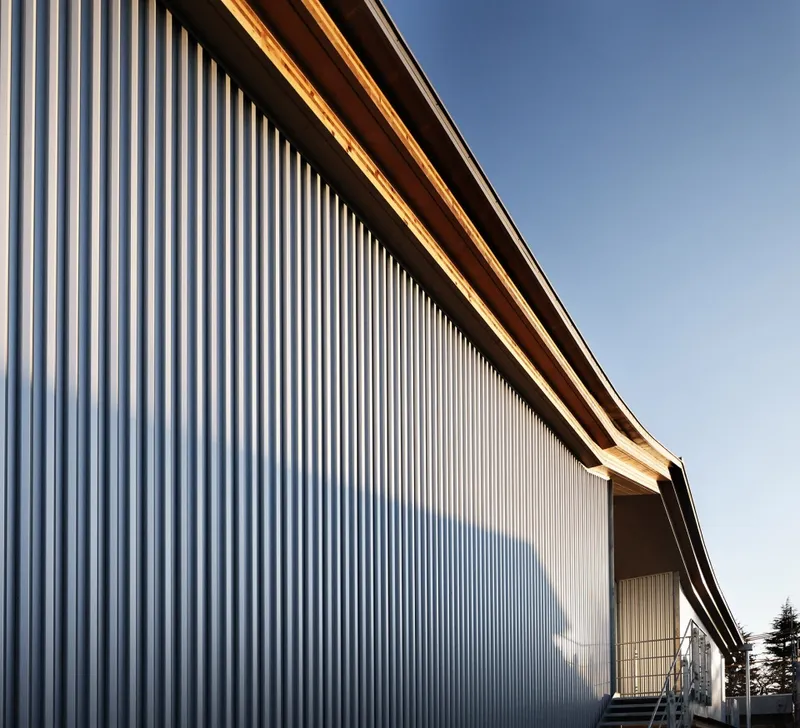
Nature-Focused Learning
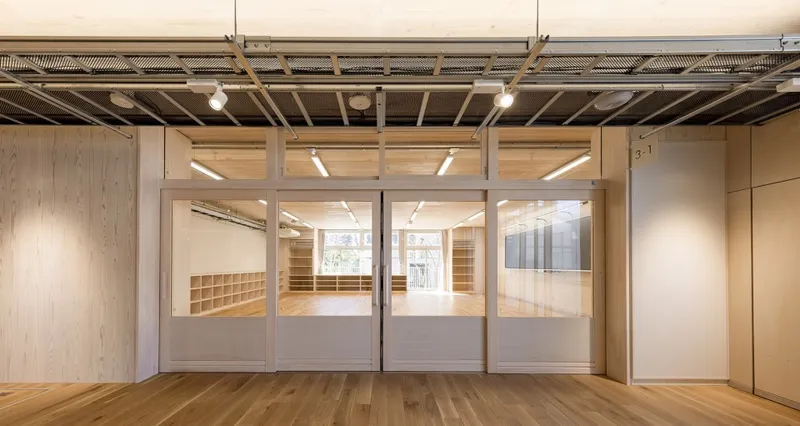
The Showa Gakuin Elementary School West Wing is designed to familiarize children with nature and stimulate their imagination about forest resources and the global environment. The fittings are designed to fully open to the central activity plaza, creating an integrated and continuous space for class visits, open school events, and other occasions, depending on the usage. The corridors and staircases are designed to stimulate various activities and provide a space that encourages a sensory perception of how the architecture itself was assembled.
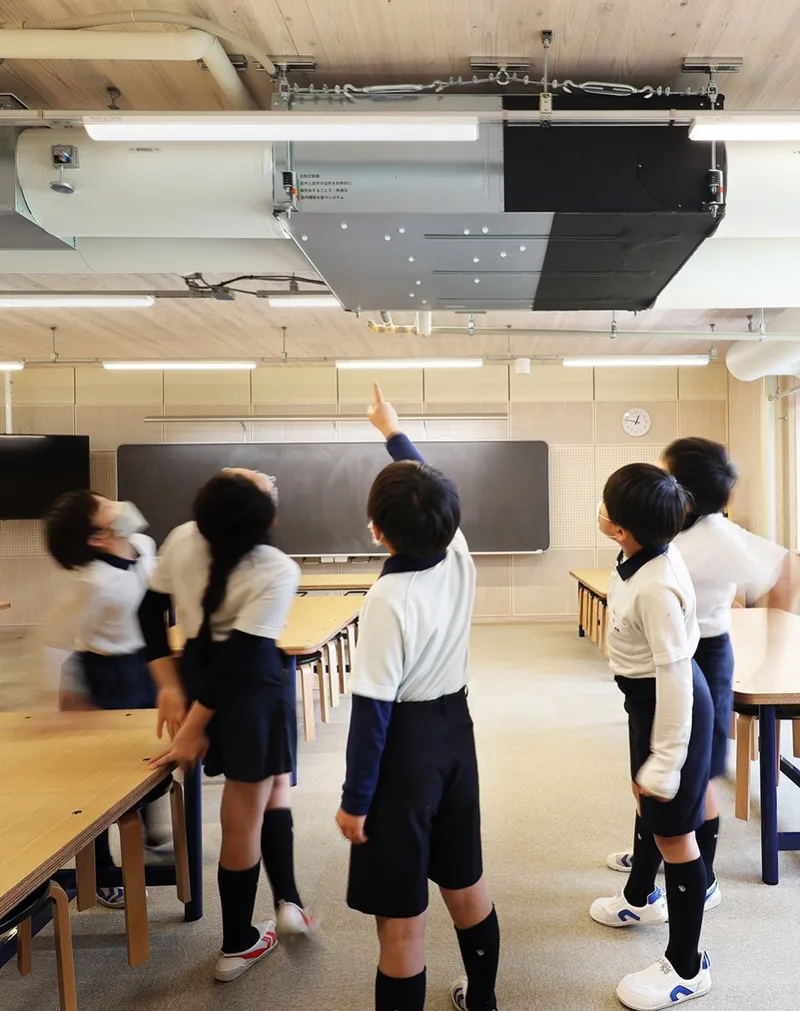
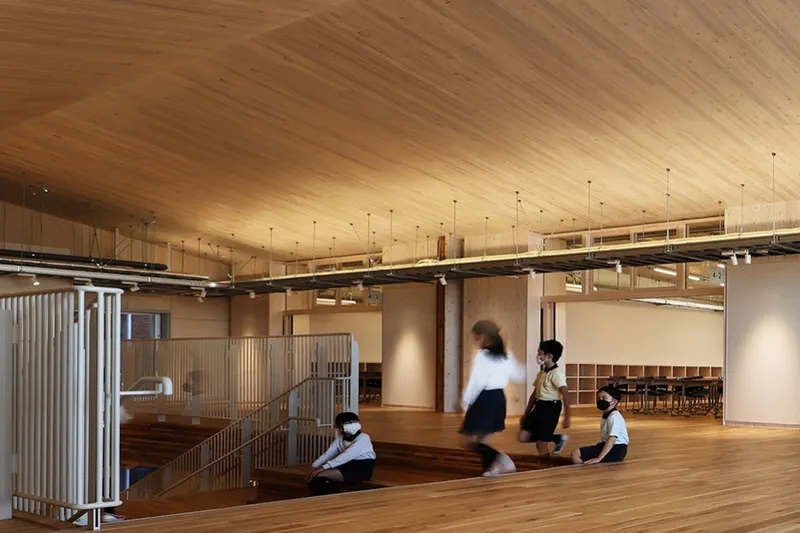
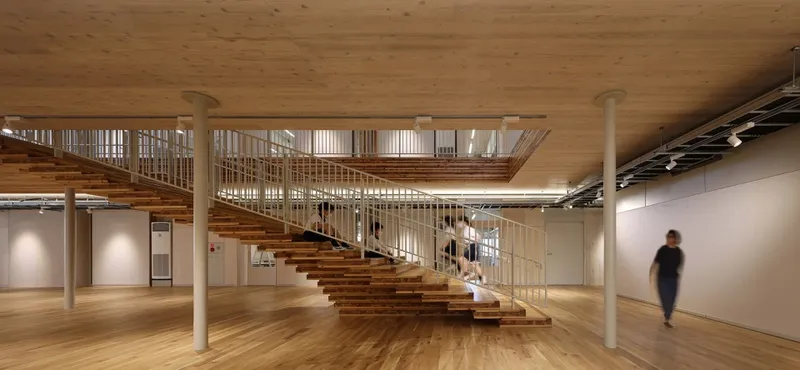
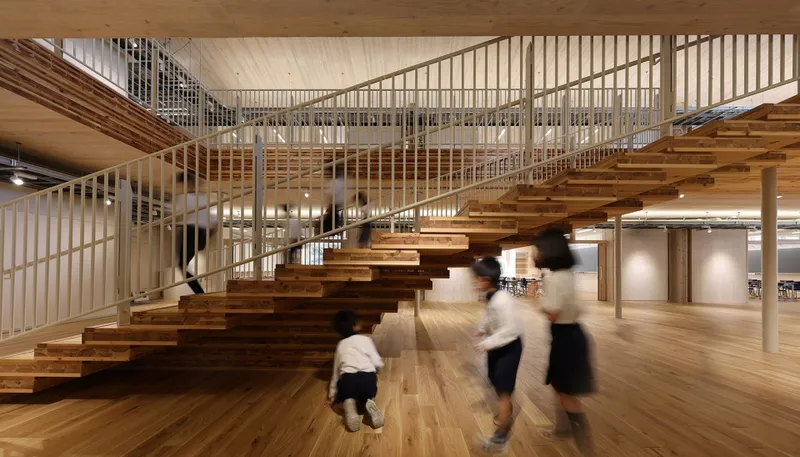
Showa Gakuin Elementary School West Wing is a remarkable example of sustainable design and innovation in educational facilities. Its stunning features, innovative construction methods, and environmentally conscious design make it a must-see destination for architecture enthusiasts and nature-focused learning advocates.
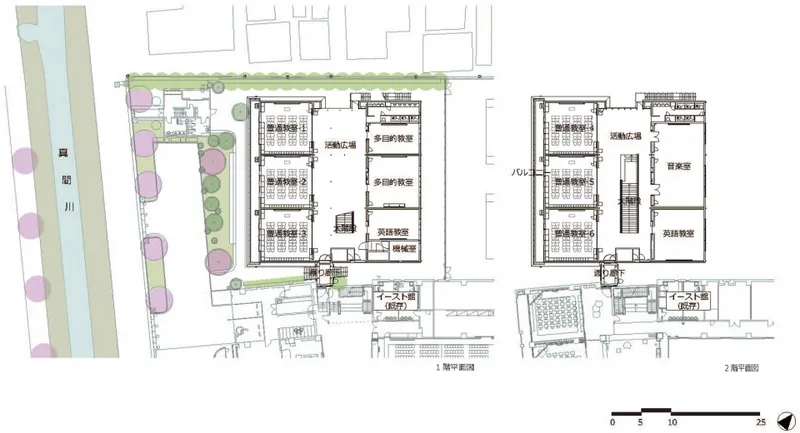
Project Name: Showa Gakuin Elementary School West Wing
Building typology: Primary School
Location: Ichikawa City, Chiba Prefecture, Japan
Site Area (㎡): 10,539.29㎡
Building area (㎡): 1,467.84㎡
Number of floors: G+2 floors
Building height: 9.7m
Structure: The main structure is wooden structure and some steel structures (CLT plate structure)
Completion date: 2021.11
Client: Showa Gakuin
Chief Design: Nikken Sekkei (Main business scope Basic design, implementation design, supervision)
Construction: Taisei Construction Co., Ltd.
Photo source: Kankosha (Noda Totoku), Gankohsha [Harunori Noda]

Popular Articles
Popular articles from the community


Play: Fragments of Their World
Familiar architecture becomes modular playground design, creating safe spaces where displaced children can learn, connect, imagine and play.

The Musturak Paradise: Senior Living Architecture for a Connected Future in Temara, Morocco
The Musturak Paradise reimagines senior living architecture in Temara via private homes, social spaces, culture, community, and shared care.

Conexión: Biophilic Design Reimagines High-Rise Living in Hong Kong
Conexión reimagines high-rise living in Hong Kong through biophilic design, green facades, shared spaces, daylight, water and nature within.

Lunar Spiral: Space Architecture Shaped by the Mathematics of the Universe
Lunar Spiral reimagines space architecture through Fibonacci geometry, lunar regolith, levitating habitats, and self-sustaining Moon living.

Similar Reads
You might also enjoy these articles


Top 10 Must-Participate Architecture Competitions in 2025
Embarking on a Journey of Architectural Excellence: Premier Competitions of 2025

20 Unconventional Architecture Thesis Topics for 2024: Exploring the Future Through Design
An Insightful Look into How Today's Emerging Architects Are Pushing Boundaries and Redefining Spaces with Their Unconventional Thesis Topics in 2024

Little Red Riding Hood: Architectural Design as a Journey Through Fear, Light, and Storytelling
Little Red Riding Hood reimagines the fairy tale through architectural design shaped by fear, light, scale, memory, uncertainty, and choice.

Floating Urban Village: Sustainable Architecture for a Climate-Resilient Community on Water
A modular floating village uses sustainable architecture, local materials and self-sufficient systems to create resilient life on water.


Explore Sustainable Design Competitions
Discover active competitions in this discipline




Challenge to design public laboratory


Design challenge to reuse E-waste
Comments (0)
Please login or sign up to add comments
No comments yet. Be the first to comment!