Sky Cemetery: A New Vision for Sustainable Memorial Architecture
Reimagining cemeteries as vertical memorials, Sky Cemetery transforms burial spaces into sustainable, light-filled urban sanctuaries.


Architecture is evolving to address the pressing needs of urban expansion and sustainability. The Sky Cemetery, designed by Jienan Zhang, Liao He, and Joe He, redefines traditional burial spaces by transforming cemeteries into vertical memorial architecture, integrating the past, present, and future into a singular spatial experience. As an Honorable Mention entry in the Circle of Life competition, this visionary project "In Light We Return" offers a compelling alternative to conventional burial grounds, optimizing urban land use while embracing the symbolism of light and remembrance.
A Paradigm Shift in Cemetery Design
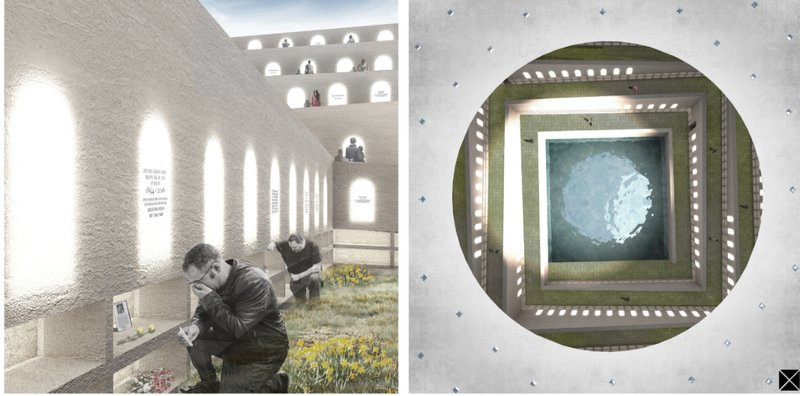
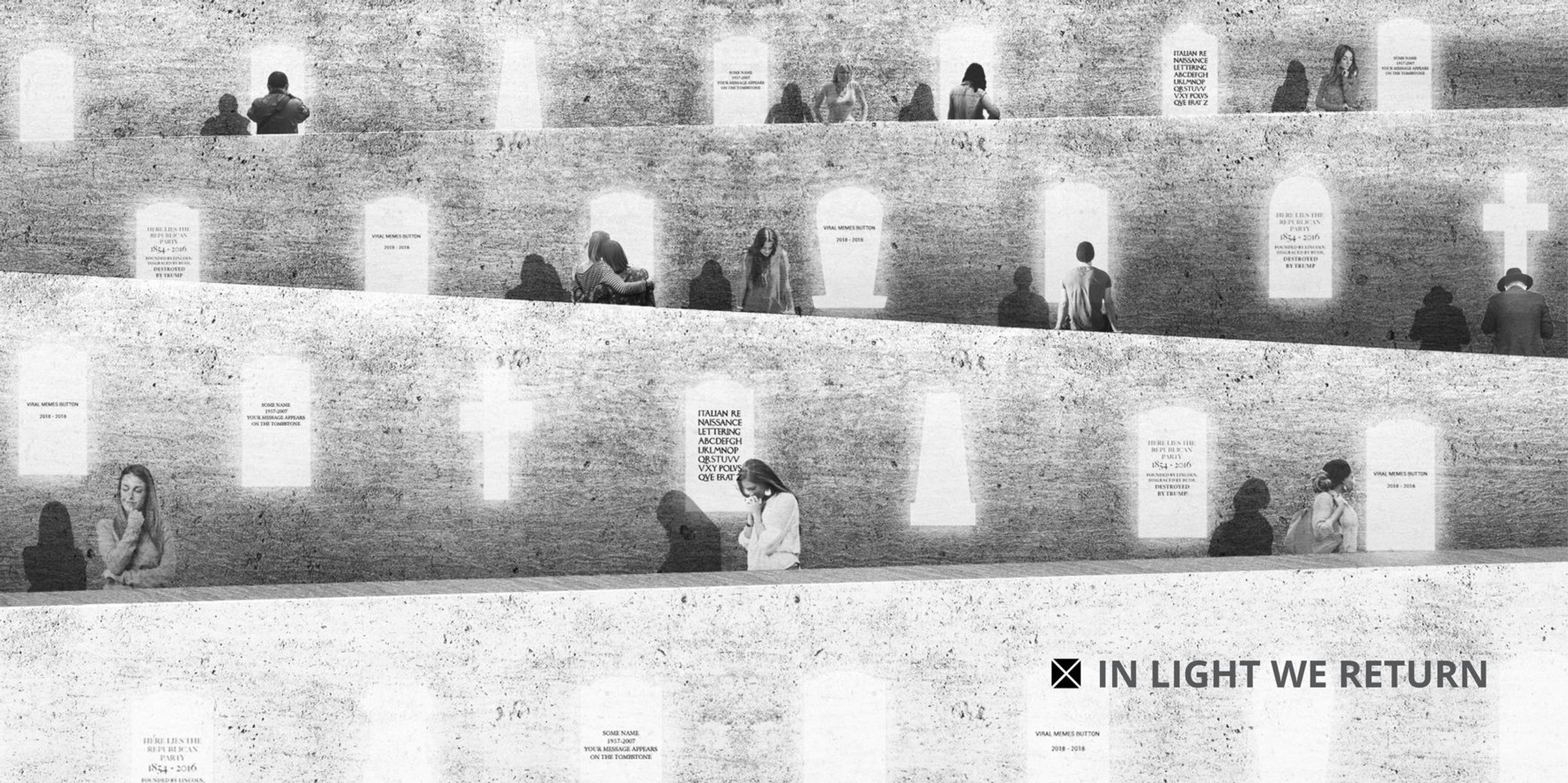
Historically, cemeteries have occupied large tracts of land, often isolating themselves from the urban fabric. The Sky Cemetery challenges this outdated approach by replacing traditional stone-made tombs with crystal-like prisms that float above the urban landscape. These ethereal prisms serve as memorials, capturing and refracting light to create a visually poetic and spiritually resonant atmosphere.
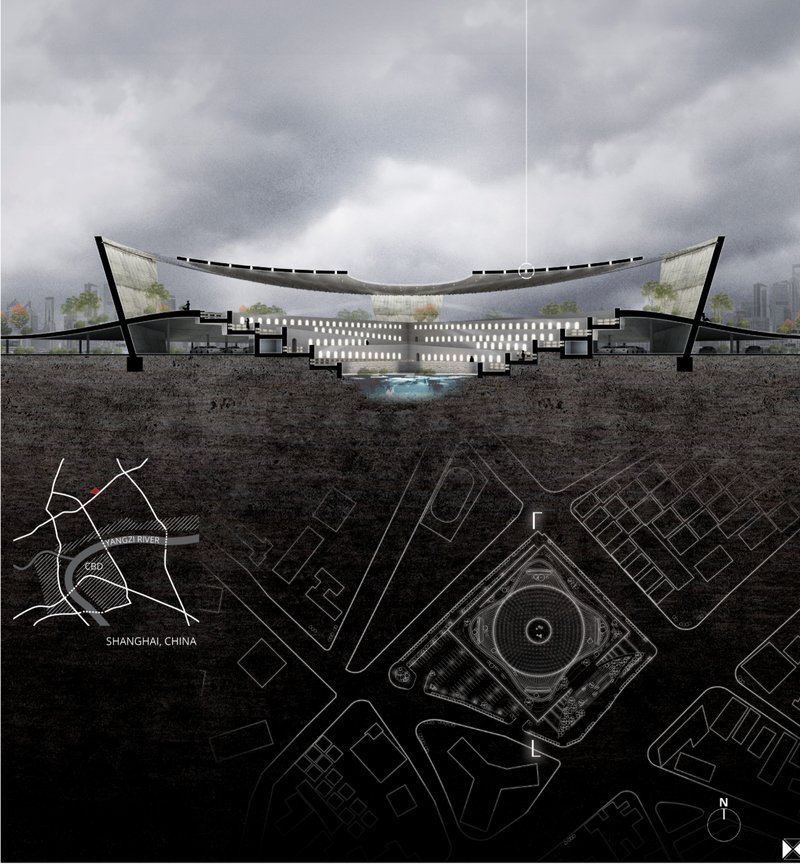
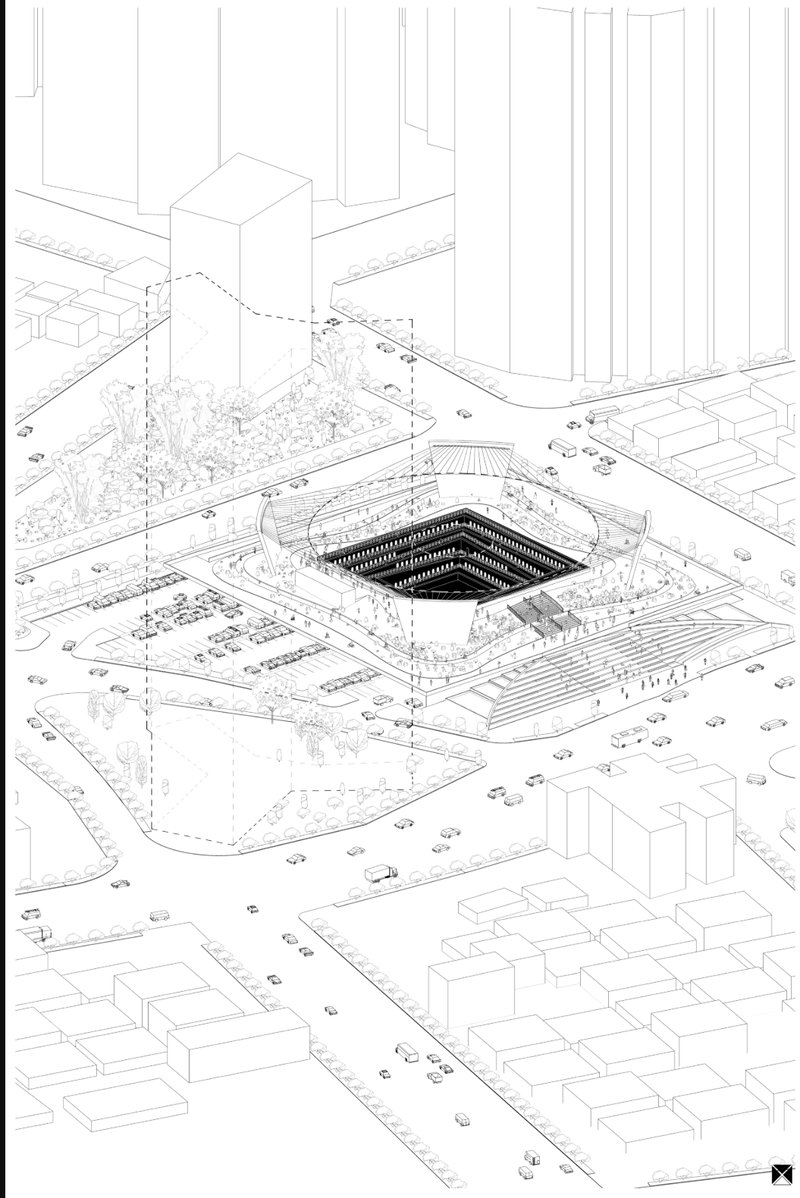
By elevating memorial spaces, the design reintegrates the concept of life and death within densely populated cities, fostering an inclusive space where remembrance and daily life coexist harmoniously. The project’s approach addresses the increasing scarcity of urban land while offering a more sustainable and culturally sensitive alternative for burial and commemoration.
Sustainability and Innovation in Memorial Architecture
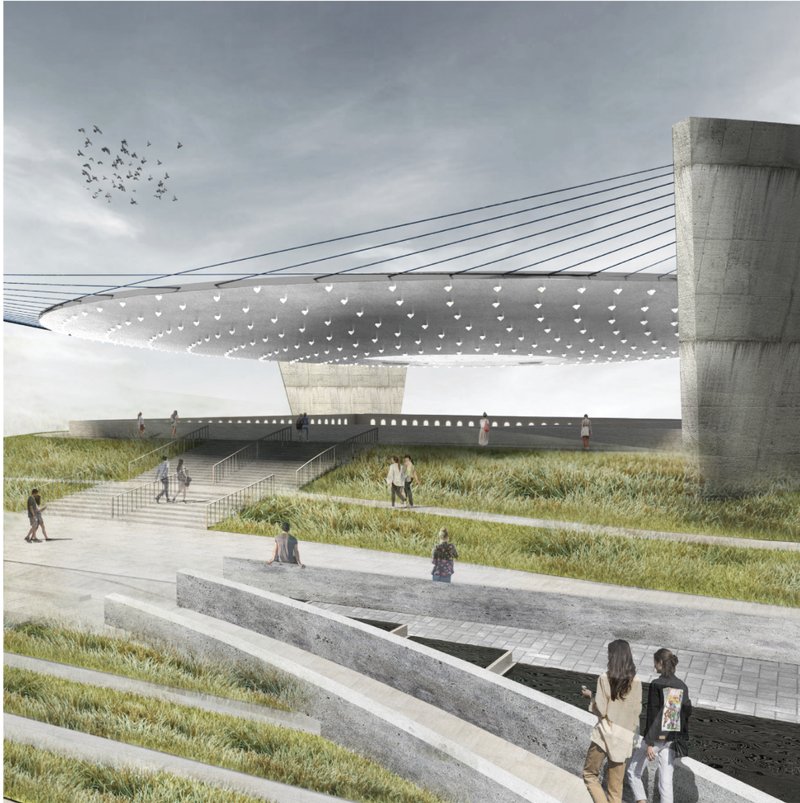
One of the most innovative aspects of Sky Cemetery is its use of alkaline hydrolysis, an environmentally friendly cremation process that transforms human remains into crystallized prisms. These prisms are then suspended in the sky, casting tomb-like light patterns onto the sunken memorial garden below. This technique not only reduces the ecological footprint of traditional burials but also redefines how we perceive and interact with memorial spaces in the urban environment.
The Sky Cemetery’s integration of renewable energy sources, such as solar-powered light-enhancing prisms, further reinforces its commitment to sustainability. By eliminating the need for vast cemetery plots and reducing carbon emissions associated with traditional burials, this project sets a precedent for future memorial architecture.
A Memorial Space for the Living and the Departed
Beyond its architectural ingenuity, Sky Cemetery is designed as a public space where individuals can reflect, grieve, and celebrate life. The sunken garden, illuminated by the prisms above, offers a tranquil environment for visitors. By merging urban planning with sacred spaces, the project breaks the taboo surrounding death, making it a visible yet harmonious part of city life.
This transformative approach to memorial architecture envisions a future where cemeteries are no longer hidden away but are actively integrated into the urban experience, fostering connection and continuity between generations.
Sky Cemetery by Jienan Zhang, Liao He, and Joe He—Honorable Mention in the Circle of Life competition—redefines how we memorialize our loved ones while addressing urban sustainability and spatial constraints.