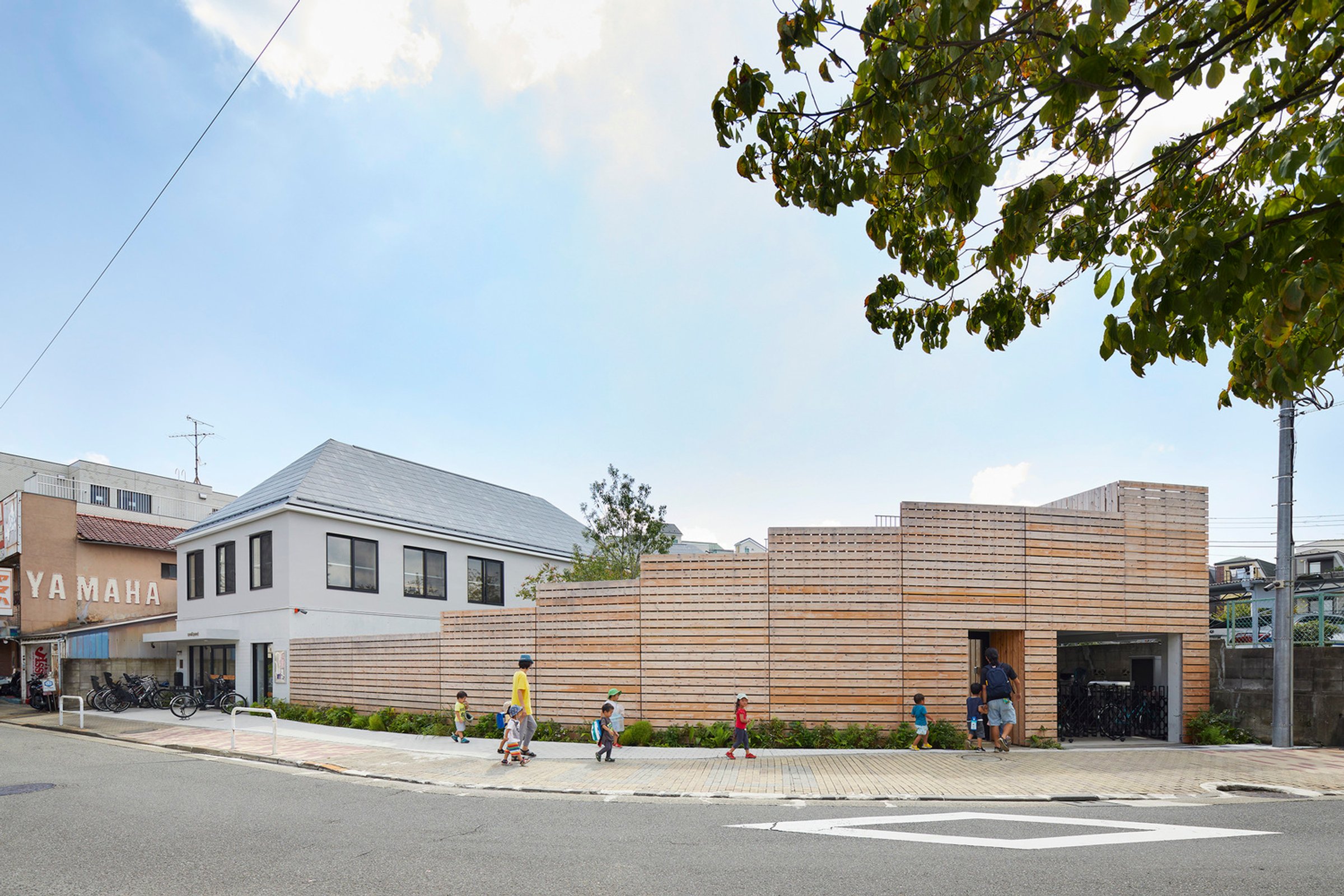
"Small Pond" Nursery by Naf Architect & Design: A Community-Centered Approach to Childcare in Tokyo
"Small Pond" Nursery by Naf Architect & Design blends community-focused childcare with sustainable architecture, fostering nature-driven learning and social engagement in Tokyo.


A Vision for Holistic Early Education
The "Small Pond" Nursery in Setagaya City, Tokyo, is an innovative daycare center designed by Naf Architect & Design. Built as an affiliate to the "Small Village" Nursery, completed in 2014, this project embodies a vision where childcare extends beyond conventional daycare settings—encouraging community-driven learning and sustainable architecture.
With an emphasis on nature, social interaction, and spatial flexibility, "Small Pond" redefines early childhood environments by integrating biophilic design, eco-friendly materials, and an inclusive layout that fosters a connection between children, caregivers, and the local community.
Design Inspired by the Site’s Natural and Historical Context
Before designing the nursery, the architects conducted an in-depth study of the area's geography, history, and urban planning. The site was once a wooded area with a natural creek, and remnants of an underground waterway still flow beneath the premises. Recognizing this hydrophilic nature, the architects decided to incorporate water as a core theme—leading to the "Small Pond" concept, which symbolizes children's spontaneity and natural curiosity.
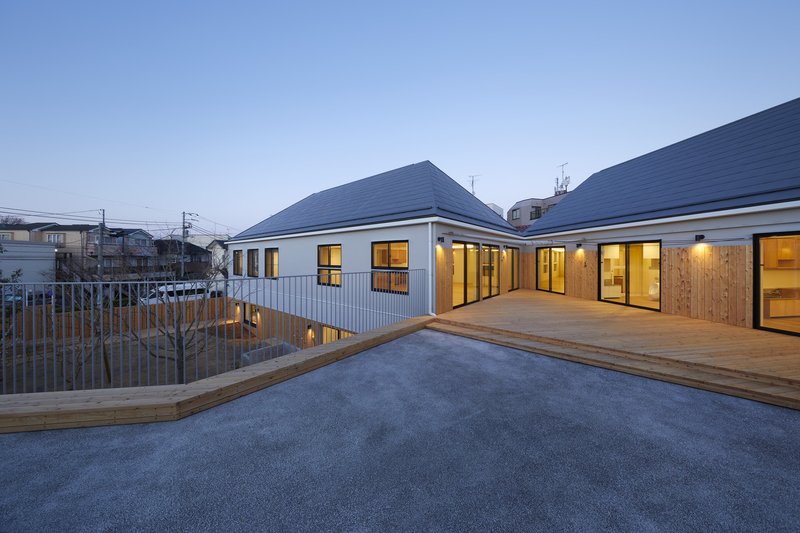
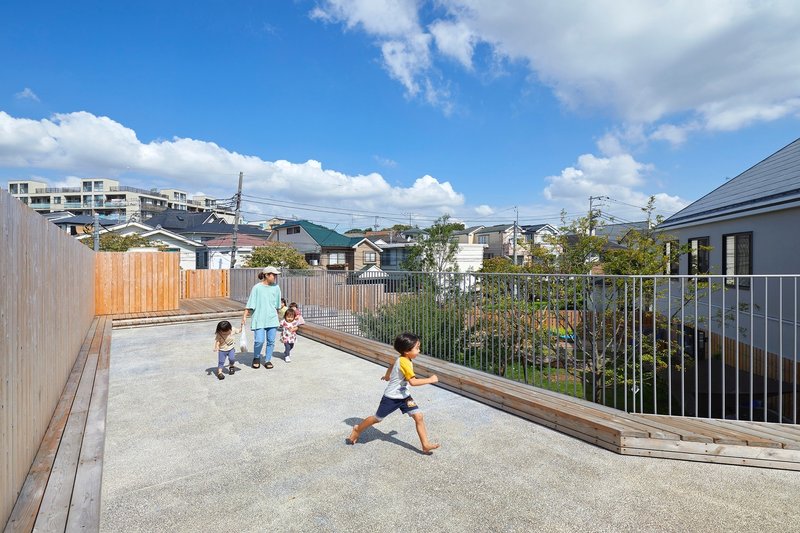
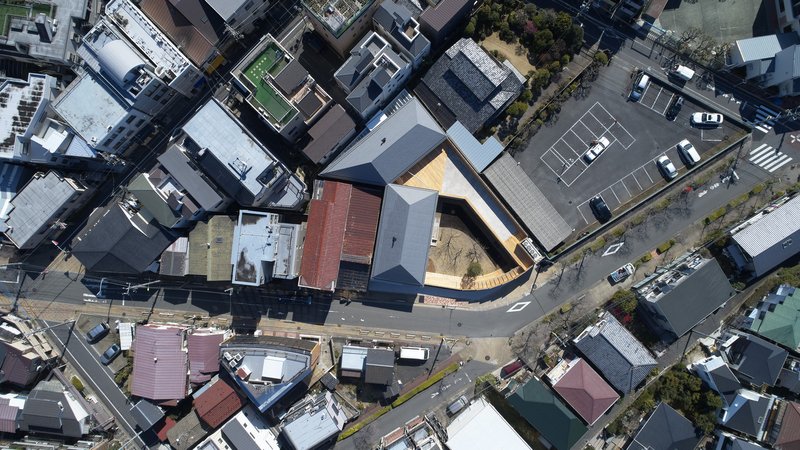
Unlike many urban sites, the wide frontage and open sky above the premises provided a rare opportunity to create a bright and airy environment, ensuring children have access to natural light and outdoor spaces.
A New Approach to Daycare: Community as a Core Element
Under the leadership of Makoto Aoyama, a renowned childcare expert, "Small Pond" was designed with a unique philosophy: daycare centers should not exist merely to care for children, but to create spaces where communities raise children together. This approach emphasizes:
- Child-led learning, where kids make decisions through self-organized meetings.
- Intergenerational engagement, fostering stronger ties with neighbors and local communities.
- A nurturing environment, designed to enhance social skills and communication.
By blurring the boundaries between public and private spaces, the nursery promotes interactions between children, parents, and local residents, reinforcing a shared responsibility in child development.
Architectural Strategies: Blending Security with Nature
To align with its community-focused and nature-driven philosophy, the architects incorporated several design elements that create both a sense of security and a strong connection with nature:
Design Features for a Secure, Comfortable Space
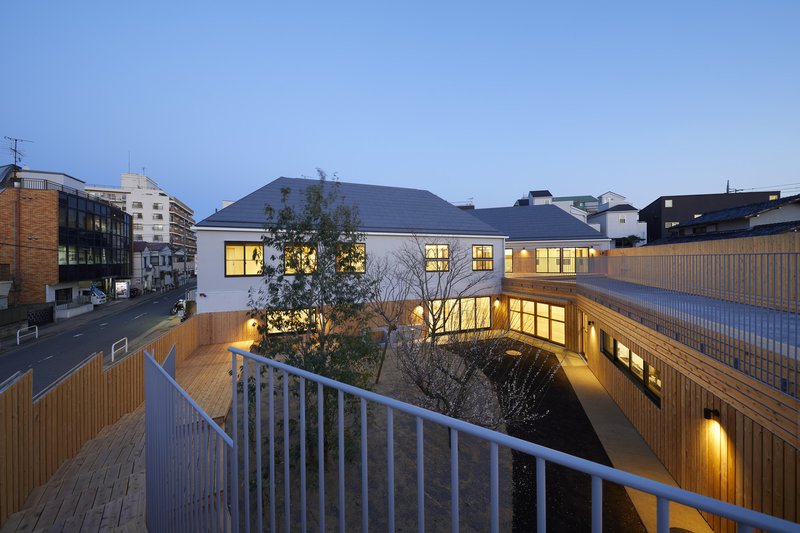
- Buffered Zones: A carefully planned building layout establishes a transition between the daycare and its residential surroundings, minimizing disturbances while maintaining a welcoming environment.
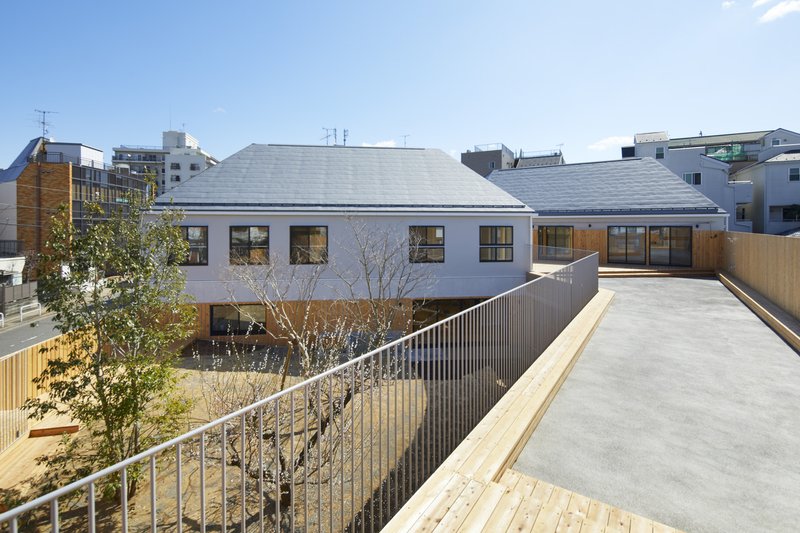
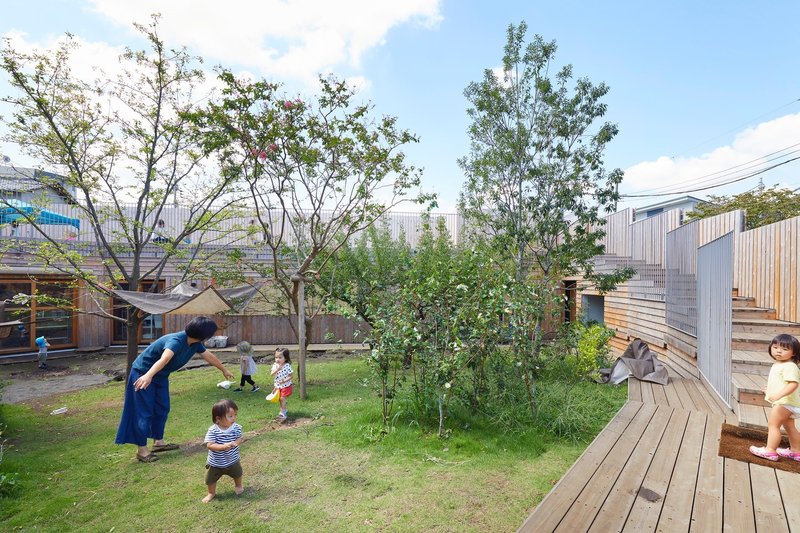
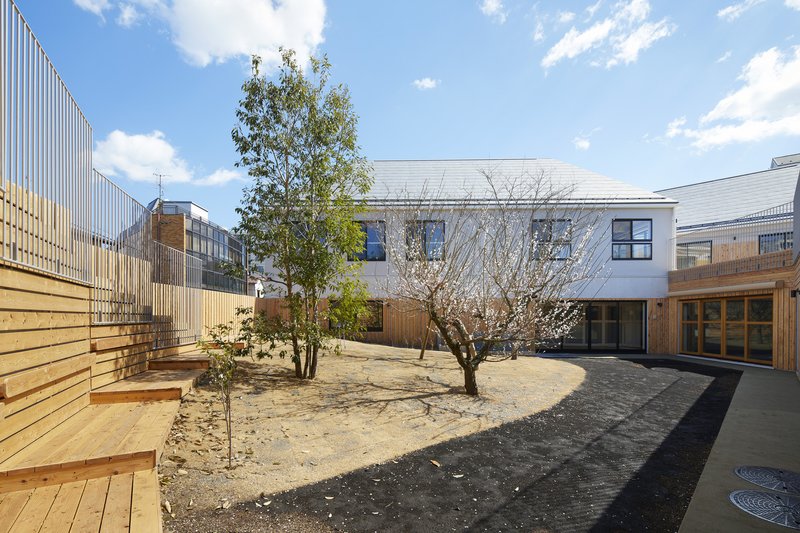
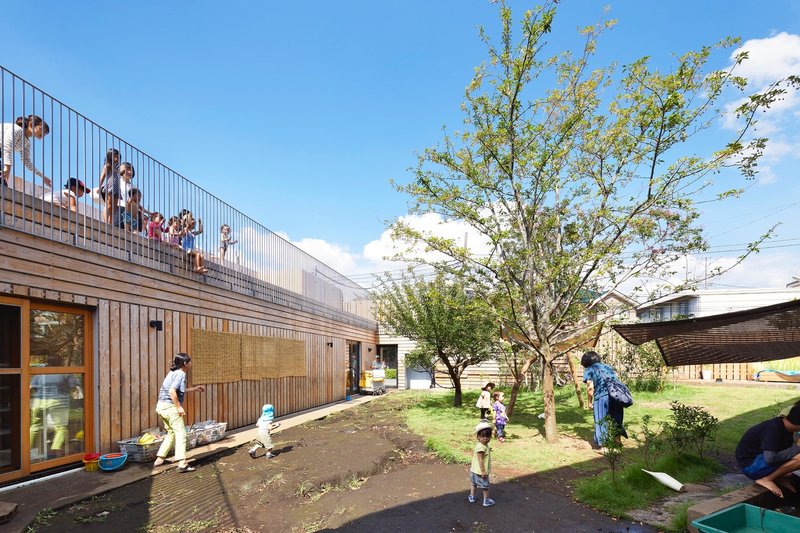
- Garden with Open Sky: The landscape design ensures that the view of the sky remains unobstructed, creating an open, breathable space.
- Soft Boundaries: A recessed exterior wall allows for an open passageway, inviting engagement without compromising safety.
- Gentle Roof Design: The hipped roof softens the building’s scale, reducing visual pressure and maintaining harmony with the neighborhood.
Design Features That Enhance Interaction with Nature
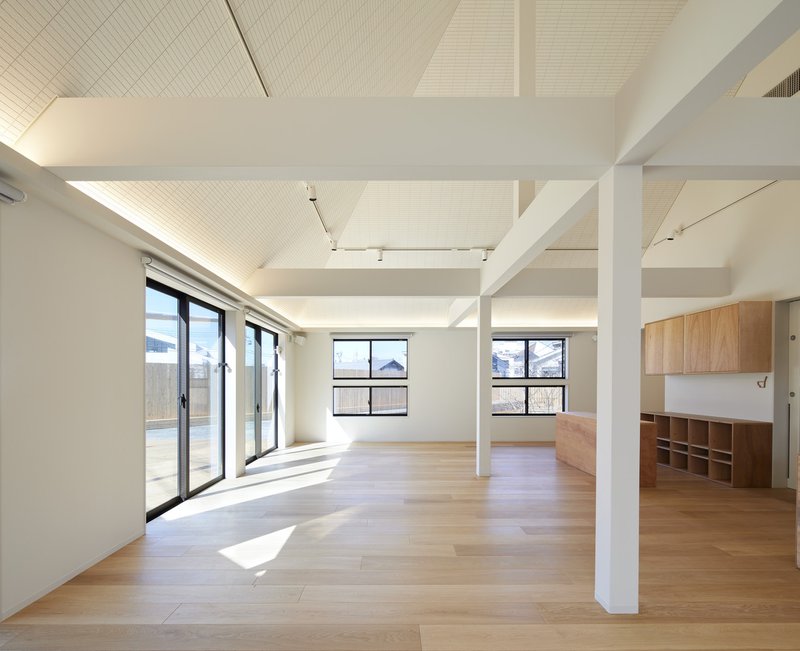
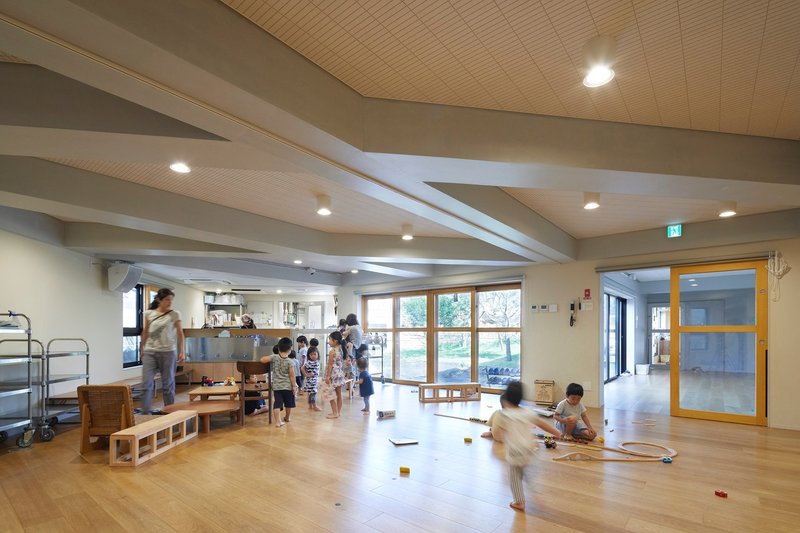
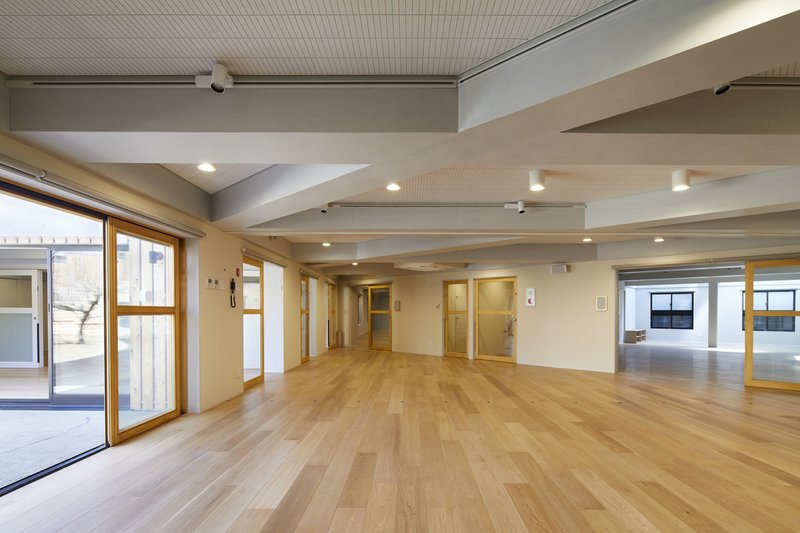
- Dynamic Indoor-Outdoor Transitions: Every nursing room is uniquely designed to receive different light and wind conditions, offering a variety of sensory experiences.
- Flexible Space Configuration: The zoning strategy allows interiors to merge seamlessly with outdoor areas, encouraging free movement and exploration.
- Durable, Eco-Friendly Materials: The choice of natural, weathering materials ensures longevity while promoting a harmonious relationship with the environment.
Innovative Childcare Model: Mixed-Age Learning & Community Engagement
One of the most distinctive aspects of "Small Pond" is its approach to cross-age group learning, a rare practice in Japan. Children between zero and five years old interact in shared spaces, fostering mentorship, cooperation, and empathy.
Additionally, the nursery regularly hosts community events, inviting neighbors and guests to participate in activities—strengthening social cohesion and reinforcing the daycare’s role as a cultural hub.
Materiality & Design Details: A Thoughtful Approach
To ensure safety, comfort, and sustainability, the architects carefully selected materials and structural elements:
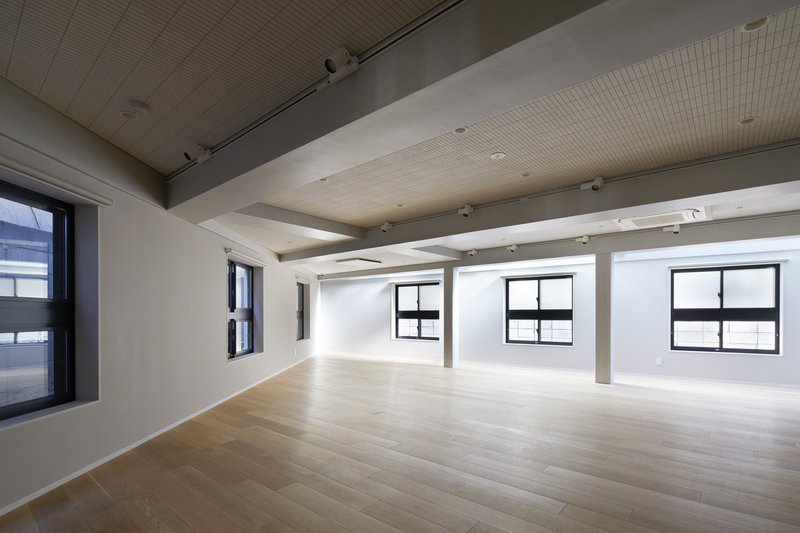
- Child-Safe Flooring: A highly resistant, uniform flooring prevents discomfort and insecurity caused by abrupt material transitions.
- Blended Roof Aesthetic: The roof proportions reflect local architectural styles, using sheet metal cladding to reduce visual dominance.
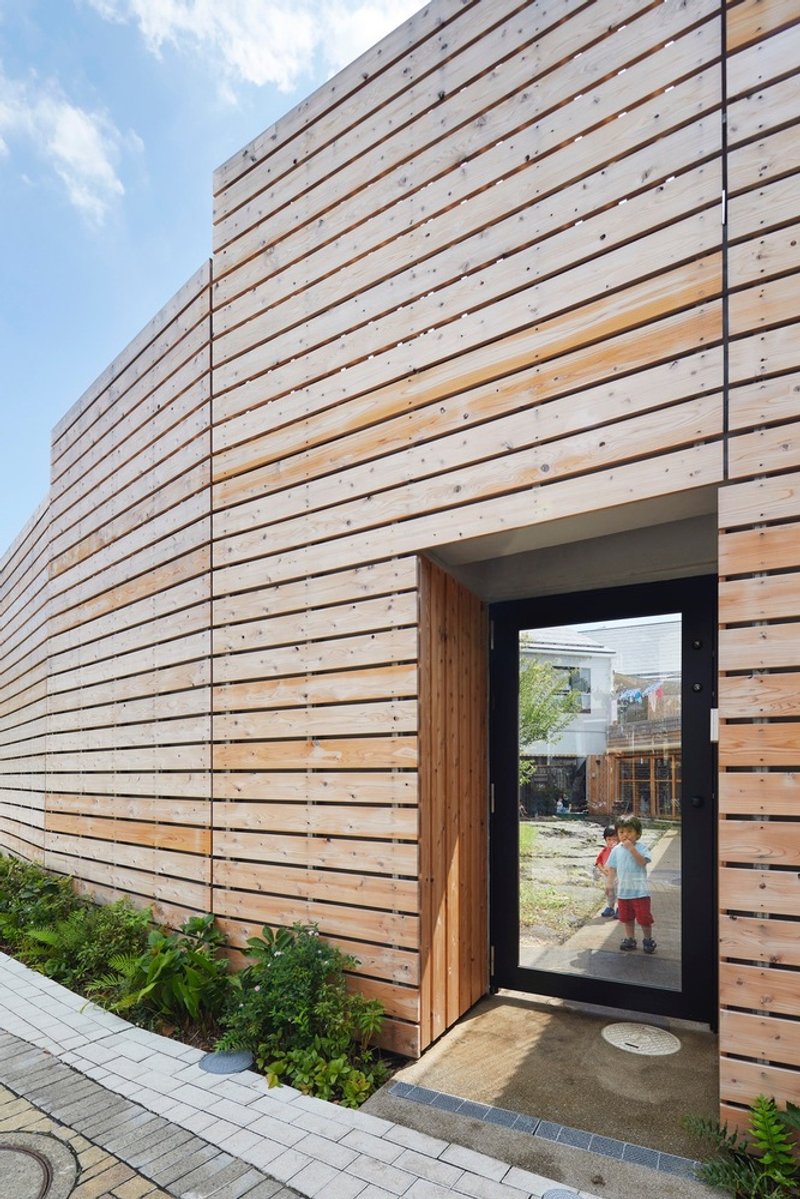
- Tactile, Natural Finishes: Unpainted wood and vertically laid wooden boards prevent climbing hazards while allowing materials to age naturally over time.
- Privacy & Connectivity Balance: The spacing between wooden slats adjusts based on the surroundings—wider near roads for visibility, narrower near residential areas for privacy.
- Fruit-Bearing Trees & Natural Play Elements: The garden includes climbable trees and soft lawns, encouraging hands-on interaction with nature.
Impact & Future of Community-Centered Nurseries
Within just a year, the impact of "Small Pond" became evident—children developed stronger communication skills, their play dynamics evolved, and the nursery successfully strengthened its bond with the local community.
This project challenges traditional notions of daycare architecture, offering a model where childcare, community, and sustainability seamlessly intertwine. It sets a precedent for future urban nurseries, proving that early education spaces can be more than just functional buildings—they can be catalysts for social and environmental well-being.
All Photographs are works of Toshiyuki Yano