Sustainable Adaptive Reuse in Architecture: A Case Study of the Rabindhorn Building
Exploring the Rabindhorn Building's transformation through sustainable adaptive reuse, blending eco-friendly design, functionality, and community-centered architecture.


Adaptive reuse is a cornerstone of sustainable architecture, where existing buildings are transformed to meet modern needs while preserving resources and minimizing waste. The Rabindhorn Building in Bang Khun Thian, Thailand, stands as a shining example of this practice. Redesigned by Arsomsilp Community and Environmental Architect, this project harmoniously blends sustainability, functionality, and community-centric design.
The Concept of Adaptive Reuse
Preserving History Through Design
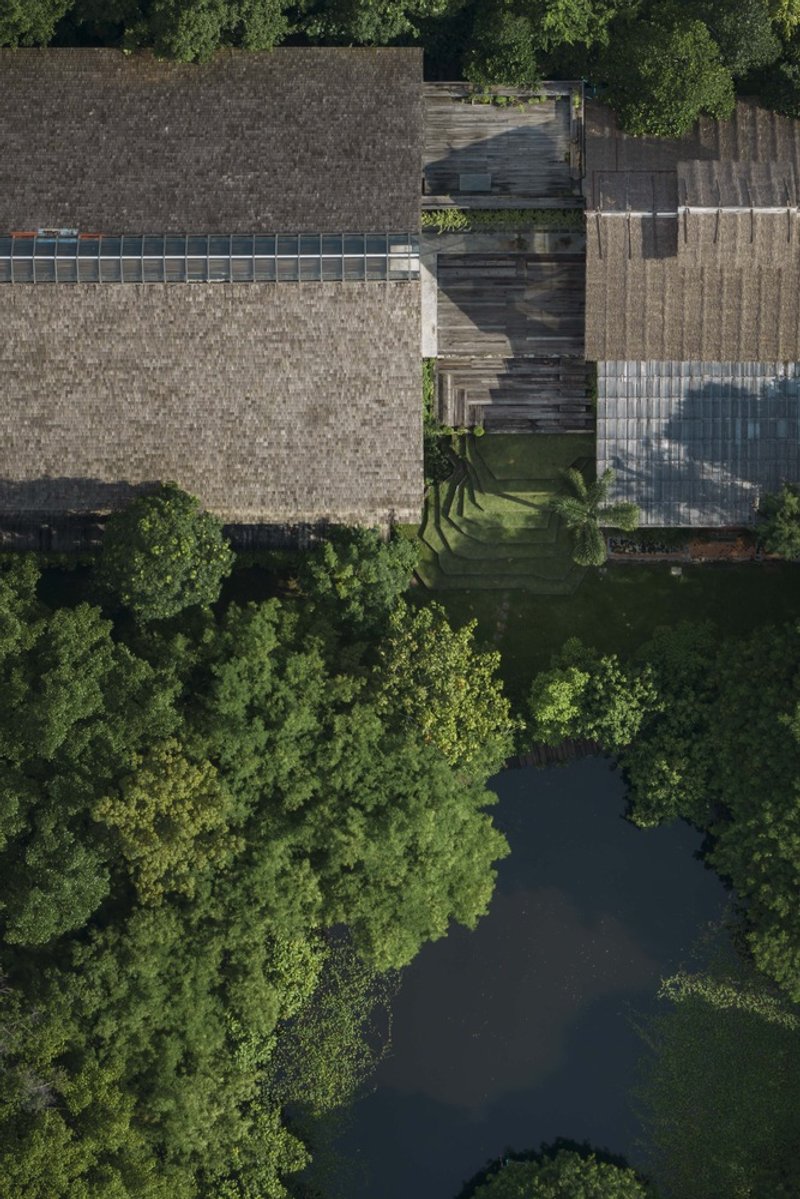
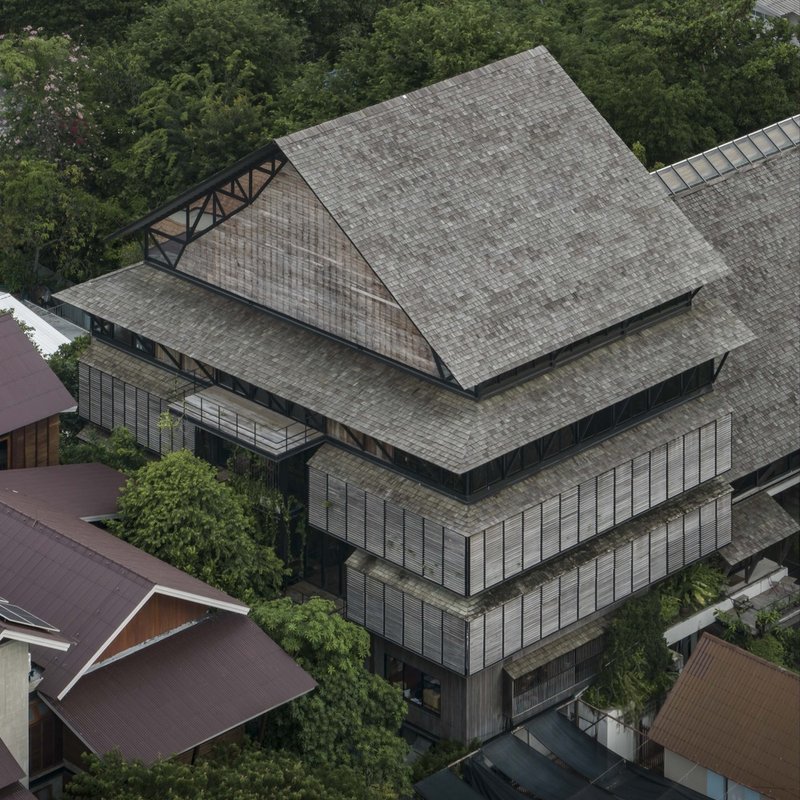
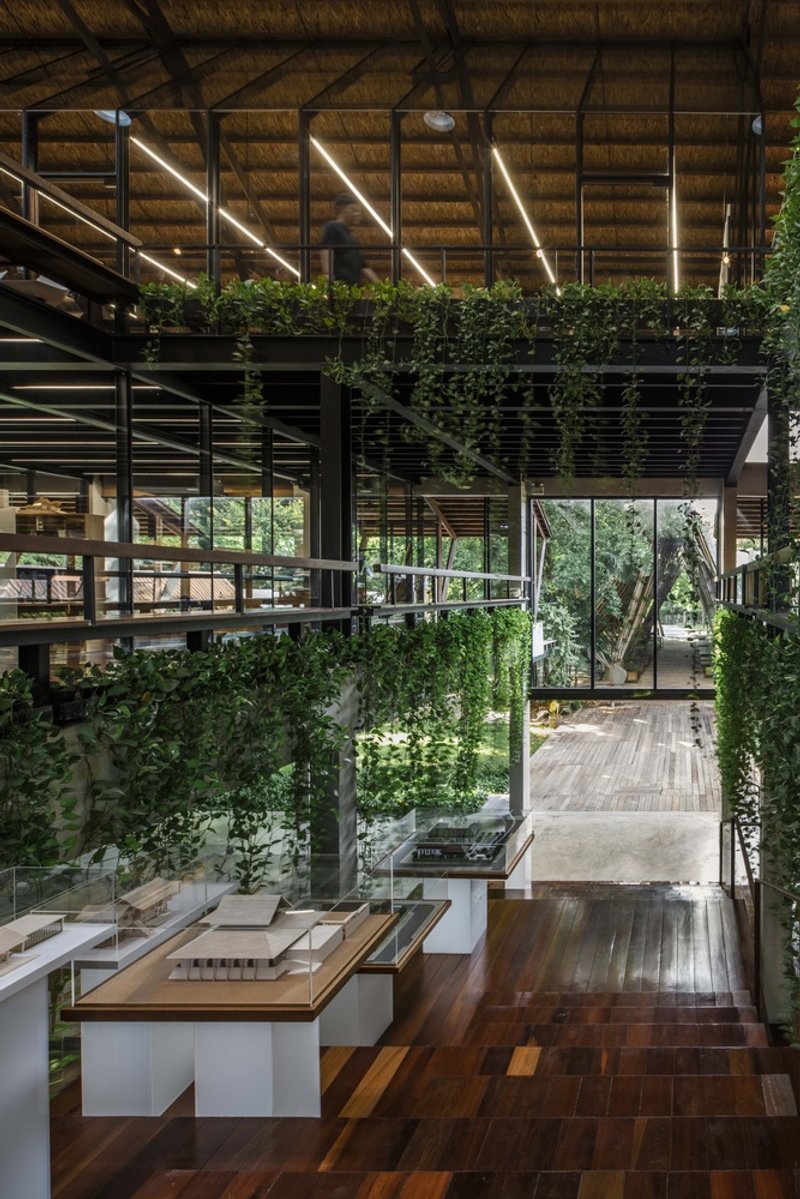
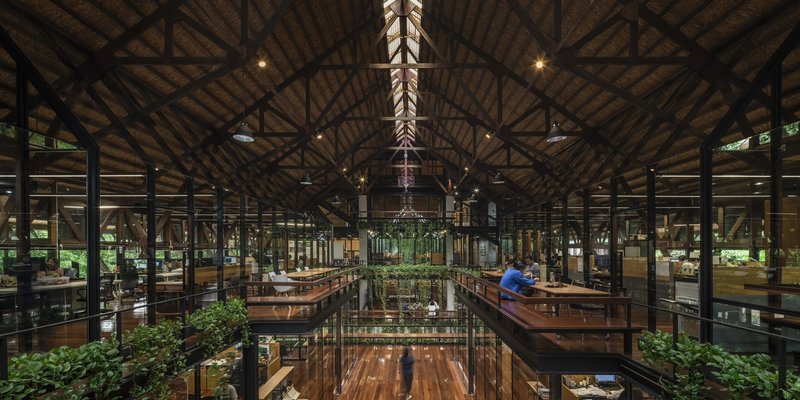
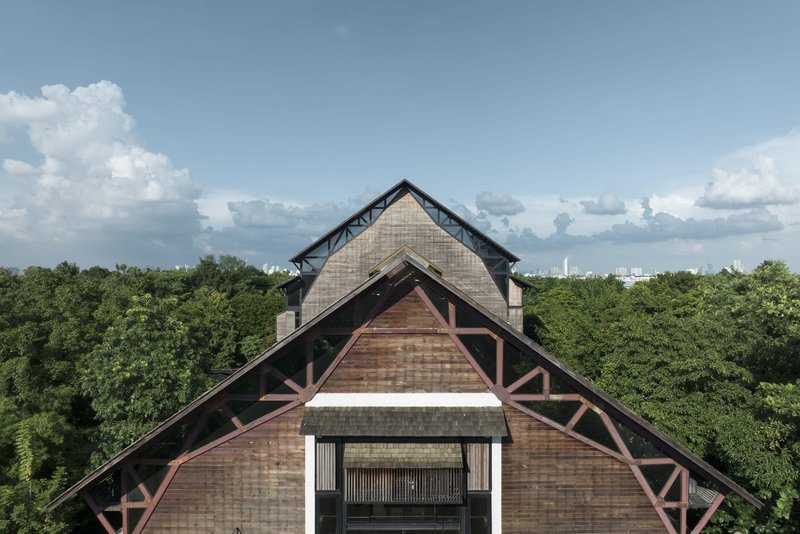
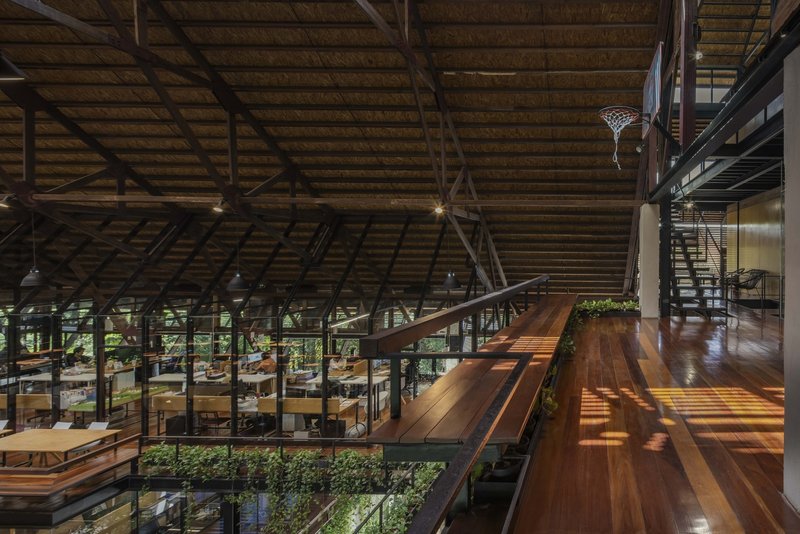
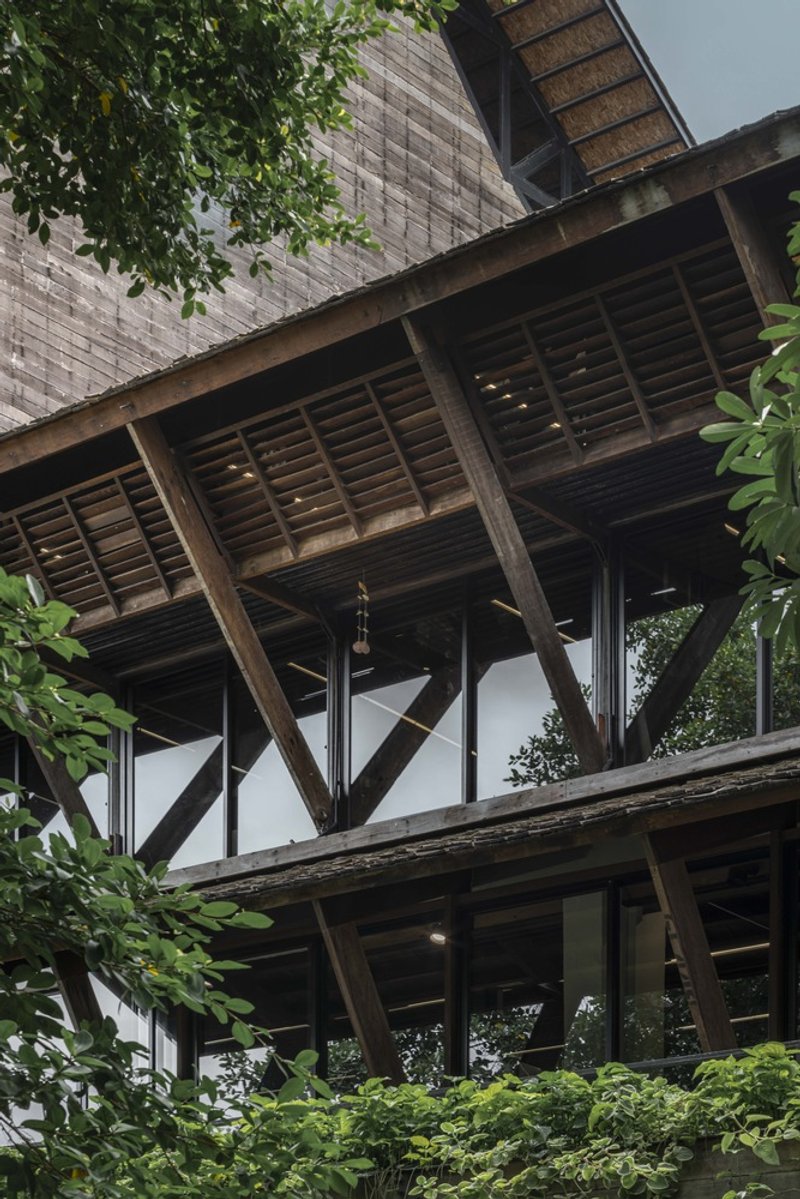
The Rabindhorn Building was originally the gymnasium of Roong Aroon School. After its relocation to a larger facility, the structure was repurposed as an architecture studio for the Arsomsilp Institute. By preserving its structural framework, including its iconic wooden trusses, the project maintains a connection to its historical roots.
Sustainability in Action
The redesign emphasizes environmentally conscious choices:
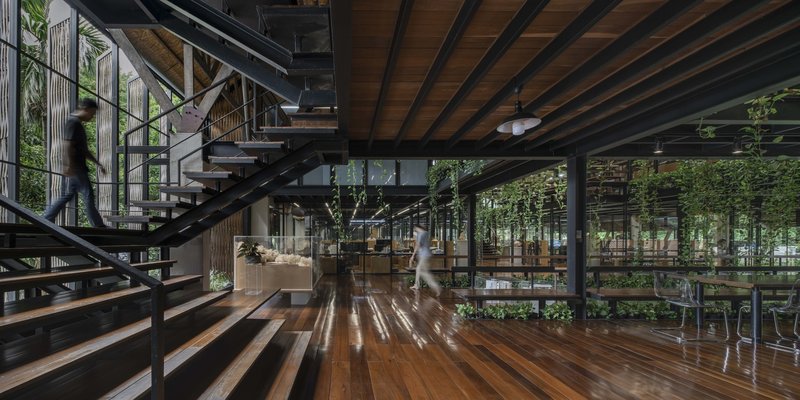
- Recycled Materials: Interior wooden components were sourced from deconstructed housing and buildings.
- Renewable Additions: Wood shingles were selected for roofing, minimizing carbon emissions.
Key Features of the Rabindhorn Building
Architectural Integration
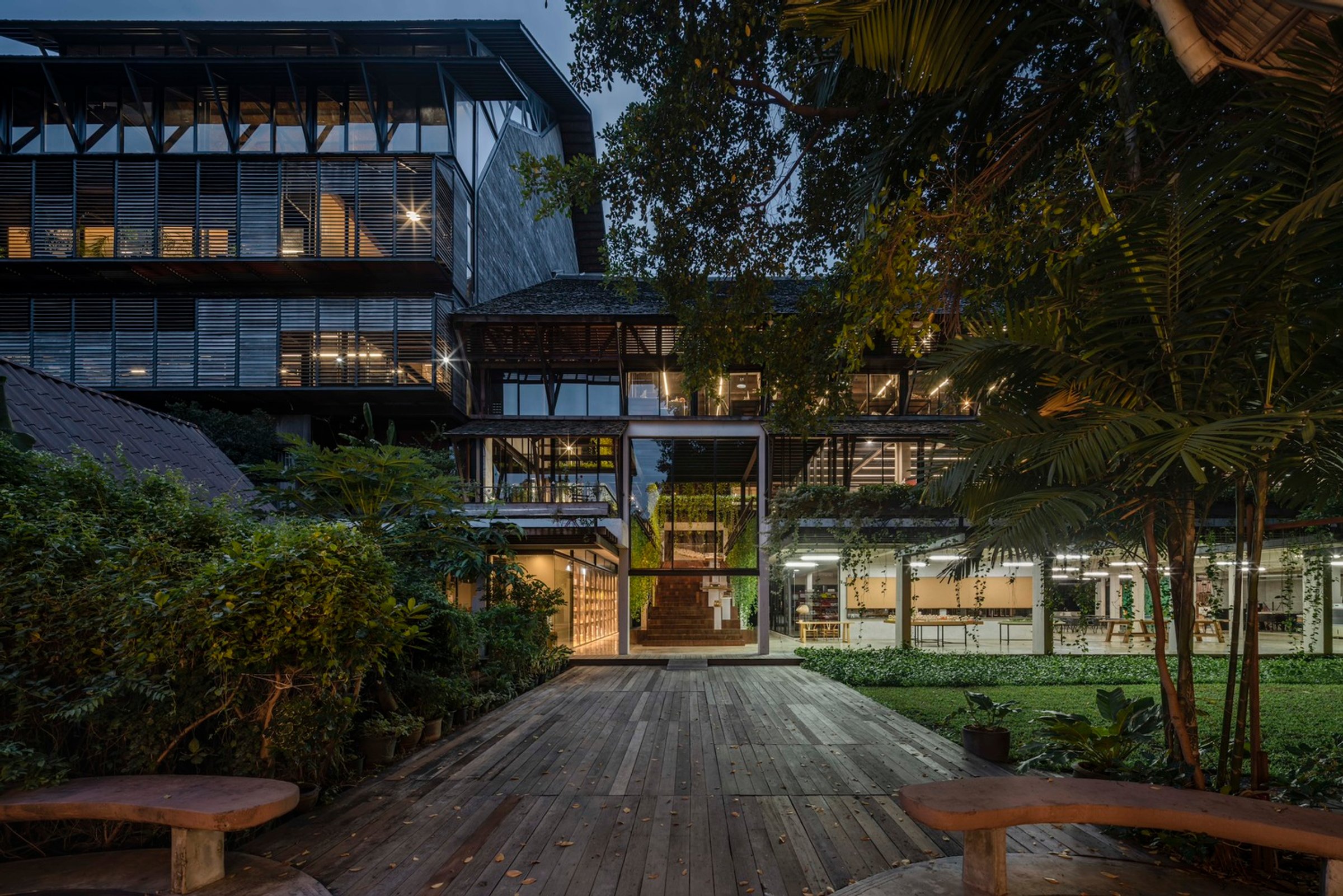
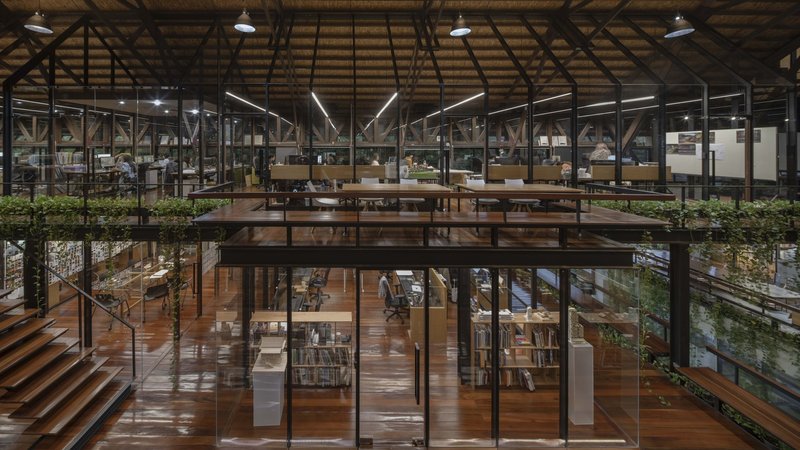
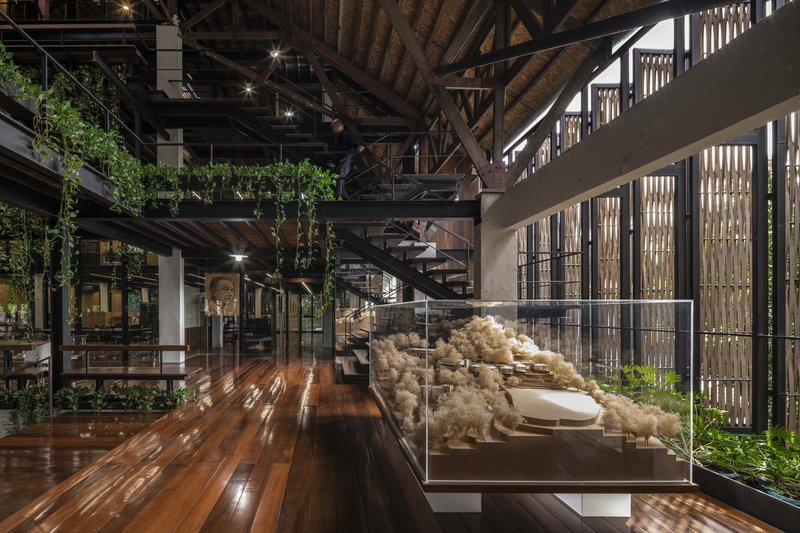
Under the concept of "One Roof," the building fosters collaboration by housing architecture students, teachers, and professionals in a shared space. The open-plan design encourages interdisciplinary interaction, a hallmark of sustainable architecture.
Flexible Functionality
The building's layout features:
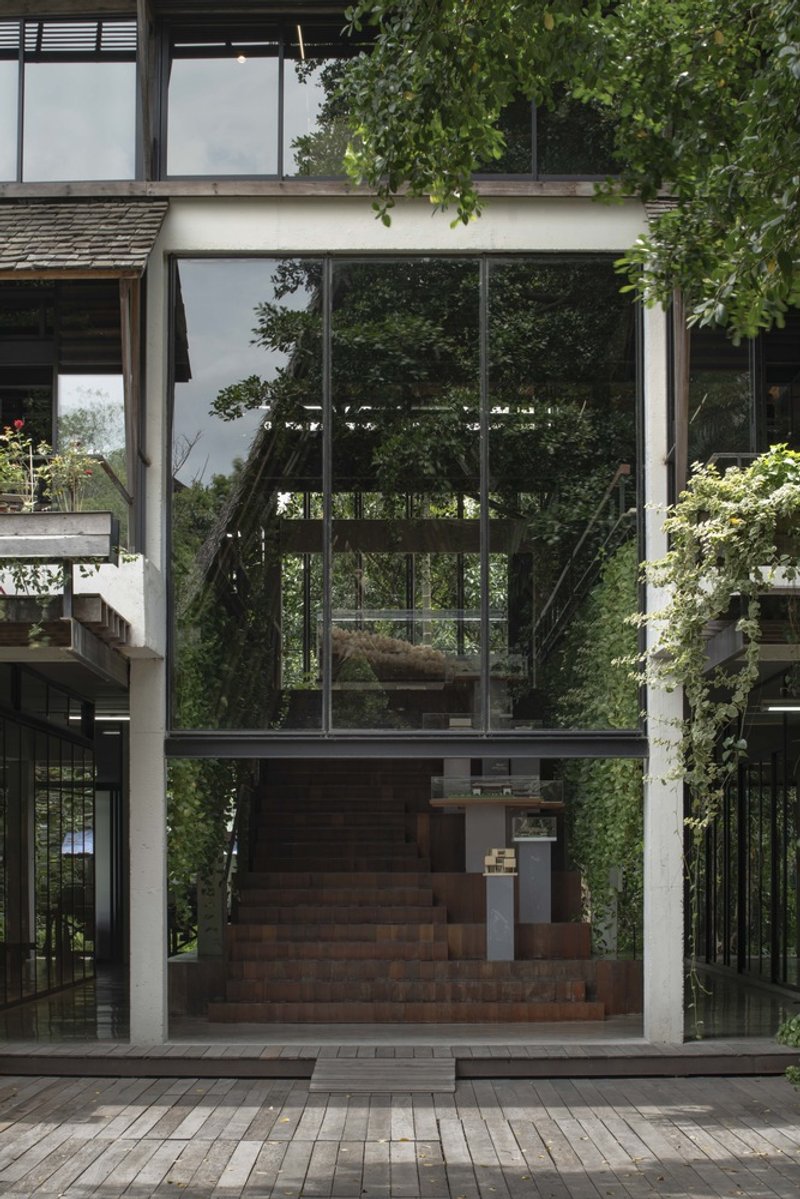
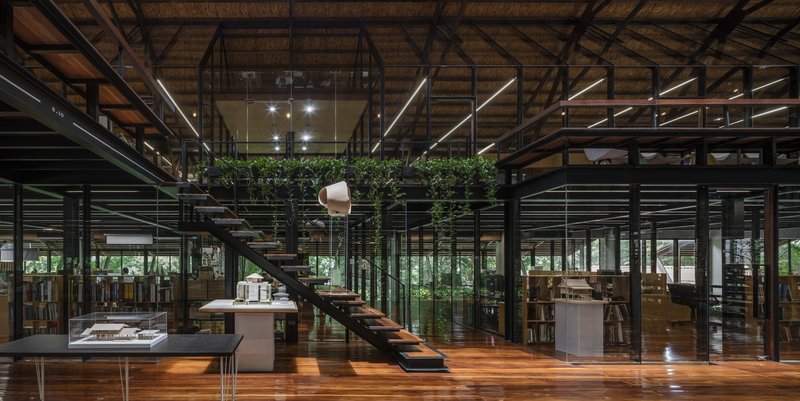
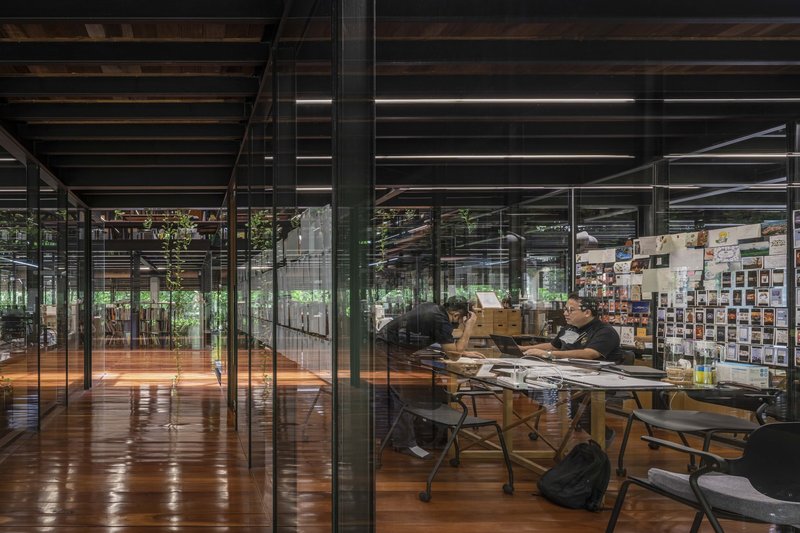
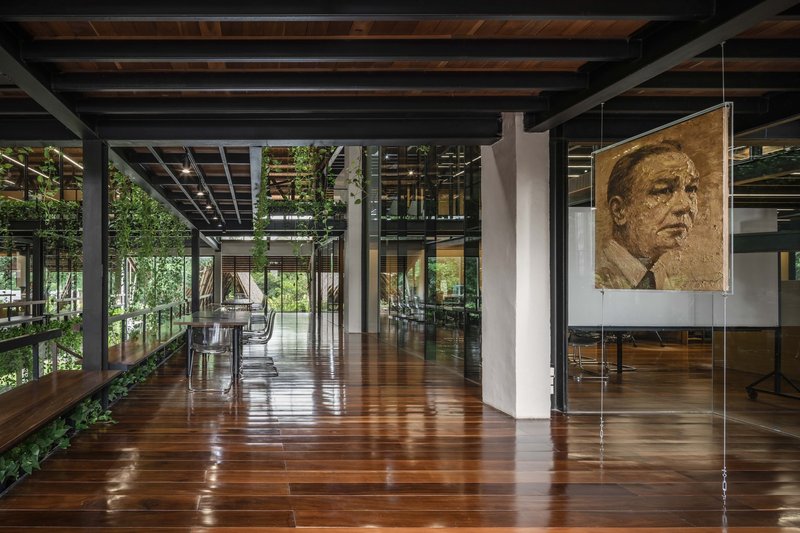
- Glass Boxes: Dedicated workspaces for individual architectural teams.
- Common Areas: Open spaces for group discussions and learning.
- Multipurpose Rooms: A flexible ground floor accommodating a canteen, library, and workshops.
Passive Design for Energy Efficiency
Natural Ventilation
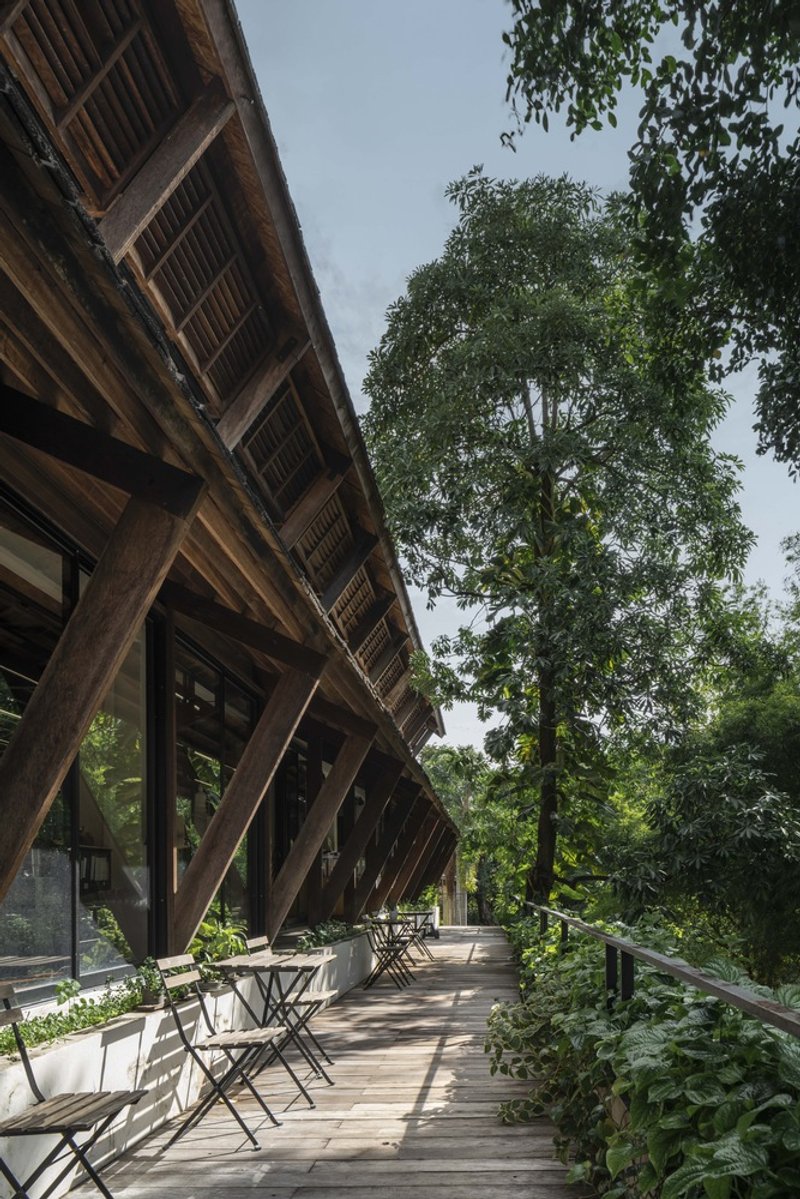
The building employs passive cooling strategies, including horizontal and vertical ventilation, along with ridge vents. These designs cool open spaces to 80% thermal comfort for up to five hours daily, significantly reducing energy consumption.
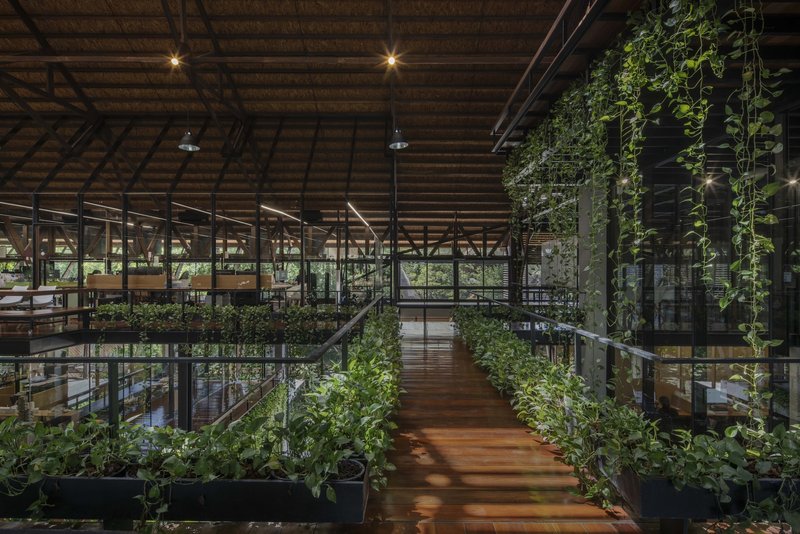
Harnessing the Microclimate
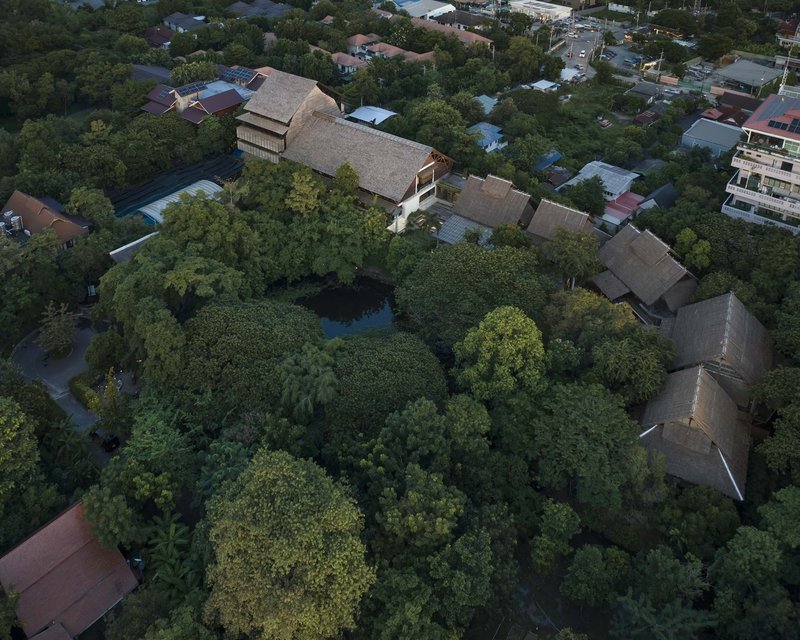
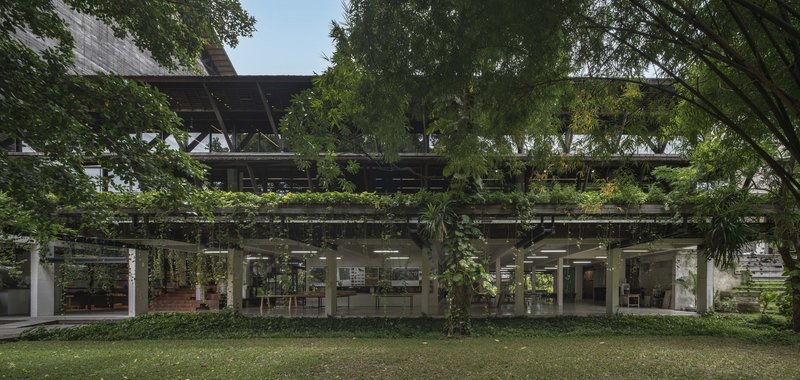
The adjacent pond and gardens enhance passive cooling by circulating cooler air into the building. This integration of natural elements exemplifies how adaptive reuse can prioritize environmental harmony.
Lighting Optimization
Skylights along the roof's ridge bring in natural sunlight, reducing the need for artificial lighting and aligning with circadian rhythms for occupant comfort.
A Living Building for the Community
Spaces That Inspire
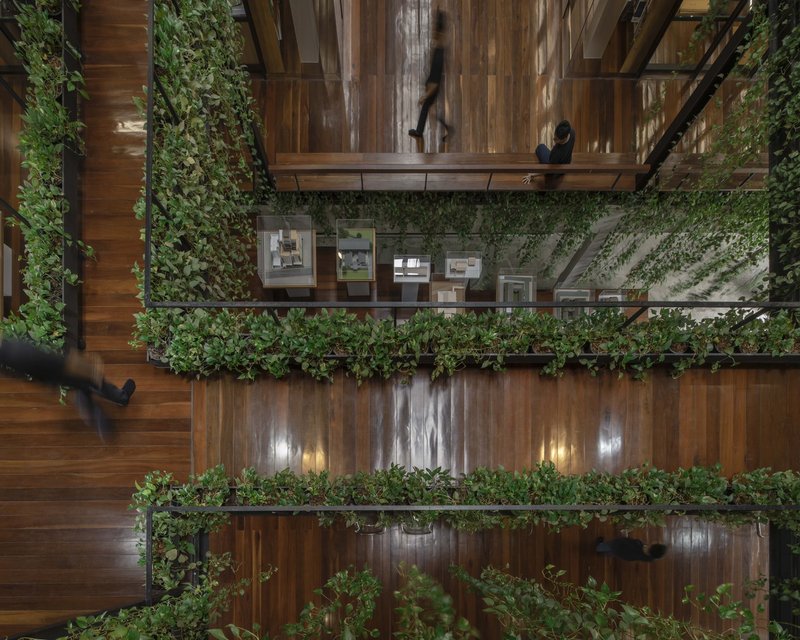
The Rabindhorn Building is more than a workspace; it is a community hub. With a 100-seat meeting room, leisure spaces, and exercise areas, it serves as a home for the Arsomsilp architectural community.
Connecting Nature and Architecture
Features like the bamboo art gallery, organic market, and a natural lawn extending to a pond create a seamless connection between indoor and outdoor spaces, reinforcing the project's sustainable ethos.
Why Sustainable Adaptive Reuse Matters
Adaptive reuse projects like the Rabindhorn Building illustrate the potential of sustainable practices to reshape architecture. By preserving existing structures and incorporating renewable resources, architects can reduce environmental impact while creating innovative and functional spaces.
The Rabindhorn Building exemplifies how sustainable adaptive reuse in architecture can transform spaces into environmentally friendly, community-focused hubs. As the world increasingly values sustainability, such projects provide a blueprint for the future of architecture.