

Sustainable Architecture Design: Exploring House Píer by Sergio Sampaio Archi + Tectônica
Explore House Píer, a prime example of sustainable architecture design integrating innovative materials with natural settings for environmental harmony.


In the world of modern architecture, sustainable design has become a cornerstone for new developments. House Píer, designed by Sergio Sampaio Archi + Tectônica, is a prime example of how architecture can harmonize with its environment while promoting sustainability. Located by the Jurumirim Dam in Avaré, Brazil, this 1,300 square meter construction is a testament to innovative sustainable architecture.
Concept and Design
Embracing Natural Surroundings
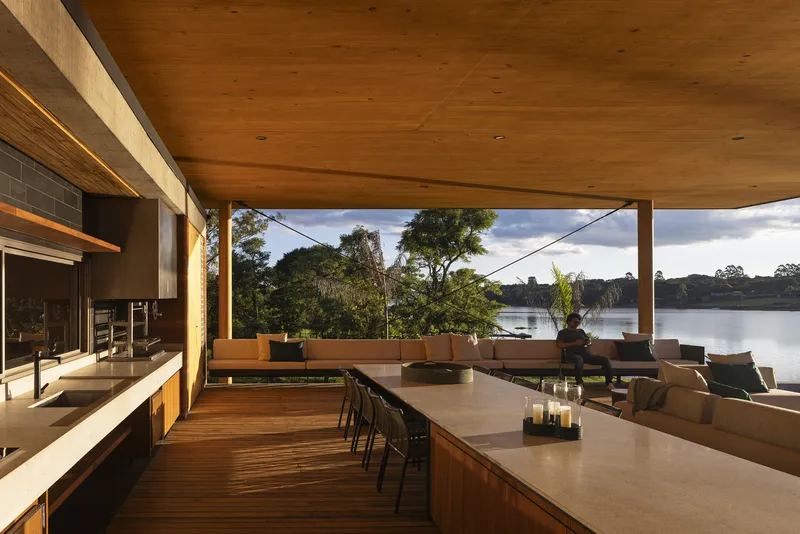
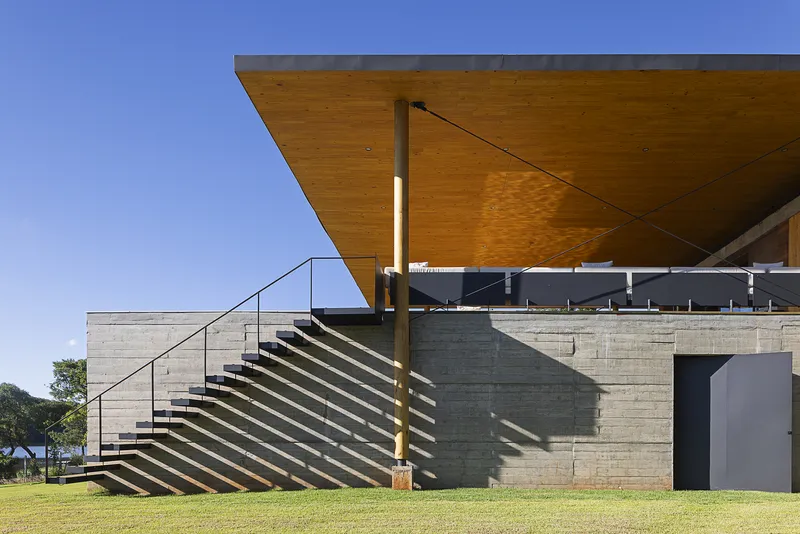
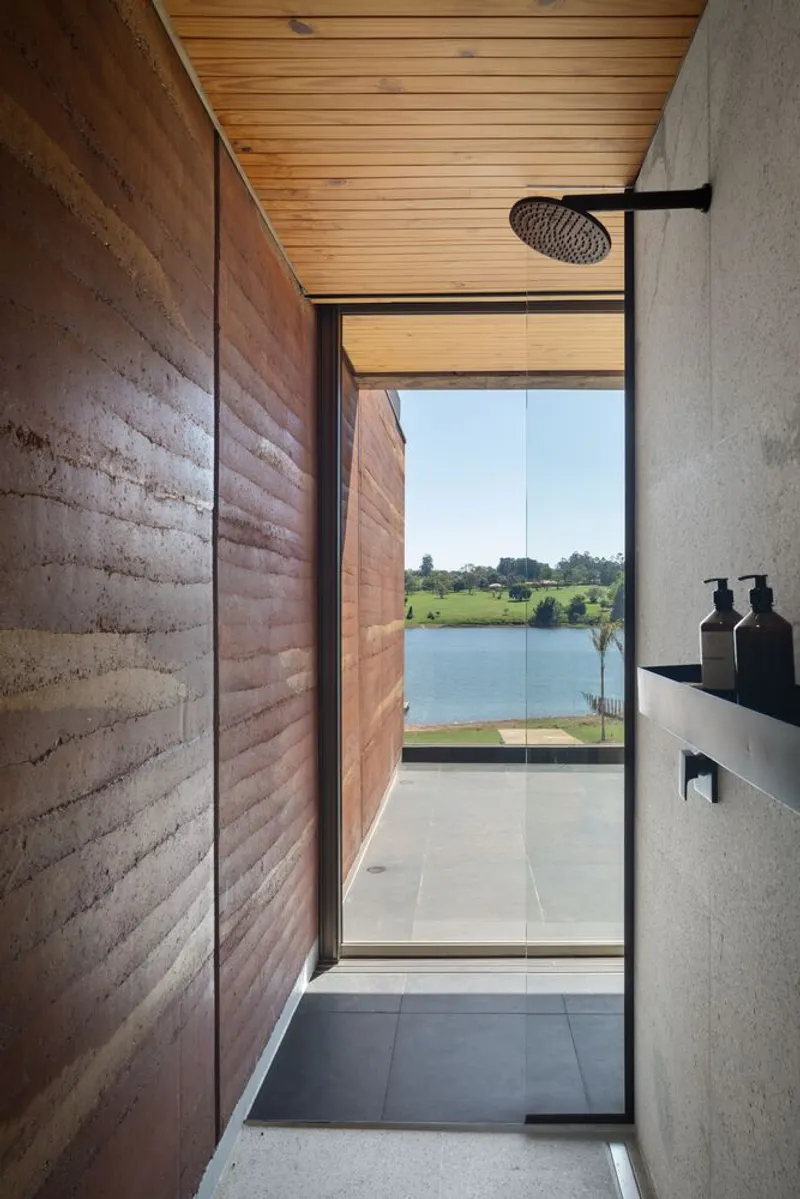
House Píer was crafted with the dual goals of enjoying the natural landscape and facilitating a space for leisure and sports activities. The house is strategically placed on an 11,000 square meter plot, offering expansive views of the dam and integrating seamlessly with the natural slope of the terrain.
Functional Layout
The layout of House Píer is divided into four distinct blocks:
- Service Area: Garage, energy board, and gas shelter.
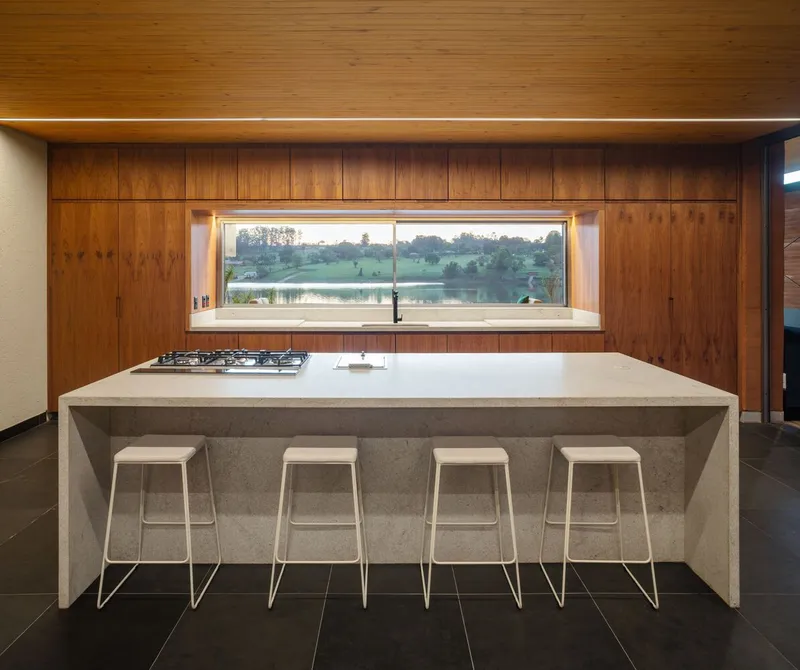
- Social and Recreational Space: Includes a living room, wine cellar, kitchen, and a lower-floor game room.
- Guest Accommodation: Four luxurious guest suites.
- Family Quarters: Comprises the couple’s suite, children’s rooms, and a boat garage.
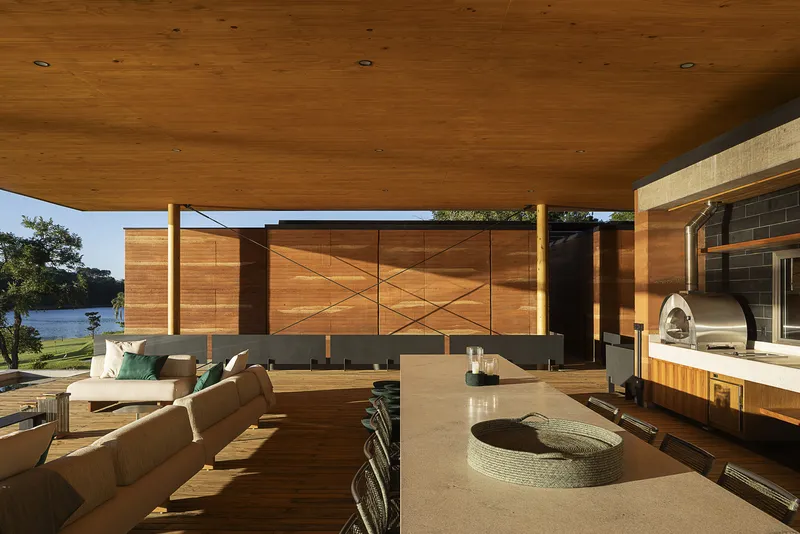
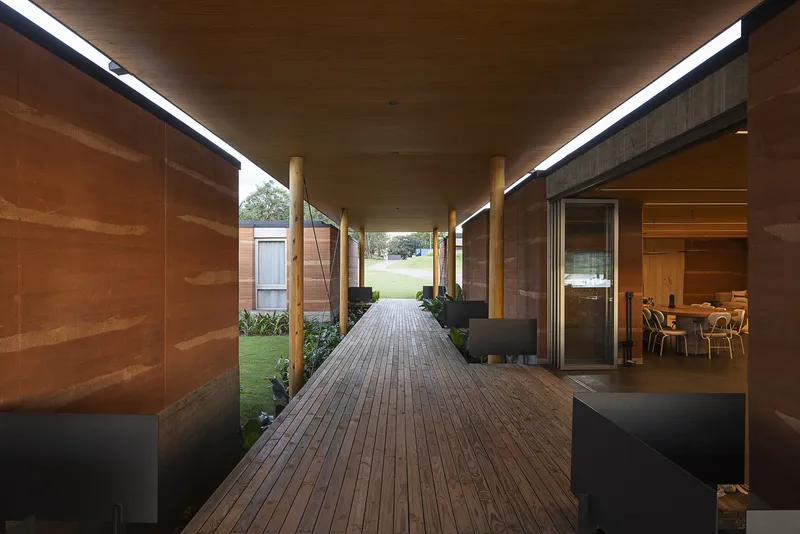
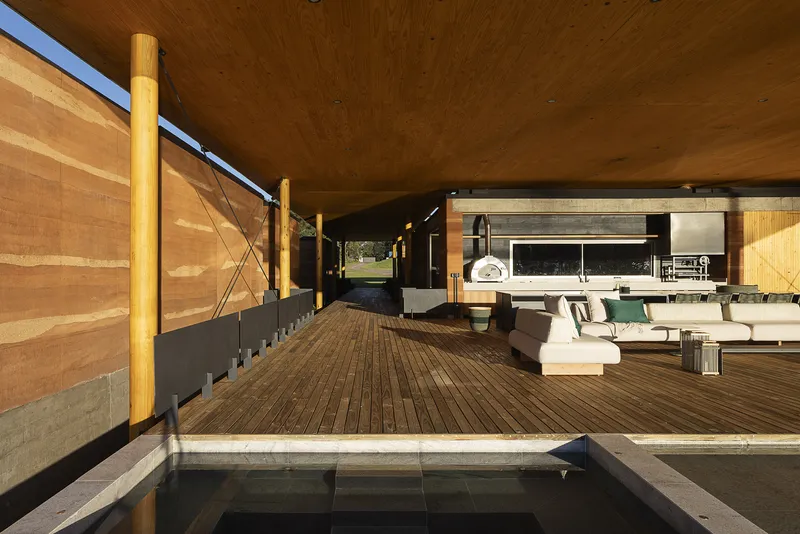
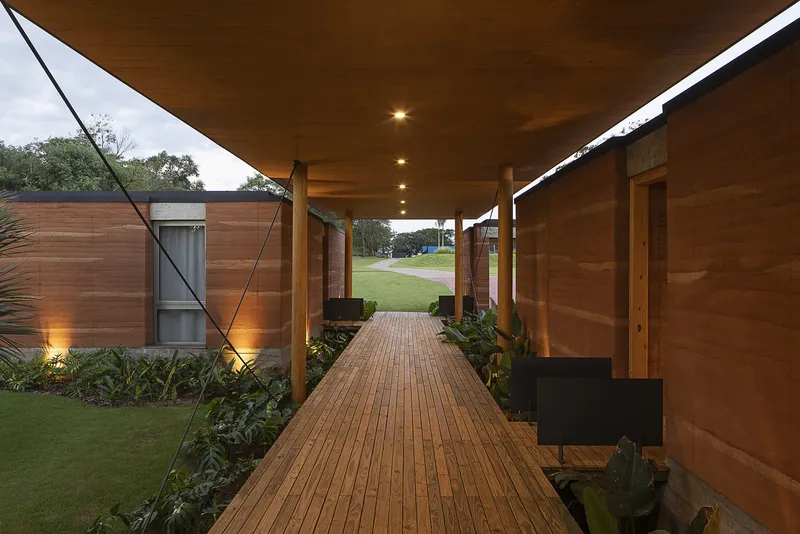
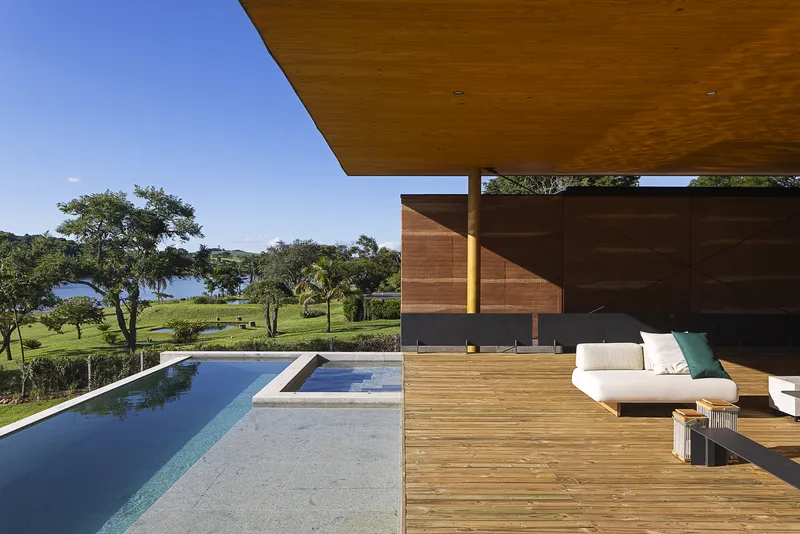
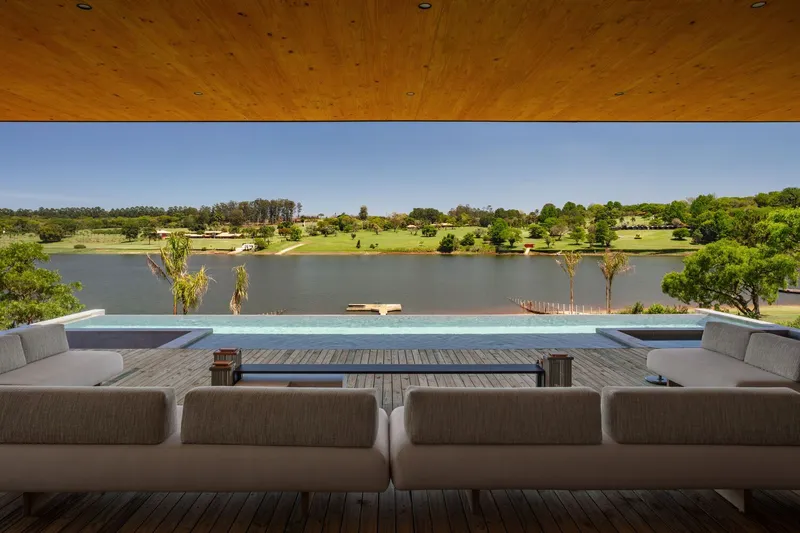
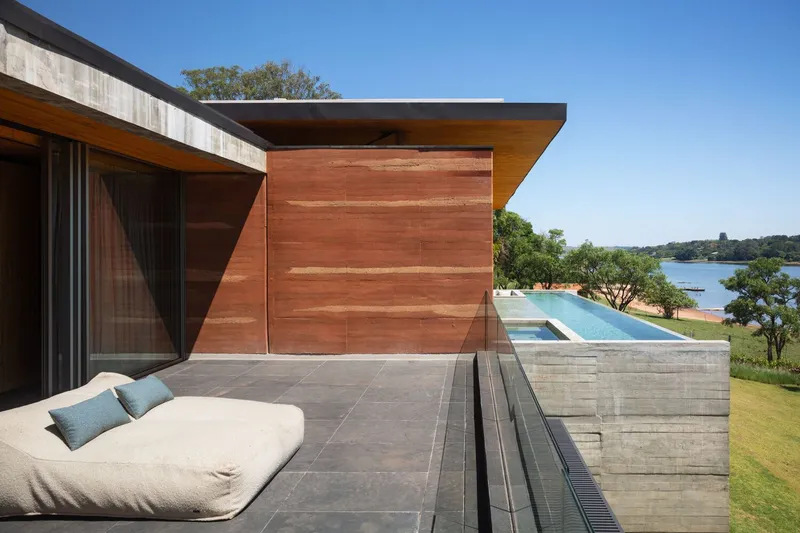
These blocks are connected by a 3-meter-wide elevated wooden deck, serving as the spine of the house and ending in a spacious balcony with a pool.
Sustainable Features and Materials
Innovative Use of Rammed Earth
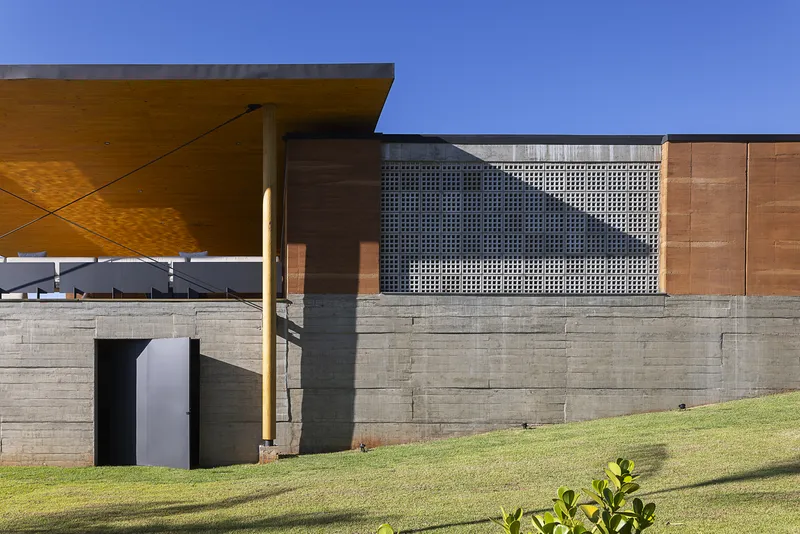
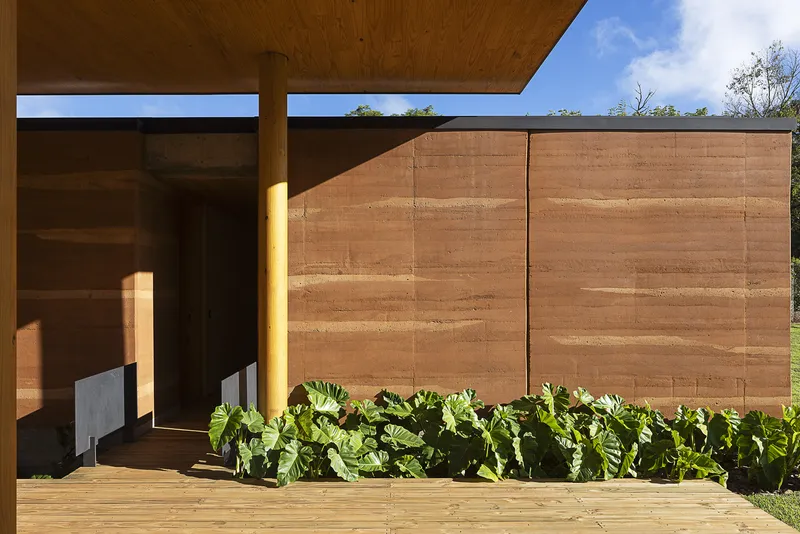
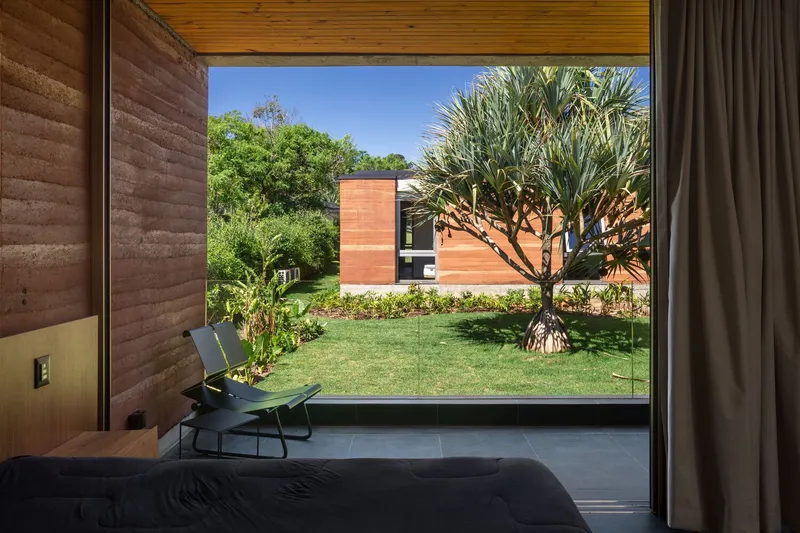
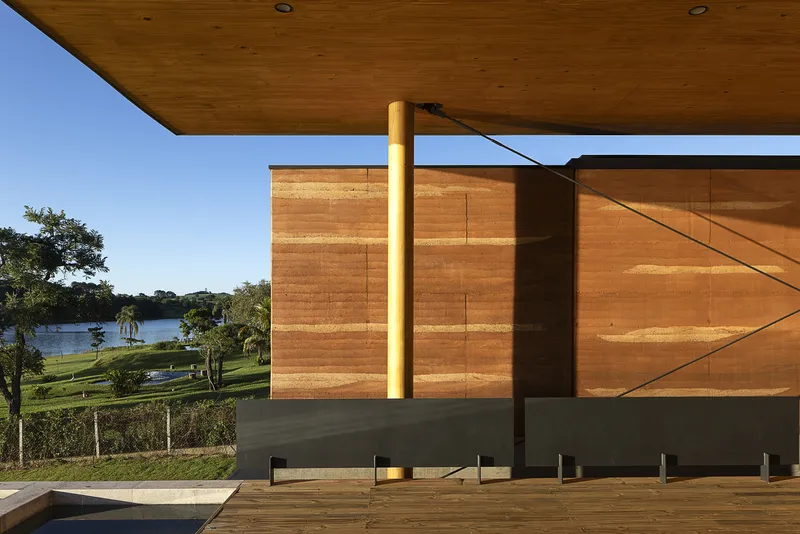
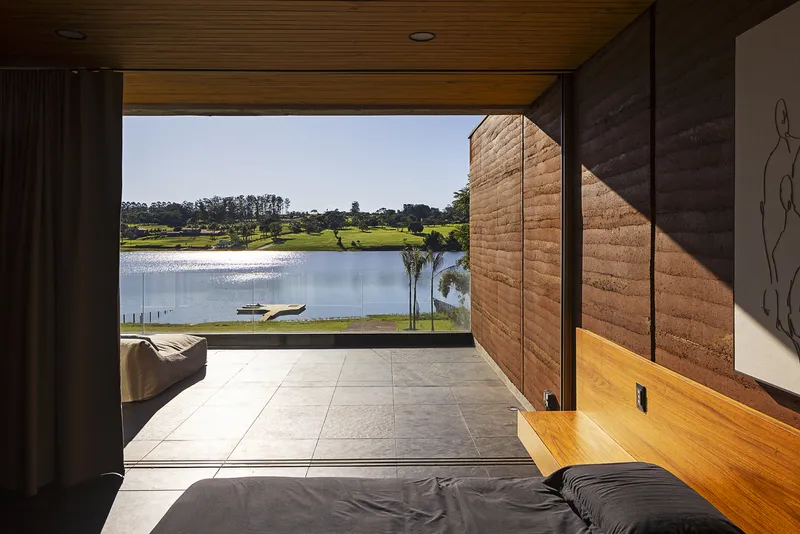
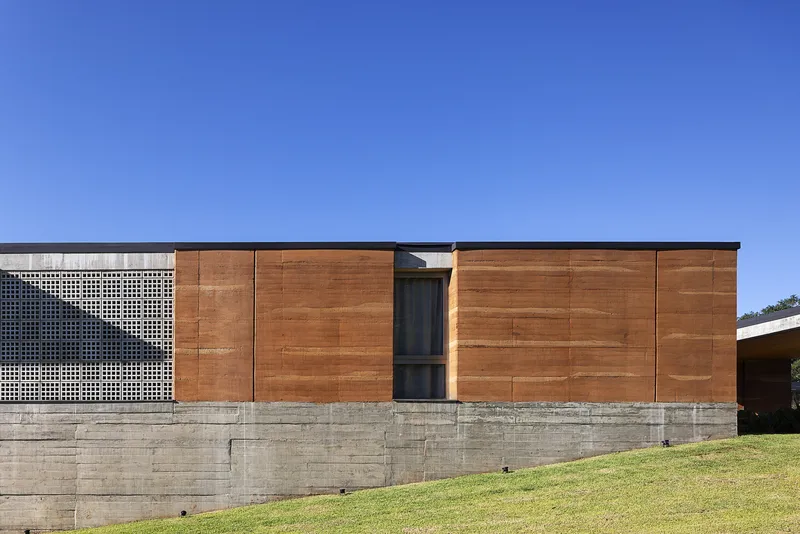
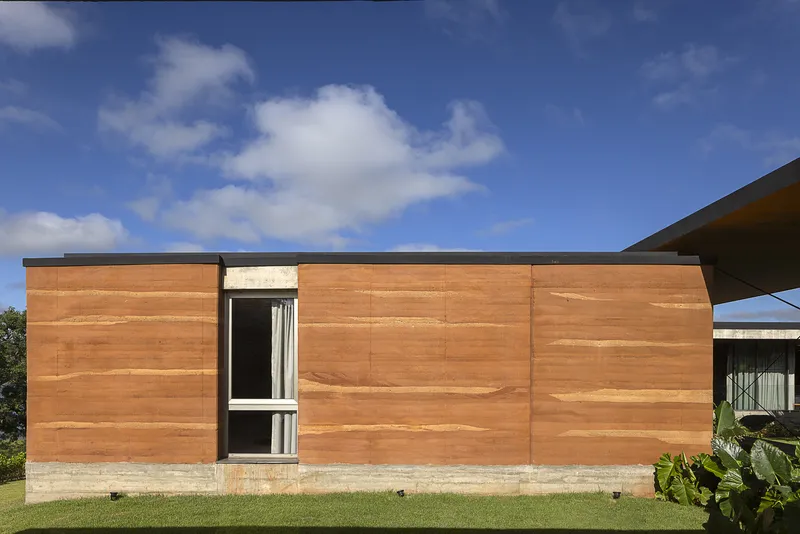
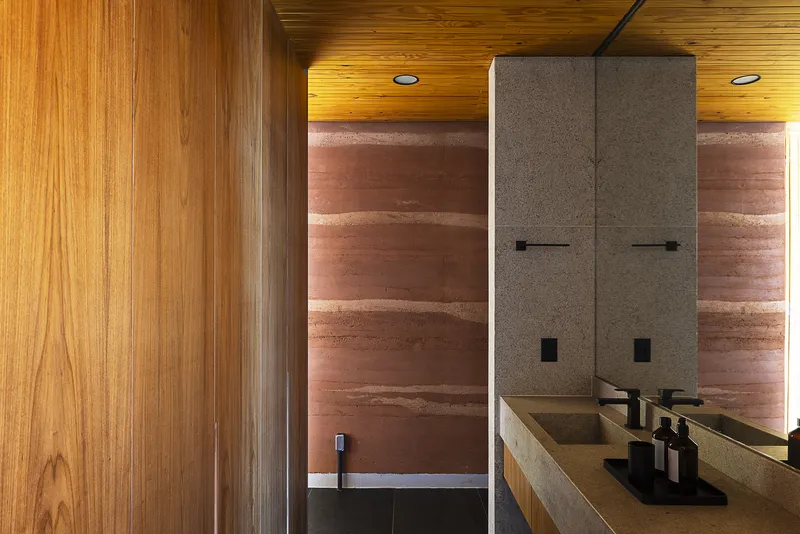
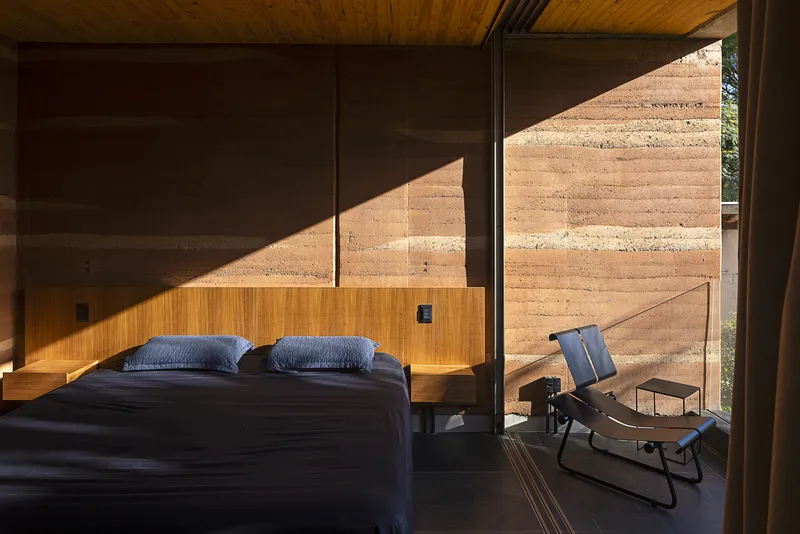
One of the most striking features of House Píer is its use of thick rammed earth walls, sourced directly from the site. This material is not only sustainable but also provides excellent thermal-acoustic insulation, making it ideal for the local climate.
Cross-Laminated Timber Structure
The overhead marquee and the walkway are supported by cross-laminated timber, which offers strength and sustainability. This choice of material reflects a commitment to renewable resources and adds an aesthetic quality that complements the natural setting.
Environmental Integration
Open Spaces and Natural Light
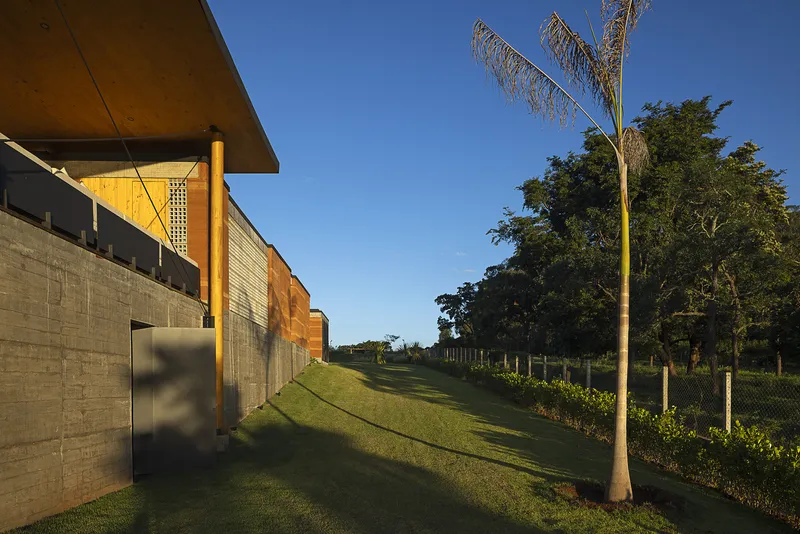
The design of House Píer emphasizes open spaces under the timber marquee, promoting the integration of the landscape with the living areas. Natural light and ventilation are maximized through strategically placed openings and Venetian domes, enhancing both the aesthetic and environmental efficiency of the house.
Sustainability in Practice
Efficient Construction Processes
The construction of House Píer was carried out in two phases, focusing on minimizing environmental impact. The use of local labor and materials reduced transportation emissions and supported the local economy.
Renewable Energy Utilization
The house is equipped with solar panels for water heating and photovoltaic energy, significantly reducing the need for artificial lighting and air conditioning. This not only ensures comfort but also aligns with the principles of sustainable architecture design.
House Píer by Sergio Sampaio Archi + Tectônica is a leading example of sustainable architecture design, demonstrating that luxury and sustainability can coexist. Through its innovative use of materials and thoughtful integration with the environment, it stands as a model for future architectural endeavors.
By focusing on sustainable architecture design, this article aims to rank well for readers interested in environmentally conscious building practices, showcasing House Píer as a pinnacle of sustainability and design excellence.
All the photographs are work of Leonardo Finotti, Rafaela Netto


Popular Articles
Popular articles from the community


LT2A and OPEN Architectes Thread a Brick and Glass High School Through a Wooded Belgian Campus
In Braine-l'Alleud, a 3,000 m² wing for Collège Cardinal Mercier pairs pale brick with a glazed colonnade, deferring to a small chapel and a dense wood.

Jaramillo Van Sluys Arquitectura and Urbanismo Turn a Demolished Registry Lot in Quito into an Orchard Plaza
In Quito's Centro Histórico, a 2,800 m² plaza exposes the San Agustín convent wall and redraws its lost Augustinian orchard in volcanic stone.

Architekt Andreas Gruber Scatters 23 Dark Timber Chalets Across a South Tyrolean Forest Edge
In Molini di Tures, Amonti Chalets breaks a resort into a hamlet of gabled timber houses, with parking, storage and services pushed into the slope.

U.GA Architects Wraps an Oval Rooftop Pool in Curved Board-Formed Concrete on Busan's Jeollidan-gil
In Busan's Jeonpo-dong, a 454 m² mixed-use block stacks a neighborhood facility, guest rooms and an oval rooftop pool inside spiraling concrete walls.

Similar Reads
You might also enjoy these articles

Gil Mello Arquitetura Tilts a Single Roof Toward the Waterfalls on a Plateau Above Aiuruoca, Brazil
In Aiuruoca, Minas Gerais, a 200 m² house of local labor and reclaimed poles pairs a low valley veranda with a tall mountain one.
U.GA Architects Wraps an Oval Rooftop Pool in Curved Board-Formed Concrete on Busan's Jeollidan-gil
In Busan's Jeonpo-dong, a 454 m² mixed-use block stacks a neighborhood facility, guest rooms and an oval rooftop pool inside spiraling concrete walls.

Felipe Hess Arquitetos Turns a Blind Stone Wall to the Street and Opens a Brazilian House onto a Courtyard and Canal
A canal-front house in Brazil hides behind painted stone and planting, then opens to an olive-tree courtyard, a reed-ceilinged porch and a curving pool.

David Macias Steps a Doorless Stone and Plaster House Down a Tropical Colombian Hillside
In the humid hills of Colombia, Threshold House replaces the front door with an open void and terraces its 850 m² down the slope instead of fighting it.

Explore Architecture Competitions
Discover active competitions in this discipline

Challenge to reimagine the Iron Throne

Photograph architecture without architects

Illustrate the lost glory of Angkor Wat - Render Challenge

Design challenge to reuse E-waste
Comments (0)
Please login or sign up to add comments
No comments yet. Be the first to comment!