Sustainable Architecture Design: Transforming the Ukrainian-Danish Youth House into a Green Hub
The article highlights the Ukrainian-Danish Youth House's sustainable architecture design, emphasizing eco-friendly materials, adaptability, and multifunctional spaces.


In the heart of Kyiv, Ukraine, a unique architectural project is taking shape—a space where sustainability meets adaptability. The Ukrainian-Danish Youth House, designed by Prototype Architects, is a shining example of sustainable architecture design that not only meets the needs of a community but also minimizes its environmental impact. This 575 m² building, completed in 2022, is a bold statement of how architecture can embrace eco-friendly practices while fostering flexible, multifunctional spaces for the youth.
What is Sustainable Architecture Design?
Sustainable architecture design refers to building practices that focus on using materials and methods that reduce energy consumption, minimize environmental harm, and promote long-term sustainability. This approach not only benefits the environment but also enhances the quality of life for those who use the space.
At the Ukrainian-Danish Youth House, this principle is applied through innovative use of local materials, adaptive design elements, and energy-efficient solutions that ensure the space remains relevant and functional for years to come.
The Vision Behind the Ukrainian-Danish Youth House
The transformation of the Ukrainian-Danish Youth House is grounded in two core principles that guide its sustainable architecture design.
1. Eco-friendly Design Practices
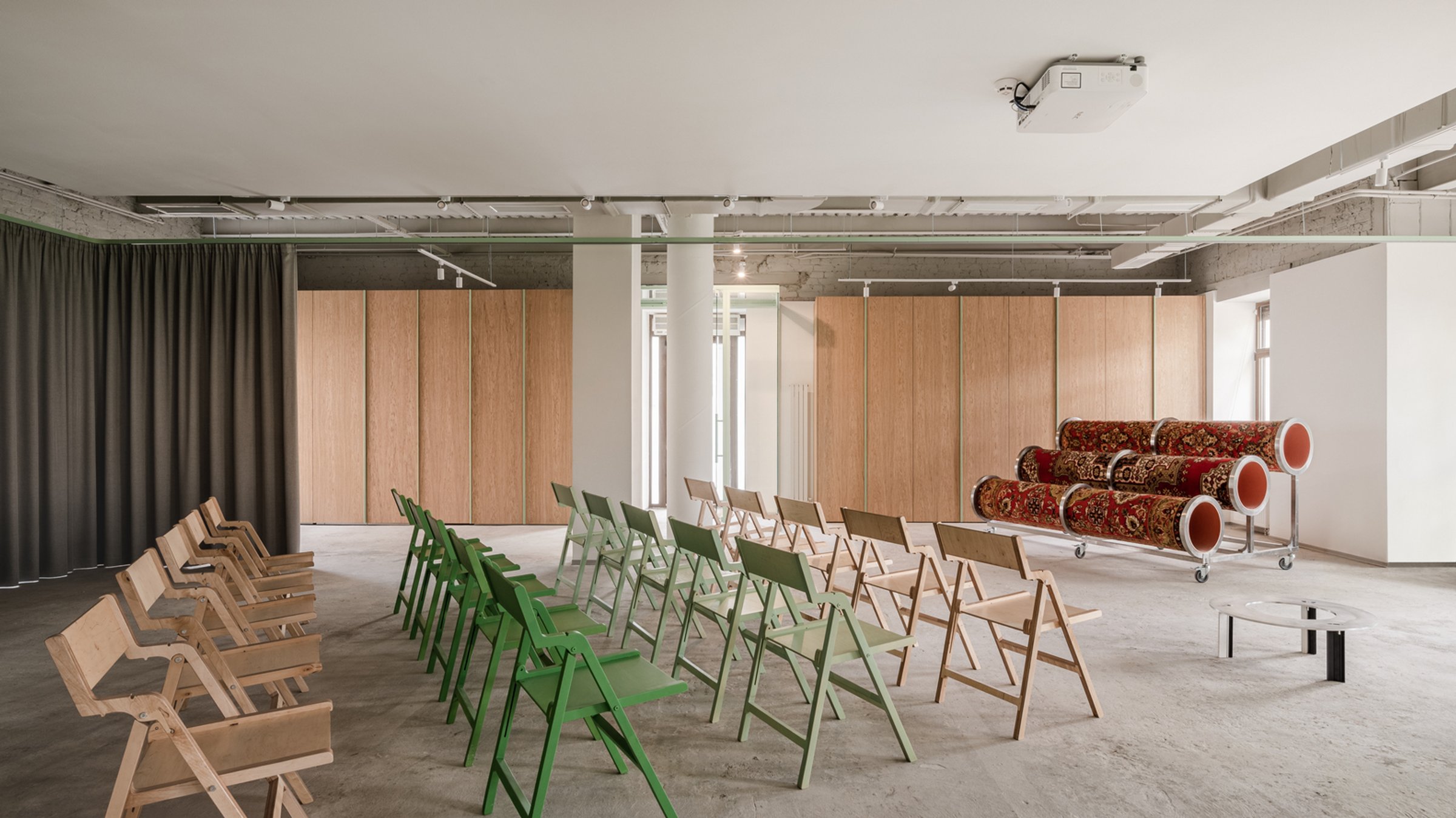
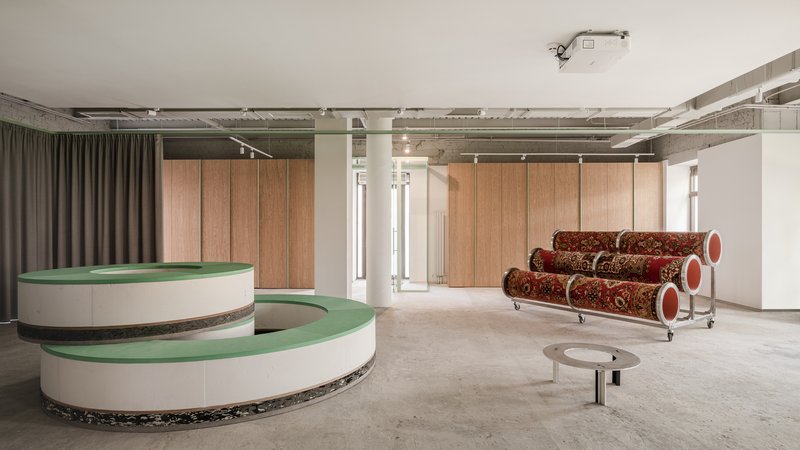
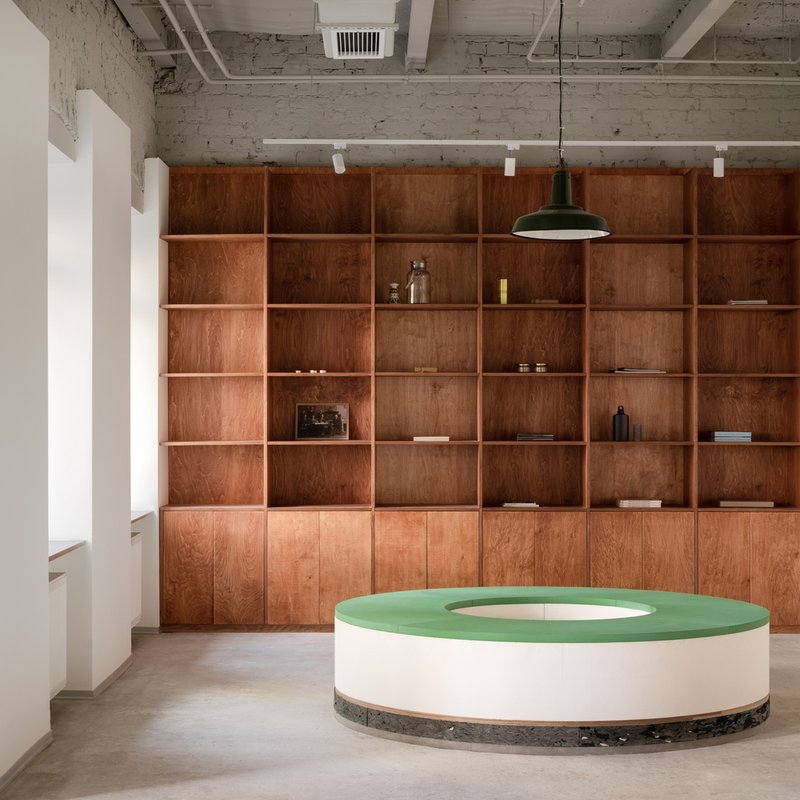
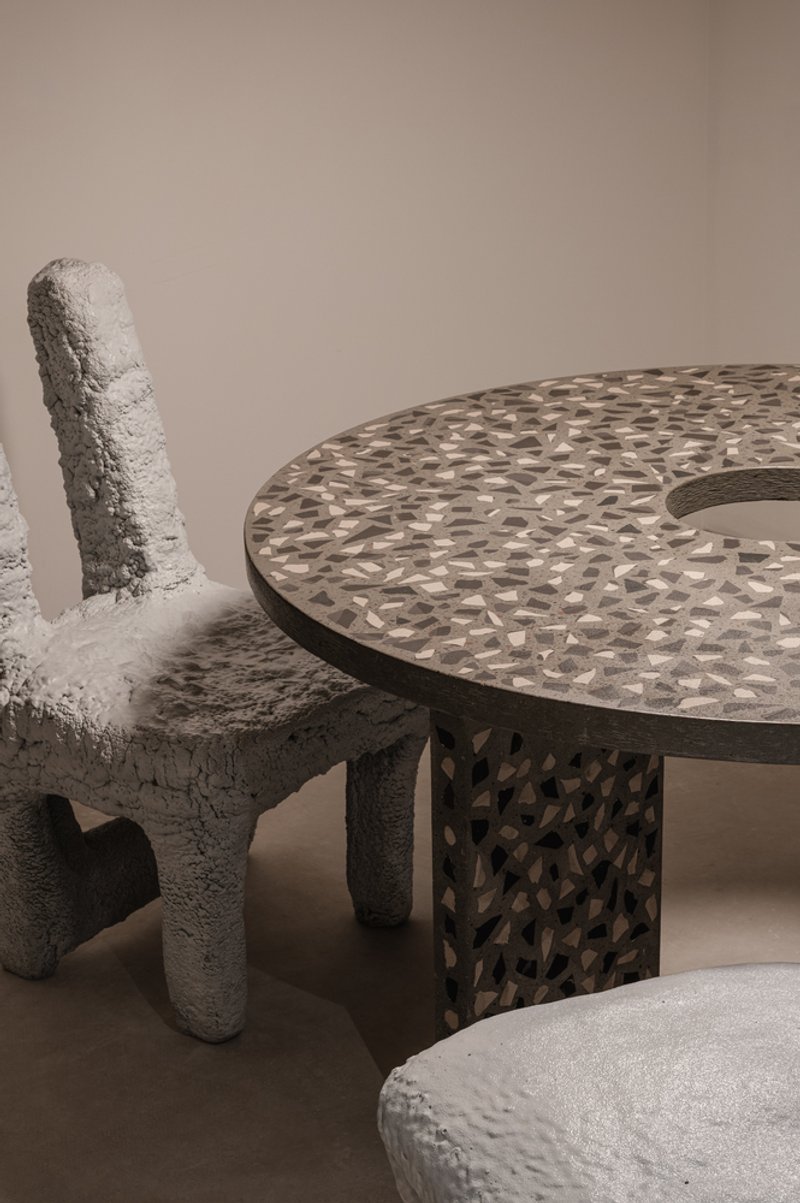
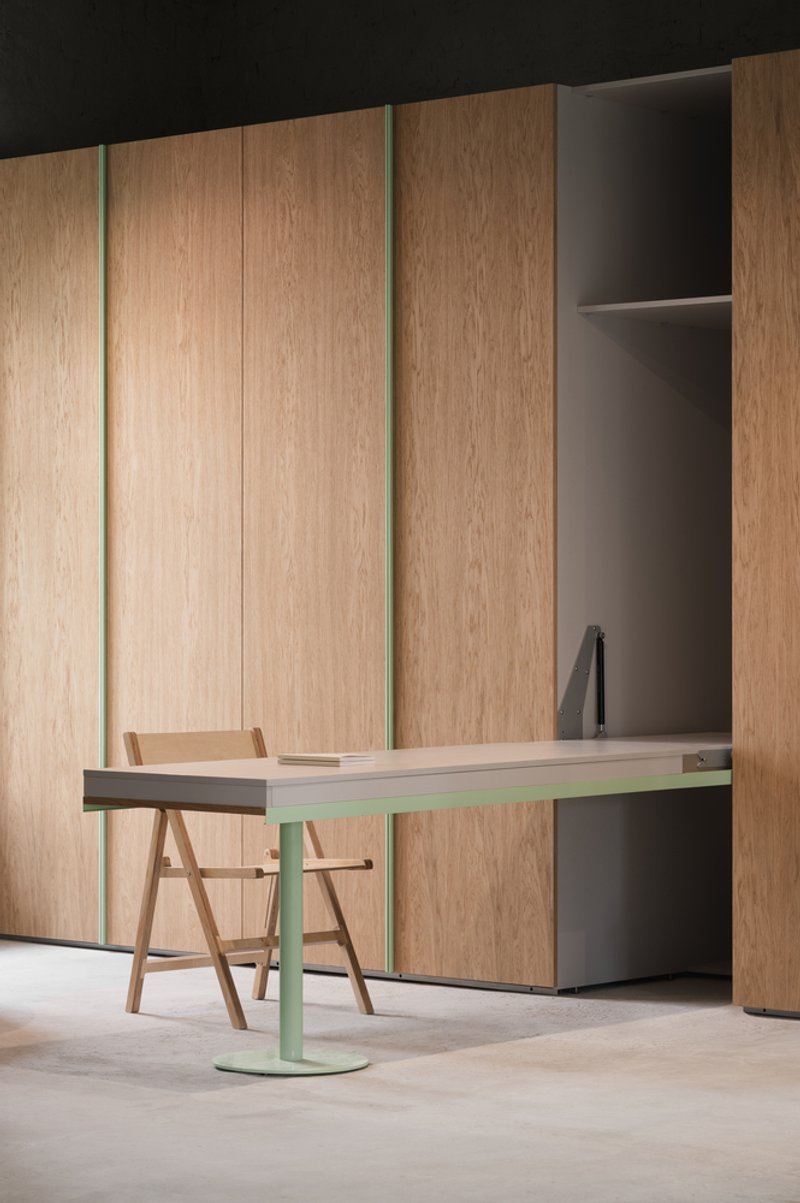
One of the primary features of the Youth House is the focus on sustainability through eco-friendly materials. The architects employed leftover and locally sourced materials to create unique, custom-made furniture and lighting. This not only reduces waste but also integrates the local context into the project, creating a deep connection between the building and its environment.
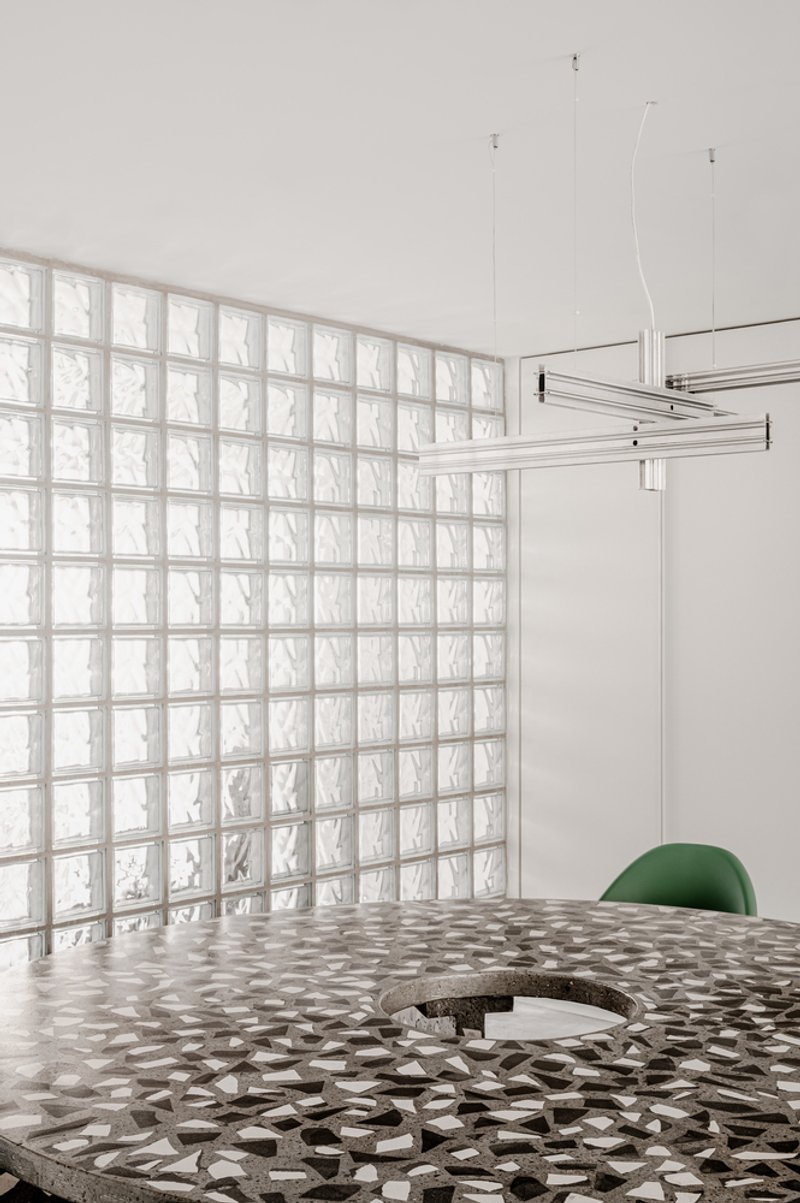
For example, the use of recycled materials in both the furniture and lighting fixtures ensures minimal environmental impact while giving the space a distinctive, creative look. By incorporating these elements, the Ukrainian-Danish Youth House serves as a testament to the power of sustainable architecture design that utilizes what is already available rather than relying on new, resource-intensive materials.
2. Adaptability in Design
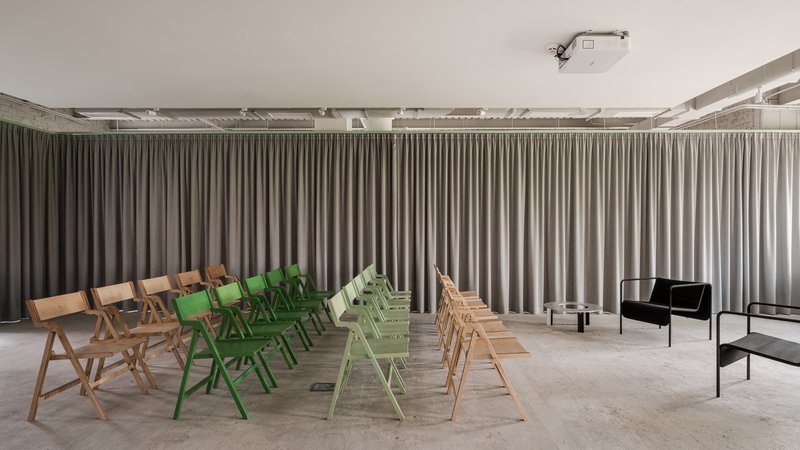
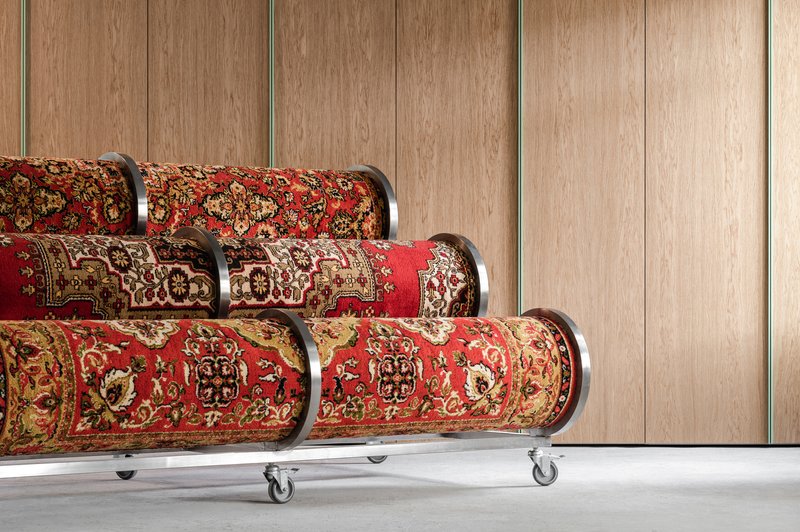
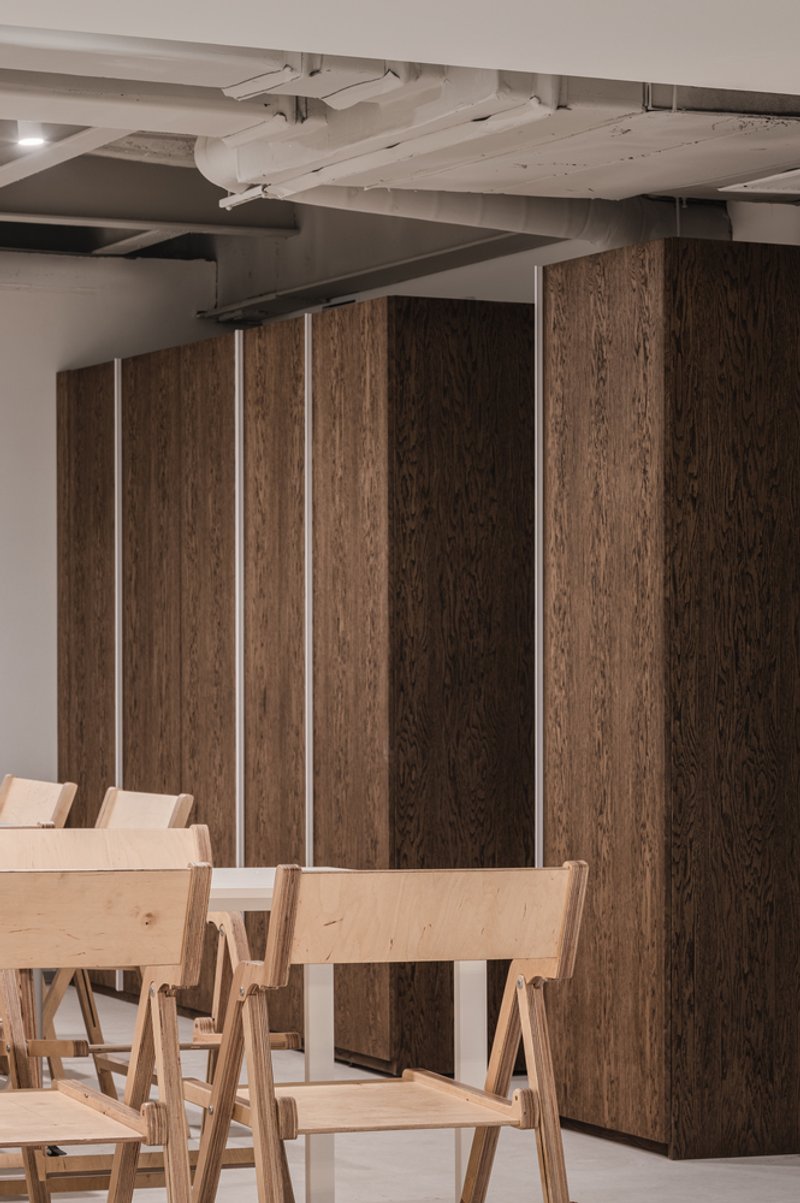
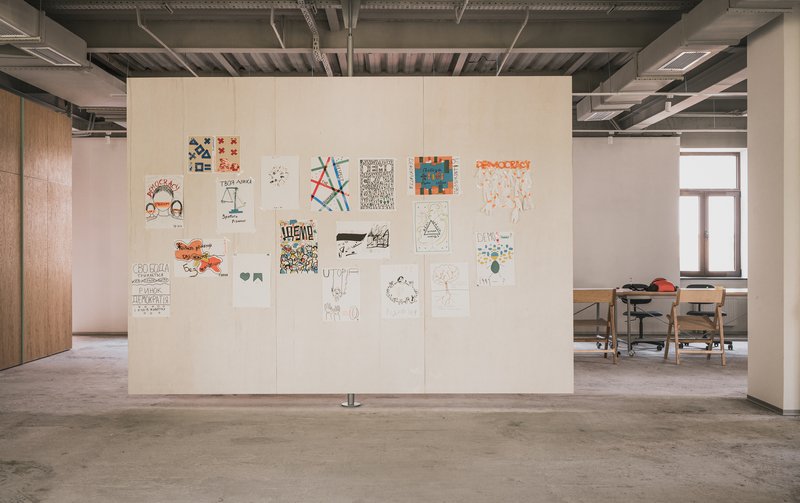
Another core principle of the design is adaptability. The Youth House is designed to be a flexible space that can easily accommodate a variety of events, from exhibitions and workshops to community gatherings. Movable walls, versatile furniture, and adjustable curtains allow the layout of the space to be reconfigured quickly based on the needs of the users.
This adaptability is particularly important in a youth center, where activities may vary from educational workshops to larger public events. The ability to transform the space easily not only enhances the functionality of the building but also aligns with the sustainability goals of reducing the need for extensive construction or remodeling.
The Layout: Four Floors of Purposeful Design
The Ukrainian-Danish Youth House is structured across four floors, each designed with a specific function in mind while maintaining the overall theme of sustainability and adaptability.
Ground Floor: The Heart of Public Engagement
The ground floor is the main public space, designed to host large gatherings and events. With its open-plan design, this floor can accommodate various activities, from community discussions to performances and exhibitions. The use of natural light and energy-efficient systems on this floor enhances the building's sustainability, reducing its environmental footprint.
Basement: A Space for Intimate Gatherings
The basement houses a kitchen and smaller event spaces. These areas are perfect for workshops, seminars, or intimate community meetings. With adaptable design features such as movable partitions and multifunctional furniture, the basement can be transformed to suit a wide range of activities, ensuring that the space remains useful for many years to come.
Second Floor: A Dynamic Working and Exhibition Space
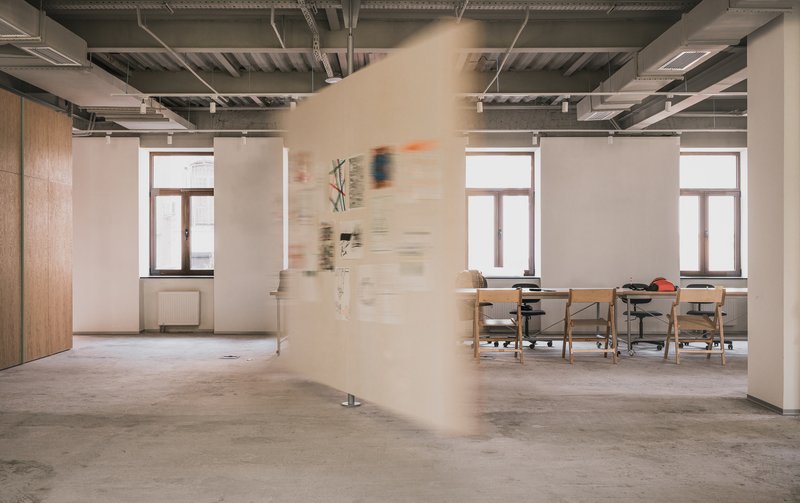
The second floor is designed as a reconfigurable workspace and exhibition area. Its flexible design allows for different setups, whether it's a quiet work area for meetings or an open gallery for showcasing art and projects. This versatility ensures that the space can continue to evolve and meet the needs of different groups and events over time.
Upper Floor: Dedicated to Staff and Operations
The upper floor is dedicated to staff offices, providing a private and quiet environment for the team that manages the building. Here, sustainability is also a key feature, with energy-efficient lighting and heating systems that help reduce the building's overall energy consumption.
The Role of Sustainable Architecture in Modern Communities
The Ukrainian-Danish Youth House is not just a building—it's a symbol of how architecture can serve both people and the planet. By embracing sustainable architecture design, this project demonstrates how eco-friendly principles can be integrated into public spaces to create environments that are both functional and environmentally responsible.
As cities around the world continue to grow, the need for sustainable architecture becomes more critical. Buildings like the Ukrainian-Danish Youth House are setting the standard for future designs that prioritize the environment, reduce waste, and provide flexible, adaptable spaces for community engagement.
A Model for Future Architecture
The Ukrainian-Danish Youth House is a prime example of how sustainable architecture design can shape the future of public spaces. Through innovative use of local materials, adaptable design elements, and a focus on energy efficiency, the building serves as a model for future projects that aim to blend environmental responsibility with functional design.
As communities worldwide face growing environmental challenges, the lessons learned from this project—emphasizing recycling, adaptability, and energy-conscious solutions—will continue to inspire architects and designers committed to creating sustainable and resilient buildings for the future.
All Photographs are work of Yevhenii Avramenko