Sustainable Architecture for Child Welfare: The De Sibbe Shelter House Project
Exploring the De Sibbe Shelter House in Mechelen, Belgium: a sustainable, child-centric architectural project by Atelier M Architects + Planners.


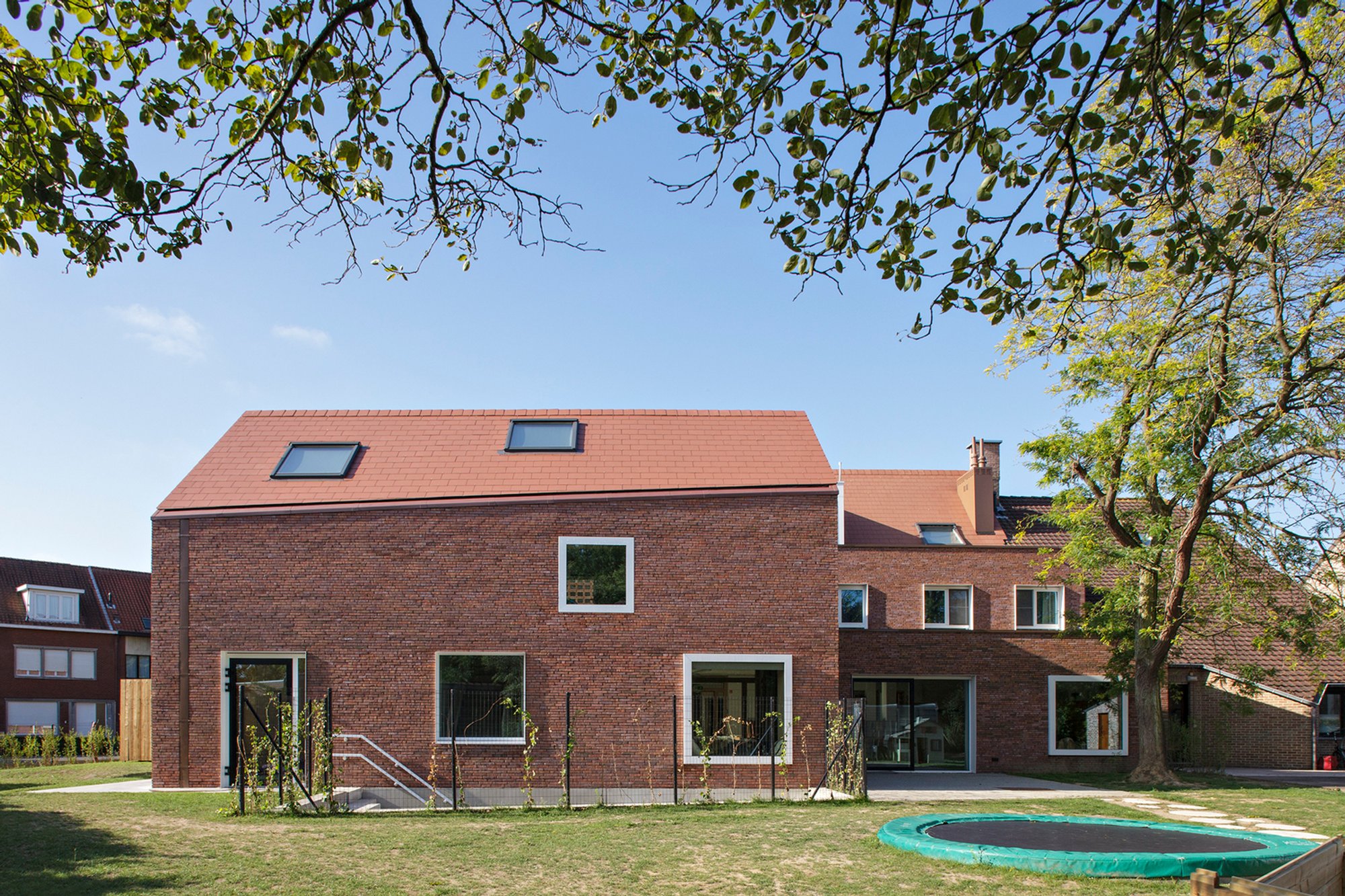
In the quaint town of Mechelen, Belgium, an exemplary model of sustainable architecture dedicated to child welfare emerges through the De Sibbe Shelter House for Children, conceptualized and brought to life by Atelier M Architects + Planners. This project not only addresses the pressing need for supportive environments for vulnerable children but also sets a benchmark in integrating sustainable practices within the architectural design. The narrative of the De Sibbe Shelter House unfolds across 1050 m², embodying a profound commitment to creating a nurturing, secure, and environmentally conscious space.
The Genesis of De Sibbe Shelter House
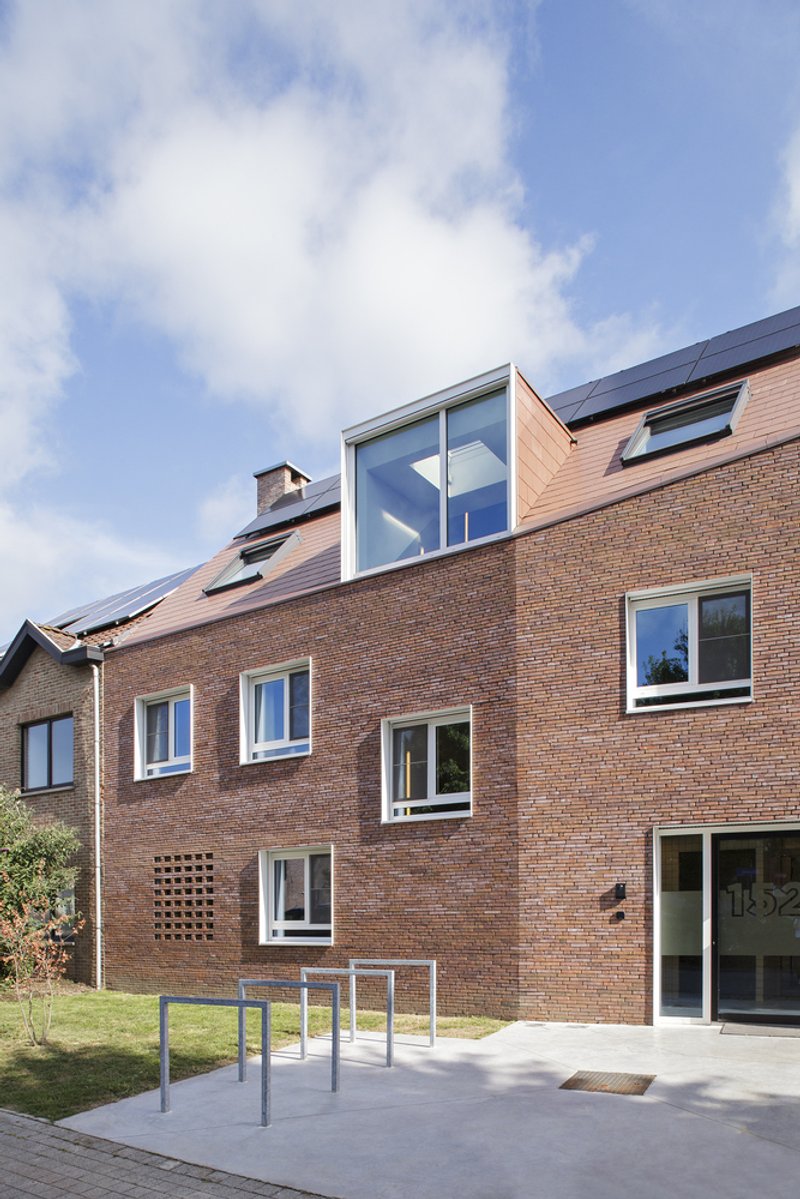
The inception of the De Sibbe Shelter House was driven by the dire circumstances of children escaping physical or mental abuse, or coming from backgrounds marred by drug and alcohol addiction. Initially housed in a structure lacking both spatial adequacy and functional suitability, the project's ambition was to craft a new edifice that would not only fulfill these critical needs but do so in a manner that allowed the existing shelter to operate uninterrupted.
Architectural Philosophy and Design Approach
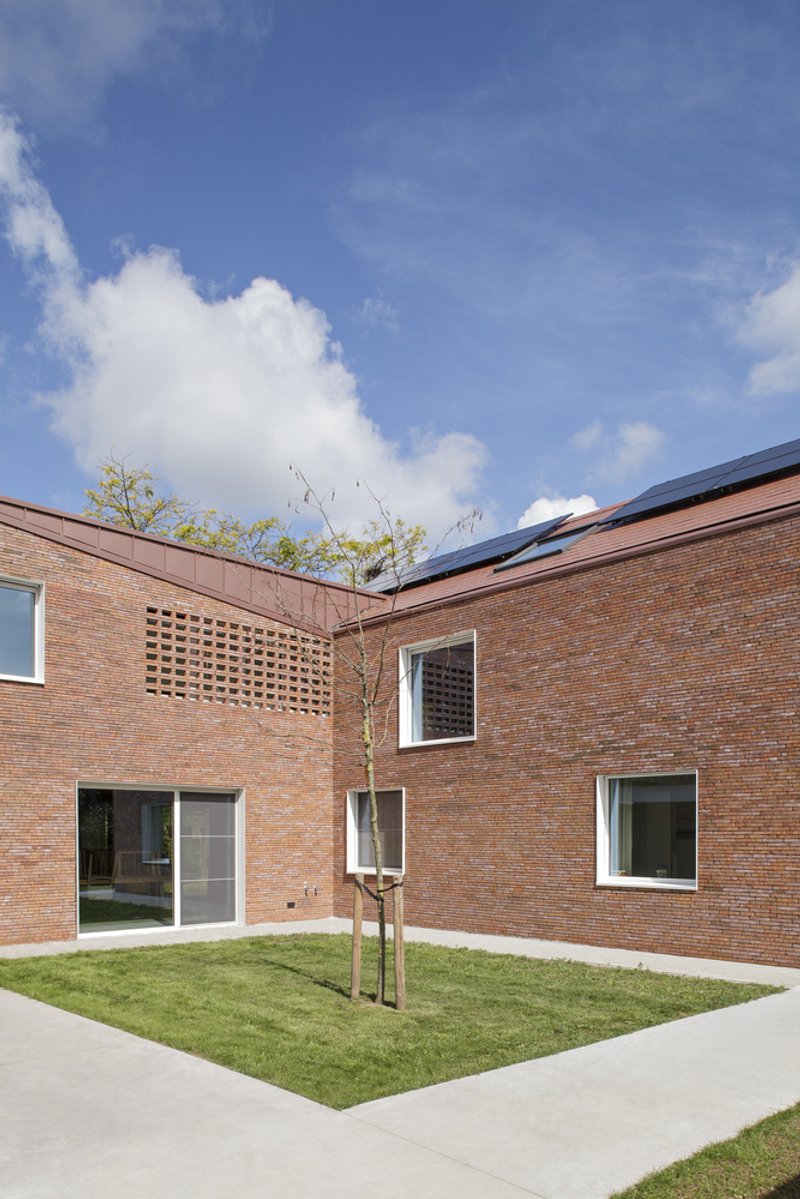
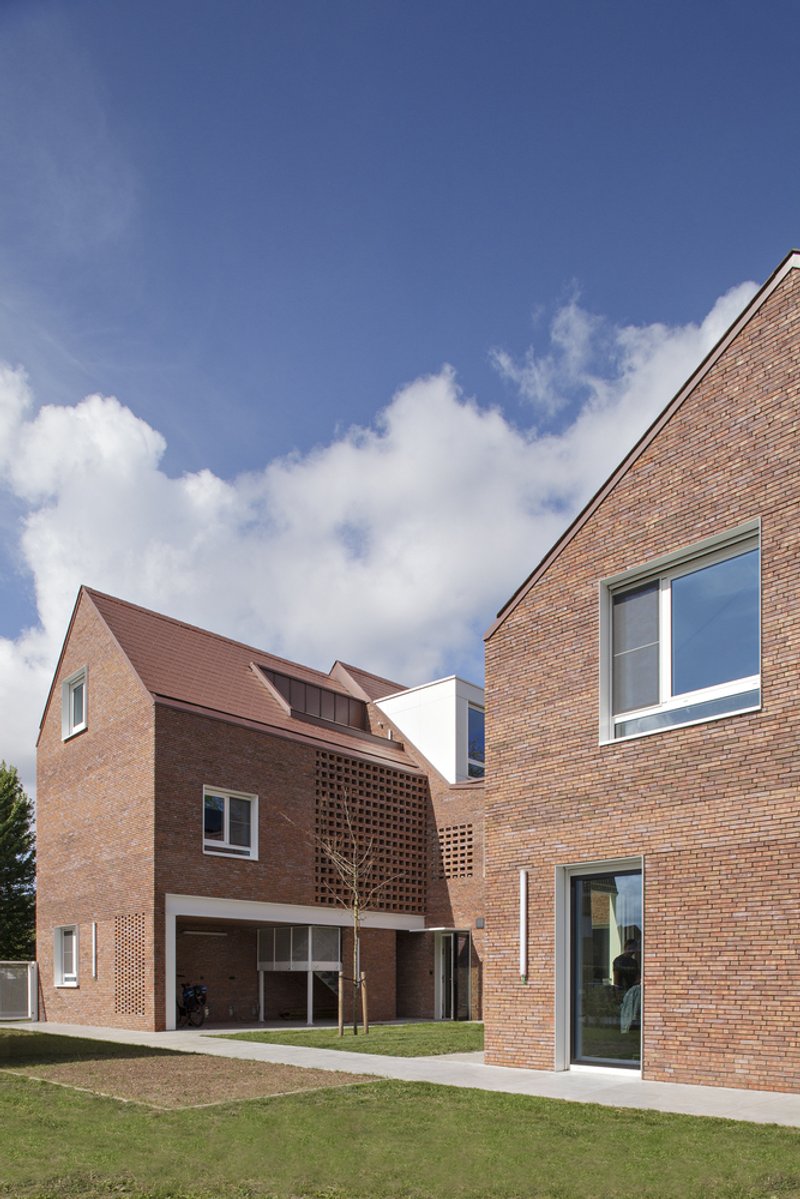
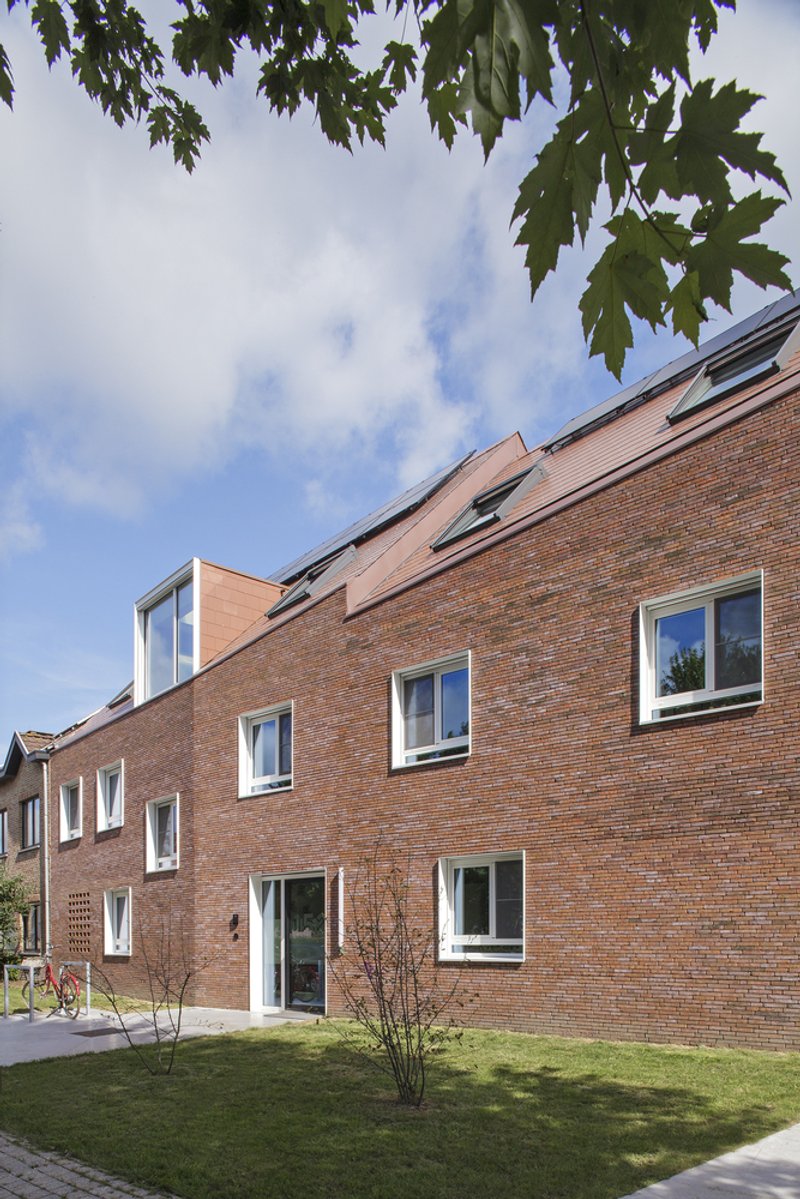
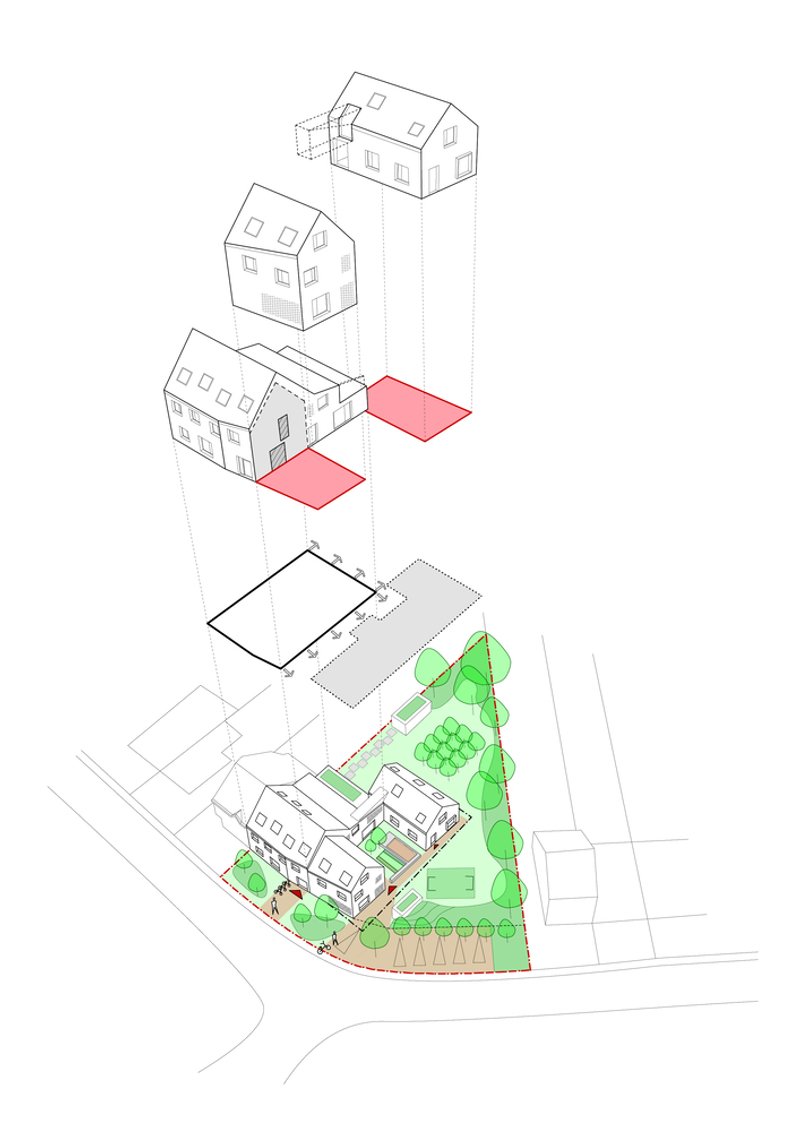
Atelier M Architects + Planners approached the project with a philosophy centered on sustainable and phased architecture. The design intricately weaves the shelter into its neighborhood, drawing inspiration from the traditional courtyard farmstead typology, thus ensuring harmony with its surroundings. The project was executed in phases, beginning with the main structure that aligns with adjacent residences, followed by two additional volumes. This phased approach not only facilitated a smooth transition for the shelter's operations but also emphasized a sustainable development methodology.
Creating a Homely Sanctuary
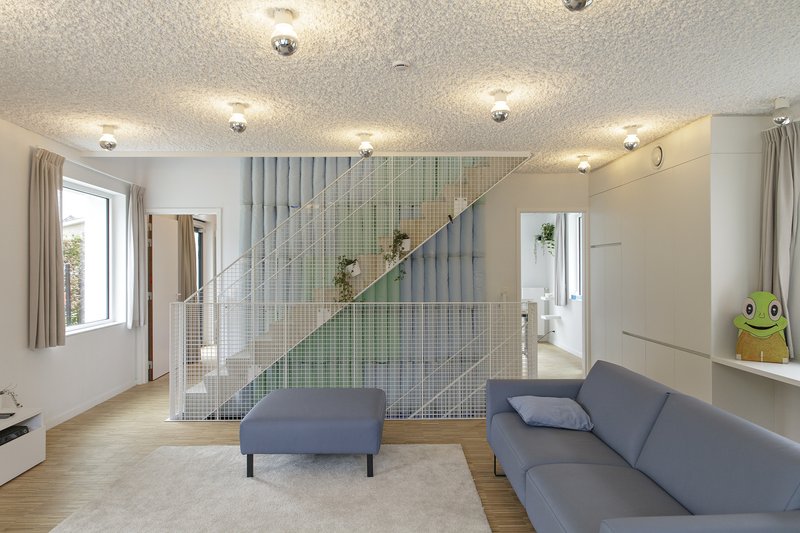
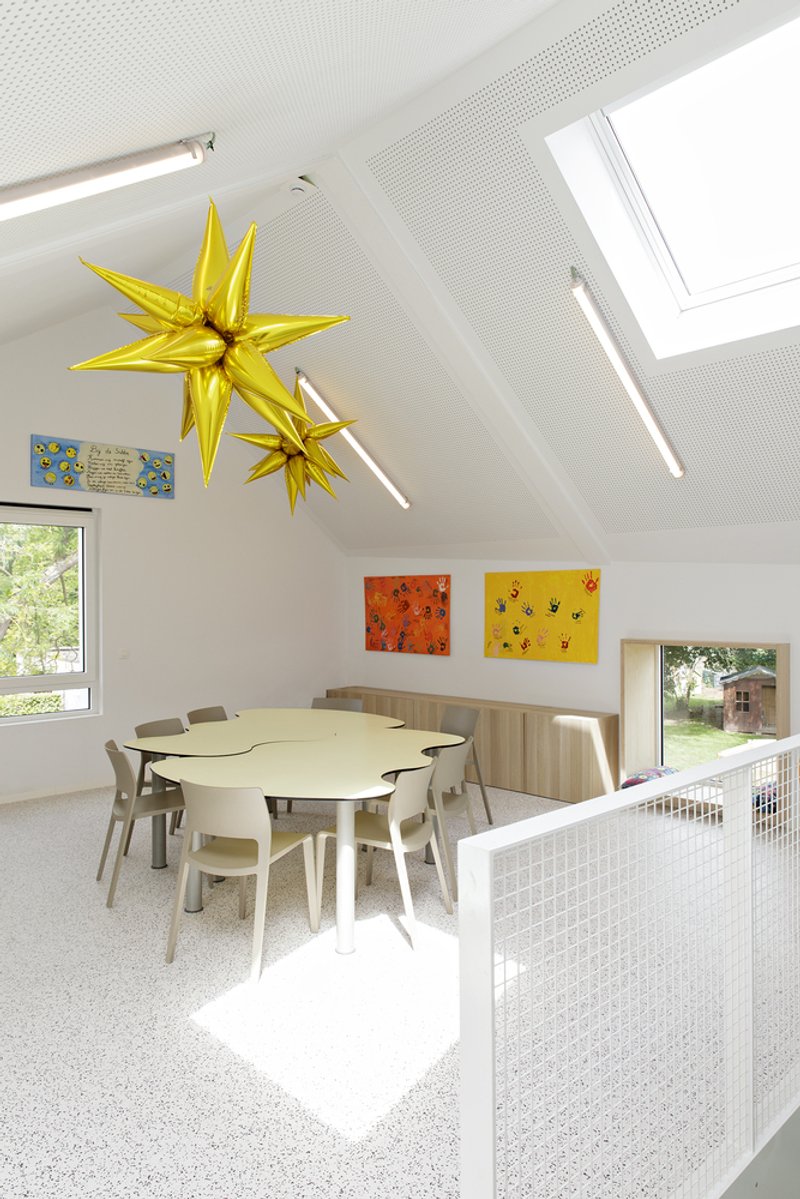
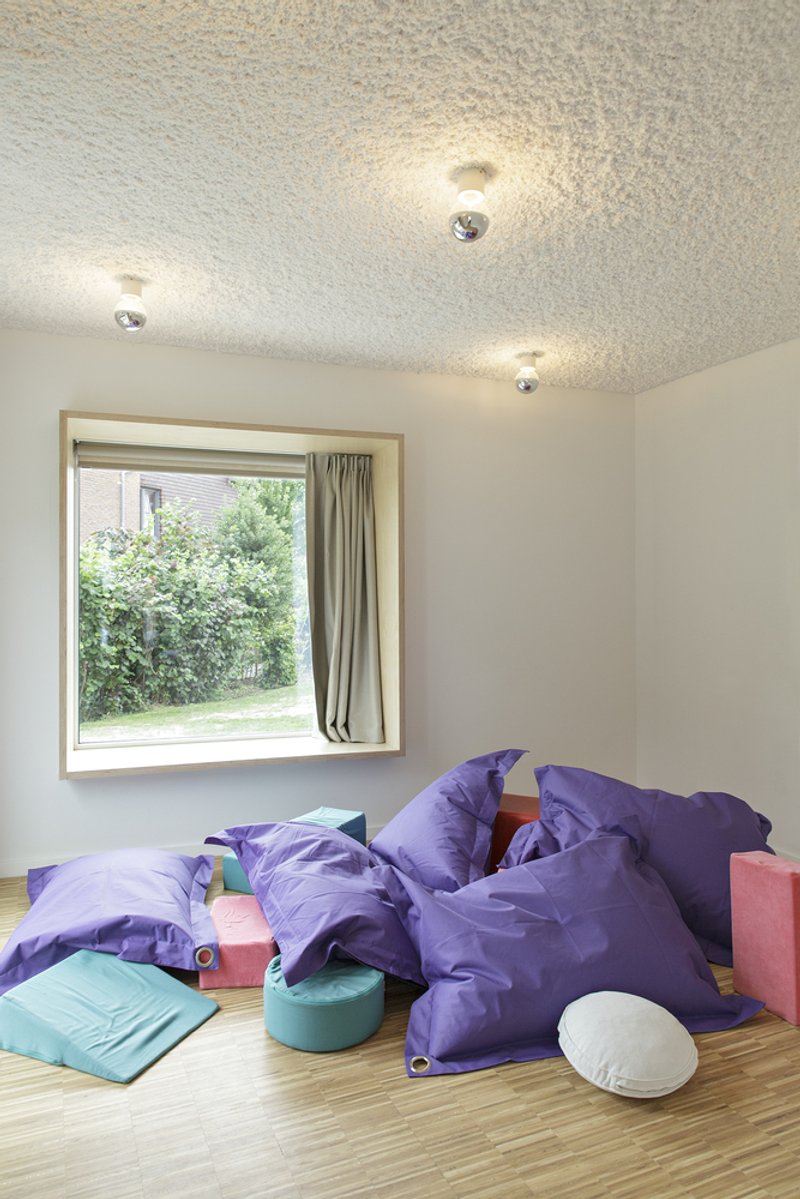
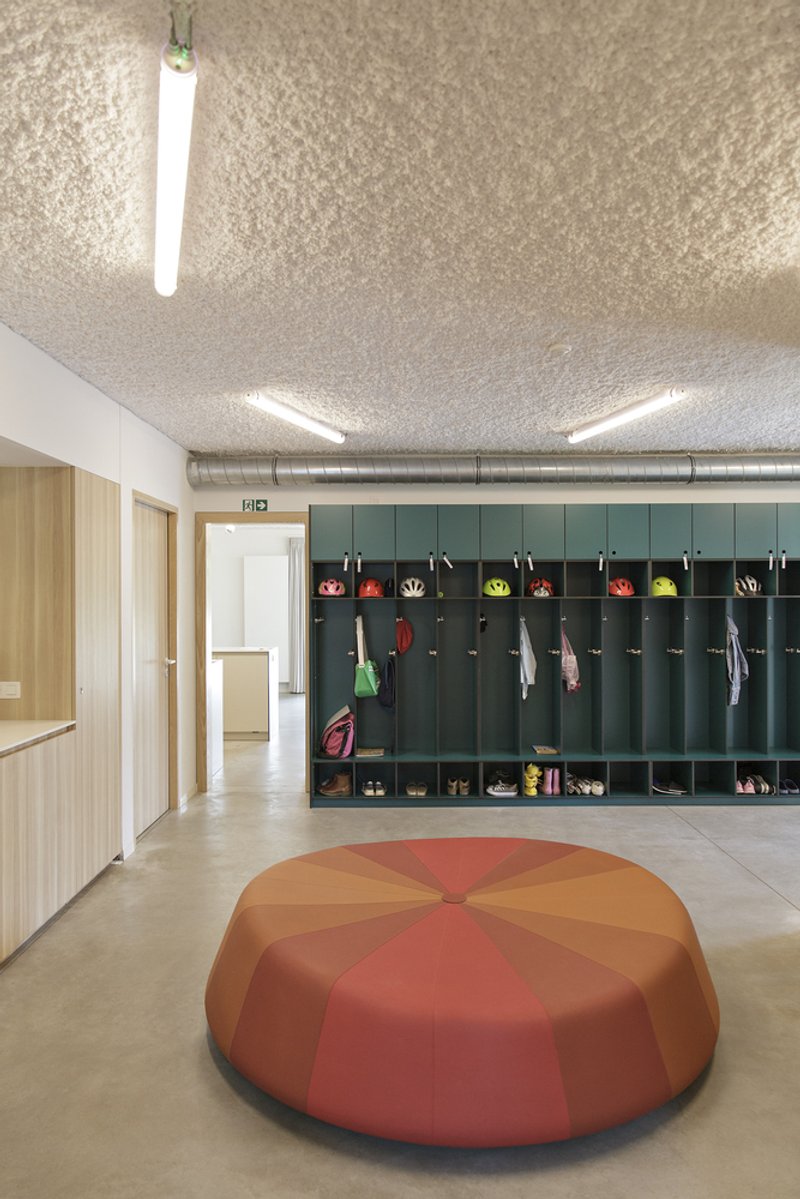
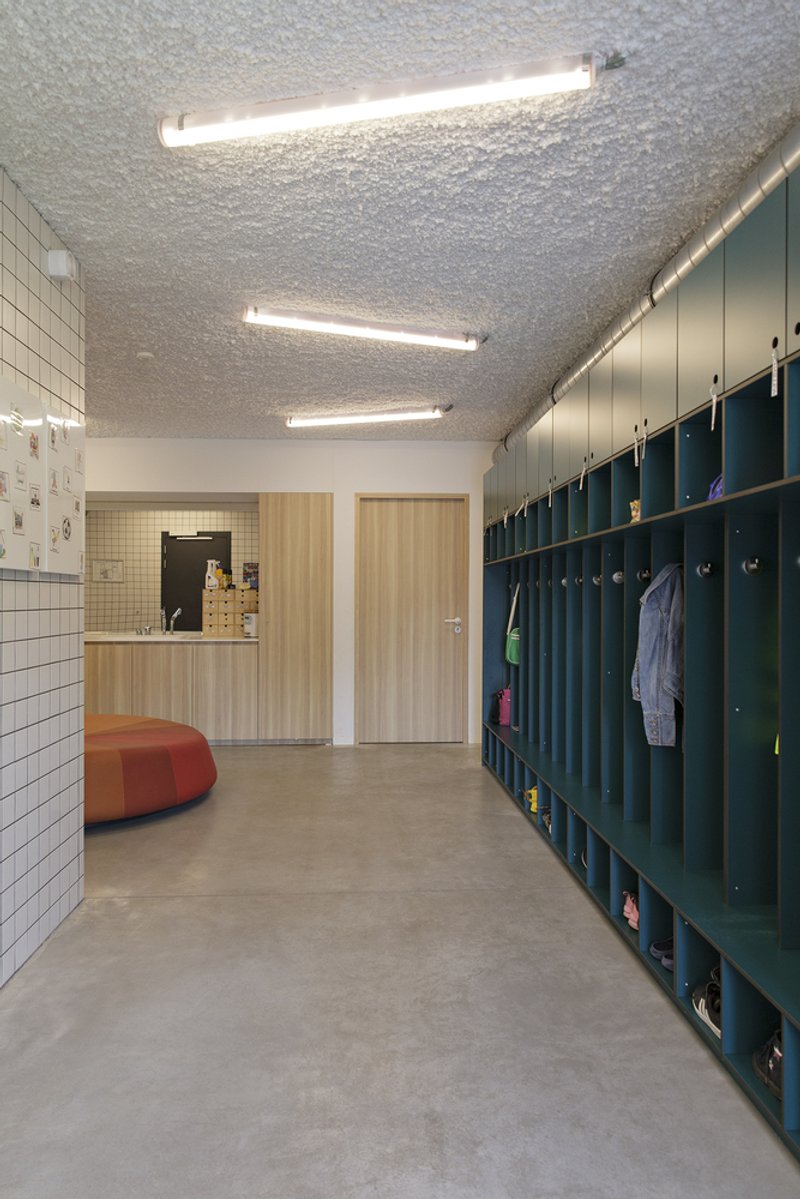
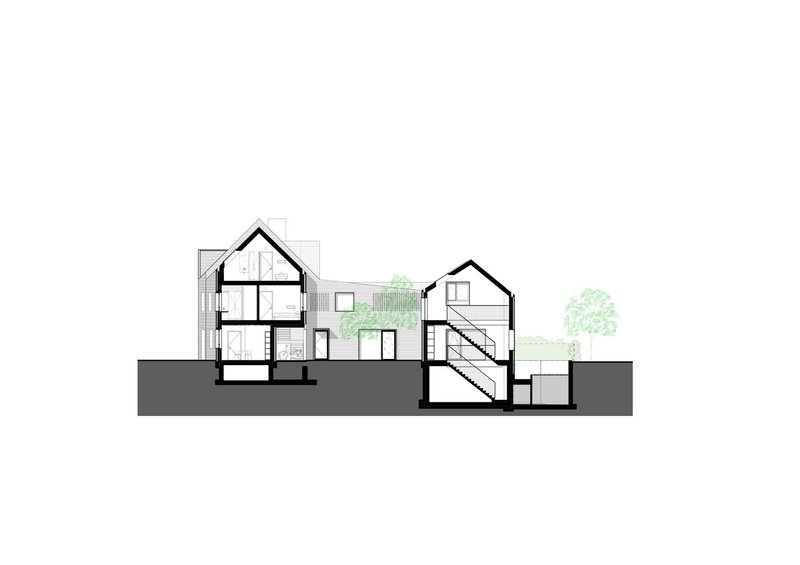
Central to the De Sibbe Shelter House is its mission to provide a homely, secure environment conducive to the development and well-being of its young residents. The architectural layout fosters communal living and play spaces, ranging from a recreational basement annexed to a garden forum and an activity attic. Special attention was given to creating spaces that allow for both group interaction and individual retreat, featuring alcoves, sensory rooms, and low-stimulation areas designed to cater to the diverse needs of the children.
Sustainable Practices and Material Selection
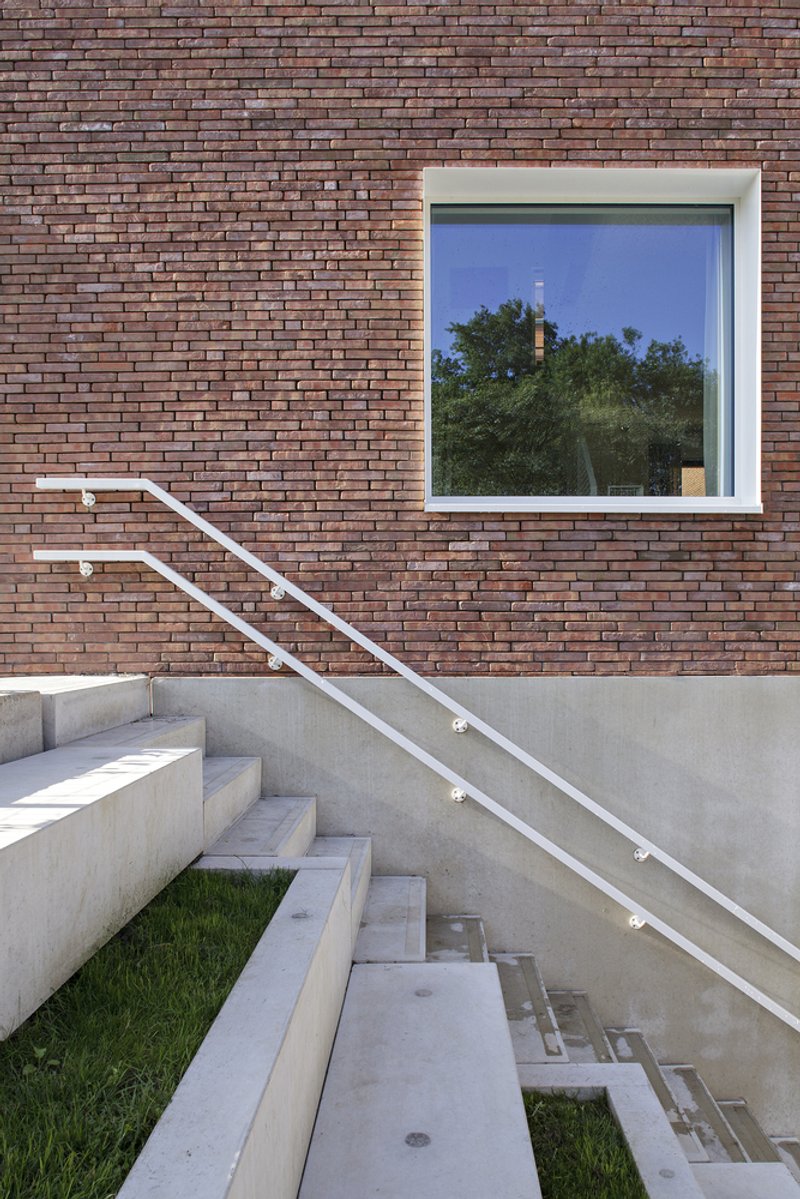
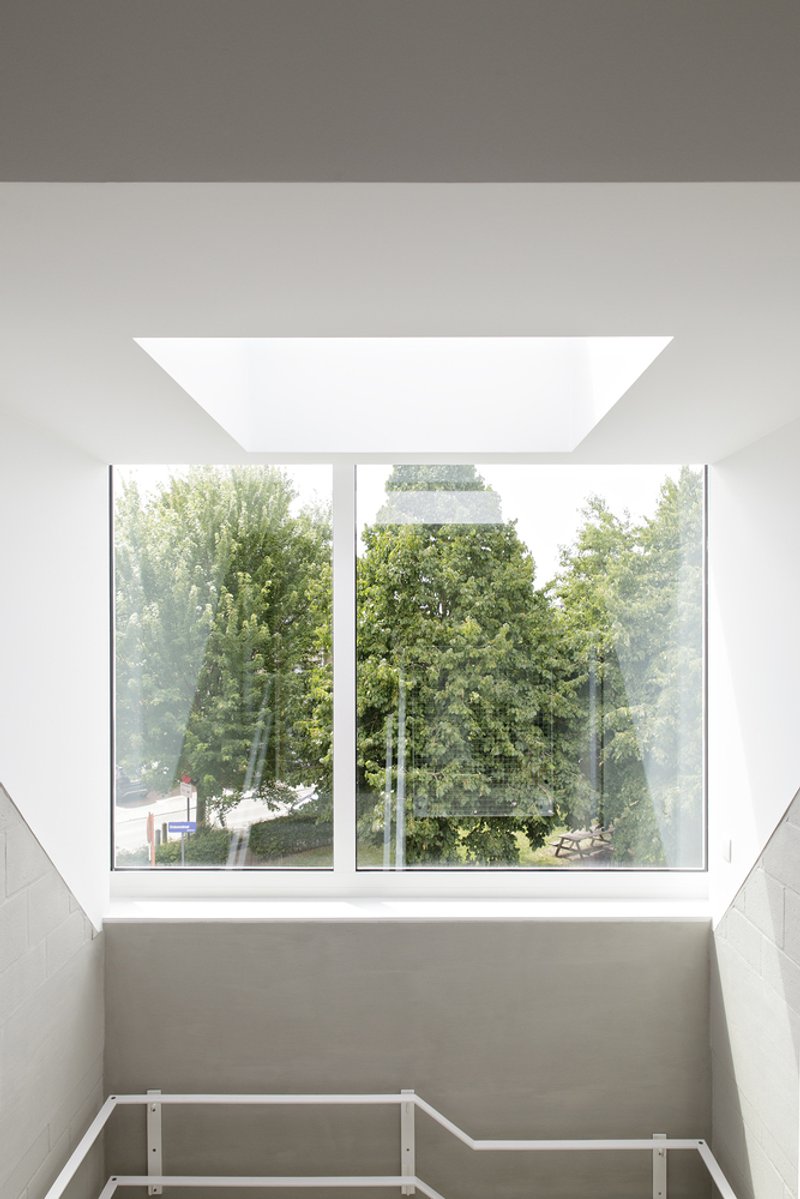
Sustainability is a cornerstone of the De Sibbe Shelter House, reflected in the choice of materials and the integration of green spaces. The project leverages eco-friendly materials and technologies, ranging from energy-efficient windows to sustainable brickwork, ensuring a minimal environmental footprint. The landscape architecture further enriches the living environment, with the garden forum acting as a natural extension of the indoor spaces, promoting outdoor activities and connectivity with nature.
A Model for Future Endeavors
The De Sibbe Shelter House for Children stands as a beacon of how architecture can play a pivotal role in addressing social welfare issues while adhering to sustainable practices. Atelier M Architects + Planners have not only created a safe haven for children in need but have also crafted a project that speaks to the broader architectural community about the possibilities of sustainable architecture in child welfare settings. As we move forward, the De Sibbe Shelter House should serve as a model and inspiration for future projects aiming to combine social responsibility with environmental stewardship.
All the photographs are work of Jolien Fagard