
Sustainable Architecture in Colombia: A Deep Dive into Mirador del Duende Project
Exploring Mirador del Duende, a sustainable architecture project by Universidad Católica de Pereira in Colombia.


Sustainable architecture is gaining momentum globally, with Colombia emerging as a pivotal player in integrating environmental consciousness with architectural innovation. A prime example of this commitment is the Mirador del Duende project by the Universidad Católica de Pereira. This endeavor not only showcases the aesthetic appeal of sustainable design but also serves as a testament to the potential of architecture in promoting environmental education and conservation.

The Essence of Mirador del Duende
Background
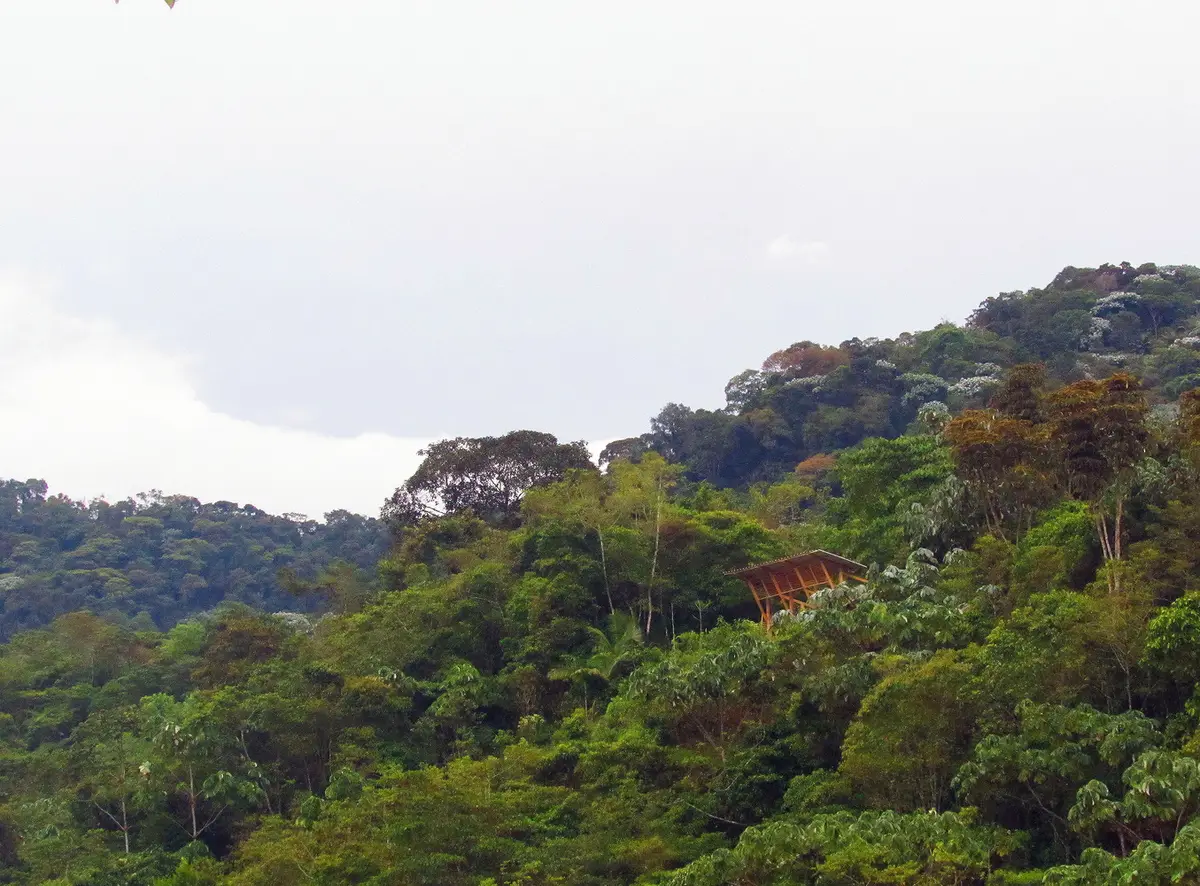
Nestled in the Lisbrán estate in La Florida, Risaralda, Mirador del Duende stands as a symbol of sustainable architecture in Colombia. The project originated from a construction laboratory conducted in 2023, under the banner of an intersemester architecture program at the Universidad Católica de Pereira. It embodies the practical application of architectural concepts, harmoniously blending theory with practice within the rich natural and cultural landscape of the region.


Design and Construction
Sustainable Practices
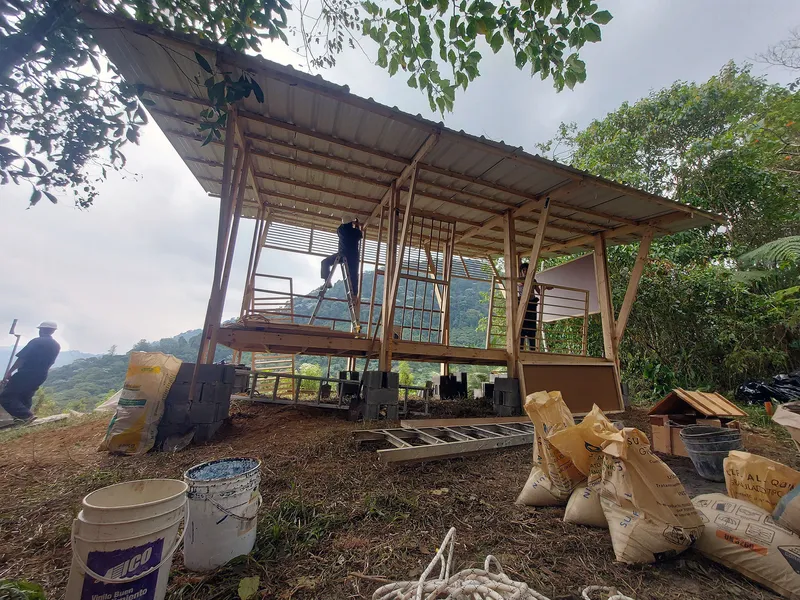
From its inception, the Mirador del Duende project was envisioned to be a beacon of sustainability. The design and construction processes prioritized the efficient use of resources, including the innovative reuse of materials, culminating in a project waste index of merely 0.5%. Such measures underscore the project's commitment to minimizing environmental impact while fulfilling its functional and educational objectives.


Architectural Features
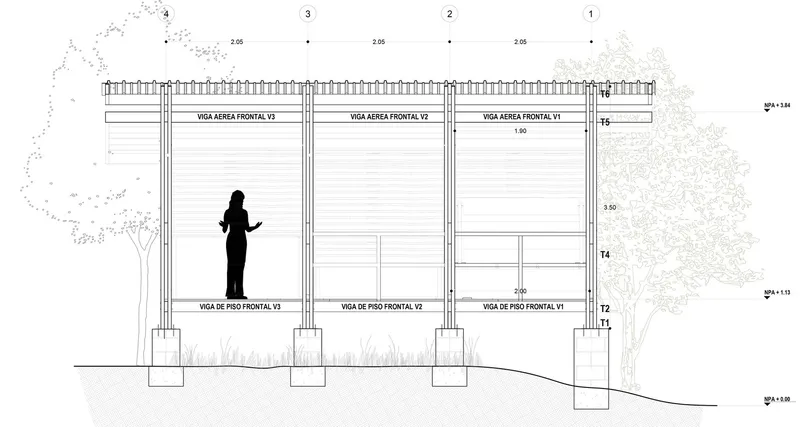
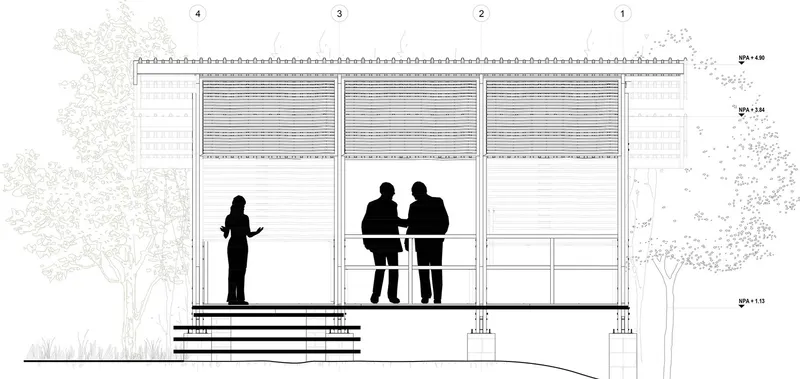
The Mirador serves not just as a viewing point but also plays a crucial role in the monitoring and conservation of the wetland at the mountain's base. This area is vital for water collection in Pereira, highlighting the project's dual focus on utility and environmental stewardship. The construction methodology embraced a blend of traditional and sustainable techniques, utilizing concrete footings for the foundation and radiata pine wood for the mezzanine floor, beams, and roof structure, reflecting a dedication to ecological sustainability.

Environmental Impact and Education
The collaboration between the Universidad Católica de Pereira and Aguas y Aguas de Pereira through the "Let's Live the Basin" program illustrates the project's broader environmental mission. This partnership aims to foster environmental education and the preservation of natural resources in the Otún River Basin, setting a precedent for future sustainable projects in Colombia and beyond.
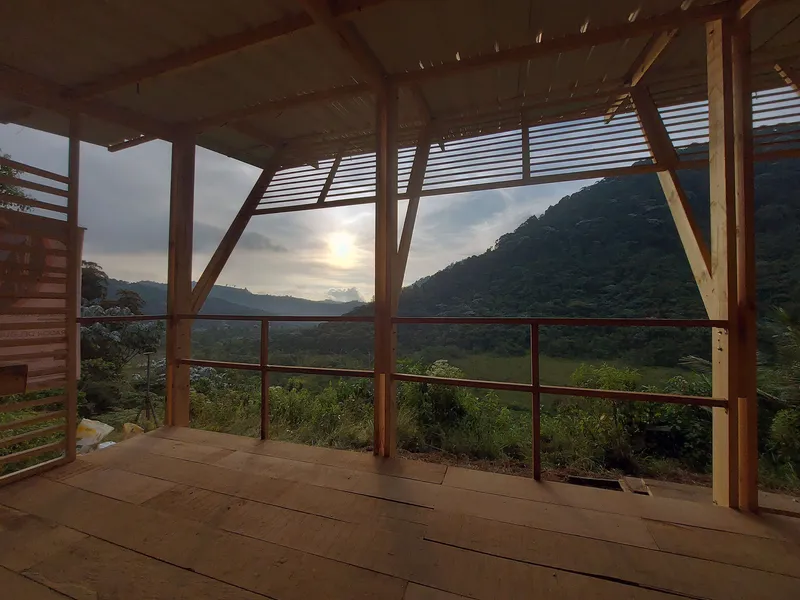

Mirador del Duende is more than an architectural marvel; it is a living classroom that educates and inspires. Through its sustainable design and construction, commitment to environmental education, and role in conserving natural resources, the project exemplifies the potential of sustainable architecture in Colombia to harmonize human needs with ecological preservation. As Colombia continues to embrace sustainable practices, projects like Mirador del Duende pave the way for a future where architecture and nature exist in symbiotic harmony.
This exploration into the Mirador del Duende project underscores the significance of sustainable architecture in Colombia, offering insights into how innovative design can contribute to environmental conservation and education. As the world moves towards more sustainable practices, Colombia's architectural endeavors like Mirador del Duende will undoubtedly play a pivotal role in shaping the future of environmentally conscious design.



Popular Articles
Popular articles from the community


Minqa Atelier Steps a 53 m² Teak Refuge Down a Forested Slope in Ecuador's Chocó
In Pedro Vicente Maldonado, Ecuador, stepped teak platforms on river-stone gabions let a small forest house follow the hillside instead of flattening it.


Wave 'Coral': Four Perforated Canopies Bring Human Scale to a Monumental Plaza
A wavy lattice shell repeated four times around an obelisk, turning a vast paved square into pockets of shade, planting and places to sit.

Gonçalo Grácio Refurbishes a 104 m² House Inside the Medieval Walls of Castelo de Vide
In Castelo de Vide, Portugal, a compact whitewashed house is reworked with rough lime and clay plaster, deep window niches and a small rooftop terrace.

S-AR Builds a Five-Square-Meter Concrete Chapel in a Mexican Garden from Thin Walls and Old Bricks
In Santiago, Nuevo León, a tunnel of 8 cm concrete walls tilts down to a steel cross, floored with crushed brick from the chapel it replaced.

Similar Reads
You might also enjoy these articles

BLT Arquitectos Wraps a Shared Innovation Hub at Córdoba's Catholic University in a Glowing Polycarbonate Shed
On the Universidad Católica de Córdoba campus in Argentina, a 650 m² workshop hall in polycarbonate and concrete serves every faculty as one shared room.

Charlene Koetz Arquitetura Lifts a Glass House on Piers Above a Mossy Forest Slope in Gramado
In Vila Prinstrop, Brazil, a 455 m² house pairs black-framed glazing with board-formed concrete, rough stone and a forest it barely disturbs.

Paul Bernier Architecte Turns a Curved-Eaved 1970s Cottage in Magog into a Year-Round Family Home
In Quebec's Eastern Townships, a 1970s vacation house becomes a primary residence through restraint, a glazed entry and sunlit timber rooms.

Peris and Toral.arquitectes Wrap 54 Social Rental Homes in Besòs Around a Brick-Screened Atrium
In Barcelona's Besòs district, a perforated brick block turns its shared walkways into a light-filtering atrium for 54 social rental homes.

Explore Architecture Competitions
Discover active competitions in this discipline

Submit a world, not a render

Studio work deserves a jury

The International Standard for Design Portfolios

The Global Benchmark for Architecture Dissertation Awards
Comments (0)
Please login or sign up to add comments
No comments yet. Be the first to comment!