Sustainable Architecture in Retreat Design: The Bao Lam Retreat House by 6717 Studio
The article explores the Bao Lam Retreat House, focusing on sustainable architecture that integrates nature and modern design principles.


Sustainable architecture has become an essential principle in designing spaces that harmonize with nature. The Bao Lam Retreat House in Vietnam is a perfect example of how architecture can blend seamlessly with the environment. Designed by 6717 Studio, this retreat represents a space of tranquility, offering a peaceful escape from the fast-paced urban world. The Bao Lam Retreat integrates the best of nature and modern architecture, showcasing a harmonious relationship between sustainability and design.
The Concept of Sustainable Architecture
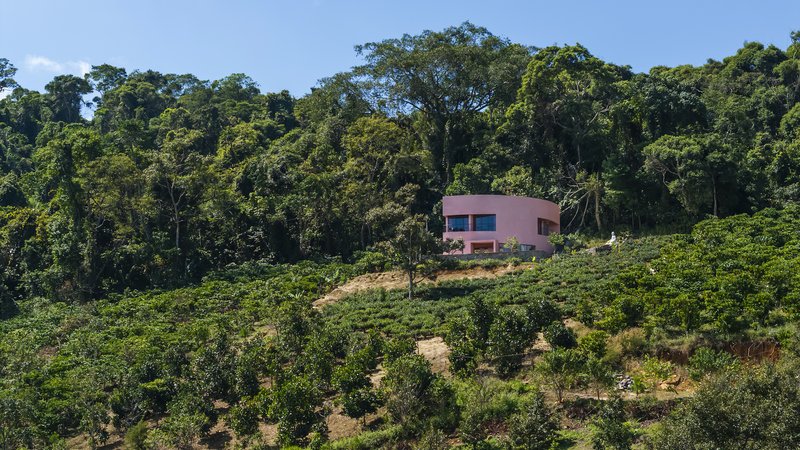
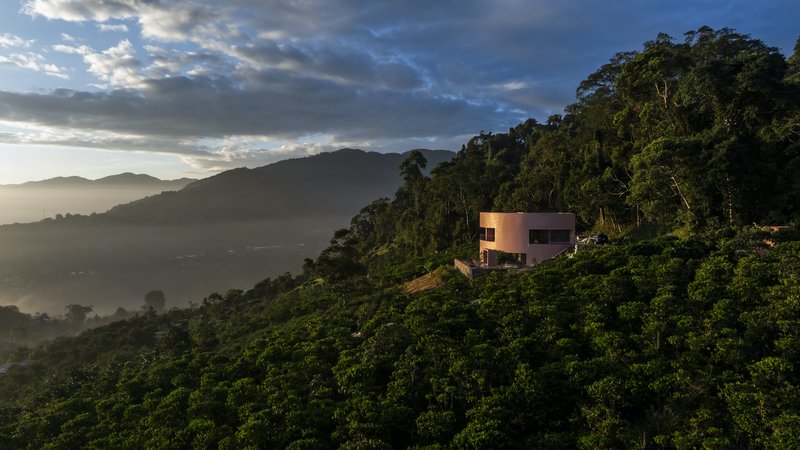
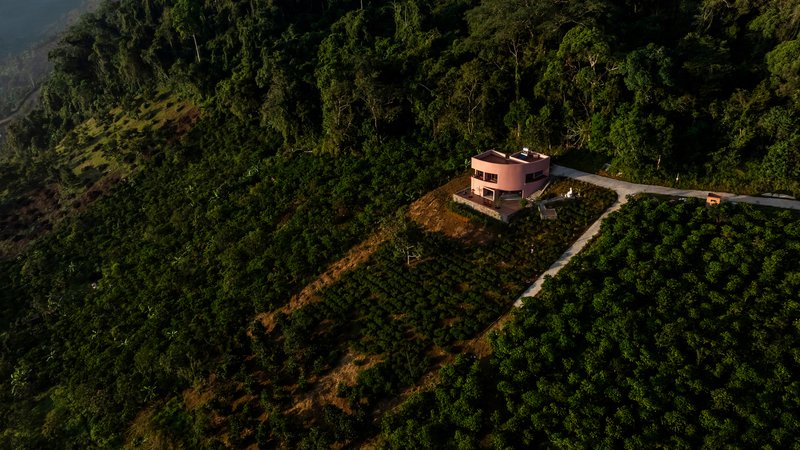
At its core, sustainable architecture focuses on creating structures that are energy-efficient, eco-friendly, and in harmony with their natural surroundings. The Bao Lam Retreat House is an exemplary model of this philosophy. The retreat, located in the highlands of Di Linh, Vietnam, maximizes the natural terrain, contours, and environment to create a dwelling that respects the local ecosystem while offering comfort and serenity.
Site Selection and Natural Integration
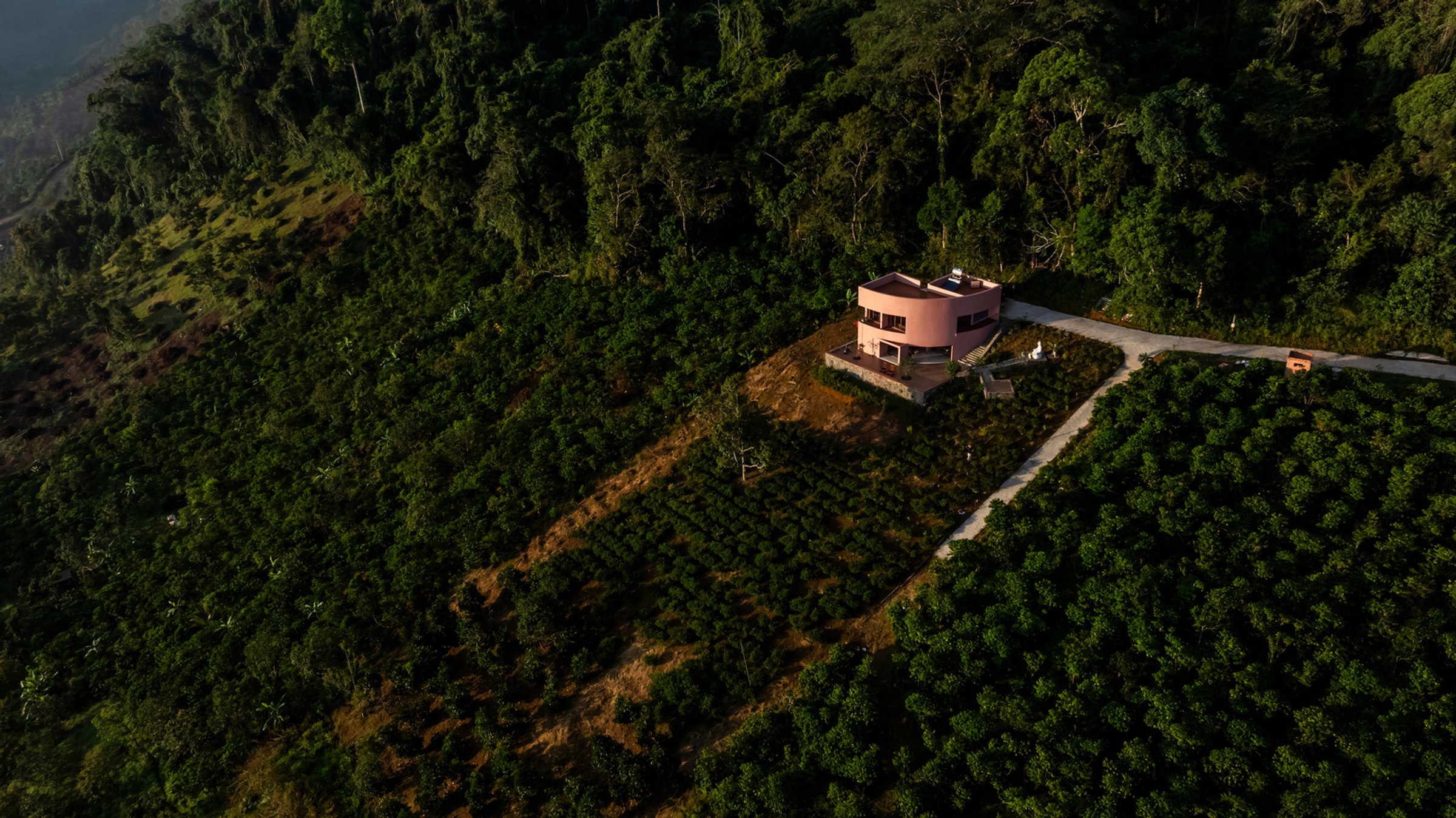
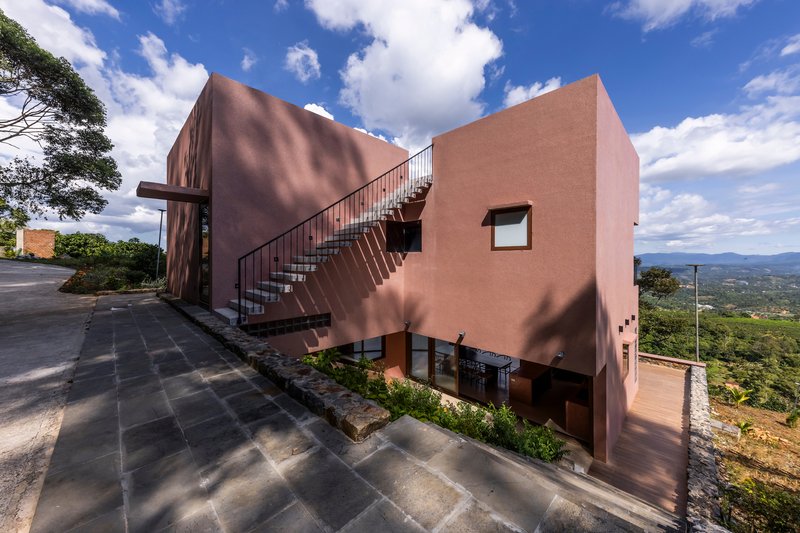
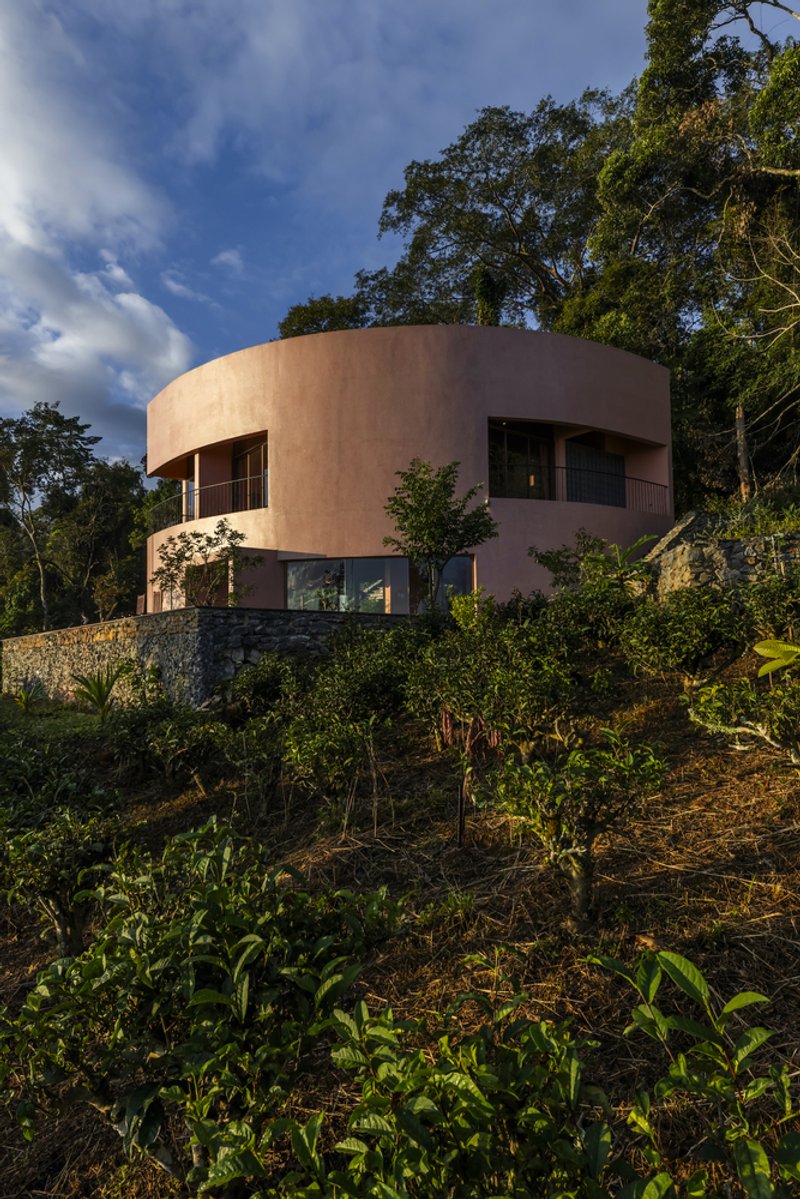
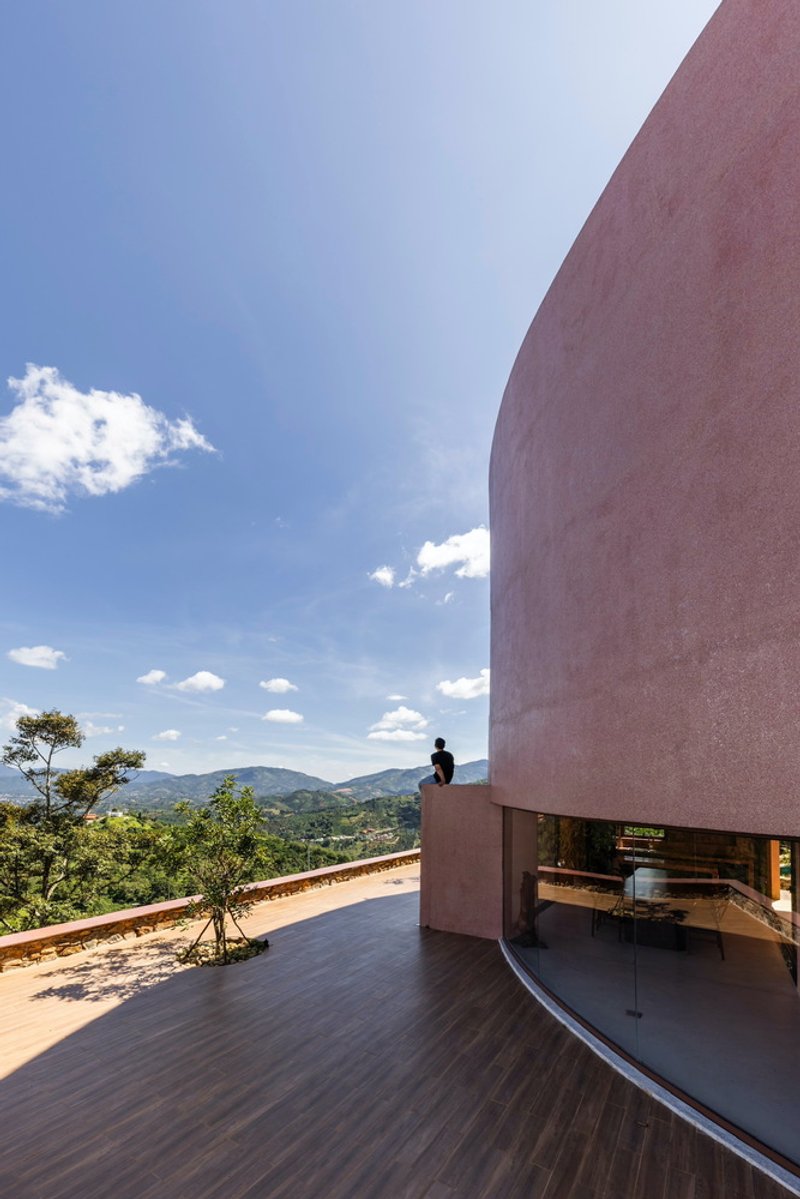
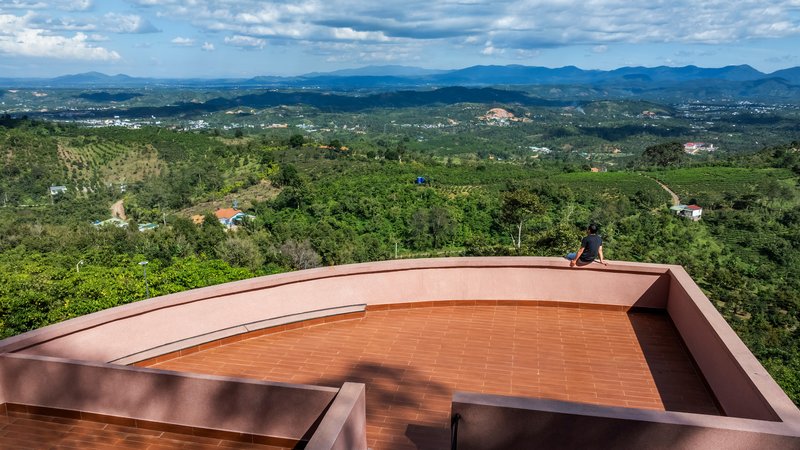
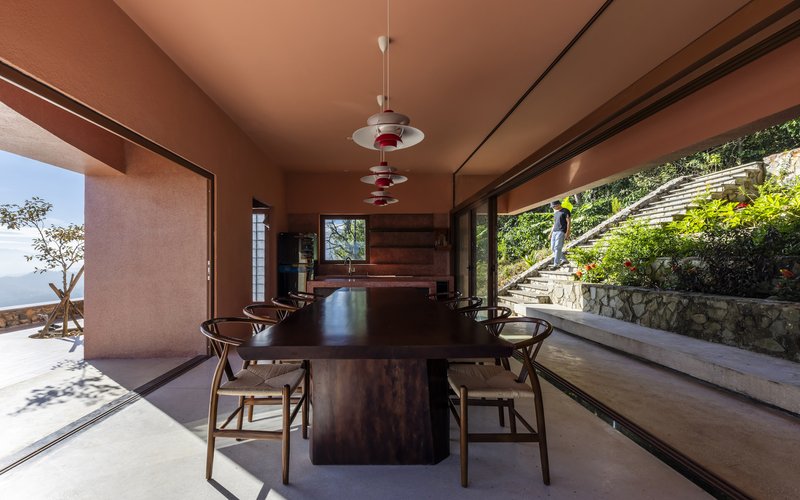
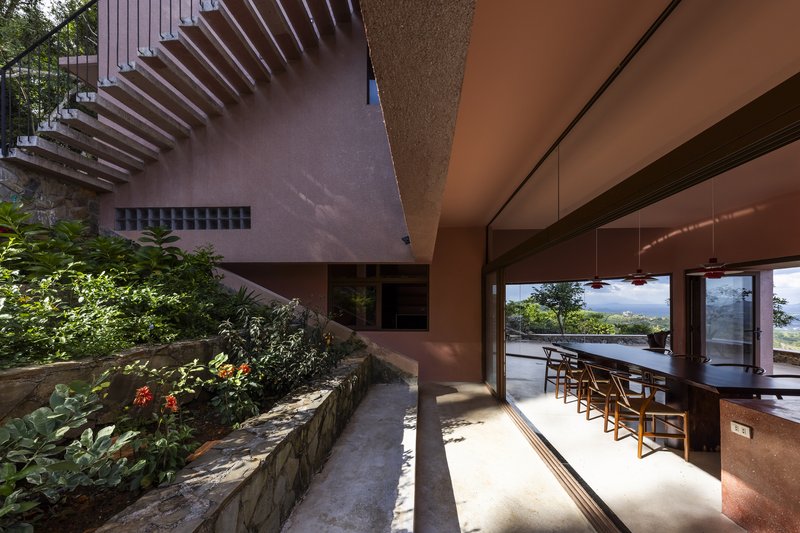
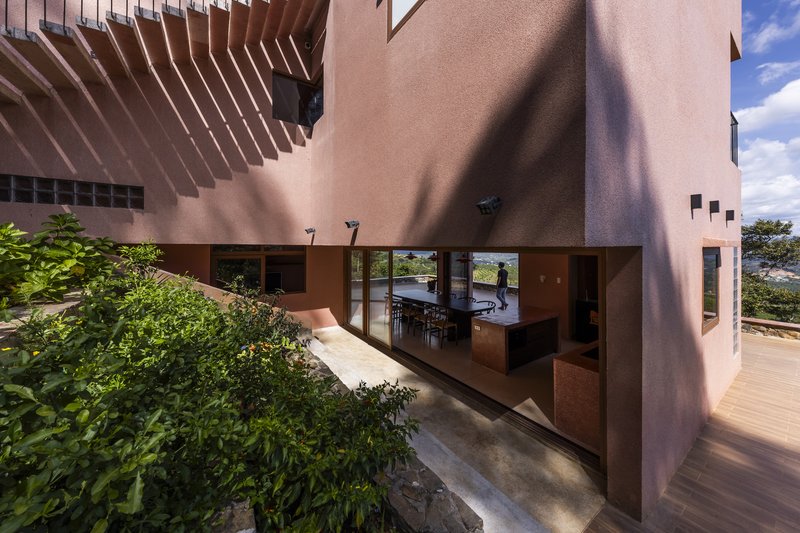
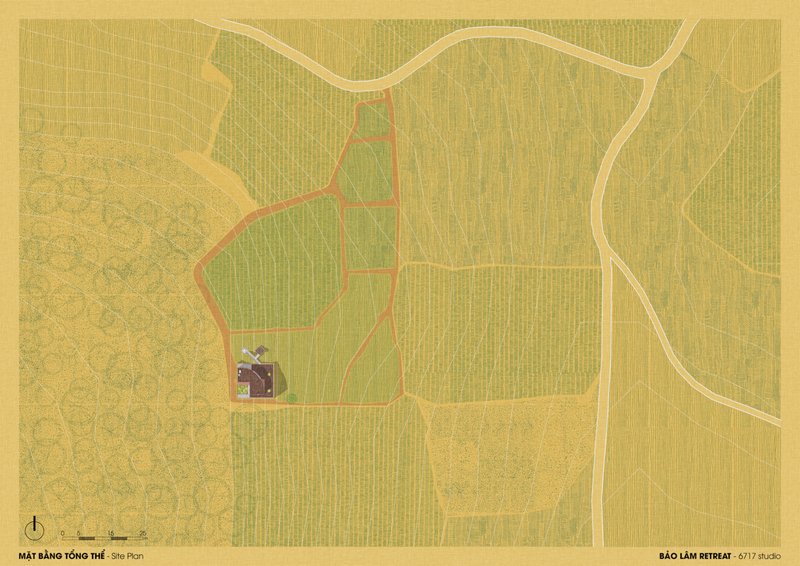
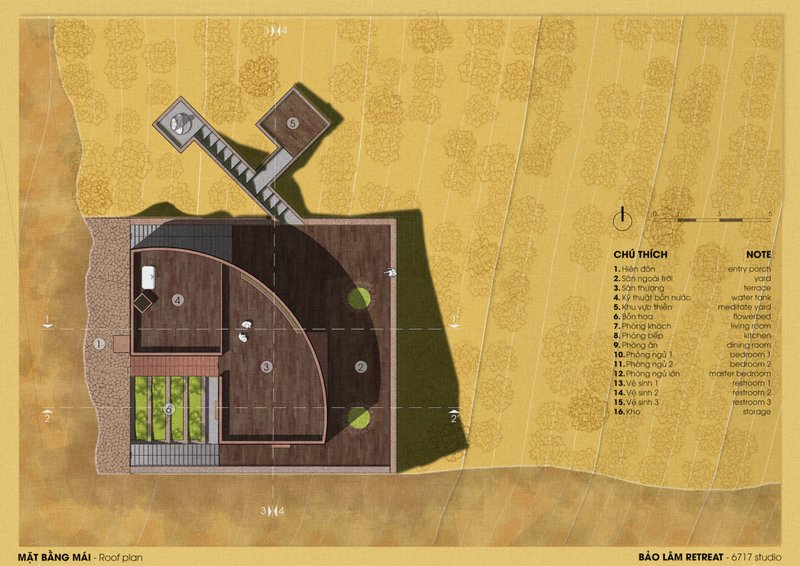
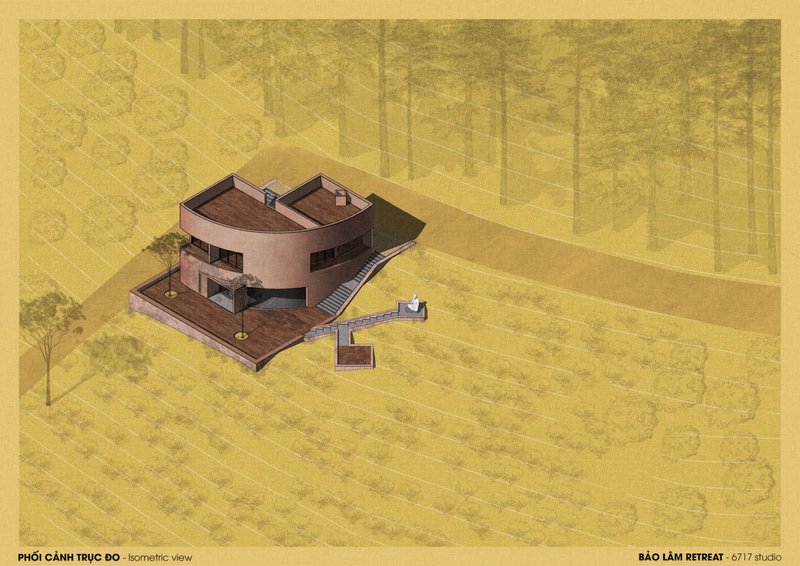
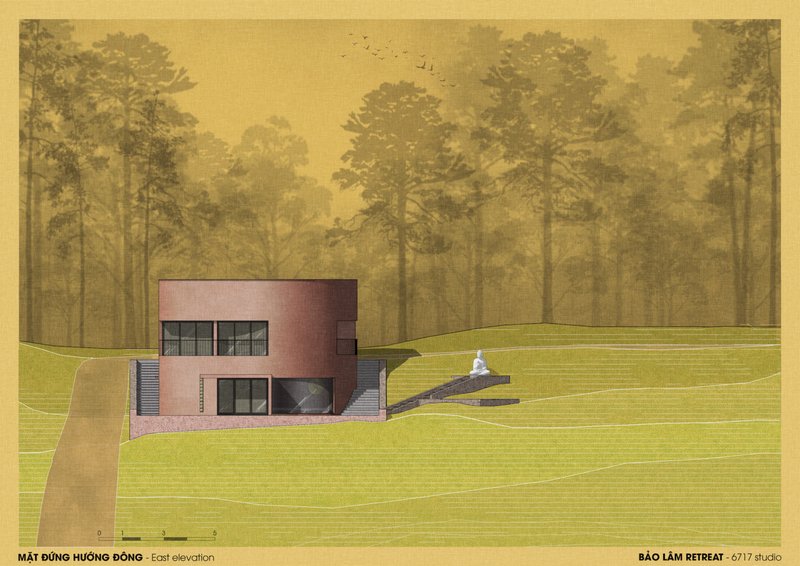
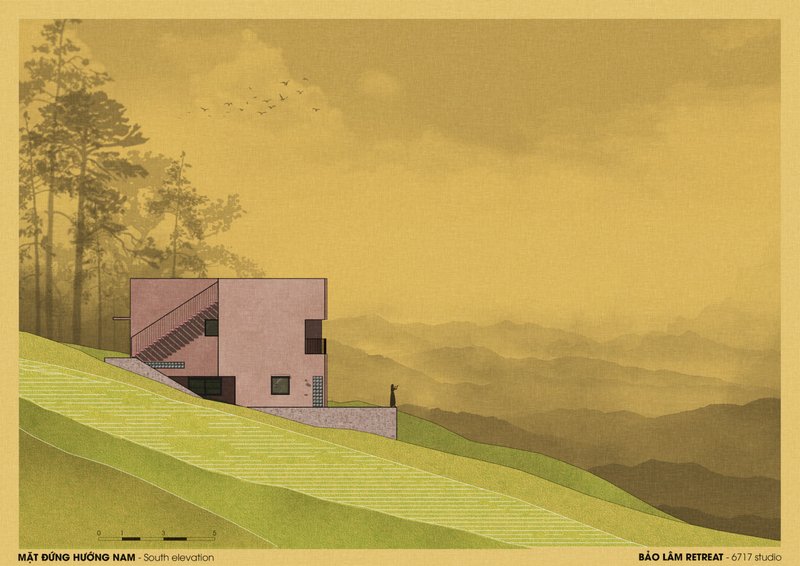
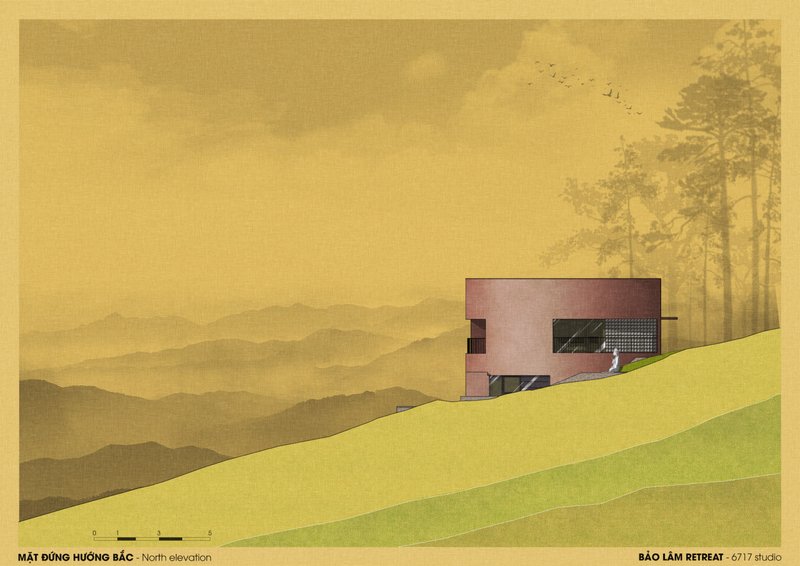
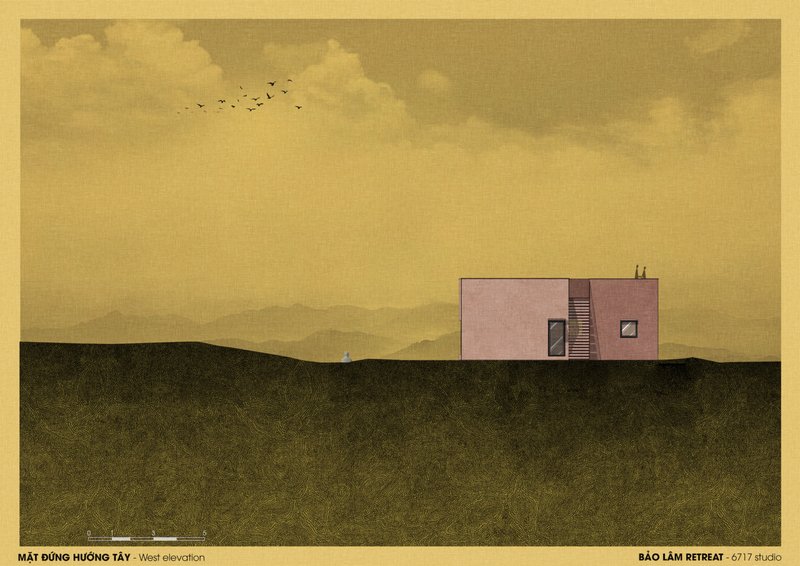
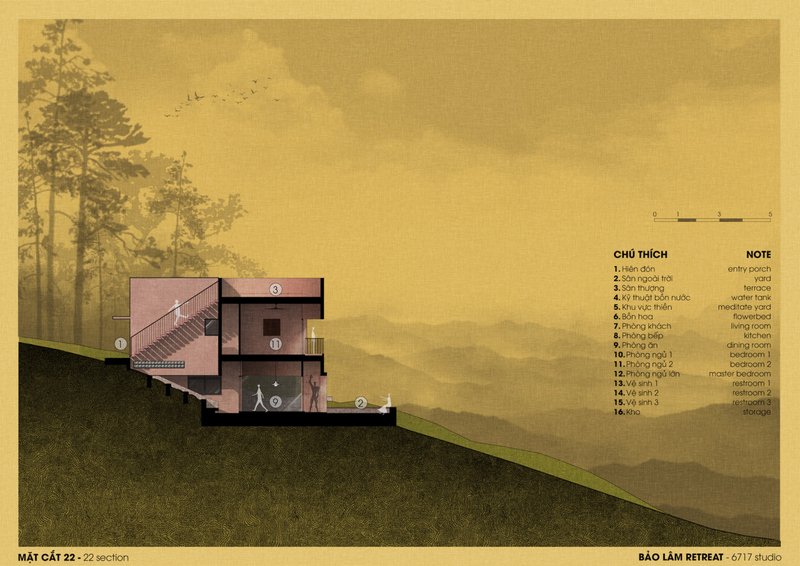
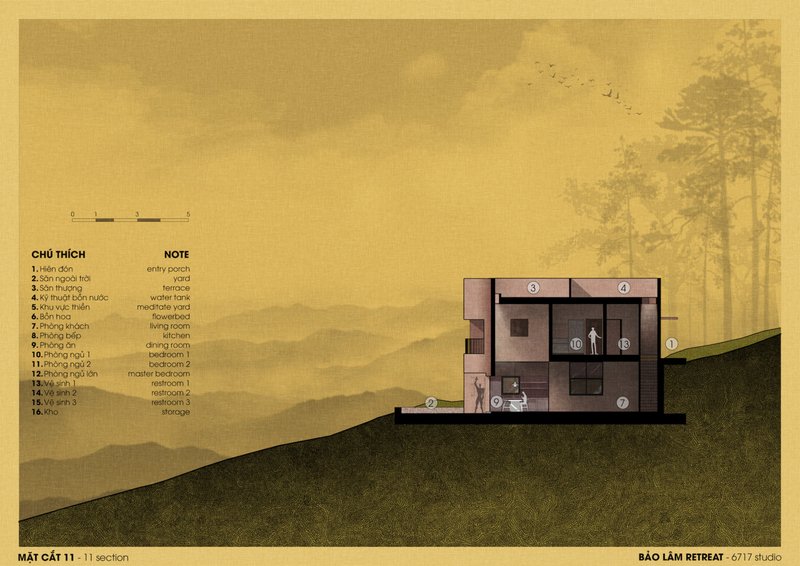
One of the standout features of the Bao Lam Retreat House is its thoughtful location in the highlands. The building sits nestled in a lush green landscape, with stunning views of valleys and distant mountains. Its design embraces the sloping topography, adapting to the land’s contours to create a structure that feels like it’s part of the natural landscape. The surrounding forest acts as a natural shield, enhancing the privacy and safety of the retreat while fostering a deep connection between the building and its environment.
Sustainable Design Elements
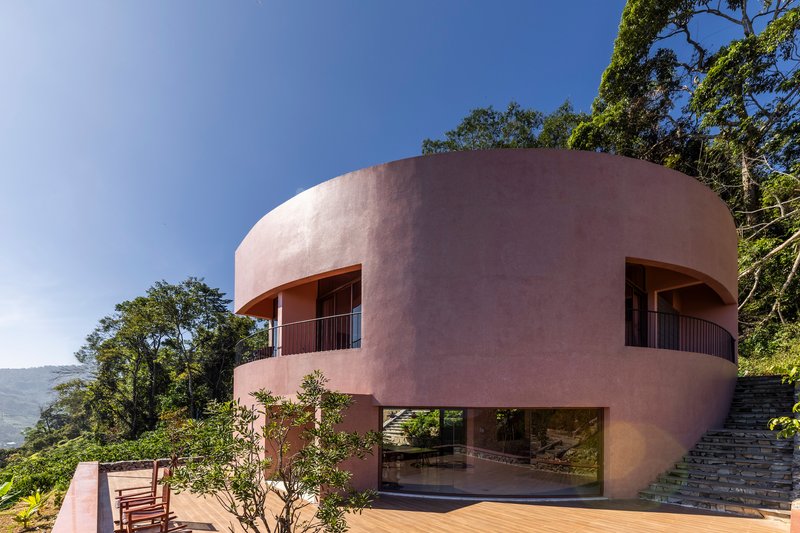
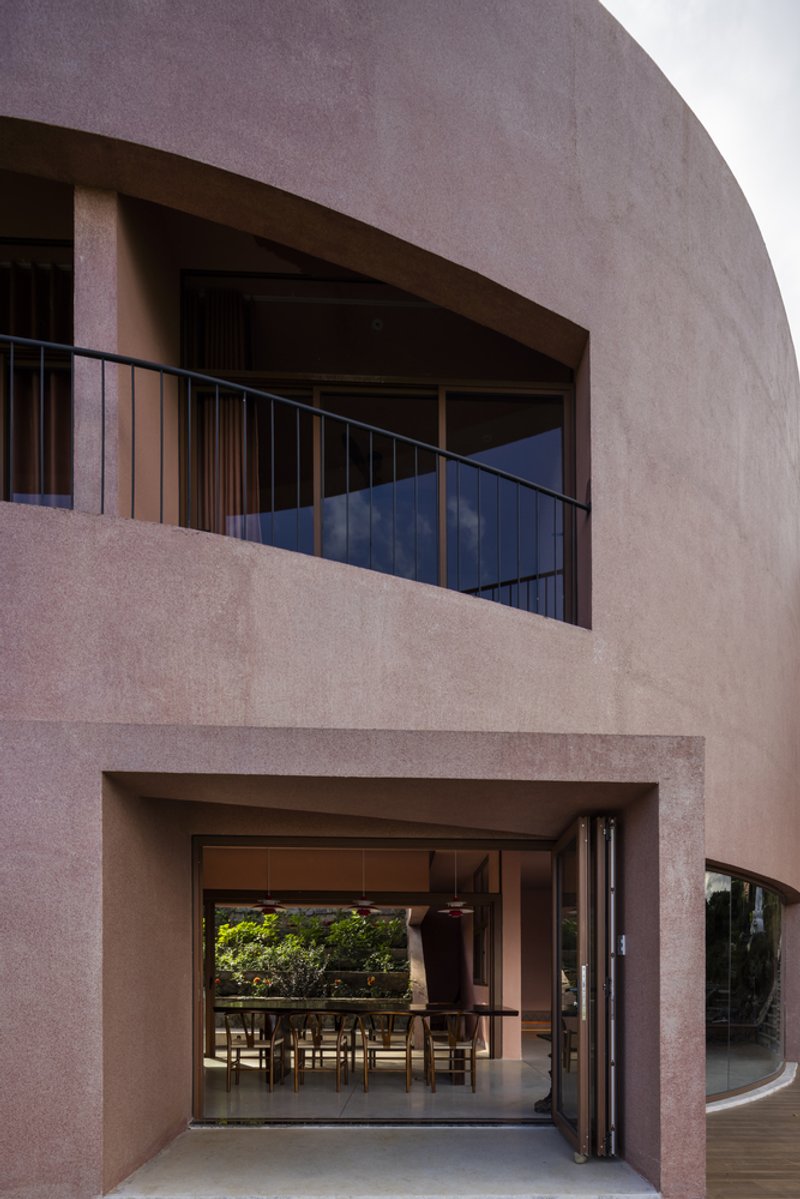
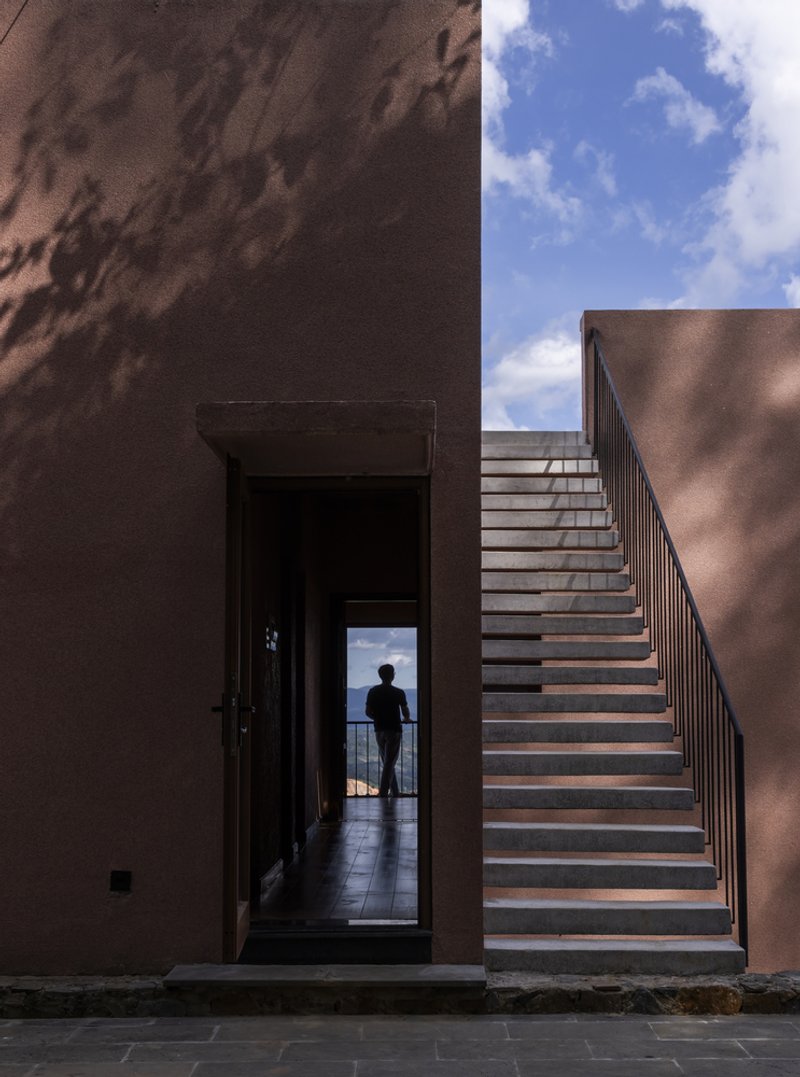
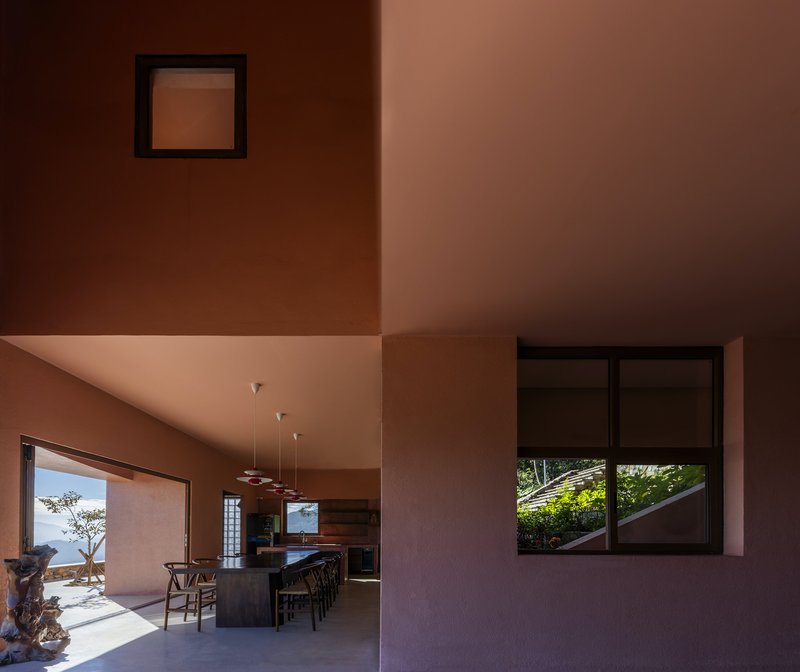
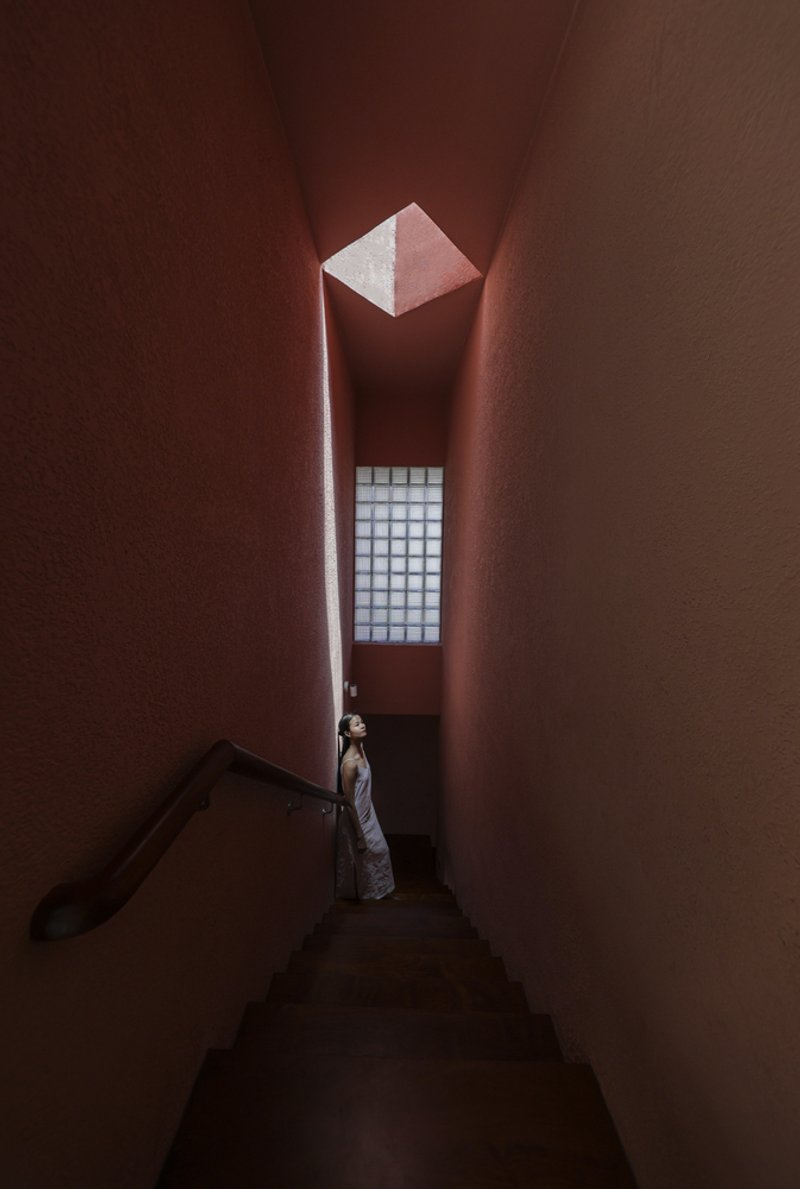
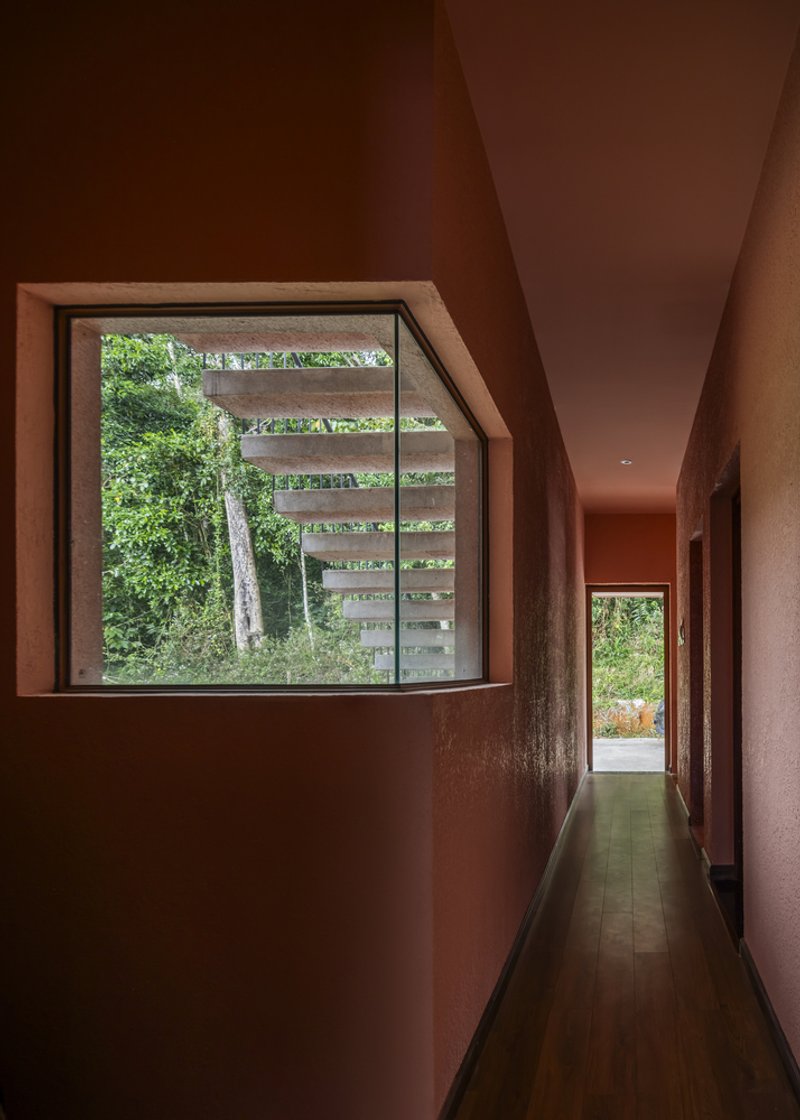
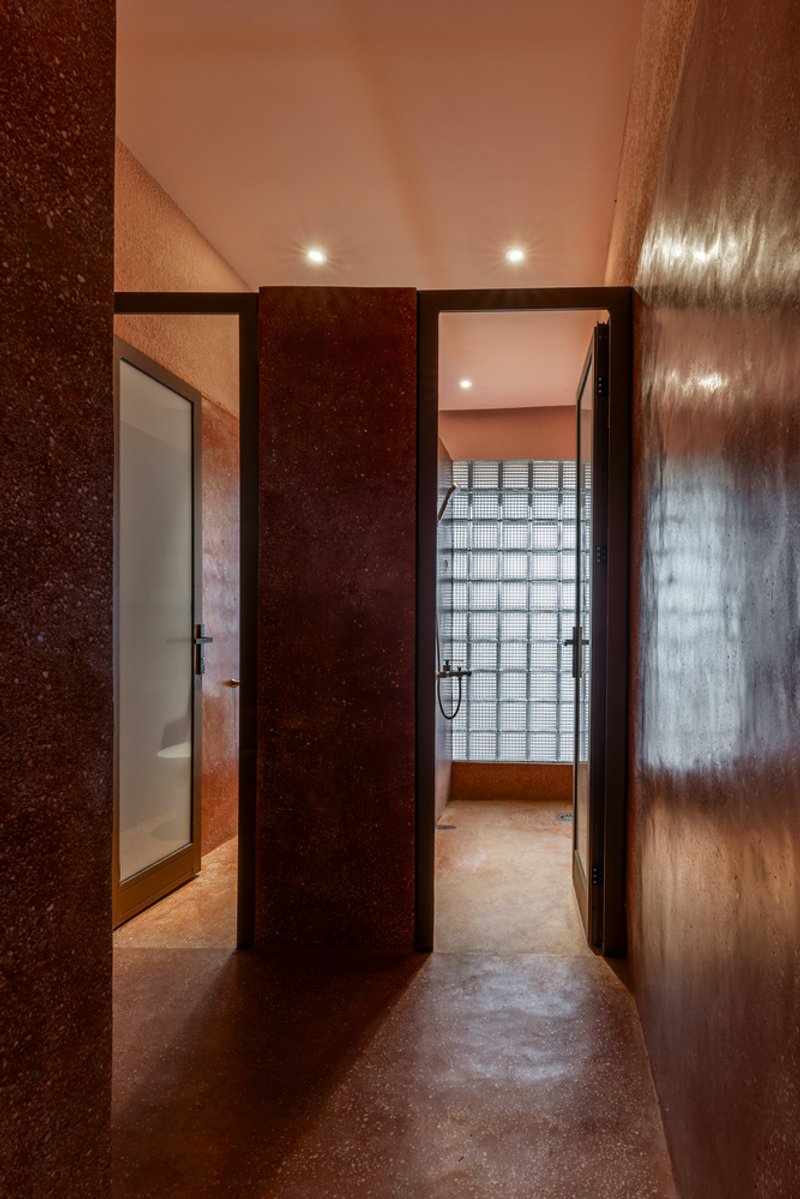
The architects at 6717 Studio focused heavily on integrating sustainable materials and practices throughout the design of the Bao Lam Retreat. The use of locally sourced materials, such as Lam Dong stone, ensures that the building resonates with the region’s unique identity. The red earth-toned faux stone walls are not only visually striking but also functional, offering durability against the region's heavy rainfall and reinforcing the building’s overall structure.
Natural Ventilation and Daylight Optimization
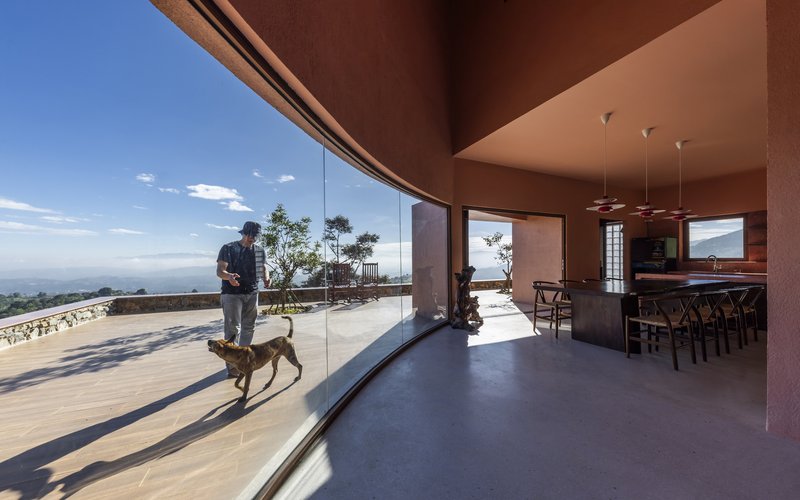
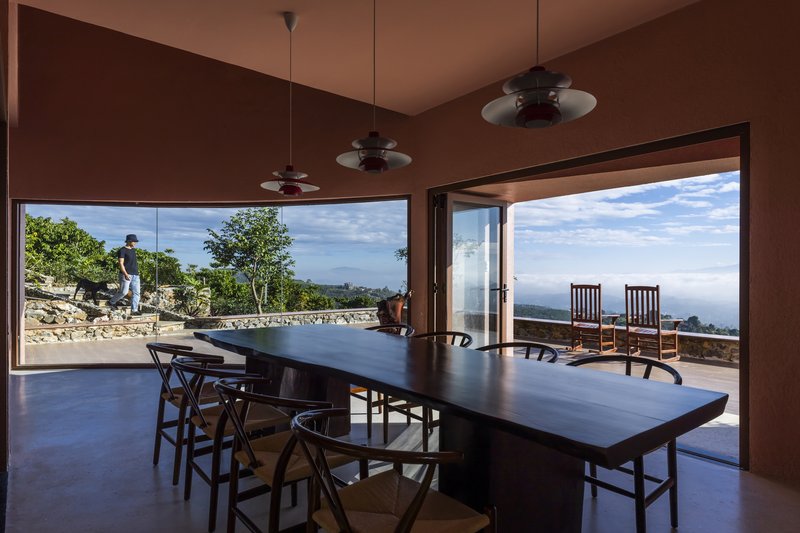
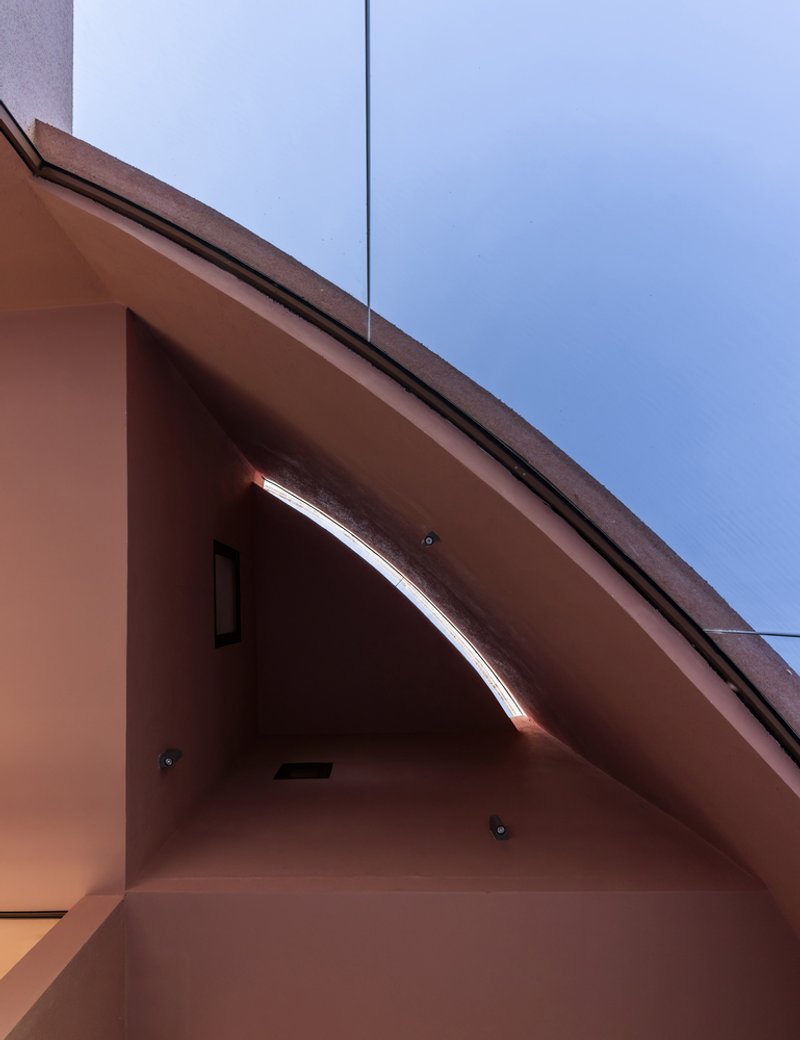
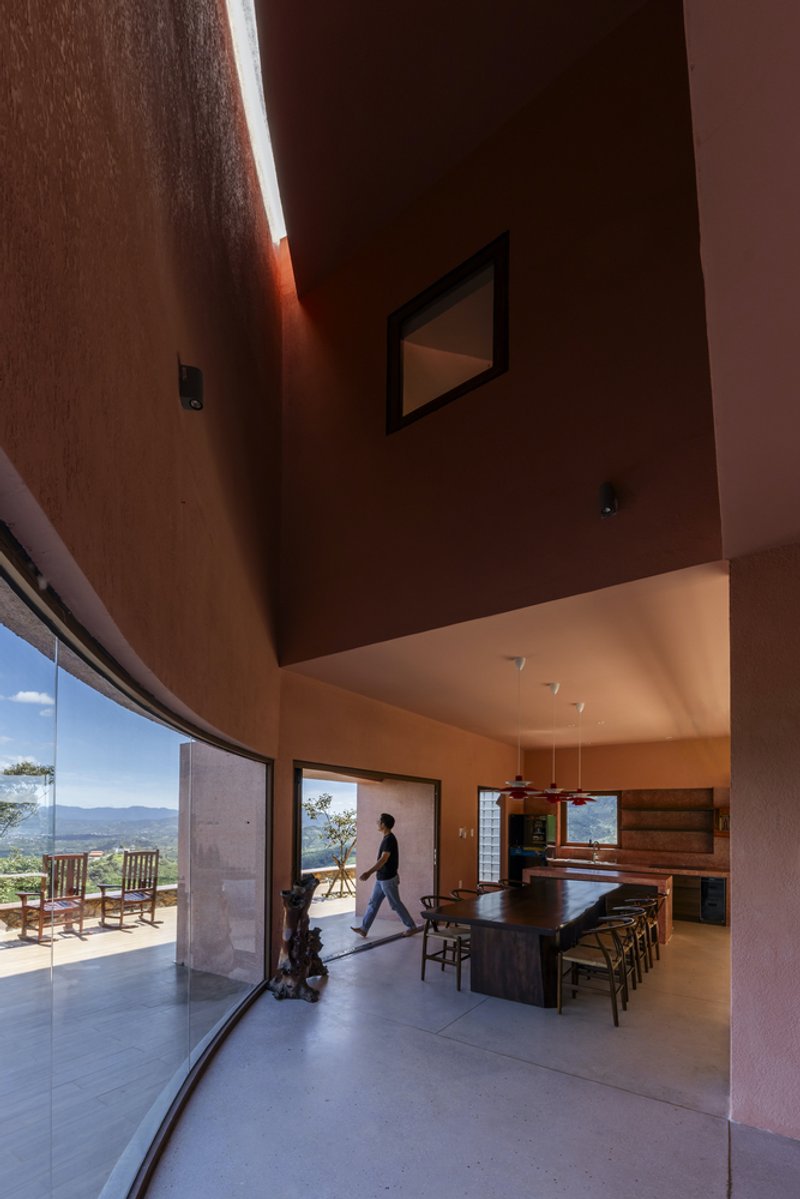
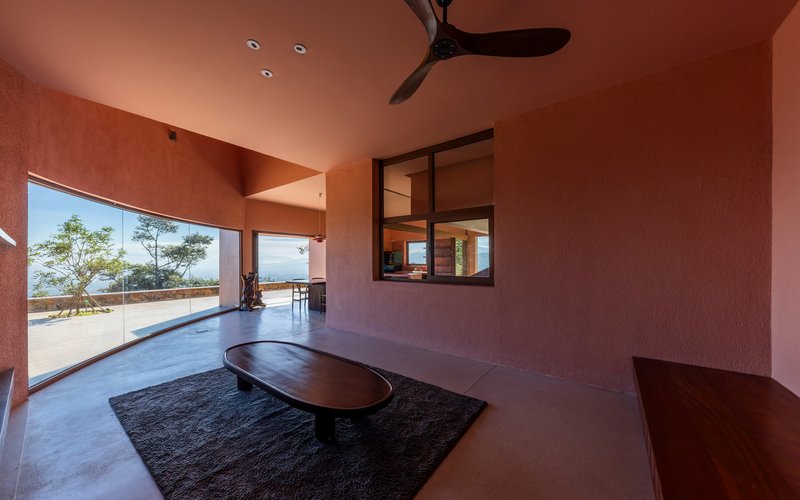
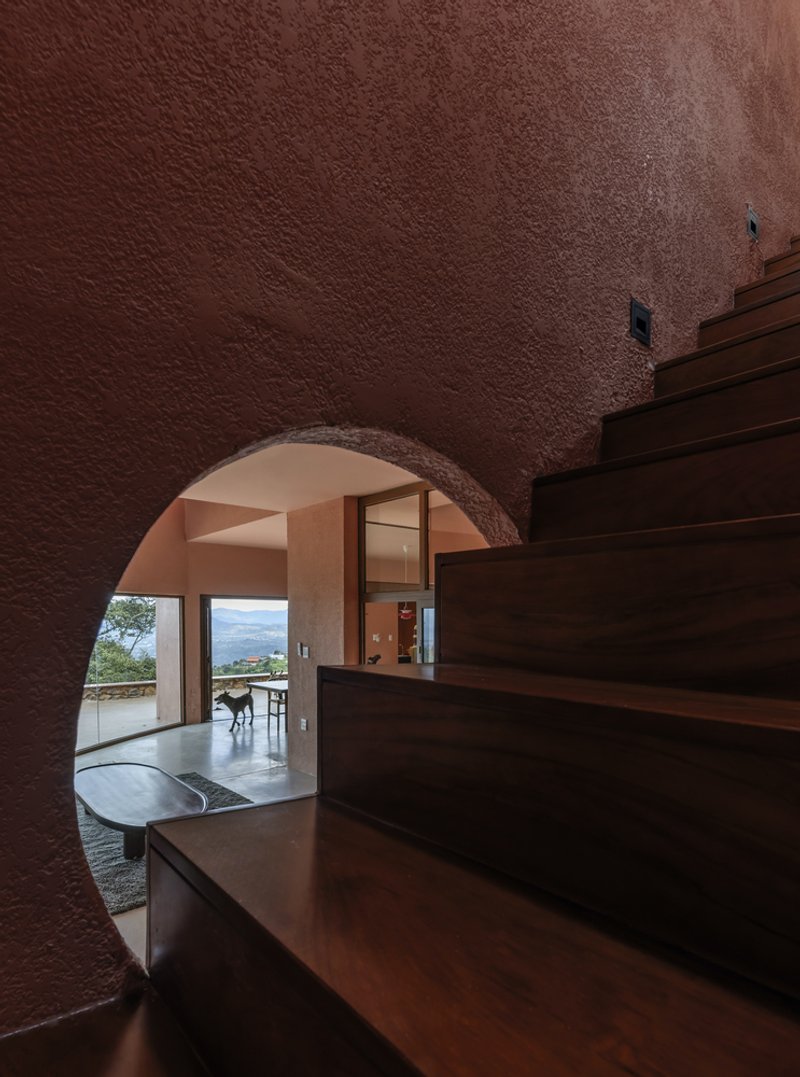
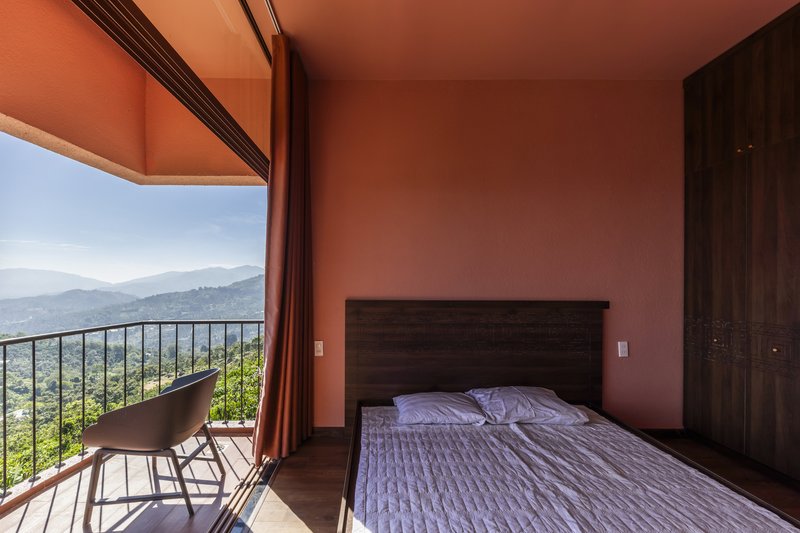
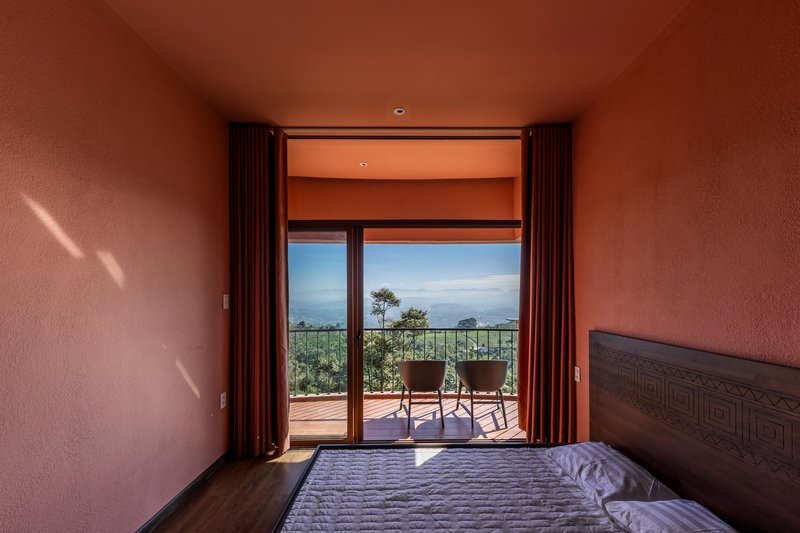
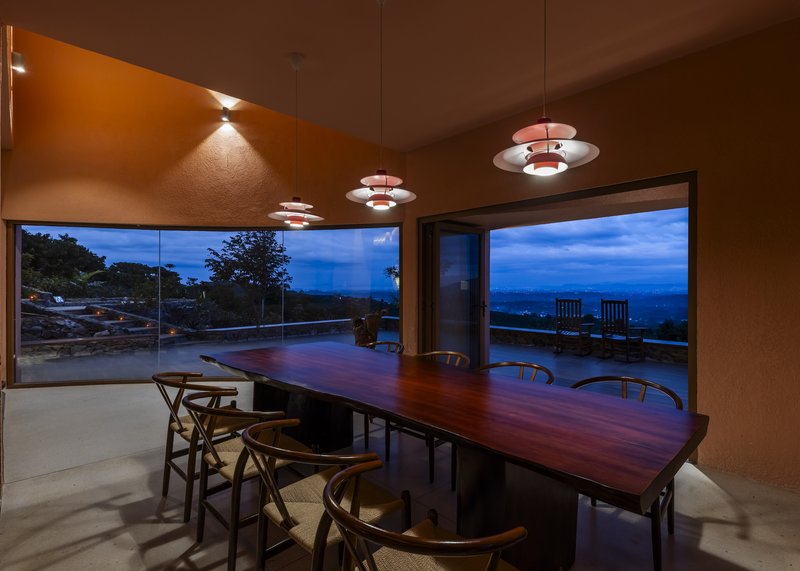
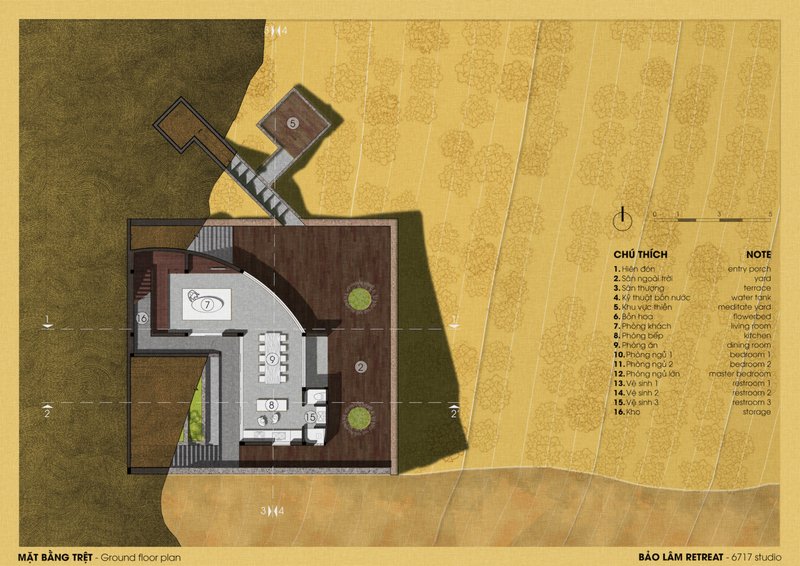
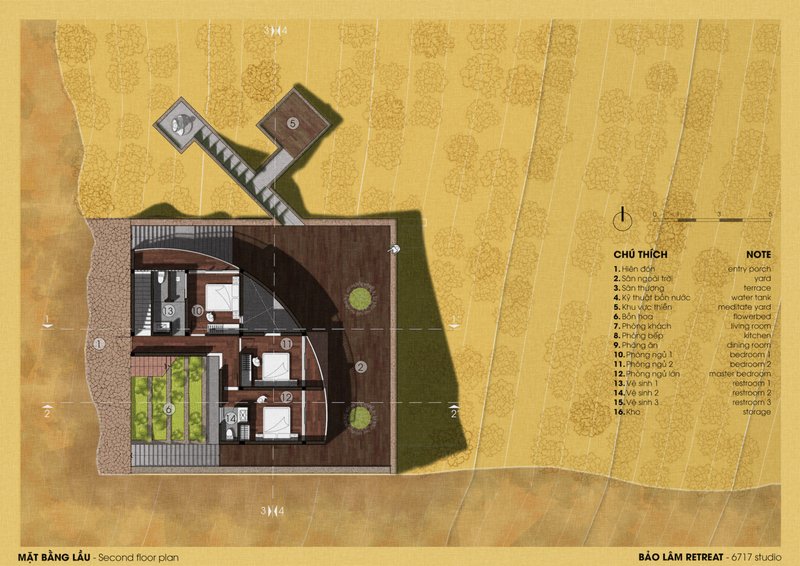
The curvilinear form of the Bao Lam Retreat optimizes natural ventilation, ensuring a constant flow of fresh air throughout the spaces. The expansive windows and strategically placed skylights flood the interior with natural light, reducing the need for artificial lighting during the day. The design creates a balance between solid and void spaces, allowing the building to breathe while maintaining a sense of openness and connection with the surrounding landscape.
Interior Design and Sustainability
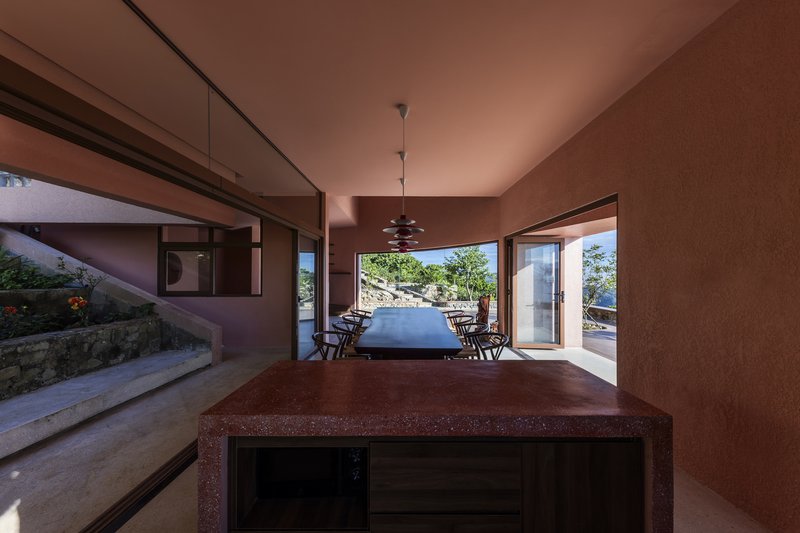
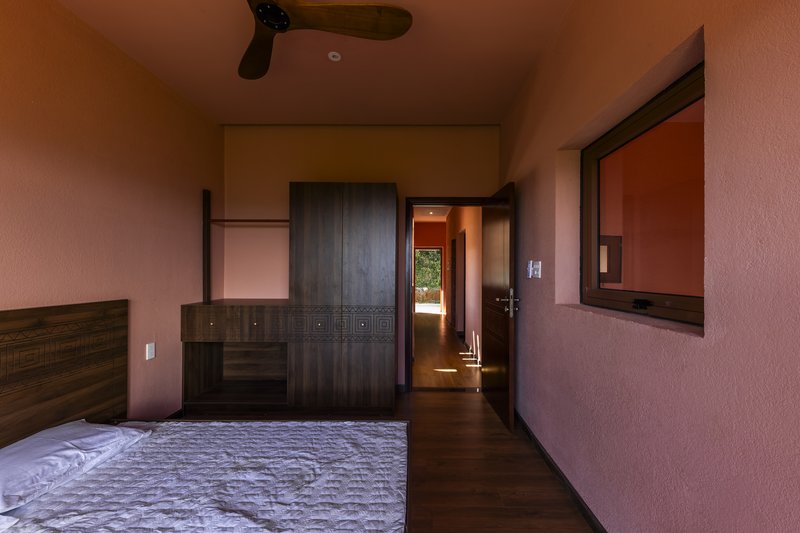
The interior of the Bao Lam Retreat continues the sustainable design principles seen in the exterior. The use of natural materials such as dark wood elements, polished stone, and red-toned countertops gives the interior a warm, organic feel. These materials are not only aesthetically pleasing but also functional, contributing to the overall sustainability of the space. The open-plan living area and large windows ensure that the beauty of the outdoors becomes a constant presence inside the retreat.
Creating a Sanctuary for Renewal
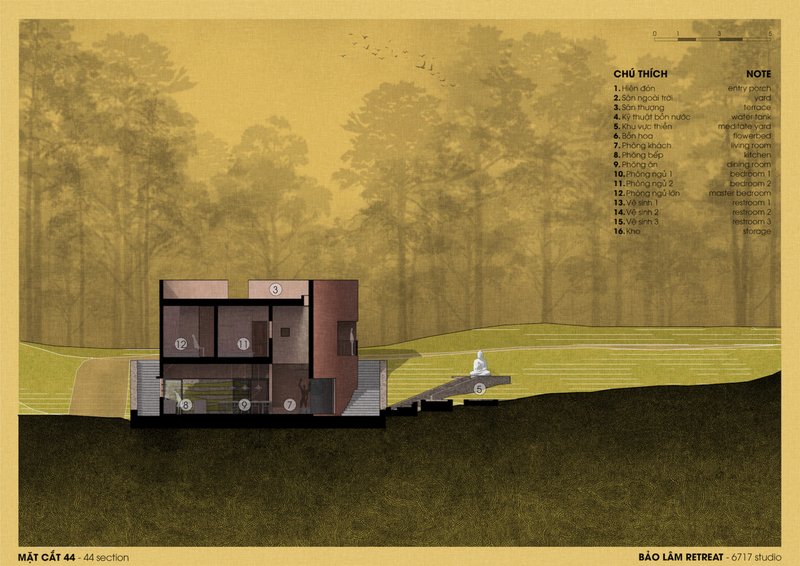
The design of the Bao Lam Retreat is not just about aesthetics or functionality; it is also about creating a space for emotional renewal. The layout, with its open spaces, natural materials, and connection to nature, provides an ideal environment for relaxation and mindfulness. The retreat’s outdoor terrace leads to a serene pathway, culminating in a peaceful Buddha statue, which enhances the sense of calm and reflection that the space aims to offer.
Conclusion
The Bao Lam Retreat House by 6717 Studio is an exemplary showcase of sustainable architecture in retreat design. Through its careful integration with nature, use of locally sourced materials, and focus on natural light and ventilation, the retreat stands as a beacon of eco-conscious design. This sanctuary not only provides a refuge from the hustle and bustle of urban life but also invites reflection and reconnection with the natural world.
All Photographs are works of Hiroyuki Oki