

Sustainable Architecture: Redefining Modern Design Through Eco-Friendly Practices
The article explores sustainable architecture, focusing on its principles, benefits, and modern techniques for environmentally responsible building design.


The Lutheran Mortuary Chapel by TEKTUM stands as a significant architectural addition to the historic Házsongárd Cemetery in Cluj-Napoca, Romania. Established in the 16th Century, this site receives a thoughtful contemporary intervention, blending history with modern architectural design.


Historical Context and Project Genesis
Preserving Historical Integrity
Located close to the medieval city center of Cluj, the Lutheran Mortuary Chapel is not just a building; it's a preservationist’s tribute to the past. The project was initiated by the local church to serve dual functions: a mortuary chapel and the headquarters for the Házsongárdi Association, which focuses on preserving the cemetery's built heritage.


Design Challenges and Solutions
The original site housed a late 19th-century building in disrepair that could not support the required functions. However, the classicist façade, mandated to be preserved by the Zonal Monuments Commission, presented unique challenges. TEKTUM’s architects responded with a design that subtly integrates the old with the new, extending the building along the property boundary without disturbing the surrounding tombs.


Architectural Details
Exterior Design
The architectural design mortuary chapel by TEKTUM is a masterpiece of restrained modernity. The façade, a dark grey mica-schist, mirrors the black marble of nearby tombstones, while a matte red brick wraps around walls and roofing, creating a coherent visual identity that respects its solemn environment.


Interior Spatial Arrangement
Internally, the chapel is a study in the use of raw materials. Exposed concrete and stark, simple benches emphasize functionality and reverence. A significant feature is the custom-designed, mobile catafalque which enhances the flow within the ceremonial space, demonstrating how mobility can be integrated into architectural design mortuary chapels.


Innovative Use of Light and Space
The building’s orientation and window placement are meticulously planned. Sunlight streams through the upper glazing of the tower during funeral masses, casting light on the coffin, an homage to the passage of time and spirit.


Construction and Material Challenges
TEKTUM faced several hurdles, particularly with the roofing insulation and technical solutions for eaves. However, the use of honest materials like concrete and steel not only solved these issues but also added to the building's aesthetic and functional longevity.
The Lutheran Mortuary Chapel stands as a beacon of architectural innovation in the realm of mortuary chapels. It respects its historical context while boldly asserting a contemporary identity through its materiality and design philosophy.
This project by TEKTUM not only provides a dignified space for mourning but also advances the architectural discourse on building in sensitive historical contexts. The architectural design mortuary chapel in Cluj-Napoca is a testament to the harmony between old and new, serving its community with integrity and respect.


All photographs are work of Alexandru Fleșeriu


Popular Articles
Popular articles from the community

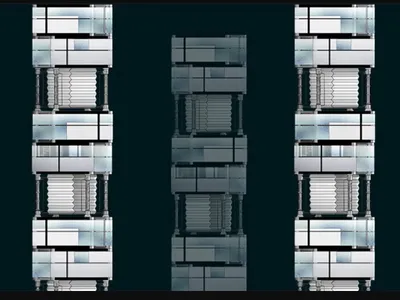
Tsunami Convergenics: Turning Catastrophic Ocean Forces into Underwater Housing Infrastructure
A speculative underwater settlement off the coast of Onagawa, Japan, treats tsunamis and typhoons as energy sources rather than threats.

Cloaked Colonization: A Mobile Underwater Habitat That Moves Like a Fish
Micah Abaya's shortlisted EHC Pacific entry reimagines ocean settlement as a dispersed network of self-sustaining architectural organisms.
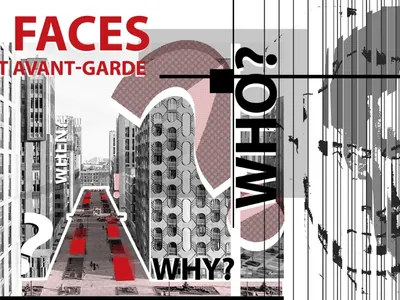
Faces of the Soviet Avant-Garde: Turning Moscow's Street Names into an Open-Air Museum
A network of sculptural installations across a Moscow residential district transforms forgotten architect names into spatial encounters with cultural memor
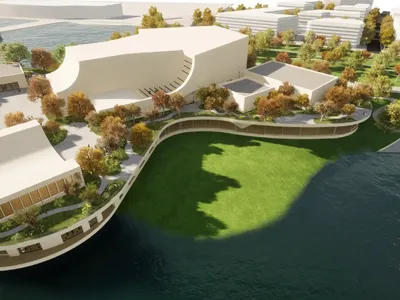
The Amber Palace Opera: A Geological Fiction Surfaces on Tallinn's Baltic Waterfront
Pierre Brillard reimagines a Baltic legend as a public landscape, opera house, and waterfront promenade rooted in Tallinn's coastal identity.

Similar Reads
You might also enjoy these articles

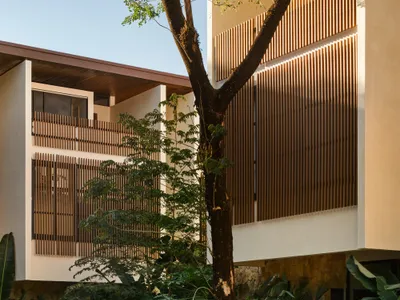
FAMM Arquitectura Organizes Ten Villas Around Courtyards and Jungle in Nosara, Costa Rica
El Molino pairs two elongated volumes with deep overhangs and timber louvers to build a compact coastal community five minutes from the beach.
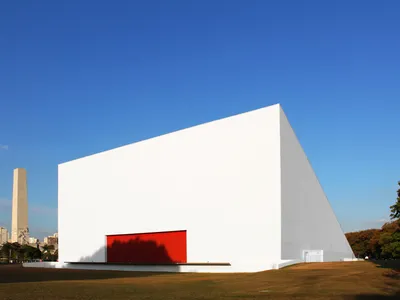
Oscar Niemeyer's Ibirapuera Park Pavilions Define São Paulo's Cultural Identity in Concrete and Curve
A constellation of modernist volumes set within São Paulo's most important urban park, conceived for the city's 400th anniversary in 1954.
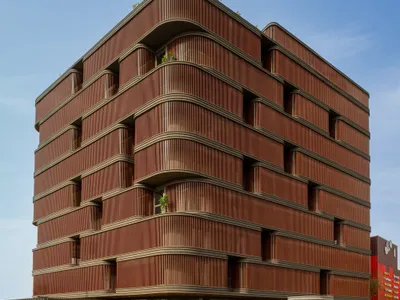
Sanjay Puri Architects Wraps a Jaipur Office Tower in Capsule-Shaped Green Buffers
A nine-level climate-responsive workplace near Jaipur Airport uses stacked planter terraces and aluminium screens to fight 40°C heat.
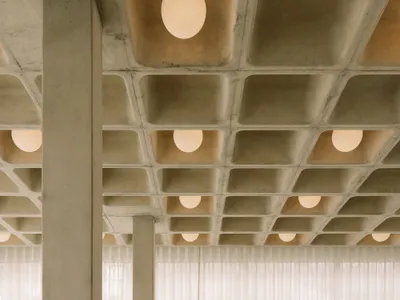
RHO Converts a Berlin Spree-Side Industrial Courtyard into Enkime's 1,000 m² Agency Headquarters
A social media agency's new home in Charlottenburg trades glossy branding for concrete waffle ceilings, glazed tile, and sheer curtains.

Explore Romanian Architecture Competitions
Discover active competitions in this discipline

Design Challenge - Contemporary interpretation of a religious complex

Challenge to reimagine the Iron Throne

Photograph architecture without architects

Illustrate the lost glory of Angkor Wat - Render Challenge
Comments (0)
Please login or sign up to add comments
No comments yet. Be the first to comment!