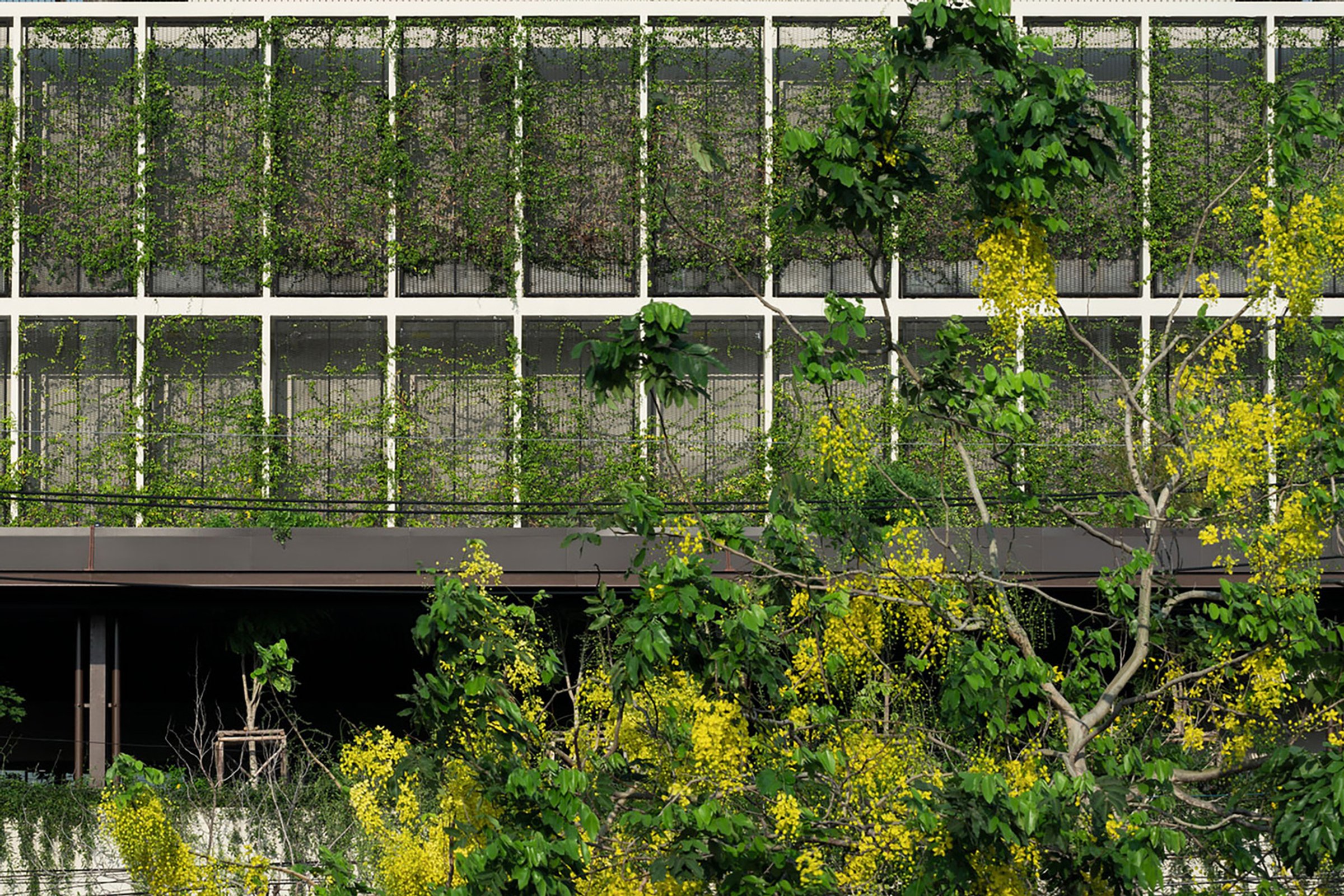
Sustainable Hospital Design: Ratchaphruek Hospital by Arsomsilp Community and Environmental Architect
This article explores Ratchaphruek Hospital's blend of traditional Thai architecture with modern design for a sustainable, patient-centered healthcare environment.


In the heart of Khon Kaen, Thailand, Ratchaphruek Hospital stands as a pioneering example of sustainable hospital design. Developed by Arsomsilp Community and Environmental Architect, this facility merges traditional Thai architectural wisdom with cutting-edge design to create a healing environment that is both environmentally and socially responsible.
Evolution of Ratchaphruek Hospital
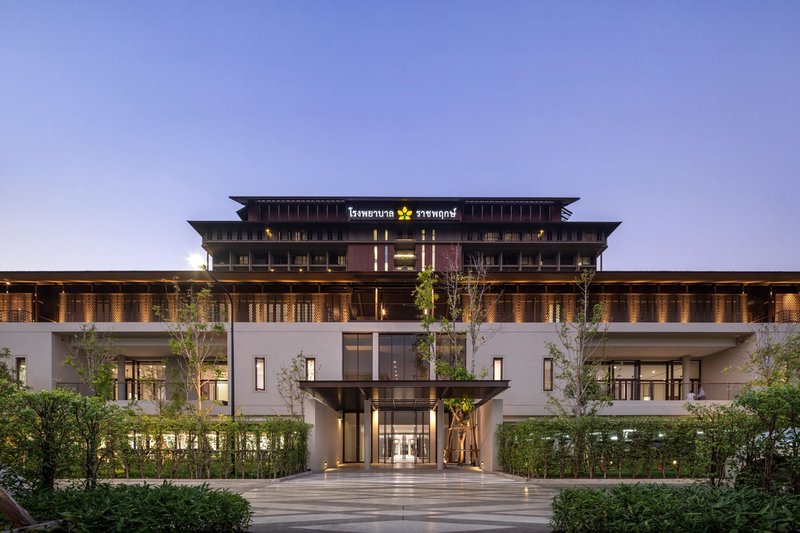
Originally established in 1994 as a modest 50-bed facility, Ratchaphruek Hospital quickly became a cornerstone of healthcare in Khon Kaen. Recognizing the need for expansion due to growing demand, the hospital's executive board envisioned a new 220-bed facility that would continue their legacy of quality care while also prioritizing a calming and healing environment for patients and visitors alike.
Architectural Vision and Design Philosophy
Conceptual Framework
The design of the new Ratchaphruek Hospital was inspired by a visionary question: "What is the hospital of your dreams?" This led to a design concept that focuses on creating a "HOuSePITAL," a place where the hospital feels like a comforting home. This concept embraces natural therapy and friendship therapy, with the philosophy that "Though the body is unwell, the heart still stays strong."
Integration of Local Architecture
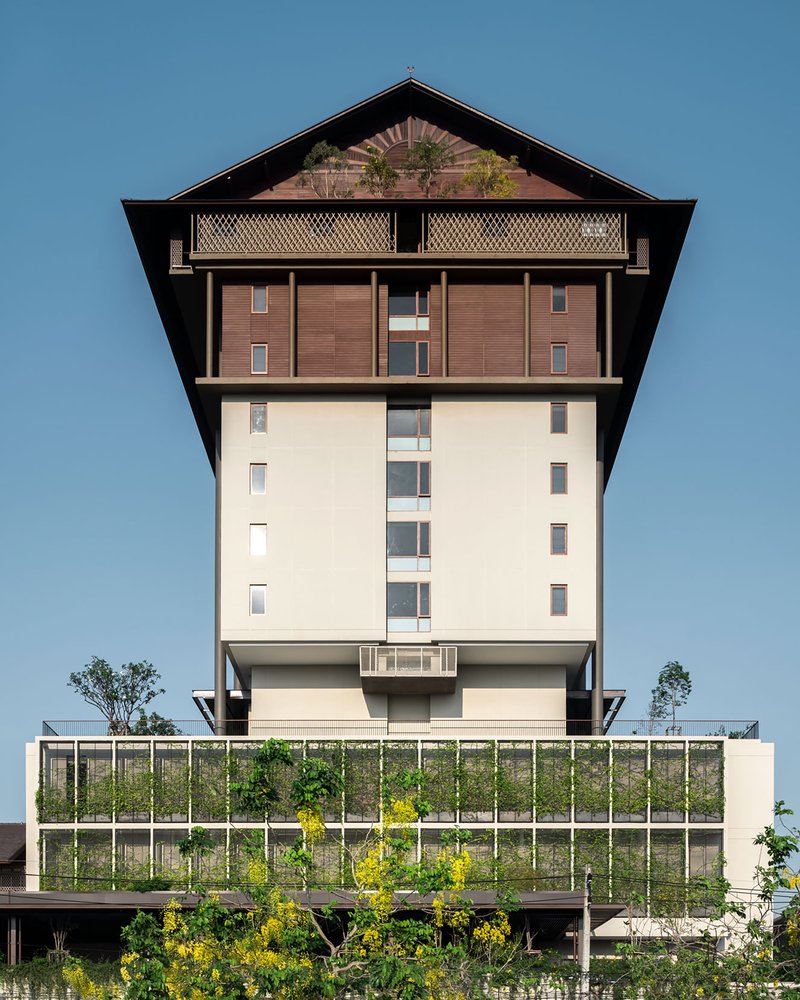
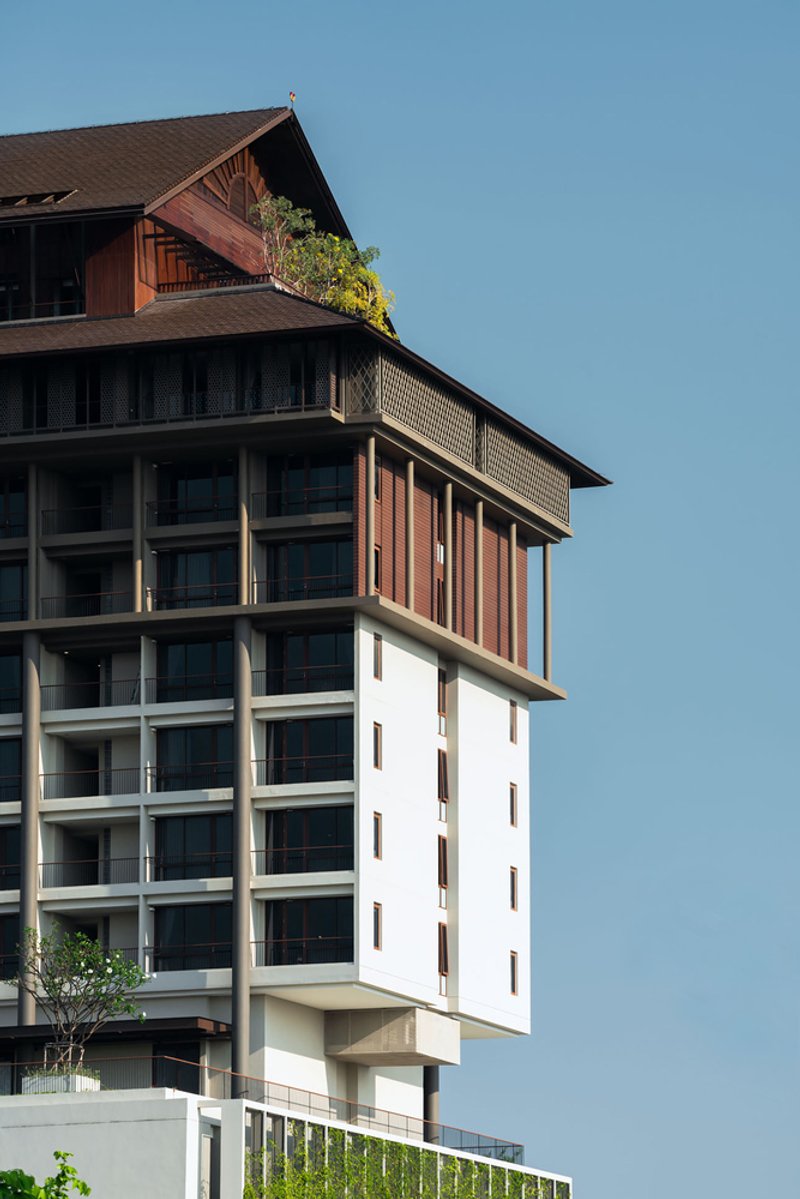
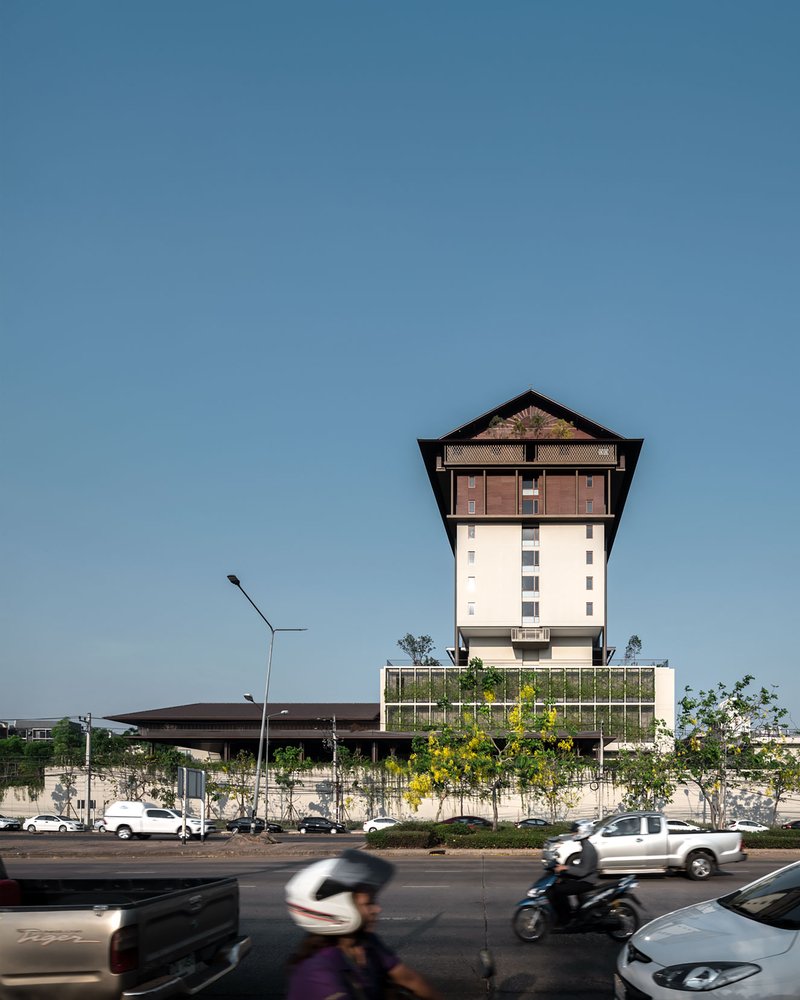
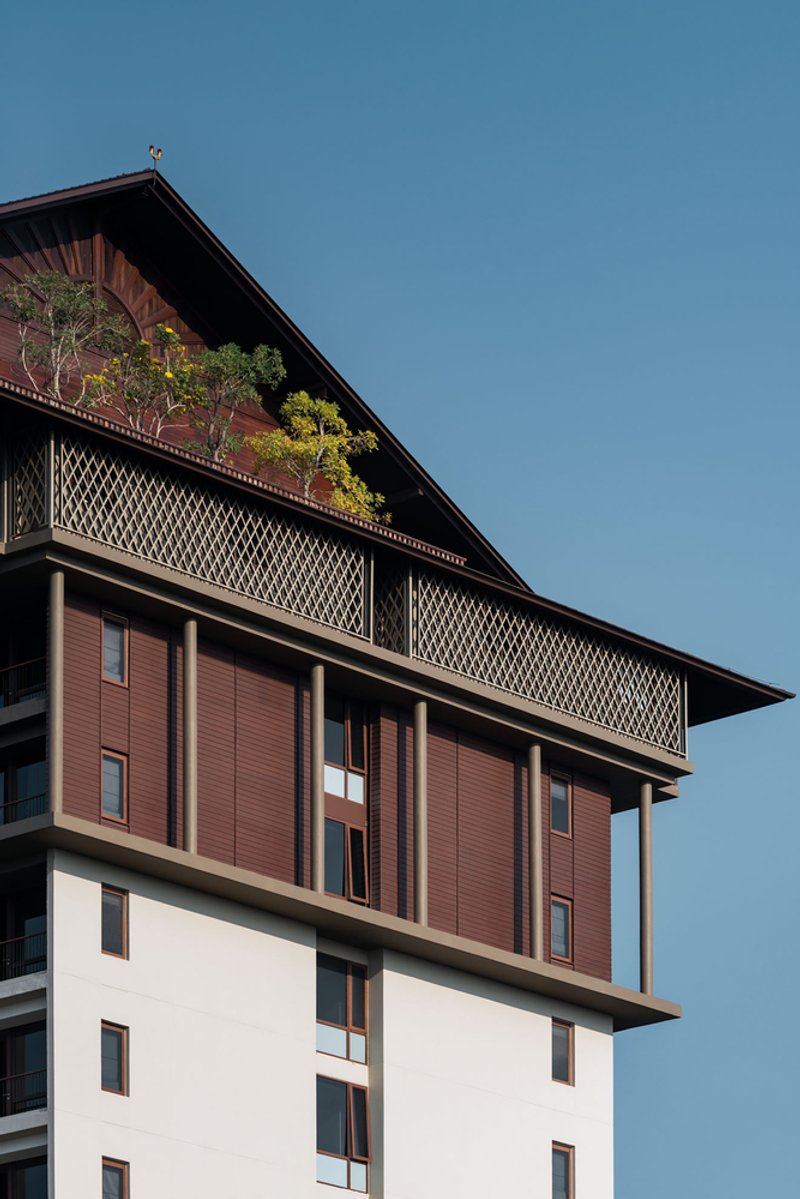
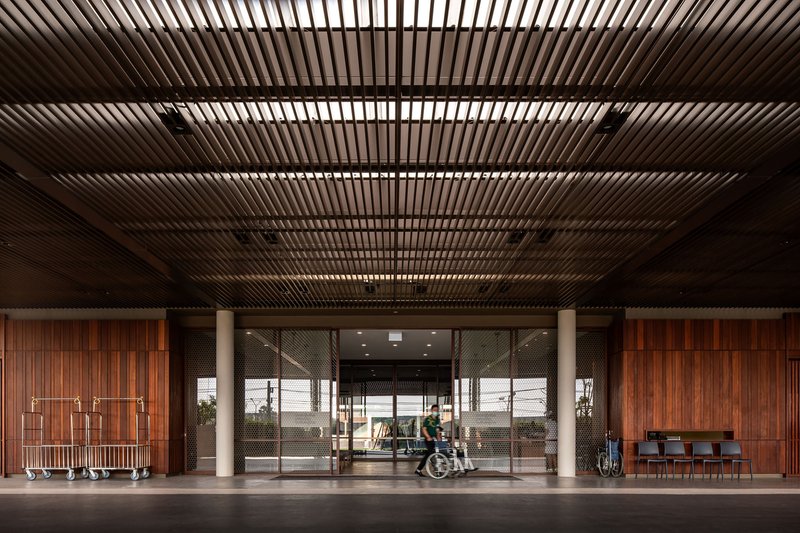
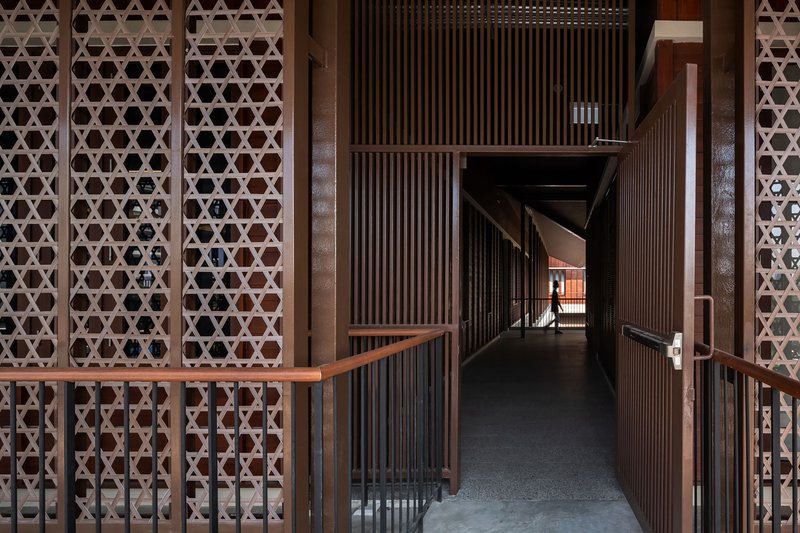
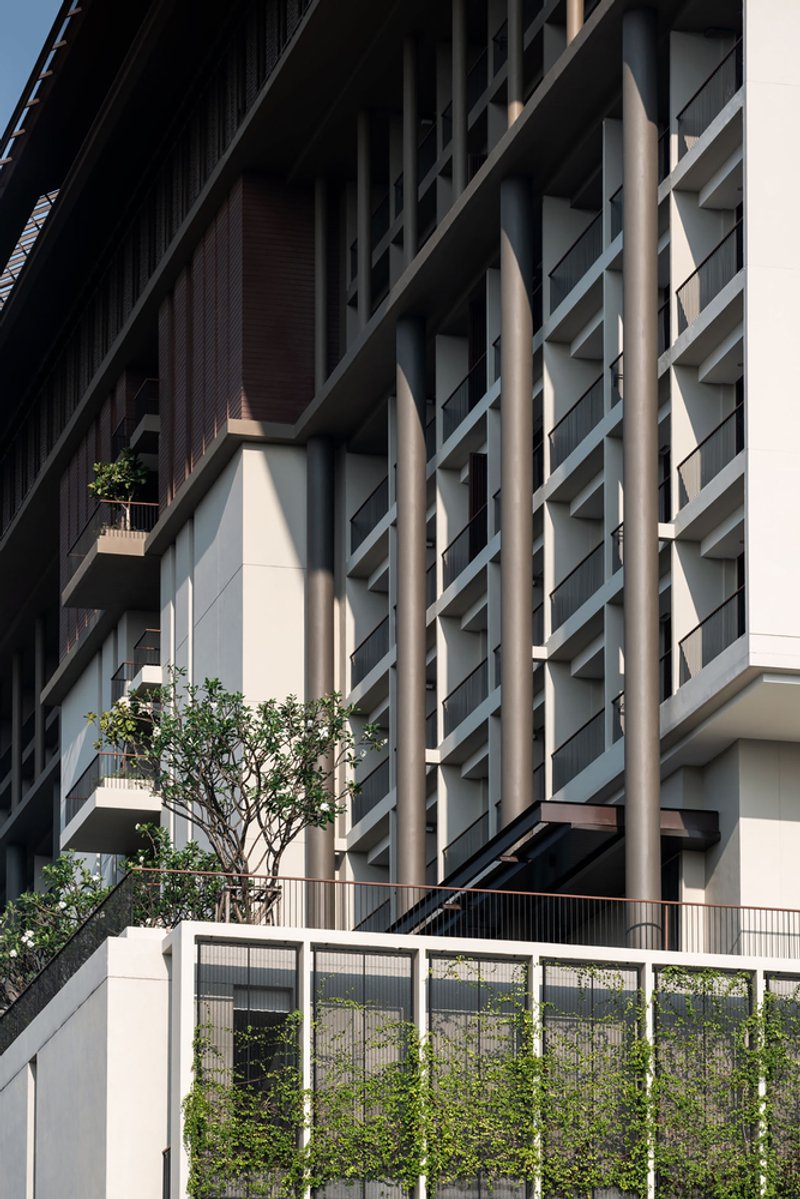
Reflecting the vernacular architecture of northeastern Thailand, the hospital incorporates gable roofs, terraces, and long eaves, which are characteristic of the region. These elements not only pay homage to local traditions but also serve practical purposes in managing the local climate, including intense sunlight and heavy rainfall.
Sustainable Design Features
Building Layout and Materials
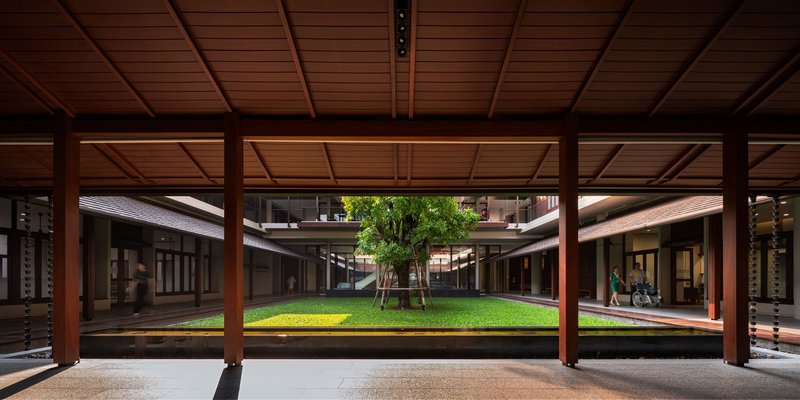
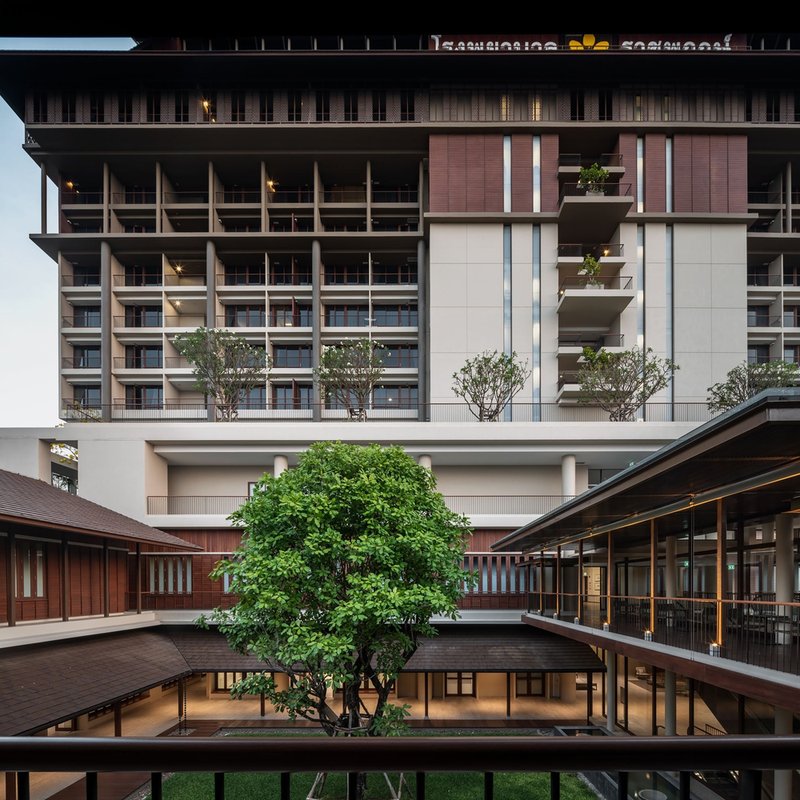
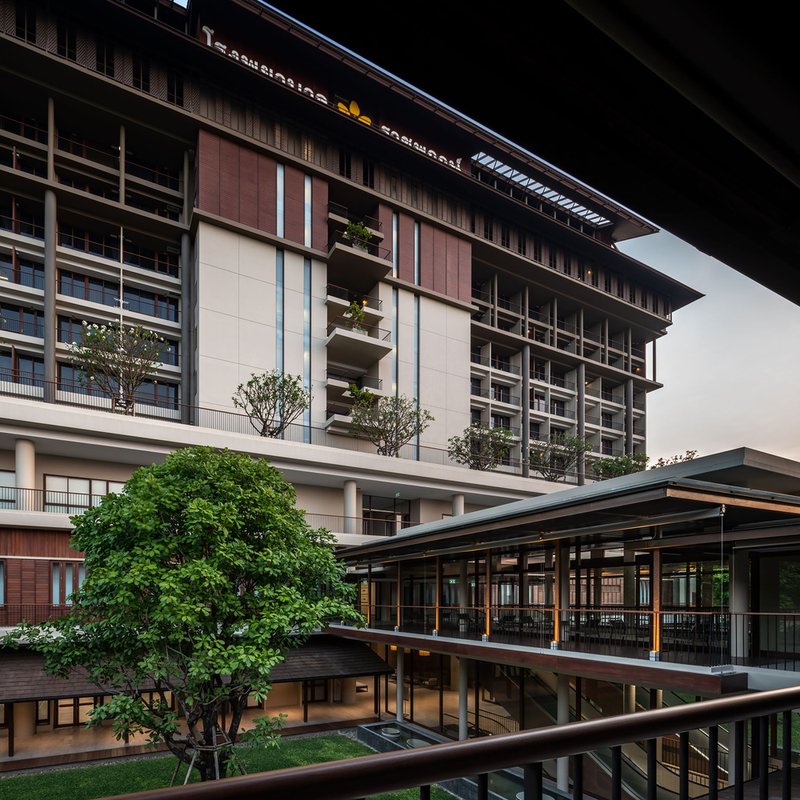
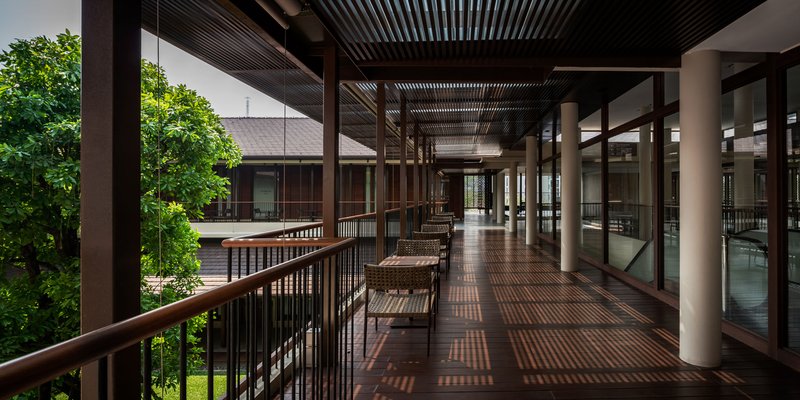
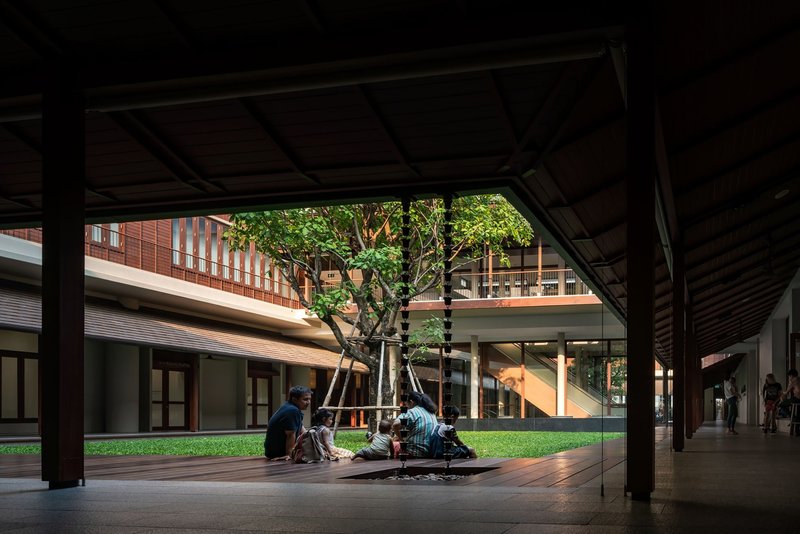
The hospital is designed with a welcoming two-story structure around a central court, immediately conveying a house-like atmosphere. The use of local materials and architectural styles reduces the building's environmental impact while also creating a sense of familiarity for the local community.
Natural Therapy Elements
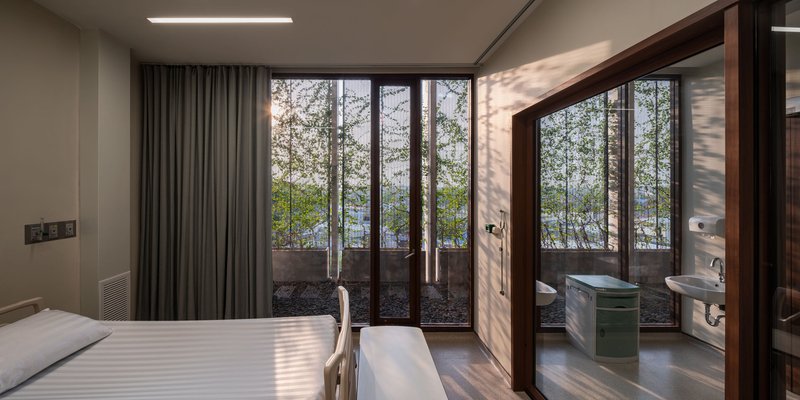
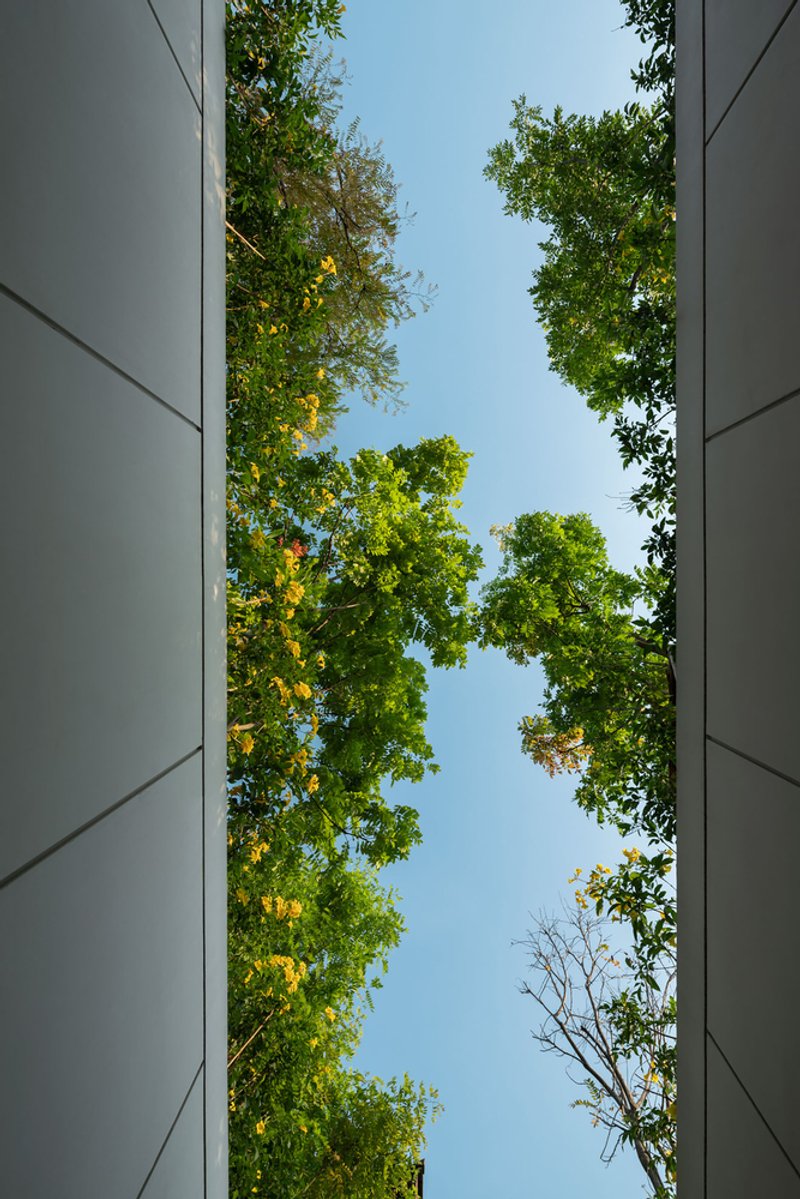
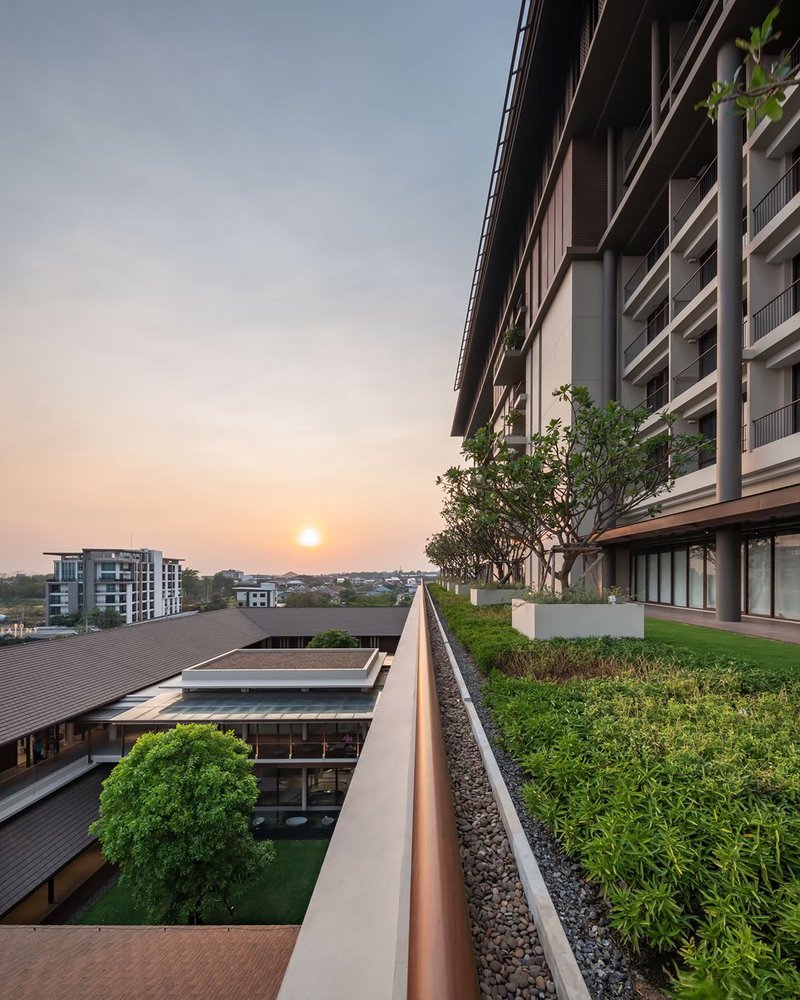
The design extensively incorporates green spaces, water features, and natural ventilation, which are crucial for both psychological well-being and environmental sustainability. The central court, which acts as the heart of the hospital, links various departments seamlessly, reducing stress and promoting a sense of calm.
Innovation in Hospital Design
Managing Scale and Complexity
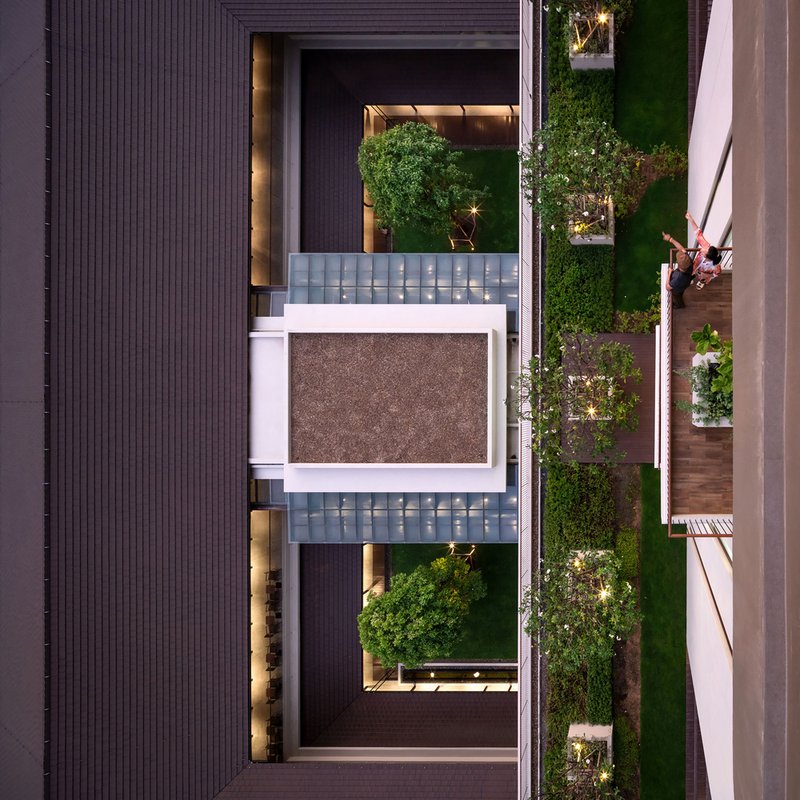
Despite its large size, the hospital’s design cleverly minimizes its scale to maintain a homely feel. The stacked roof style at the top and podium levels reduces the perceived massiveness of the building, while the strategic placement of windows and eaves maximizes natural light and protects against the elements.
Psychological and Environmental Harmony
The hospital’s layout emphasizes easy navigation and accessibility, with clear pathways and zones that help minimize confusion. The rooftop garden and various green spaces throughout the hospital not only enhance the aesthetic appeal but also provide therapeutic spaces for patients and families.
Ratchaphruek Hospital by Arsomsilp Community and Environmental Architect is a prime example of sustainable hospital design, demonstrating how traditional elements and modern needs can be integrated to create spaces that heal both the body and the environment. This project sets a benchmark for future developments in the field of healthcare architecture, where sustainability and patient care go hand in hand.
All photographs are work of W Workspace