
Sustainable Research Center Design: A Closer Look at DTU B112 Research Hub by Christensen & Co Architects
The article explores the DTU B112 Research Hub by Christensen & Co Architects, emphasizing its sustainable design and collaborative research spaces.

Nestled in Kongens Lyngby, Denmark, the DTU B112 Research Hub exemplifies Sustainable Research Center Design, blending innovative architecture with environmental consciousness. Designed by Christensen & Co Architects, this facility sets a new standard for research buildings, focusing on resource efficiency and collaborative spaces.
Key Features of the DTU B112 Research Hub
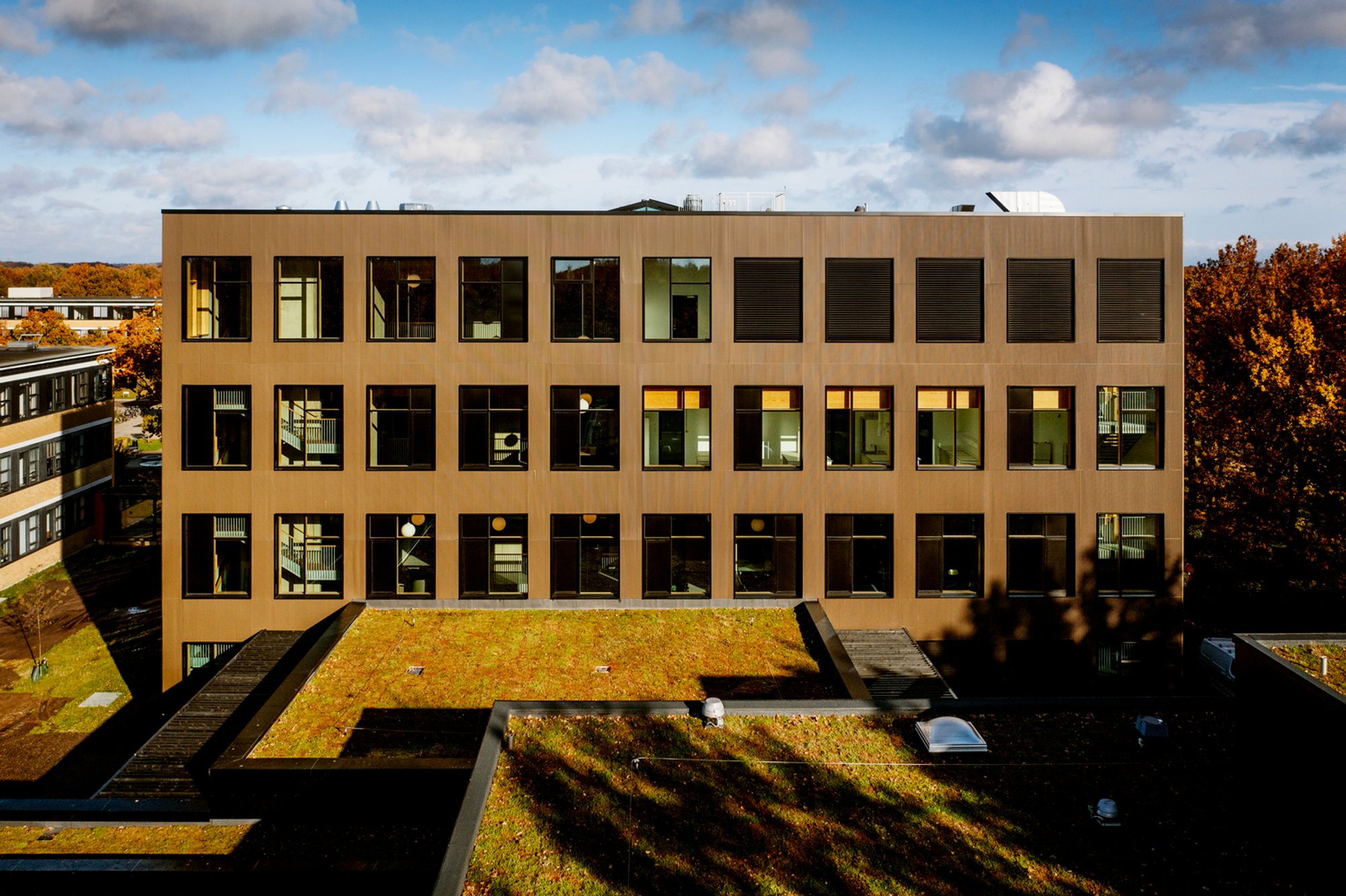
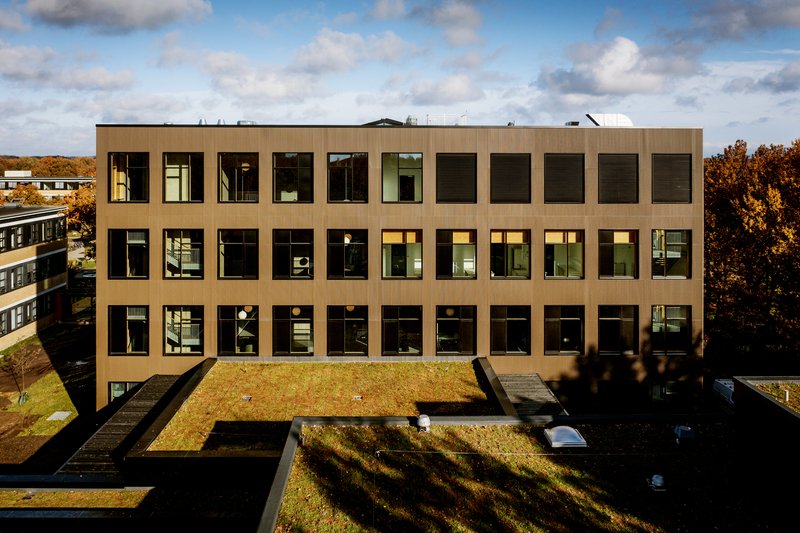
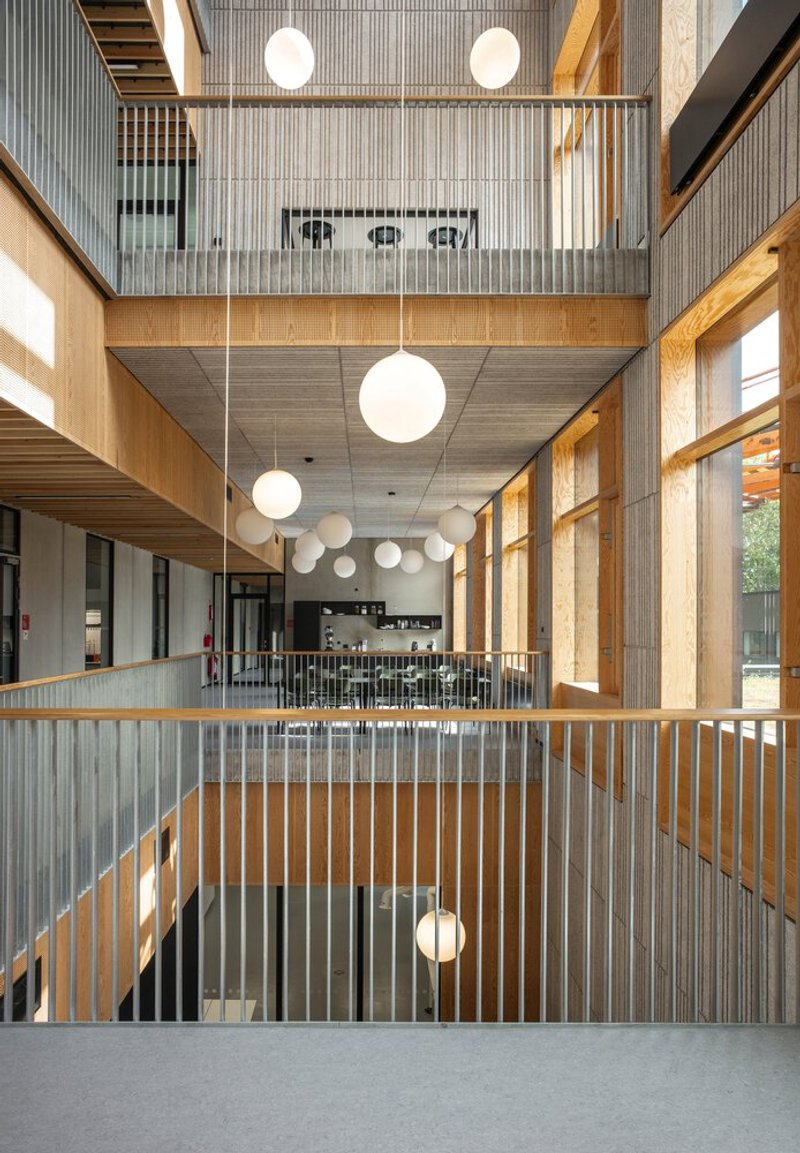
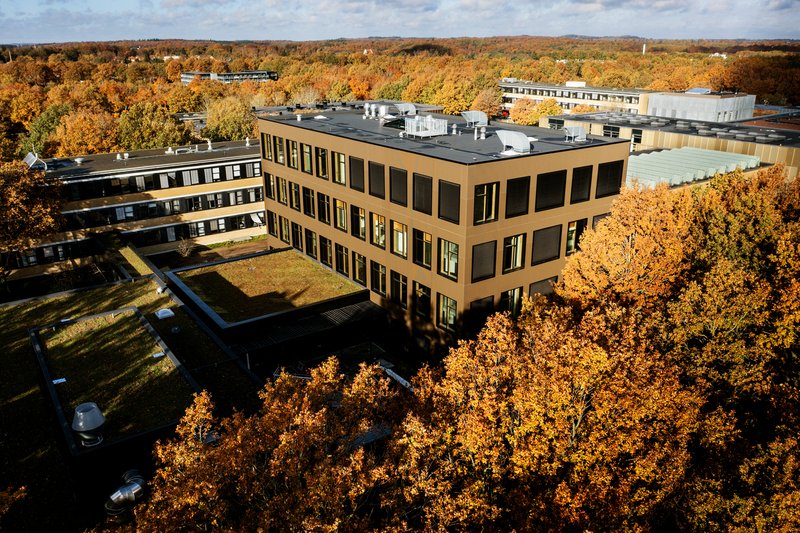
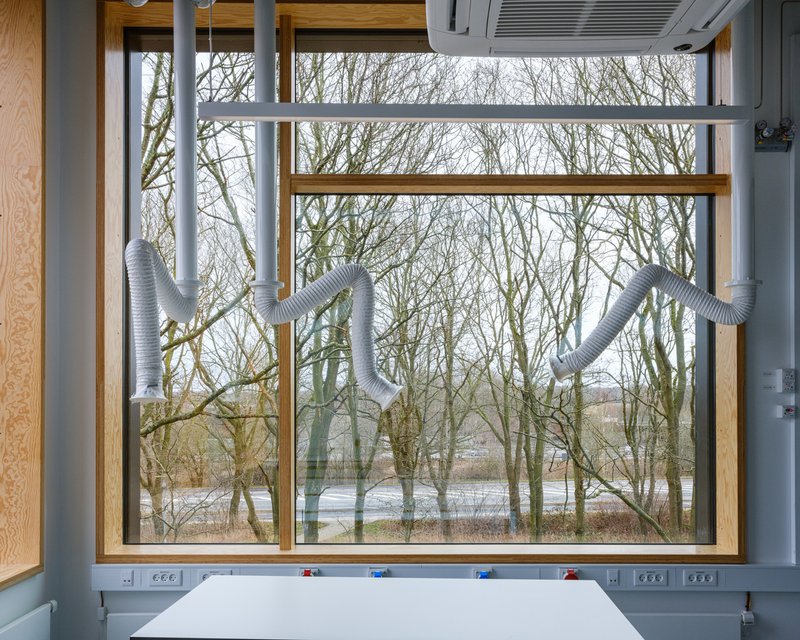
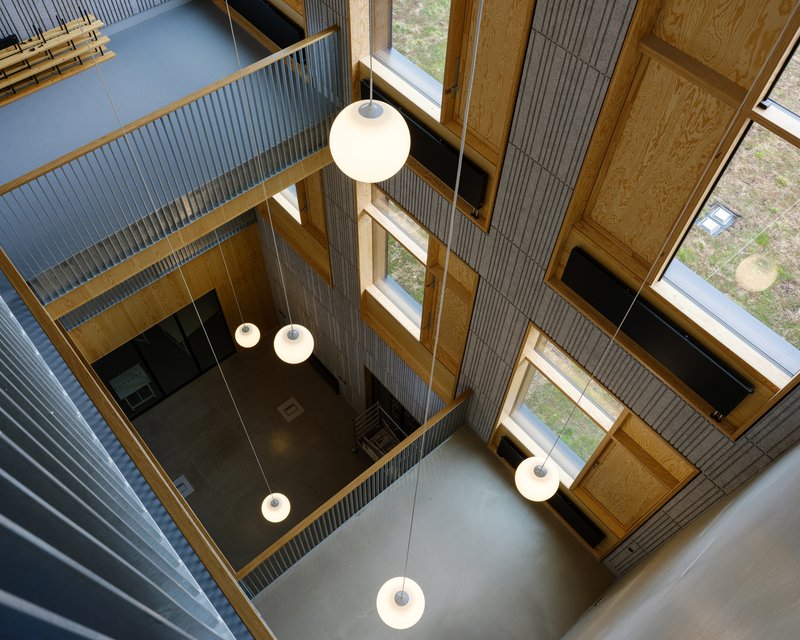
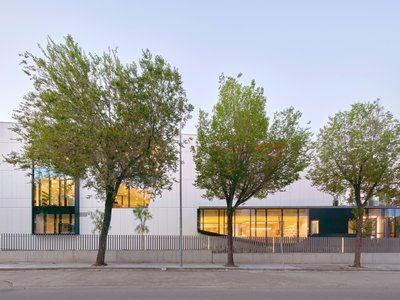
The DTU B112 Research Hub stands as a modern marvel in the field of Sustainable Research Center Design. Its unique facade, crafted to reflect sunlight in a golden hue, not only captivates onlookers but also symbolizes the groundbreaking research within. Large windows punctuate the building, fostering an environment of openness and transparency.
Emphasizing Collaboration and Innovation
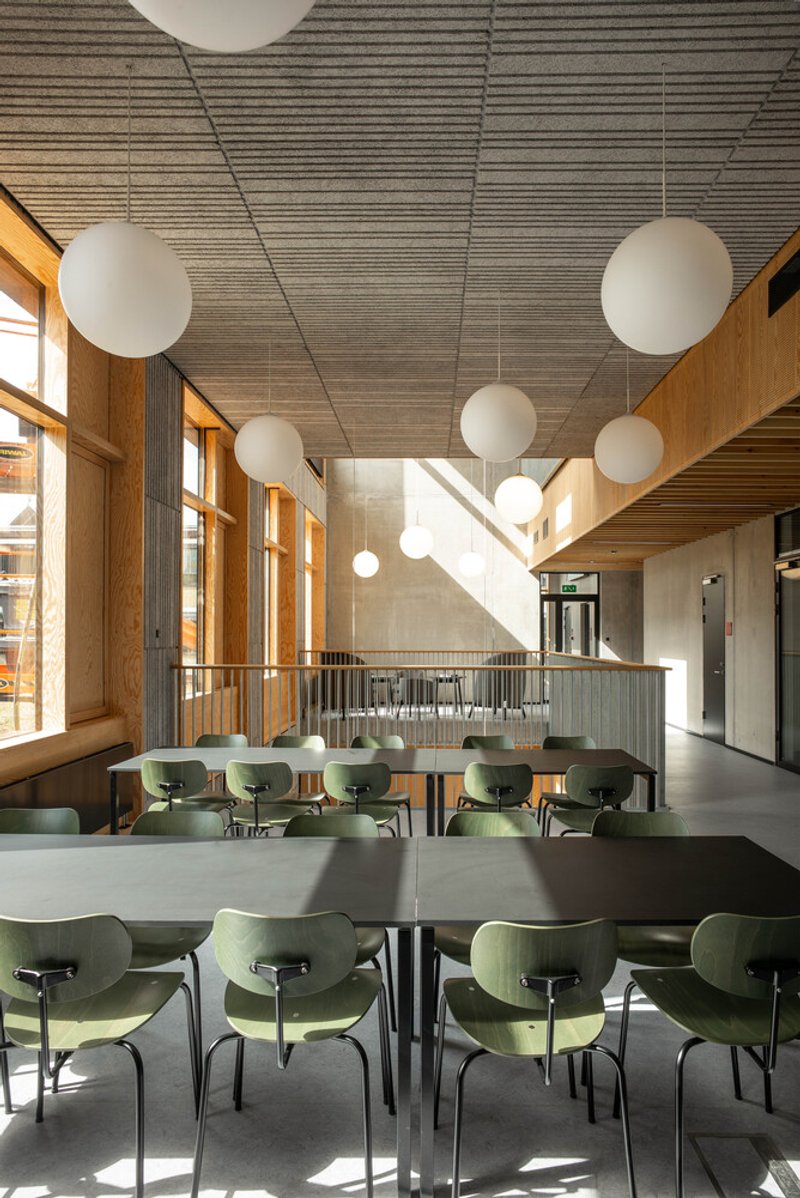
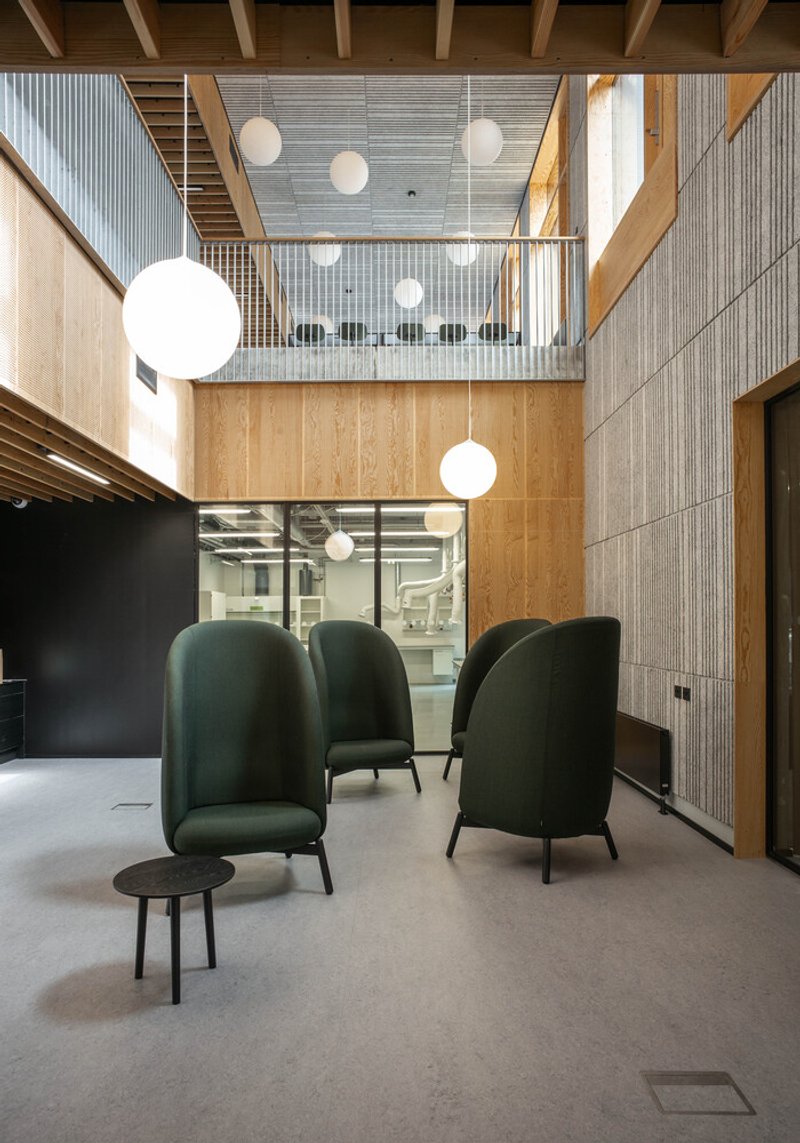
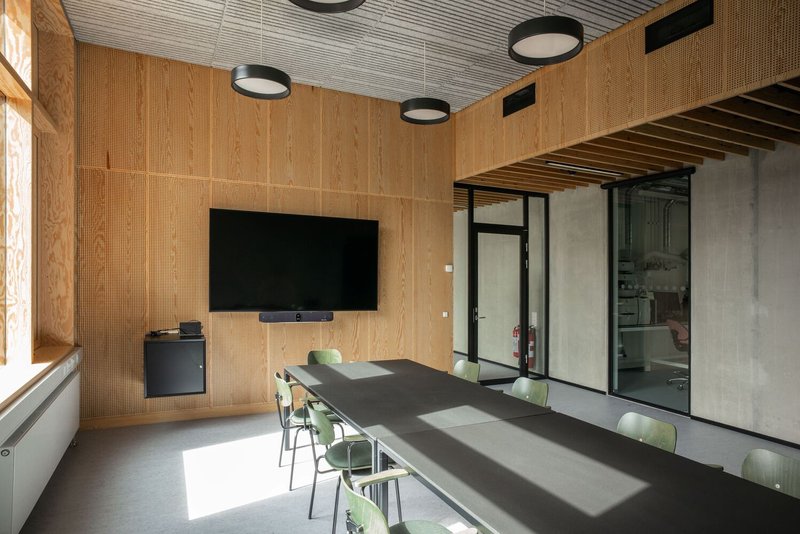
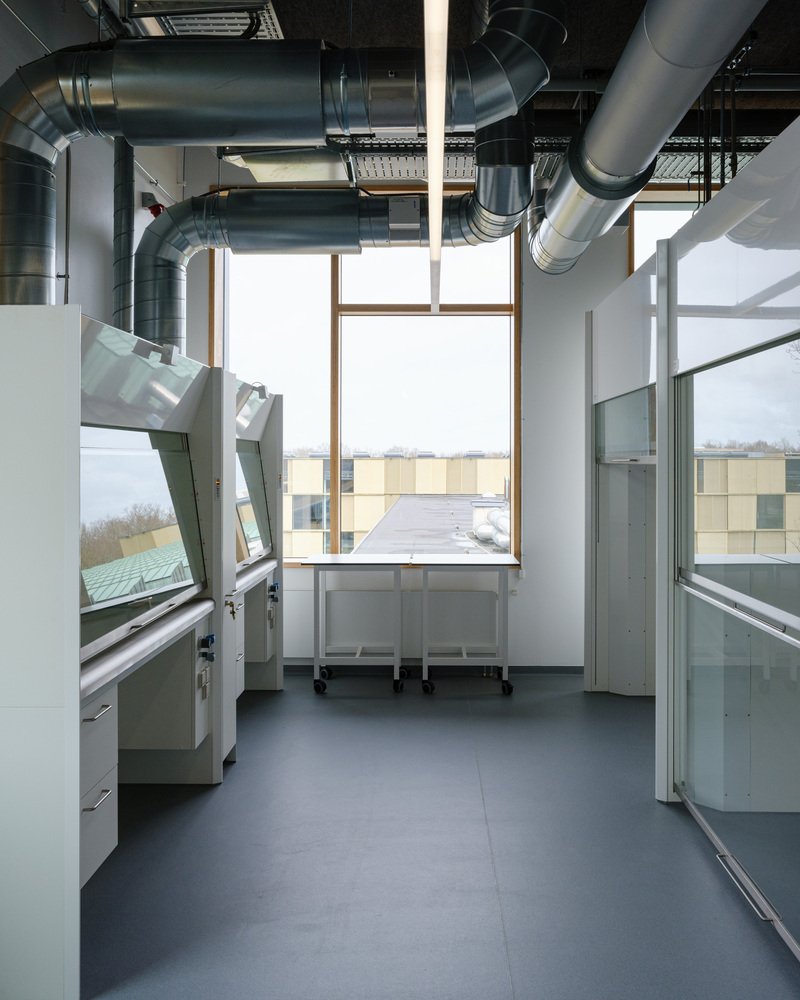
Within its walls, the DTU B112 Research Hub is designed to promote collaboration across disciplines. Glass walls between laboratories enable visibility and interaction, creating a cohesive community of researchers and students. This design choice ensures that the hub is not just a place of work but a thriving center for innovation and knowledge sharing.
Architectural Approach to Resource Recovery
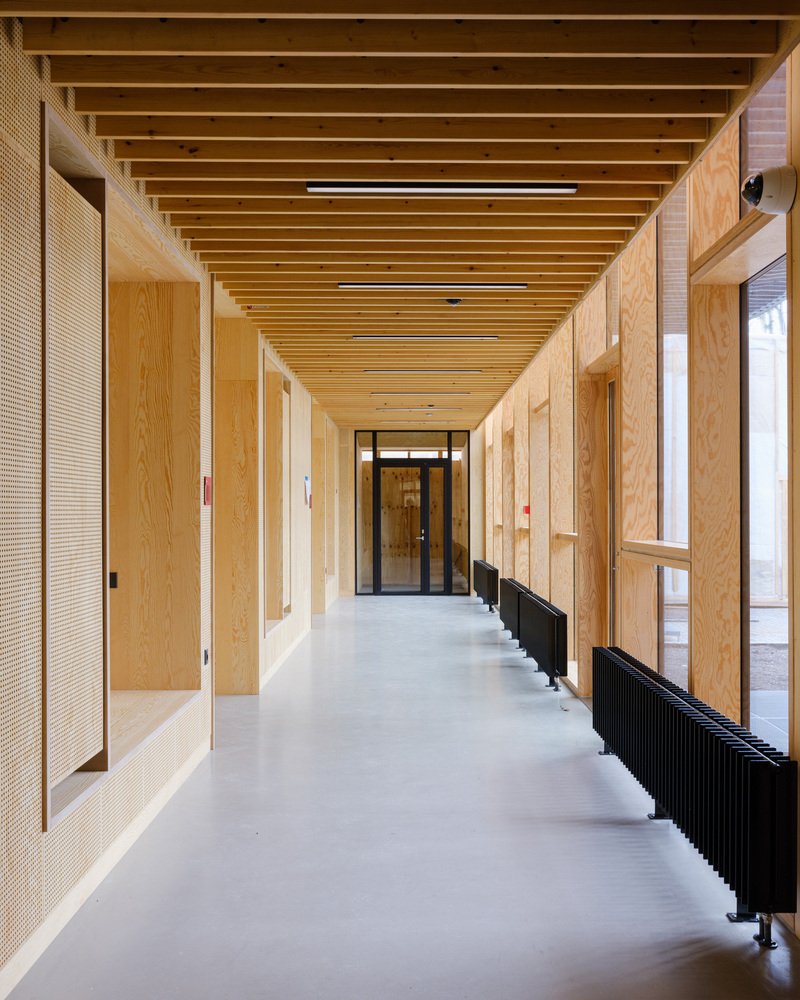
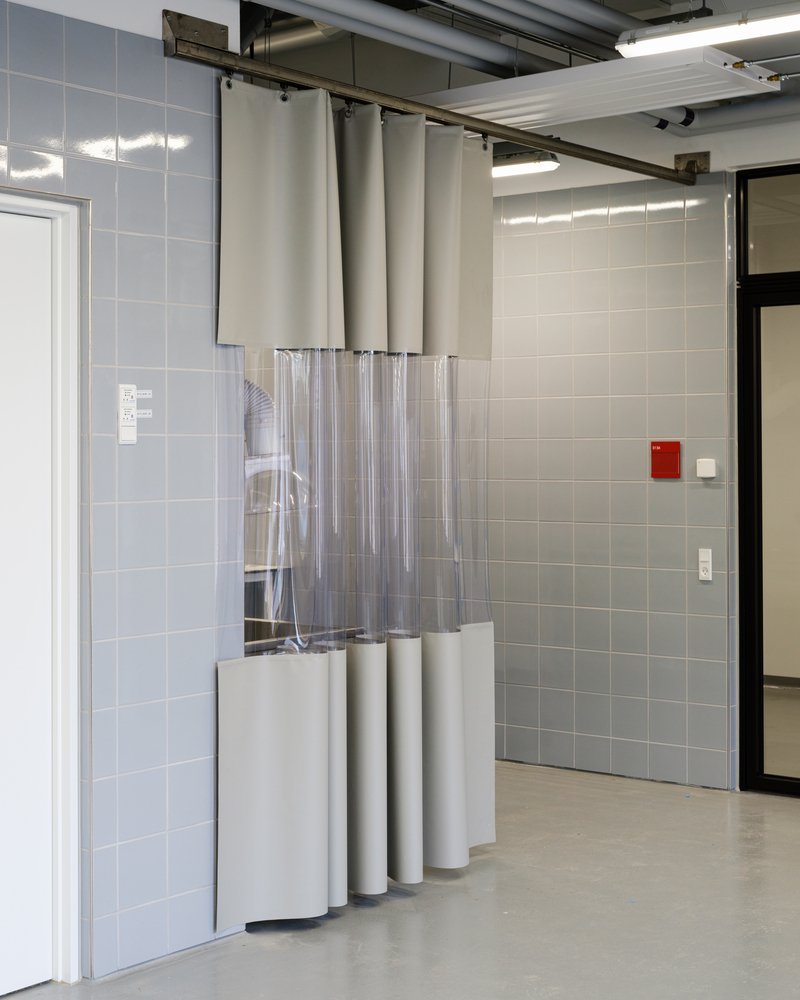
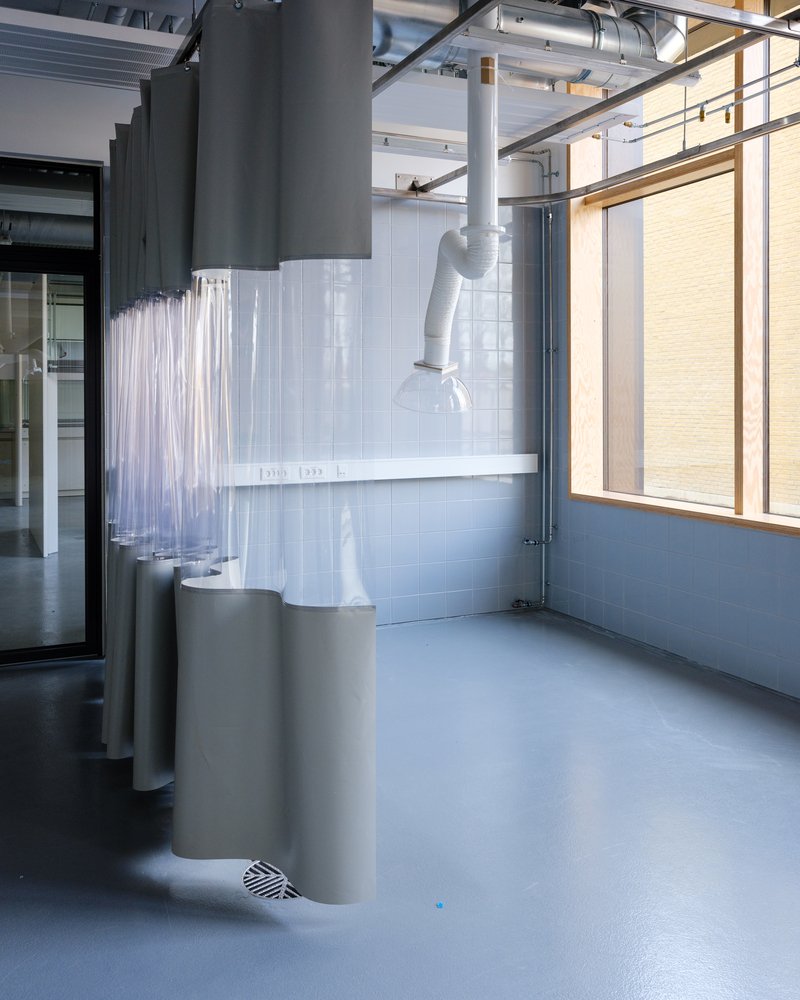
The core of the DTU B112's Sustainable Research Center Design lies in its dedication to resource recovery. The building features state-of-the-art laboratories aimed at advancing research in recycling and resource efficiency. With a strategic layout separating rough from analytical functions, the center embodies practicality and sustainability.
Sustainable and Flexible Building Solutions
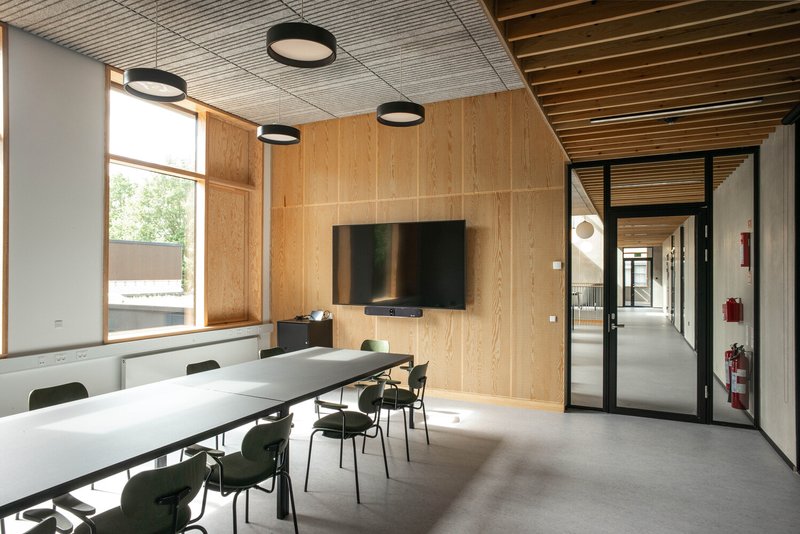
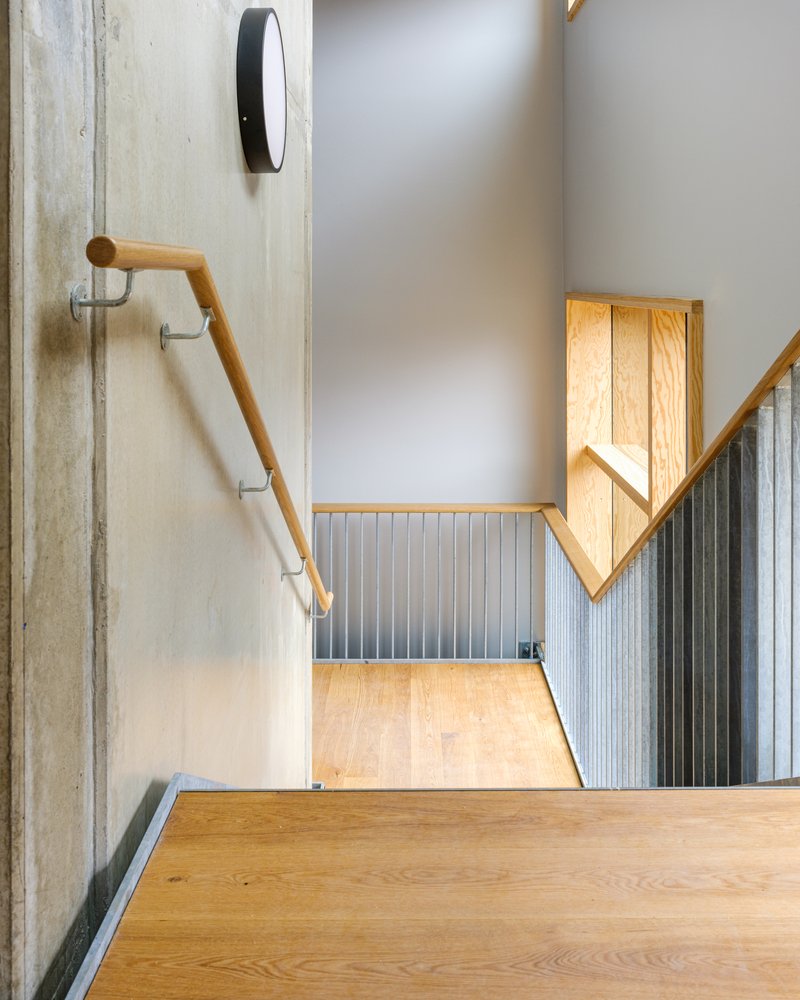
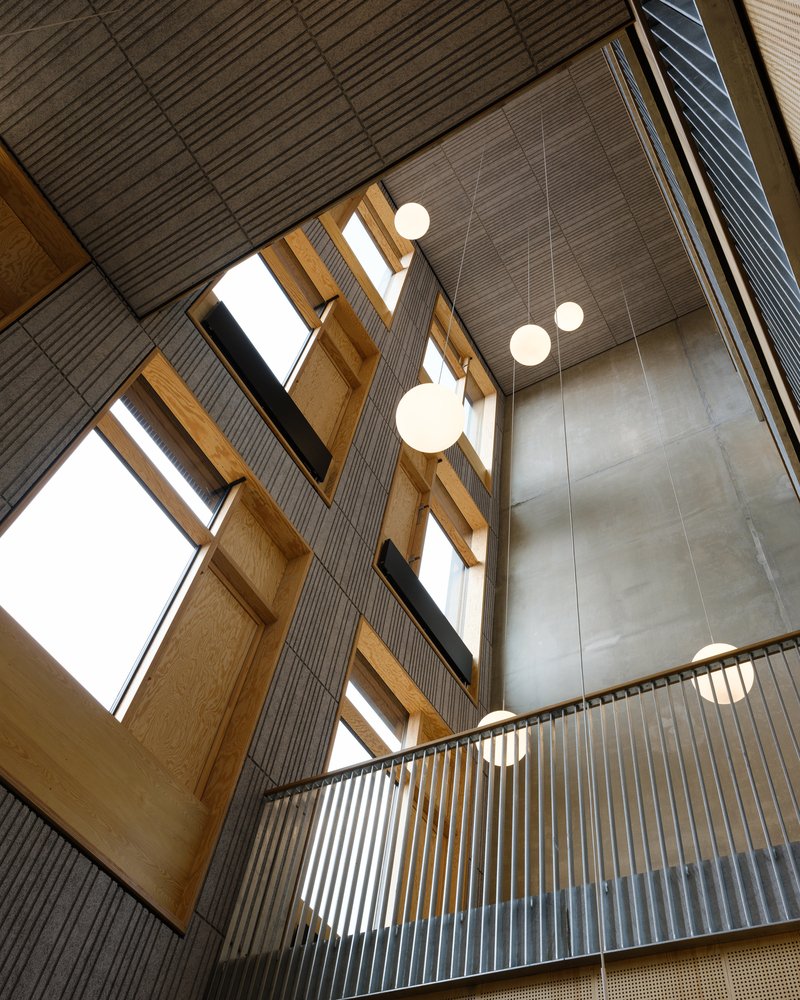
The architectural strategy behind the DTU B112 Research Hub emphasizes flexibility and sustainability, particularly regarding material consumption. A column/beam structural system underpins this approach, allowing the space to adapt to evolving research needs while maintaining its commitment to environmental principles.
DTU's Commitment to Sustainability and Community
The DTU B112 Research Hub not only serves as a beacon for sustainable architecture but also showcases DTU's high sustainability ambitions. Through Life Cycle Assessments and DGNB Diamond certification, the project reflects a deep commitment to creating a low-impact, high-quality research environment.
Fostering a Bright Future for Research
Looking ahead, the DTU B112 Research Hub is designed with the future in mind. Flexible laboratory layouts and technical installations anticipate the evolving needs of the research community, ensuring that the building remains at the forefront of Sustainable Research Center Design.
Setting a New Standard in Research Facility Design
The DTU B112 Research Hub by Christensen & Co Architects represents a significant leap forward in Sustainable Research Center Design. By marrying innovative architectural techniques with a strong emphasis on sustainability and collaboration, the project sets a new benchmark for research facilities worldwide.
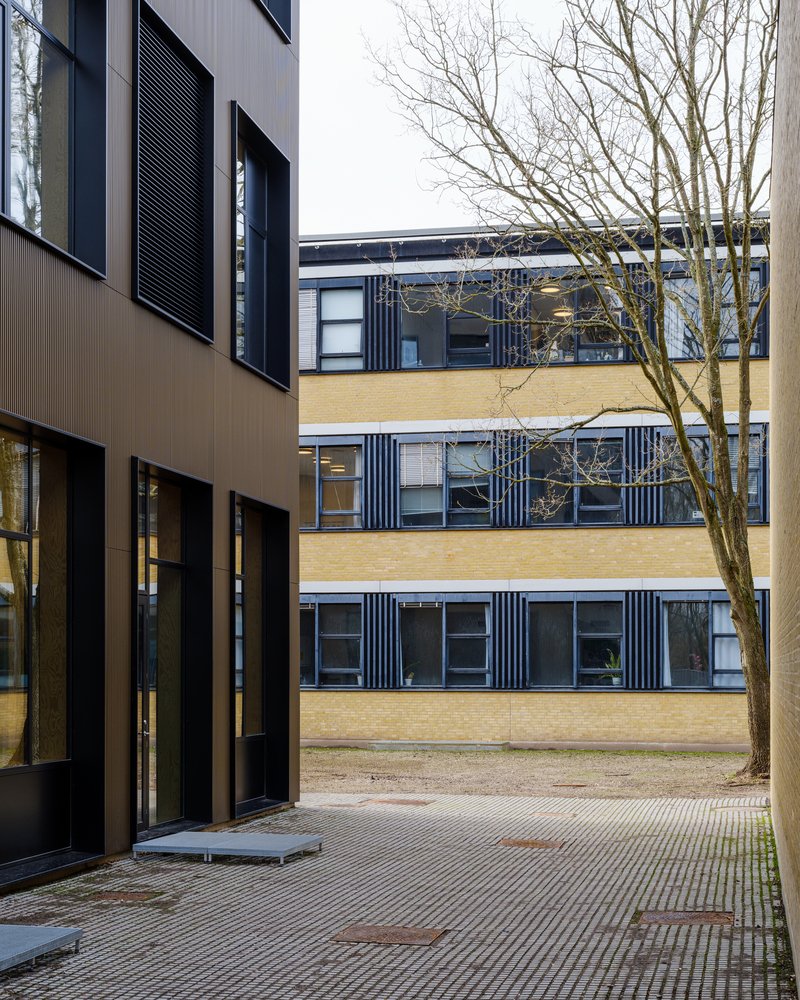
All photographs are work of Carsten Snejbjerg, Helene Høyer Mikkelsen, Morten de Fine Olivarius




Popular Articles
Popular articles from the community

Filtering Space: A Gradual Spatial Experience
From urban intensity to spatial calm.

TGK Nirasaki Plant: A Smart Factory Blending Technology, Landscape, and Wellness
Smart factory in Japan blending IoT manufacturing, scenic trail design, natural ventilation, and landscape integration to enhance user experience and sustainability.
Split House: A Compact Urban Home Blending Privacy, Light, and Flexible Living in Japan
Compact Japanese home featuring DOMA space, flexible café potential, passive lighting, privacy zoning, and sustainable urban living design.
Magic Box Office Barcelona Innovative Sustainable Workplace Design
Innovative sustainable office design featuring triangular form, ceramic façade, flexible interiors, natural light optimization, and creative workspace for modern work culture.


Similar Reads
You might also enjoy these articles

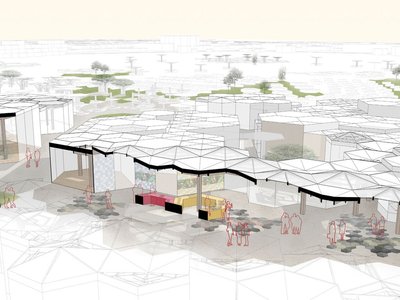
20 Most Popular Commercial Architecture Projects of 2025
From sustainable market concepts to heritage factories, the commercial buildings and proposals that drew the most attention on uni.xyz this year.
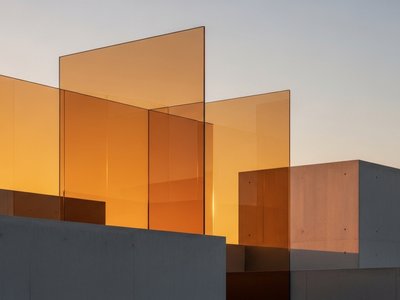
Free Architecture Competitions You Can Enter Right Now
No entry fees, real prizes. Here are the best free architecture competitions open for submissions in 2026.
Top 15 Architecture Competitions to Enter in 2026
From student-friendly idea competitions to prestigious international awards, here are the best architecture competitions open for entries in 2026. Updated regularly.

DIY & Engineering in Computational Design : Enter the BeeGraphy Design Awards
Showcase Your Creativity with Computational Design and Open Source Projects

Explore Architecture Competitions
Discover active competitions in this discipline




The International Standard for Design Portfolios


The Global Benchmark for Architecture Dissertation Awards


The Global Benchmark for Graduation Excellence


Challenge to reimagine the Iron Throne
Comments (0)
Please login or sign up to add comments
No comments yet. Be the first to comment!