

Sustainable Urban House Design: Exploring Bung Binh House by NH Village Architects
A sustainable urban house in Vietnam combining innovative design and cultural heritage for a harmonious living experience.


A Unique Urban Solution in Thai Binh, Vietnam
Bung Binh House, designed by NH Village Architects, redefines urban living through a harmonious blend of sustainability and innovative design. Located at the corner of a traffic roundabout in Thai Binh, Vietnam, this 450 m² house leverages its triangular site to overcome urban challenges while celebrating the cultural heritage of the region. Thai Binh, renowned for its rice cultivation, provides the inspiration for the house's unique architectural details and sustainable design principles.


Innovative Architectural Solutions for Urban Challenges
The triangular shape of the site posed a significant design challenge. The architects addressed this by creating a "double-skin" façade system comprising two distinct layers. The outer layer, constructed from rice-shaped concrete blocks, provides privacy and security while enhancing natural ventilation and light. The inner layer houses a buffer zone, including an atrium and vertical garden, which shields the living spaces from the harsh urban environment and ensures thermal comfort.


Design Inspired by Regional Identity
The concrete blocks on the façade pay homage to the region’s rice production legacy. Shaped like grains of rice, these hollow and solid blocks are strategically arranged to allow natural light and airflow while casting intricate shadows throughout the day. This dynamic interplay of light and shadow brings the façade to life, creating a garden-like atmosphere that changes with the seasons, reflecting the essence of Thai Binh's cultural landscape.


Spatial Organization and Functionality
Bung Binh House’s interior layout emphasizes family communication and connectivity with nature. The ground floor integrates a triangular atrium garden with the kitchen and dining areas, creating an open and airy living environment. This design not only promotes natural ventilation but also enhances the aesthetic connection between indoor and outdoor spaces.


The second and third floors accommodate private bedrooms, each featuring additional layers of doors for enhanced privacy and natural ventilation. Balconies overlooking the garden offer spaces for relaxation, while interspersed courtyards bring greenery into the heart of the home. A skylight positioned in the central atrium ensures ample natural light flows through the house, enhancing energy efficiency and creating a serene ambiance.


Sustainability at the Core
The house's design prioritizes sustainability by leveraging passive cooling techniques, natural ventilation, and light optimization. The use of regionally inspired materials, such as the rice-shaped concrete blocks, reduces the environmental footprint while fostering a connection to local heritage. The buffer spaces, including the vertical garden and atrium, act as natural insulators, reducing energy demands and maintaining a comfortable indoor environment.


A Model for Sustainable Urban Living
Bung Binh House exemplifies the future of urban residential design by seamlessly integrating sustainability, cultural identity, and modern living needs. NH Village Architects have created a home that not only meets the demands of a growing urban population but also celebrates the rich heritage of Thai Binh. Through innovative architectural strategies, this house sets a precedent for sustainable urban design in Vietnam and beyond.


All Photographs are work of Trieu Chien


Popular Articles
Popular articles from the community

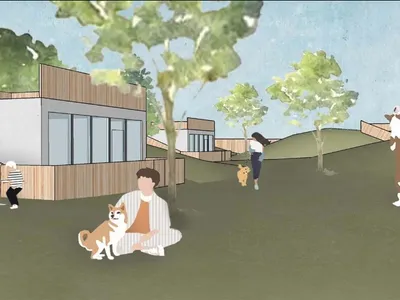
Temporary Home for Dogs: A Reversed Zoo Rethinks Animal Shelter Architecture
In Bucharest, a sinuous corridor and freed landscape flip the logic of containment, designing a shelter that works to make itself unnecessary.
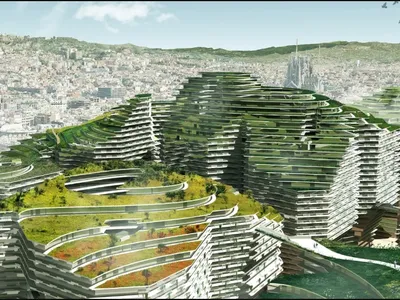
Manzana Morphosis: Stretching Barcelona's Grid into a Living Landscape for 2050
A radical reworking of the Eixample manzana turns density into a tool for generous public space, vertical ecology, and environmental performance.

Opera on the Sea: Driftwood Logic Shapes a Timber Opera House on Estonia's Coast
Trevor Orgill's opera house translates the entangled drift of floating timber into a civic building where wood, water, and music converge.

Singing Woman: Contemporary Architecture Inspired by Estonia’s Voice and the Sea
Singing Woman turns Estonia’s song culture into flowing opera house architecture, blending public life, landscape, sea, and national memory.

Similar Reads
You might also enjoy these articles

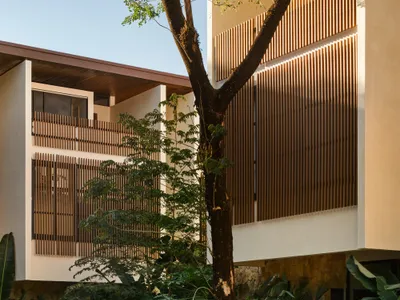
FAMM Arquitectura Organizes Ten Villas Around Courtyards and Jungle in Nosara, Costa Rica
El Molino pairs two elongated volumes with deep overhangs and timber louvers to build a compact coastal community five minutes from the beach.
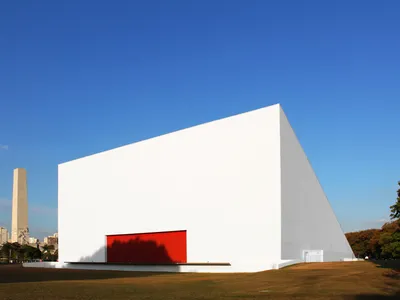
Oscar Niemeyer's Ibirapuera Park Pavilions Define São Paulo's Cultural Identity in Concrete and Curve
A constellation of modernist volumes set within São Paulo's most important urban park, conceived for the city's 400th anniversary in 1954.
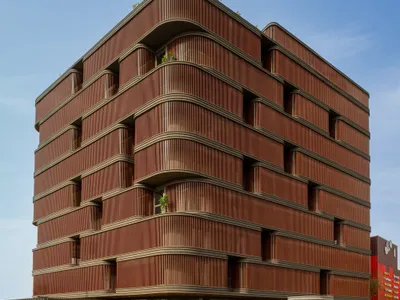
Sanjay Puri Architects Wraps a Jaipur Office Tower in Capsule-Shaped Green Buffers
A nine-level climate-responsive workplace near Jaipur Airport uses stacked planter terraces and aluminium screens to fight 40°C heat.
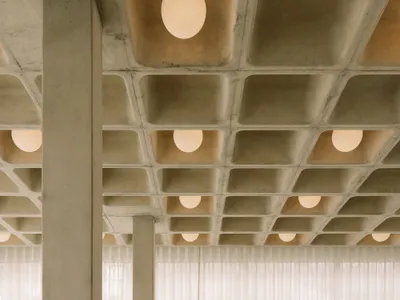
RHO Converts a Berlin Spree-Side Industrial Courtyard into Enkime's 1,000 m² Agency Headquarters
A social media agency's new home in Charlottenburg trades glossy branding for concrete waffle ceilings, glazed tile, and sheer curtains.

Explore Architecture Competitions
Discover active competitions in this discipline

Challenge to reimagine the Iron Throne

Photograph architecture without architects

Illustrate the lost glory of Angkor Wat - Render Challenge

Design challenge to reuse E-waste
Comments (0)
Please login or sign up to add comments
No comments yet. Be the first to comment!