
The Evolution of Architecture Competitions: From Historical Beginnings to Modern Day
This article explores the transformative journey of architecture competitions, from their ancient origins to their role in modern design and global challenges.

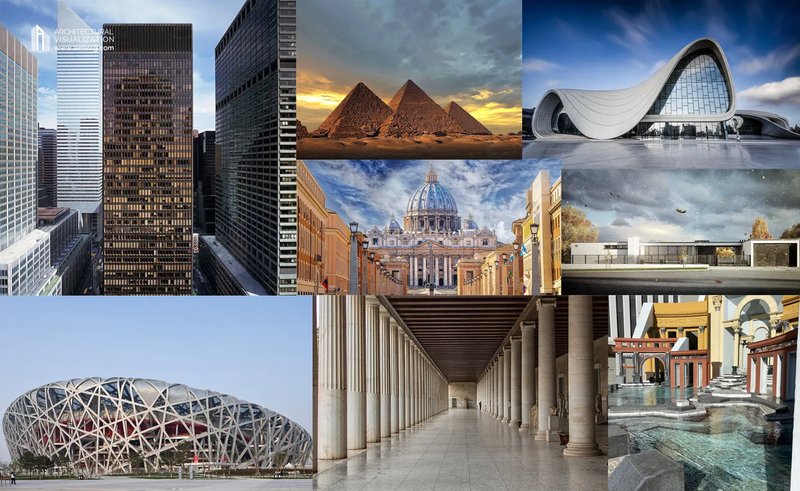
Architecture competitions have long been a vital part of the architectural profession, serving as a platform for innovation, showcasing emerging talents, and driving the evolution of design concepts and methodologies. This article traces the journey of architecture competitions from their historical origins to their current status in the modern world.
Historical Beginnings
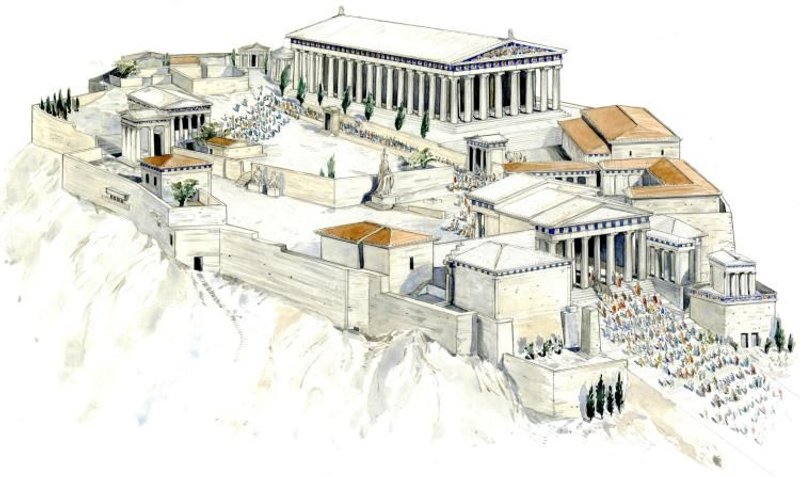
The genesis of architecture competitions can be traced back to ancient civilizations. One of the earliest recorded competitions was for the design of the Parthenon in Athens, around 448 BC. This tradition continued through the Middle Ages and the Renaissance, with competitions often being held for significant religious and civic structures.

The Renaissance and Beyond
During the Renaissance, architecture competitions became more formalized. The 1418 competition for the design of the Florence Cathedral dome, won by Filippo Brunelleschi, is a notable example. These competitions were not just about selecting a design; they were also about fostering a collective dialogue among architects and patrons.
The 19th and 20th Centuries
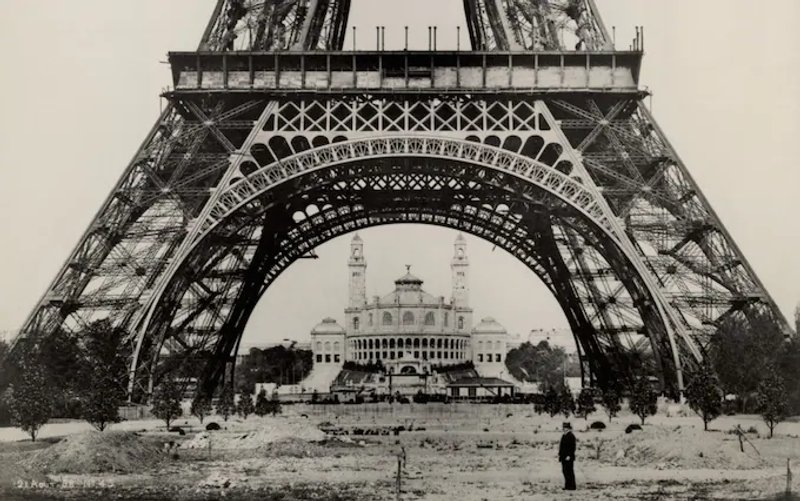
The 19th and early 20th centuries saw an explosion in the number of architecture competitions, coinciding with the Industrial Revolution and the rise of modern nation-states. Competitions during this period were often tied to national pride and identity. Iconic examples include the 1889 Eiffel Tower in Paris and the 1922 Chicago Tribune Tower competition.
Post-World War II Era
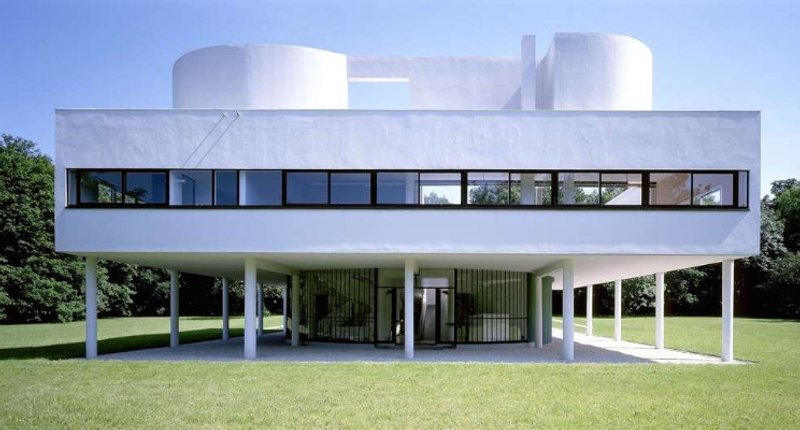
The post-WWII era marked a shift towards more pragmatic and utilitarian architecture, reflecting the global need for reconstruction and efficient urban planning. Competitions were increasingly used to address social and housing issues, leading to more inclusive and community-focused designs.
The Digital Revolution
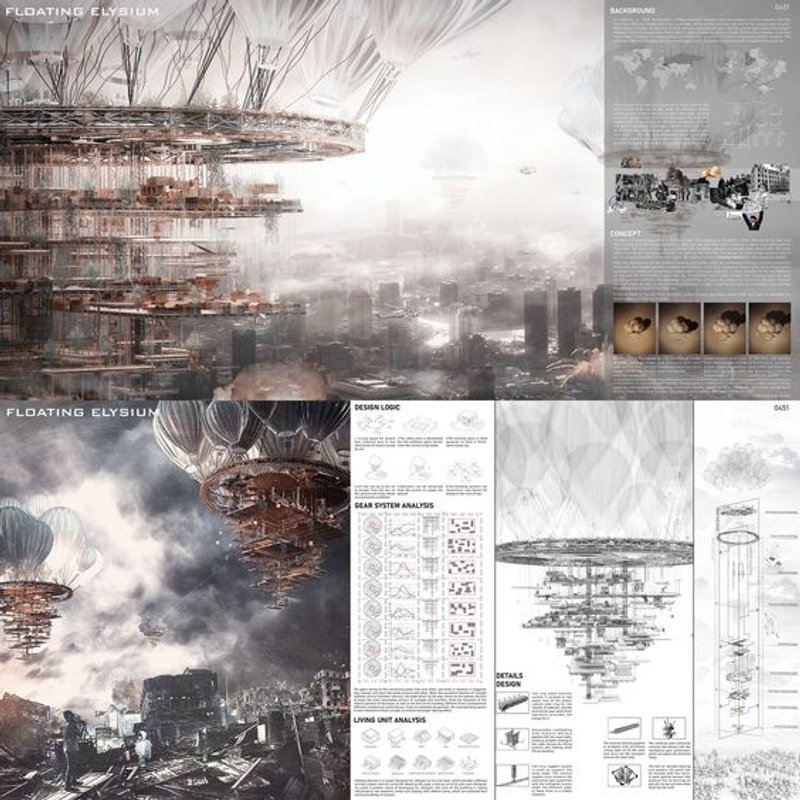
The advent of digital technology has significantly impacted architecture competitions. Digital submissions have become the norm, allowing for more intricate and visually stunning presentations. Moreover, digital tools have democratized the competition process, enabling broader participation from around the globe.

Current Trends and Future Outlook
Today, architecture competitions are more diverse and inclusive than ever. They are not only about monumental structures but also about addressing global challenges such as sustainability, climate change, and social equity. Competitions like the Solar Decathlon and the Pritzker Architecture Prize have shifted the focus towards innovation in sustainable design and social impact.
Competitions are now platforms for experimentation and testing new ideas. They encourage cross-disciplinary collaboration, integrating technology, biotech, and environmental science into architectural practice.
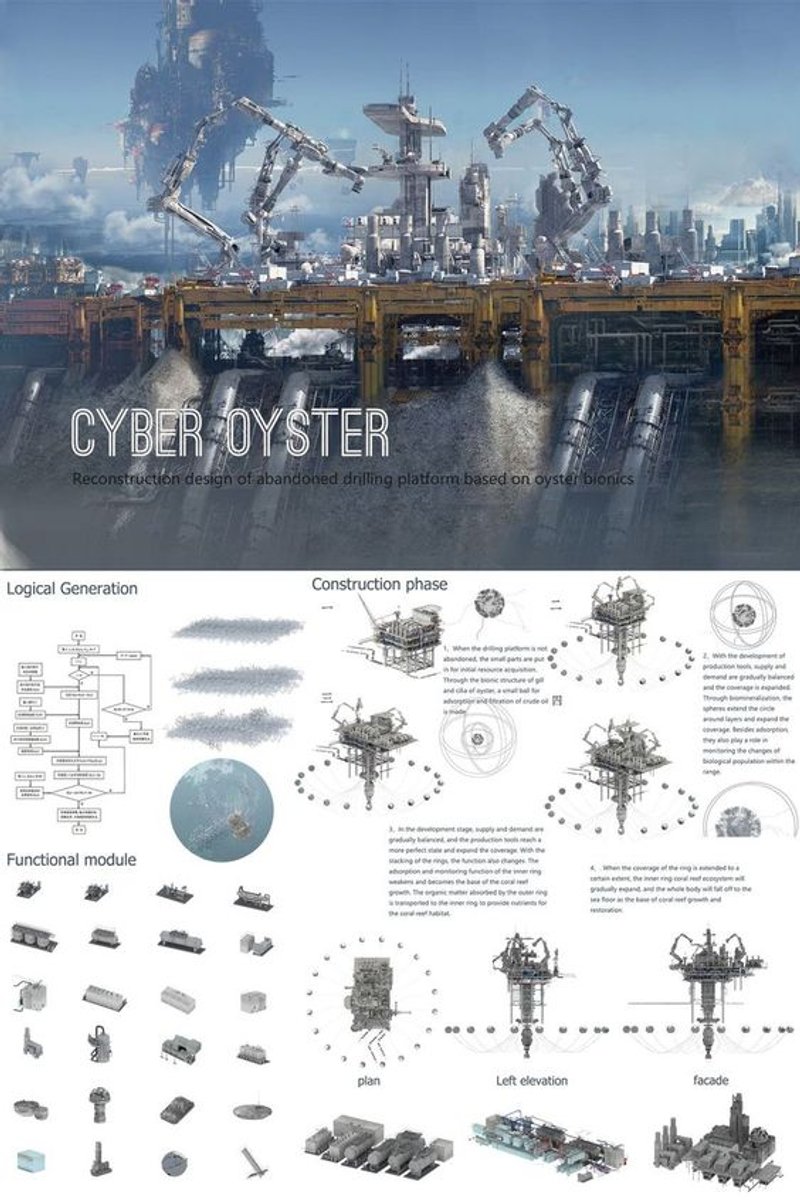
The evolution of architecture competitions reflects the broader changes in society, technology, and the environment. From the grand designs of the past to the sustainable and socially conscious projects of today, these competitions continue to shape the architectural landscape, pushing the boundaries of design and construction. As we look to the future, architecture competitions will undoubtedly play a crucial role in addressing the complex challenges of our time.




Popular Articles
Popular articles from the community

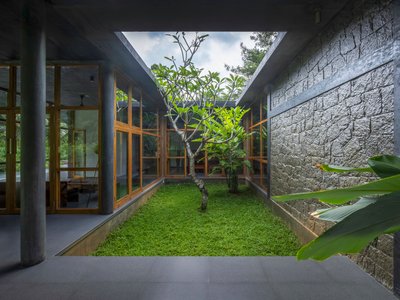
3dor Concepts Wraps a Kerala Home in Mirrored Concrete Arcs Around a Courtyard Tree
In the Western Ghats foothills of Thamarassery, a 270 m² single-story house uses two curved volumes to frame nature as its center.
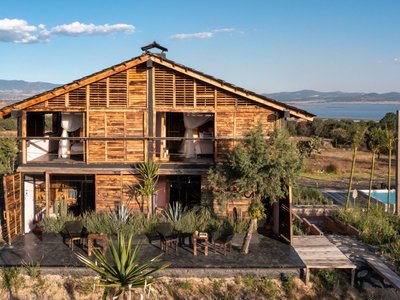
Fausto Terán and Toro Fuse Japanese Craft with Mexican Tradition in a Lakeside Retreat
Nakamura House pairs Shou-Sugi-Ban charred pine with handmade clay tile at the foot of Atlangatepec Lagoon in Mexico.
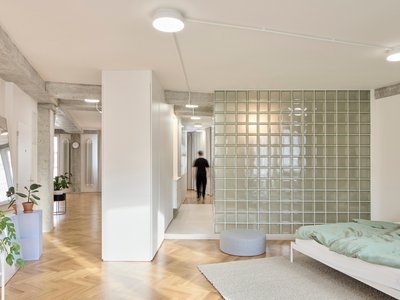
RDTH architekti Rips Out Nearly Every Wall in a Prague Apartment and Replaces Them with Furniture
A 101-square-meter post-war flat in Prague trades rigid partitions for a single rotated furniture block, curtains, and glass concrete.
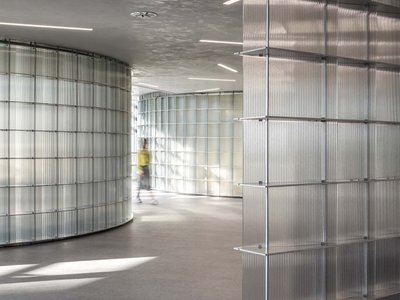
HCCH Studio Wraps a Shanghai High-Rise Office in Curved Walls of Translucent Glass
A 1,000 square meter fit-out in Lujiazui replaces the typical tech-office palette with layered glass, micro-cement, and quiet rigor.


Similar Reads
You might also enjoy these articles
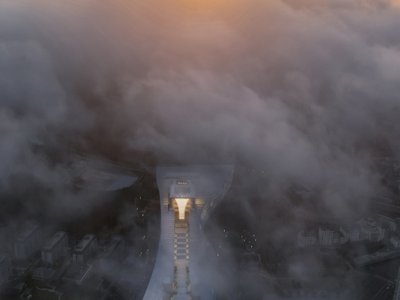
CSADI Carves a Jade Blade into the Qinling Mountains for China's First Ecology Museum
A 43,788 square meter terraced museum in Shangluo draws its form from a Xia Dynasty artifact and steps down toward the valley below.
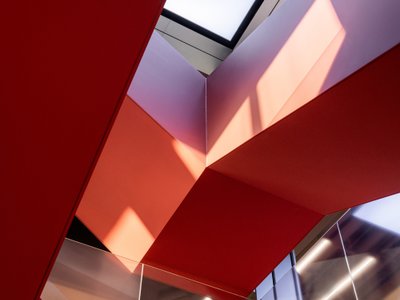
Ippolito Fleitz Group Identity Architects Turn Eight Floors in Shanghai into a Vertical Creative City
Publicis Groupe's new headquarters in Xintiandi reimagines the office as a courtyard-driven urban landscape stacked across eight floors.
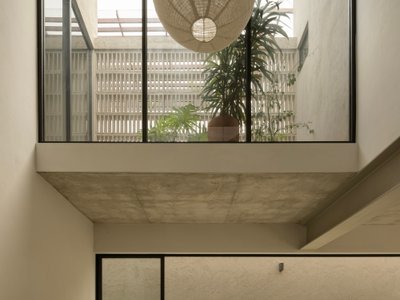
Díaz Webster Arquitectura Carves Light and Air into a Compact Zapopan House
A 237-square-meter residence in western Zapopan uses courtyards and double-height voids to dissolve the boundary between interior and garden.
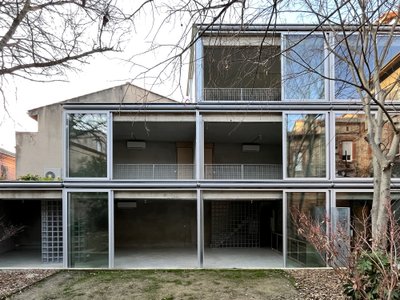
BAST Slots a Four-Story Glass House into a Narrow Gap Between Toulouse Townhouses
In the dense Bonnefoy district, a stepped infill building merges home and office while preserving a majestic hackberry tree.


Explore Architecture Competitions
Discover active competitions in this discipline




The International Standard for Design Portfolios


The Global Benchmark for Architecture Dissertation Awards


The Global Benchmark for Graduation Excellence


Challenge to reimagine the Iron Throne
Comments (0)
Please login or sign up to add comments
No comments yet. Be the first to comment!