Theatre of Culture – Theatre of Light
Cultural architecture transforms Smederevo Fortress into a theatre of light where heritage, water, art, and public life converge.


The project Theatre of Culture – Theatre of Light explores how cultural architecture can revive historic urban monuments while creating new platforms for contemporary artistic expression. Designed by Lidija Lukic, the proposal reimagines the Smederevo Fortress in Serbia as a dynamic cultural landscape where theatre, market activity, public space, and digital media intersect.
Situated at the confluence of the Jezava River and the Danube, the Smederevo Fortress is one of the most significant historical structures in the region. Built with the intention of becoming the capital of medieval Serbia, the fortress represents the final great achievement of Serbian military architecture. Today it functions as an important cultural landmark and tourist destination. The project investigates how architecture can reinterpret such a monument and connect it with contemporary urban life.
Architecture as a Cultural Catalyst
The central thesis of the project positions culture as a driver of urban development. Rather than treating the fortress purely as a preserved artifact, the design introduces a multi program cultural complex that activates the surrounding waterfront and former industrial zones. Through exhibition spaces, digital theatre, research facilities, public markets, and open gathering areas, the intervention establishes a new cultural epicenter for the city.
The architectural strategy focuses on creating a framework that accommodates diverse artistic disciplines and forms of expression. The complex is conceived as an open platform for multimedia arts, performance, and experimentation. By enabling collaboration between artists, craftspeople, merchants, and local communities, the project aims to expand the cultural scene of Smederevo and generate new forms of public interaction.
Transforming Identity Through Spatial Design
A key conceptual focus of the project is the transformation of architectural identity through spatial experience. The design investigates how a contemporary intervention can respect historical context while establishing a new architectural language.
The riverbed of the Jezava is interpreted as a sequence of parcels and spatial fragments that connect the protected heritage zone of the fortress with the industrial areas of the city. Through subtle topographic manipulations and water level adjustments, the proposal introduces a layered spatial structure that integrates landscape, architecture, and infrastructure.
This strategy allows the architecture to operate both as an extension of the monument and as an independent contemporary structure. The result is a dialogue between preserved history and new cultural infrastructure.
Digital Theatre: A Spectacle of Light
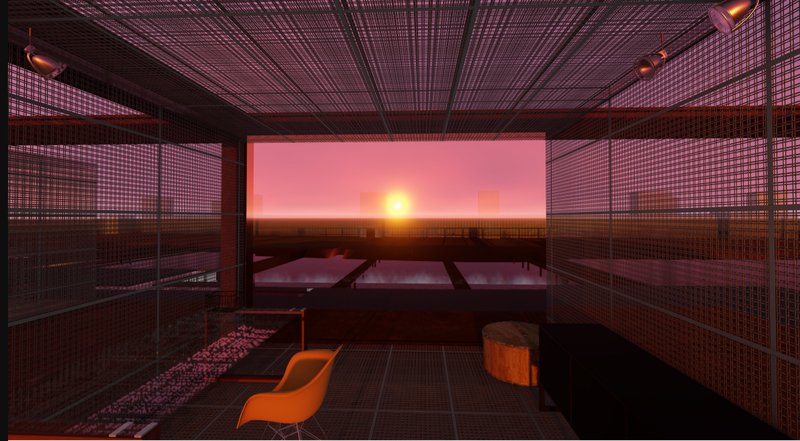
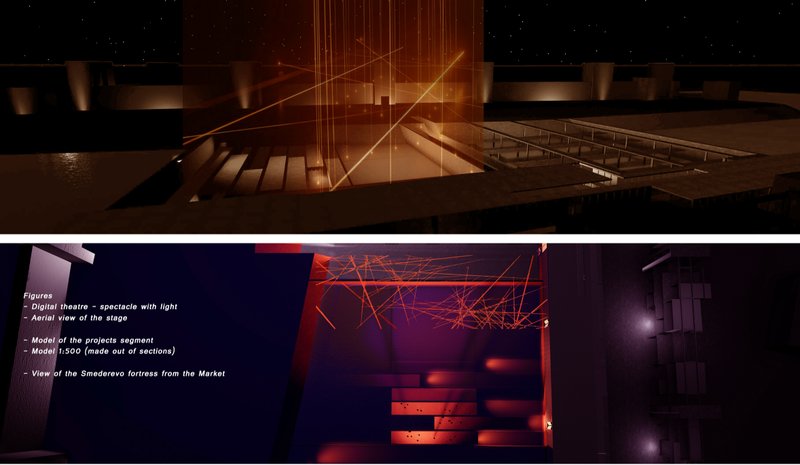
At the heart of the project is the digital theatre, conceived as an immersive environment where light, sound, water, and digital media interact. Theatre is understood not only as a performance venue but also as a spatial event where architecture itself becomes part of the spectacle.
Interactive light installations transform the theatre space into a constantly changing environment. Light and shadow are treated as primary architectural materials, shaping how visitors perceive and experience the space. The dynamic interplay between water reflections and projected light generates a theatrical atmosphere that evolves throughout the day and night.
The digital theatre extends the traditional role of performance architecture by integrating digital technologies and multimedia storytelling. Performances can combine physical stage action with immersive visual environments, enabling audiences to engage with hybrid artistic experiences.
The Market as Urban Theatre
Another key component of the proposal is the fish and green market, positioned as a social and economic anchor of the cultural complex. Historically, markets have served as spaces of negotiation, communication, and everyday urban theatre. The project embraces this idea by designing the market as an open spatial system where daily life becomes part of the cultural narrative.
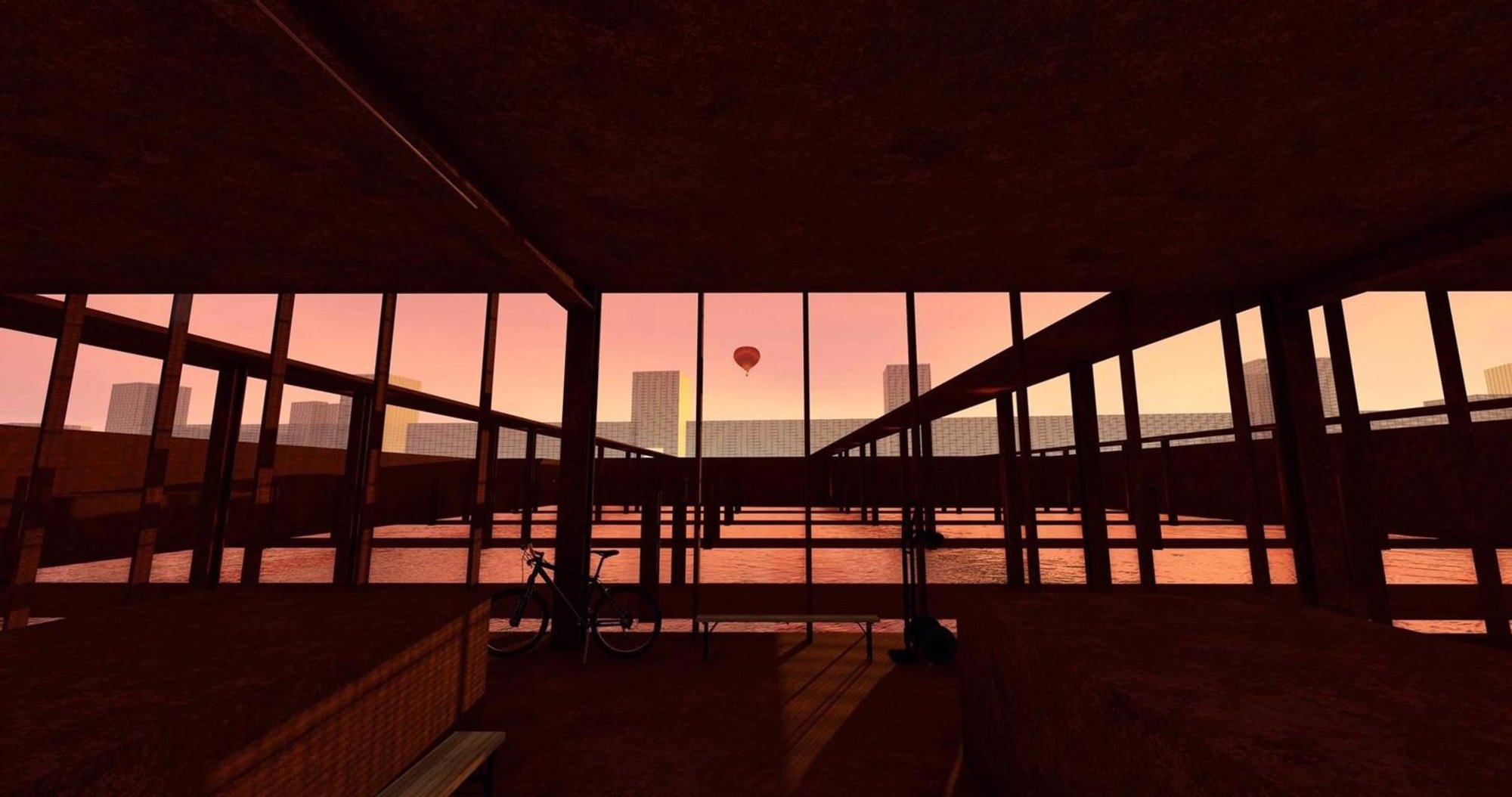
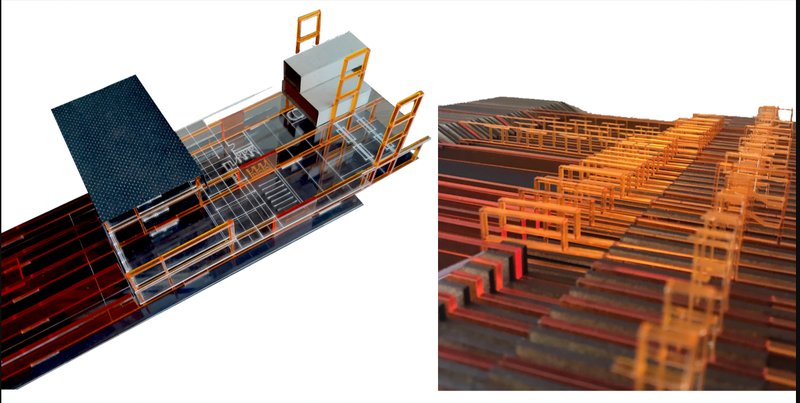
The market structure is organized around modular stalls and covered platforms that can adapt to changing uses throughout the day. In the morning the space operates as a traditional marketplace. Later it can transform into exhibition areas, informal performance venues, or gathering spaces for festivals and community events.
Water plays a crucial role in this transformation. By periodically raising water levels within selected chambers, the architecture introduces a changing spatial condition that cleans the space and creates reflective surfaces that amplify light and atmosphere.
A Linear Public Space and Urban Connector
The overall composition of the project forms a linear public structure extending between the fortress and the surrounding city. This spatial corridor acts as both circulation infrastructure and a public park.
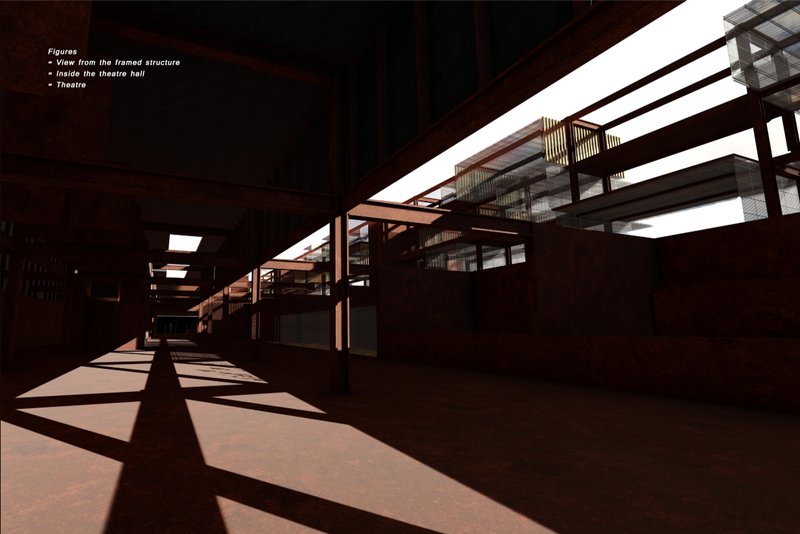
A sequence of vertical elements and structural frames defines the architectural language of the intervention. These frames create shaded walkways, observation platforms, and elevated public spaces. The structure operates like a contemporary urban wall that simultaneously protects, connects, and activates the surrounding environment.
Through this strategy the project establishes multiple layers of public space. Horizontal plazas, vertical terraces, and elevated viewing platforms allow visitors to experience the fortress and the river landscape from new perspectives.
Architecture, Identity, and Collective Memory
Beyond its physical form, the project addresses broader questions about the relationship between architecture and collective identity. By integrating historical heritage with contemporary cultural production, the design creates a space where past and present coexist.
The intervention does not attempt to replicate historical forms. Instead it interprets the spirit of the monument through modern materials, structural systems, and spatial strategies. This approach allows the architecture to acknowledge the dignity of the site while contributing a new cultural layer to the city's identity.
A Cultural Future for Smederevo
Theatre of Culture – Theatre of Light proposes a model in which architecture becomes a catalyst for cultural regeneration. By combining theatre, markets, digital media, and public space, the project transforms the historic waterfront into a vibrant civic landscape.
Through the integration of water, light, and interactive cultural programming, the project demonstrates how architecture can reshape the perception of historic monuments while supporting contemporary urban life. The result is a living cultural infrastructure where art, community, and heritage intersect.
Designed by Lidija Lukic, the proposal illustrates how cultural architecture can bridge the gap between preservation and innovation, creating spaces that reflect the evolving identity of a city.