Tjukula Jukurrpa
Koala Rescue and Rehabilitation Hub
What is the concept behind your design?
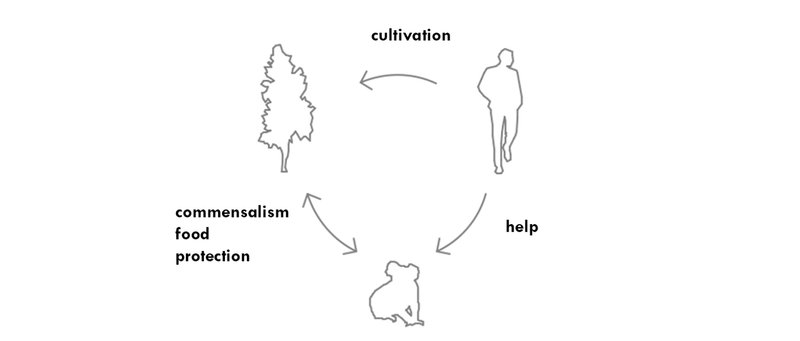
The idea of my design is to define the role of humans in the circle of the natural ecosystem. Recent years show that the expansion of human settlement in Australia is contributing to the natural habitat loss. Deforestation deprives animals of their home and shelter. It is crucial to re-think our impact on the environment and take responsibility for the harm we cause.
I noticed the commensalistic relationship between koalas and eucalyptus trees. The trees provide food and shelter to the animals, which live and rest in the trees without causing any harm. Koalas wouldn’t be able to survive without eucalyptus trees. So, what people can do to support this relationship is to cultivate trees to support the growth of natural habitats and help injured animals by providing medical treatment.
What is the meaning of the project title?
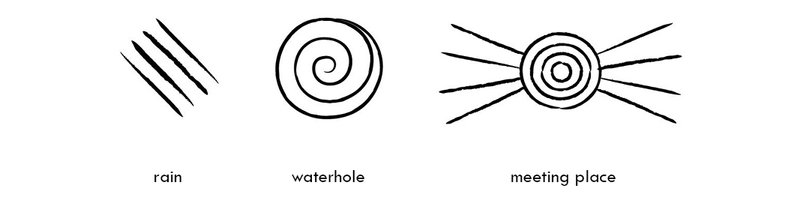
The project title refers to the Aboriginal belief system known as Tjukula Jukurrpa (Dreamtime) which encompasses religion, law, and moral systems, and defines the relationship between people, plants, animals, and the physical features of the earth. Aborigines have inhabited Tamborine Mountain for tens of thousands of years and are spiritually strongly connected to their land. They have a very widely developed symbolism that used to help them survive and is now mainly manifested in art and culture.
My project draws inspiration from the traditions, symbolism and art of indigenous people. For example, one of the traditional ways of water harvesting was digging waterholes or collecting dewdrops from leaves. I decided to relate to it by creating mini wells in the landscape design of the inner courtyard. The layout of the wells refers to the Aboriginal symbol of multiplied circles, signifying a safe spot, meeting place, or camp.
How does your design create an ambience that does not interfere with the natural habitat?
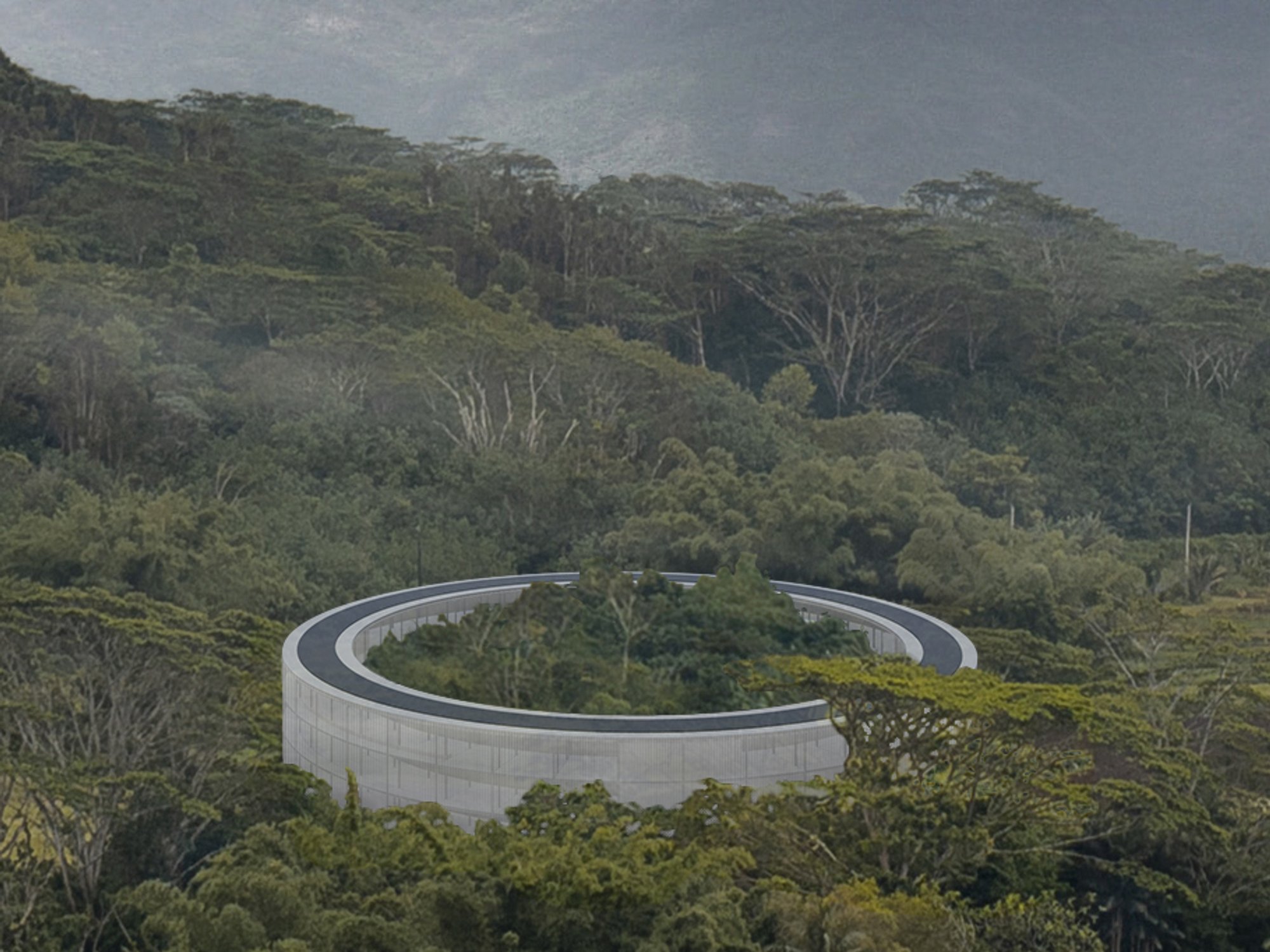
The building is designed to be self-sufficient. The proposed massing encloses the area used as a temporary habitat for koalas undergoing the rehabilitation process, while the form of the ring allows for observing the animals in the inner courtyard.
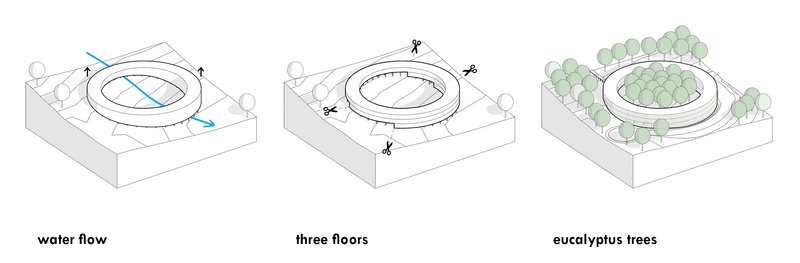
The building structure is lifted above the ground level to allow the free flow of rainwater. It is supported on wooden CLT pillars and does not intersect with the terrain. However, the landscape design provides access to every floor from the ground level on wooden platforms and pavements.
The building structure has a limited impact on the landscape. It adapts to the site topography by cascade construction. The number of storeys are increasing downslope.
In the inner courtyard, I decided to plant the native species to support the ecosystem and meet the nutritional needs of rescued animals. In that way, there is no shortage of food for animals living in the wild.
What are the construction techniques and materials you have ideated/adapted for your project?
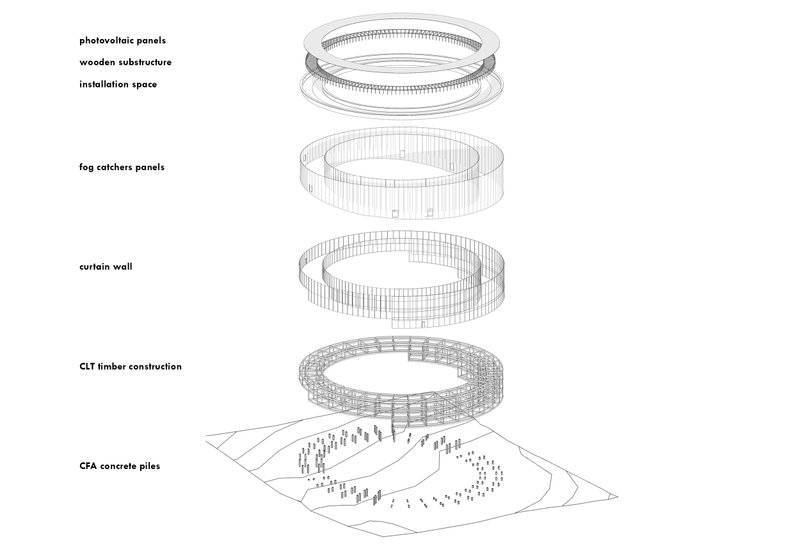
The building's foundations consist of CFA concrete columns. This column technology utilizes an auger digger and works well in soils that are difficult to drill through. The main structure is a timber frame due to the renewability of the material and its advantages when processed into CLT panels. It is based on modules that will be transported to the site.
Due to the high air humidity (70% per year), the external envelope of the building consists of large-sized panels that collect condensed water vapour, so-called ‘fog catchers’. It was inspired by the ‘Fog Harp’ project developed by researchers at Virginia Tech University in Blacksburg, USA. Water droplets run down the vertical steel wires and then are collected into an underground retention tank. This is a much more efficient way of water harvesting than using mesh netting.
What factors make your design sustainable?
The sustainability of my design is expressed through durability. The modular CLT structure frame allows for easy construction as well as adaptation of the building for other purposes in the future, making it a long-term facility.
A recognizable aspect of the façade design is fog collecting panels. The water is stored in tanks and may be used for agriculture and as a grey-water. The panels are distanced from the core of the building to help the harvesting system work more efficiently and allow for free ventilation.
The great sun exposure of the slope allows for the installation of photovoltaic panels on the rooftop. The panels will be the main source of electricity supply and will help to hide the installations of the building. The produced surplus energy will be given back to the plant.
What all materials have been used in conceptualizing the said design?
• Continuous Flight Auger concrete piles (50 cm diameter),
• Cross Laminated Timber columns (30x30 cm) and slabs (24 cm)
• Glue Laminated Timber beams (30x60 cm),
• Façade double structure:
- Curtain wall with thermal insulation glass,
- ‘Fog catchers’ - stainless steel frame with stainless steel wires, linear drainage system.