
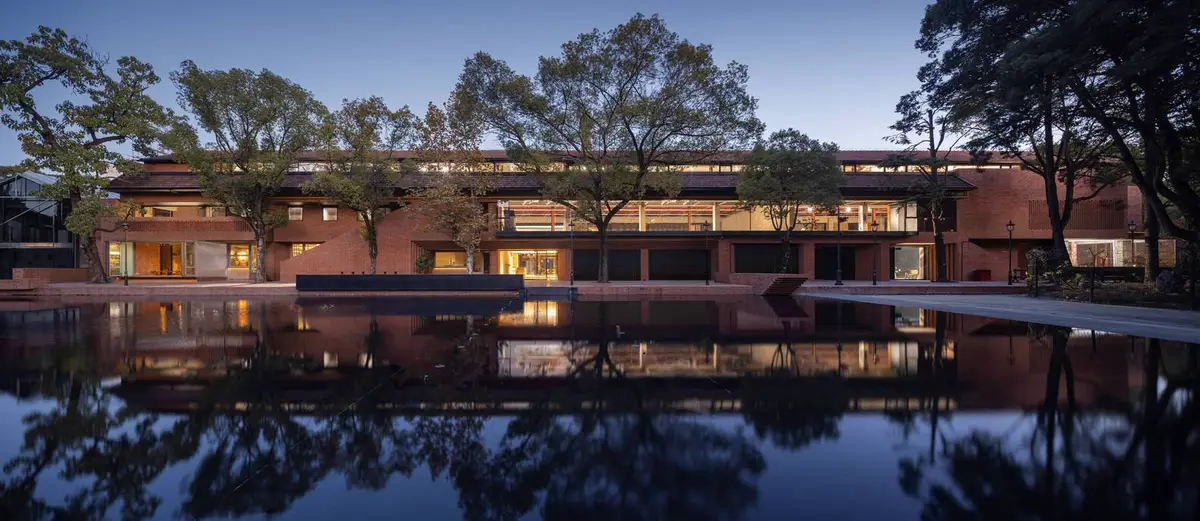
Transforming Heritage: A Deep Dive into Industrial Architecture Renovation
Exploring the transformation of Shanghai's Power Workshop into a vibrant, contemporary space while preserving its industrial heritage and architectural integrity.


The concept of industrial architecture renovation has become a pivotal trend in the architectural world, blending history with modernity to breathe new life into spaces that once served purely functional, industrial roles. Through the lens of the Power Workshop project by Benzhe Design in Shanghai, we explore the intricacies of revitalizing industrial buildings, offering insights and inspiration for architects, designers, and enthusiasts alike.
The Power Workshop: A Case Study in Excellence
The Historical Context
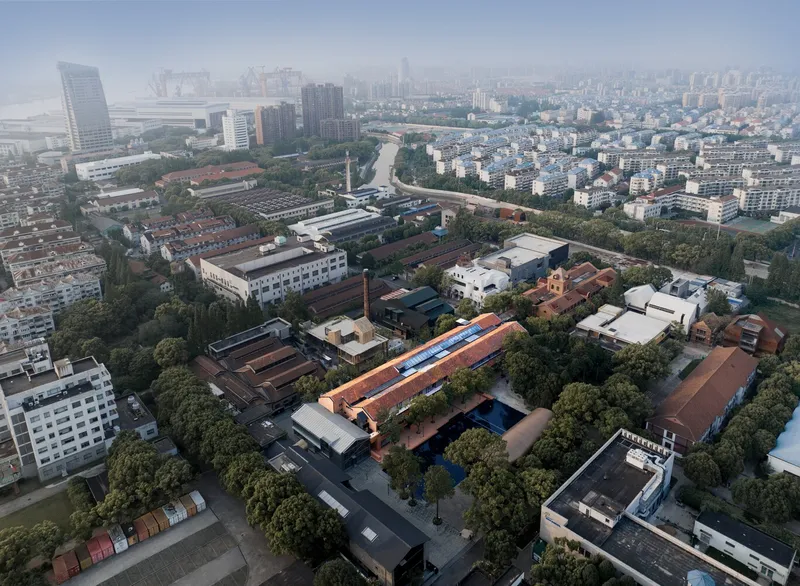
Located in the EKA Art District of Jinqiao, Pudong New Area, Shanghai, the Power Workshop's transformation story begins with its original function as the equipment and power workshop for the China Shipbuilding Naval Instrumentation Factory in the 1950s and 1960s. This project exemplifies how historical industrial sites can be thoughtfully repurposed to serve contemporary needs while preserving their cultural essence.
Architectural Strategy and Design Philosophy
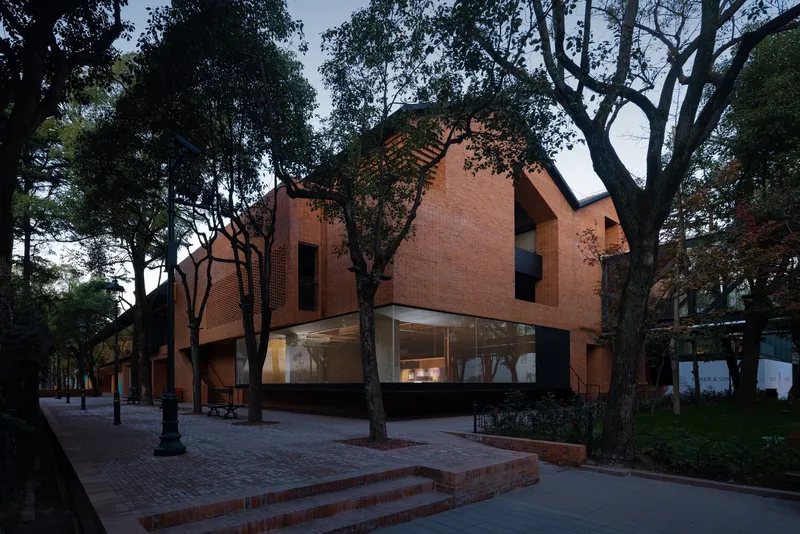
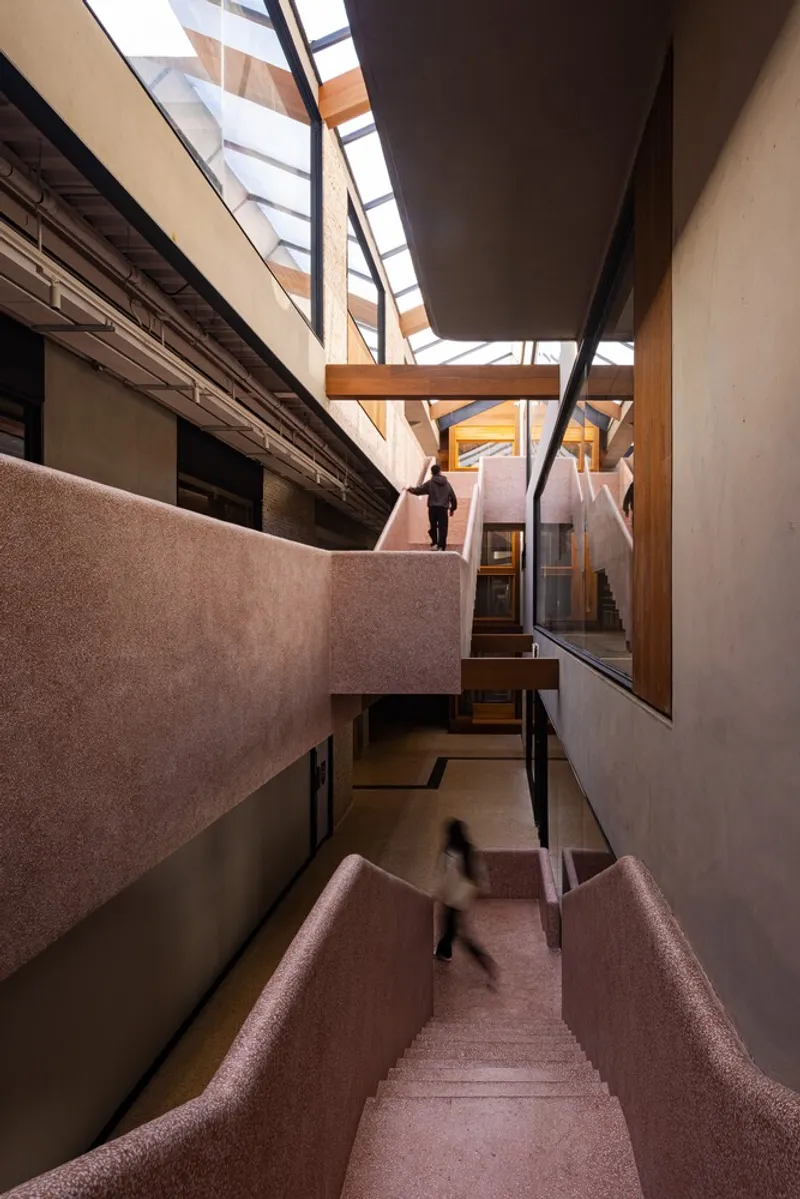
Benzhe Design approached the renovation of the Power Workshop with a dual focus: honoring the building's industrial past and integrating modern functionalities. Key architectural features such as the original double-herringbone beam structure and red tiled sloped roof were meticulously preserved, reflecting a deep respect for the building's history.
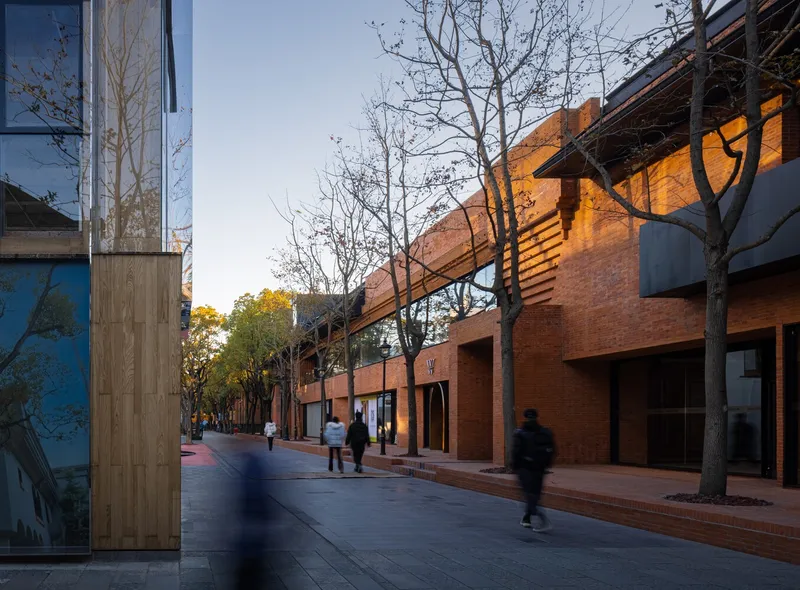
Exterior Innovations
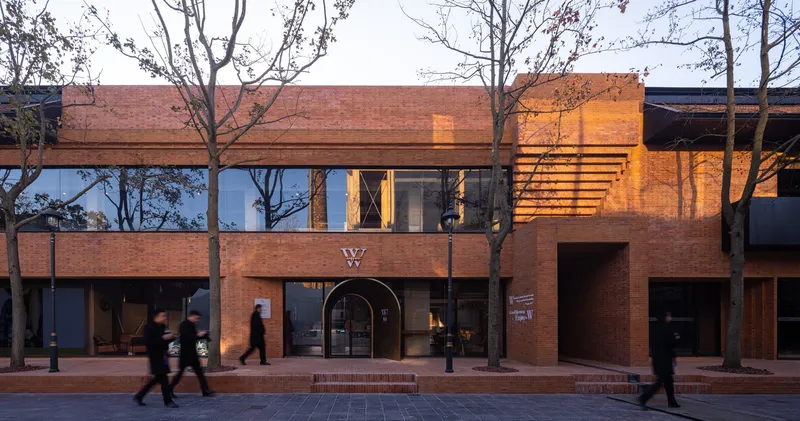
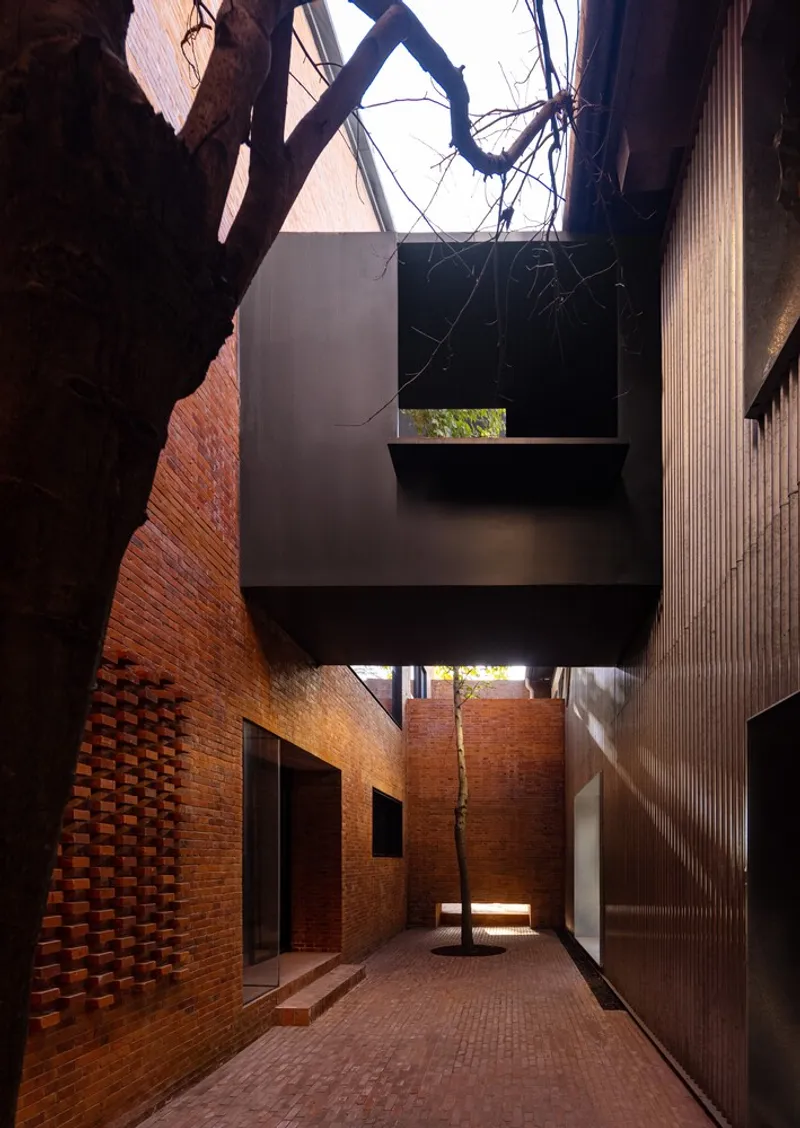
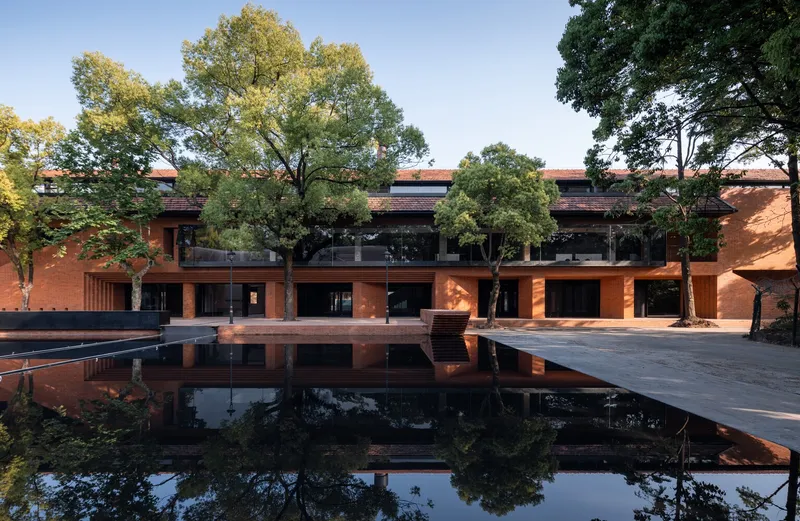
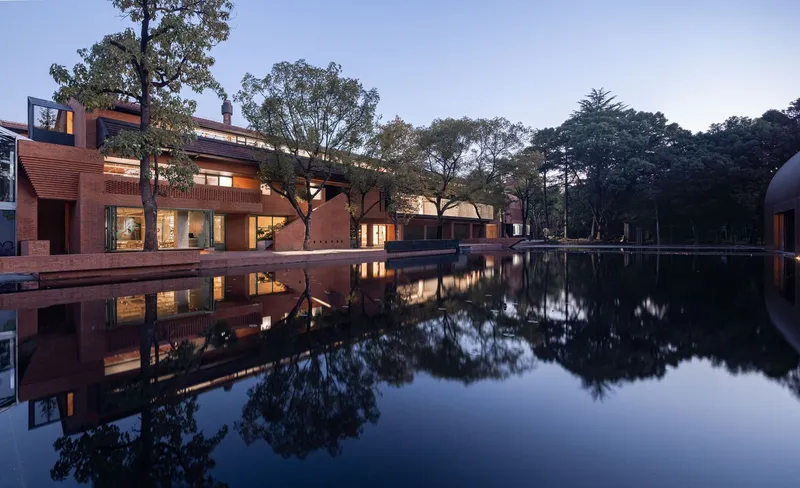
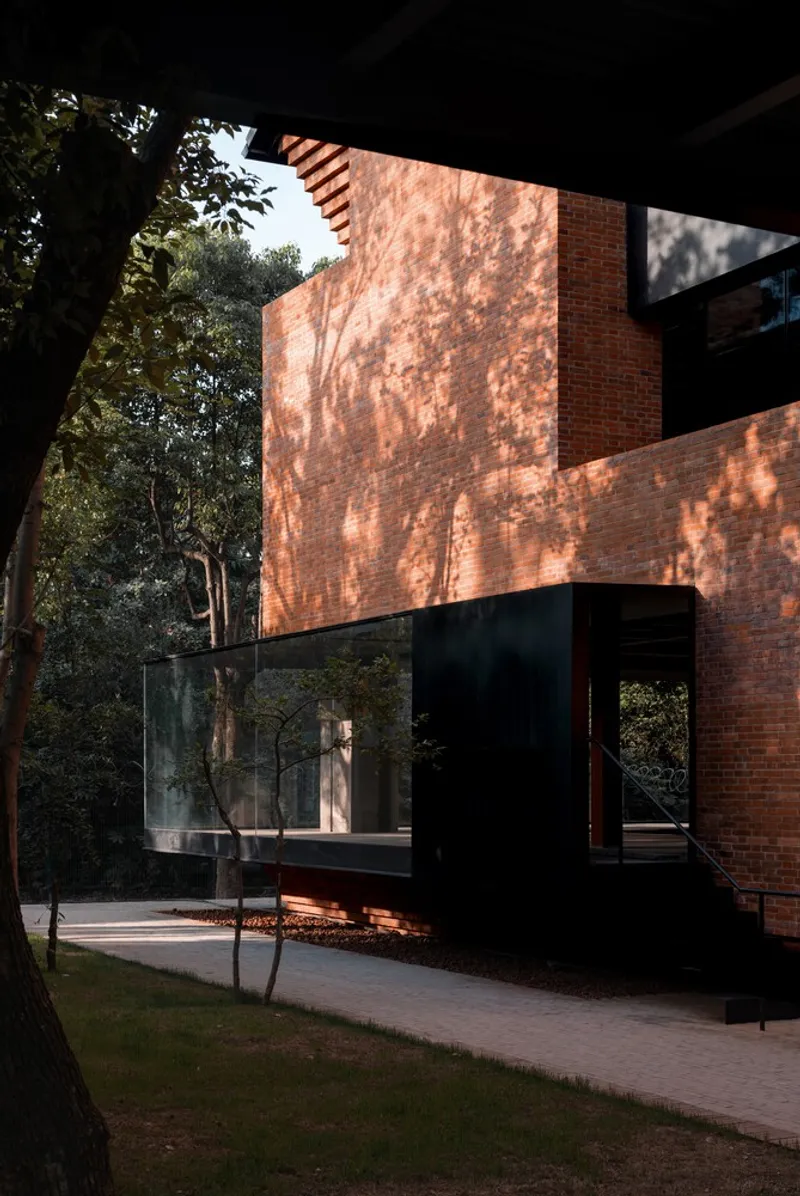
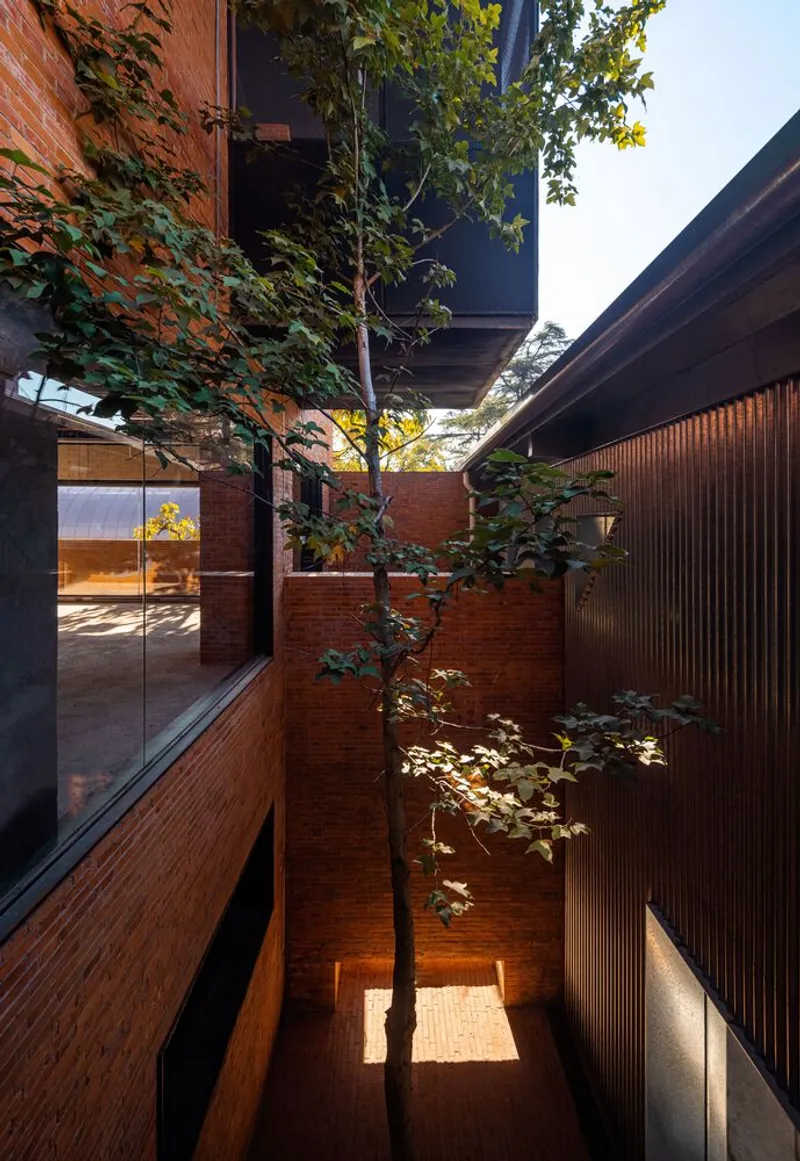
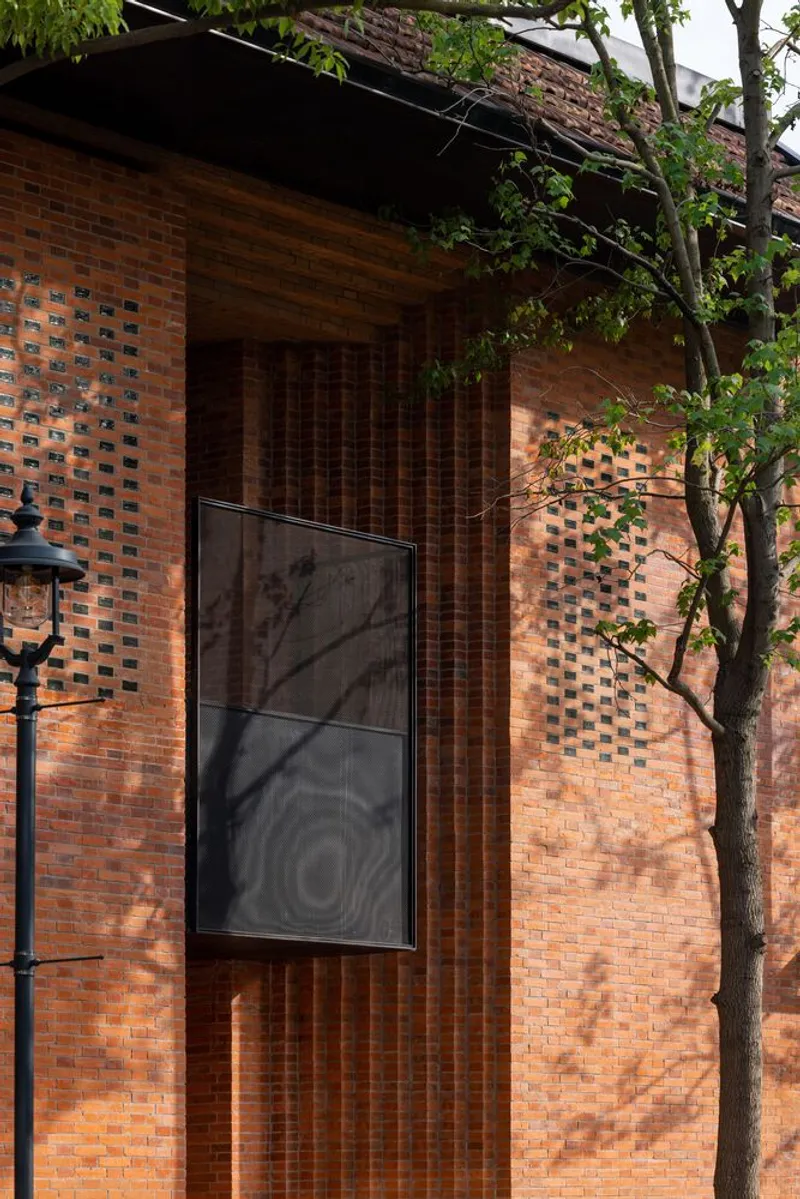
The use of Isshiki Shimizu red brick across the facade stands out, showcasing a simple yet profound aesthetic that harmonizes with the building's industrial heritage. Black weathering steel plates add a modern touch, creating a dialogue between old and new. The design cleverly utilizes spatial arrangements, landscaping, and water elements to create a seamless transition between the building and its natural surroundings.
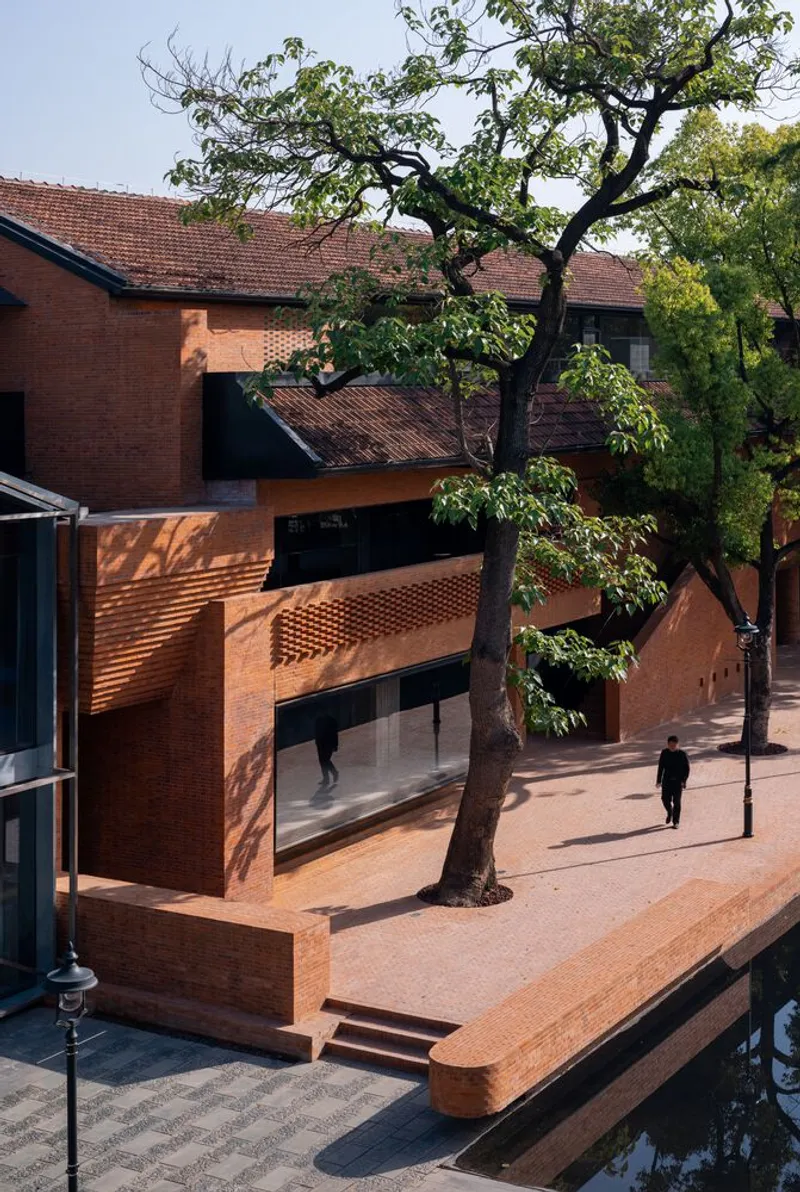
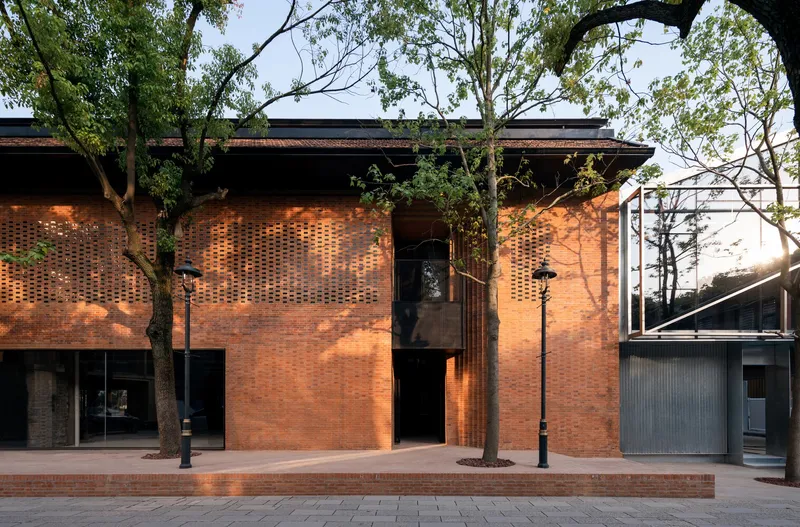
Interior Spaces Reimagined
Inside, the Power Workshop reveals a flexible open-plan layout that anticipates future adaptations. The ground floor, designed to be free from obstructive elements, encourages sustainability and ease of movement. Strategic use of glass and steel enhances natural light penetration, bringing a contemporary feel to the industrial skeleton of the space.
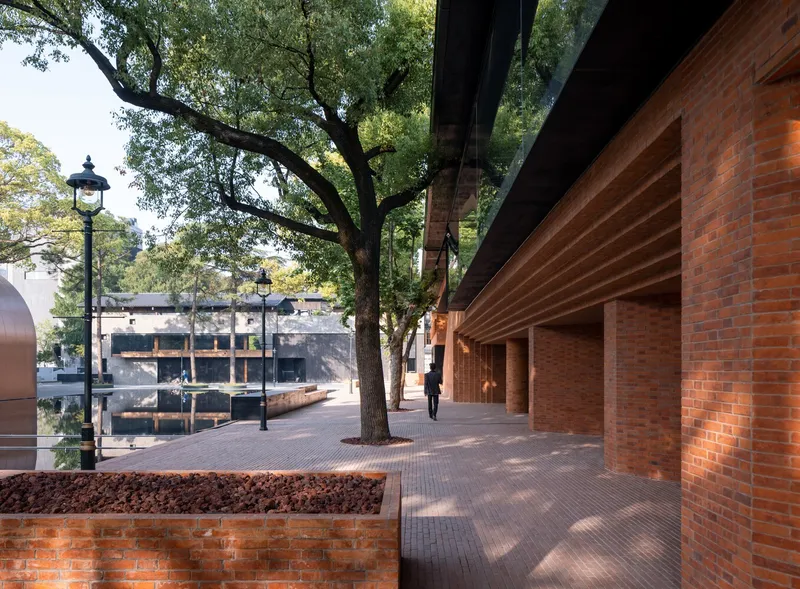
Facade and Connectivity
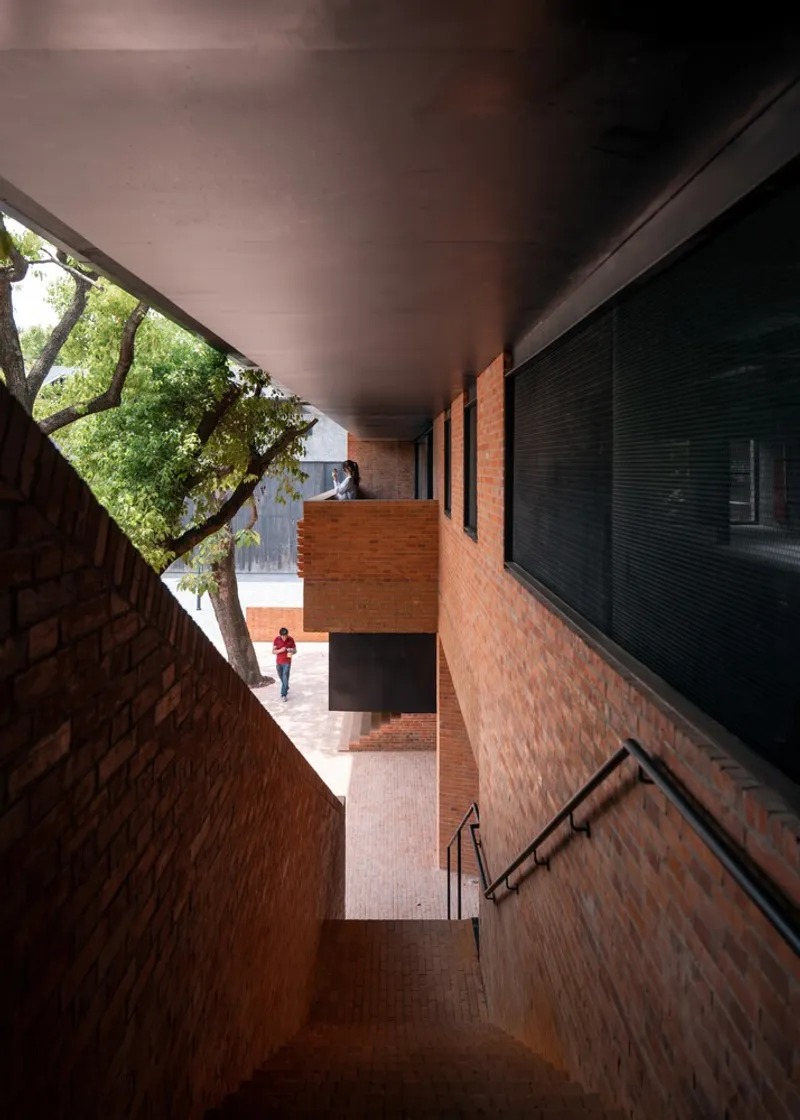
The building presents a minimalist north facade, characterized by large glass windows framed with black steel, projecting a modern aesthetic that contrasts with the textured richness of the south facade. Sky corridors and outdoor spaces are designed to foster interaction within the art district, creating a vibrant community hub.
The Impact of Industrial Architecture Renovation
Cultural and Community Revitalization
The renovation of industrial buildings like the Power Workshop contributes significantly to cultural preservation and community engagement. By repurposing these spaces, architects and developers can create vibrant centers for business, art, and social interaction, thereby enhancing urban landscapes.
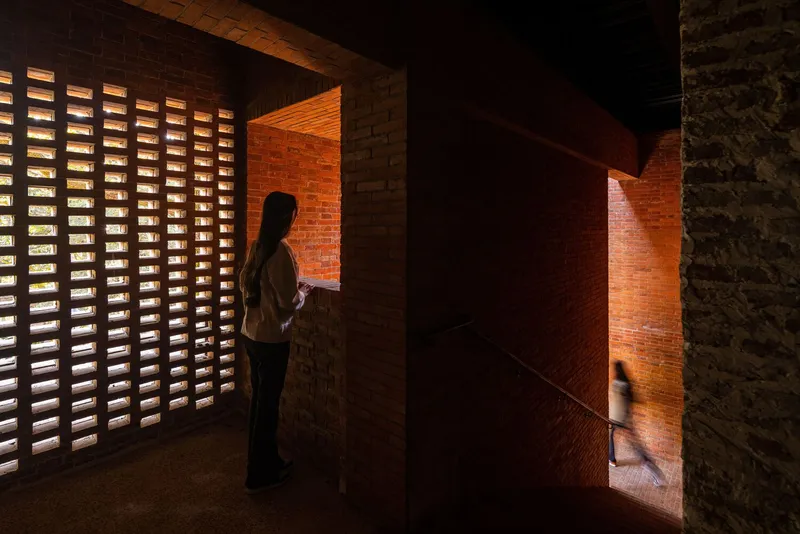
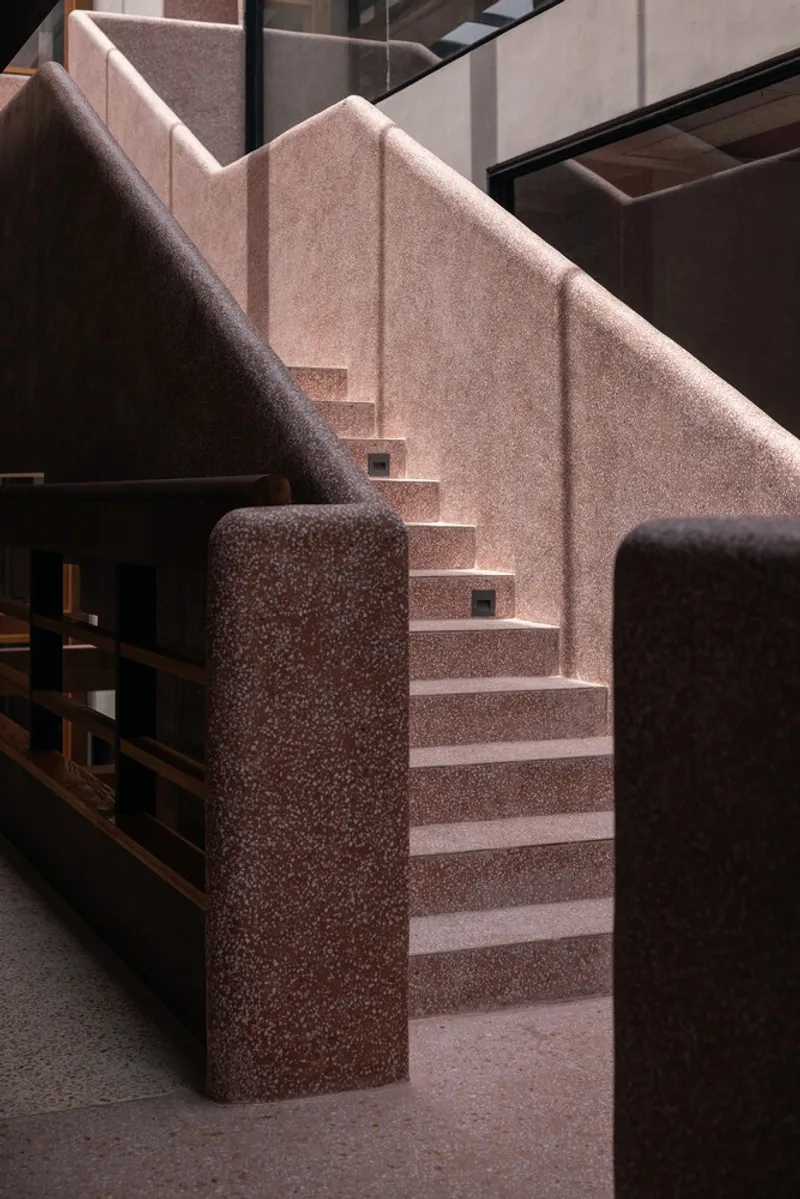
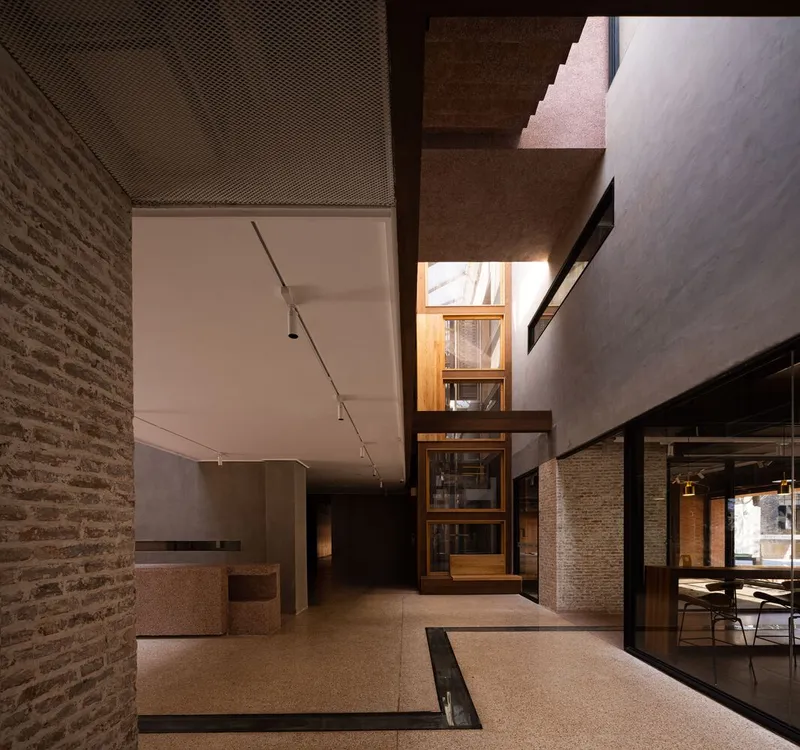
Sustainability and Innovation
Adopting a sustainable approach to renovation conserves resources by reusing existing structures, reducing the need for new materials, and minimizing waste. Projects like the Power Workshop serve as beacons of innovation, demonstrating how modern architectural practices can align with environmental and sustainability goals.
The Power Workshop by Benzhe Design not only stands as a testament to the successful blending of historical preservation with modern functionality but also highlights the broader significance of industrial architecture renovation in today's architectural discourse. As we move forward, the lessons learned from such projects will undoubtedly shape the future of urban development, sustainability, and cultural preservation.
Through strategic design and thoughtful integration of new technologies and materials, industrial architecture renovation projects can serve as landmarks of innovation and heritage, inspiring future generations to appreciate the beauty and potential of our industrial past.
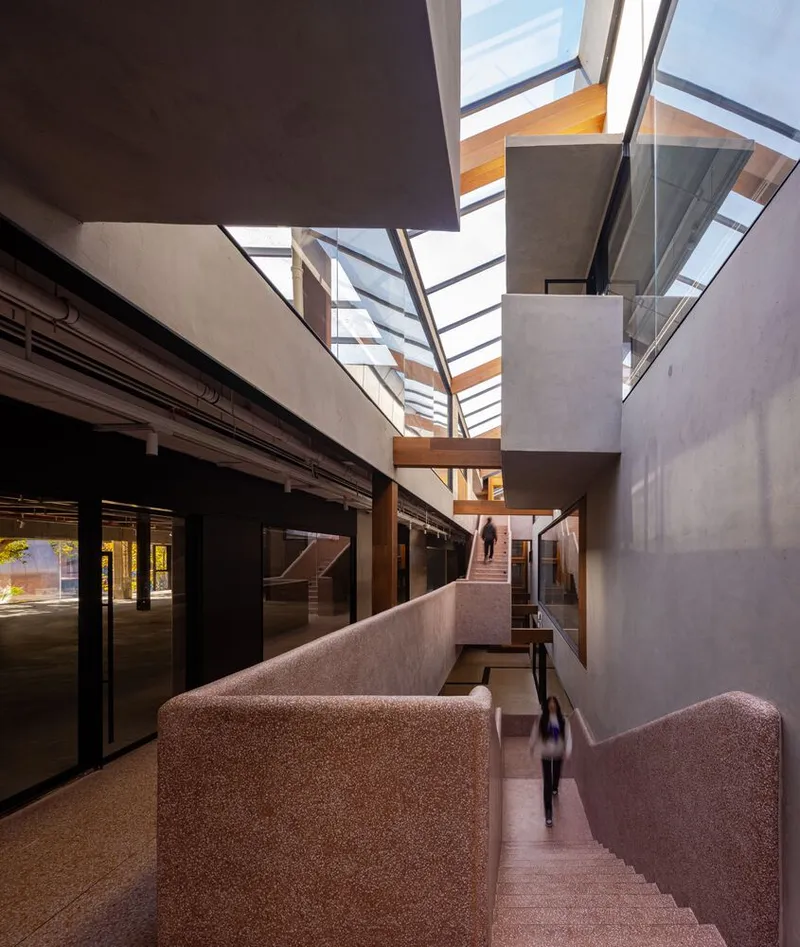
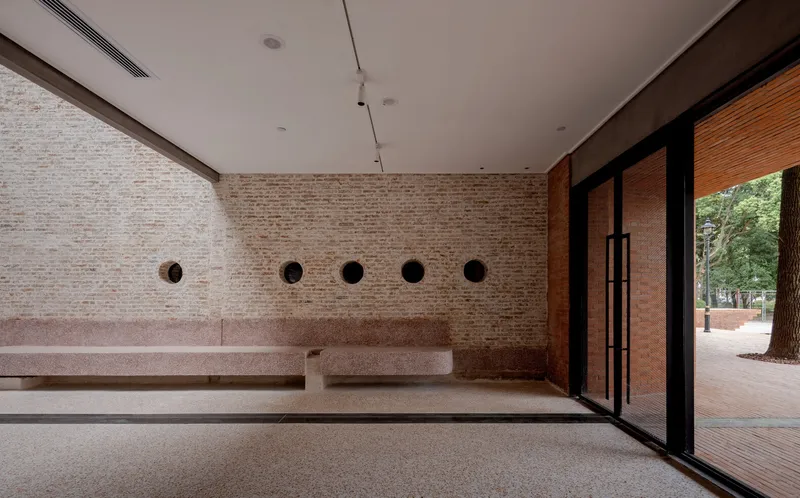
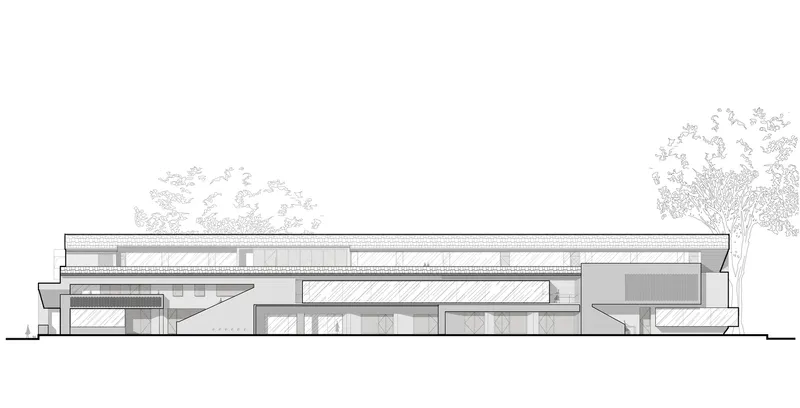
All photographs are work of Ce Wang, Shengliang Su


Popular Articles
Popular articles from the community

Extended Shell: Retrofitting Kolkata's Balconies as Living Urban Thresholds
A modular retrofit system recovers the social and environmental intelligence of Kolkata's historic verandas for contemporary Park Street residents.

Opera on the Sea: Driftwood Logic Shapes a Timber Opera House on Estonia's Coast
Trevor Orgill's opera house translates the entangled drift of floating timber into a civic building where wood, water, and music converge.
Faces of the Soviet Avant-Garde: Turning Moscow's Street Names into an Open-Air Museum
A network of sculptural installations across a Moscow residential district transforms forgotten architect names into spatial encounters with cultural memor

Tsunami Convergenics: Turning Catastrophic Ocean Forces into Underwater Housing Infrastructure
A speculative underwater settlement off the coast of Onagawa, Japan, treats tsunamis and typhoons as energy sources rather than threats.

Similar Reads
You might also enjoy these articles

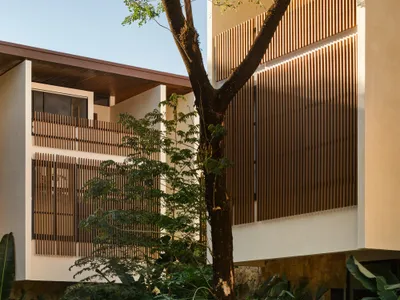
FAMM Arquitectura Organizes Ten Villas Around Courtyards and Jungle in Nosara, Costa Rica
El Molino pairs two elongated volumes with deep overhangs and timber louvers to build a compact coastal community five minutes from the beach.
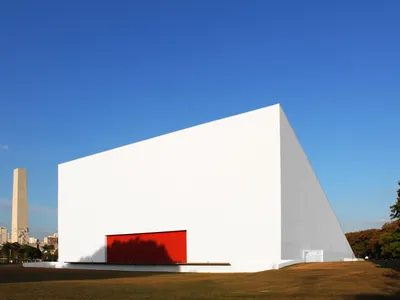
Oscar Niemeyer's Ibirapuera Park Pavilions Define São Paulo's Cultural Identity in Concrete and Curve
A constellation of modernist volumes set within São Paulo's most important urban park, conceived for the city's 400th anniversary in 1954.
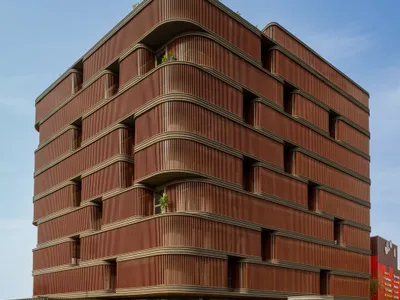
Sanjay Puri Architects Wraps a Jaipur Office Tower in Capsule-Shaped Green Buffers
A nine-level climate-responsive workplace near Jaipur Airport uses stacked planter terraces and aluminium screens to fight 40°C heat.
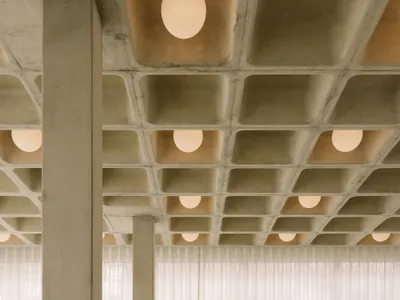
RHO Converts a Berlin Spree-Side Industrial Courtyard into Enkime's 1,000 m² Agency Headquarters
A social media agency's new home in Charlottenburg trades glossy branding for concrete waffle ceilings, glazed tile, and sheer curtains.

Explore Industrial Building Competitions
Discover active competitions in this discipline

Challenge to reimagine the Iron Throne

Photograph architecture without architects

Illustrate the lost glory of Angkor Wat - Render Challenge

Design challenge to reuse E-waste
Comments (0)
Please login or sign up to add comments
No comments yet. Be the first to comment!