

Vernacular Architecture India: Embracing Tradition in Modern Design
Exploring the integration of traditional Indian vernacular architecture in a contemporary home with two courtyards.


The Essence of Vernacular Architecture in India
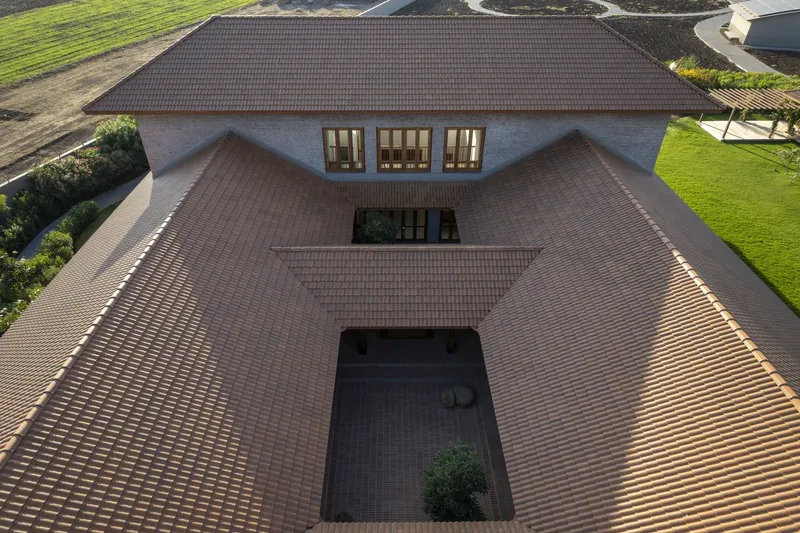
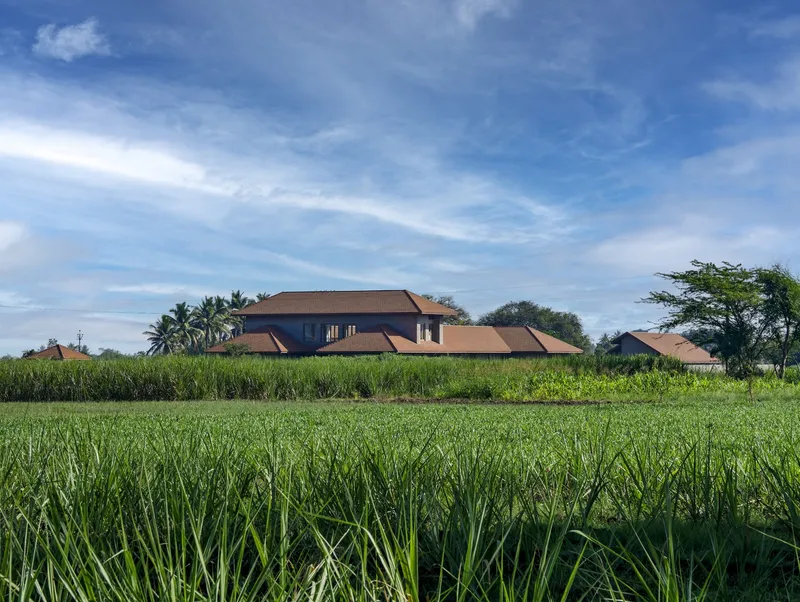
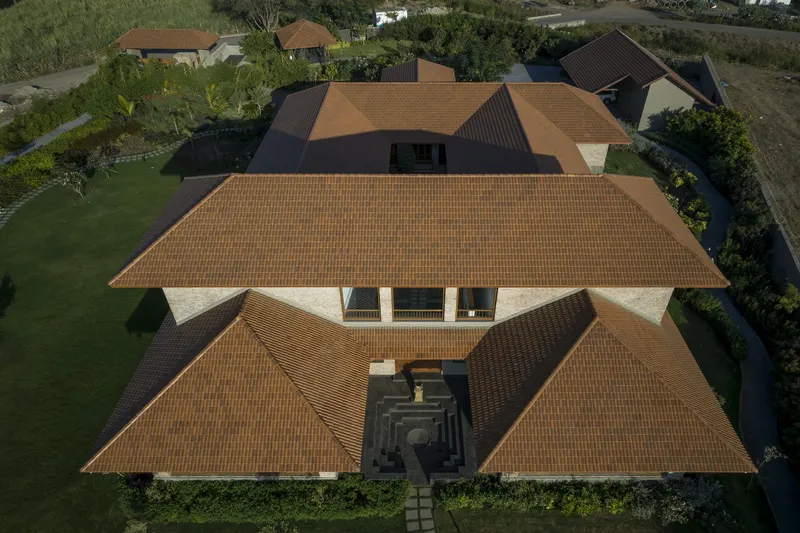
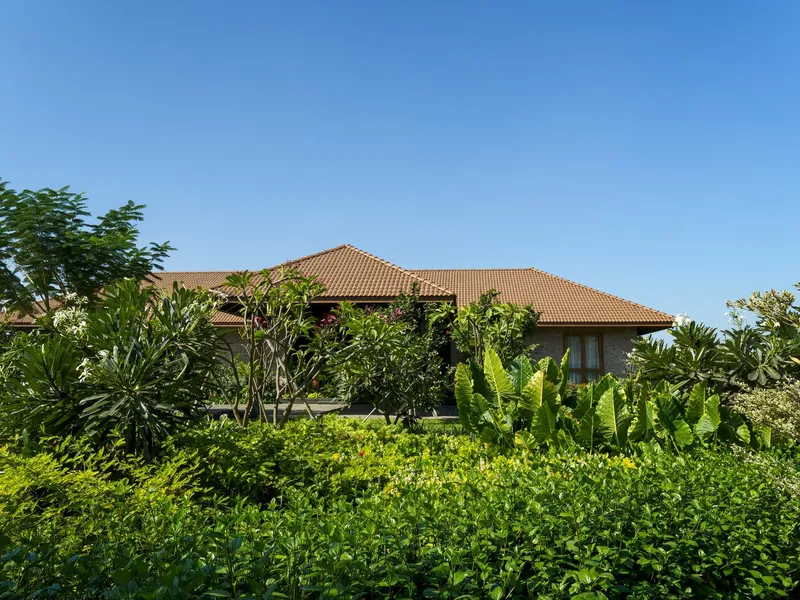
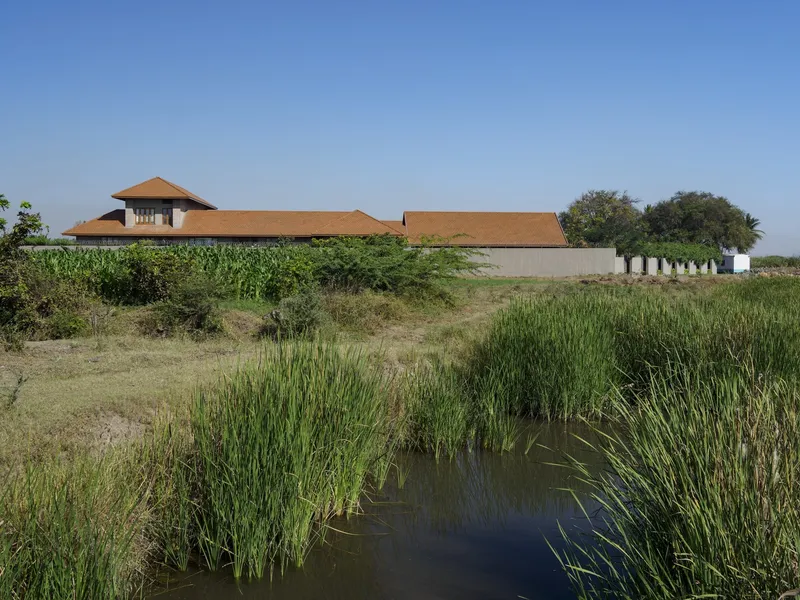
In the heart of rural India, nestled within the serene farmlands, lies a remarkable testament to the enduring beauty and wisdom of vernacular architecture. The House with Two Courts, designed by Studio Mahajani + Mahajani, is not just a structure; it's a celebration of traditional Indian architectural practices, reimagined for the modern era. This project exemplifies how vernacular architecture in India can be both a source of inspiration and a practical framework for contemporary design.
Blending Tradition with Modernity
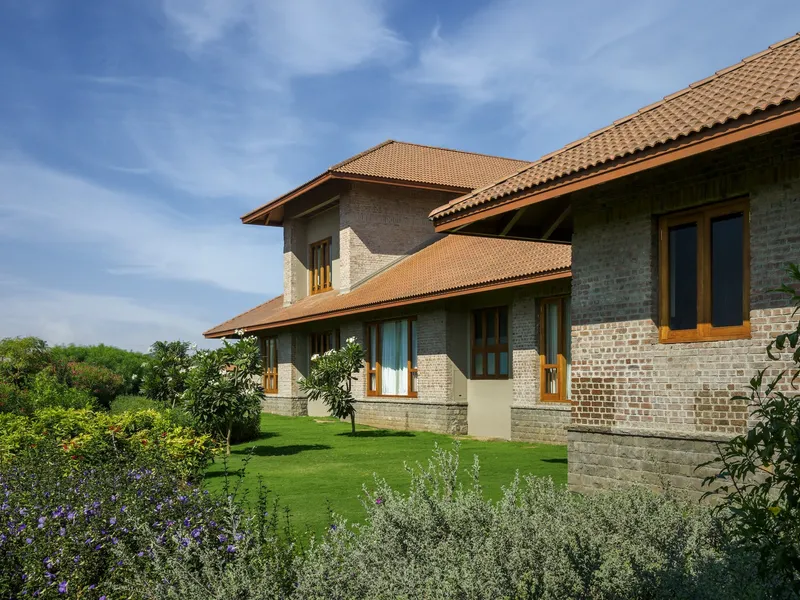
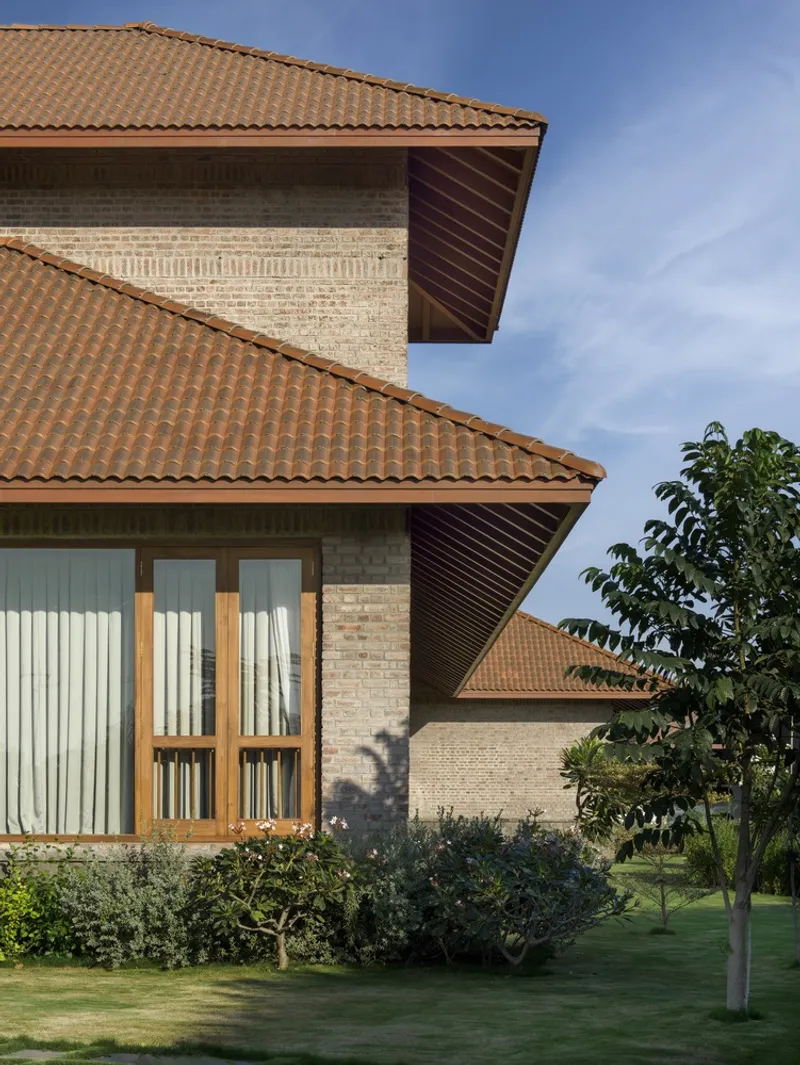
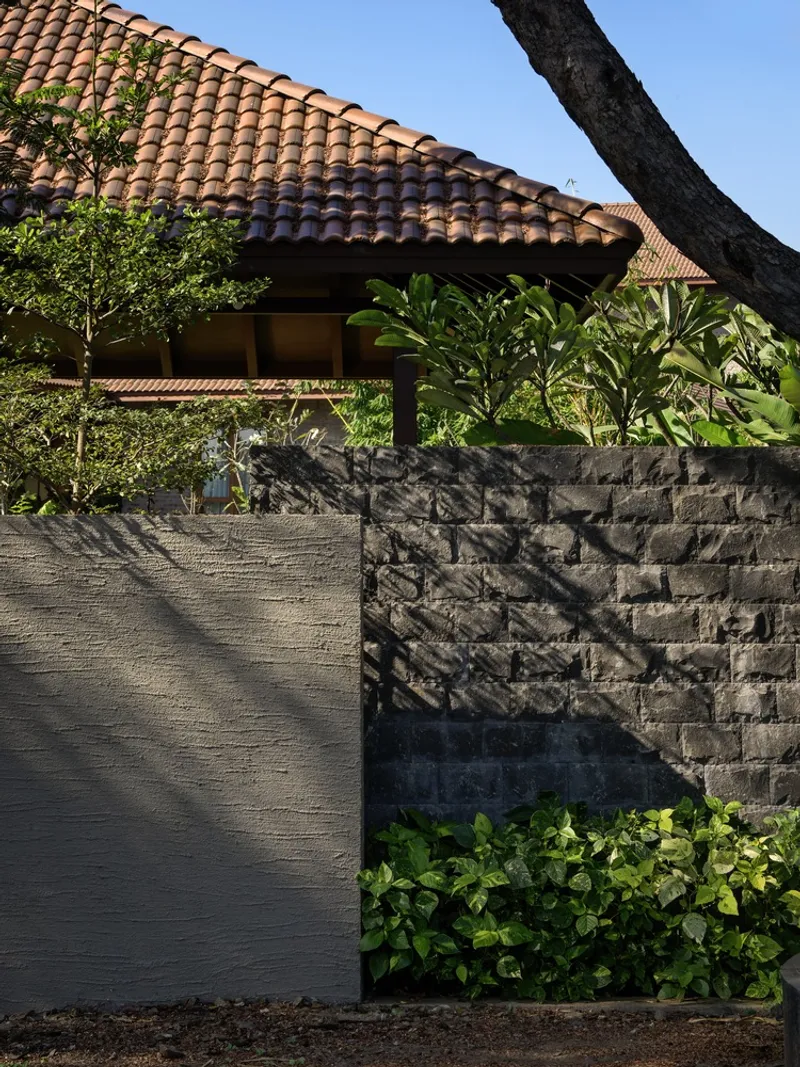
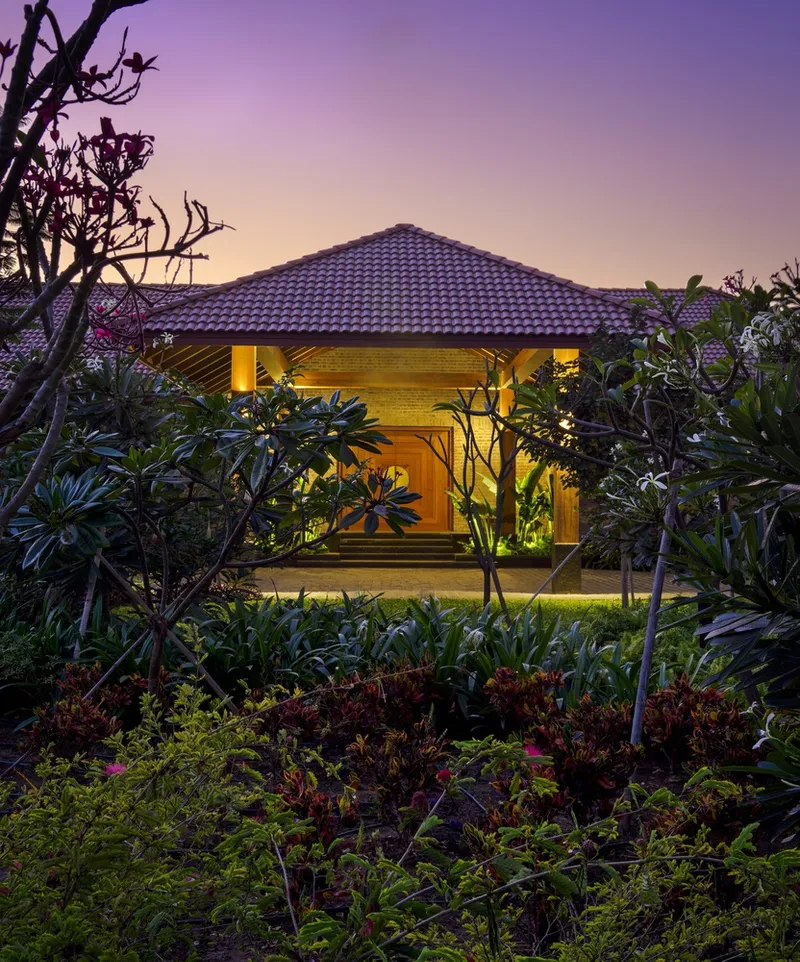
The House with Two Courts stands as a beacon of how modern architectural design can pay homage to traditional Indian vernacular styles. By integrating local materials like stone and brick, the project honors the earthy essence of its rural setting. The use of sloping roofs not only adds a new dimension to the village skyline but also resonates with the architectural language of the region, showcasing a seamless blend of old and new.
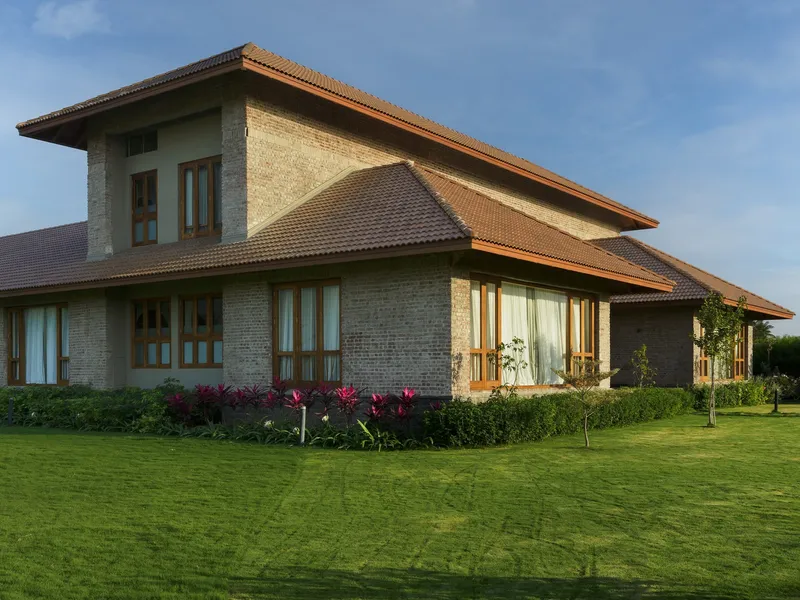
The Role of Courtyards in Traditional Indian Architecture
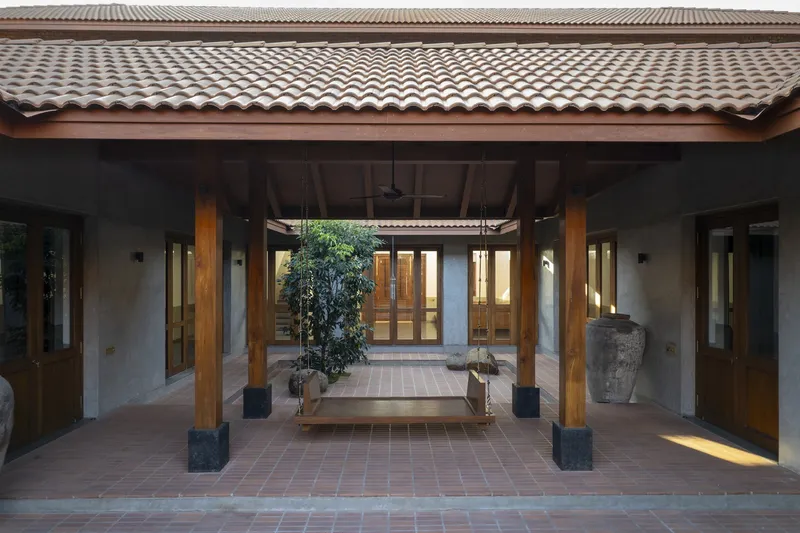
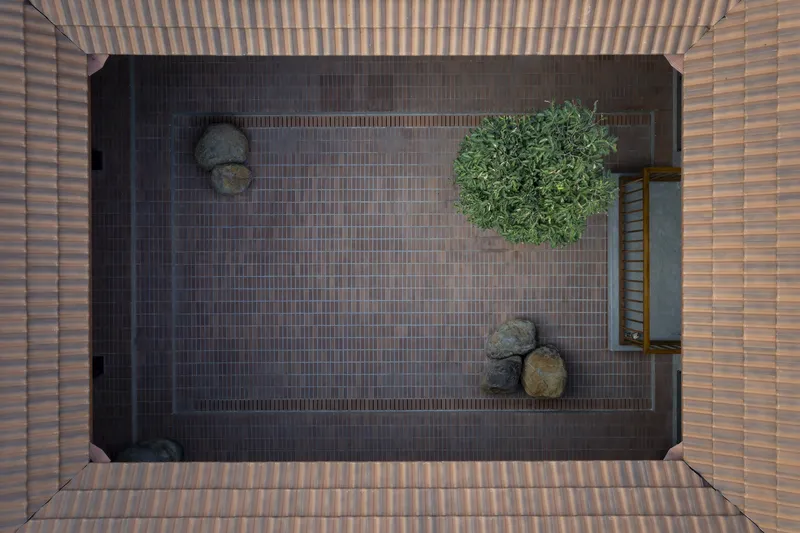
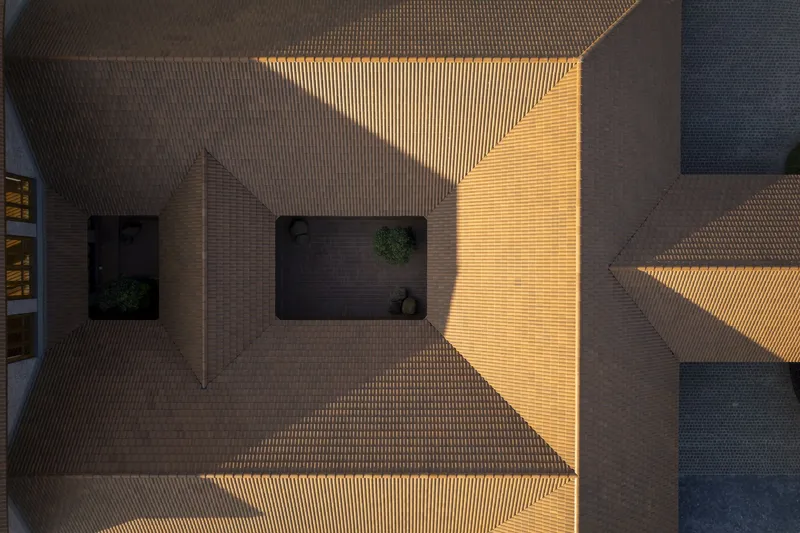
At the heart of this project are two beautifully designed courtyards, a staple of traditional Indian architecture. These open spaces serve as the lungs of the house, promoting natural ventilation and bringing in abundant natural light. The courtyards are not just functional elements but also spiritual and communal spaces that foster a strong connection with the outdoors, reflecting the rustic charm and tranquility of rural living.
Sustainable Practices in Vernacular Architecture
The House with Two Courts is a prime example of sustainable architecture. By employing locally sourced materials and techniques, the project reduces its environmental impact and supports local economies. The design's emphasis on natural lighting and ventilation further minimizes the need for artificial heating and cooling, showcasing how vernacular architecture in India is inherently sustainable.
Celebrating Craftsmanship and Tradition
Every element of the House with Two Courts tells a story of craftsmanship and tradition. The meticulous attention to detail in the stonework and brickwork reconnects inhabitants and visitors with the surrounding landscape and cultural heritage. This project underscores the importance of preserving traditional skills and knowledge, even as architects and designers strive to create spaces that are both innovative and respectful of the past.
The Future of Vernacular Architecture in India
The House with Two Courts by Studio Mahajani + Mahajani is a powerful reminder of the relevance of vernacular architecture in today's world. It proves that traditional design principles can offer valuable insights into creating sustainable, meaningful, and beautiful spaces. As we move forward, the principles of vernacular architecture in India will continue to inspire architects worldwide, guiding them in their quest to design buildings that are both rooted in tradition and poised for the future.
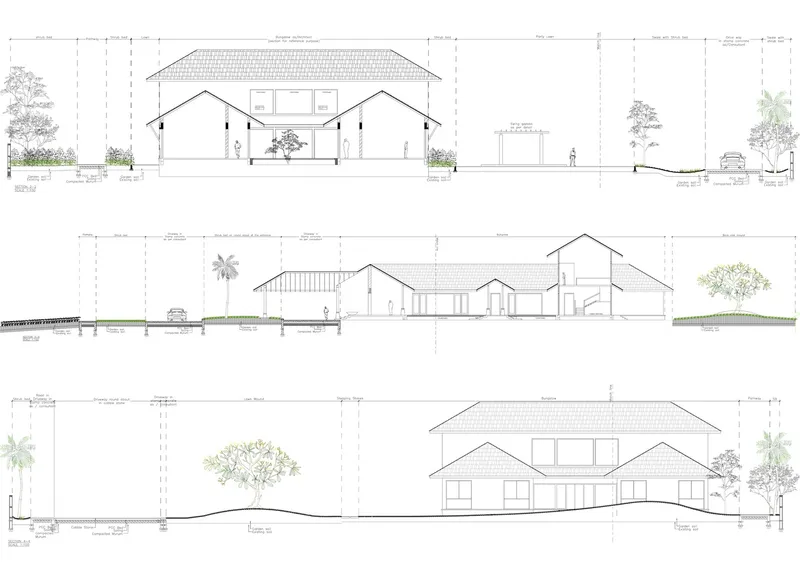
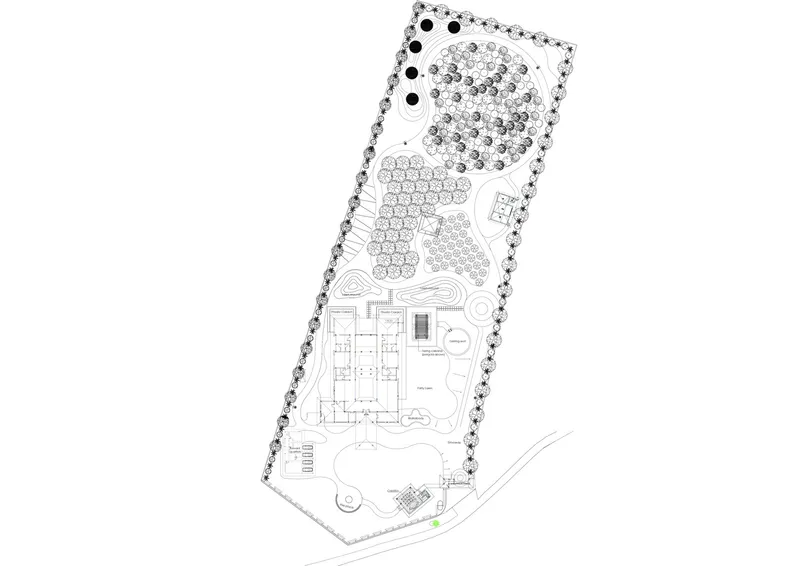
All photographs work of Hemant Patil


Popular Articles
Popular articles from the community


GROUP A Strips a 1969 Rotterdam Harbor Headquarters to Its Frame and Wraps It in Timber Louvers
In Rotterdam's M4H harbor district, Ferro Offices reuses a 1969 frame, adds one timber storey and reaches BREEAM-NL Outstanding.

U.GA Architects Wraps an Oval Rooftop Pool in Curved Board-Formed Concrete on Busan's Jeollidan-gil
In Busan's Jeonpo-dong, a 454 m² mixed-use block stacks a neighborhood facility, guest rooms and an oval rooftop pool inside spiraling concrete walls.

Juan García Correa, John González and Claudia Rueda Sink a Circular Amphitheater into a Manizales Engineering Building
On the La Nubia campus in Manizales, Colombia, the S1 Building folds labs and offices into a hillside of ramped lawns that double as a campus route.

Cube Design Draws an Ecological Corridor Between Two Shenzhen Hills with the Nankai Building
Beside Shenzhen's container docks, the Nankai Building pairs stacked balconies with a climbing green screen to connect two hillsides across its height.

Similar Reads
You might also enjoy these articles

Gil Mello Arquitetura Tilts a Single Roof Toward the Waterfalls on a Plateau Above Aiuruoca, Brazil
In Aiuruoca, Minas Gerais, a 200 m² house of local labor and reclaimed poles pairs a low valley veranda with a tall mountain one.
U.GA Architects Wraps an Oval Rooftop Pool in Curved Board-Formed Concrete on Busan's Jeollidan-gil
In Busan's Jeonpo-dong, a 454 m² mixed-use block stacks a neighborhood facility, guest rooms and an oval rooftop pool inside spiraling concrete walls.

Felipe Hess Arquitetos Turns a Blind Stone Wall to the Street and Opens a Brazilian House onto a Courtyard and Canal
A canal-front house in Brazil hides behind painted stone and planting, then opens to an olive-tree courtyard, a reed-ceilinged porch and a curving pool.

David Macias Steps a Doorless Stone and Plaster House Down a Tropical Colombian Hillside
In the humid hills of Colombia, Threshold House replaces the front door with an open void and terraces its 850 m² down the slope instead of fighting it.

Explore Vernacular Architecture Competitions
Discover active competitions in this discipline

Challenge to design mud housing for contemporary communities

Challenge to reimagine the Iron Throne

Photograph architecture without architects

Illustrate the lost glory of Angkor Wat - Render Challenge
Comments (0)
Please login or sign up to add comments
No comments yet. Be the first to comment!