
VERTICAL Building in Amsterdam: A Landmark in Sustainable Mixed-Use Architecture by Team Heijmans
VERTICAL is a sustainable mixed-use building transforming Amsterdam’s Sloterdijk district through ecological design, diverse housing, and shared urban living.


Redefining Urban Living in Sloterdijk Through Sustainable Mixed-Use Architecture
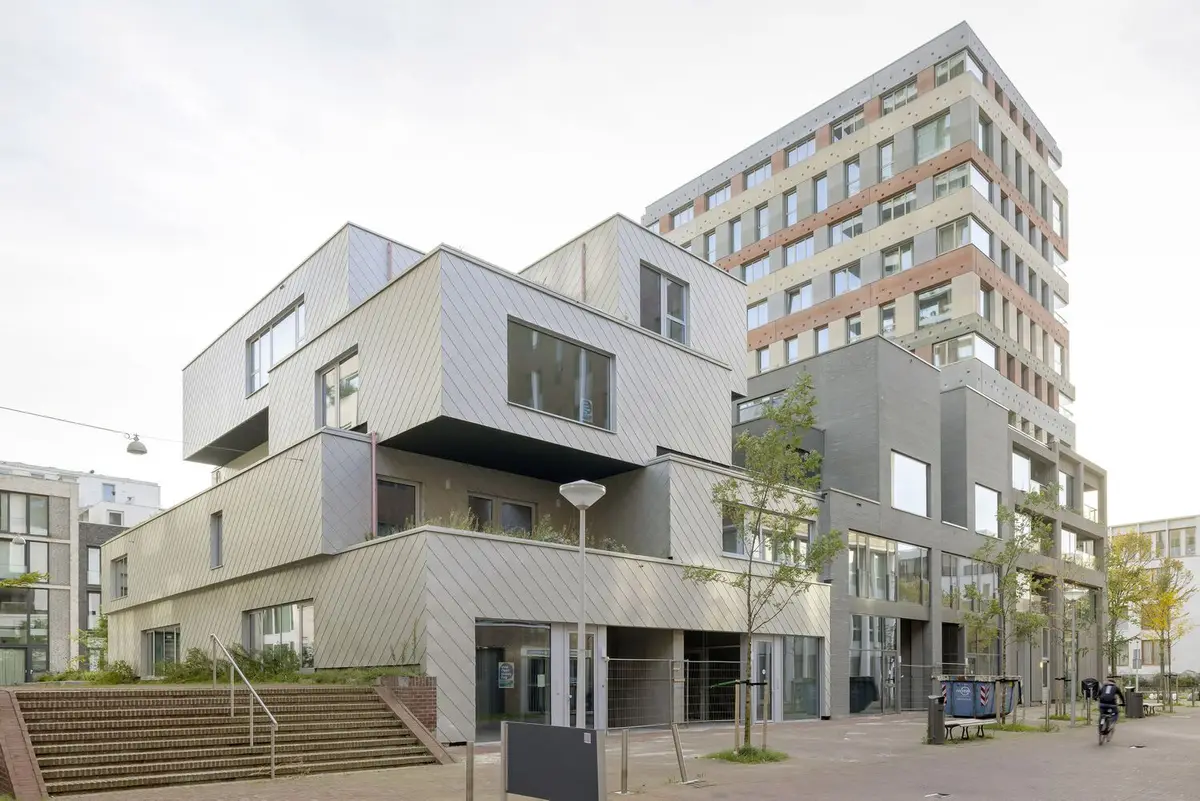
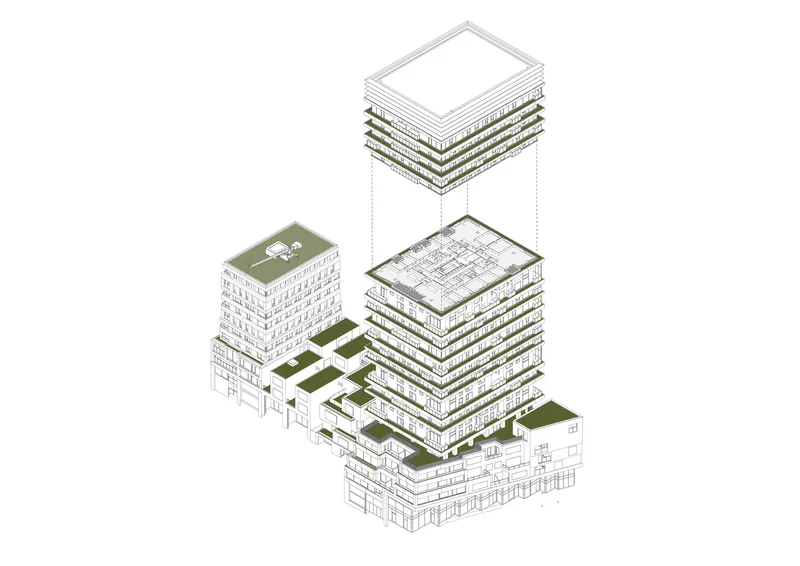
The VERTICAL Building in Amsterdam marks a significant turning point in the transformation of the Sloterdijk district. Conceived by a multidisciplinary collaboration of architects—NL Architects, Space Encounters, Studio Donna van Milligen Bielke, Chris Collaris Architects, VDNDP, and i29 architects—VERTICAL is a bold statement in sustainable mixed-use architecture. More than a residential project, VERTICAL is a manifesto that merges ecology, density, and community in one of the city’s most infrastructure-heavy zones.
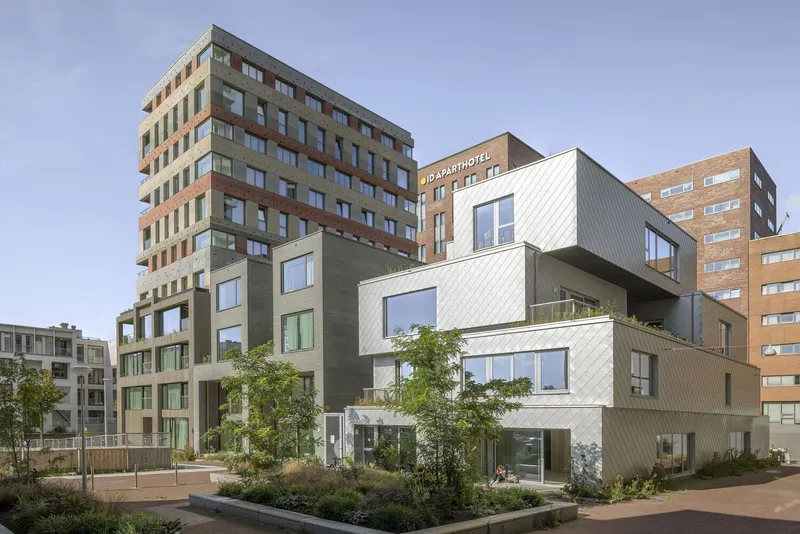
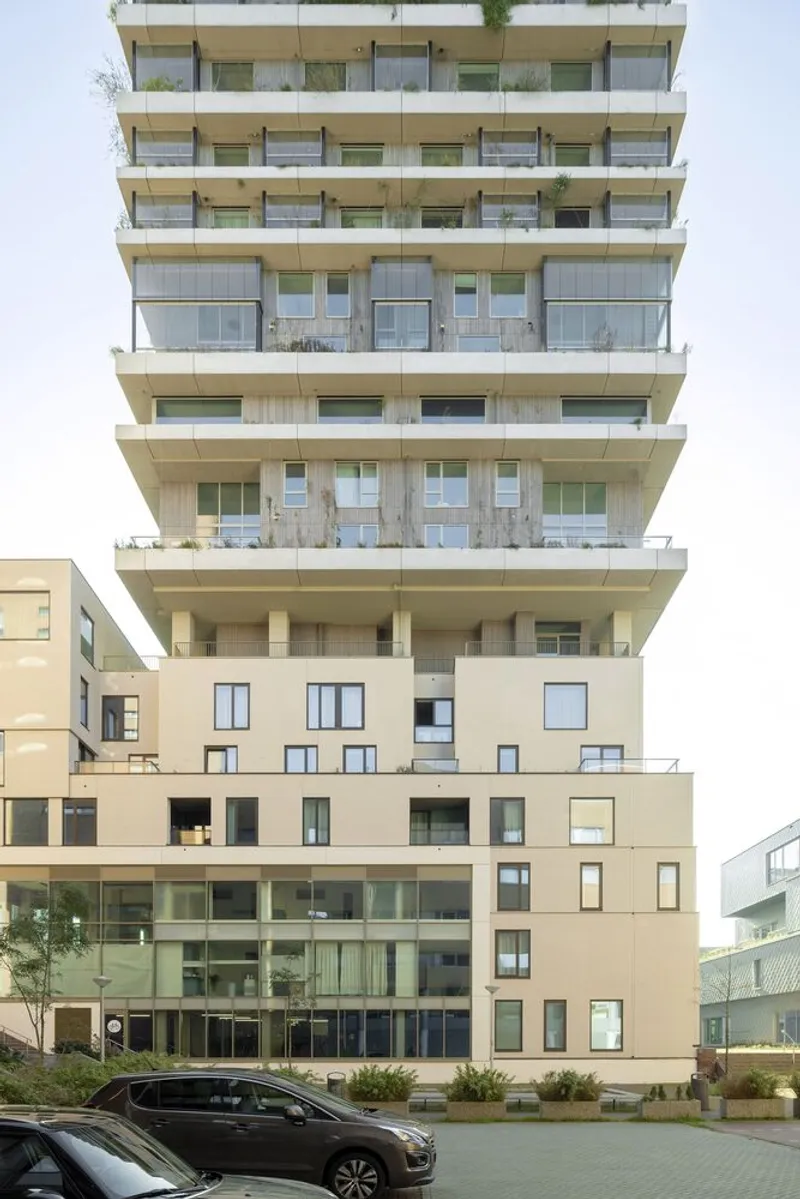
From Monofunctional Office Park to Vibrant Urban Habitat
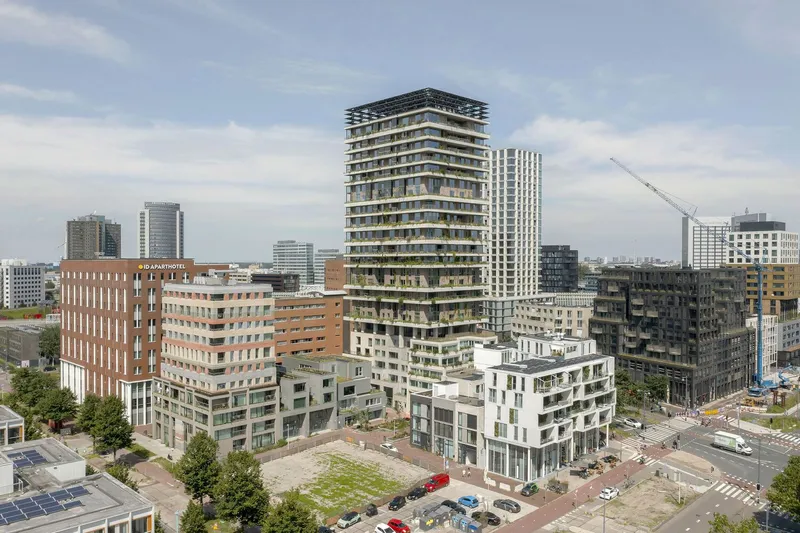
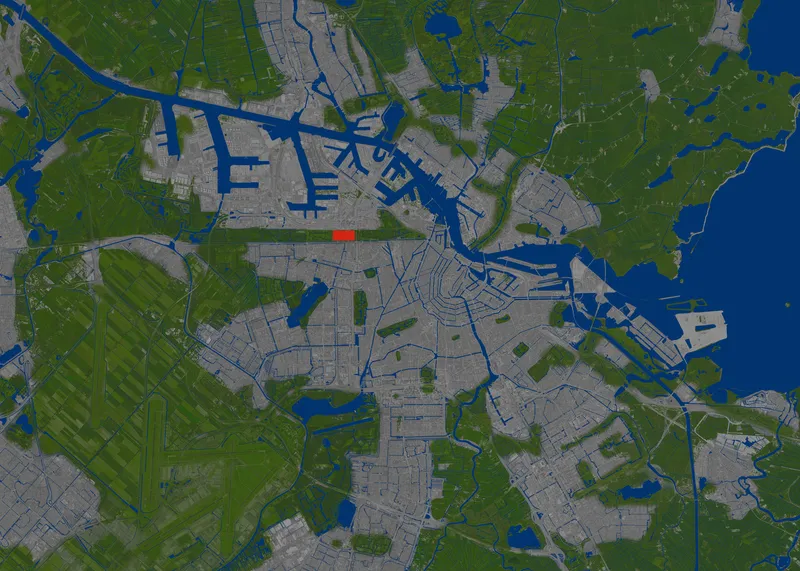
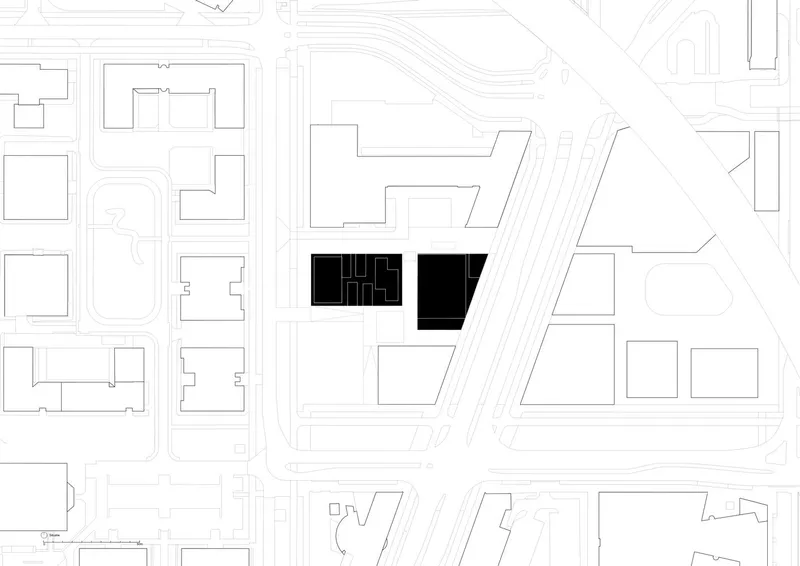
Located at the nexus of railway lines and Amsterdam’s ring road, Sloterdijk was once a business district dominated by defensive, mirror-clad office buildings. VERTICAL intervenes by introducing diversity, permeability, and vibrancy. The new urban plan by DOOR architects intensifies the site with residential towers and activated ground levels that align with the surrounding infrastructure. The project reframes the existing urban void as an opportunity for inclusive, forward-thinking living.
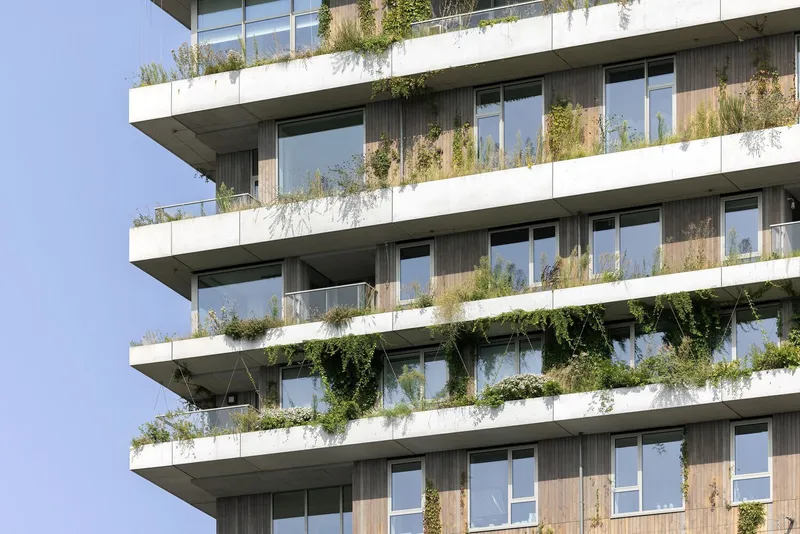
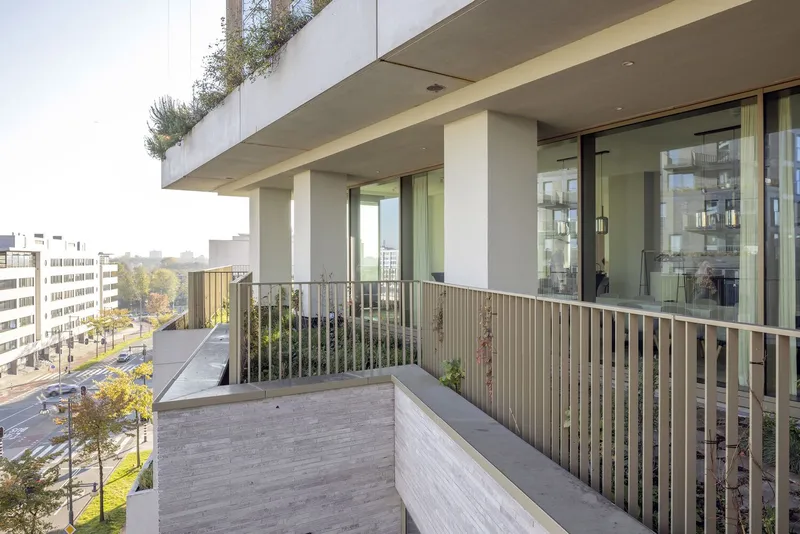
Biotope-Inspired Living: A Vertical Interpretation of Amsterdam’s Green Fingers
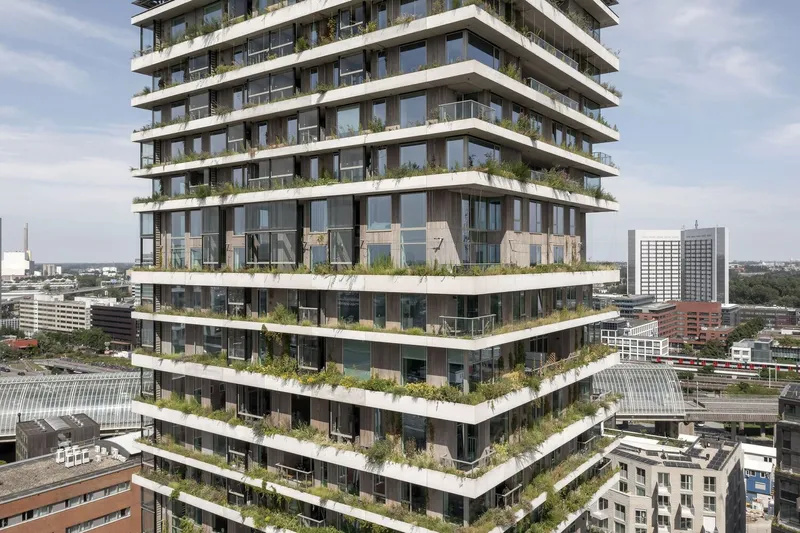
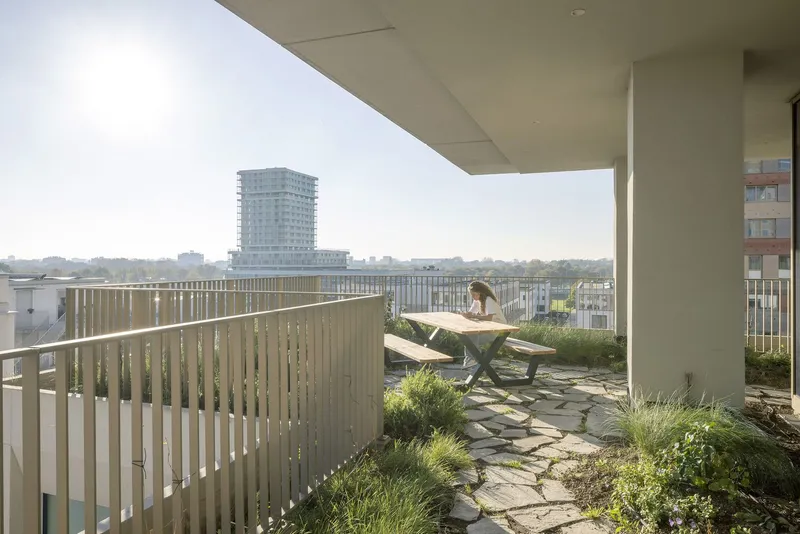
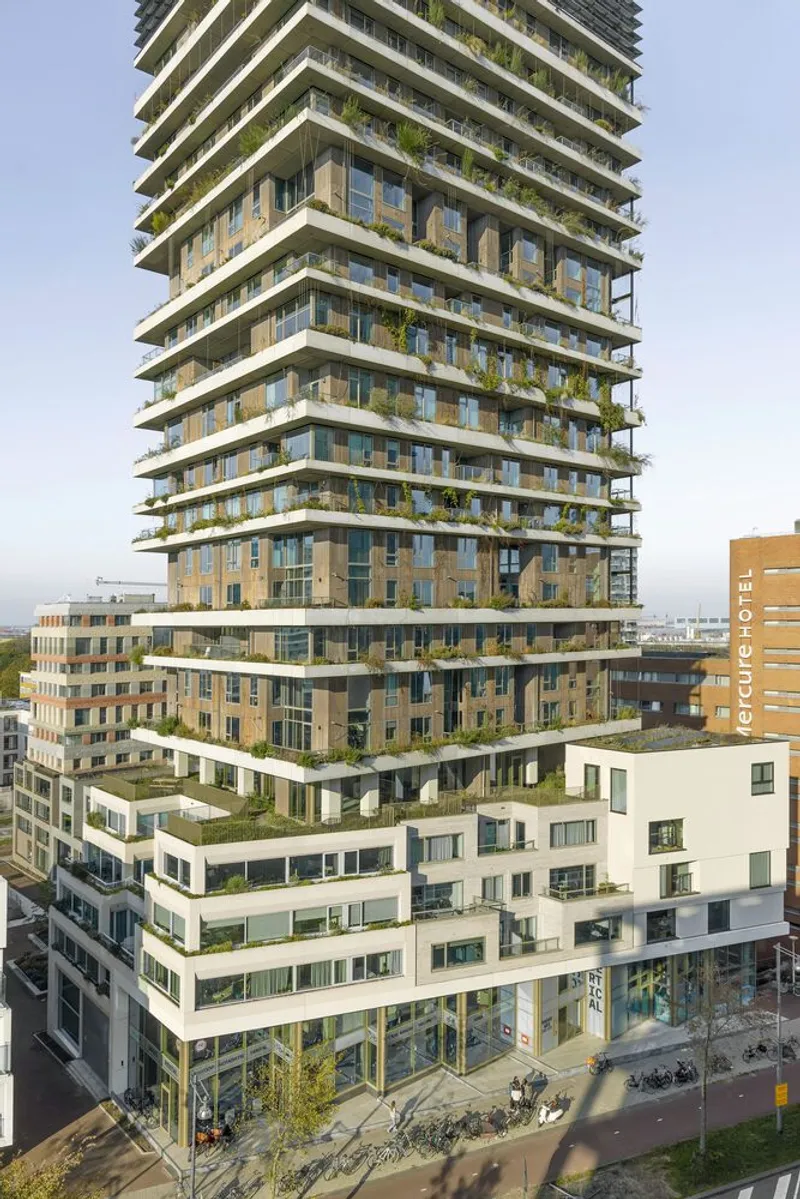
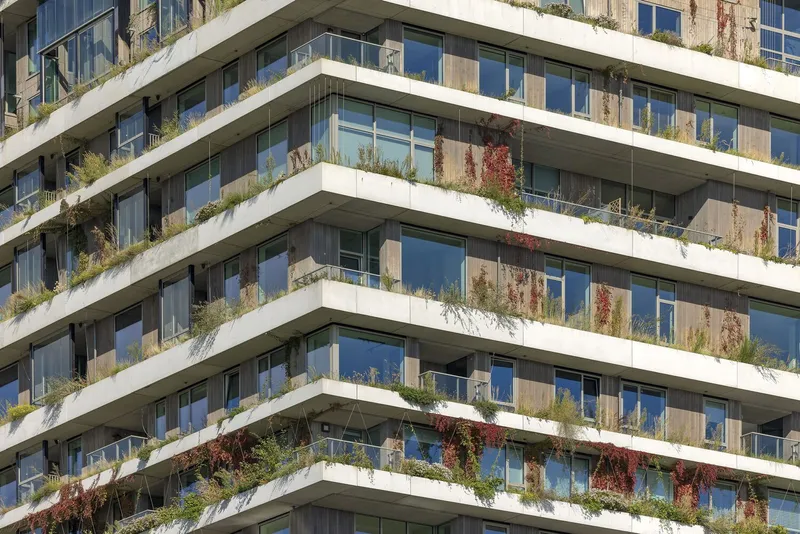
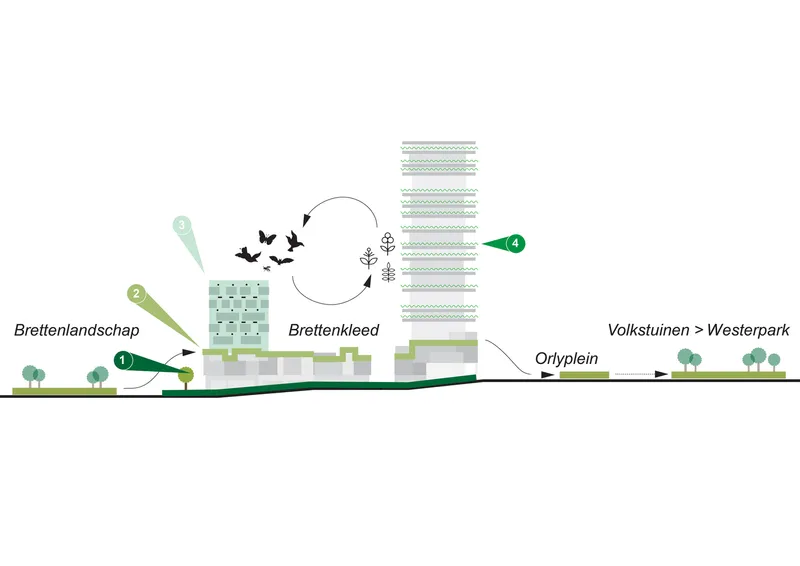
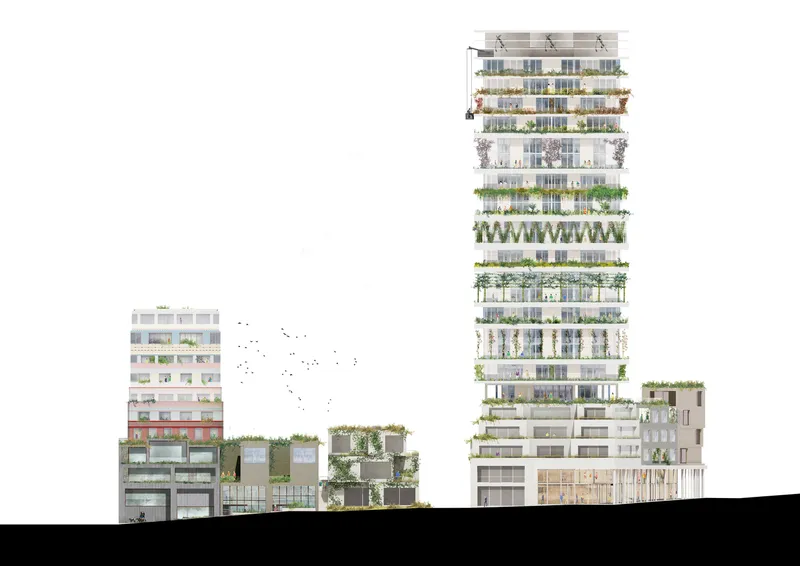
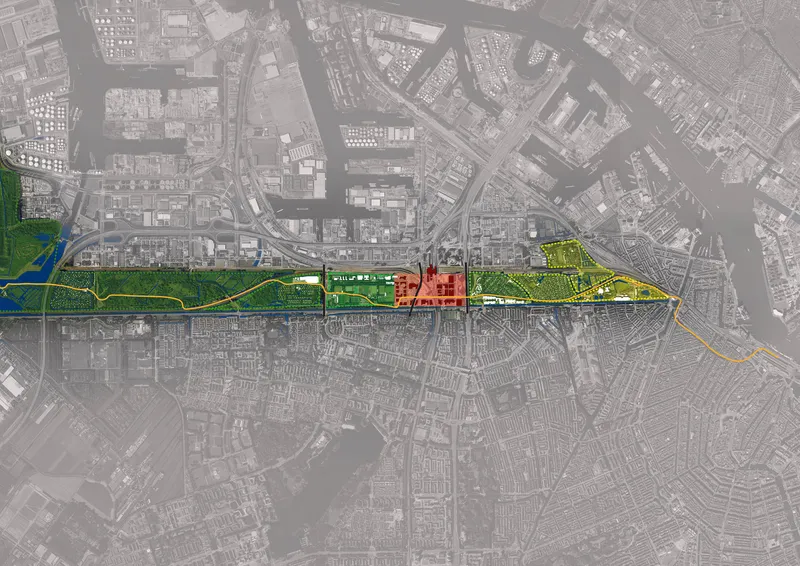
Set within the Brettenzone—one of the city’s famous green corridors—VERTICAL acts as a vertical extension of the landscape. The design resolves Sloterdijk’s interruption of green continuity by introducing vegetation and water retention systems throughout the structure. The result is a building that mimics the natural ecosystems of the Brettenzone, complete with nesting spaces for birds and insects, green terraces, and vertical gardens.
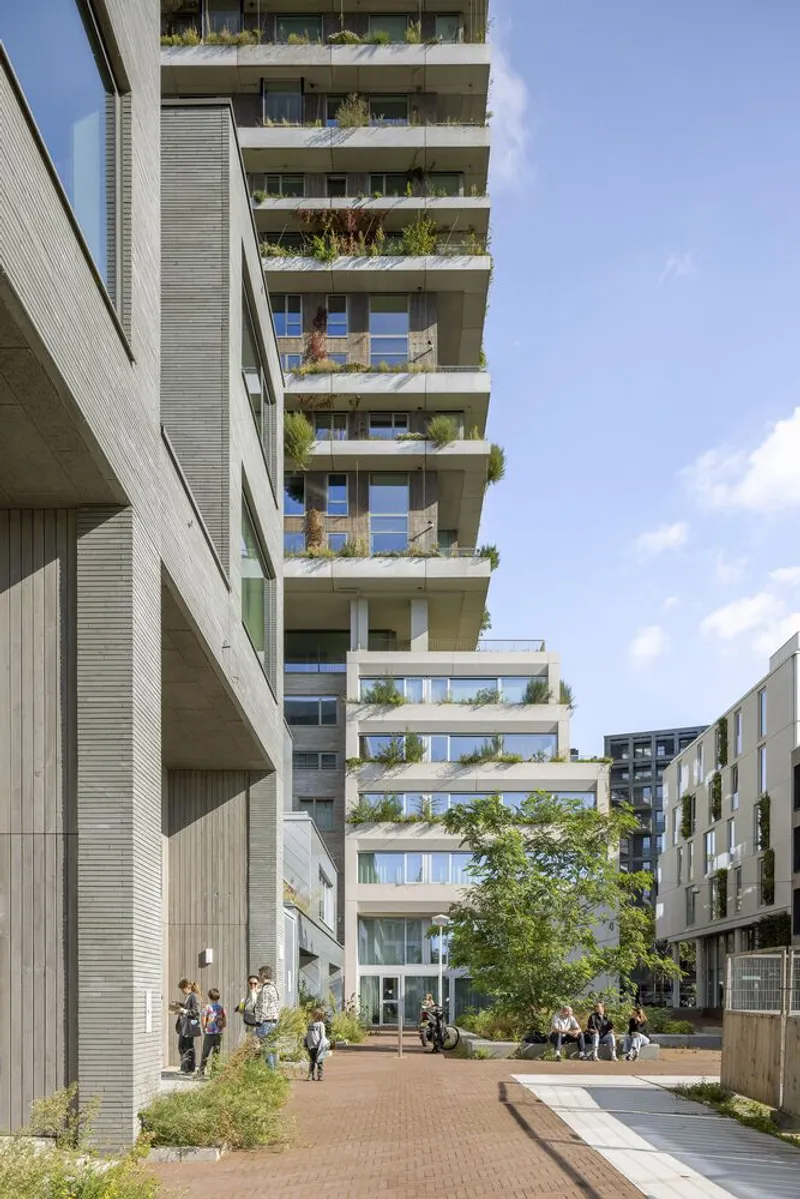
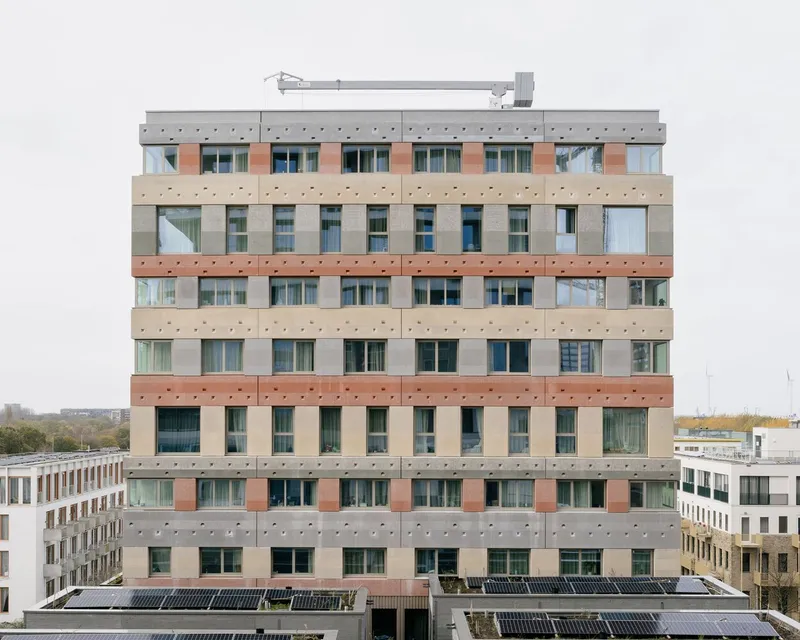
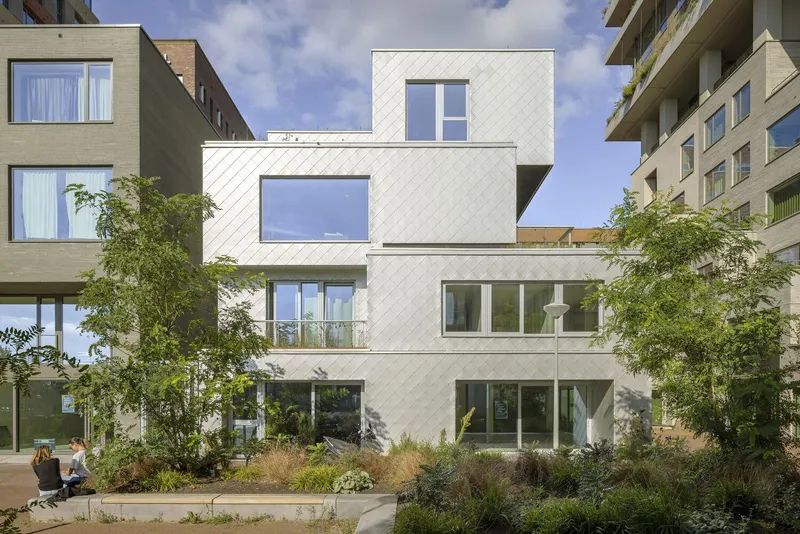
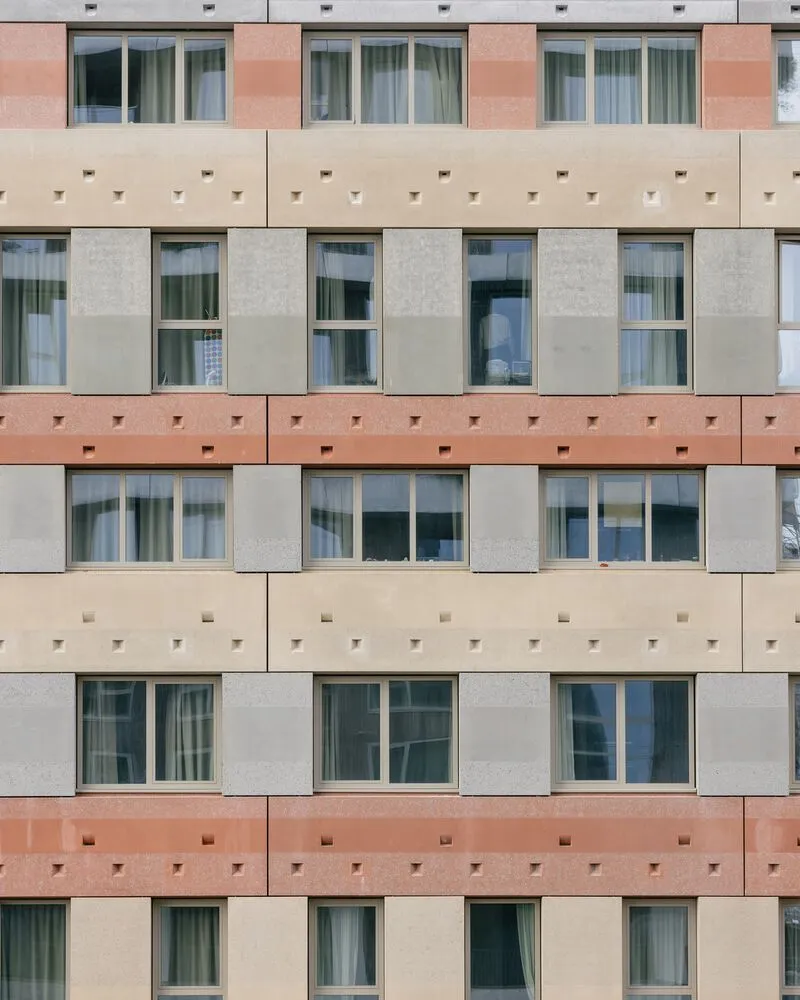
The building forms a living habitat. Façade-integrated planters and biodiversity-friendly design features invite a diverse array of species to coexist with residents, reinforcing ecological connections between Westerpark and the Bretten.
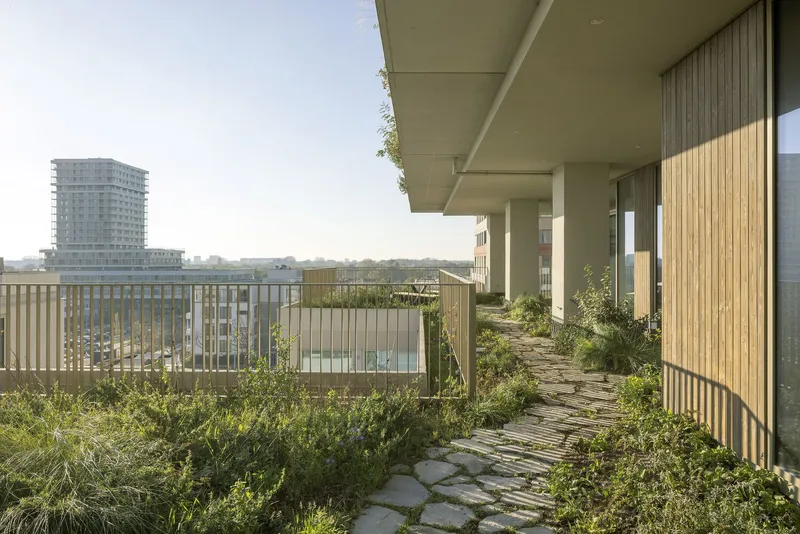
Diverse Housing Typologies for an Inclusive Community
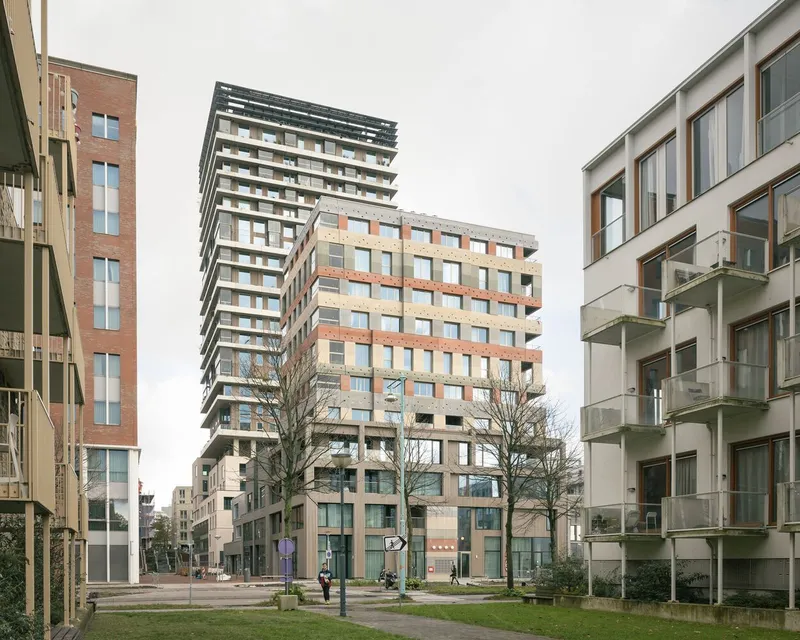
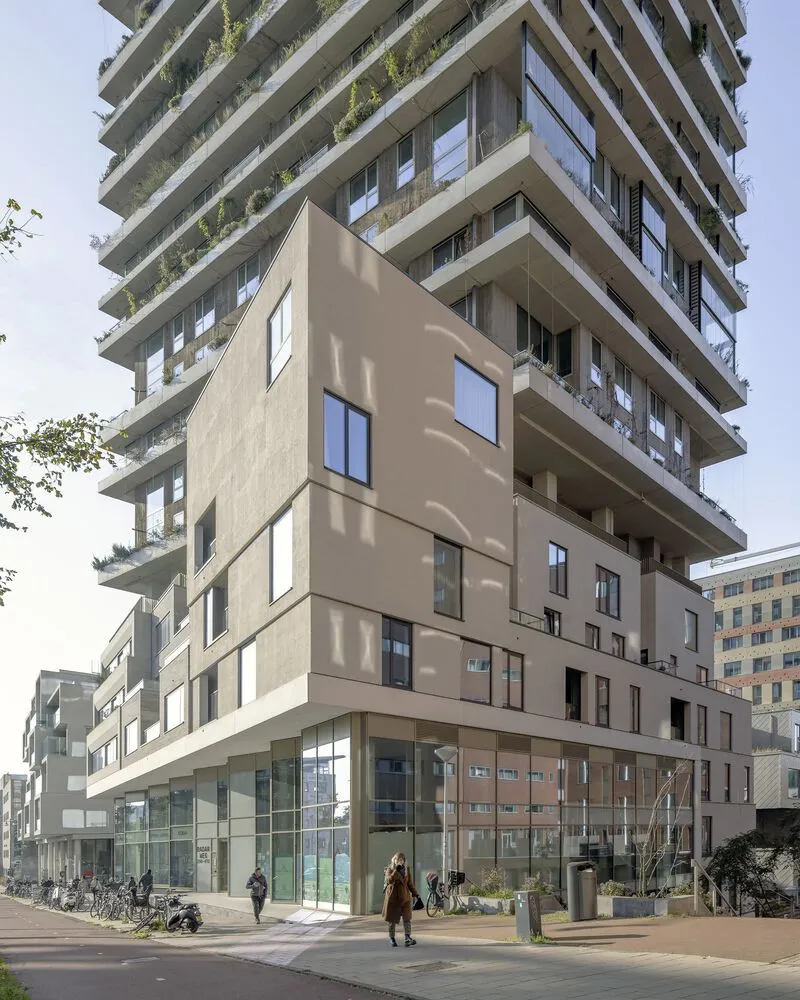
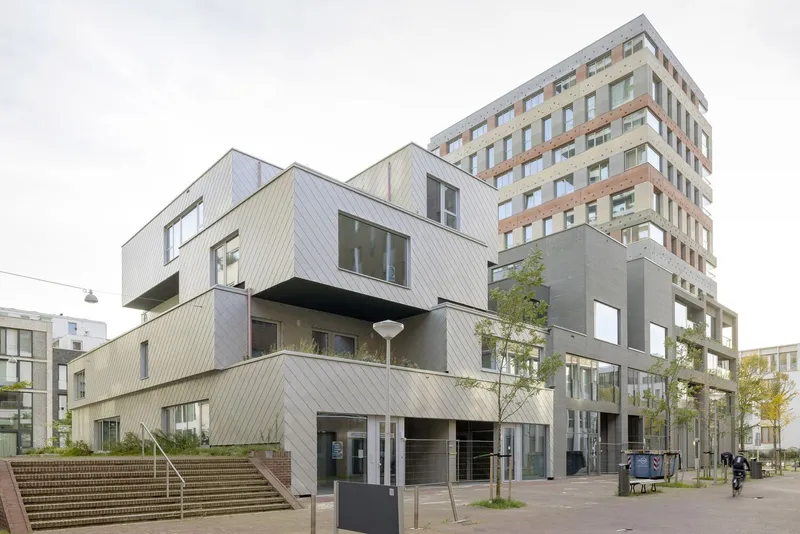
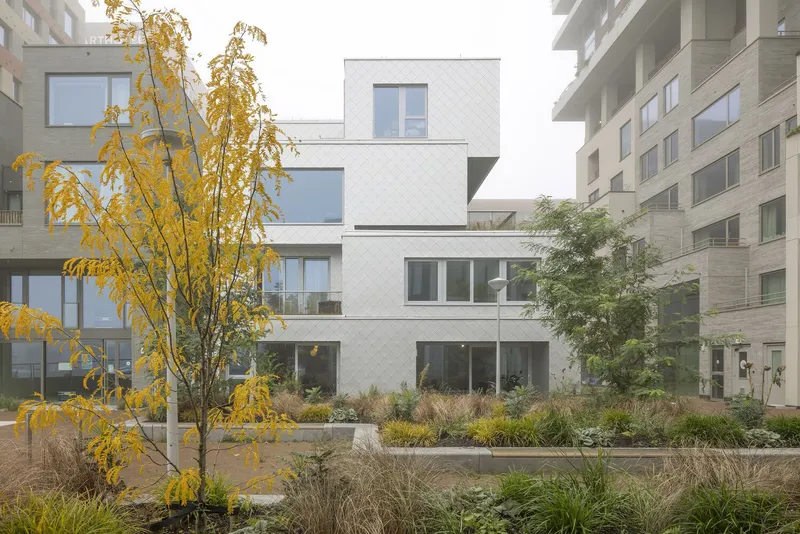
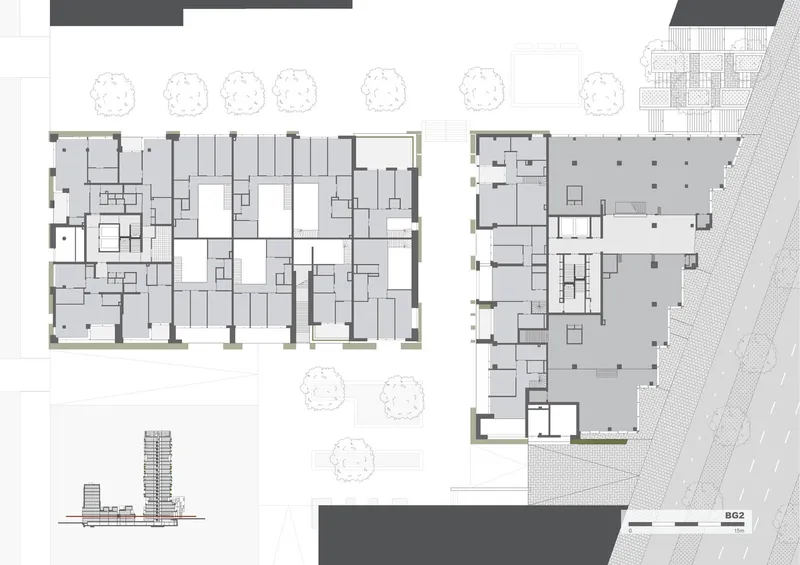
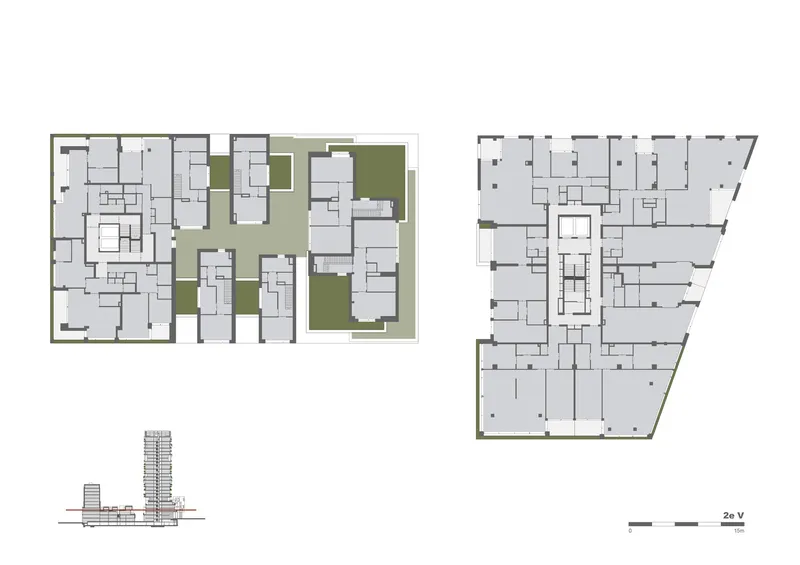
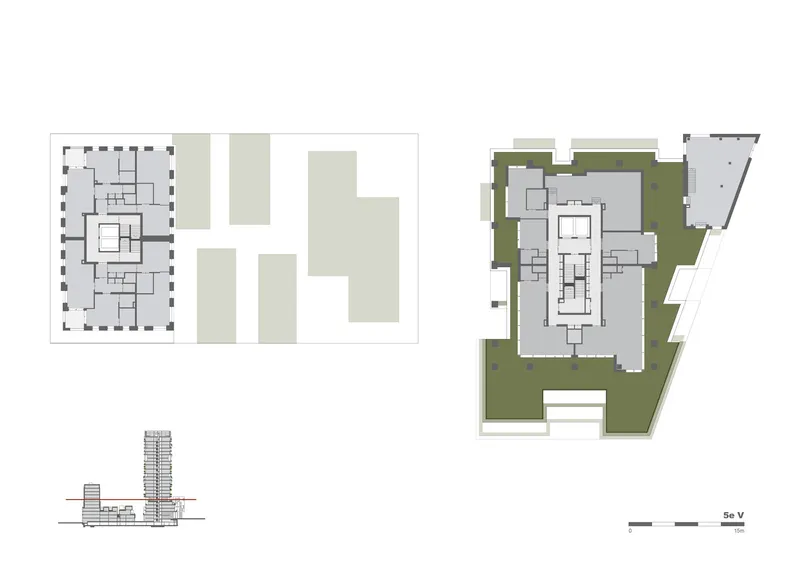
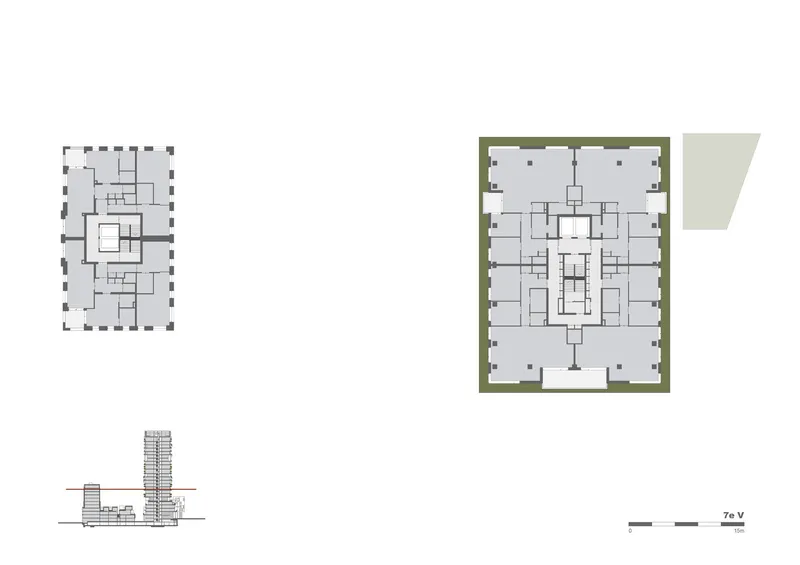
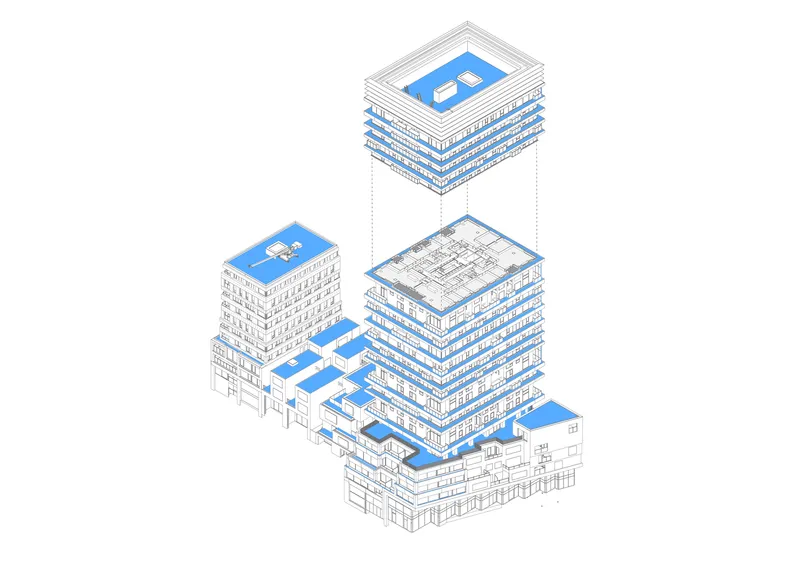
VERTICAL breaks away from the monotony of micro-units that characterize many urban housing projects. Instead, it offers an expansive range of unit types and sizes, encouraging a diverse community from the outset. Floor-to-floor heights range from 3 to 6 meters, enabling unique spatial experiences. Bi-directional lofts, layered facades, and free-standing units on elevated green decks ensure spatial variety and architectural character.
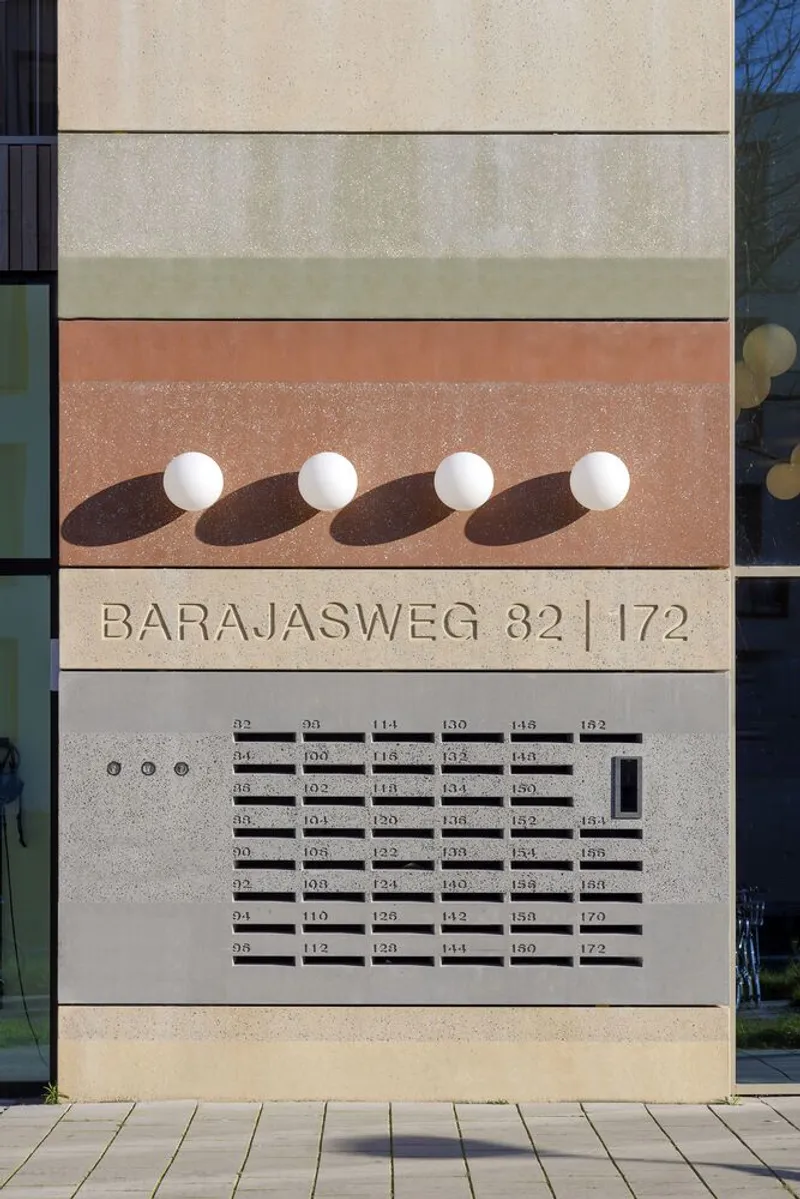
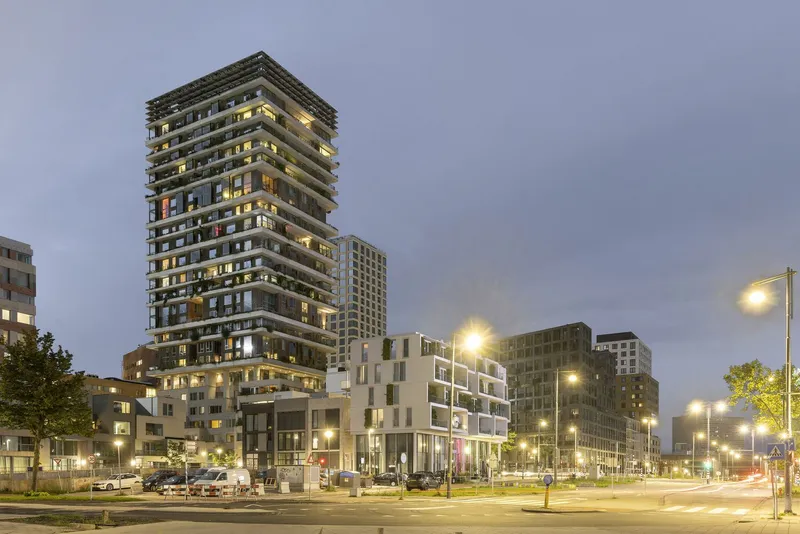
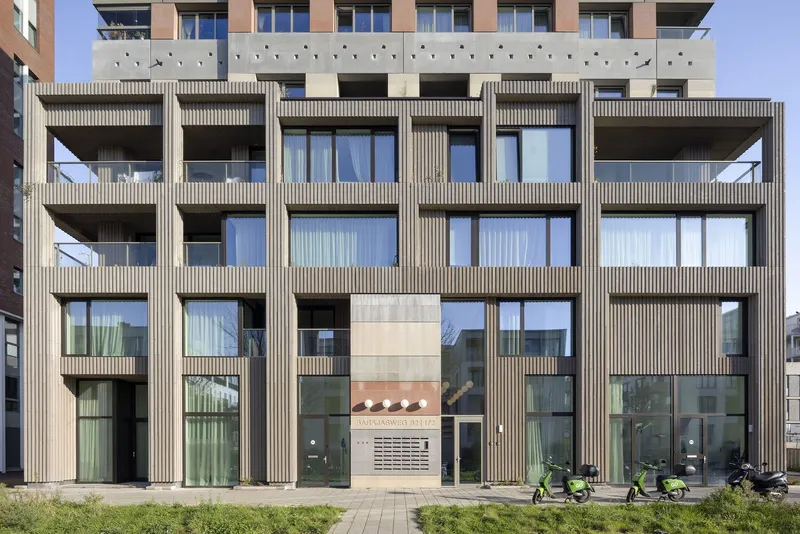

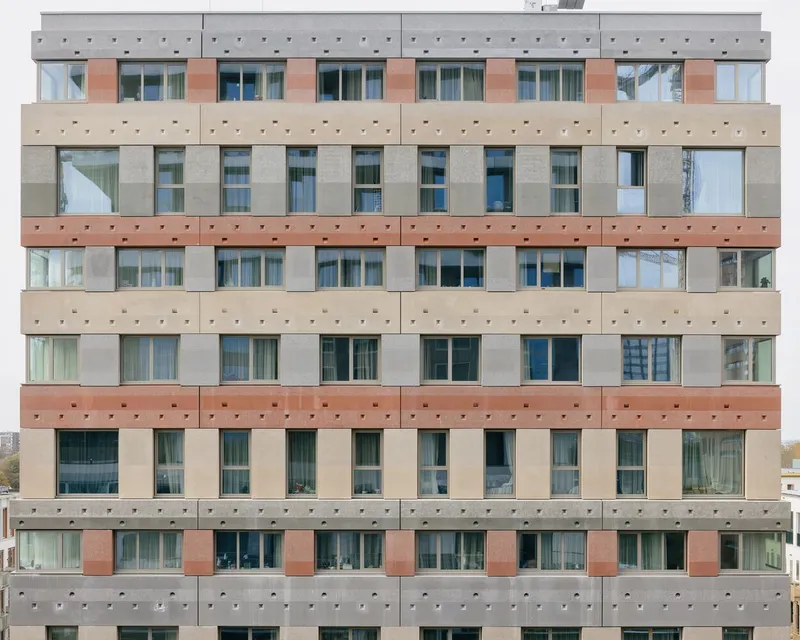
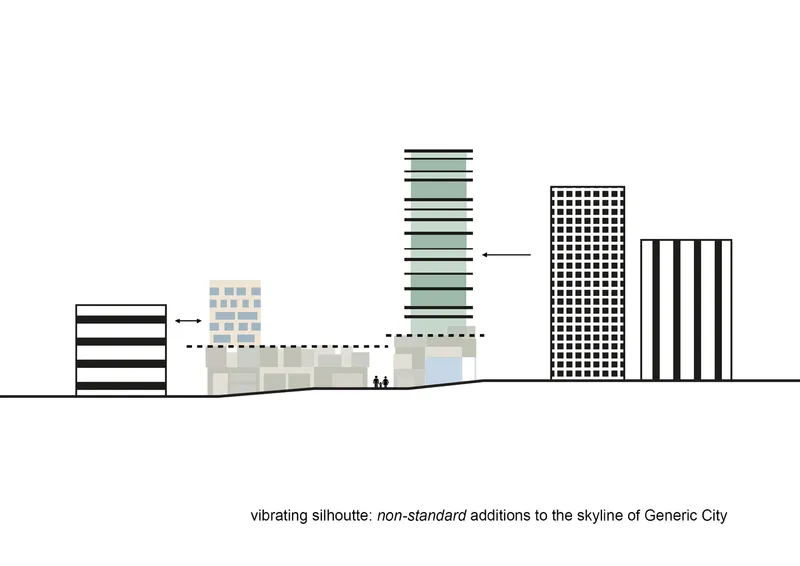
The building’s dynamic silhouette, defined by alternating materials and setbacks, enhances its visual identity while reinforcing its residential essence in an otherwise commercial district.
Shared Amenities That Foster Social Connectivity
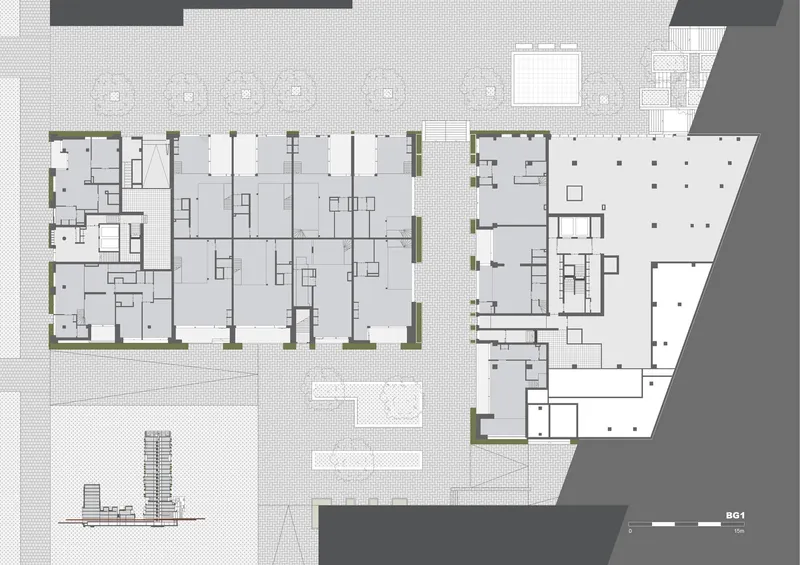
At the core of VERTICAL’s community-oriented approach is the Shared Living Space—a collective living room that includes a kitchen, lounge, guest rooms, workout space, and rooftop garden. This amenity encourages interaction, social cohesion, and flexible use of space for both Kavel N1 and N3 residents. The transparency of the lower levels also invites public engagement through commercial and communal programs, creating a bridge between private life and urban vitality.
Architecture as Climate Infrastructure
Sustainability is woven into every aspect of the VERTICAL Building. It employs passive solar design, geothermal energy, and a solar crown to reduce energy consumption. The building incorporates a sophisticated water management system that can store up to 330 cubic meters of rainwater—well beyond regulatory requirements. This water nourishes the vegetation via capillary action and is released gradually to prevent flooding, contributing to Amsterdam’s Rain Proof initiative.
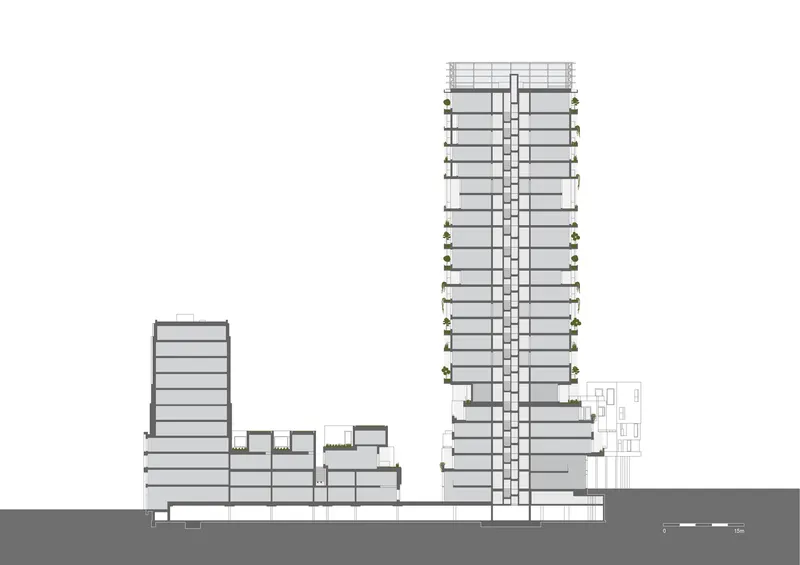
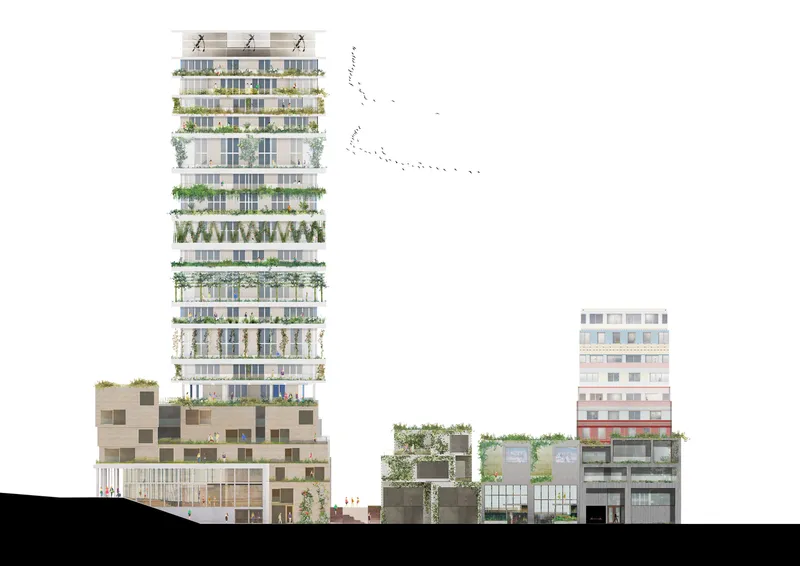
The vegetation mitigates heat island effects, filters air pollutants, and supports cooling through evapotranspiration, enhancing comfort for both residents and the broader environment.
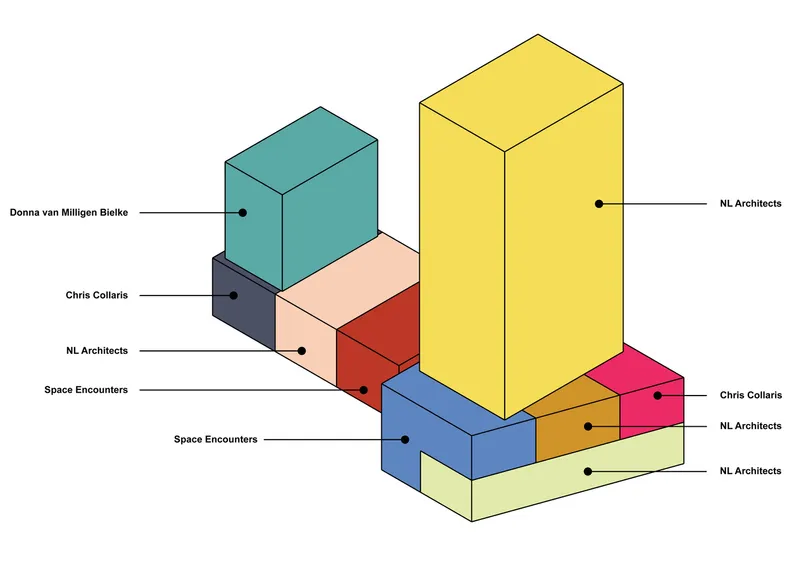
Cultivated Ecologies in a Stacked Urban Landscape
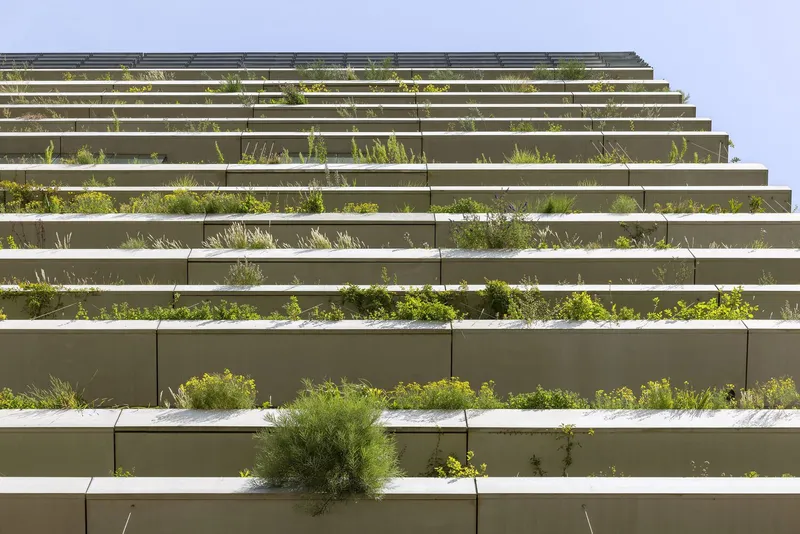
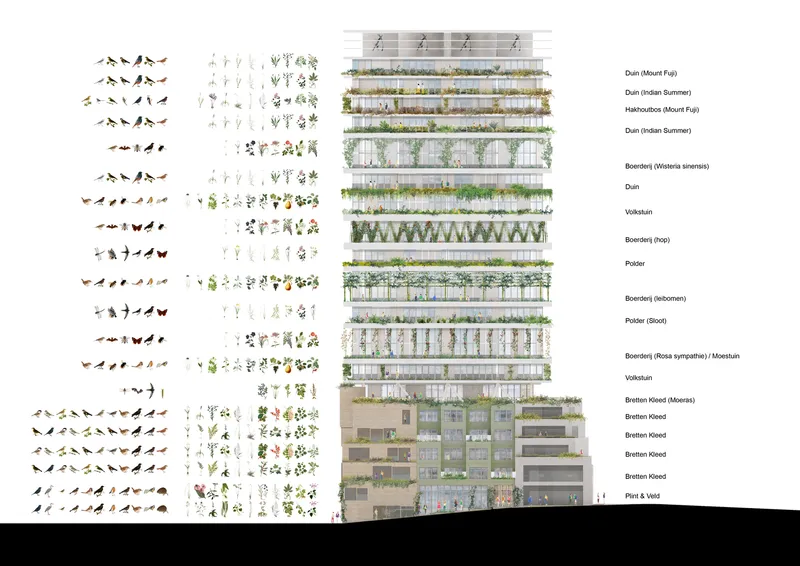
VERTICAL doesn’t just accommodate greenery; it curates it. Each floor of the eastern tower is designed as a cultivated layer, interpreting landscapes like allotment gardens, swamps, polders, and forests. Different soil depths and planting schemes support a diversity of flora and fauna, creating a microcosm of Amsterdam’s ecological heritage in vertical form.
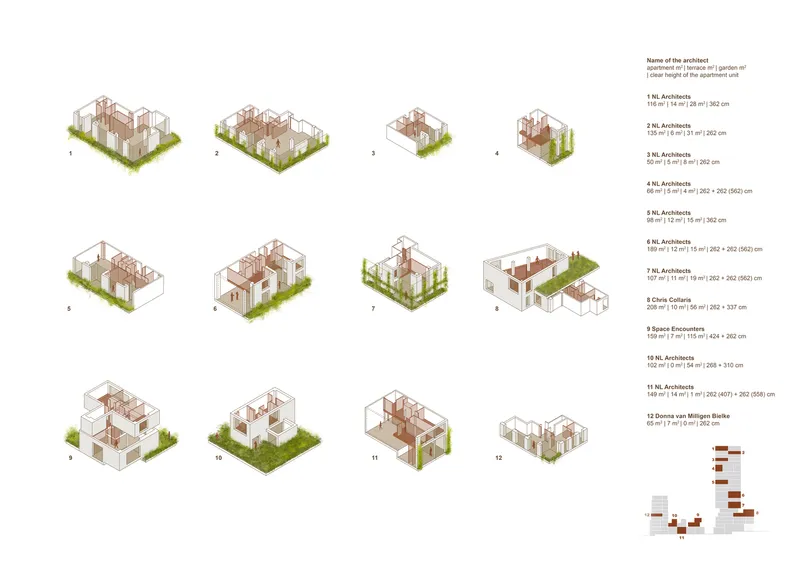
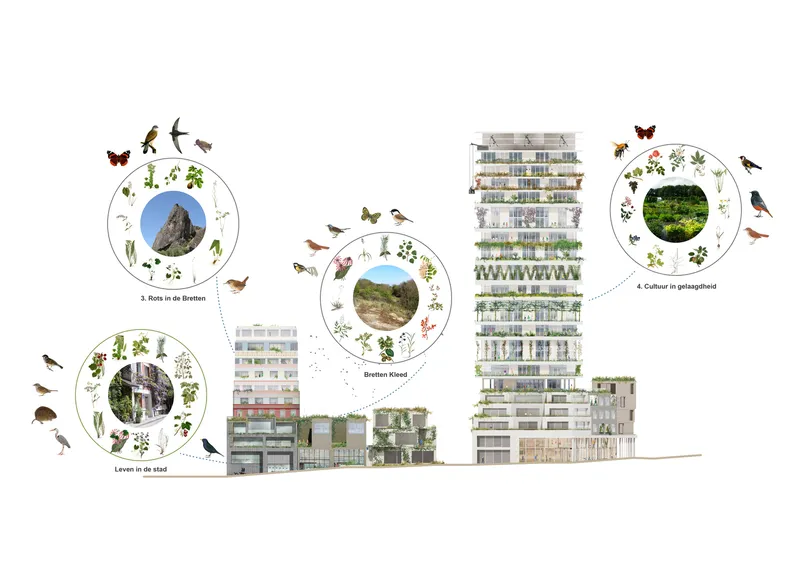
This multilayered landscape not only serves as habitat but also as urban infrastructure, buffering climate extremes and enriching the visual and environmental quality of the city.
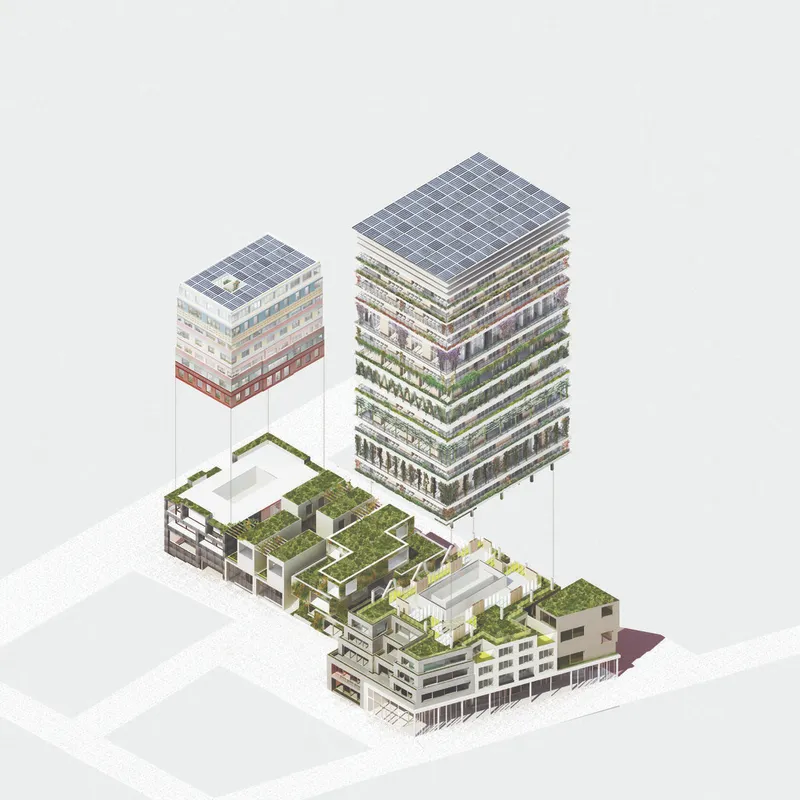
An Evolving Ecosystem and Social Model
VERTICAL’s long-term vision relies on stewardship and adaptability. Residents are encouraged to engage with the building’s ecological systems, forming a responsive maintenance model that supports continued biodiversity. This participation fosters social interaction and community pride, reinforcing VERTICAL as not just a place to live, but a way to live.
VERTICAL as a Model for Future Cities
The VERTICAL Building redefines sustainable mixed-use architecture. It represents an integrated approach to urban renewal—addressing climate resilience, social diversity, and ecological repair. As cities worldwide grapple with density, ecological fragmentation, and social isolation, VERTICAL provides a replicable model that fuses architecture, landscape, and community into a sustainable whole.
All photographs are works of Marcel van der Burg, Stijn Bollaert


Popular Articles
Popular articles from the community


Co-Life: Senior Housing Design That Reconnects Older Adults With the City
Co-Life reimagines senior housing design through healing gardens, shared streets, workshops, and a sustainable community across generations.

The Ocean Hive: Sustainable Architecture for a Self-Sufficient Civilization at Sea
The Ocean Hive imagines sustainable architecture at sea, where modular habitats, algae, wave power and ocean waste sustain a growing colony.
ALGAL REALM: A Bio-Integrated Lunar Habitat Design for Life Beyond Earth
ALGAL REALM reimagines lunar habitat design with algae-powered life support, 3D-printed regolith, and vertical living for a lunar future.

Little Red Riding Hood: Architectural Design as a Journey Through Fear, Light, and Storytelling
Little Red Riding Hood reimagines the fairy tale through architectural design shaped by fear, light, scale, memory, uncertainty, and choice.

Similar Reads
You might also enjoy these articles

FAMM Arquitectura Organizes Ten Villas Around Courtyards and Jungle in Nosara, Costa Rica
El Molino pairs two elongated volumes with deep overhangs and timber louvers to build a compact coastal community five minutes from the beach.
Oscar Niemeyer's Ibirapuera Park Pavilions Define São Paulo's Cultural Identity in Concrete and Curve
A constellation of modernist volumes set within São Paulo's most important urban park, conceived for the city's 400th anniversary in 1954.
Sanjay Puri Architects Wraps a Jaipur Office Tower in Capsule-Shaped Green Buffers
A nine-level climate-responsive workplace near Jaipur Airport uses stacked planter terraces and aluminium screens to fight 40°C heat.
RHO Converts a Berlin Spree-Side Industrial Courtyard into Enkime's 1,000 m² Agency Headquarters
A social media agency's new home in Charlottenburg trades glossy branding for concrete waffle ceilings, glazed tile, and sheer curtains.

Explore Vertical Zoning Competitions
Discover active competitions in this discipline

Challenge to reimagine the Iron Throne

Photograph architecture without architects

Illustrate the lost glory of Angkor Wat - Render Challenge

Design challenge to reuse E-waste
Comments (0)
Please login or sign up to add comments
No comments yet. Be the first to comment!