

Waterfront Restaurant Design: Talaga Sampireun Bali by K-Thengono Design Studio
An exploration of Talaga Sampireun Bali by K-Thengono Design Studio, highlighting its innovative waterfront restaurant design and immersive dining experience.


Talaga Sampireun Bali, designed by K-Thengono Design Studio, reimagines the experience of lakeside dining with a harmonious blend of tradition, nature, and contemporary design. Located in Kecamatan Kuta, Indonesia, this 1950 m² restaurant, completed in 2024, offers a unique and immersive dining experience that celebrates the essence of a traditional Indonesian village by the water.
Project Overview
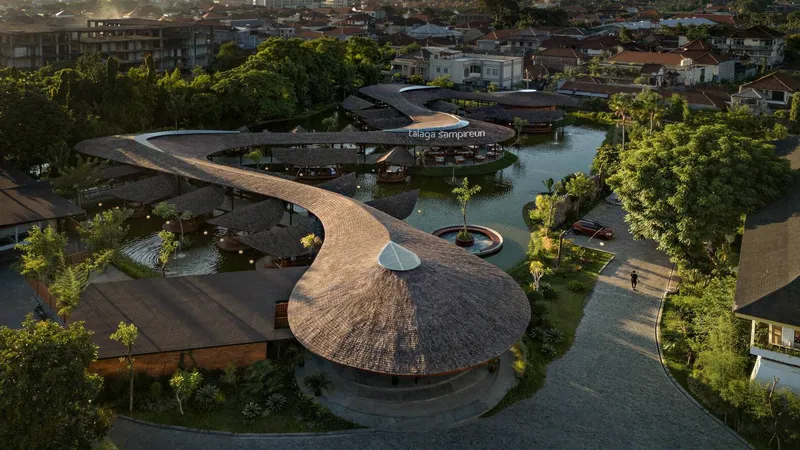
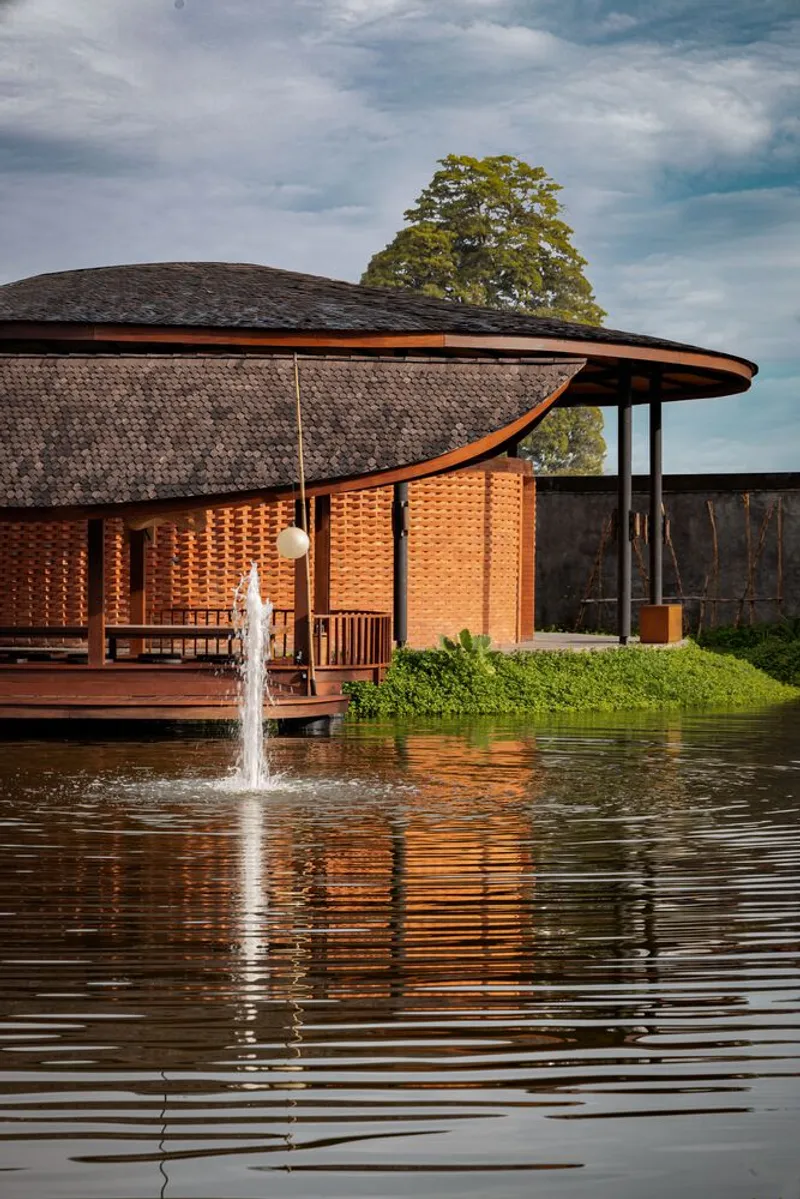
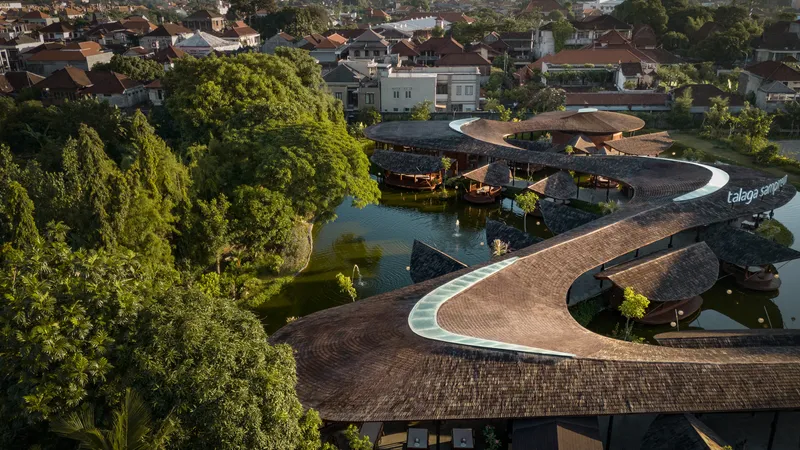
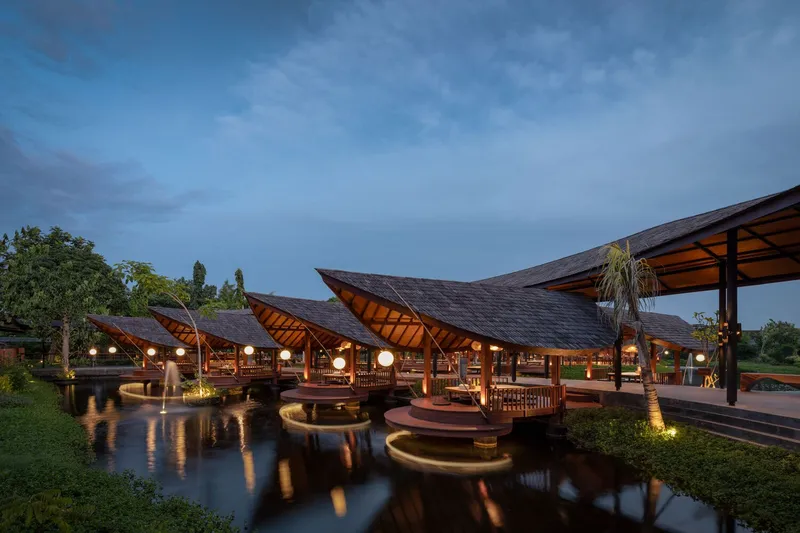
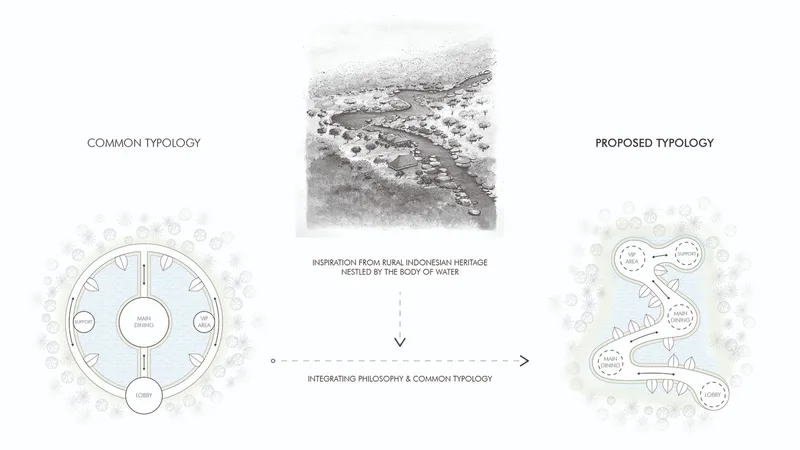
Talaga Sampireun Bali stands as a prime example of innovative waterfront restaurant design. Unlike the typical layout of the Talaga Sampireun chain, which features individual huts (saung) around a lake and a separate main dining hall, this new outpost integrates these elements to create a cohesive and engaging environment. The design narrative captures the essence of a rural Indonesian village, inviting guests to experience a continuous flow of indoor and outdoor spaces.
Architectural Concept
Inspired by Nature
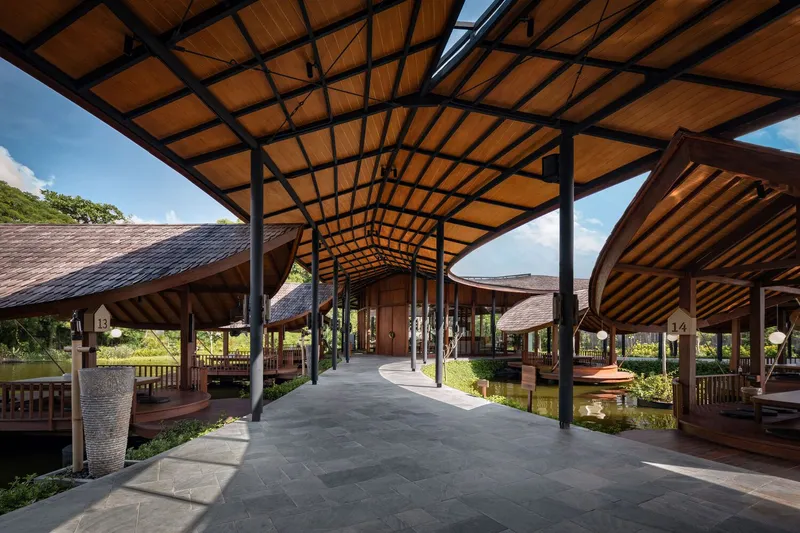
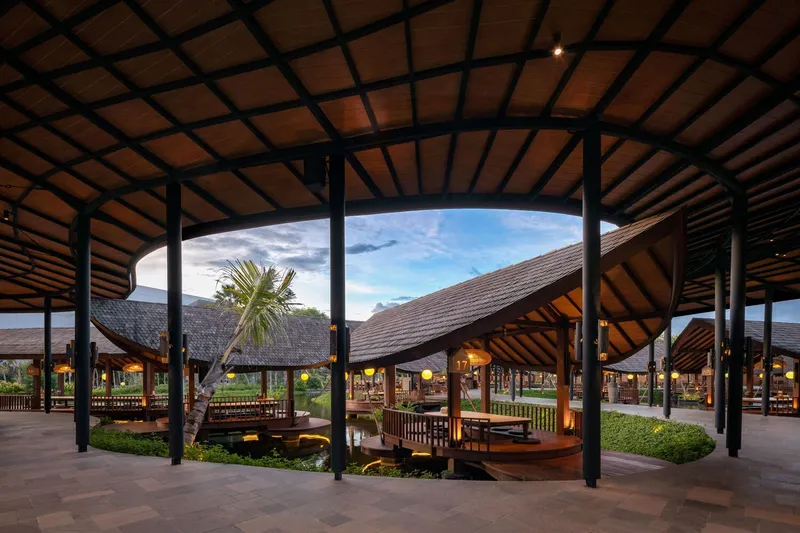
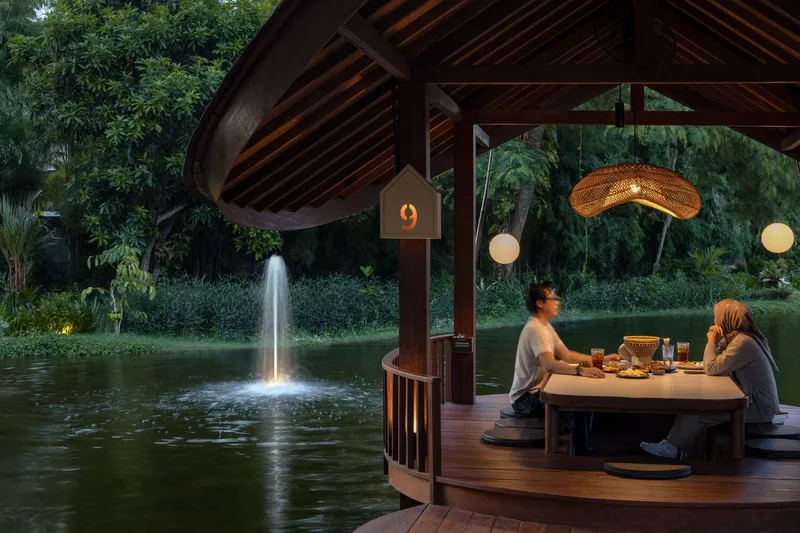
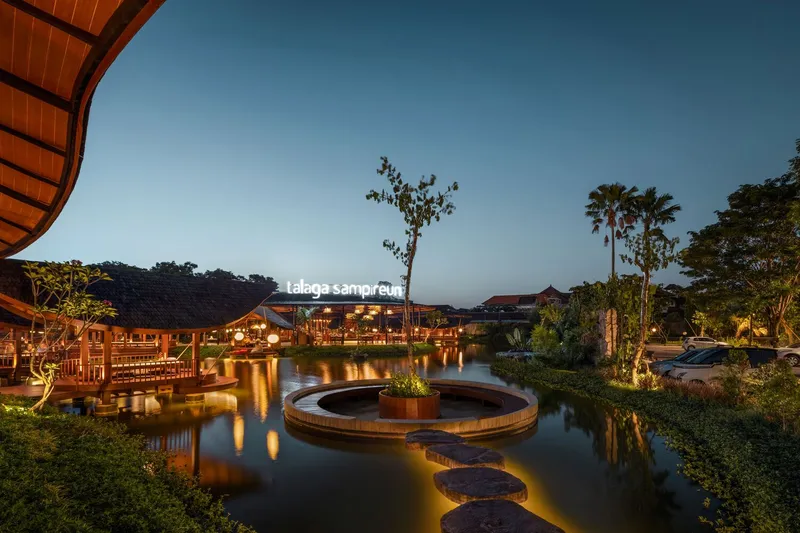
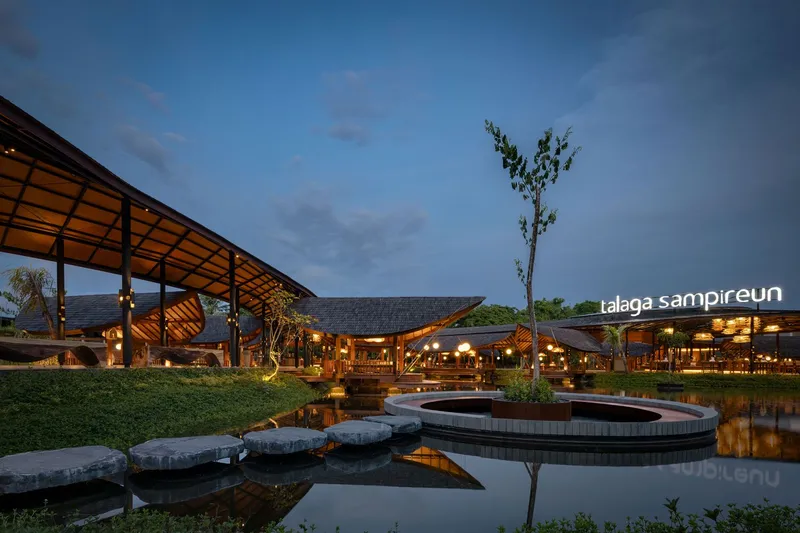
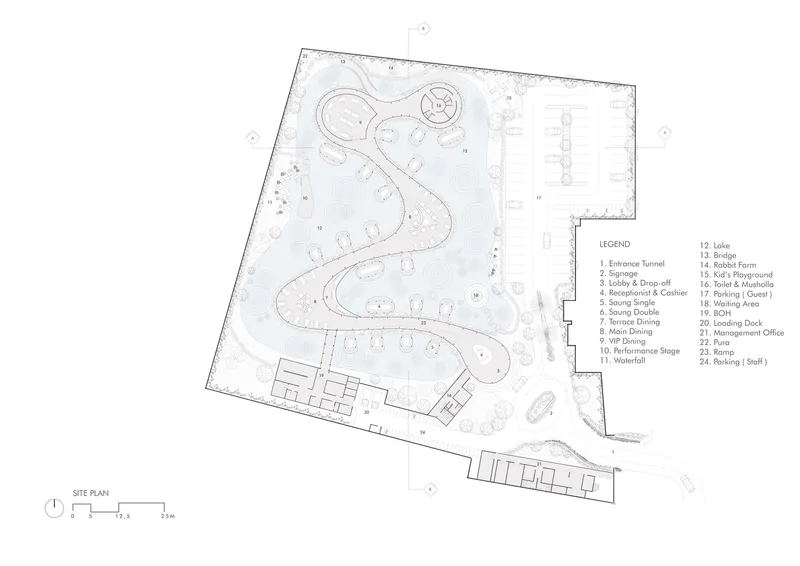
The design begins with a meandering river, reinterpreted as a continuous, curvaceous spine surrounded by a lake. This "river" forms the central axis, with spacious dining areas positioned along its curves. The open-air saung, with roofs mimicking leaves, echo traditional riverside settlements and provide direct access to the water. This layout allows families and guests to interact with the serene aquatic landscape, enhancing the overall dining experience.
Open and Airy Design
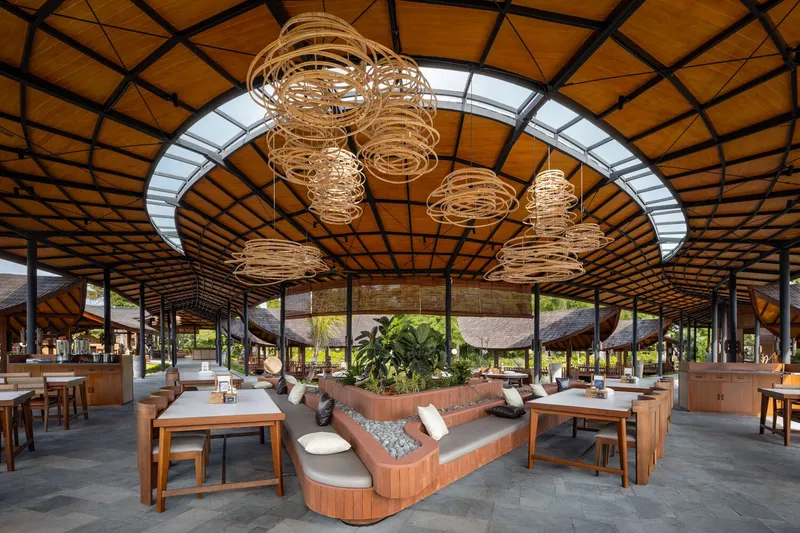
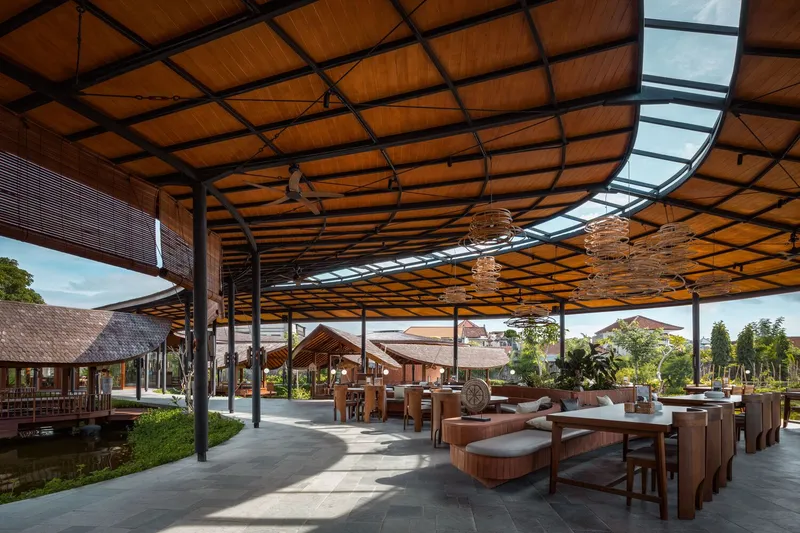
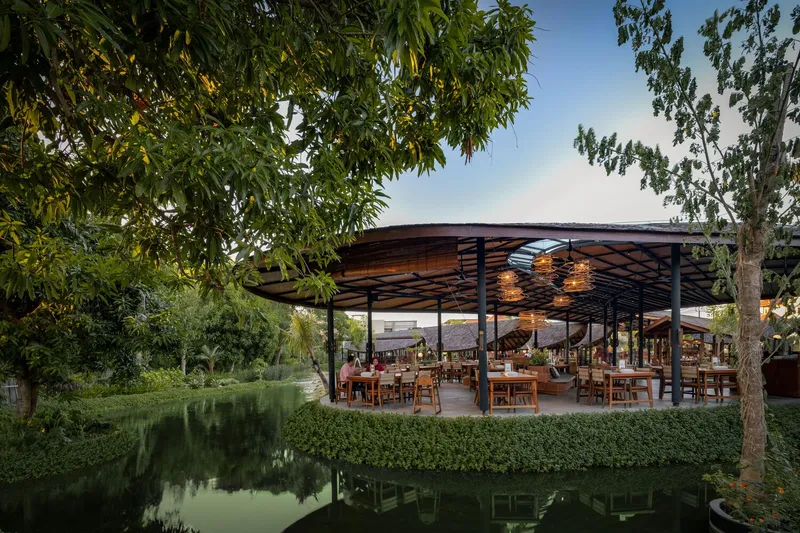
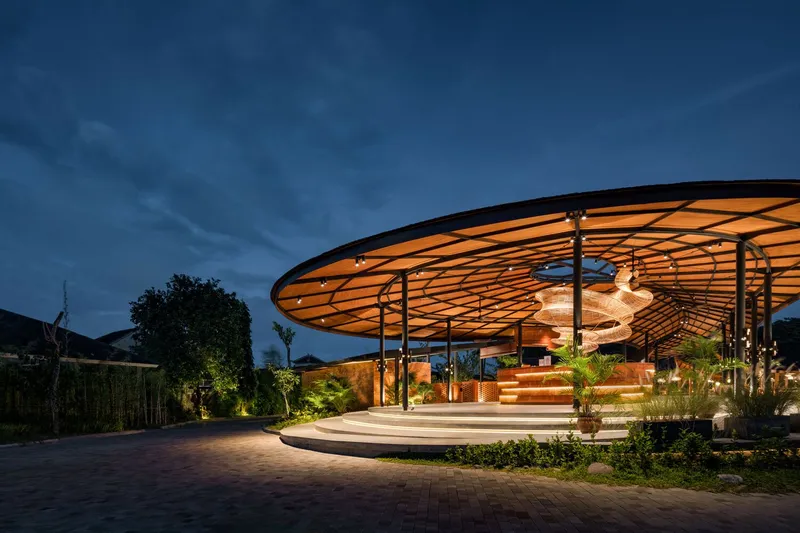
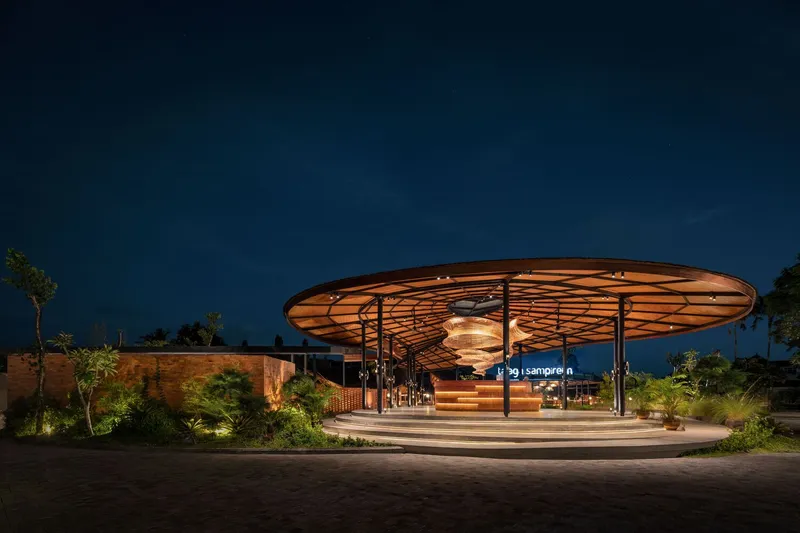
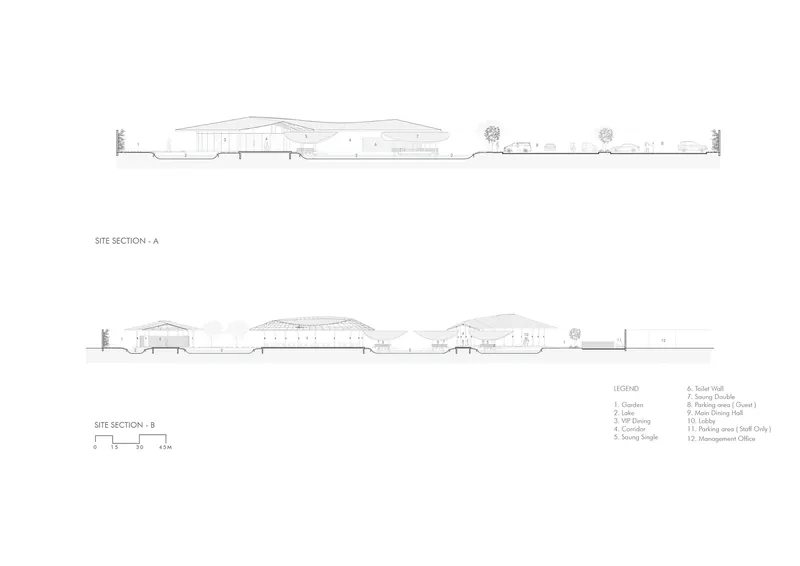
One of the distinctive features of this waterfront restaurant design is the absence of walls, fostering a sense of openness and maximizing natural ventilation. The arrival sequence sets the tone for the immersive experience, with a soaring rooftop that gradually descends, creating a welcoming sense of intimacy. Strategic skylights pierce the high roof, allowing natural light to flood the space and adding dramatic visual appeal.


Sensory Engagement
Multi-sensory Experience
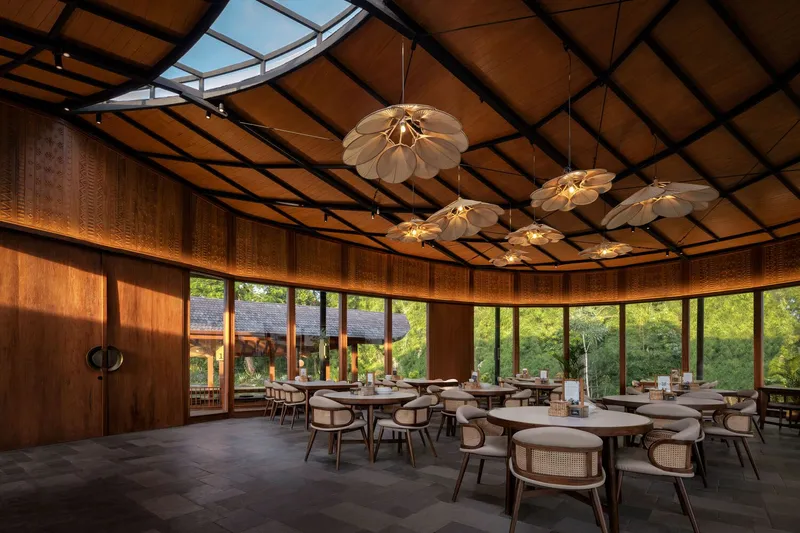
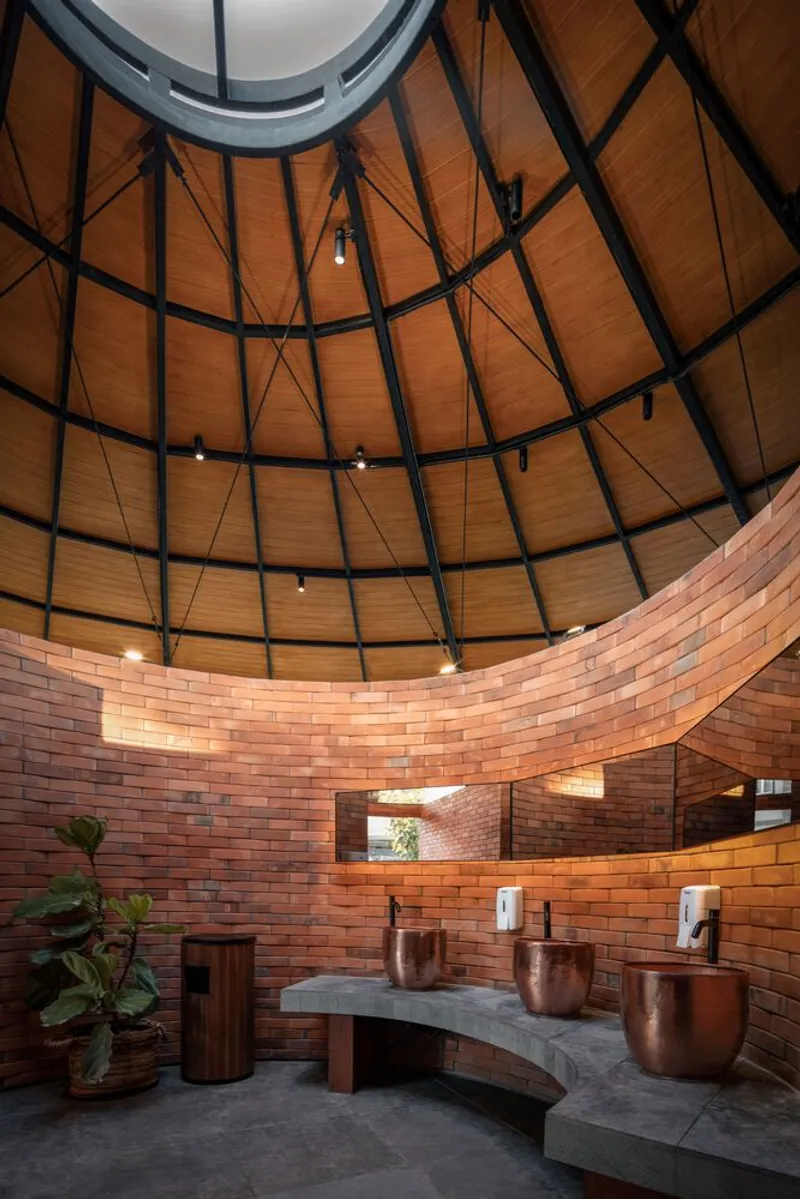
Beyond visual aesthetics, the design engages all five senses. The sound of songbirds complements the tranquil view of the lake, while the aroma and taste of Talaga Sampireun’s renowned cuisine tantalize the palate. Locally sourced materials like teak, brass, and red brick create a rich textural experience, juxtaposed with the sleek lines of modern steel structures. Decorative rattan elements, crafted by local artisans, add warmth and celebrate the region’s craft heritage.
Material Palette
The use of sustainable and locally sourced materials is a key aspect of the design. Teak wood, brass, and red brick are prominent, creating a harmonious blend of traditional and contemporary elements. These materials not only enhance the visual and tactile experience but also align with the sustainable design principles of the restaurant.

Functional and Flexible Spaces
Dining Areas and Circulation
The restaurant features a variety of dining spaces, each designed to offer unique views and experiences. The open-air saung along the central axis provides intimate dining spots, while the main dining areas accommodate larger groups. The layout encourages movement and interaction, with pathways that lead guests through different dining environments, each offering a distinct connection to the surrounding water landscape.
Rooftop and Exterior Design
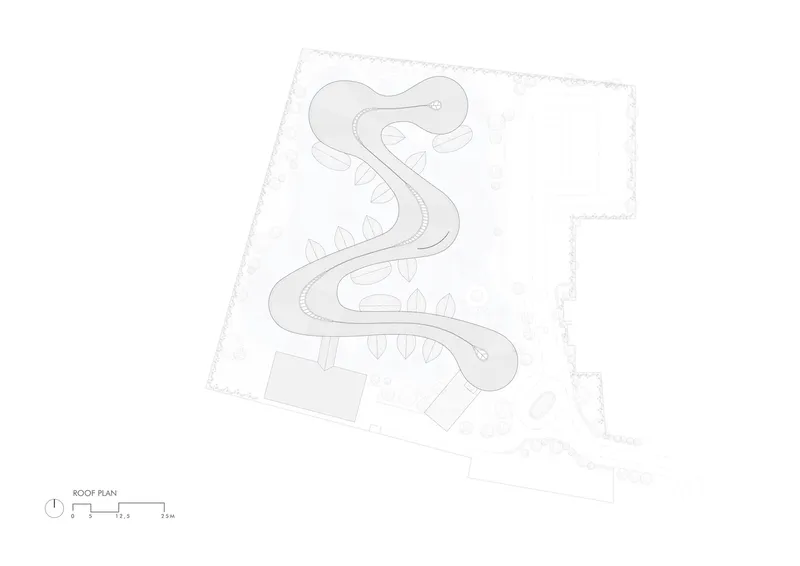
The exterior design of Talaga Sampireun Bali includes a rooftop space that enhances the dining experience. The rooftop features a solar panel pergola, generating power for the restaurant and contributing to its sustainability goals. This open-air space offers panoramic views of the lake and surrounding landscape, providing a serene setting for guests.
Talaga Sampireun Bali by K-Thengono Design Studio exemplifies innovative waterfront restaurant design. By integrating traditional Indonesian architectural elements with contemporary design principles, the restaurant offers a unique and immersive dining experience. The use of sustainable materials, open-air design, and sensory engagement create a harmonious environment that celebrates the natural beauty of the location. This project sets a new standard for waterfront dining, providing guests with a memorable and engaging experience.
All photographs are work of Indra Wiras


Popular Articles
Popular articles from the community


Singing Woman: An Opera House That Performs Before the Curtain Rises
Ovidiu Cristian Pavel's conceptual opera house translates Estonia's choral identity into a sculpted waterfront landmark facing the Baltic Sea.


graciastudio Turns a Viewless Tijuana Lot Inward Around a Courtyard of Concrete, Timber and Trees
In Tijuana, Jorge Gracia's GA2 House stacks a timber-clad private floor over exposed concrete and replaces a missing view with a planted interior patio.

Juan García Correa, John González and Claudia Rueda Sink a Circular Amphitheater into a Manizales Engineering Building
On the La Nubia campus in Manizales, Colombia, the S1 Building folds labs and offices into a hillside of ramped lawns that double as a campus route.

The Amber Palace Opera: A Geological Fiction Surfaces on Tallinn's Baltic Waterfront
Pierre Brillard reimagines a Baltic legend as a public landscape, opera house, and waterfront promenade rooted in Tallinn's coastal identity.

Similar Reads
You might also enjoy these articles


Hodi-Mandai Geram
Project Function: Preservation and revitalization of the Intangible heritage and socio-spatial identity of the Hodi by Housing, Cultural Memory Center, Sacred Grove, landscape, local tourism economy


Olio Towers: A Mid-Rise for Performers That Fuses Housing, Rehearsal, and Stage
Located blocks from Houston's Theater District, this modular tower stacks living units around a central performance atrium.

Oasis: Modular Green Housing Carved into Dhaka's Urban Fabric
A shortlisted Plugin Housing entry reclaims unauthorized settlements in Dhaka with stepped concrete volumes, green roofs, and ventilation-driven design.

Black Hole: A Floating Megastructure for the Post-Physical Era
Emiliano Mazzarotto envisions a spherical, self-scaling arena where e-sports, digital hotels, and holographic stadiums replace traditional public space.

Explore Hospitality Building Competitions
Discover active competitions in this discipline

Challenge to reimagine the Iron Throne

Photograph architecture without architects

Illustrate the lost glory of Angkor Wat - Render Challenge

Design challenge to reuse E-waste
Comments (0)
Please login or sign up to add comments
No comments yet. Be the first to comment!