
Where's House Warehouse: A Paradigm of Blurring the Boundaries Architecture
Exploring Where's House Warehouse, a project in Thailand that redefines architecture by blurring spatial boundaries.


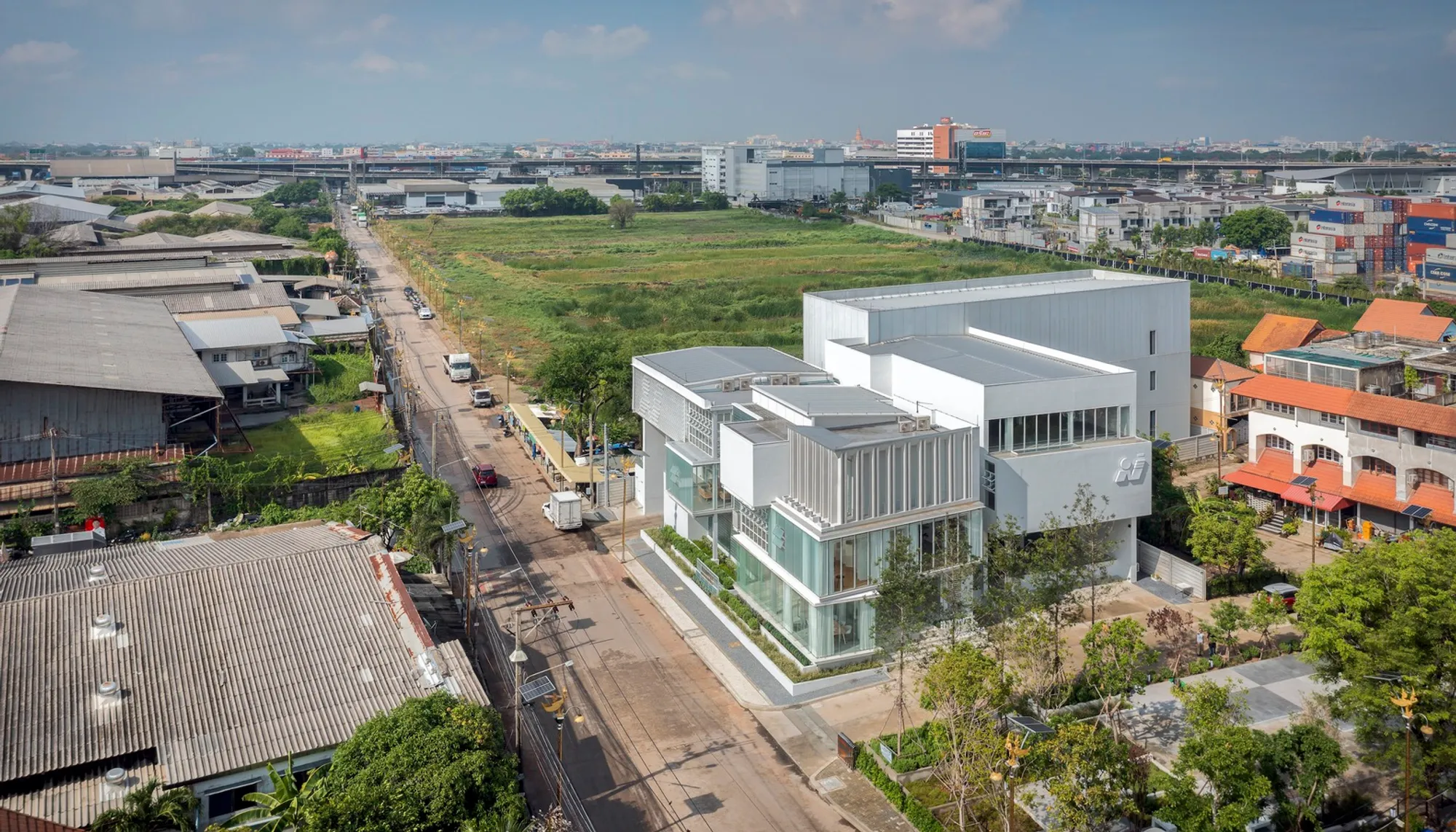
In the heart of Bang Na, Thailand, the Where's House Warehouse stands as a testament to the innovative concept of Blurring the Boundaries Architecture. Designed by pbm architects and sprawling over 2000 m², this project was completed in 2023, embodying a multifaceted approach to architectural design. This warehouse is not just a structure but a philosophy that redefines the interaction between work, living, storage, and community spaces.


The Essence of Blurring the Boundaries Architecture
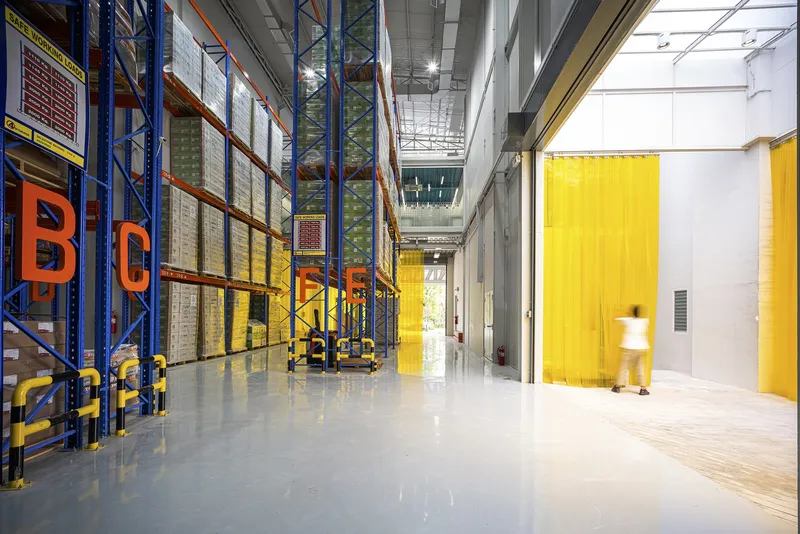
At the core of Where's House Warehouse is the desire to challenge and dissolve the traditional demarcations between various spatial functions. This concept seeks to create a seamless integration of living, working, and communal spaces within a single structure. By fostering fluidity and interaction among different zones, the project promotes adaptability, versatility, and a profound sense of interconnectedness.

Architectural Strategy and Design Philosophy
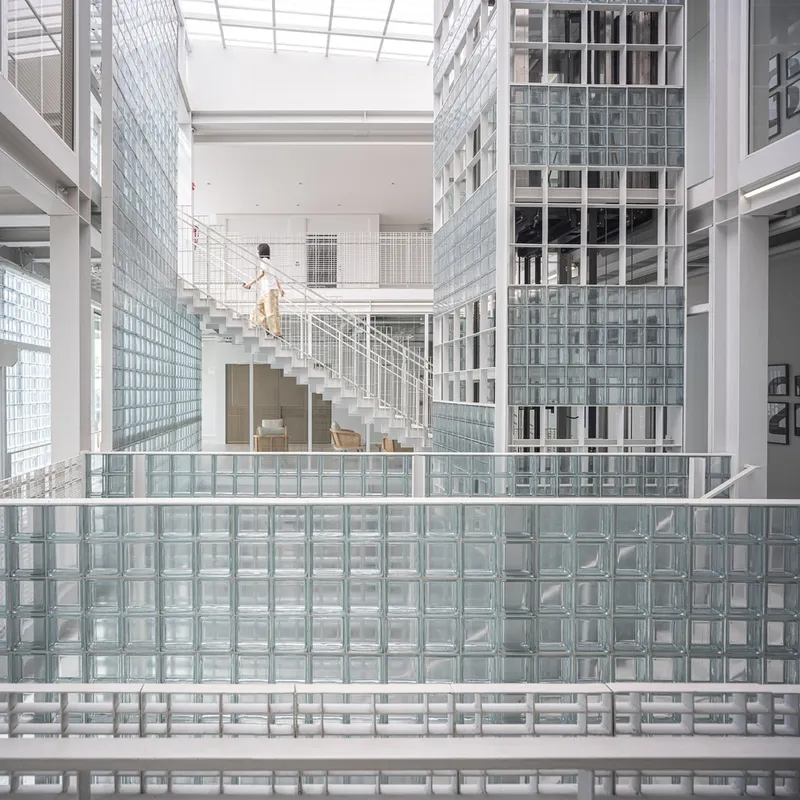
The architectural strategy of Where's House Warehouse focuses on eliminating physical barriers, thus promoting a dynamic environment. Open-plan layouts, termed as 'air-drying offices,' aim to harness natural light and enhance air circulation, establishing a sustainable and inviting atmosphere. The strategic use of glass blocks throughout the building underscores the business's identity, emphasizing cleanliness, hygiene, and a minimalist aesthetic.


A Harmonious Integration of Functionality and Aesthetics
The design philosophy of Where's House Warehouse transcends mere aesthetics, striving to create a space that fosters collaboration, communication, and community. The integration of office and residential spaces is ingeniously achieved through the use of glass blocks, which blur the lines between interior and exterior realms. This architectural fusion not only enriches perspectives but also enhances functionality, giving rise to a warehouse that epitomizes the essence of Blurring the Boundaries Architecture.

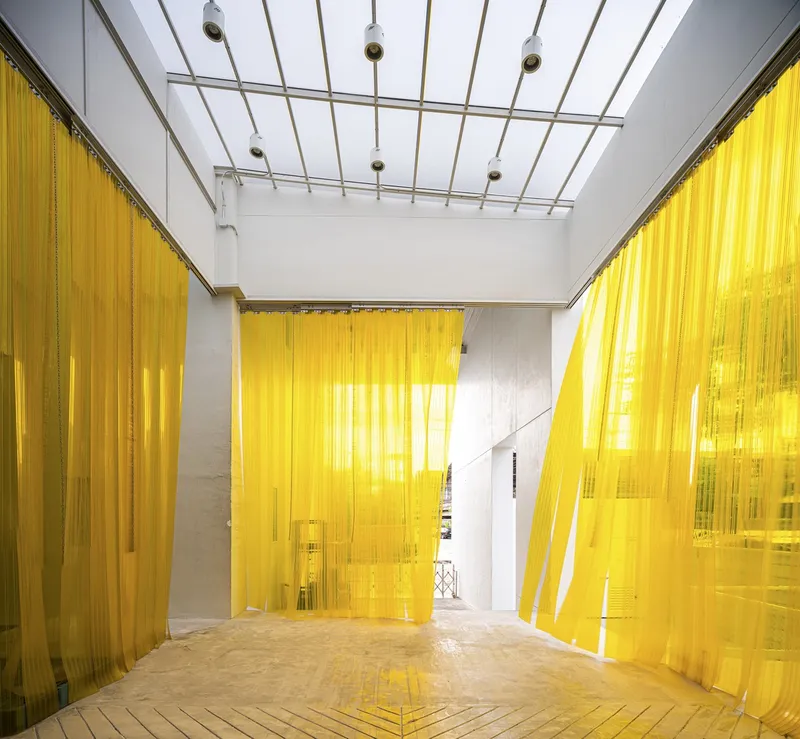
Where's House Warehouse in Bang Na, Thailand, stands as a pioneering example of Blurring the Boundaries Architecture. Through its innovative design and strategic use of materials, the project redefines conventional perceptions of space, promoting a holistic approach to living, working, and communal interaction. This warehouse is more than a building; it is a beacon of architectural innovation, embodying the future of spatial design.


All photographs are work of Spaceshift Studio




Popular Articles
Popular articles from the community

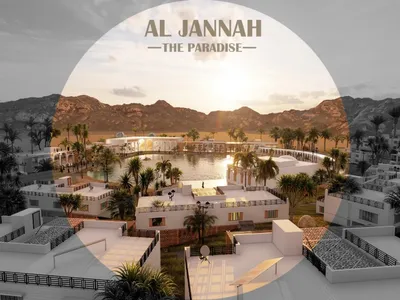
AL-JANNAH: Sustainable Architecture and Permaculture for Afghan Widows
AL-JANNAH uses sustainable architecture and permaculture to create resilient oasis of housing, learning, work and renewal for Afghan widows.

The Earth Pod: 3D Printed Homes for Resilient Refugee Communities
The Earth Pod reimagines refugee housing through 3D printed homes made from clay, combining resilience, self-sufficiency, and rapid shelter.
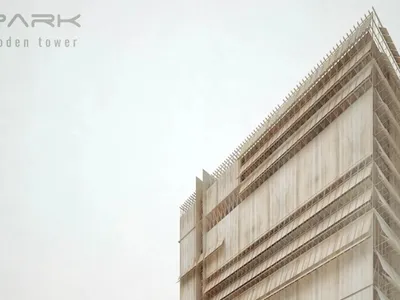
EW PARK: Sustainable Architecture Reimagines the Future of Urban Parking
EW PARK reimagines city parking as a modular wooden tower combining automation, solar energy, electric mobility, and adaptable urban design.

Hill & Cross Opera: Sculptural Opera House Architecture Shaped by Tallinn’s Landscape and Identity
Hill & Cross Opera reimagines opera house architecture in Tallinn through its sculptural hill, civic plaza, glass wave and a luminous cross.


Similar Reads
You might also enjoy these articles

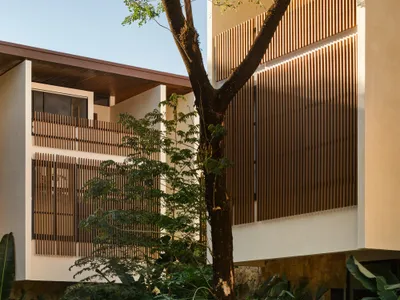
FAMM Arquitectura Organizes Ten Villas Around Courtyards and Jungle in Nosara, Costa Rica
El Molino pairs two elongated volumes with deep overhangs and timber louvers to build a compact coastal community five minutes from the beach.
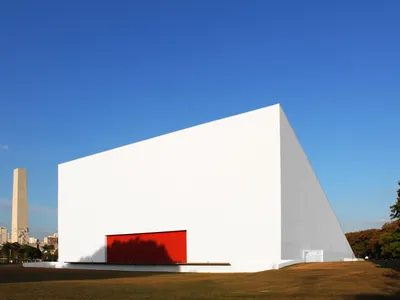
Oscar Niemeyer's Ibirapuera Park Pavilions Define São Paulo's Cultural Identity in Concrete and Curve
A constellation of modernist volumes set within São Paulo's most important urban park, conceived for the city's 400th anniversary in 1954.
How Henri Picq's 1889 Paris Pavilion Traveled 11,000 Kilometers to Become Santiago's Artequín Museum
A prefabricated iron and glass pavilion built for the Paris Universal Exposition found a second life as a children's art museum in Chile.
Sanjay Puri Architects Wraps a Jaipur Office Tower in Capsule-Shaped Green Buffers
A nine-level climate-responsive workplace near Jaipur Airport uses stacked planter terraces and aluminium screens to fight 40°C heat.


Explore Industrial Building Competitions
Discover active competitions in this discipline



Challenge to reimagine the Iron Throne


Photograph architecture without architects


Illustrate the lost glory of Angkor Wat - Render Challenge


Design challenge to reuse E-waste
Comments (0)
Please login or sign up to add comments
No comments yet. Be the first to comment!