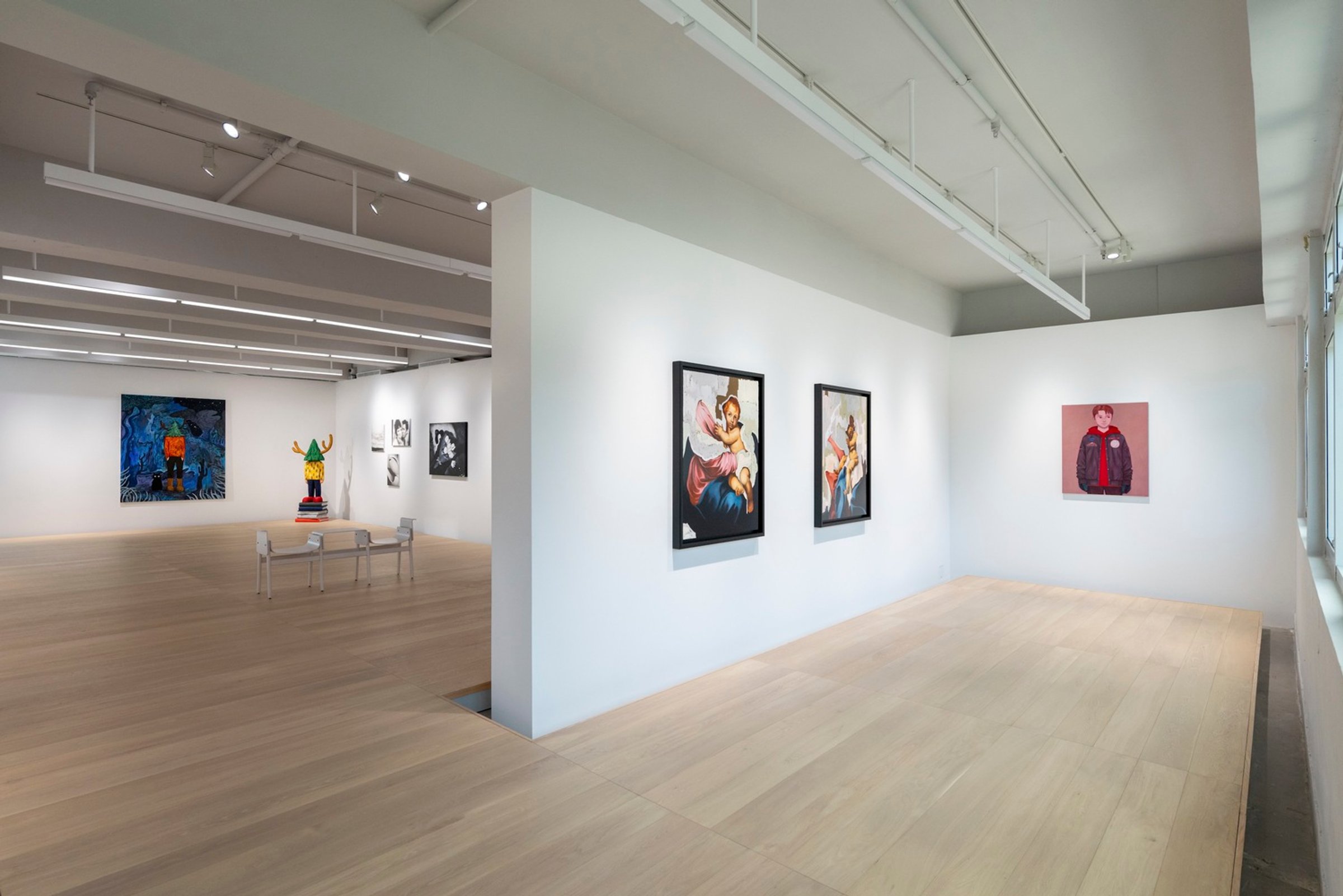
WKM Gallery / CASE-REAL: A Testament to Japanese Interior Design
Exploring the WKM Gallery's blend of Japanese interior design and contemporary art in Hong Kong.


In the heart of Hong Kong's Wong Chuk Hang district, an area burgeoning with contemporary art and street art vitality, the WKM Gallery emerges as a beacon of cultural synthesis and artistic expression. Spearheaded by the architectural firm CASE-REAL, the project is a masterful execution of space, materiality, and light, serving as a global platform for both emerging and established artists. This long-form article delves into the intricate planning and thoughtful design behind the WKM Gallery, underscoring its significance in the realm of Japanese interior design.
The Essence of Spatial Harmony
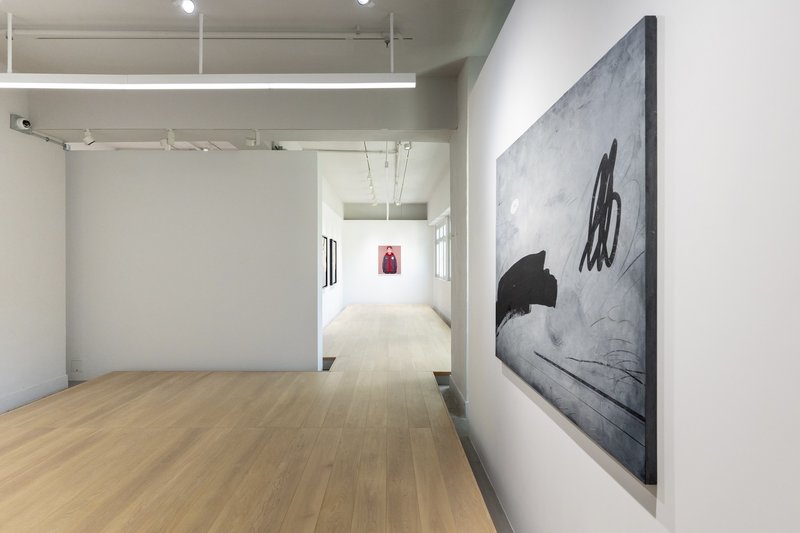
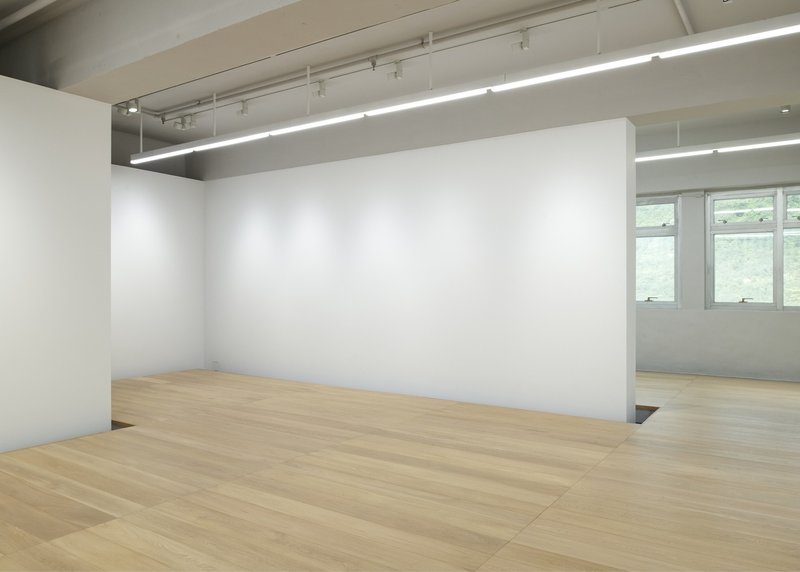
At the core of the WKM Gallery's architectural narrative is the ambition to infuse the space with a distinct Japanese ambiance, a challenge adeptly met by CASE-REAL. The design revolves around the concept of "ma 間," a traditional Japanese term that refers to the dynamic space between objects, suggesting a profound appreciation for the art it houses. This spatial philosophy is materialized through the careful detachment of new floors and walls from the existing structure, allowing the art to be framed by a meticulously considered backdrop.
Boundaries Redefined
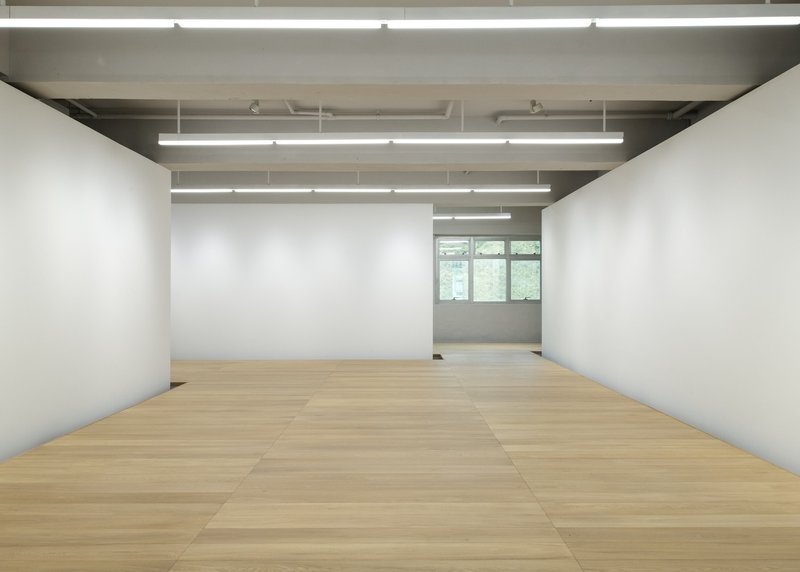
The gallery's design is a response to three main boundaries: the environmental contrast between the gallery and the city's liveliness, the juxtaposition of the building's age with the freshness of the new space, and the transitions within the gallery's expansive zones. By embracing these contrasts, CASE-REAL has crafted a gallery that stands as a serene counterpoint to the bustling urban environment of Wong Chuk Hang.
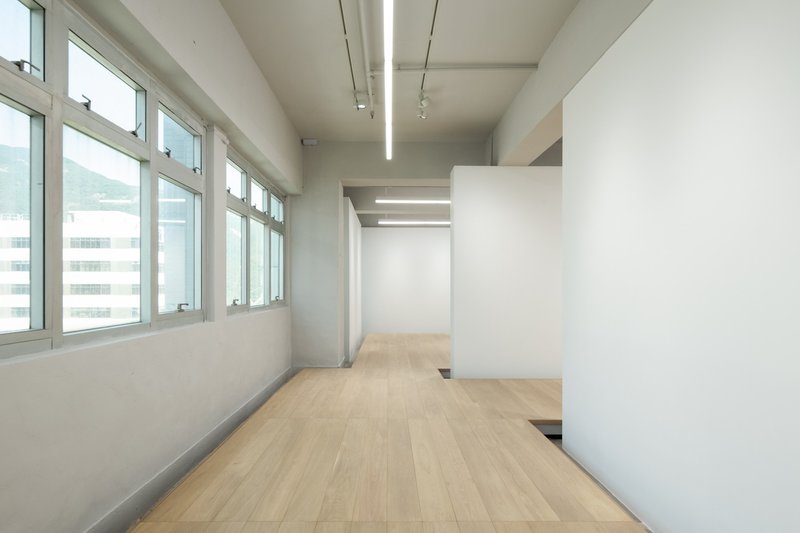
Materiality with Meaning
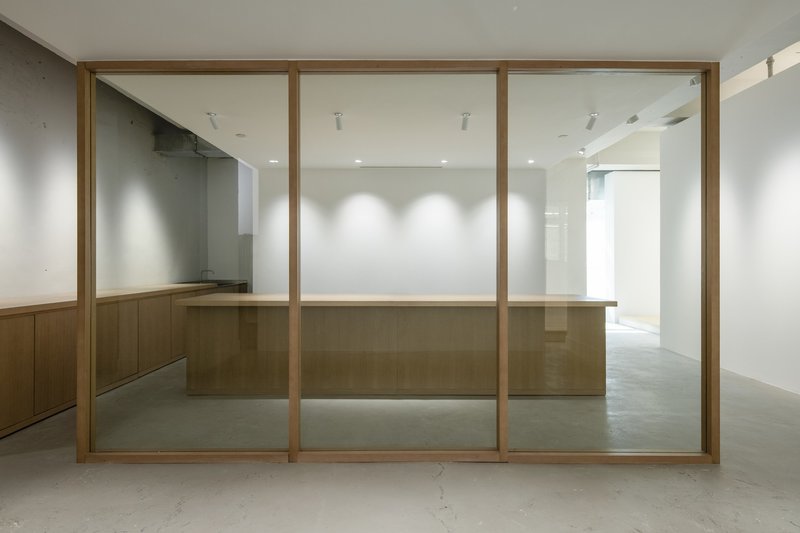
Material selection plays a pivotal role in achieving the gallery's serene atmosphere. White wood for furniture and frame dividers, along with new floors, introduces a sense of purity and simplicity, while the preservation of the building's original rugged textures in light gray maintains a dialogue with the past. This interplay of materials enhances the gallery's ambiance, making it a refined setting for the appreciation of art.
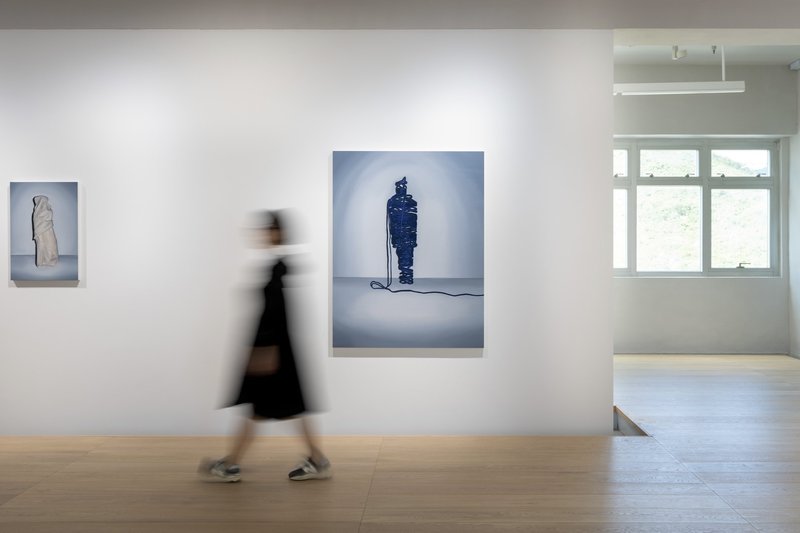
Lighting: A Design Statement
Lighting design, executed by BRANCH lighting design, further accentuates the gallery's spatial dynamics and the art it displays. The thoughtful integration of natural and artificial light sources creates a play of shadows and illumination, enriching the visual experience and highlighting the textural contrasts within the space.
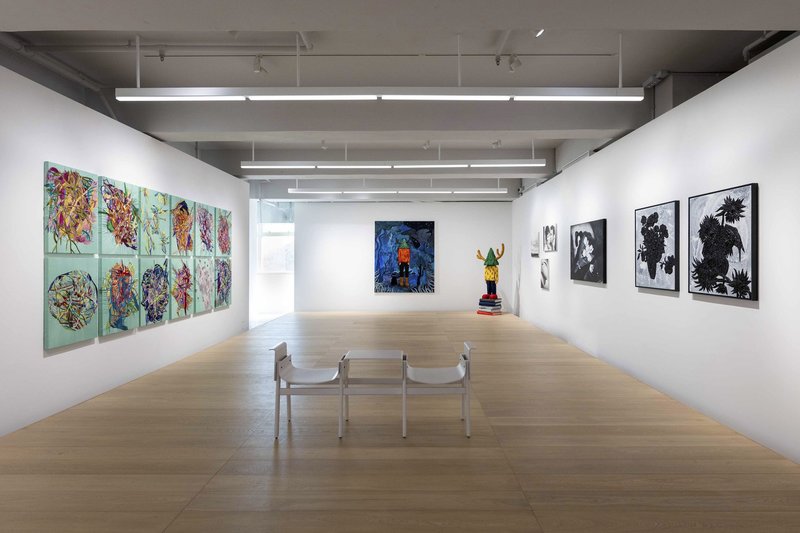
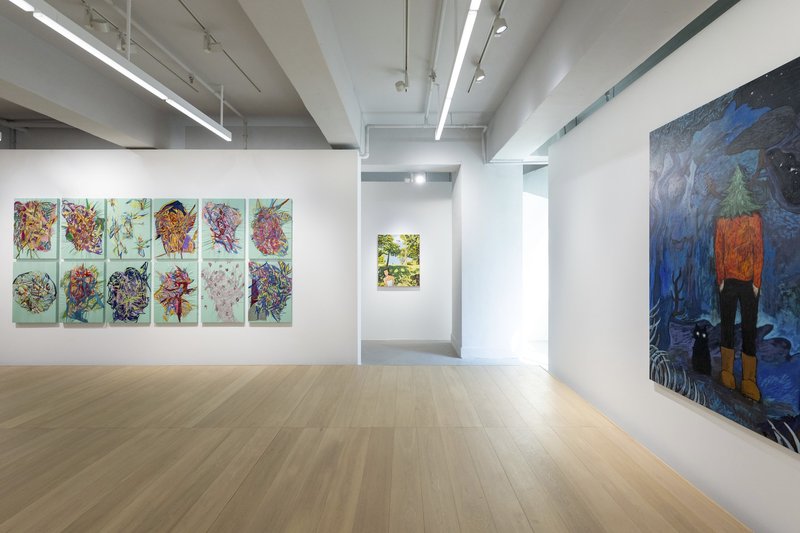
A Synthesis of Art and Space
The WKM Gallery stands as a testament to the power of Japanese interior design principles, applied within the context of Hong Kong's vibrant art scene. It is not merely a space for exhibiting art but an artistic endeavor in its own right, reflecting a deep understanding of spatial harmony, material contrast, and the subtle interplay of light. Through this project, CASE-REAL has not only provided a platform for artists but has also contributed to the discourse on contemporary gallery design, making the WKM Gallery a landmark project in the field of Japanese interior design.
All photographs are work of Hiroshi Mizusaki,Studio Lights On