


Fashion Design
Design and creation of clothing, accessories, and wearable concepts that combine aesthetics, functionality, and cultural expression.
The art of applying design, aesthetics, garment construction, and natural beauty to clothes and its accessories is known as fashion design. Culture and different trends have influenced it, and it has changed over time and place. A fashion designer develops apparel for consumers, such as dresses, suits, slacks, and skirts, as well as accessories such as shoes and handbags. They can focus on apparel, accessories, or jewelry design, or work in a combination of these fields.
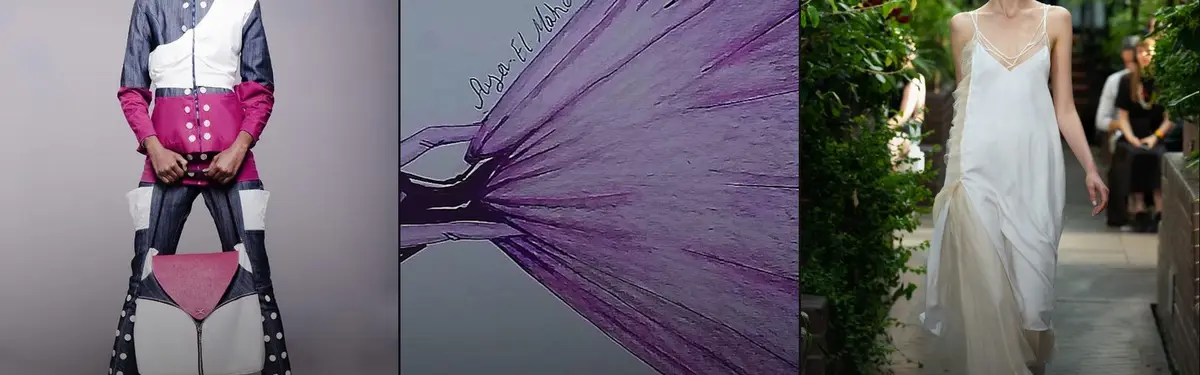
Img 1: Fashion design has changed across time and place, inspired by culture and other trends.
Fashion design is the art of combining design, aesthetics, and natural beauty in the creation of garments and accessories. Fashion design has changed across time and place, driven by cultural and societal factors. Fashion designers create garments and accessories in a variety of ways, and because of the time it takes to bring a garment to market, they must sometimes anticipate shifting consumer desires. Fashion designers strive to create clothing that is both utilitarian and appealing to the eye. They must think about who will wear a garment and in what settings it will be worn. They can work with a variety of materials and combinations, as well as a variety of colors, designs, and styles.
Though most everyday clothes fall into a small range of traditional styles, distinctive items are normally reserved for special occasions such as evening wear or party gowns. Haute couture and bespoke tailoring are examples of clothing designed individually for an individual. Most apparel, especially casual and every-day wear, is now created for the mass market.
Explore current challenges on fashion design hosted by UNI:

Who are fashion designers?
A fashion designer is in charge of developing the unique look of particular clothing, which includes the shape, colour, fabric, embellishments, and other details. The fashion designer starts with an idea for how a garment should look, develops that idea into a design (such as a drawing), and then defines how that design should be translated into a finished piece of clothing by other employees (from patternmakers to finishers). People at various levels of the fashion industry are classified as fashion designers, ranging from well-known couturiers to nameless designers working for commercial ready-to-wear businesses to stylists who may simply make minor changes to current designs. Fashion designers occupy a unique position in the world. Their ability and vision have not only influenced how people look, but they have also contributed significantly to the cultural and social milieu.
Charles Frederick Worth is known as the "Father of High Fashion." For more than a century, Paris has been the epicenter of worldwide fashion, with French couturiers defining the trends for Europe and the Western world. However, World War II shattered Paris's standing as the undisputed fashion capital. With Paris occupied by the Nazis during the war, American designers and producers were cut off from the fashion world in Paris. As a result, American designers began to gain a greater level of respect.
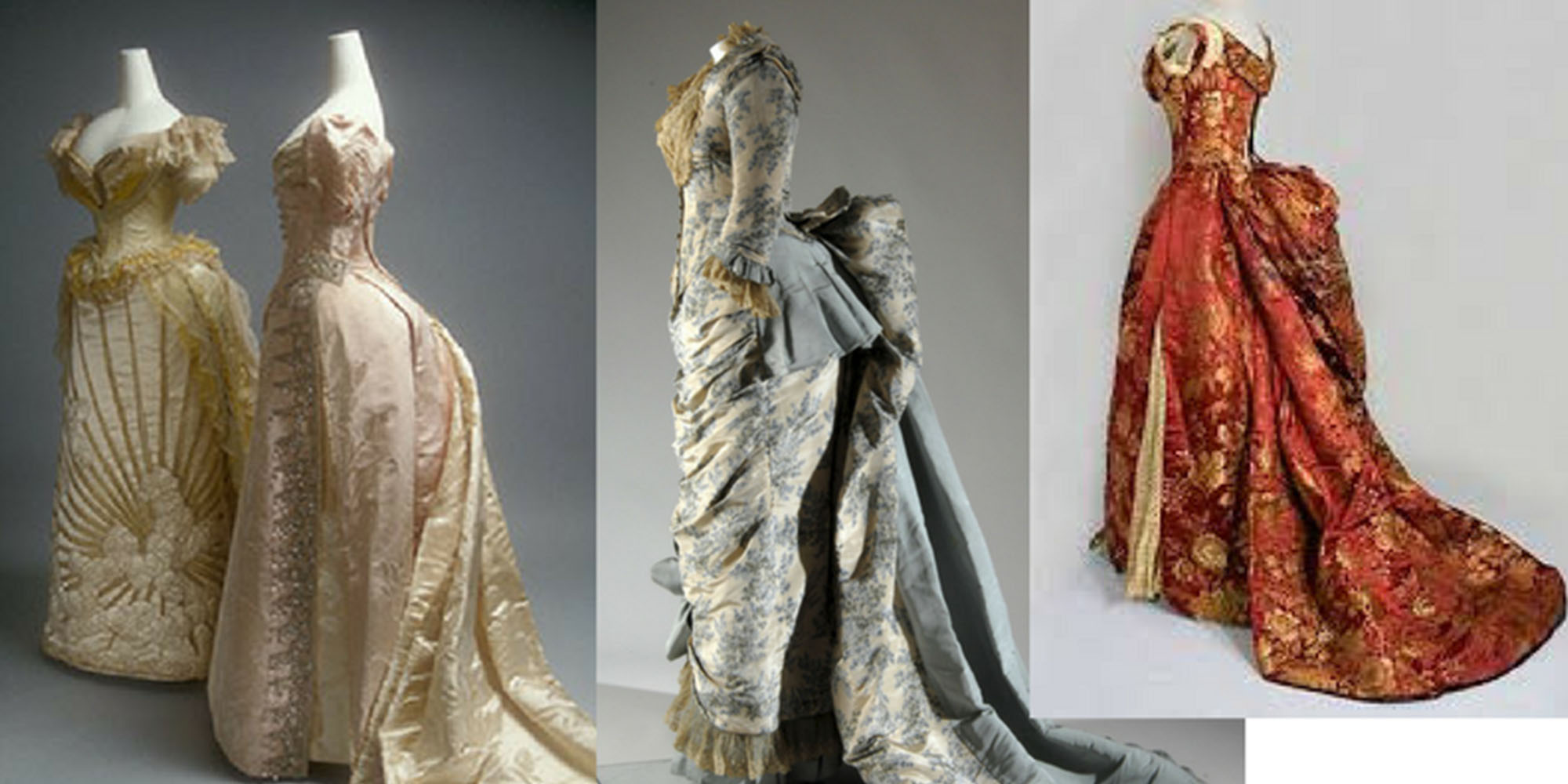
Img 2: Following the industrial revolution, the nineteenth century saw a lot of advancement in the arts and design, including fashion houses managed by individual designers and fashion businesses. (Credits-Medium.com)
As fashion became a huge business in the postwar economy, the designer's role shifted. Fashion designers were increasingly working closely with store buyers, particularly in the United States, to identify clients' preferences and lifestyle needs. Designers were influenced by client demographics to create clothes tailored to certain customer profiles. Designers traveled to businesses with their latest collection in a trunk for sales activities known as "trunk displays." Customers were able to preview and reply to the designer's new collection, as well as purchase clothing, using this simple and inexpensive marketing strategy. Many designers, including Bill Blass, used trunk exhibitions to garner clients, earnings, and a rising name.
“Fashion is not something that exists in dresses only. Fashion is in the sky, in the street, fashion has to do with ideas, the way we live, what is happening.” —Coco Chanel.
Art of fashion
Humans have been producing clothing for as long as archeologists can tell, but the current fashion business, with its labels, periodicals, and the need to look good, only appeared in the late 1800s, principally as haute couture ("high fashion"). Factory-made prêt-à-porter ("ready to wear") brought fashion into everyday life in the twentieth century, thanks to the advent of consumer culture and mass-production technology such as the sewing machine. Fashion's validity as an art form worthy of serious scholarly consideration has long been contested by art historians due to its reliance on commerce and its primary association with women.
Clothing designers have utilized fashion to creatively push the frontiers of themes ranging from beauty to gender norms, as shown in Alexander McQueen's avant-garde designs and Jean Paul Gaultier's provocative clothing, for example. Many visual artists use wearable art to engage audiences in new ways: consider Nick Cave's soundsuits, Atsuko Tanaka's Electric Dress (1956), or Zhang Huan's work My New York (2002), in which the artist explored Manhattan dressed in a meat suit.
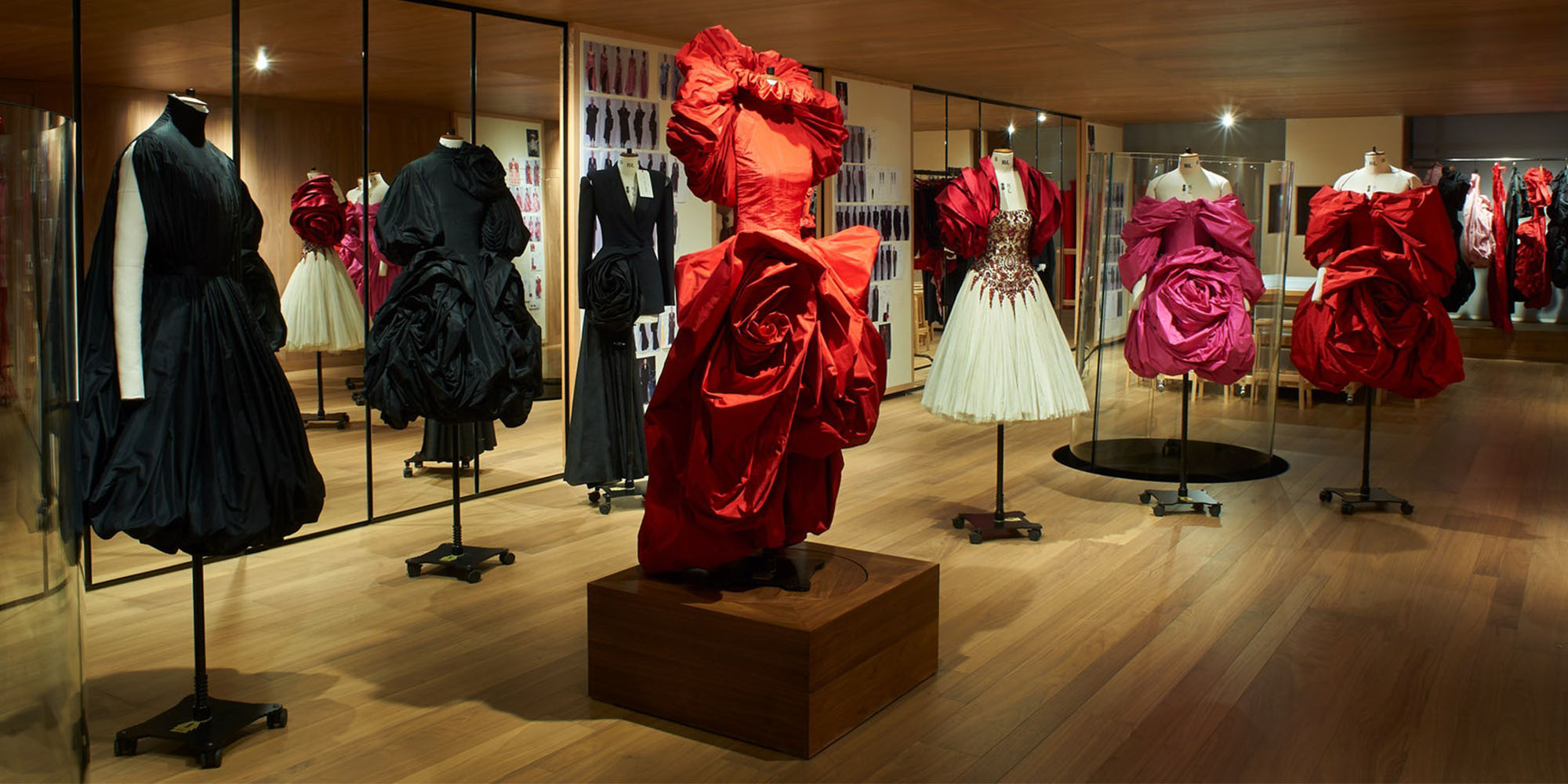
Img 3: Lee Alexander McQueen and Sarah Burton's rose-inspired dresses are on show at the brand's London store. (Credits-Tim Beddow)
Alexander McQueen takes the lead in the race for pushing the frontiers of fashion with his violent and delicate designs. He was described as a romantic artist. McQueen, who is passionate about fine art, began each collection with a concept or idea for the runway presentation, which was reminiscent of avant-garde installations and performance art. He'd have a sophisticated storyboard with many references from art, movies, and music after the notion.
How fashion design conducts itself on society
Although designers are still responsible for setting trends in the twenty-first century, the concept of designers directing fashion has been superseded by lifestyle design. Designers go through a process of recognising trends and looking for inspiration, as well as researching materials and colors, each season. They then concentrate on designing a collection that will appeal to the lifestyles of their target clientele. Despite the fact that European fashion trends continue to dominate, many designers go to the streets for inspiration. Fashion designers have helped popularise fashion styles including mod, punk, grunge, hip-hop, and cholo by collaborating with the film and music industries. Fashion designers are trend setters as well as creators. They now develop a lot of things in reaction to street fashions.
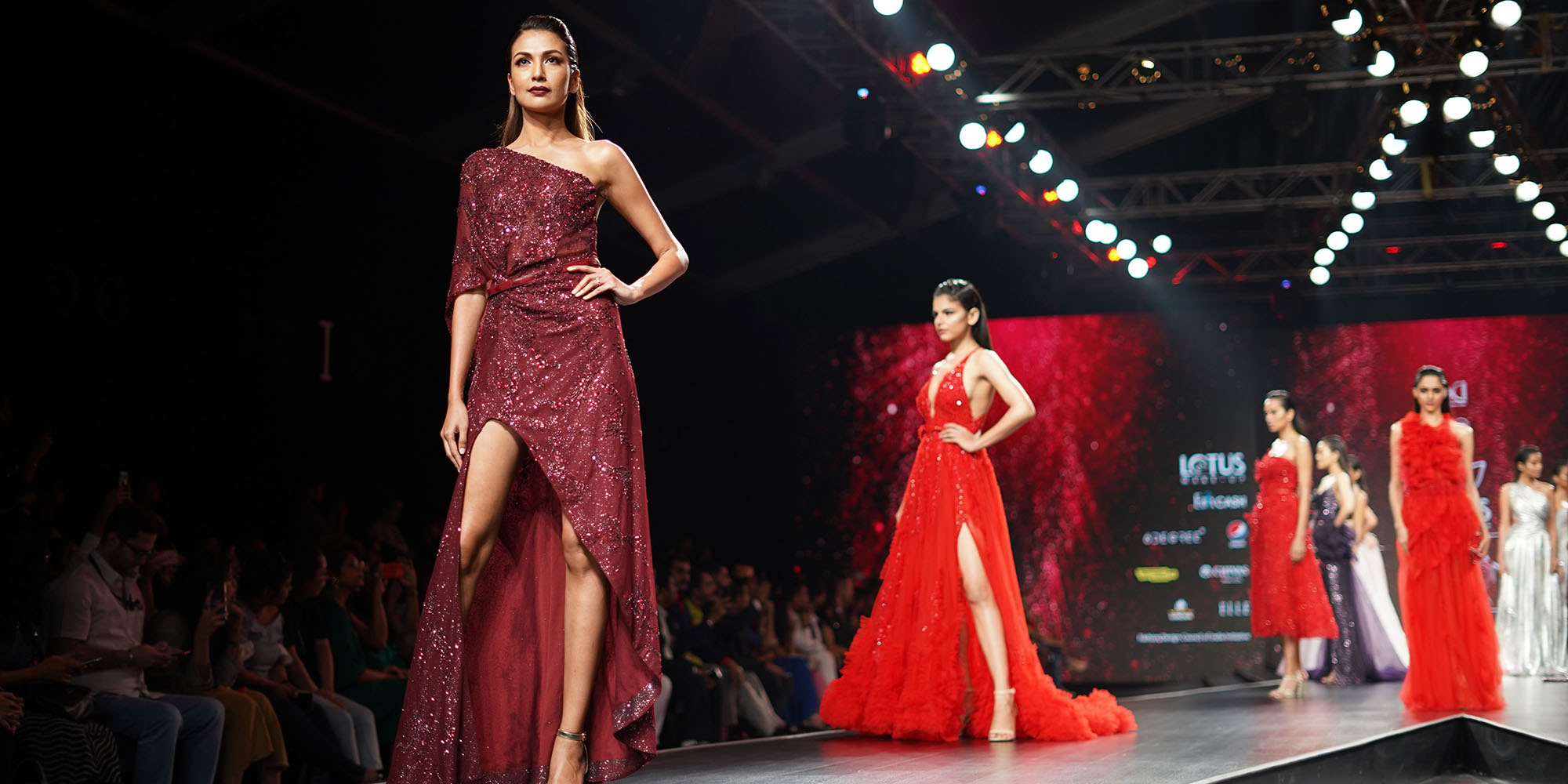
Img 4: Fashion shows are a walking art show and also guide the looks for the fast fashion stores who knock off the high fashion looks.
Designers use marketing and advertising to promote themselves to the rest of the world. Some designers promote their style by holding runway events and having their own retail stores. Another way for them to expand their brand identification is to lend their name to other licenced products. Many celebrity designers only design a small portion of the collections that bear their names.
The iconic usage of sports and music icons to market products is a prominent trend in the fashion industry. Manufacturers engage anonymous designers to make clothes with celebrity names in the hopes of increasing sales. Television, the Internet, personal appearances, movies, print commercials, and editorial coverage have all become as significant as, if not more important than, the apparel itself as marketing tools for fashion. Established corporations spend millions of dollars each year on advertising, marketing, and promotion, whereas new entrepreneurial designers rely on editorial attention to debut collections.
Market research organizations are hired by mass retailers and manufacturers to forecast shifting consumer desires in order to create appropriate products. Data from focus groups and consumer behavior research is used by fashion designers for design objectives. The science of fashion has evolved from the business of fashion.
Types of fashion
Apparel, which is another word for clothing, is one of the most well-known types of fashion design. There are two major groups. Haute couture, or pricey one-of-a-kind clothing designed for special wealthy persons, is the first and most distinguished. The term haute couture comes from French and refers to the elite fashion scene in Paris. In particular, haute couture fashion designers have workshops in Paris. They display their work to the Paris press at two runway events with models every season. Fashions for daytime and evening clothing are frequently shown by these designers. Haute couture is a type of high-end clothing that is handcrafted to specific measurements. The majority of individuals will never own a piece of fine couture clothing!
Pret-a-porter is another type of clothing design. It's also a French term for "ready to wear." The clothing that the majority of people wear is the consequence of this style of fashion design. Pret-a-porter apparel is high-quality, however it is created in factories and is designed for common sizes. It's a store-bought item that wasn't custom-made for you. This is the type of clothing you'd see in retailers like Macy's and Gap. Pret-a-porter fashion designers and houses usually have one annual display that predicts the next year's trends and styles. The designs that look well in the prototype stage will be manufactured for the mass market.
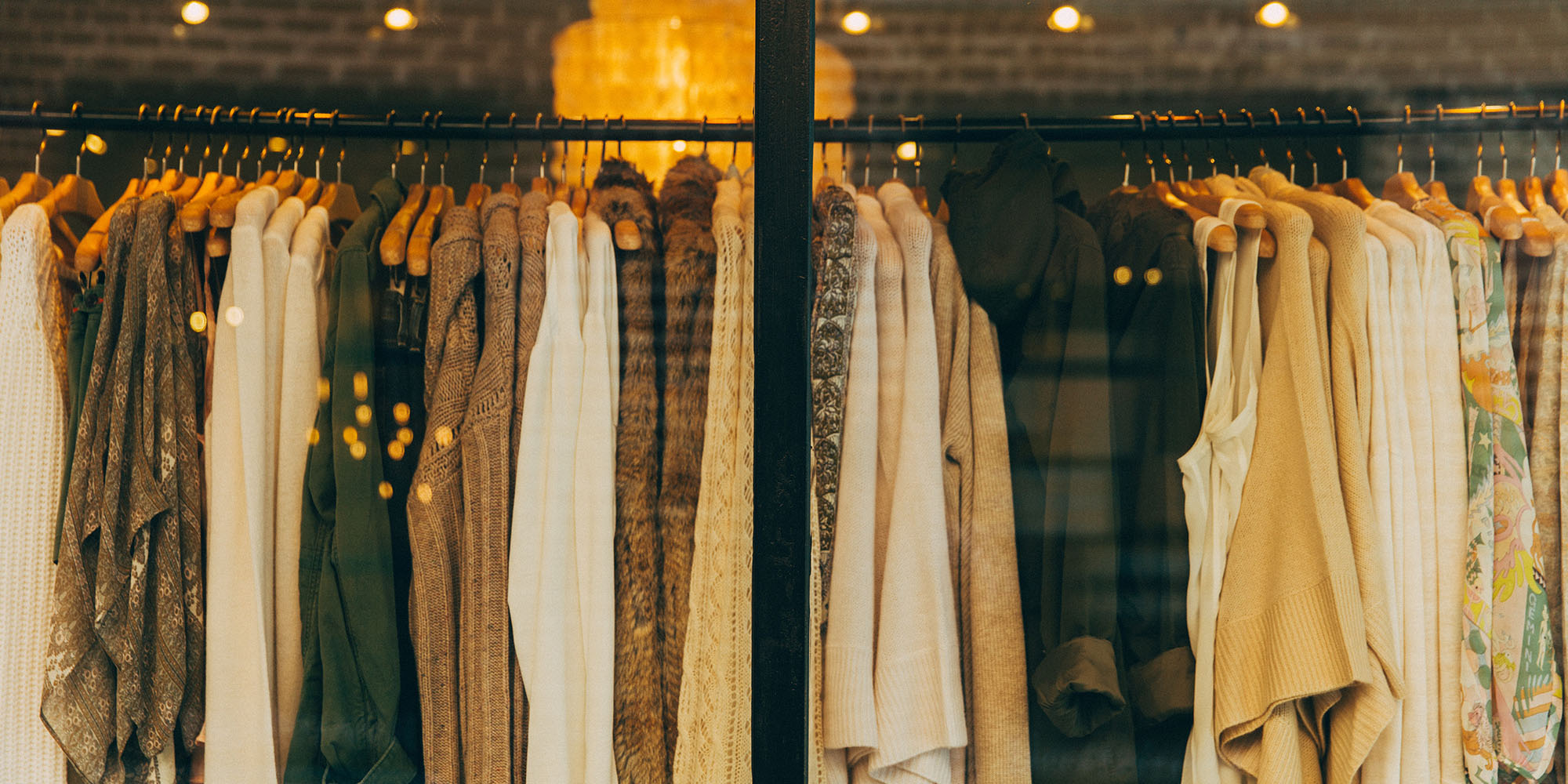
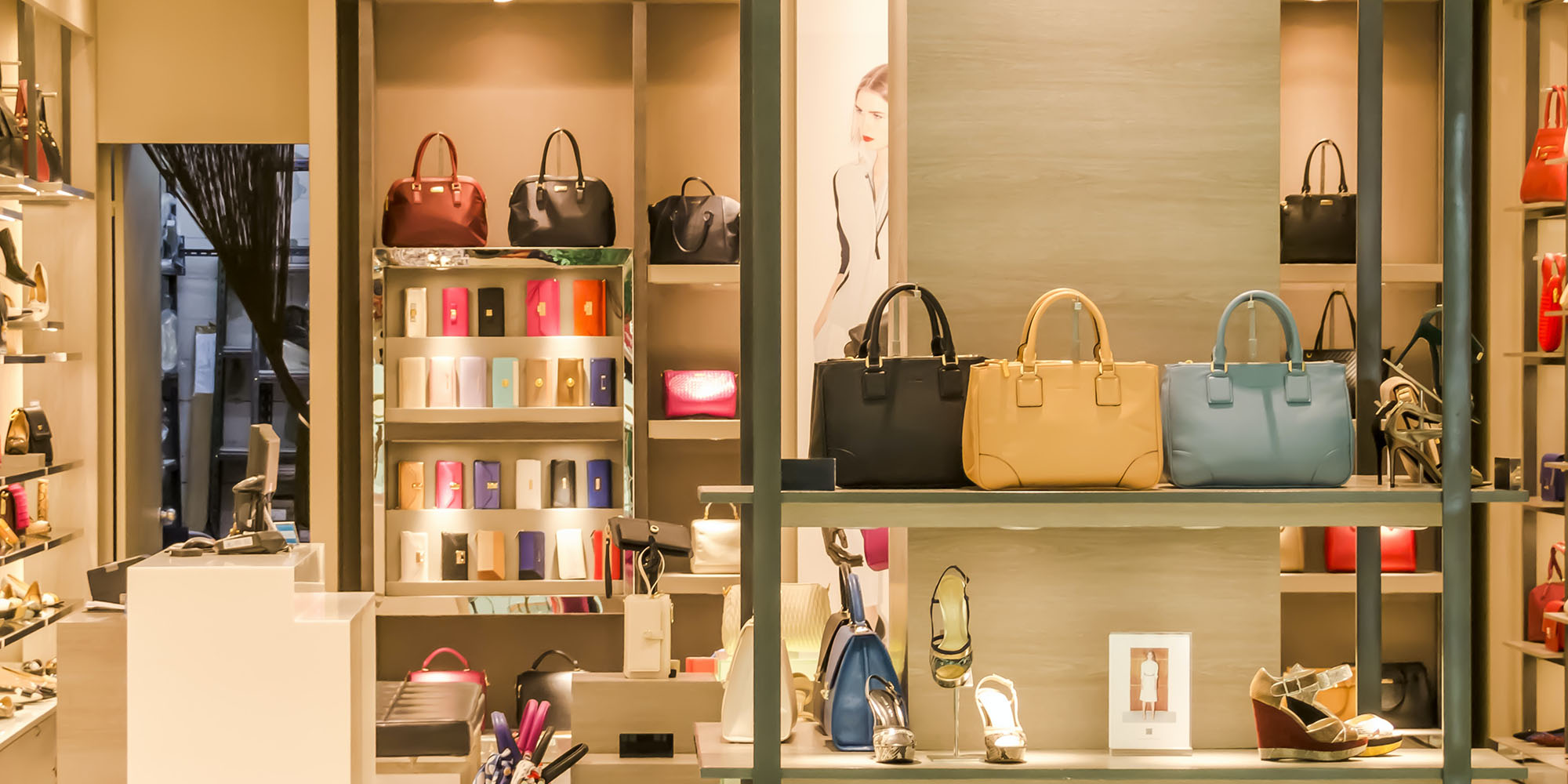
Img 5: Most clothing nowadays is created for the mass market, particularly casual and every-day wear, and is referred to as ready to wear or fast fashion.
Life cycle of fashion
First and foremost, the textile merchandising sector employs the fashion life cycle. This cycle keeps track of how long a certain item lasts. This cycle is influenced by consumers. When a style is bought, it becomes accepted, and once accepted, it becomes fashionable. Here's a diagram of the fashion life cycle:
Because this life cycle spans five stages, a trend is deemed fashion as long as it does not stop during the introduction stage. This cycle is crucial for shops, but it's also important for customers because it shows when something is losing favor and thus becoming out of style. For instance, you might see that a once-popular item has been relegated to the clearance section.
Fashion is a semi-permanent form of expression. Real-world events and news have an impact on fashion. Following runway trends, fashion blogs, and continuously exploring the websites of my favorite fashion retailers, as well as window shopping, can help me see what's hot and what's not. Brands of the twenty-first century understand that being socially conscious is critical to their existence. So, when inclusivity in sizing or silhouettes that don't put people in a box between one gender and another became apparent, enterprising companies acted rapidly to find a solution that would meet our contemporary demands.
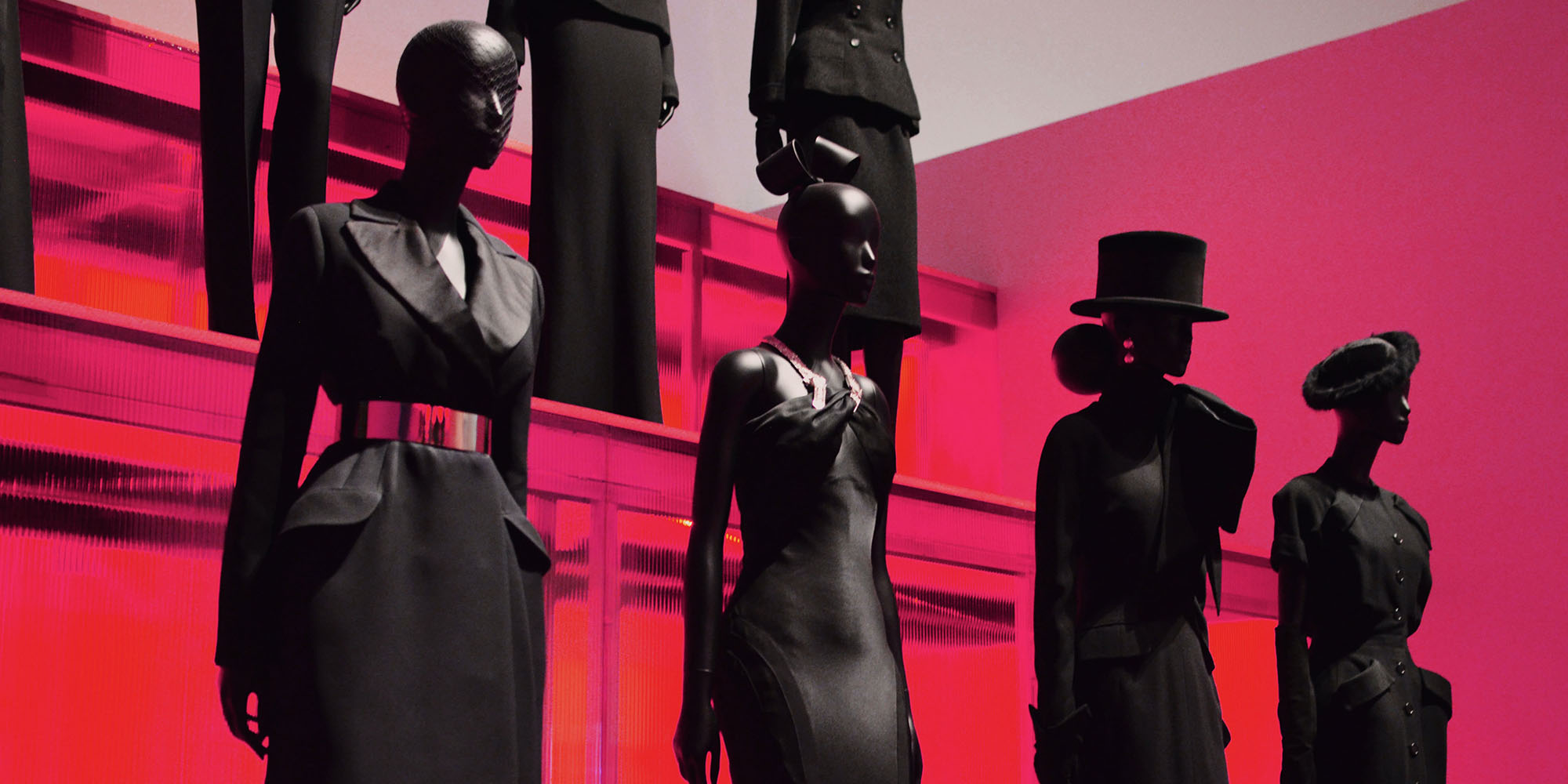
Img 6: SHowcasing diversity in the fashion realm is an essential consideration of contemporary society.
Many firms are now offering size ranges that are far more inclusive than they were even five years ago, as well as androgynous lines and collections. Another major economic shift in fashion for businesses is to create products in more environmentally friendly methods so that fashion can continue to thrive without harming the environment. Fashion is significant because it evolves together with me and the rest of the world.
Fashion is significant on a bigger scale since it represents our history and aids in the telling of the world's story. Clothes began as a necessity, but they quickly gained power when different groups adopted certain styles and made them fashionable. Levi jeans were popular among miners because the copper rivets used at stress spots in the pants increased the jeans' longevity, making them a favorite among blue-collar workers. Levi's identified an opening and rapidly developed a solution, and they remain an iconic denim brand after more than 150 years.
Different styles are more suitable for different climates and places since fashion trends fluctuate at least marginally from place to place. Clothes help people prepare for whatever life throws at them, but fashion keeps up with the latest fads and developments so that we're all prepared for whatever life throws at us.
Fashion may be an aspect of a person's culture as well. Turbans, hijabs, and other accessories that signify people's way of life can help people show what they stand for and can even help them honor their faith and ideals. Fashion exists to maintain that honor while also allowing for some expression, if desired. From a design standpoint, fashion provides you unlimited freedom over conveying any message you want. For some, fashion is more than a pastime or an interest; it is a way of life. It's one of the most reliable kinds of expression, and you have complete control over how you use it and what you do with it.
Future of fashion design
Designers in the twenty-first century are beginning to embrace new technology such as body scanning for bespoke fit and seamless and whole garment knitting, which can produce clothing at the touch of a button. Both are forerunners in a trend toward automation that will reshape the fashion business once more. Technology will change the face of fashion in the future, much as the sewing machine did in the past.
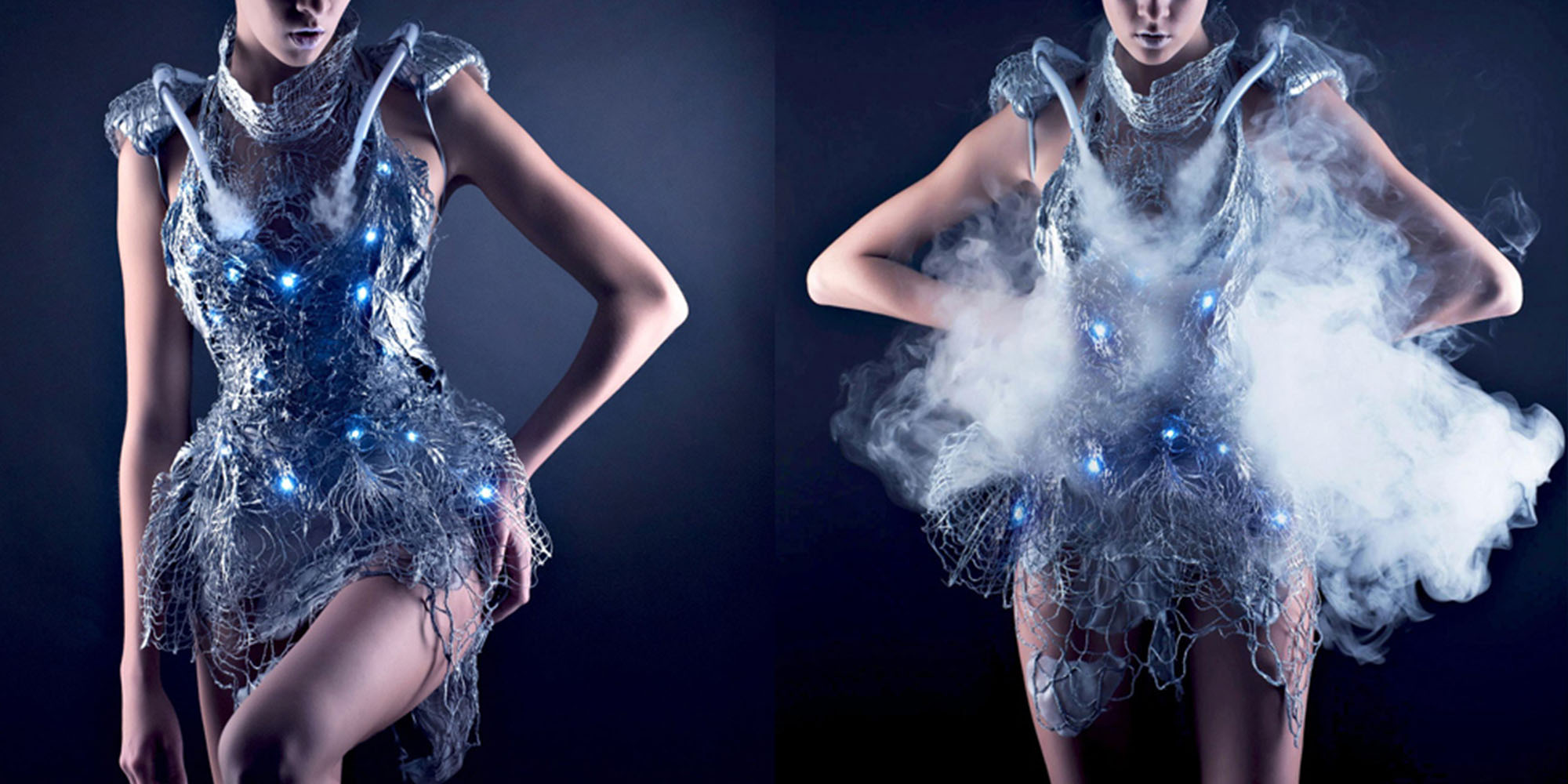
Img 7: Anouk Wipprecht, a Dutch designer, designed a 3D printed dress that emits smoke based on the wearer's breathing and proximity to others. (Credits-Anouk Wipprecht)
Designers of the future will continue to service their customers' requirements as they have in the past, but with new resources and technologies. Designers will use high-tech textiles in the future to create new product lines, including those with healing, sun protection, and other unique properties. In response to changing consumer expectations and preferences, clothing design in the future may be more functional than fashionable.
Architecture Competitions
Architecture competitions have been a big part of historic construction innovation. For centuries, architecture competitions have helped source the best and most unique designs for projects, spurred community development (think: urban planning), and created huge publicity around new projects.
Competitions are a great way to try out new things, make mistakes and learn from them. They're also a great opportunity for portfolio building because everything you submit gets contextualized based on where it ranks against everyone else's work. And perhaps most importantly, they give you extra insight into what the judges see in your submitted work as well as how they don't see it - which is yet another fantastic way to improve your designs in unexpected ways!
Some of the competitions for fashion design being hosted all over the world are A' Fashion, Apparel & Garment Design Competition, Redress Design Award, The Arts of Fashion Foundation Competition, Wanderlust by AATC, and so on.
Explore projects of fashion design published on UNI website:

UNI Design Competitions
UNI is a global network of architects and designers who are solving some of the most challenging problems around the globe. UNI brings together the world's largest pool of design challenges that are curated by the finest architecture academicians and professionals globally. With over 200,000+ registered members, UNI brings academia and professional spheres of architecture together through a unique knowledge sharing web platform.
Since 2017, UNI has hosted more than 200+ architecture competitions for various idea level to realization level briefs. In the past, UNI has helped 50+ organizations, universities, and government bodies to use our platform to generate architecture and design solutions through competitions.
There are many competitions hosted by UNI on our website for fashion design disciplines such as International fashion design awards '19 and so on.
Discover other competitions: https://uni.xyz/competitions





Popular projects
View all 112 projects













Latest journals
View all 47 journals
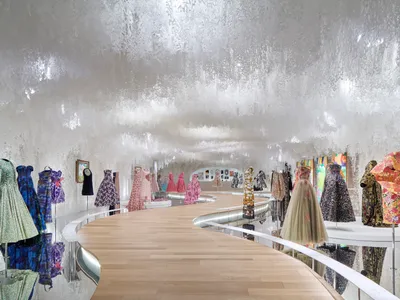
OMA Wraps 75 Years of Dior in Washi Paper and Infinite Mirrors at Tokyo's MOT
A 2,000 square meter exhibition transforms the Museum of Contemporary Art Tokyo into 22 immersive rooms that fuse Japanese craft with haute couture.


Facade Pattern Store by Workment: Minimalist Retail Design Emphasizing Timeless Clothing
Minimalist retail space in Seongdong-gu, South Korea; exposed concrete, flexible hanger systems, high ceilings, and thoughtful lighting emphasize timeless clothing essence.

A Flexible Retail Framework in Milan: Plan C Frame Flagship Store, Via Manzoni by (ab)NORMAL + APRIL
A flexible flagship store in Milan, conceived as infrastructural architecture where retail, culture, exhibitions, and collaborations continuously evolve.
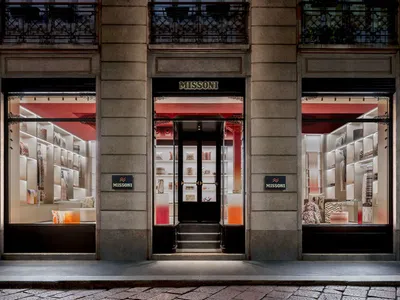
Missoni Home Boutique by Lit Studio: A Harmonious Blend of Heritage and Contemporary Design in Milan
Missoni Home Boutique in Milan blends historic architecture with modern design, showcasing iconic patterns, metal displays, Art Nouveau details, and luxurious interiors.


