

Industrial Building
Industrial buildings and architecture
6 Competitions 30 Projects 2 Publications 67 Journals
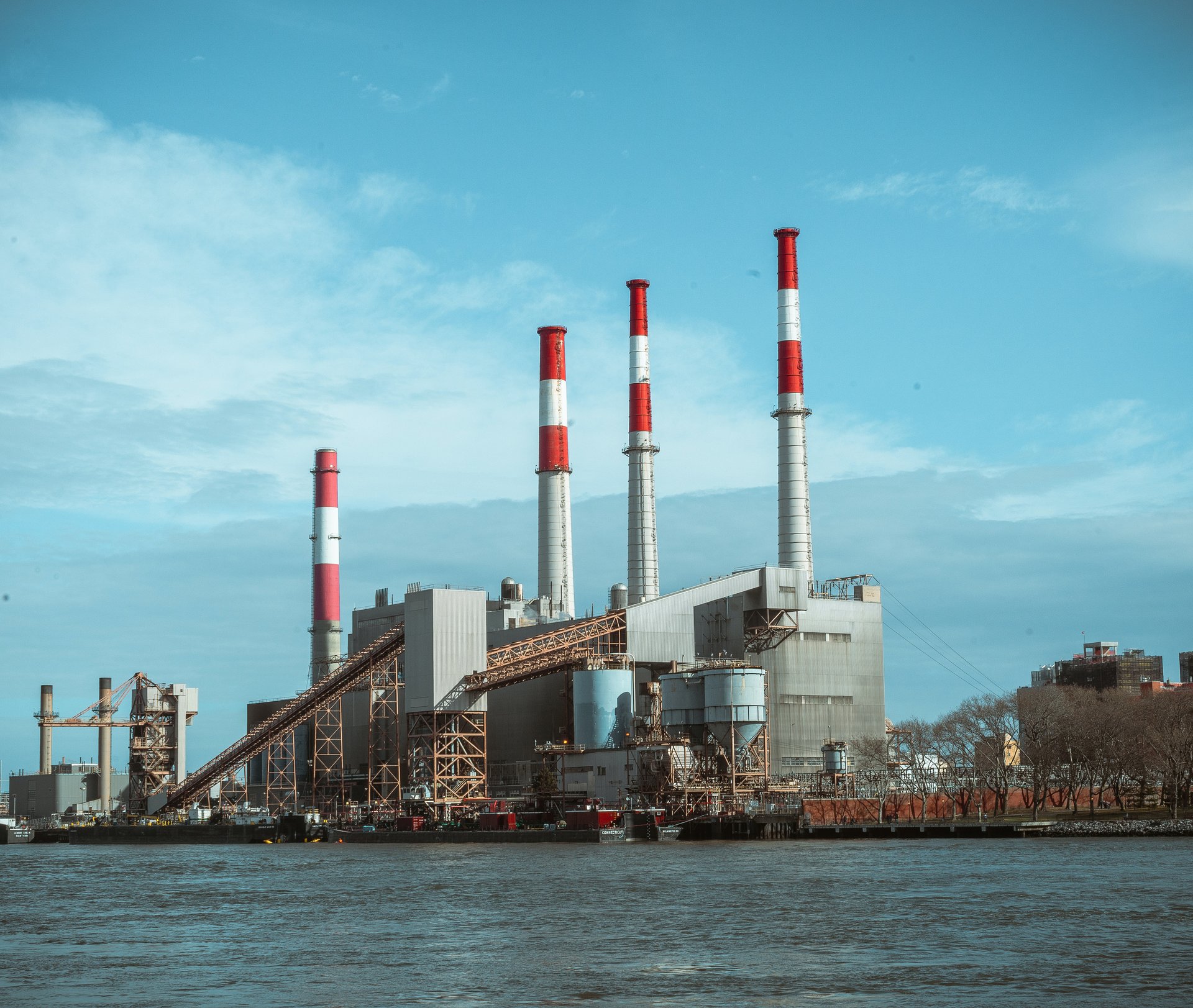
Architecture, along with every other aspect of world life, was undoubtedly transformed by the industrial revolution in the late 19th and early 20th centuries. Modern developments in technology and organization, like steam and coal-powered machines and precise factory lines, have made the urban industry substantially more profitable for industry leaders and labourers alike. As iron and concrete processing improved during the revolution, architects and engineers were able to harness new and previously unimagined possibilities. During the Industrial Revolution, iron's quality continuously improved, which enhanced architectural potential. With iron and glass, it was easy to construct buildings like the translucent Palm House in Kew Gardens (1848) and Joseph Paxton's even more famous "Crystal Palace" built-in 1851. Thus, large industry-devoted buildings became necessary and rose to prominence as some of the pioneering structures of modern architecture. Img 2: Crystal Palace 1851 was one of the first industrial buildings by Sir Joseph Paxton Many notable industrial buildings from the twentieth century still survive, albeit many of them are no longer used as industrial areas. While the quality of industrial buildings is diminishing, the need for industrial infrastructure is more than ever. A major shift in industrial building design is needed as architecture in all sectors is transitioning to become more conscious of its impact on the natural environment. As the environmental track record of industrial buildings is not really the best, they are at the forefront of environmental change. What design strategies can we adapt to change the image of industrial architecture from toxic, isolated environments to sustainable and community-friendly spaces? How can we challenge and modify our views of industrial architecture in this day and age? Importance and need for industrial buildings Industrialization has transformed society and created a need to house machines with varying functionalities and spatial requirements. Today industries have become an indispensable part of the modern-day economy. Industrial architecture has become a specialized field in terms of design and management. With the introduction of automation in manufacturing, people's lives are dominated by technology and gadgets. While rapidly increasing demand for technology has fueled the need for industrial infrastructure and building corporations have abandoned quality environments and are opting for rapid low-cost shelters that protect machinery but impact the environment immensely. Img 2: CopenHill powerplant building re-designed by Bjarke Ingles in an effort to reduce the impact on the environment (Credits: Rasmus Hjortshoj) What are the types of industrial buildings? Img 3: Building types for industrial architecture Manufacturing facilities: Manufacturing facilities consist of heavy manufacturing buildings and light assembly buildings which include infrastructure for mining, oil and shipbuilding businesses. They generally characteristic heavy high-ability structures in an effort to dispose of dangerous chemical substances and fumes in the facility and convey easy air. Although because of lack of knowledge with reference to renovation and maintenance of these structures, they cause more harm than prevent it. Warehouses: Warehouses can be divided into distribution warehouses and Vehicle (truck, train, plane) Terminals. Used to store and transport goods, these typical one-story buildings range in size from 5,000 square feet to hundreds of thousands of square feet. Because the necessary shelving and storage systems are located under the roof. Ceilings are typically at least 60 feet high. Other defining features include loading docks and parking lots to house semi-trailers used for distribution. Telecom and data centers: Advancement of technology gave rise to spaces for data centers and telecom services. From small rooms in offices/companies, data centers have now expanded into the infrastructure of their own. Also referred to in terms like switching or cyber centers and web hosting facilities, these buildings feature a redundant power supply (two or more units) so technology can function in the event of a potential outage from one source. Due to high processing units and the use of natural resources for batteries, data centers are proving to be a major hazard to the environment. Solutions like underwater/ Outerspace data centers are being considered to reduce its impact. Flex Buildings A flex building encompasses a wide variety of business functions related to the manufacturing process under one roof. This offers a “flexible” solution to meet a company’s unique needs. These buildings include showrooms, mixed-use office buildings and warehouses, research and development centers, biotechnology buildings. Flex buildings are transforming the definition of industrial buildings as singular entities by merging them with the urban environment and in activities that make communities. Architecture competitions Industrial buildings rarely receive a second glance from most of us, both inside and outside the design and architecture industry. They are constructed purely for functional purposes. These structures, which tend to be vast and lifeless, are often located in areas disregarding the design elements, natural or otherwise, of their surroundings. Industrial buildings are a vital part of the processes of almost all urban systems. Can we make an attempt to revive efficient planning and design for industrial spaces? How can we do so by maintaining a balance with the environment? A stark distinction of various typologies have isolated industrial activities and architecture, but in current times due to overload on infrastructure, climate and people architects and designers are attempting to reuse and merge functions for collaborative and sustainable environments. Such an approach offers new dimensions that introduce contemporary/sustainable design ideas to combine multi-purpose functions in offshore conditions. Img 4: ''ArchiPelago - The sea satellite' winning entry for Proximity Island-Repurposing oil rigs Architecture competitions are a great way to find creative design enthusiasts who not only have the relevant skills for designing and developing projects but who also share their vision regarding the problems affecting our society today. Architectural and design competitions offer a wide array of challenges that have the potential to be utilized in built projects. Few industrial building competitions held by UNI include - e-Fill, Proximity Island, Tinker Project, Re-Utility, Pour, Coalesce and Envent. Img 5: 'Wine Temple' People Choice winner for industrial architecture competition Pour: Designing a winery Explore projects in Industrial architecture: UNI Design Competitions UNI is a global network of architects and designers who are solving some of the most challenging problems around the globe. UNI brings together the world's largest pool of design challenges that are curated by the finest architecture academicians and professionals globally. Since 2017, UNI has hosted more than 200+ architecture competitions for various idea level to realization level briefs. In the past, UNI has helped 50+ organizations, universities, and government bodies to use our platform to generate architecture and design solutions through competitions. Discover other competitions: https://uni.xyz/competitions