
Installations
Temporary and permanent structures designed to occupy, transform, or activate spaces through immersive physical experiences.
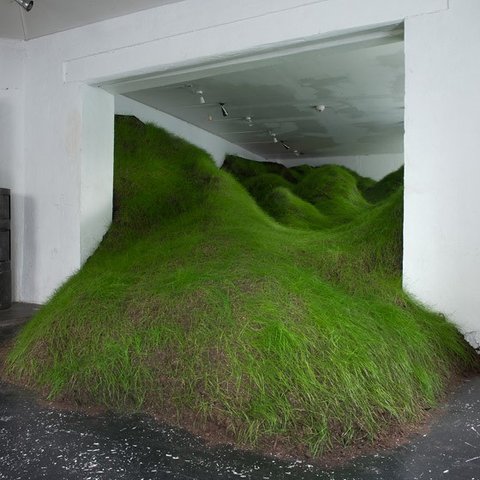
Installations are one of the most powerful and immersive of all art forms. In contrast with traditional mediums such as painting and sculpture, installation art is designed to fill whole rooms or even entire gallery spaces. Installation art, like many other modern and contemporary genres, has roots in various movements, including Dada (art movements during WW1), conceptualism, and performance art. It has since grown to become one of the most popular and widely distributed strands of contemporary art and architecture, with public space experience. Installations can be temporary or permanent, and because the discipline is so adaptable, they can be created in a variety of settings, including museums and galleries, as well as public and private locations.Img 1: ‘Words’ (1962) by Allan Kaprow- One of the first installations representing words as physical fragments of the urban environment, a quasi-architecture of marks, signs, notes, doodles, carvings, scrawls, shouts, and whispers (Credits-https://www.theartstory.org/artist/kaprow-allan/)The field encompasses a wide range of displays constructed of commonplace and natural materials, which are frequently chosen for their inspirational properties, as well as modern media techniques such as video, sound, performance, immersive, augmented, and virtual reality. Many installations are either isolated or site-specific, meaning they are only intended to exist in the place for which they were made, appealing to qualities found in three-dimensional immersive media. How do installations impact the space and people? Installation art differs from other artistic methods. They are often created by the special treatment of objects in everyday life. Due to the continuous evolution of social changes, installation art has expanded in form, whether in urban squares or on the street; it can serve as a place for the expression of installation art. Moreover, the emergence of digital technology has undoubtedly impacted this interactive form of installation art, offering artists a wealth of new creative possibilities. Installation is a flexible strategy for art intervention in public spaces, creating multiple experiences in urban public spaces. In urban public spaces, installation art attracts more and more attention due to its rich presentation forms. Whether it is a commercial space, city square, street space, etc., it can affect people's minds and attention spans to varying degrees and interacts with the public very closely. Installations thus impact both people and space in various ways: • The role of attracting peopleFaced with the situation that some urban public spaces are old, neglected and unused, these spaces are gradually ignored. The intervention of installations in public spaces can help to change the original spatial environment, bringing a different visual experience to the public through rich forms of expression. • Convey the spirit of the placeThe renewal of public space is not blindly renewing the environment and functions. The renewal of space helps to change the public concept of space renewal so that the audience is aware of the past, present and future user needs of the space.• Update place function Installations with an atmosphere can permanently or temporary update the primary function of a place/street. It can help make the place safe by its presence and functions or help provide open spaces/platforms for children or artists for the time being. • Micro-update strategy of artistic interventionIn conventional public areas, installations are considered “unconventional” or alien/new kinds of expression, that is extraordinarily smooth to draw people`s interest and generate public opinion, that allows to acquire the cause of public area renewal and stimulate communication.• Sustainable use of materials At times the features/ concepts of installation art also coincide with the concept of sustainable development proposed in the development of urban construction/or a general awareness. Any sustainable concept of installations can be designed to raise awareness amidst the urbanscape by using limited resources or promoting new sustainable materials and impacting the general populace in the area. Img 2: Green Varnish by Nomad Studio to raise awareness about depleting natural landscapes (Credits- Nomad Studio)Installation art in urban public spaces is closely linked to the advancement of science, technology, and urbanization. The development of the aesthetic and cognitive abilities of the public has at the same time influenced the intervention of installation in the development of urban public space. It uses distinct varieties of expression to connect city space with the general public, creating a brand new space-art-human beings interaction, breaking the traditional manner of spatial cognition in addition to raising focus in the maximum emotional/creative methods for the betterment of the world. Main characteristics of installations In today’s day and age, installation art has evolved from sculptural stationary art to moving/interactive pieces of art. Few characteristics of a contemporary installation can be: Immersive: Installation art is characterized by its ability to physically interact with viewers. Despite the fact that all artistic mediums can engage individuals, most do not fully immerse them in interactive experiences. Besides facilitating dialogue between art observers and works of art, this unique characteristic encourages individuals to view art from new and different perspectives. Immersive installations also expose the public to new technology and make it accessible, which affects the bigger picture of a city/region. Img 3: Media architecture used is an exhibition installation- Teamlab Borderless Museum, Tokyo, JapanScale: Most works of installation art are large in scale due to their interactive nature. They allow viewers to become completely immersed in each larger-than-life environment with their large stature. Often, they are able to walk, stand, or sit through the artwork-a characteristic not often found in other forms of art. While large installations enable direct interaction, small scale interventions do contribute to temporary public space functions like protest marches or public exhibitions. Img 4: Large Installations can create an enormous impact on the visitor - Museum of FIne arts HustonSite-specific: Unlike sculptures, paintings, and other similar pieces, installations tend to be conceived with specific sites in mind, from rooms in galleries and museums to outdoor areas. Because of the strategic nature of their designs and the uniqueness of their surroundings, site-specific works of art and architecture provide a unique aesthetic and experience. In addition, due to the need for climate change/sustainable awareness permanent installations with conscious materials help generate more than a viewing site for visitors.Img 5: Installations have to be pre-planned on how they would interact with the site and make it a part of the experience. Architecture competitions The rise and development of installation art have gradually shifted from indoor exhibition spaces to outdoor urban public spaces. Advances in science and technology have also had an important impact on installation art. Its various forms of expression, rich use of materials, and unconstrained ideas have brought to the city and the public an unprecedented visual impact. Installations are making art more accessible and understandable - art that can be used, touched and interacted with. While pavilions and temporary stationary structures encompass architecture, more and more disciplines like installation, exhibition design, urban design or media architecture are proving to be part and parcel of urban design. To merge, collaborate and design for better spaces how can we bring installations as a major space changer in the fields of urban design and architecture? Img 6: Under the skin, competition entry for Elevate- An installation that makes you look up from your device and makes you interact with it Architecture competitions are a great way to find such creative and revolutionary ideas for the improvement of public spaces. They actively seek design enthusiasts in both closed/open competitions who not only have the relevant skills for designing and developing projects but who also share their vision regarding the problems affecting our society today. Architectural and design competitions offer a wide array of challenges that have the potential to be utilized in the renewal of urban landscapes as well as for creating new paradigms of ideas for permanent as well as temporary installations. Explore more projects in Installations: UNI Design CompetitionsUNI is a global network of architects and designers who are solving some of the most challenging problems around the globe. UNI brings together the world's largest pool of design challenges that are curated by the finest architecture academicians and professionals globally. Since 2017, UNI has hosted more than 200+ architecture competitions for various idea level to realization level briefs. In the past, UNI has helped 50+ organizations, universities, and government bodies to use our platform to generate architecture and design solutions through competitions. Discover other competitions: https://uni.xyz/competitions