

Urban Integration
Design approaches that embed architecture and infrastructure meaningfully within existing urban contexts and communities.


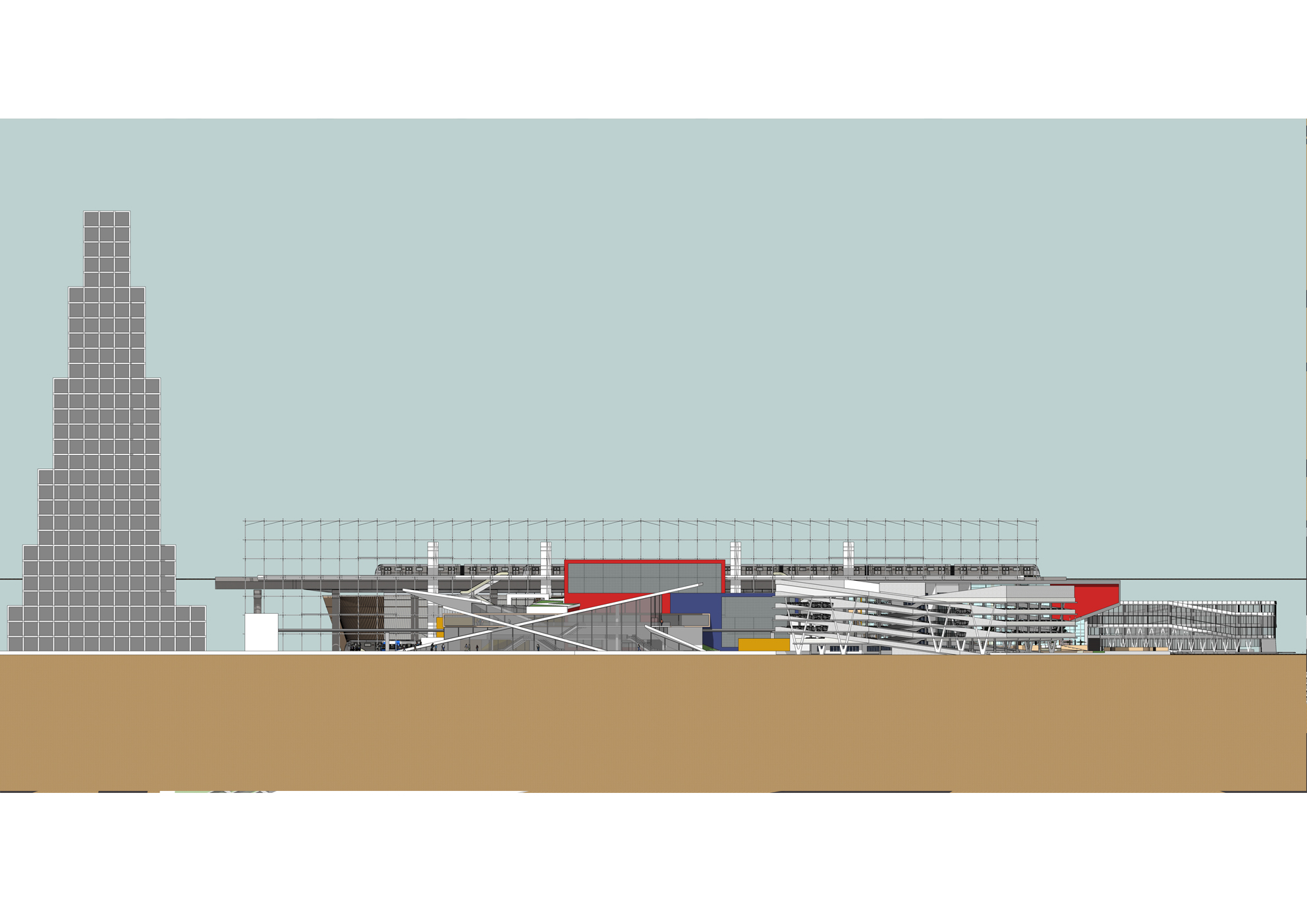
Highway as Habitat
Highway as Habitat addresses a fundamental paradox embedded in the contemporary American metropolis: highways serve as essential infrastructures of mobility, yet simultaneously fragment the urban fabric by separating movement from habitation. As cities continue to densify, this horizontal system—once a driver of expansion—has become increasingly misaligned w


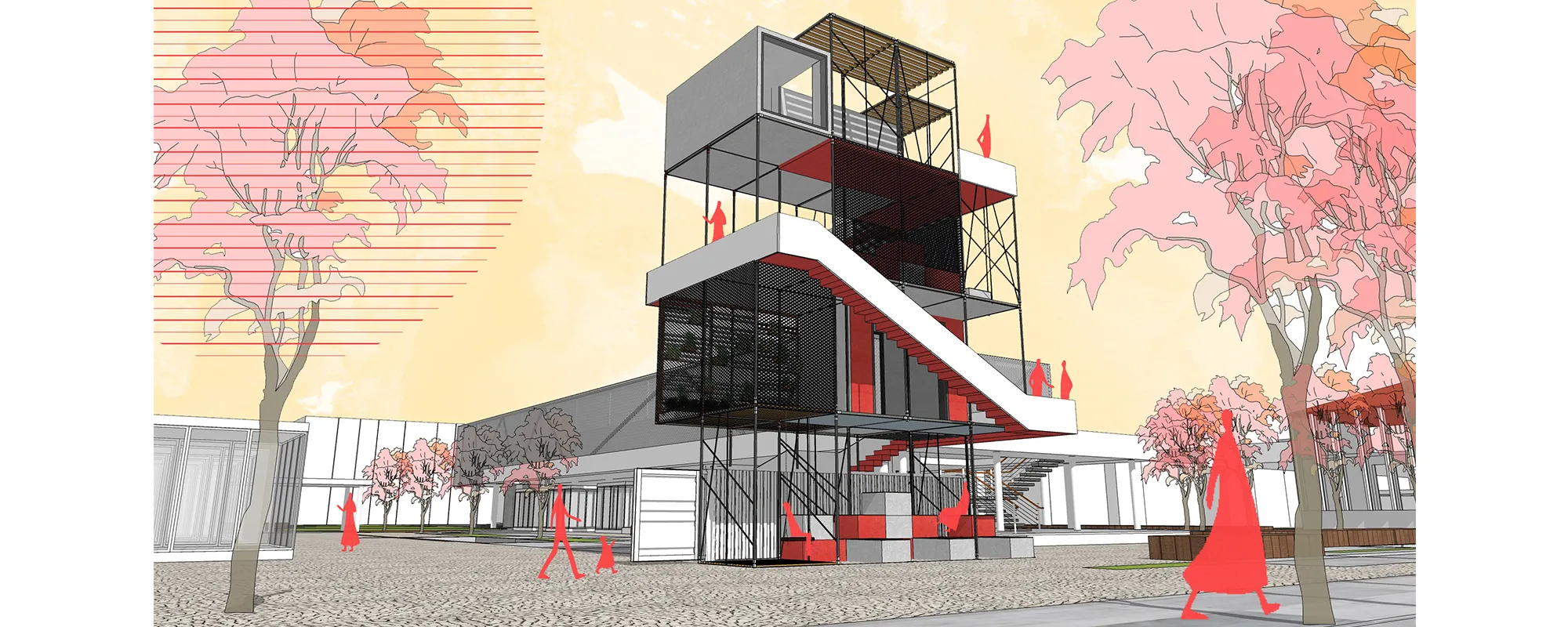
CUBE(ish)
People are in a rush between their home and workplaces. They sometimes miss the opportunity to pause, look around and feel good. At this point in-between spaces (between home and workplace) in cities draw attention. Our concept is an in-between space which creates an escape point from daily rush.

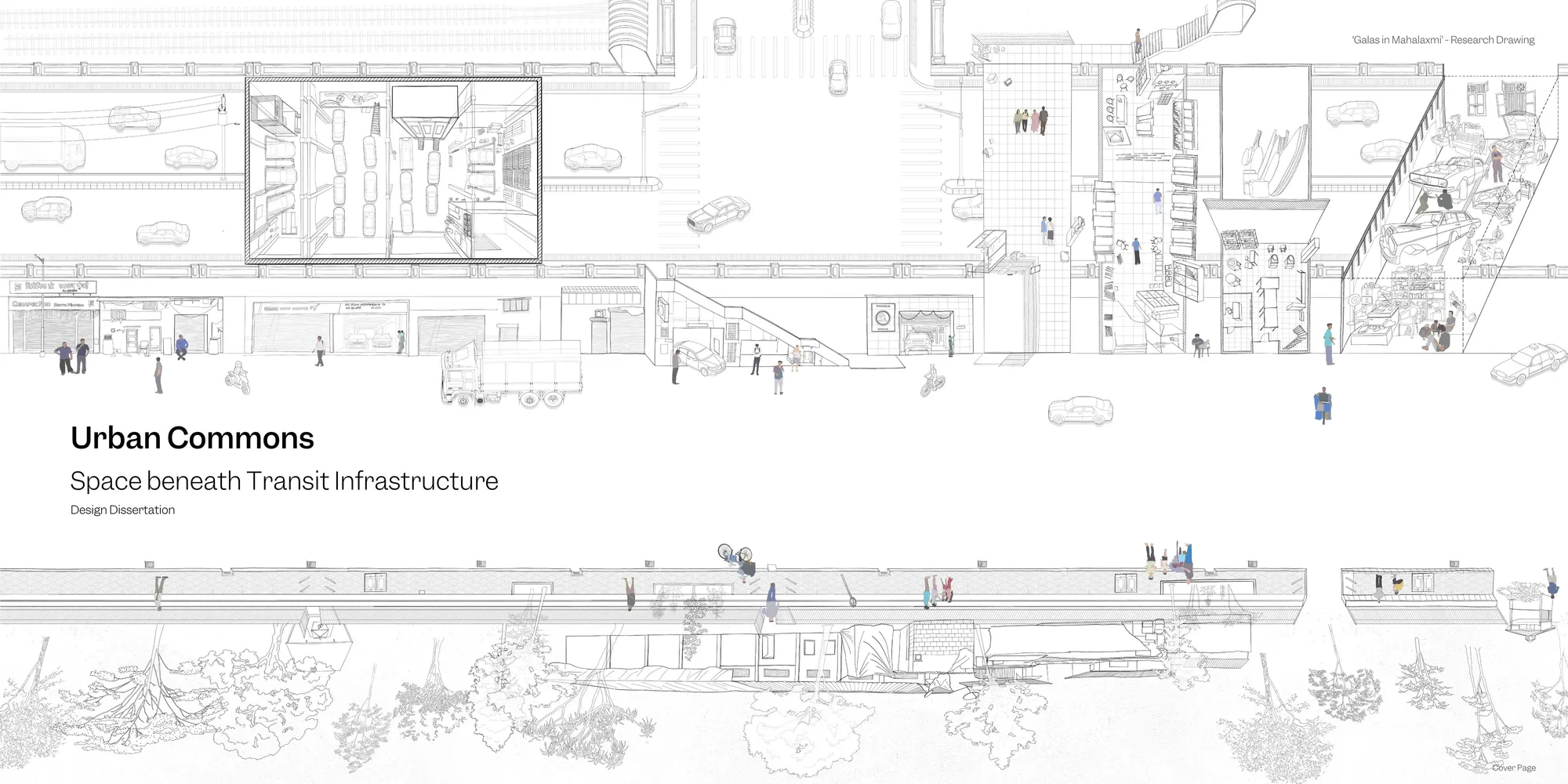
Living the unplanned, Informal urbanism & place-making in Karachi.
The research concluded that informal urban activities are not obstacles to city development but essential contributors to Karachi's social and spatial identity. It demonstrated that top-down urban renewal and commercialization often fragment established urban ecologies by displacing informal communities without providing meaningful alternatives. The study advocates for a re-urbanism approach that recognizes and integrates everyday urban practices into future planning.



Mayura Bhoir _ Undergraduate portfolio _
This portfolio is a curated collection of works from my five years in architecture school, each project marking a distinct phase of learning and growth shaped by curiosity, collaboration, and a continuous drive to refine my design thinking. Together, they trace not just academic exploration but the gradual emergence of a personal architectural voice. Alongside this, the portfolio includes work from my internship, offering a glimpse into how these academic foundations found expression in professi


good work😍

Getting into different typologies looks very interesting

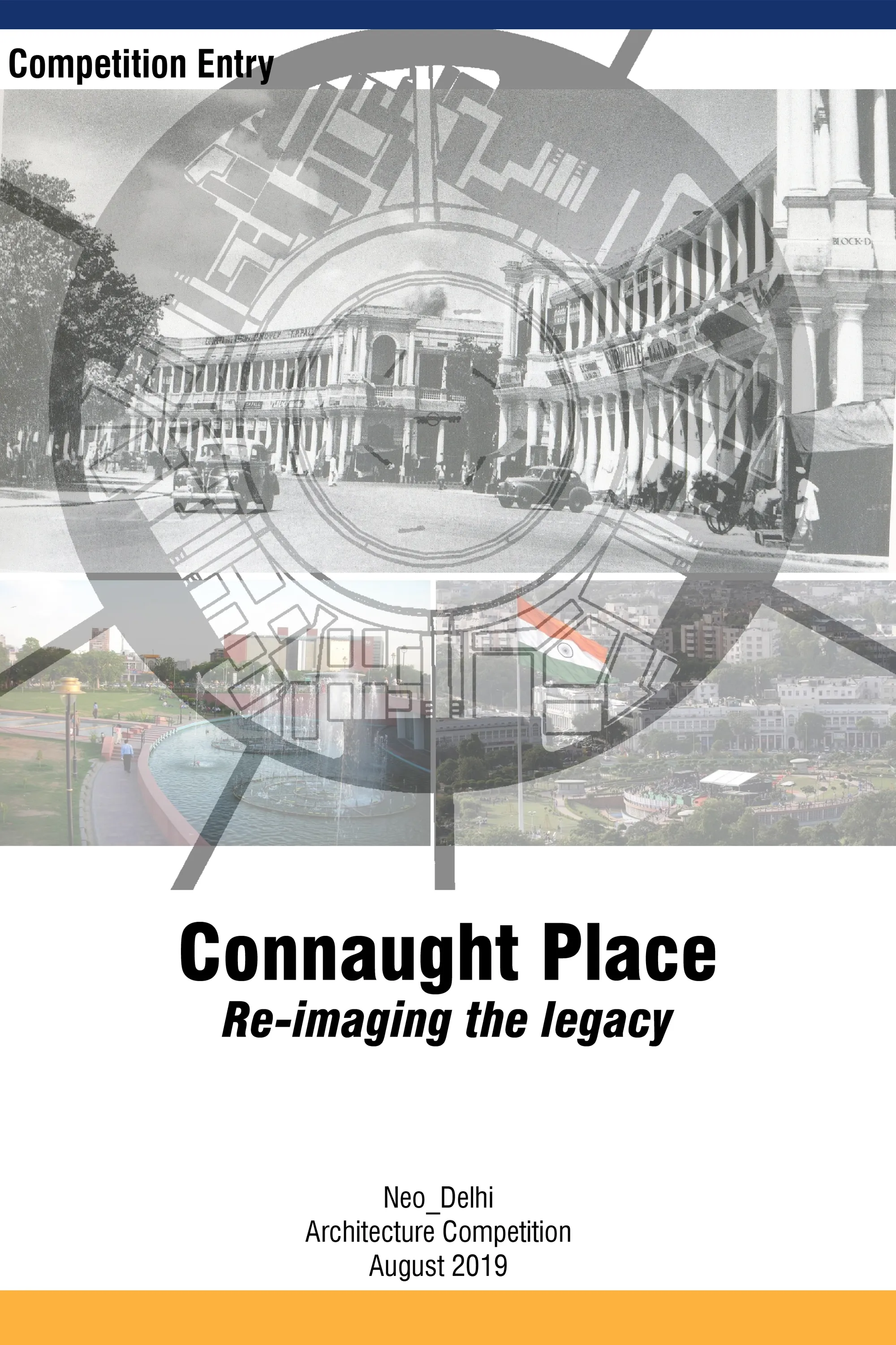
Connaught Place: Re-imaging the legacy
The heritage ties of CP are threefold: physical, social and cultural. The most important factors that make it popular destination are the social and cultural activities. The legacy of CP lies in its functional value as a dynamic place for recreation. Since this area is economically active, there is a need to increase the area for commercial activities.

Linear City
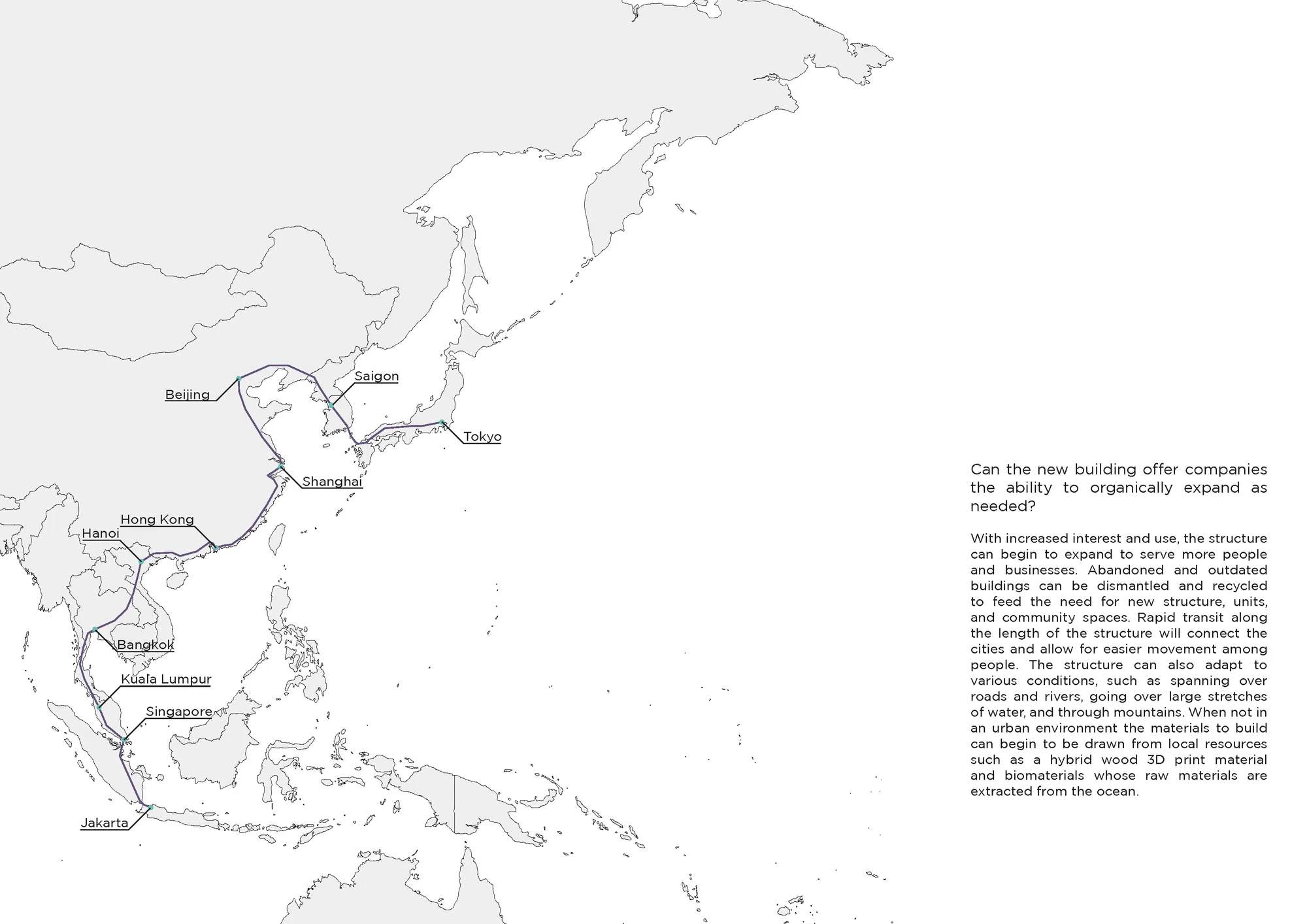
The increased presence and use of automation and artificial intelligence in society will create radical changes to the way people live and work This project provides new ways to live and work for both people with and without the skills still needed to hold a job By creating an adaptable and expandable city AI can begin to best serve the needs of everyone.

URBAN LIVABILITY
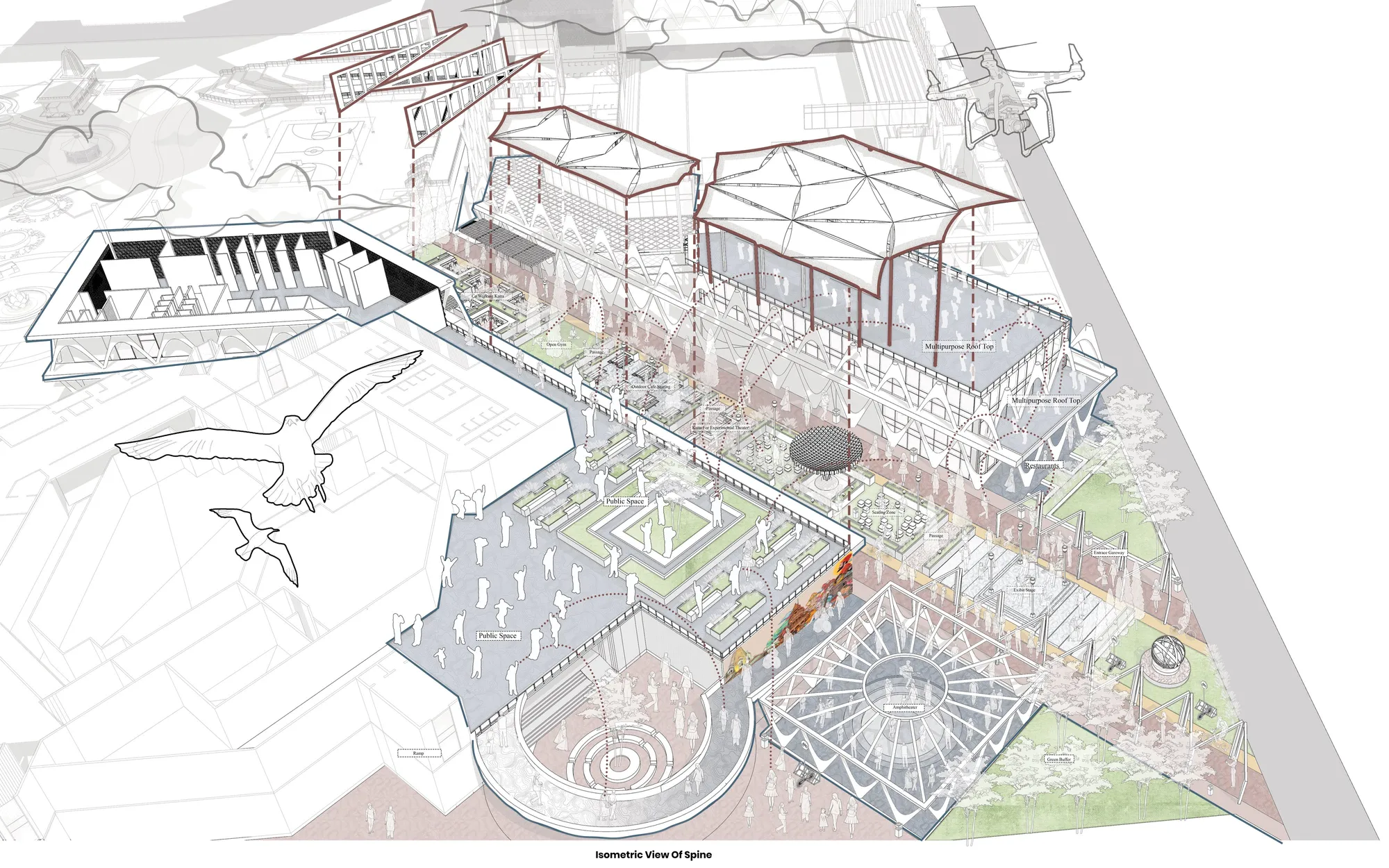
This design creates a livable, inclusive Kalidas Complex by integrating fragmented buildings into a cohesive, well-organized campus with new user-driven functions. A central pedestrian spine becomes an active public realm for movement and interaction, while permeable edges enhance accessibility, connectivity, and everyday community use.

From Sociofugal Grids to Sociopetal grounds: Third places as tools for rehumanising the industrial landscape
From Sociofugal Grids to Sociopetal Grounds explores how industrial towns, shaped by rigid zoning and mechanised planning, often foster spatial alienation and social disconnection. Through theories of sociopetality, placemaking, and third places, it investigates how neglected urban spaces can be transformed into inclusive environments that nurture interaction, belonging, and collective life.

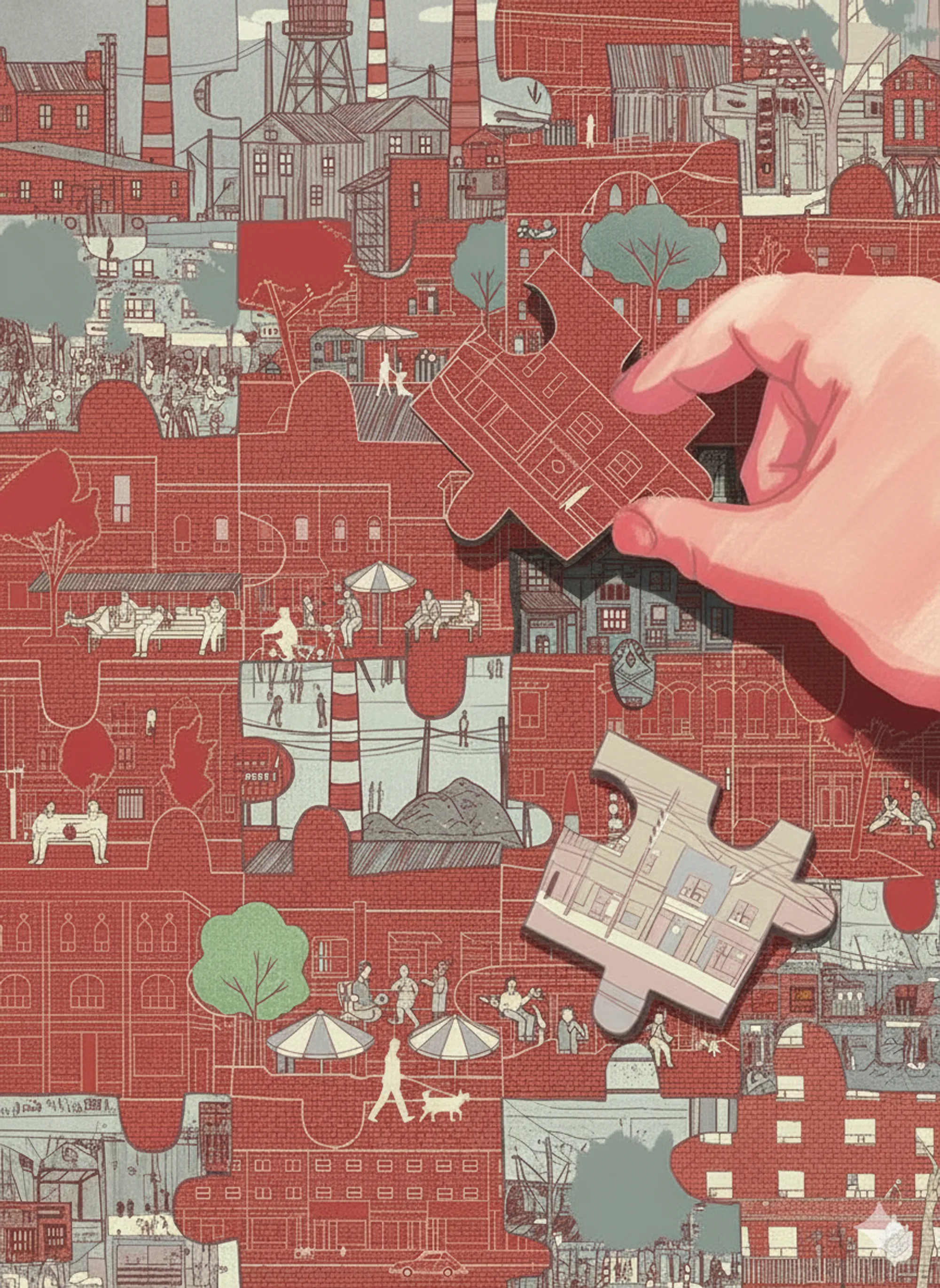

one can see great work with pure dedication while reading this thesis.👍🏻

Great Work

Great work🙌🏻


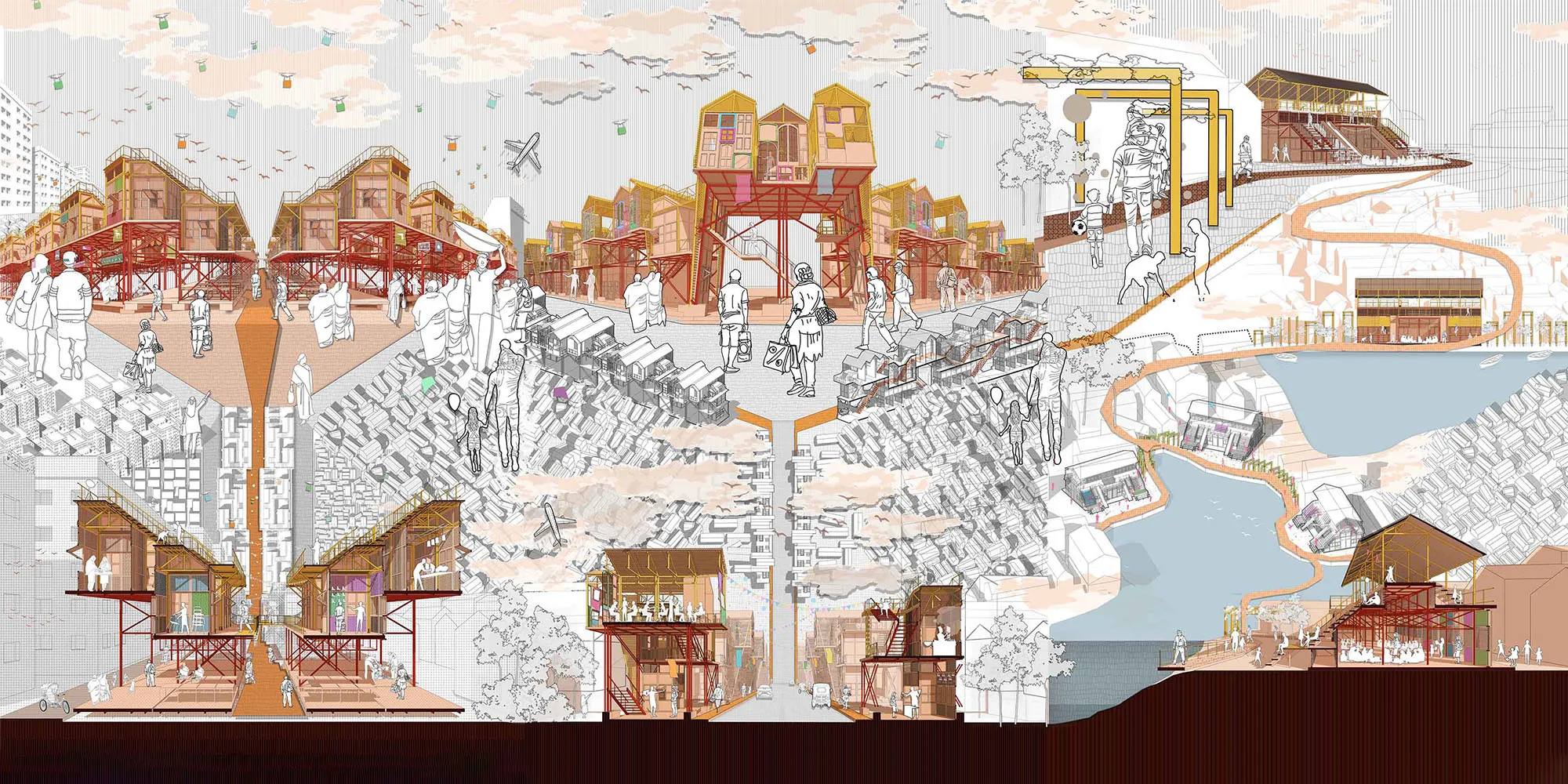

Implementing Traditional methodologies in incremental housing model
This dissertation explores the integration of traditional architectural methodologies into incremental housing models, aiming to create contextual and adaptable living environments. The research investigates how vernacular principles, construction techniques, and spatial practices can inform contemporary housing approaches while allowing residents to gradually evolve and personalize their homes.


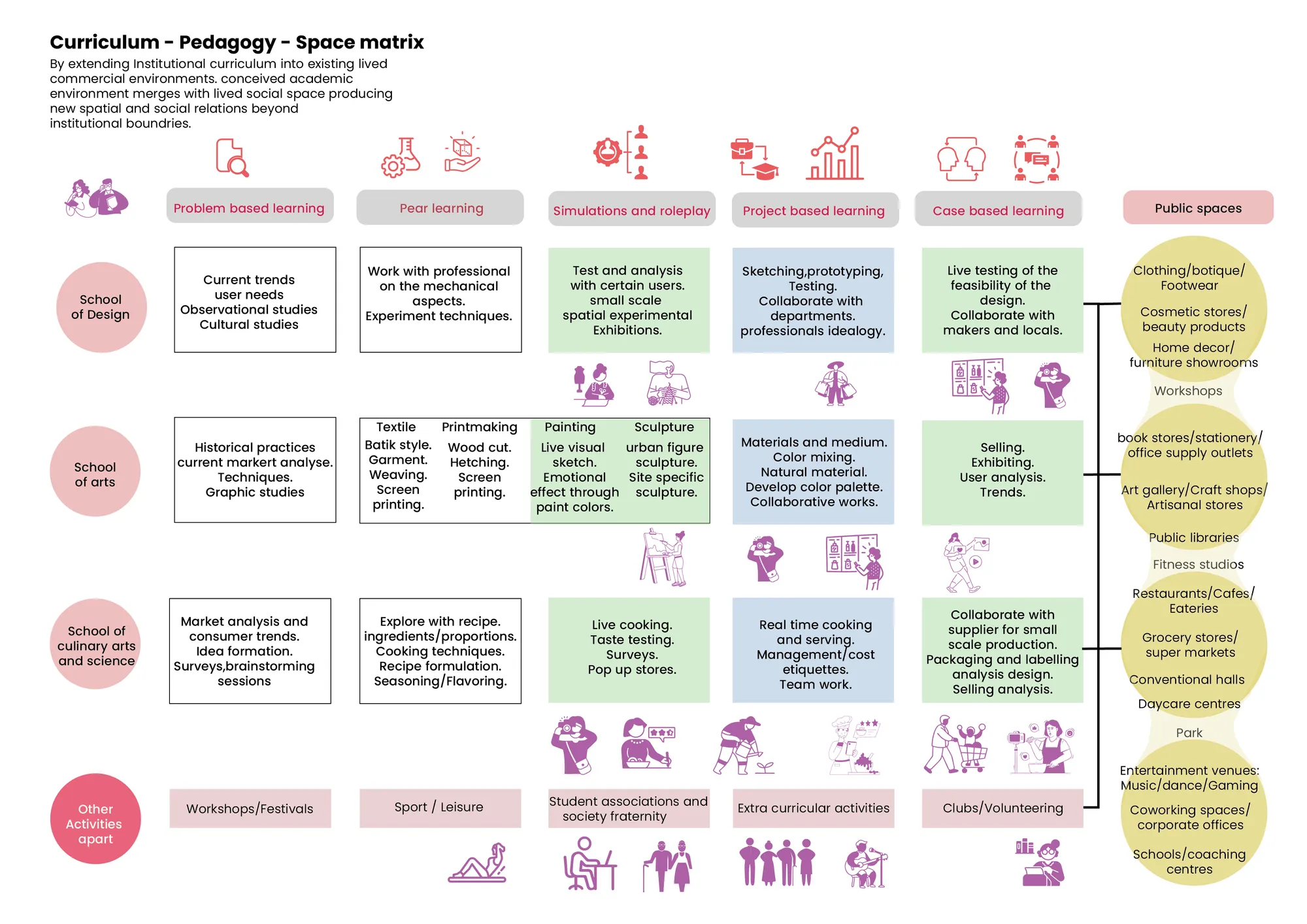
Urban Continuum:An alternative learning ecosystem
Education has increasingly become detached from the lived realities of the city. Urban Continuum proposes an alternative model in which learning is embedded within the rhythms of everyday urban life. Instead of concentrating education inside institutional boundaries, the project distributes learning across existing neighbourhood spaces, creating an interconn
The post-carbon city
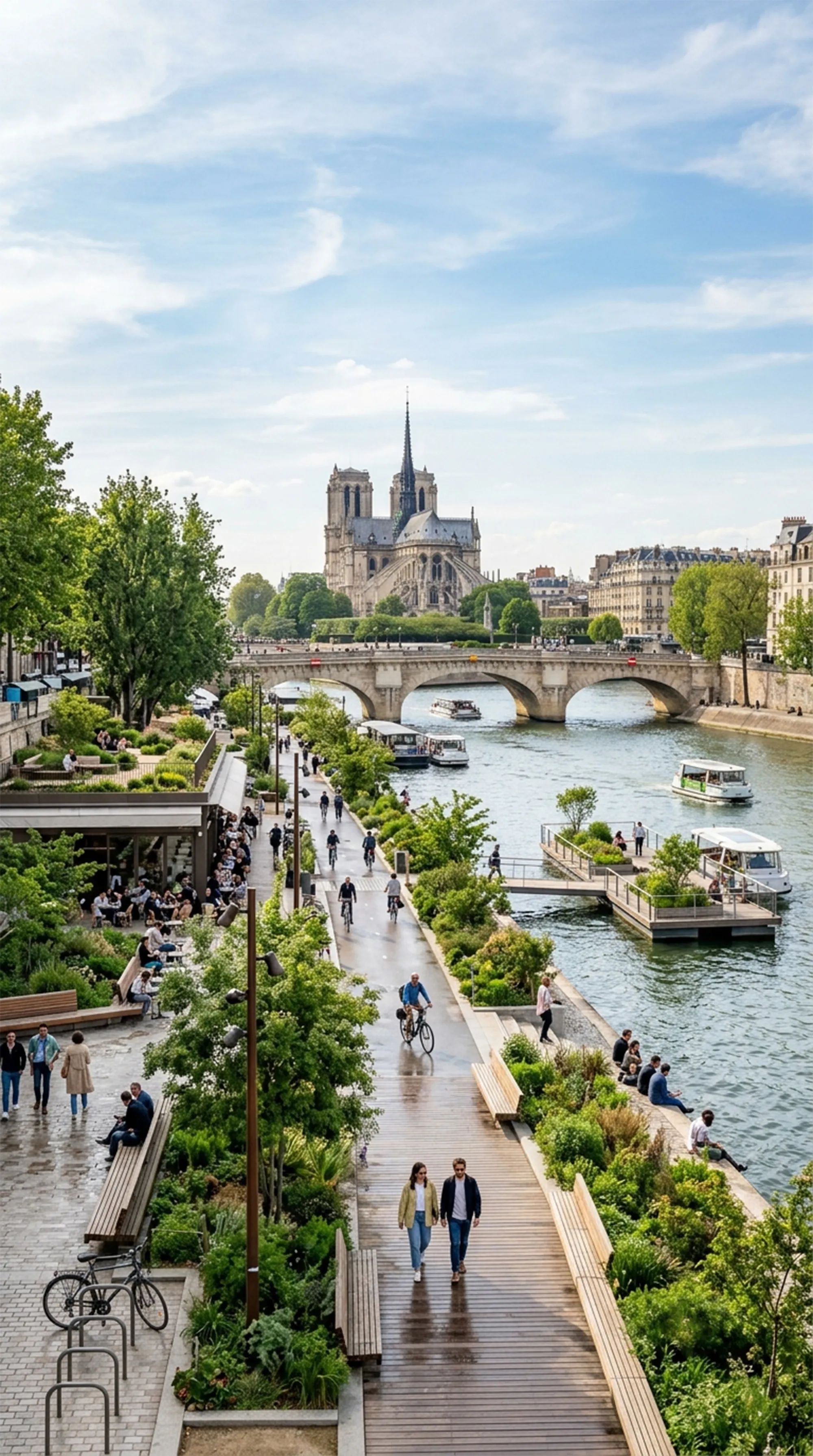
Moving beyond the question of decarbonizing transport, this article investigates the post-carbon transition as a catalyst for reconfiguring urban space. It examines how changing mobility paradigms reshape metropolitan structures, public space, and territorial organization, laying the foundations for a renewed architectural and urban model.

The end of expansionary urban planning
The article shows that the future of urban planning lies in transforming existing spaces rather than expanding cities, in order to address ecological, economic, and territorial challenges.


Metabolic Infrastructure: Reimagining Dombivli Station as a Civic Catalyst
This publication explores Dombivli Station as a key urban area influenced by the intersecting dynamics of mobility, governance, informal economies, and environmental challenges. Through urban theory, site diagnosis, and layered analytical mapping, it reframes transit infrastructure not as a purely circulatory system, but as a civic condition capable of supporting more inclusive, resilient, and socially productive forms of urban life.


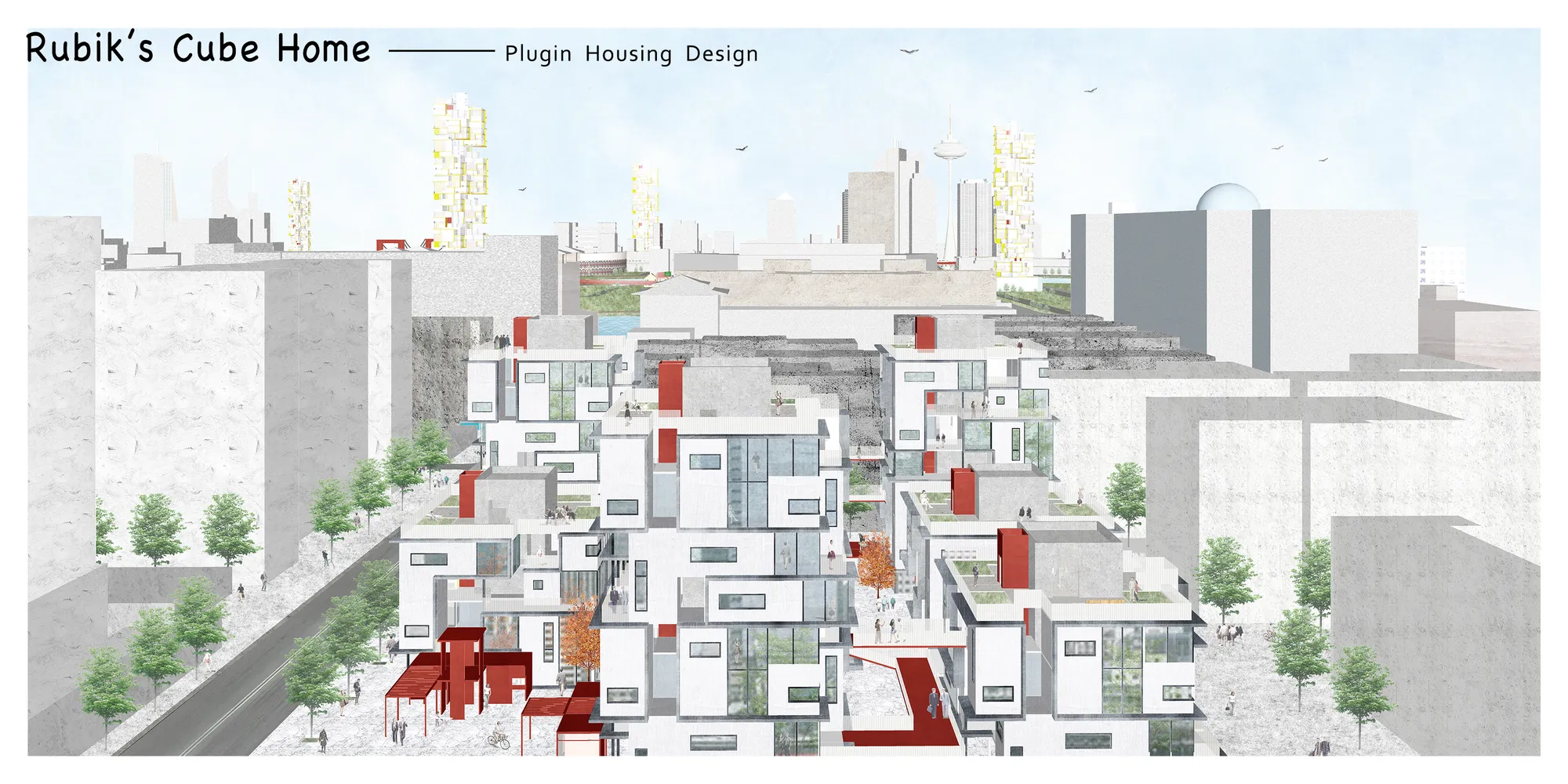
Rubik's Cube Home??plugin housing design
We get the concept of this design from the construction of magic cube. Rubik's cube can be quickly disassembled and assembled, and can form a variety of changes. We regard each residential unit module as a small block, forming a large unit around the axis. Different house types can be combined freely, and each module can be replaced.

Optimizing Transitional Spaces
This study examines how transitional spaces in Bur Dubai’s Meena Bazaar drive urban vibrancy and social dynamics. Using mental mapping, behavioral tracking, and mass void analysis, the research evaluates how spatial organization and thermal comfort impact usability in dense environments. It demonstrates that optimizing accessibility and climate comfort transforms these overlooked connectors from mere pathways into vital cultural hubs.


INDI GENIUS
Tomorrow with Hyperloop we'll travel from cities in minutes but for us the critical standpoint is that it is even more to create strong engaging connections to the 'local' - people, places, memories, landscape. So, we have tried to reinforce the local mobility systems - local train & auto rickshaw ; and the local urbanity - create East West city links.



The Wall
Our project proposes an alternative approach towards skyscrapers; we hope to uplift the city, especially the Karun river, and purify the air of Ahvaz. Our project has the potential to become an icon by creating a diverse way of living and a connection with older city icons. Housing, environment, and social interactions are the main focuses of our design.
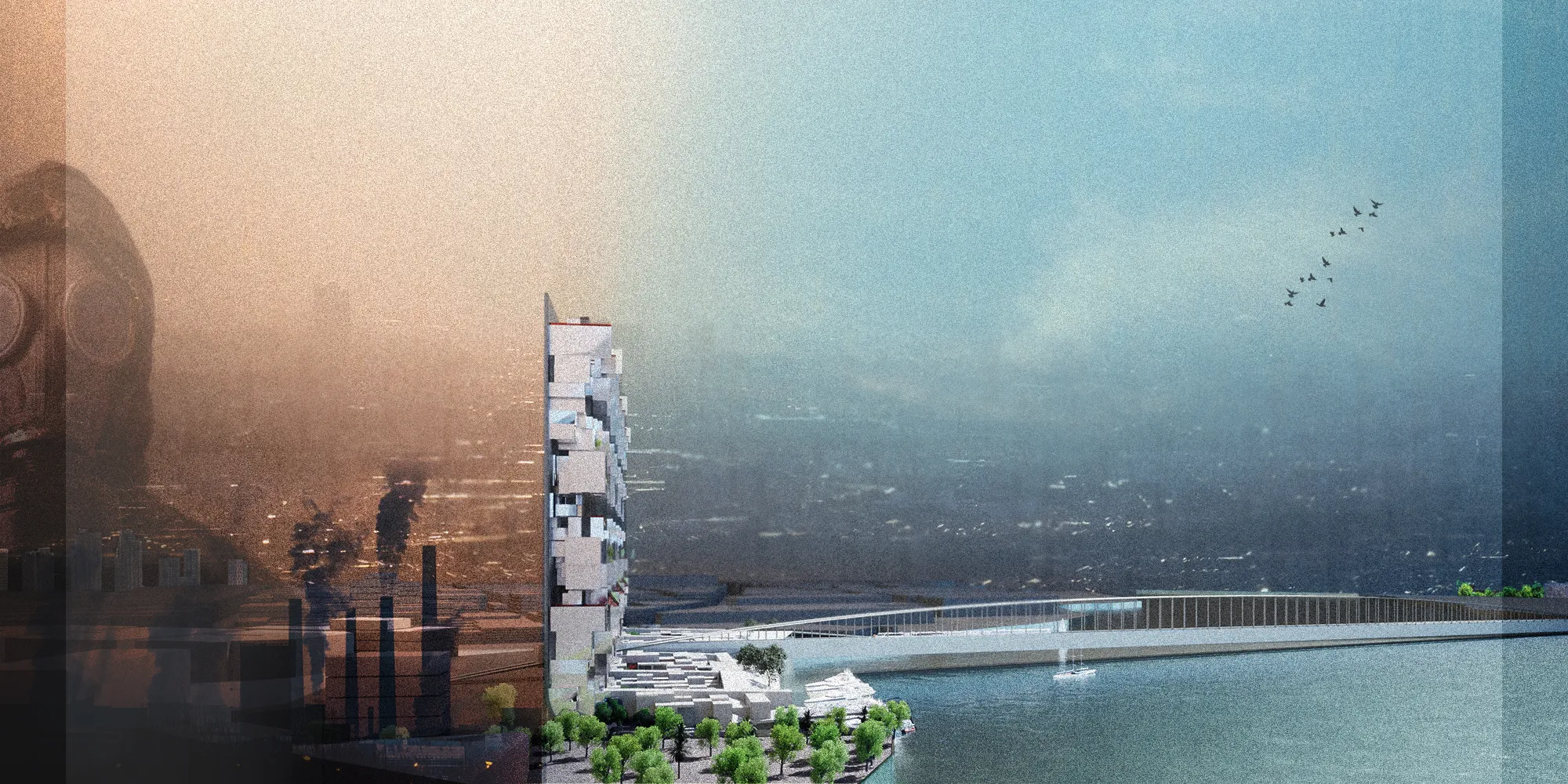

You have dealt with the climate problems in Ahvaz city in an excellent and creative way, and using the city map and texture as a vertical element is really smart.
Enjoyed working with you together!