
Alter
Challenge to design a sustainable facade for a skyscraper
Overview
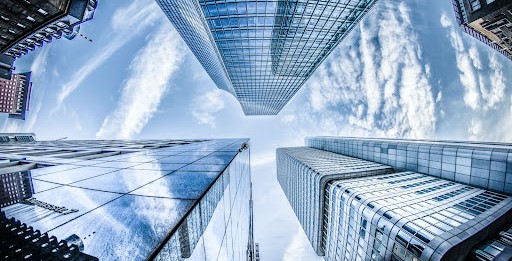 Fig: 1 - Buildings are built taller each day to accommodate the huge population of people in cities
PREMISE
As we walk in the city, we are struck by the magnificence of tall buildings which feel like they touch the sky. Our gaze cannot apprehend the magnitude of the structure from the ground, yet we continue to fill our cities with these giants.
As the population grew in the 20th century, the value of land as a limited resource was high. The density of the city is, as a consequence, distributed in a vertical direction. This led to the emergence of the form of skyscrapers.
As technology advanced, these structures became points where art and the city meet. The ambition to make the buildings go taller, increased with time, as it became more of a symbol of the triumph of man over his environment and its restraints.
Is the sky really the limit to such tall structures?
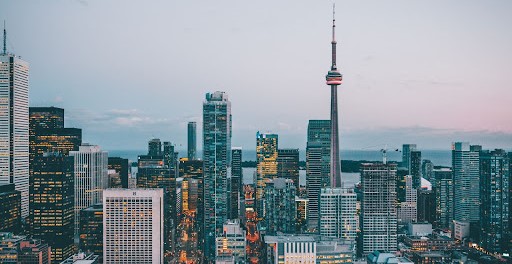 Fig: 2 - Skyscrapers have a characteristic material palette which helps build diversified forms.
SCENE
Our cities, in contemporary times, have a viewscape that is punctuated by various tall structures, most commonly made of glass and steel. The steel frame makes it possible to reach taller heights and the curtain wall creates a sleek, tubular structure enclosing clear views of the city.
The language of steel and glass is commonly adopted across continents. While we have relied on this palette for a long time, it is not the most sustainable form of construction today. With the threat of climate change facing us, we need to be making more conscious decisions in terms of the material we choose for large scale construction.
Glass structures, as elegant as they may seem in form, is a huge abomination from the perspective of a pedestrian. The walking experience of a city is as important as its skyline and creating superficial looks on tall structures dominates the city vibe on ground with an alienating feel.
Can we use a new material palette that works both in favour of city pedestrians and the environment?
BRIEF OF THE COMPETITION
The challenge is to design the façade of a tall structure (100 floors) that is made of traditional or unconventional materials that are sustainable, offering an efficient option for footprint and degradation of the environment.
Design must be able to create a visual impact that is different from modern superstructures. It can be inspired by the material, green architecture or any other contextual feature on-site. The form and design of the structure are a priority with no emphasis on the function it supports.
The scale of the tall structure must positively interrupt the city experience for pedestrians. The design that generates the most unique and efficient facade treatment using new alternative material will be awarded.
Design possibilities of the facade are to be explored with the strengths and limitations of the new material palette for both form and layout. The visual impact of the design created is crucial and it must be exemplary with standout features.
OBJECTIVES
- Material: The participant must highlight which alternate material they have used for the design proposal and how efficient it is in supporting the activity and nature of the structure.
- Aesthetic: The aesthetic of the structure must be able to create a connection with the residents of the city despite its scale.
- Resilience: The material palette employed must take into consideration the site conditions and be able to be resilient in case of any unexpected context conditions.
- Sustainability: The material, technology and form chosen for the design must be eco-friendly, have a low carbon footprint and use resources conscientiously.
PROGRAMMATIC OUTLINE
The typical floor plan of the 100-floor building can be designed conceptually and no details of this are expected. The design effort must solely be on the superstructure construction, material and technology.
