
Architecture of the Apocalypse
Using Space Technology to colonize earth again after Apocalypse
Overview
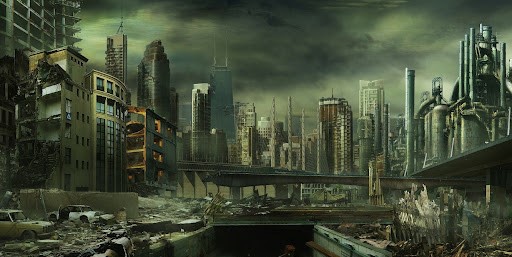 Fig: 1 - Harsh Climate affect - An impression
FUTURE LIFE CONDITIONS ON EARTH
EARTH is a doomed planet and if humans do not act fast, humanity faces going down with the ship, Professor Stephen Hawking warned in his last book.
Hawking predicted that the earth would turn into a giant ball of fire by 2600 and humans would need to colonize another planet or face extinction. However, many possible scenarios of anthropogenic extinction have been proposed; such as human global nuclear annihilation, biological warfare or the release of a pandemic-causing agent, overpopulation, ecological collapse, and climate change.
Whilst there is a notorious race that bursts to colonize space and the celestial bodies in it. It is almost the same technology developed for that purpose that could save us here on earth after the apocalyptic event to survive through any dystopian future.
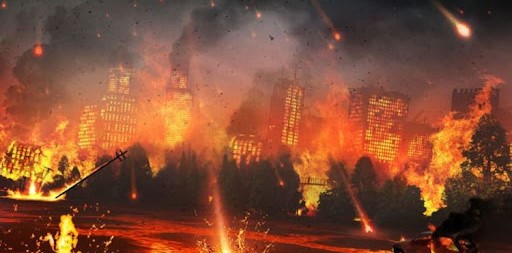 Fig: 2 - City disaster due to asteroid attack
EARTH AS AN EXTRA-TERRESTRIAL PLANET
Life exists on Earth only because it balances unsteadily in a delicate and fragile way but precisely. Our atmosphere, proximity to the sun, and countless other proper conditions not only permit living things to survive and evolve but also thrive.
But what if one day we woke up and found that Earth is inhospitable to anything resembling life anymore as we know it. Life on this planet likely won't cease until billions of years from now. But, depending on the scientists and astrophysics, it could also happen tomorrow or anytime in between.
At that time could the space technology we develop to colonize other planets be useful to re-colonize earth again? It is dystopian but realistic that someday we will have to deal with our mother Earth as an extra-terrestrial planet.
But how did we get to deal with these future issues?
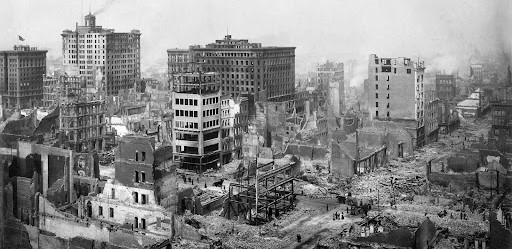 Fig: 3 - A deteriorated city image after the earthquake
EXTREME CONDITIONS SCENARIO
An extreme environment is a habitat that is considered very hard to survive in for life forms due to its considerably extreme conditions such as:
- Scarcity of oxygen in the atmosphere with high levels of toxicity in the air
- High levels of radiation (Alpha, Beta & Gamma rays) due to a possible nuclear catastrophic event.
- Lack of flora and fauna.
- Extreme temperature fluctuations between day and night
- The rise of sea levels is due to the melting of ice on both the north and south poles.
- Contamination of earth water bodies with continuous acidic rain showers
- Lack of sunlight due to heavy cloud cover
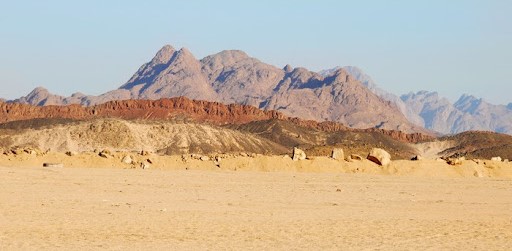 Fig: 4 - Water deficiency in desert
BRIEF OF THE COMPETITION
Design a self-sufficient, closed-loop life support system that can support regenerative life for the minimum viable population (MVP)
The MVP for this competition is 160 human beings on any location on earth after the extinction-level event where any location on earth will be an extremely harsh environment as any extraterrestrial planet.
Using space technology but this time on earth. Dealing with the earth as an extraterrestrial environment after an apocalyptic event. If we have the technology to colonize Mars, That will be the same technology that will save us when the extinction-level event (either it is manmade or natural) will happen.
It might be an underwater lifeboat, a sea-level ark maybe, a cocoon shelter dug deep on a subterranean level or even an airborne airtight balloon. Your design today maybe some day’s human race's ticket to survival to re-terraform earth again.
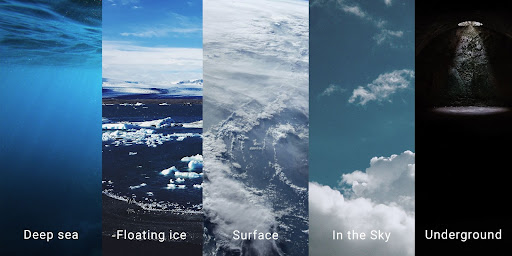 Fig: 5 - Different spots for self-sufficient design
SITE
Mankind had already developed huge advancements in space colonization. Fortunately, we can use the same technology and concept in restoring the earth again. Study space colonization strategies and plans to provide you with insights.
Choose any spot in the context of doomed earth based on your research that can be safe and mitigate the extinction conditions on what was known previously as Earth.
A few examples can be: volcanic tubes (A form of tunnel caves formed by volcanic activity, where they are naturally shielded from radiations and acidic rains), OR Underwater city that once shore city but drowned due to ice melting of the north and south poles (Availability of the infrastructures even if flooded by water) OR Extremely high altitudes above cloud cover (Like Mountain Everest)
Note: The above are just suggestions of sites which can withstand extreme conditions, however, you can choose any other possible site based on your research.
OBJECTIVES
- Idea: Underlying thought behind your doomsday habitat.
- Site: The choice of place and scenario you build in.
- Life: How human life is orchestrated inside the habitat.
- Working: How the conceptual habitat would function.
The objectives can be a point of beginning to conceive this design. Participants can assume their own contexts and users before initiating their design process.

