
Breaking Work 4.0
Challenge to design for shifting work trends in coworking
Overview
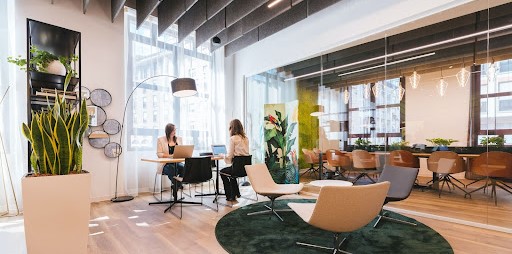 Fig: 1 - Coworking is a shared arrangement among different companies with common infrastructure for convenience and savings.
COWORKING, THE NEW TREND
Coworking spaces are a boon to offices that work remotely and still require an office for a few of their functions. It provides the infrastructure required for an office without having to spend wholly on it or wasting space that other ventures require full-time. It provides the rigidity that these companies look for.
The professionals, in this case, are benefitted in terms of getting to work remotely without having it tamper with their productivity, connecting and creating networking opportunities and financial flexibility. It is evolving slowly into untested fields too such as co-living and technology integrative spaces, and employees are in for it.
Co-working spaces have been on the rise in terms of demand and popularity for their benefits. This demand started off with the shift in working culture around the world from traditional workspaces to more flexible and cost-effective modes. This boosted productivity and proved sustainable for all businesses.
But the drawbacks of isolation that come along with this venture, have a significant impact on this industry.
 Fig: 2 - While there are many types of coworking spaces in cities, it is not restricted to providing a physical place, but also about establishing a community.
THE DRAWBACKS OF COWORKING
Coworking helps workers avoid the feeling of isolation that they may experience while travelling, or working at home alone. The engagement of employees in a positive work environment is essential in any coworking. The informal layout helps to maintain the desired interaction levels. The key to the success of these co-working spaces also lies in the authenticity of their model.
The physical setting and interior of coworking play an essential role in enabling the occupants to create networks and produce quality work. The aesthetics are crucial as they influence the vibe and mood of the occupants which attributes to the success of the design in terms of productivity.
Coworking is generally catered to companies but it can also be used to bring together individual professionals as well. With creative individuals often working as freelancers, mostly from home or a setup studio, coworking designed to cater to the environments they need, would attract individuals in search of communal working.
How can coworking be conducive to creativity?
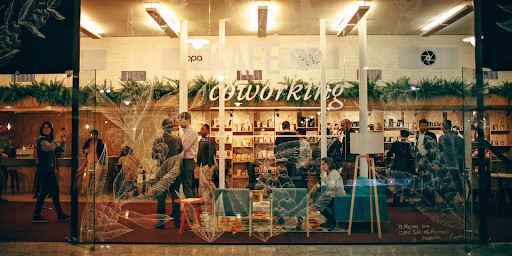 Fig: 3 - Coworking can be instrumental in guiding the work efficiency and networking (community building) of creative professionals.
FORMING A COWORKING COMMUNITY
A co-working space must create a balance between various important factors and focus on specific fields as per its occupants, which narrows down the functionality aspects of the facility.
Brief: Design a co-working space for creative professionals of varying fields.
The people working in this office may range anywhere from artists to animators. The needs of this demographic need to be catered to in every way while creating a productive office environment. The interior of the space can be theme-based, inspired by the context or city attributes. The aim is to create a comfortable and convenient facility with services accessible to all.
How can the space encourage a positive work attitude and networking? How can privacy and interaction be balanced to make the setting conducive to creators? How will the technological aspects be resolved to make the coworking ultra-modern? How can the space be made flexible to adapt to changing needs of its creative occupants?
OBJECTIVES
Balance - The aesthetics and functionality must be balanced to create a mix of semi-open and closed spaces.
Interior - Planning, Furniture, Lighting, Material Palette and other systems will follow a particular theme to create a work ambience.
Harmony - There must be coherence in the design of the office with the surrounding context as well as the interior theme.
Context - The design must respond to the (existing) site conditions. The wider socio-cultural, economic and environmental settings are to be considered in the design approach.
SITE
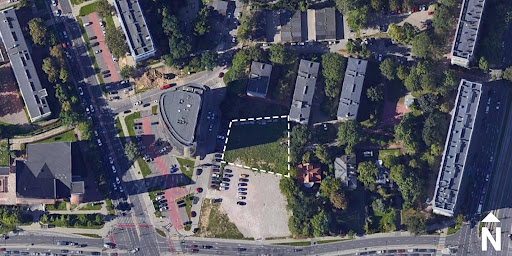
Warsaw, Poland
Poland is home to a dynamic and distinctive contemporary art scene and a legacy of avant-garde culture. It has a rich stock of exceptional and often controversial artworks exhibited across galleries and modern art museums, locally and internationally.
The site for this project is located in Warsaw, the capital of Poland. The culture scene in the city is vibrant with art, nightlife and eateries attracting visitors from all over. The city is home to numerous museums and art destinations, both modern and heritage landmarks that have encouraged the growth of the local artisan community.
The site is in the neighbourhood of Ksawerów which consists of a pleasant mix of commercial establishments and residential clusters dotted with open green areas. The site can be accessed by Domaniewska main road and it is adjacent to a parking lot. The location is ideal for the typology as there are many art galleries and studios in the vicinity.
Site area - 1312 sq.m
Ground coverage - 20%
Height restrictions - 10 metres
Maximum FAR - 0.5
Setbacks (as per CAD plan)
Coordinates - Warsaw, Poland
AREA PROGRAMME
The area programme for this project would require a working space to accommodate 70 -100 people (individuals) in the coworking office. The following programmatic outline is the point to begin your design at. You can add more functions and activities in relevance or modify the below design programme.
- A common working space for both scattered for groups and large convention space with work desks for individual workers.
- Social spaces such as a cafeteria (with kitchen and pantry), courtyard, gardens, terrace spot, game room, etc.
- Leisure facilities to unwind such as a lounge, sleeping pods, massage room, etc.
- Administration, Services and Parking
Any creative addition to the project may be done within the provided constraints.
