Co-Life
Co-Living for the elderly
OVERVIEW
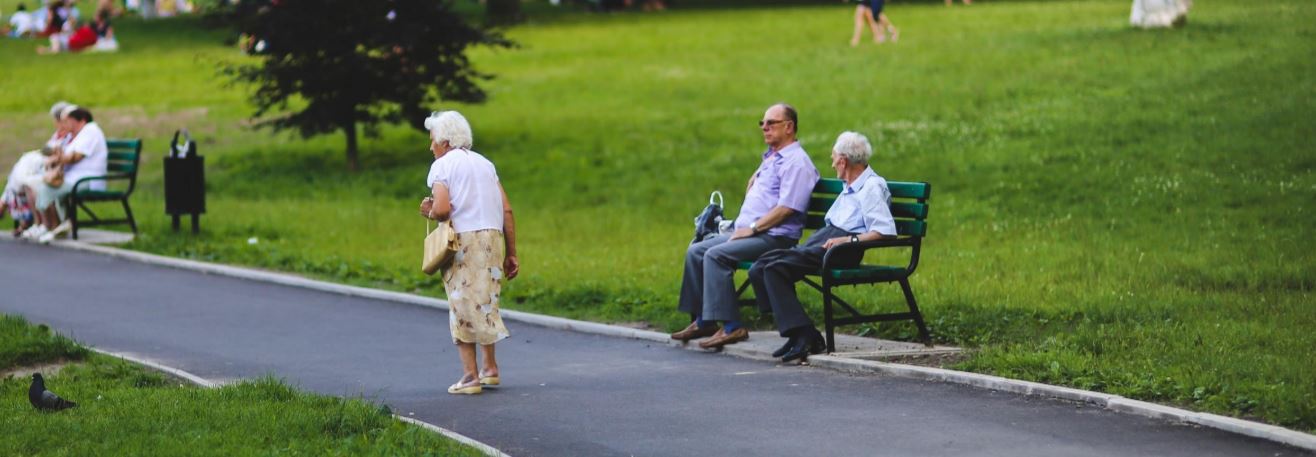
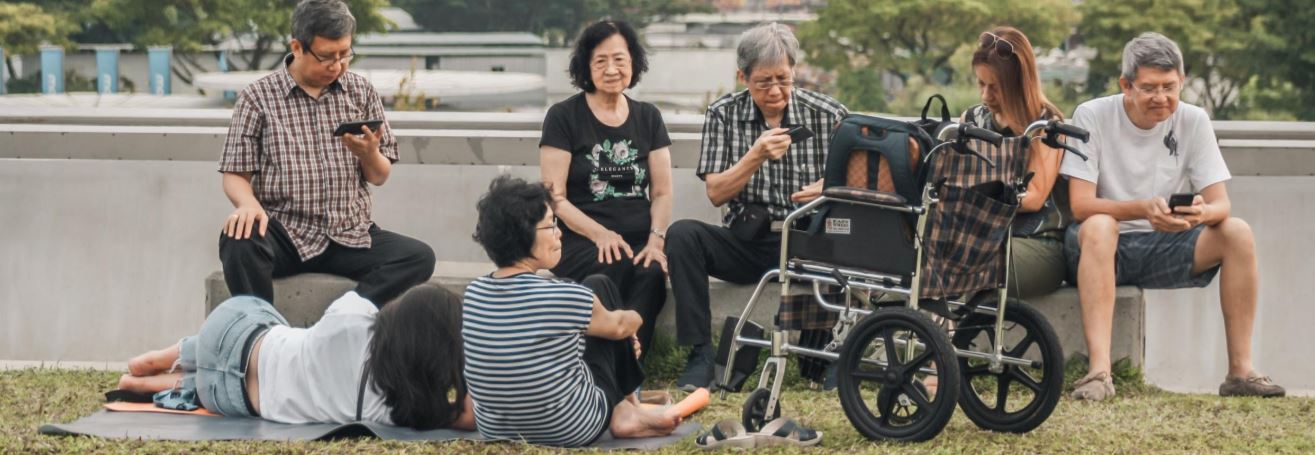
Img 1: The elderly enjoying a leisurely evening in the park. An illustrative image of social protection.
Premise
Population ageing - an increase in the proportion of older people in a population.
As one of the most significant social changes of the 21st century, it is predicted to impact all sectors including labor and financial markets, housing, health care and social protection.
By 2050, the global population aged 60 years or over is expected to double reaching 2.1 billion. Increased life expectancy and decreased fertility rates mean that older populations in developing regions are growing at higher rates when compared to those in developed regions. Estimations project that by 2050, 79 percent of the world’s older population will be living in developing regions.
In light of this, how can we as designers recognize the needs of the older generation, with a focus on housing and social protection? How can they be addressed? How can we navigate these changes?
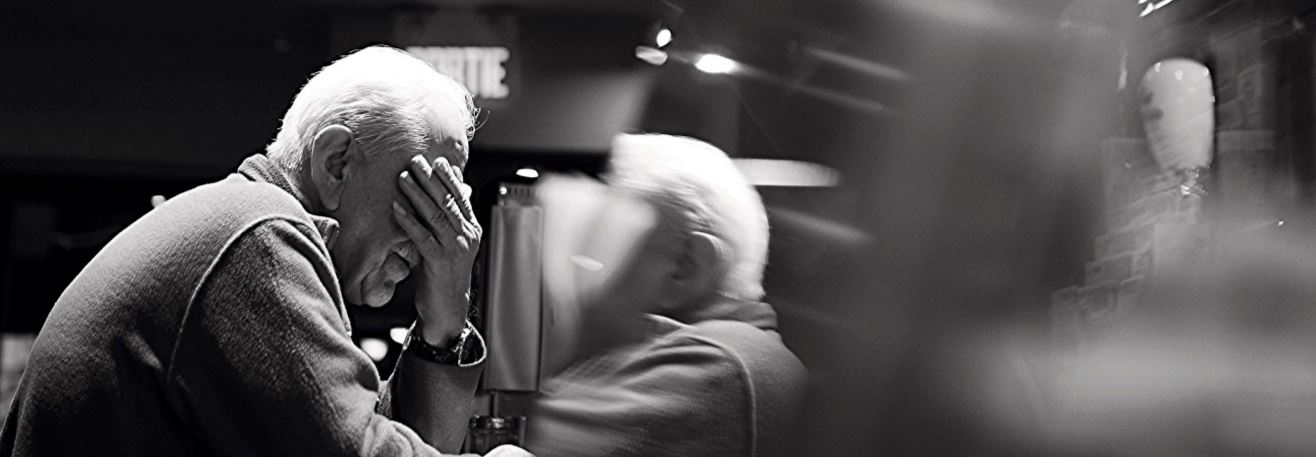
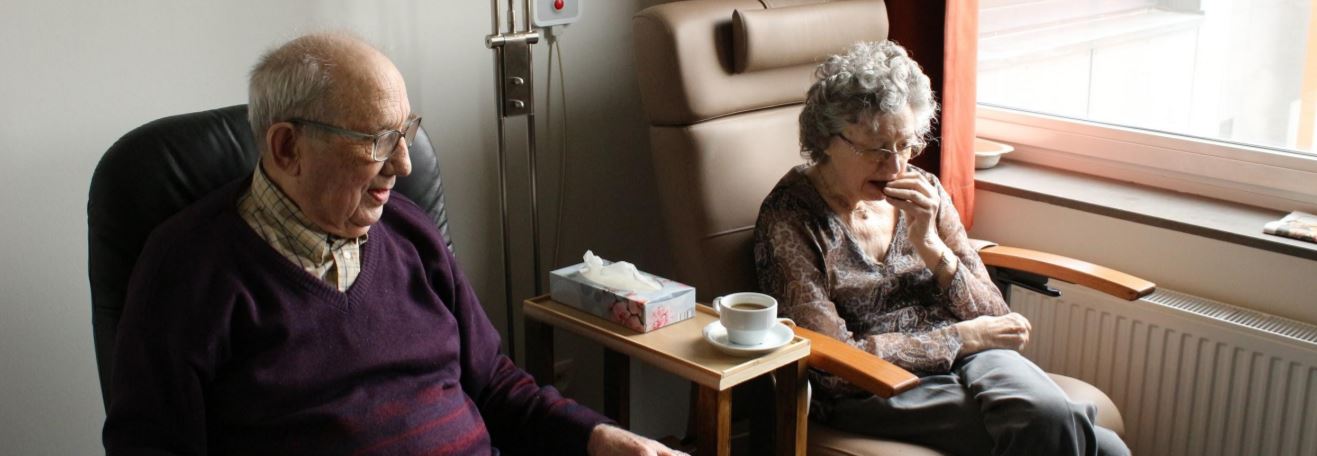
Img 2: An image illustrative of the need to prioritize self care
Consequences
Even though an increase in longevity indicates an increase in the standard of living, population ageing comes with its own pros and cons.
While worldwide estimates of older populations living on their own vary, there has been a significant increase in this percentage, along with a decrease in the percentage of the older generation wanting to co-reside with their children or extended family.
On the flip side studies have also shown an increase in social and health concerns with regard to the older population. With a focus on the psychological wellbeing of the older population who live independently, showing the negative effects of social isolation and neglect of self-care needs.
How can we navigate these changes?
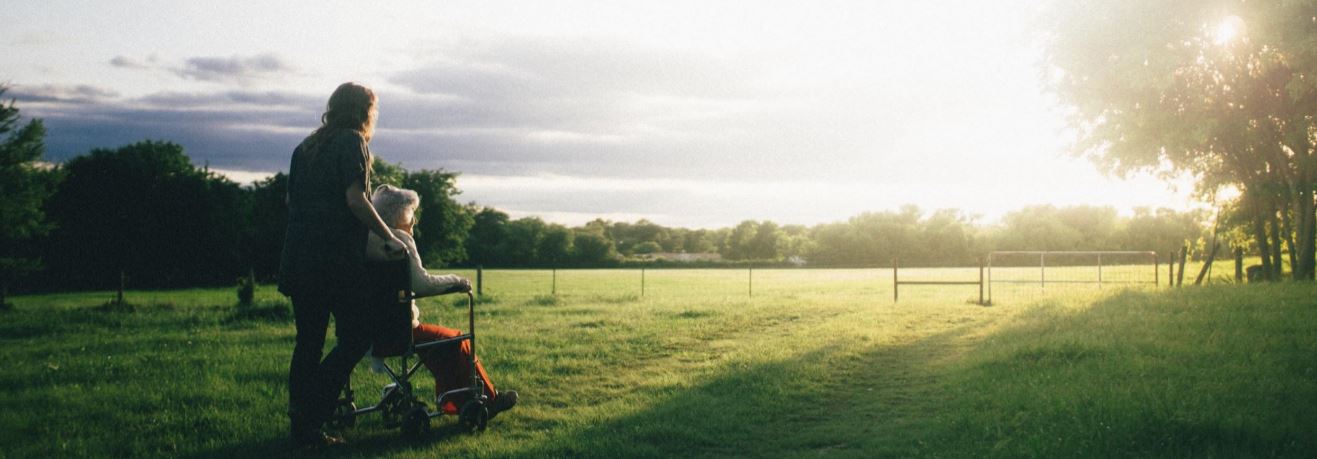
Img 3: An image illustrative of the ideal societal perception of the elderly.
Issue
Understanding the need to create a mutually supportive community, in which elderly individuals can live independently, and be cherished for their individual capacity means that we are well on our way to question existing social structures.
In doing so can we recognize and cater to self-care and appropriate housing needs for the elderly and work towards establishing a community framework of mutual support, questioning a much wider narrative of how society perceives the elder generation.
Img 4: An illustrative example of a mutually supportive community.
Brief of the competition
Communal living has existed for centuries.Developed out of a need for security, protection and as a solution for sustainable living, co living spaces have always challenged societal norms; creating more diverse communities, breaking away from traditional patterns of society while promoting a shared economy, mostly seen as the go to choice for digital nomads and millenials on the go.
Can such a concept be adapted to the older population as well?
Can senior Co - living spaces offer housing solutions for people over the age of 55, recognizing and catering to self care and appropriate housing needs for the elderly, working toward a mutually supportive community in which individuals can live a life of complete dignity, without the apprehension of social segregation and loneliness.
Design a pattern for a communal living space where age is just a mindset and the elderly can live with dignity and independence.
Objectives
Empathy: A thorough understanding of the user group, focusing on needs and behaviours.
Basic Needs: Mobility, natural light and ventilation.
A Sense of Community: Contributes positively to the psychological well being of the older population.
Safety and Security: Is also crucial for both physical and psychological well being.
The following objectives can be a point of beginning to conceive this design. Participants can assume their own contexts and users before initiating their design process.
Img 5: An illustrative example of spaces to recreate, a common room.
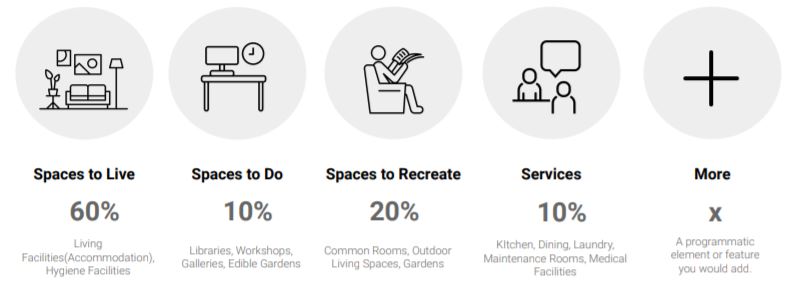
Program Outline
A programmatic outline intended to house 4000 elderly is recommended for this challenge. However the submission asks for design to be considered in 4 phases of a 1000 each. Participants are recommended to craft a schematic programme based on these given segments or they can propose something new altogether.
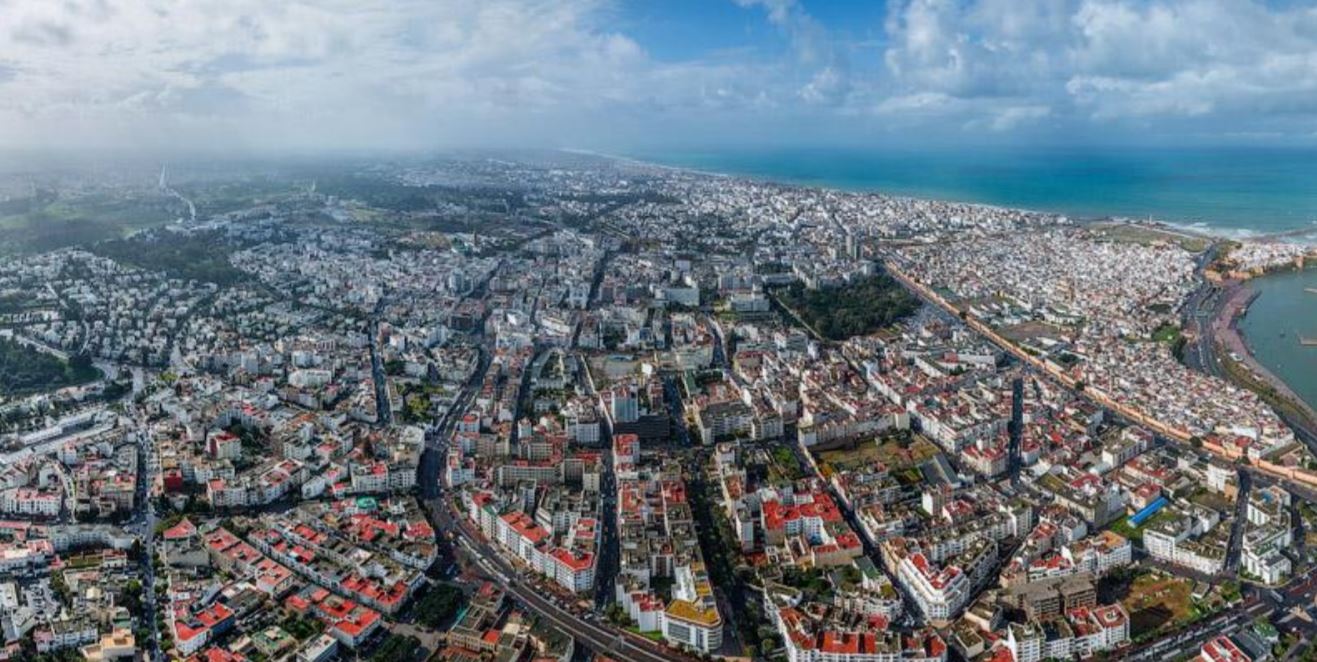
Img 6: Aerial view of Rabat, the capital of Morocco
Temara, Morocco
Seeing rapid growth and change in the past years, Africa is predicted to have the highest percentage change between its young and older populations between 2017 to 2050.
Bordering the Atlantic Ocean, Rabat, Morocco, ranks low on the scale of countries measured worldwide for the comfort and wellbeing of their senior population. With almost a quarter of its population expected to be over 60 by 2050, Morocco has become increasingly concerned about the welfare of its older populations in recent times.
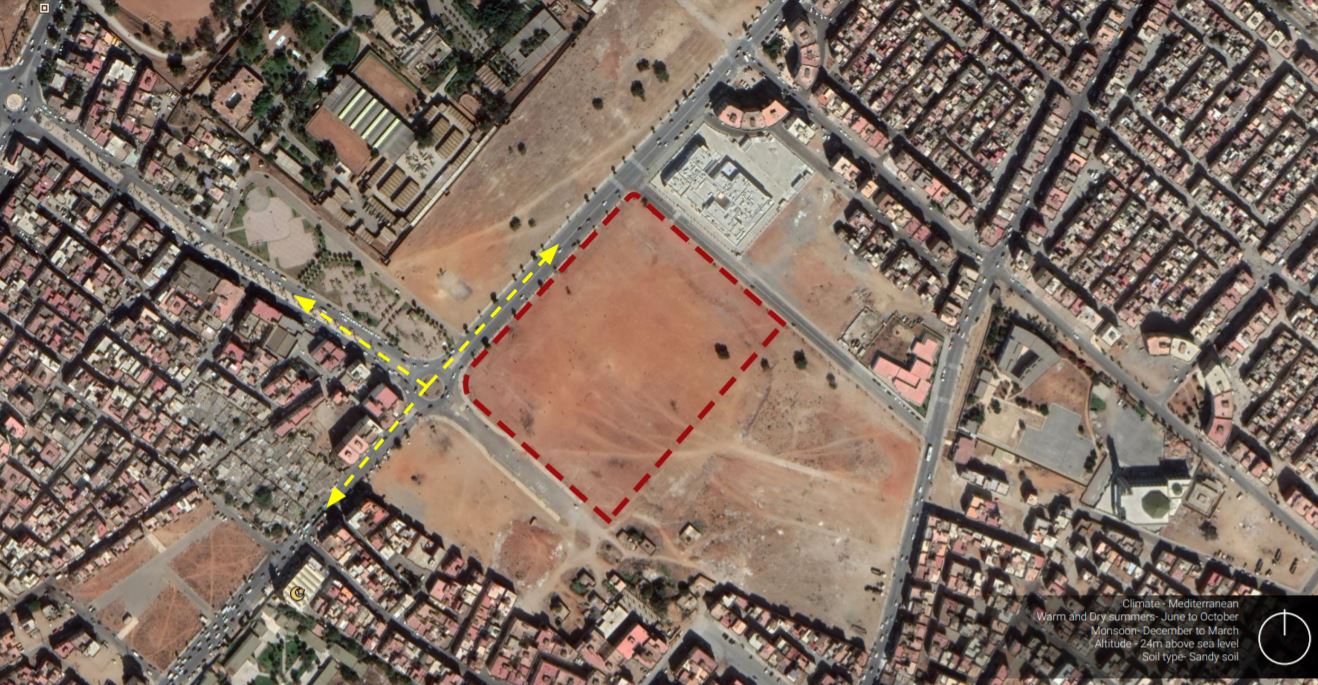
Img 7: Aerial view of the site.
Site Plan
Located at the junction ( of Avenue Mohammed V and Avenue Moulay Rachid), one of the major thoroughfares of the city of Rabat, the site is chosen due primarily due to it being easily accessible from several dense neighbourhoods, and also due to its closeness to several public amenities such as public parks, schools, cafes, pharmacies and multiple other commercial establishments. In choosing the site making sure that it would mean that the seniors would get an opportunity to be an active part of the community.
- Area: 40,202 m2
- Site coordinates: 33°55'25.0"N 6° 54'47.0"W
- Building Typology: Low - rise (No more than 3 storeys)
- FAR: 0.42 Set Back: 3m
- Maximum Ground Coverage: 20% (considering only the first phase of construction)
About UNYT
Unyt serves as a part of UNI in the realm of typological discoveries. It intends to break the fusion of traditional design barriers and methodologies by making it a platform for experimentation. It embarks on mobilizing ideas where creators can elementally question the buildings we create. It is a research initiative dedicated to providing opportunities for designers from all domains to explore ideas that go beyond the restrictions of usual architectural discourse.
Queries: support@uni.xyz
Discover other competitions: https://uni.xyz/competitions
Facebook: https://www.facebook.com/unixyzglobal/
Instagram: https://www.instagram.com/uni.xyz/
Discover FAQ’s about this competition on our help forum here: http://help.uni.xyz/