
Coequal
Design an incubation center to enable equality
Overview
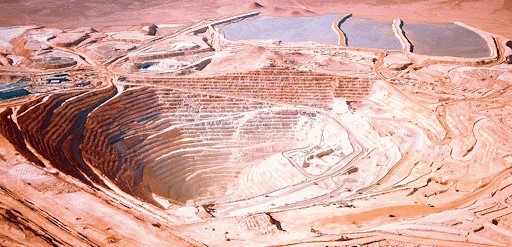 Fig: 1 - Copper production rate has decreased in the last decades due to labour protests and decreasing reserves. (Credits: Bloomberg)
PREMISE
Chile is a long and narrow nation, making it a rare geographic experience to explore diverse terrains from forests and active volcanoes in the South, to the world’s driest, Atacama Desert, in the North. The desert contains a great wealth of mineral sources like copper and lithium.
Chile is the world’s leading copper producer, and the mining industry’s export is one of the main economic sources for the country. The industry peaked at the beginning of the 21stcentury, creating thousands of jobs, both direct and through allied industries, helping Chile gain economic freedom and social stability.
With progress, it was observed that Chile had become one of the most unequal countries in Latin America. Even though it received great economic wealth, only 1% of the population had access to 26.5% of it, while 50% of low-income households shared 2.1%.
This economic disparity has made Chile an unequal country, encased in social and political turmoil. How have riots affected the economy of Chile?
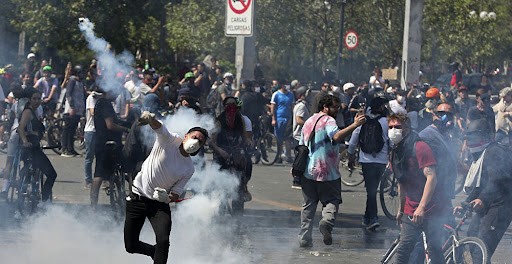 Fig: 2 - Chilean protests have affected the life of people in the city as authorities have imposed inflated rates for public services. (Credist: AP Photo / Esteban Felix)
ISSUE
Wide-scale privatisation is part of the Chilean economy, which creates restraints for the common people. Access to facilities is fluctuating as companies operate on a profit- earning basis, while low minimum wages and pension make it difficult for the local population to make ends meet.
Mass demonstrations and riots have taken place in the last two years due to public discontent. These Chilean protests are to oppose the inequality, privatisation and cost of living in the country. Originating in the capital city of Santiago, many protests have turned violent, increasing crime rates and security issues in the region.
With the government’s retaliation aggravating the situation, there has been massive destruction of property in the process. Billion dollars worth of monetary loss and more than 300 thousand jobs lost. Social unrest has paused the lives of locals in Santiago, education and employment taking the biggest hits.
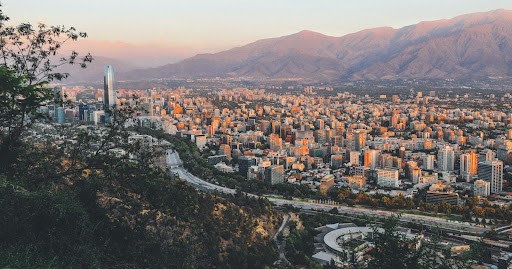 Fig: 3 - The inequality has left people to fend for themselves in a tough economy plagued with unemployment, low wages and high levels of exploitation.
BRIEF OF THE COMPETITION
The challenge is to design an incubation center that will operate as an information hub for employment and skill learning. The design proposal also aims to honour the copper industry in the region.
Design of this economic center must symbolise the nation’s progress as well as the unfairness prevalent in the system. The use of copper in the design must be restrained but impactful. Besides being a landmark, the structure will function as an incubator center that will help local people receive skills and education for employment opportunities.
The aim of the design is to represent the inequality in the region and mark the change in constitution they have been vying for. The presence of copper in the background is to remind people of the progress and development it is capable of bringing, but at the cost of large-scale environmental degradation.
OBJECTIVES
- Accessibility: the design fulfills economic centre requirements while creating an accessible and easy navigation through its layout.
- Landmark: The visual impact must be exemplary with standout features.
- Context: The design must respond to the (existing) site conditions. The wider sociocultural, economic and environmental settings are to be considered in the design approach.
- Sustainable: The design must make efficient use of resources and create minimal impact on the site and its surroundings.
SITE
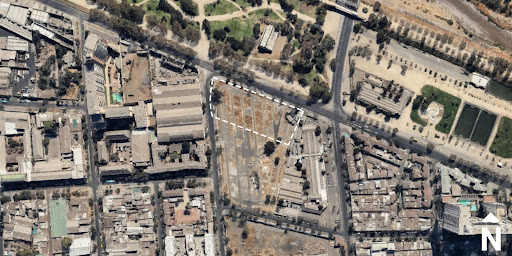
Santiago is the financial centre of Chile. The strong economy has attracted many migrants to the region, but the inequality in the society with respect to income distribution and wealth status is exasperated. The poverty rate in the city is below the national average and poverty levels have been increasing every year.
The site can be accessed from the Balmaceda Road. It is opposite the Los Silos Park and cultural centre, in the neighbourhood of Balmaceda surrounded by commercial establishments and eateries. The economic divide in the city makes it an ideal location for this typology.
- Coordinates = 33°25'42.0"S 70°40'22.7"W
- Site area = 7029 sq.m
- Height restriction = 12 metres
- Maximum FAR: 1
- Ground coverage = 40%
Setbacks (as per CAD plan)
Ground Coverage refers to the ratio of the maximum allowed solid/permanent footprint on the site to balance the built and unbuilt spaces. You can utilize the other 80% of the site for any temporary intervention/recreation.
AREA PROGRAMME
The following programmatic outline is the point to begin your design at. You can add more functions and activities in relevance or modify the below design programme.
Office and workstations ~ 200 sq.m
Seminar rooms, Workshops ~ 300 sq.m
Auditorium, Library ~ 300 sq.m
Conference/meeting rooms ~ 200 sq.m
Administration, Cafeteria ~ 200 sq.m
Rooftop landscape, garden, and courtyard for outdoor activities
Similar Competitions
Discover competitions you might be interested in


Design challenge to reuse E-waste

Challenge to design locus for the upliftment of human rights