

Dare
Function follows Form - Challenge to design a biodiversity center
Overview
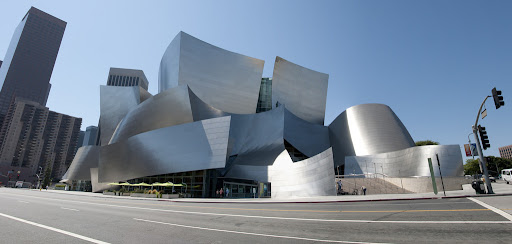 Fig: 1 - Frank Gehry’s works are the early example of the ‘Function follows form’ principle with extravagant exteriors and functionality visible only on the interiors. (Credits: Philipp Rumelle)
PREMISE
When the architect Louis Sullivan, coined the principle ‘form follows function’, not everyone realised that it would become one of the main principles, guiding the profession of architecture. The reliance of architects on this ideology is understandable, as it simplifies priority in design.
‘Form follows function’ implies that the design must be solid, useful and beautiful. For Sullivan, this rule had to be followed without exception, since it was distilled from the knowledge of nature itself. The maxim also implied that any building should be devoid of decorative, superficial elements.
While this school of thought gained traction during modernism, it is still taught as a core principle in architecture. Despite its relevance, the context in which it was coined, makes sense for the ideology at that time. In the present context, this idea may seem more imposing and un-inventive.
Is ‘form follows function’ imperative to an ideal design?
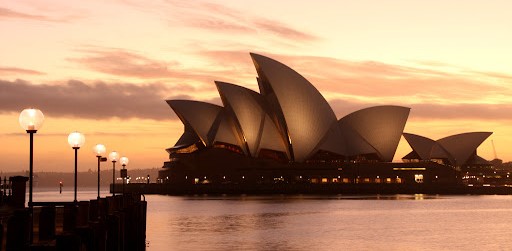 Fig: 2 - Buildings are not just activity centres that provide comfort, safety and use but they play a role in the urban landscape that they are set in. (Credits: Jozef Vissel)
FORM FOLLOWS FUNCTION
Architecture is an art form that effectively combines aesthetics and functionality to create impressive designs. ‘Form follows function’ puts forth the functionality part, but there is a whole new world to be discovered on the side of ‘function follows form’
As architects in the contemporary age realised that ‘form follows function’ was just one way of looking at the design, the idea of ‘function follows form’ was experimented with. With this new idea, the functional design was possible, while creating forms that were expressive, innovative and bold.
‘Function follows form’, layouts fulfil necessities, but the perceived possibilities change completely. The definition of ‘function’ has expanded now, and architecture is to fulfil not just physical functions but also tend to the social, psychological and symbolic needs too. In this way, not just form, but function also transforms and expands, in the confines of creative spatial design.
Can the idea of ‘function follows form’ help us achieve unconventional designs?
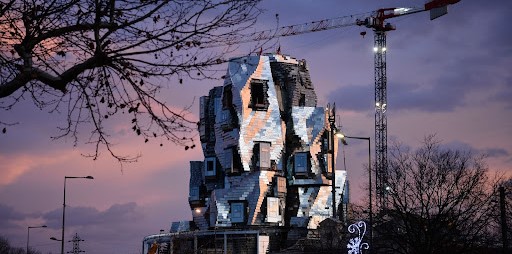 Fig: 3 - The responsibility of the building to perform functions both internally and externally is what pioneered the ideology. (Credits: Hervé Hôte)nature natural
BRIEF OF THE COMPETITION
The challenge is to design a natural biodiversity center that is built with the principle of ‘function follows form’, inspired by the form of any naturally occurring element.
The theme of the challenge is to create a design that reflects any system of elements in nature. The activity programme is up to the participant but it must include the core functions for the operations of a biodiversity center.
The aim is to understand how architecture can be practiced beyond its imposed principle. It allows freedom for exploration, both format and layout to create extravagant designs. Inspiration can be taken from the works of Frank Gehry, to understand the application of this ideology.
Responding to functional needs is necessary but not sufficient to determine the influential quality of the structure and so participants are expected to understand the role of the structure in the larger contexts and design to respond to site specific as well as socio-economic aspects.
OBJECTIVES
- Concept/inspiration: the form that is being selected to design the centre must be justified and represented satisfactorily. The operations of the centre must not be restricted by the interpretation of from.
- Balance: Privacy and interaction must be guided in the layout as per the nature of the activity. The balance between aesthetics and functionality, as well as open, semi-open and closed learning spaces.
- Harmony: the form and function must be in harmony with accessible and inviting design.
- Context: The design must respond to the (existing) site conditions. The wider socio-cultural, economic and environmental settings are to be considered in the design approach.
- Sustainable: Reduce the negative impact of design on the environment, by improving building performance, reducing waste and ensuring comfort for occupants.
SITE
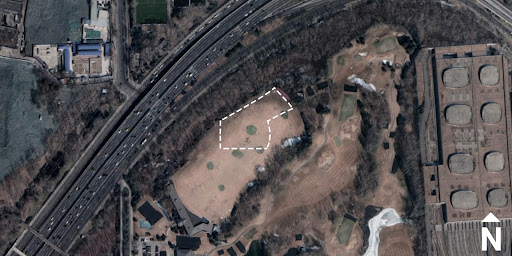
Beijing, China
China has the highest number of polluted cities in the world. The environmental degradation has worsened in the last few decades as there has been substantial growth in population as well as rising living standards in the country. The region thrives socio-economically at the cost of the environment.
Beijing is the capital of China with more than 21 million residents. It is a global city supporting numerous industries that have offices in tall skyscrapers. The climate is continental with dry conditions and sandstorm frequency. The environmental degradation in the city is widespread with emissions affecting air quality and urbanisation adding to congestion and air pollution. Heavy smog attacks depreciate air quality, affecting the health of more than 600 million people in the city.
The site is located in Nanlou neighbourhood of Beijing, adjacent to the Willow Golf Club. The green open lands in the area attracts a lot of visitors, making the location a great spot for this experimental typology.
- Coordinates = 39°58'49.5"N 116°17'17.6"E
- Site area = 5308 sq.m
- Height restriction = 6 metres
- Maximum FAR: 1
- Ground coverage = 30%
Setbacks (as per CAD plan)
Ground Coverage refers to the ratio of maximum allowed solid/permanent footprint on the site to balance the built and unbuilt spaces. You can utilize the other 60% of the site for any temporary intervention/recreation.
AREA PROGRAMME
The area programme mentioned below is to provide a brief outline of the nature of activities to be accommodated in the biodiversity center. Participants are free to add and create their own activity agenda and document the justification in the proposal.
- Offices, Meeting rooms ~ 200 sq.m
- Museum, Exhibition halls ~ 300 sq.m
- Work studios, Classrooms ~ 200 sq.m
- Research wing: laboratories, storage ~ 300 sq.m
- Restaurant, shops ~ 200 sq.m
- Green areas: courtyards, gardens, terraces, greenhouse, biome, etc spread out all over the site.
Entrance 10%
Entrance, Reception, Information kiosk, Baggage deposit, Security
Museum & Education 20%
Exhibition Halls, Gallery, Work studios, Classrooms, Elevator Lobby, Toilets
Research 25%
Laboratories, Storage (Preparation room, Storage/Collection, Archive)
Recreation 10%
Auditorium, Restaurants, shops
Outdoor Recreation Spaces 10%
Multipurpose hall, Amphitheatre, Auditorium, Restaurants
Direction and Management 15%
Offices, Conference/Meeting room
Locker rooms, staff lounge
Similar Competitions
Discover competitions you might be interested in


Design challenge to reuse E-waste

Challenge to design locus for the upliftment of human rights