

Holding out hope
Haiti Earthquake Memorial Design challenge
Overview
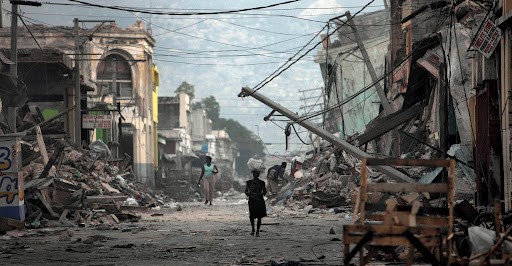 Fig: 1 - The devastation left behind by the disaster has plagued the society of Haiti to this day. (Credits: Gregory Bull/AP)
PREMISE
It’s been more than 10 years, but the mark rendered by the Haiti Earthquake is still uncompromising. The catastrophic event led to more than 300,000 deaths, several injured and nearly 1.5 million people left homeless. Almost 90% of the buildings collapsed which made the financial loss unbearable for the nation.
The 7.0 magnitude earthquake epicentre was 25km outside the capital city of Port-au-Prince, with at least 54 aftershocks of 4.5 magnitude or greater. All communication systems via air, land or sea, internal infrastructure, everything was down, which made the aid efforts extremely difficult.
Economic vulnerability widened the effect of the disaster. While the nation was always prone to natural disasters like earthquakes, tropical cyclones or flooding, it did not have the capability of handling an event of such a huge magnitude.
Can a city recover from an event like this?
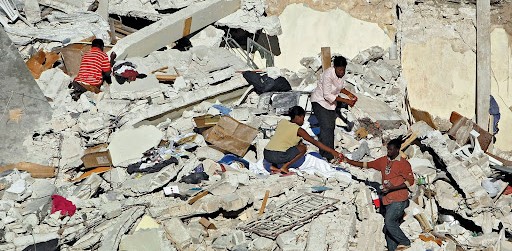 Fig: 2 - The community helped each other and are slowly rebuilding the city for better living. (Credits: Joe Raedle/Getty Images)
AFTERMATH
When a disaster strikes any region, the tangible damages are easily visible, but the aftereffects of this system collapse, both physical and mental, takes its toll on the affected. Social, political and cultural institutions had fallen and invaluable pieces of heritage were lost.
To build a city over the broken mess of objects and the horrific memory ingrained in society was a difficult task. Similarly, reconstruction in Haiti was difficult since the nation had low resources and regulations or policies were not clearly defined even before the disaster.
Recovery was constantly interrupted with disease outbreaks in relief camps due to poor living conditions and hurricanes. Even in the present time, the region is on the way to recuperation, a sense of unity and power must motivate the population to build back their city robustly.
How can architecture incite ambition in the local community for this huge task?
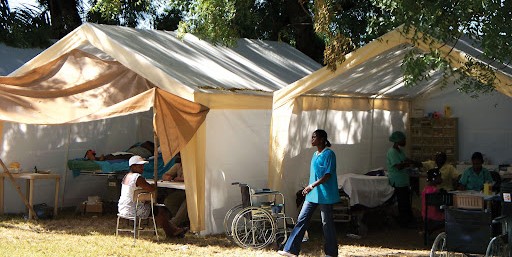 Fig: 3 - Many people came together in this hour of need and the resilience of the locals must be commended. (Credits: U.S. Navy)
BRIEF OF THE COMPETITION
The challenge is to design a memorial to mark the Haiti earthquake disaster of 2010, symbolising resilience, hope and alliance.
Design should encompass the values of the local Haitian communities. The public centre will be built in an earthquake-prone area, so resilient design must take this under consideration. The memorial must be built sensitive to the economic restraints of the site.
The memorial design must be a meaningful contribution to the urban area through its structure, landscape or function. The built form must be able to connect with the people, through its form, layout or spaces. The relationship of the building with the context, both in physical and mental terms must be explored.
The aim of the challenge is to create a remembrance that honours the lives lost in the earthquake and at the same time is able to become a landmark that celebrates the power of community building over the last decade.
OBJECTIVES
- Concept: The memorial design must be built around a concept that establishes a connection with the local Haitian community.
- Landmark: The visual impact must be exemplary with standout features and stimulate harmony in locals.
- Purpose: The memorial will also be a public destination and a function must be incorporated to cater to its visitors.
- Resilient: The design must be earthquake resilient and reduce negative impact on the environment by improving building performance, reducing waste and ensuring comfort for occupants.
- Context: The design must respond to the (existing) site conditions. The wider sociocultural, economic and environmental settings are to be considered in the design approach.
SITE
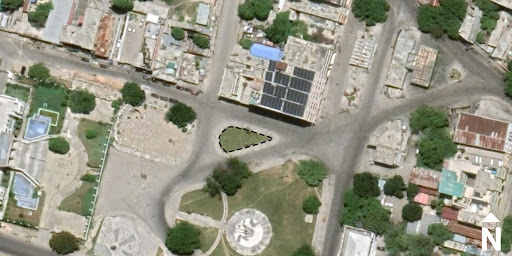
The site is located in the city of Port-au-Prince. The metropolitan area, with a population of more than 20 million, is a water city with a natural harbour. Tourism is a viable source of economy along with exports. The city is reeling from the earthquake that decimated the nation.
It is located in the gardens of the National Palace. It is to the west of the main building and can be accessed by roads on all sides. There are public institutions like banks and educational institutions in the vicinity.
Coordinates = 18°32'42.6"N 72°20'16.1"W
Site area = 258 sq.m
Height restriction = 3 metres
Maximum FAR: 1
Similar Competitions
Discover competitions you might be interested in


Design challenge to reuse E-waste

Challenge to design locus for the upliftment of human rights