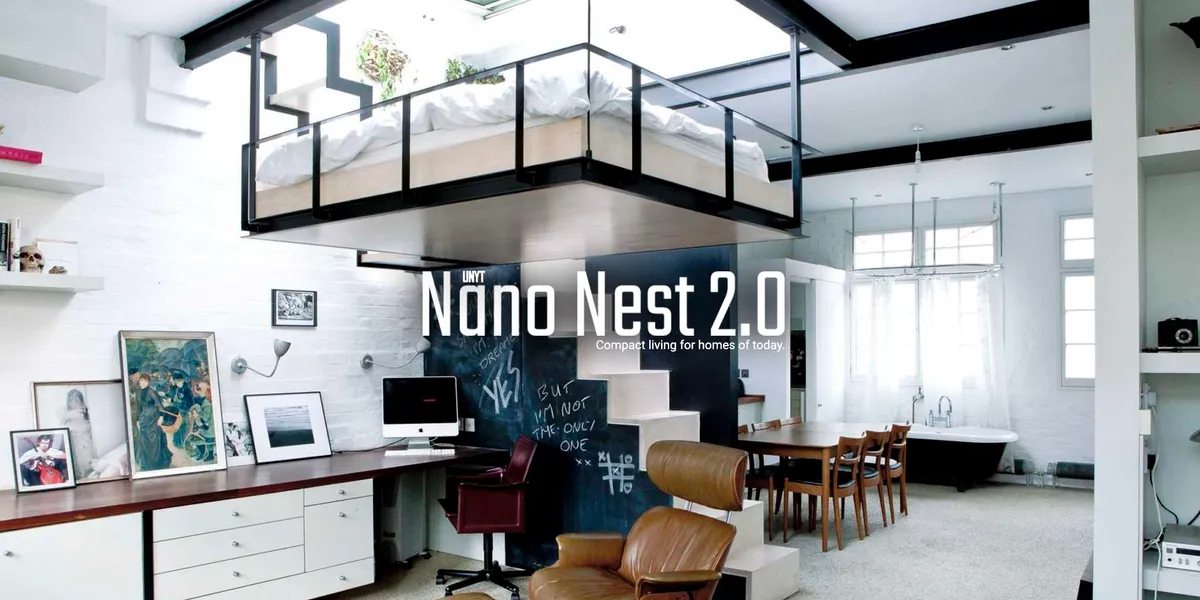
Nano Nest 2.0
Compact homes design challenge: A modern-day way of life
OVERVIEW

Img 1: CIty Centers in Metropolitan Cities
Premise
With more and more people shifting to the cities, real estate prices have been on a hike. These prices rise exponentially as we move closer to the city center. However, with this price increase, the carpet area we get in return does not increase.
Infact it may decrease.
In the current scenario, time has become equivalent to money for many. Thus, living closest to work becomes a priority.
However, this shouldn’t mean that we compromise on our living spaces.
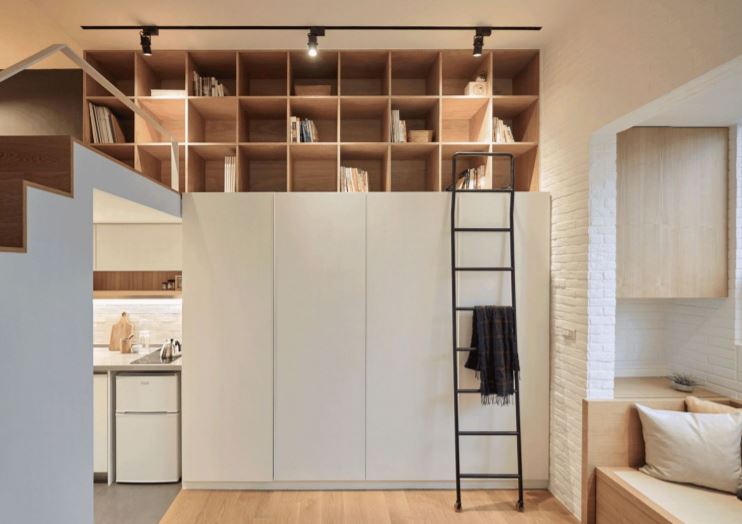
Img 2: Maximizing on even the height available. Source
Rethinking norms
The carpet area of residences around the city center decreases disproportionately. Due to lack of money, we still need to settle for really cramped up spaces. How do we ensure that we utilise every square inch to obtain a maximum output?
An implication to that would mean questioning each and every space that we try to fit inside this small footprint. We might want to relook at our prevalent societal norms of having a Kitchen/Bedroom/Living/Bathroom home. Conversely, a stove/oven to cook, surface to lie down, surface to sit and a place to sanitate would also do the job. We need not necessarily divide these functions as separate spaces.
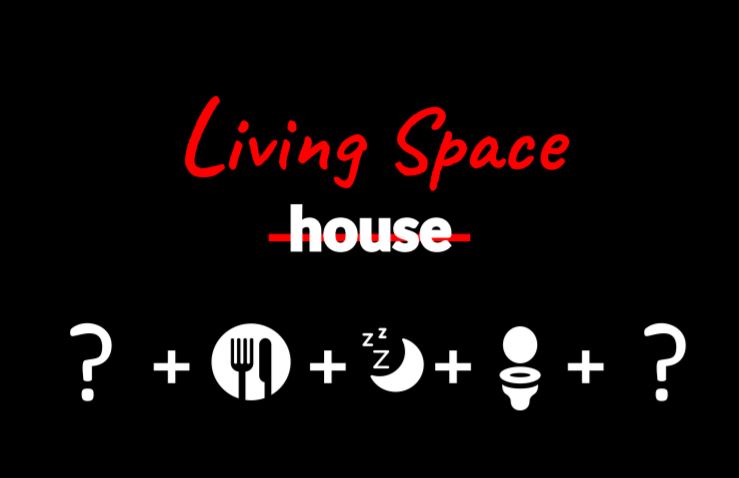
a place to eat, sleep and sanitate
Issue
Areas to serve the purpose of eat, sleep and sanitate form the basics to accommodate living. However, for it to become a home, the lists grows longer and very subjective. It becomes even tougher to house this long list when the carpet area becomes very limited.
How can architecture be used as a tool to use this lack of space to our advantage and create a new way of living?
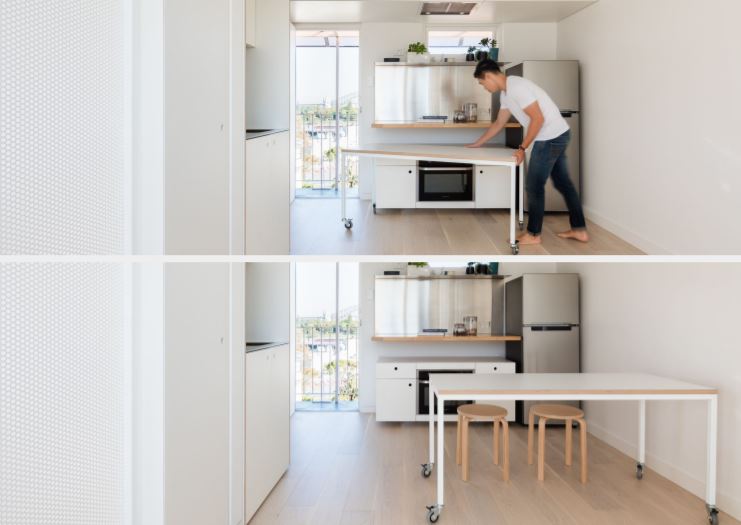
Img 3: The table is carefully designed with wheels allowing multiple uses for the space available.
Brief of the competition
Design a ‘Living Space’ for 3 people (participants are free to choose these people). Based on this, propose a modern way of living in a tiny Apartment Typology for them.
Focus should be given on the transforming nature of the spaces proposed. The space should be flexible enough to accommodate for different scenarios such as a guest staying over or a house party or group study or exercising etc. (depending on the character sketch of the users).
How is the designed space capable of adapting to such dynamic changes will be important for this challenge.
Objectives
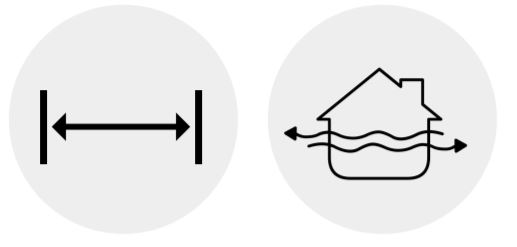

Optimization: Optimum use of available carpet area.
Basics: Natural Light and Natural Ventilation
Contextuality: Anchorage to the chosen site in terms of climate etc. and culture.
Imagination: Re-imaging living for the modern era.
The design should aim at creating a new way of living. The design can completely disregard/challenge the way houses are made currently.
Programmatic Outline
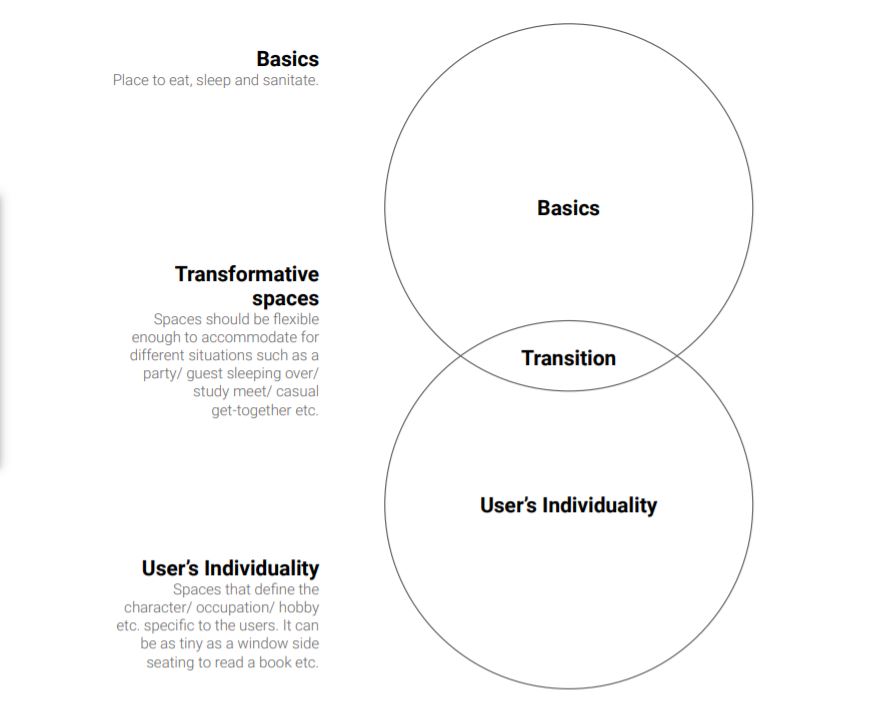
Areas to serve the purpose of eat, sleep and sanitate form the basics to accommodate living. However, for it to become home, the lists grows longer and very subjective. It becomes even tougher to house this long list when the carpet area becomes very limited.
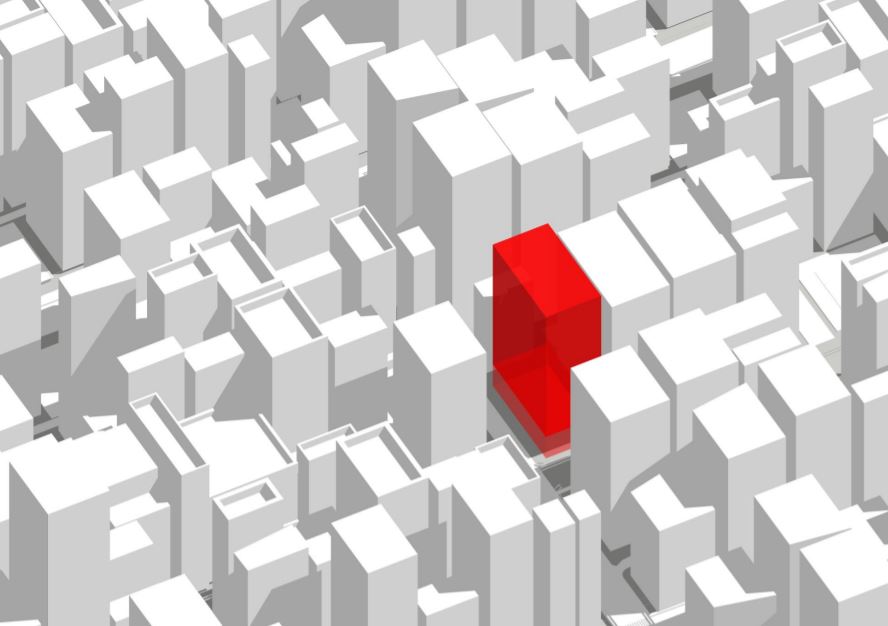
Img 4: Urban Context for the Apartment
Urban Fabric
The apartment can be imagined belonging to any of the Metropolitan city’s central area. This would be typically those areas in the city where the housing prices are extremely high as compared to other parts.
The intervention should respond to the climate conditions of the chosen city.
The Apartment can be considered to be a part of an independent building with Commercial Space on the Ground Floor and Residential above.

About UNYT
Unyt serves as a part of UNI in the realm of typological discoveries. It intends to break the fusion of traditional design barriers and methodologies by making it a platform for experimentation. It embarks on mobilizing ideas where creators can elementally question the buildings we create. It is a research initiative dedicated to providing opportunities for designers from all domains to explore ideas that go beyond the restrictions of usual architectural discourse.
Queries: support@uni.xyz
Discover other competitions: https://uni.xyz/competitions
Facebook: https://www.facebook.com/unixyzglobal/
Instagram: https://www.instagram.com/uni.xyz/
Discover FAQ’s about this competition on our help forum here: https://help.uni.xyz/