
Nari
Challenge to design a memorial in celebration of women’s achievements
Overview
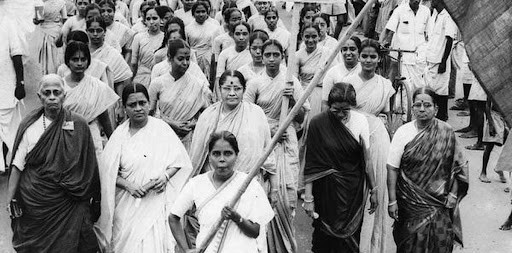 Fig: 1 - Women played an important role in the fight for freedom in India. (Credits: The Hindu)
PREMISE
India, known as the land of diversity and culture, has existed for more than 55,000 years. It has been through situations of difficulty and prosperity, while persistently striving for independence and development. Its progress can be attributed to the contributions made by men and women alike.
Women throughout history have persevered, to make their mark in society through meaningful contributions. Even in times when they were denied liberty and opportunities, notable women like Tarabai Shinde, Dr. Rukhmabai and Justice Anna Chandy had created waves in society by striving for equal rights. They resisted the oppression of the patriarchal society in India at that time and paved the way for women of today.
With the times changing, the desire for an equitable society has risen. But the social conflict between the genders is ever present, and when women rise, they face hurdles that are more complex and intense than their male counterparts.
How can we work towards an equal society?
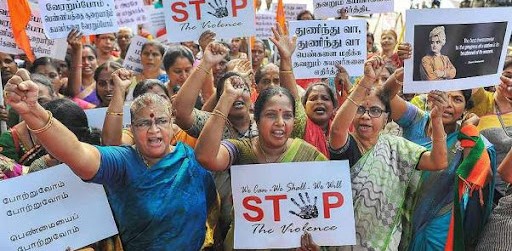 Fig: 2 - The society is plagued with atrocities against women that make cities unsafe for them and their right to freedom. (Credits: PTI Photo)
ISSUE
Gender disparity is a major challenge. The role of women in India has changed a lot over the years. From being suppressed and undermined by men in history to the present where they are leading the country in economic and political sense. However, the pace is slow and almost non-existent still in many regions of India.
Even in the 21st century, women in India are threatened by crimes and unequal rights. Safety and security is the topmost concern of women in the country with rising crimes against them. While many women are playing an important role in society, this knowledge is neglected, ignored or unacceptable in many regions.
While modern societies claim to have achieved equality, the bias is deeply rooted in the mentality of citizens, fortified by illiteracy and absurd values. Some women have achieved excellence in their fields but the widespread recognition of their efforts is still amiss. Society is to be woken up and made aware of the prejudice and injustice that is imposed on women in a free nation.
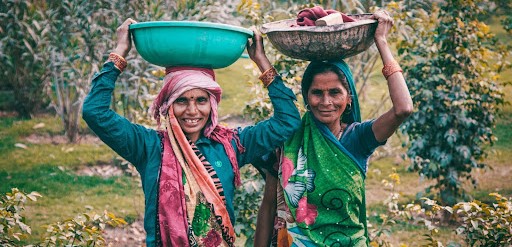 Fig: 3 - Women are capable of contributing to social, economic and political aspects of modern Indian society but they need support.
BRIEF OF THE COMPETITION
Design a memorial centre dedicated to the contributions of women in the history of the nation and its ongoing development.
It will also be a haven for women who need support, protection or assistance of any kind, to ensure equitable progress of society.
The centre will perform as a congregation space for women empowerment and at the same time, give shelter or skills to underprivileged women seeking help from urban or rural settings. Women have rights to equality, dignity and freedom form discrimination and the memorial must be a representation of that.
The aim of the design is to create an alluring disruption that will bring the focus on women and their important role in society. Changing the mindset of a nation is a daunting challenge but this memorial will be a start. It is to honour, not just the forgotten women in history but to acknowledge the women making waves in the country in current times.
OBJECTIVES
- Concept: The journey through the structure must be inviting, awakening and motivational. The layout and arrangement of spaces must convey a story in progression.
- Landmark: The structure is to be placed in a vulnerable society and must become a landmark of resilience and hope to other women in the nation.
- Multi-functional: The complex must be able to host an additional number of occupants when needed. Spaces must have a design layout that can be modified, when need be.
- Balance: The aesthetic and functionality must be balanced, as the design must generate a visual as well as a psychological impact on its visitors.
DELHI, INDIA
Delhi is the capital of the country. Its history is enriched with many processions and moments that have shaped the society, post-independence. But the city remains one of the most unsafe places for women in the country. The crimes against women in Delhi have escalated and more cases of abuse and violence come up each day. There is a need to sensitise the people of the city and the country towards the atrocities faced by women on a daily basis.
SITE
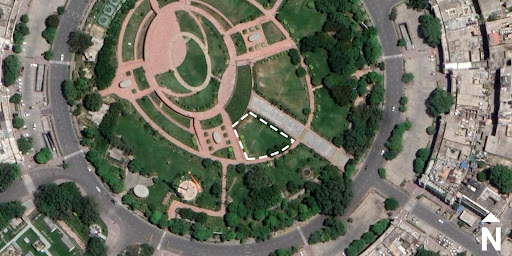
The site is located at Central Park in the Cannaught Place neighbourhood of the city. This park is a popular public destination for walking, exhibits and performances. It is surrounded by commercial activities and cultural centres which makes it an ideal location for this typology.
- Coordinates = 28°37'56.7"N 77°13'12.0"E
- Total site area = 1021.10 sq.m
- Height restriction = 3 metres
- Maximum Built Up Area = 750 sq.m
- Ground coverage = 30%
Setbacks (as per CAD plan)
Ground Coverage refers to the ratio of maximum allowed solid/permanent footprint on the site to balance the built and unbuilt spaces. You can utilize the other 70% of the site for any temporary intervention/recreation.
AREA PROGRAMME
The programmatic outline is the point to begin your design at. You can add more functions and activities in relevance or modify the below design programme.
Museum and gallery ~ 150 sq.m
Exhibition area ~ 80 sq.m
Learning rooms ~ 200 sq.m
Offices (NGOs and helpline centers) ~ 100 sq.m
Administration and Services
The functional spaces can be delegated in open, semi-open or closed spaces as intended by the participant.
Similar Competitions
Discover competitions you might be interested in


Design challenge to reuse E-waste

Challenge to design locus for the upliftment of human rights