Opera by the sea
Opera house for Estonia
OVERVIEW
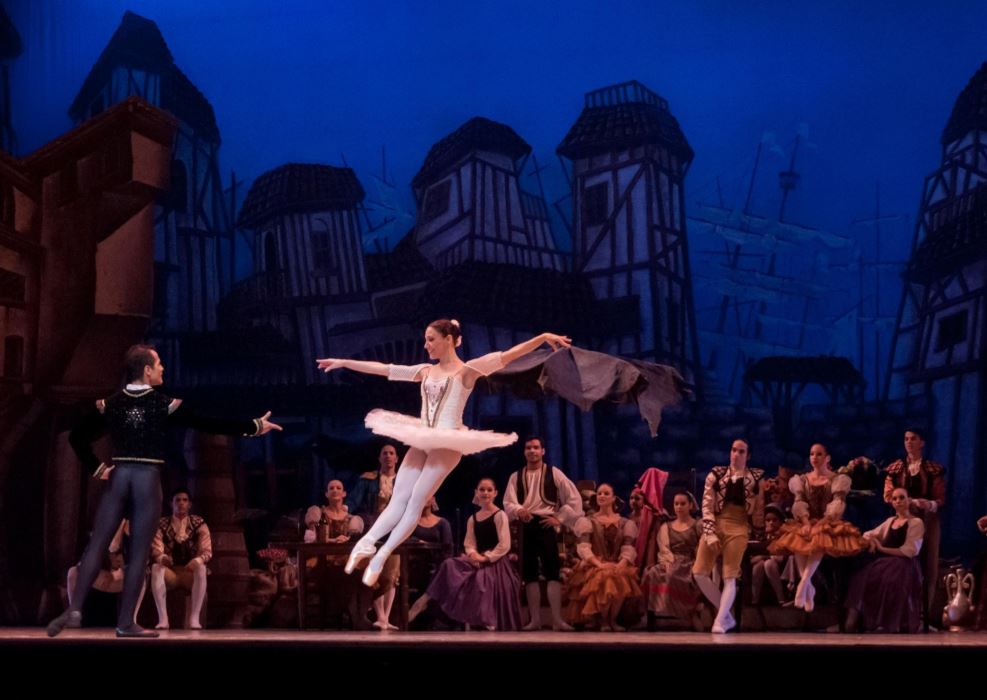
Img 1: A ballet performance - Today.
Performing arts
Performances are art in motion, demonstrating the concept of creation and experience. They are ever-changing and ephemeral. Arts in general, along with performing arts was revived in the 15th century in Italy and then started to spread to Europe. Within a century it was popular throughout the continent, featuring music, dance and plays, attracting the masses for a new form of entertainment. This lead to the emergence of professional theatrical companies in England. It continued to attract new expertise and talent in modern society.
Musical plays like opera were extensively performed and celebrated. Soon, performing arts became a doorway to experience arts of different forms like broadways, ballet etc. The first ever was public opera house was constructed in the Teatro San Cassiano which opened its doors to a paying audience in Venice in 1637.
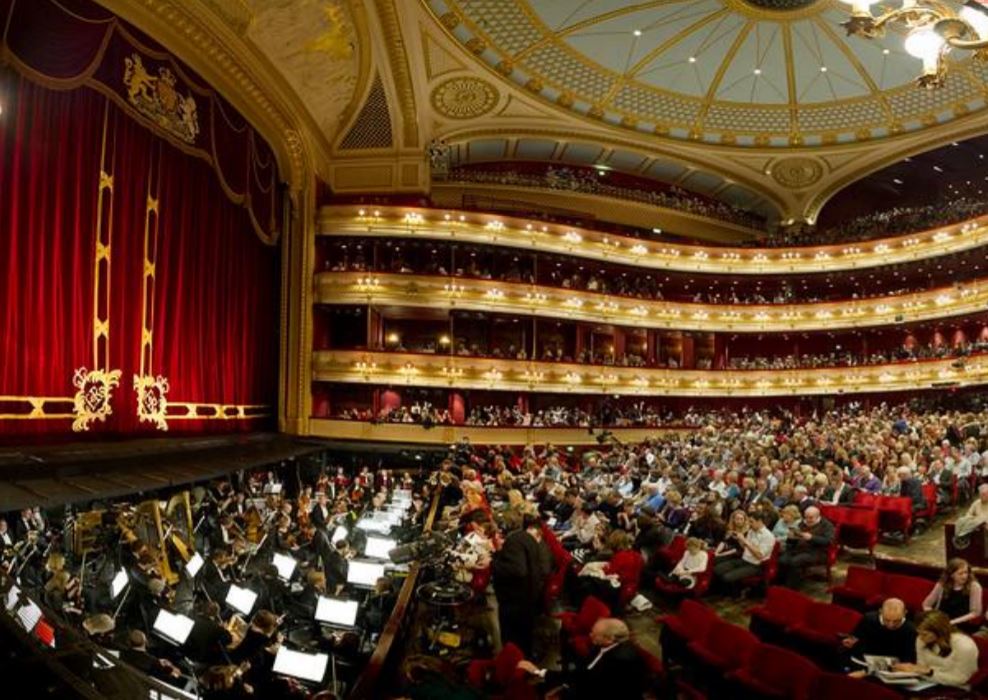
Img 2: London Opera House
Classic Opera
The popularity of the theater plays and opera shows, created a new typology of structures called “Opera Houses” across the Europe. They became the cultural center of a city housing legendary artists and performers.
The operas house in Italy, Vienna, Germany, England were some of the first constructed buildings that displayed grandeur. They were often placed in the commercial district of the city. Attending an opera was a social occasion that displayed the prosperity of the upper middle class. The auditorium and stage were lit with chandeliers that hung from the ceiling and the audience was as visible as the performers, they would converse and indulge in activities and pause in between to listen to the performance.
Opera house was identified as an iconic architectural object of their respective cities.
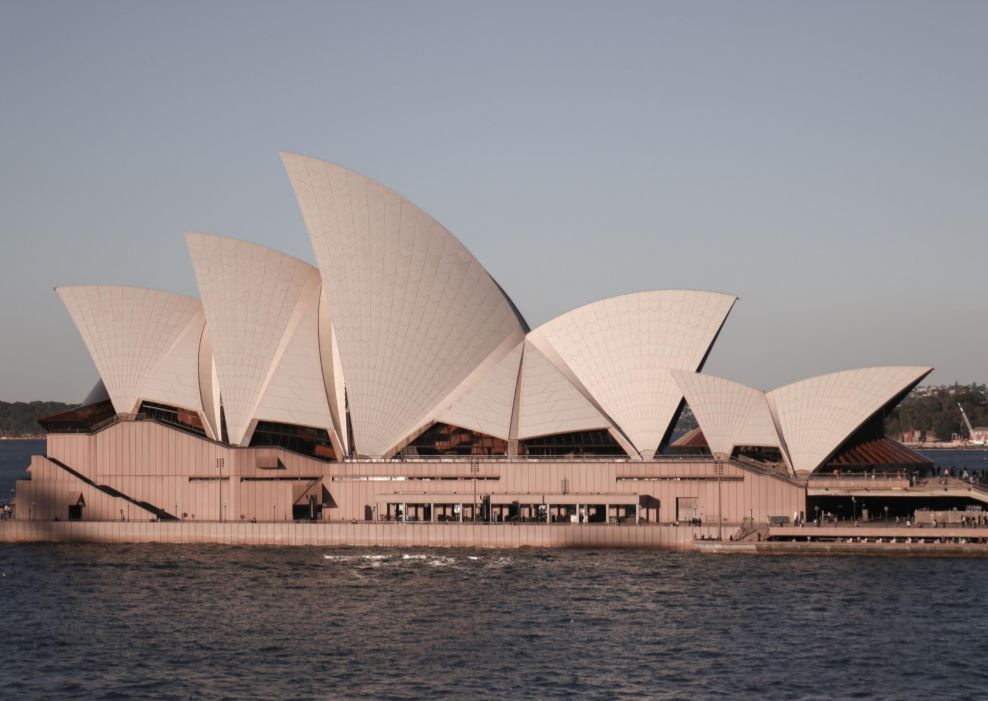
Img 3: Sydney Opera House.
Modern Opera
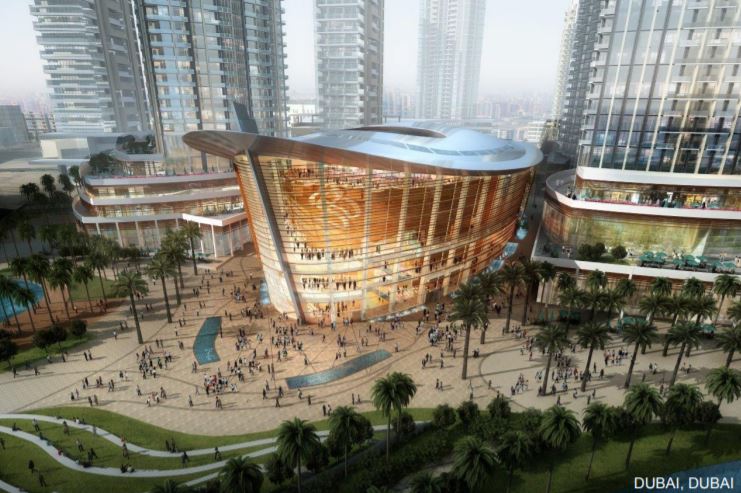
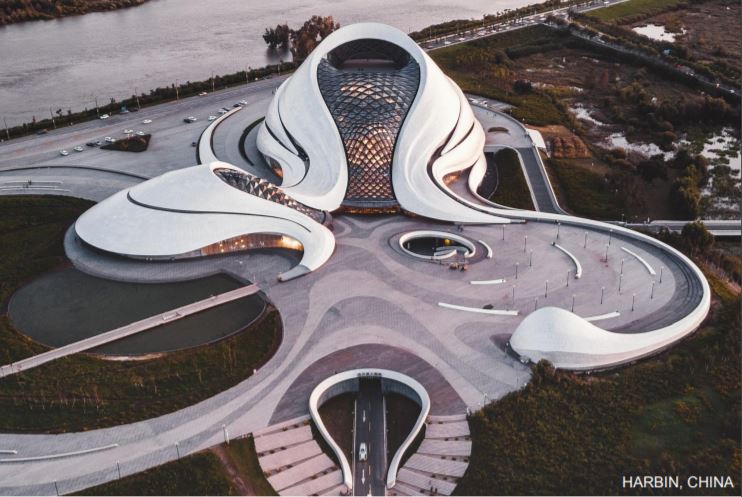
Opera Houses after the 19th Century were seen as cultural hubs of the modern society, constructed for more than just performances. Its utility was exploited using design ideas that allowed a multi functional structure. They housed conferences, auditoriums, museums and eateries for the landmarks they had become.
Opera house in Sydney is one of a kind architectural icon of its time designed by John Utzon for creating a legacy for Australia. It comprises of multiple performance venues, which together host over 1,500 performances annually, attended by more than 10.9 million visitors in 2016-17. Economic contribution of Sydney Opera was estimated to be $1.2 billion.
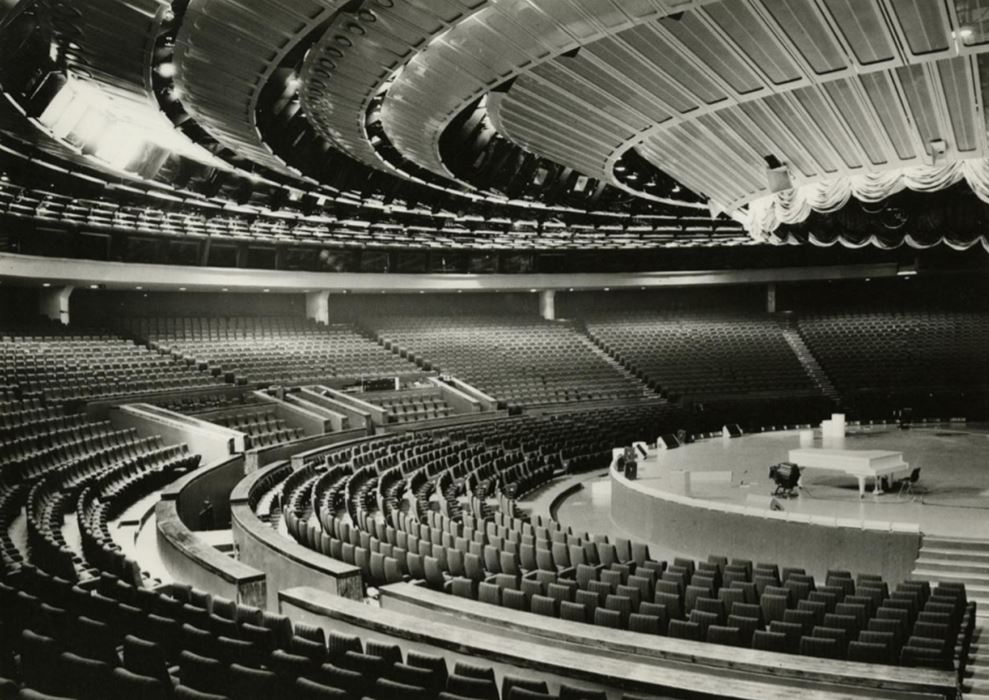
Img 4: Linnahall Arena, Estonia
Brief
Opera houses of Valencia, Almaty, Beijing, etc were built subsequently in the 19th Century designed by architects Santiago Calatrava, Norman Foster and Paul Andreu respectively.
Designing an Opera House (cultural hub) of today that encapsulates the architectural style of 21st Century to create an icon that lasts for decades ahead is a challenge in itself.
How is the demand of cultural preservation served by architecture in the modern society?
The challenge here is to design an 'Opera House' for Estonian Capital Tallinn to mark their legacy and create a cultural center.
Objectives
Identity: Structure must be an icon for the city of Tallinn, Estonia.
Functional: Tourist friendly visitor space having versatile functioning.
Public Function: Structure must create public engagement for the visitors.
Future: How the Performance center will traverse through next 5 decades of estonia.
The following objectives can be a point of beginning to conceive this design. Participants can assume their own contexts and users before initiating their design process.

Programmatic Outline
The programme of the Opera House must include the above mandatorily. However, the participants are free to add other programmatic facilities depending on their design. Parking need not be included in the design requirements.
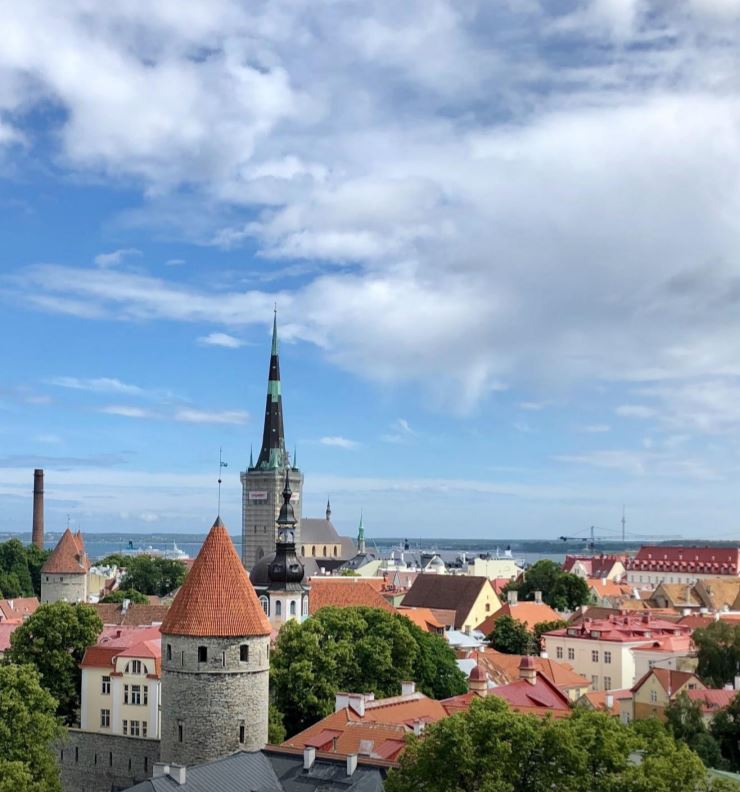
Tallinn, Estonia
Estonia,is a country on the eastern coast of the Baltic Sea in Northern Europe. It is bordered to the north by the Gulf of Finland, in the west by the Baltic Sea with Sweden on the other side, the south by Latvia, and to the east by Lake Peipus and Russia. Its capital and largest city is Tallinn, with a population of 1.3 million. After centuries of successive rule by Germans, Danes, Swedes, Poles and Russians, a distinct Estonian national identity emerged in the 19th and early 20th centuries.
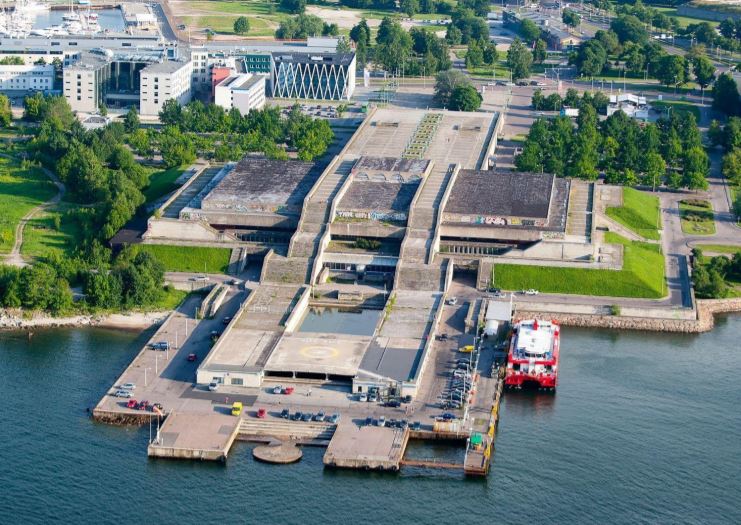
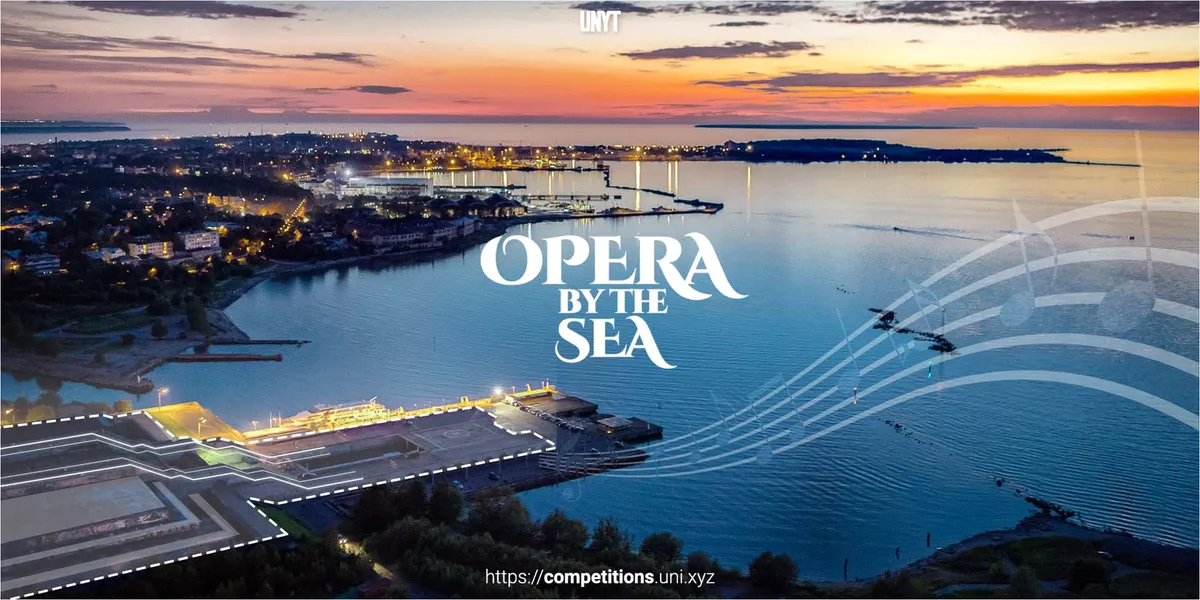
Img 5: Aerial View Linnahall, Estonia
Linnahall, Tallinn
Linnahall, 'Tallinn City Hall, originally known as V. I. Lenin Palace of Culture and Sports, is a multi-purpose venue in Tallinn, Estonia. It is situated in the harbour, just beyond the walls of the Old Town, and was completed in 1980.
The proposition of constructing an opera house was supported by the fact that the current state of Linnahall is questionable, and its location is in a prime area of Estonian capital makes it considerably significant. It makes up one part of the view of our capital from the sea.
The Ministry of Culture in Estonia has been planning to develop the area since past few years and seeking funds to do the same. They are a nation with a well known music culture, and are eager to develop a symbolic structure to last decades.
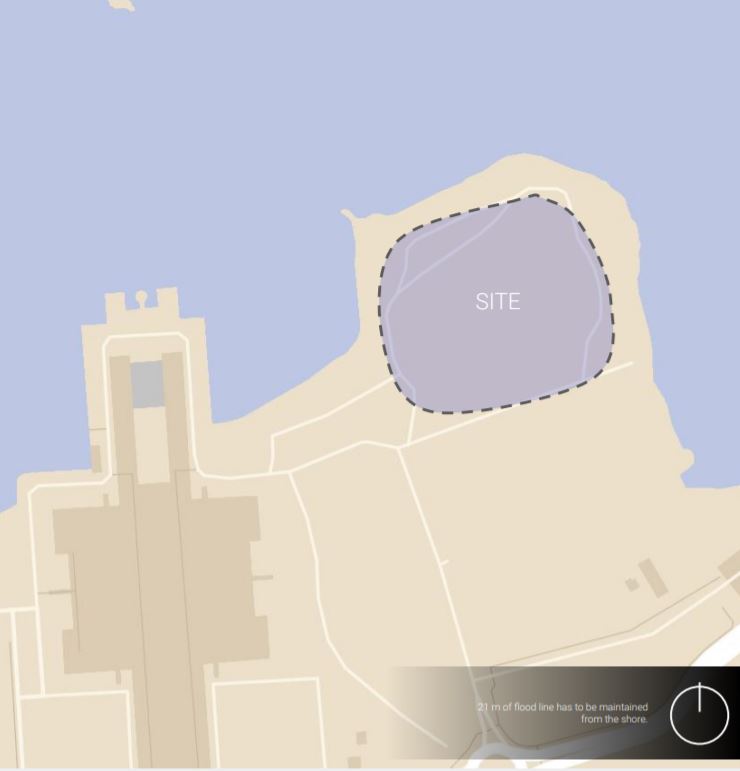
Img 6: Site Map
Site Plan
The site chosen for this challenge is in close proximity to Linnahall Stadium, that serves a perfect location for an “Opera House” overlooking the Gulf of Finland. This enables the authorities to restore the Linnahall Arena as a Heritage site.
- FAR = 1
- Site Area = 21000 m2
- Coordinates = 59°26'54.8"N - 24°45'27.9"E